
2019 Mack Conventional Daycab Trucks For Sale
Shop 2019 Mack conventional daycab trucks with specs built for regional haul, vocational work, maneuverability, uptime, and driver comfort.
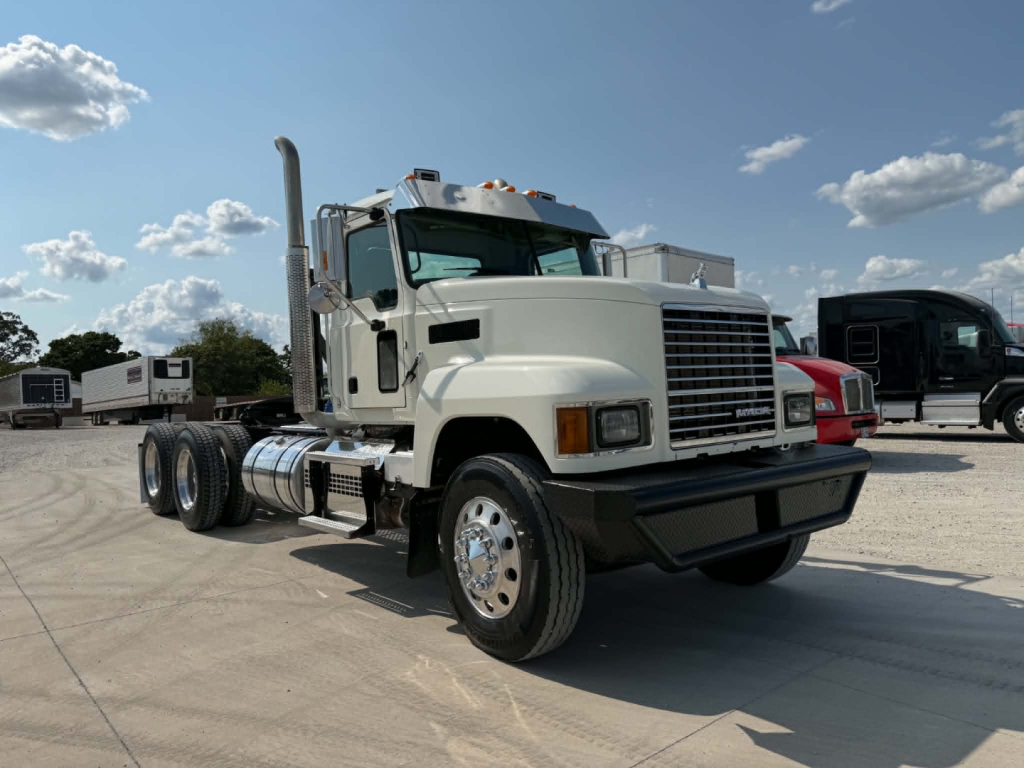
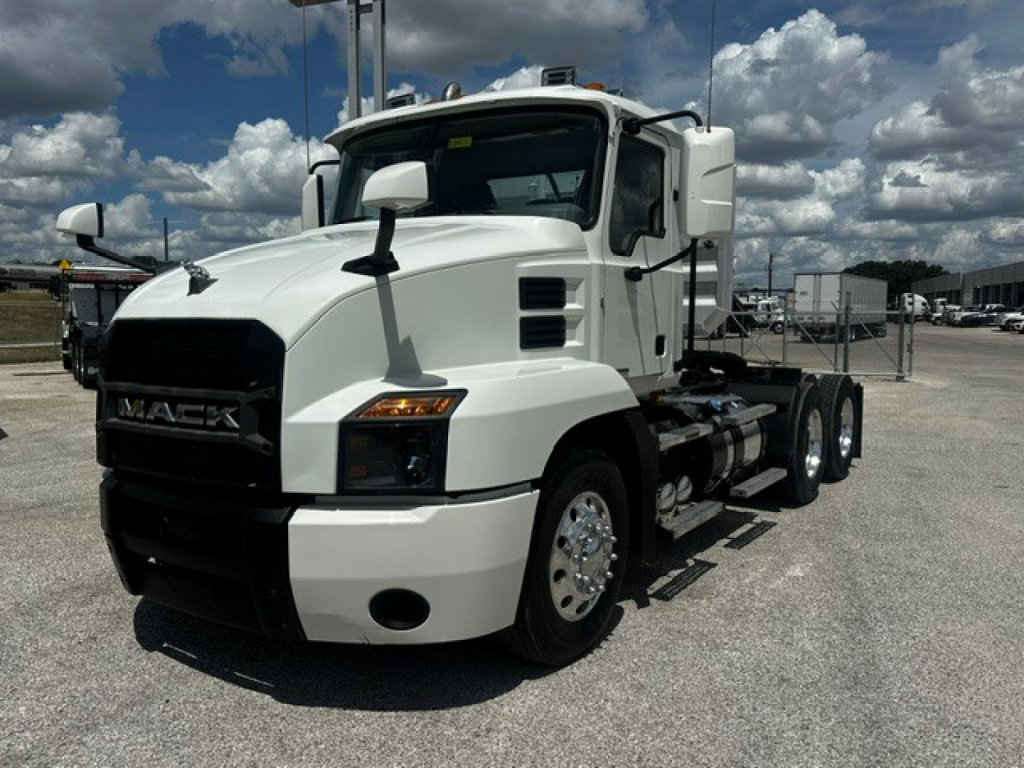

Have 2019 mack conventional daycab truck to sell? List it here to reach thousands of buyers.
2019 Mack Conventional Daycab Trucks
For buyers comparing 2019 models, the powertrain deserves the closest look. Many Mack daycabs from this period were spec'd with MP7 or MP8 engines, and some heavier highway applications may carry an MP8 or MP10 depending on the model and intended service. Horsepower and torque ratings vary widely by vocation, so it is smart to match the engine to your route profile, average gross weight, and idle time. Mack’s mDRIVE automated manual transmission is common and well regarded for regional and vocational use, while some trucks may be equipped with manual transmissions or Allison automatics in stop-and-go service. Rear axle ratio, wheelbase, suspension type, and PTO provisions can be just as important as engine rating if the truck will pull a tanker, run a wet kit, or work with body equipment.
A 2019 conventional daycab also needs to be evaluated as a chassis, not just a cab and engine. Check the front axle and rear axle ratings, frame spec, brake configuration, fifth wheel type, fuel capacity, and suspension design. Buyers in tight urban routes often prefer shorter wheelbases for turning radius, while heavier regional freight can call for a longer wheelbase and more fuel on board. Mack daycabs from this era may include driver-assist features, updated interior controls, improved cab insulation, and aerodynamic improvements that help fuel economy on highway routes. If uptime is critical, pay attention to maintenance history, emissions system service, software updates, and any signs of excessive idle hours or vocational abuse.
The appeal of a Mack daycab is its balance of rugged construction and operator-friendly design. These trucks are known for solid chassis components, strong vocational support, and cabs that hold up well in demanding fleets. A buyer sorting through listings should focus less on badge alone and more on how the truck was spec'd from new. A 2019 Mack conventional daycab built for linehaul day runs will feel very different from one built for construction, refuse, or mixer service, even if the cab style looks similar. The right truck is the one with the axle configuration, drivetrain, frame, and equipment package that fits the job without carrying unnecessary complexity.
Frequently Asked Questions about 2019 Mack Conventional Daycab Trucks
What is a 2019 Mack conventional daycab best used for?
A 2019 Mack conventional daycab is best suited for local and regional work where the truck returns regularly and does not need a sleeper. Common applications include regional van or flatbed hauling, tanker work, dump and vocational service, port drayage, refuse, and municipal operations. The daycab layout reduces weight and overall length, which can improve payload potential and maneuverability compared with a sleeper tractor.
Which engines and transmissions are common in 2019 Mack daycab trucks?
Many 2019 Mack conventional daycabs are equipped with MP-series diesel engines, most commonly the MP7 or MP8 depending on model and intended service. Mack mDRIVE automated transmissions are very common because they balance fuel economy, drivability, and vocational performance, but some trucks may have manual or Allison automatic transmissions. The right combination depends on route speed, start-stop frequency, gross weight, and whether PTO or body equipment is part of the job.
What should I check first when comparing 2019 Mack daycab listings?
Start with the axle configuration, wheelbase, engine rating, transmission, suspension, and brake setup. After that, review mileage, engine hours, idle time, maintenance records, and emissions system history. A daycab that was spec'd for highway freight can be very different from one built for construction or municipal work, so the original chassis spec matters as much as age and mileage.
Are 2019 Mack daycabs good for vocational applications?
Yes, many 2019 Mack daycabs are well suited for vocational use, especially when built on heavier-duty Mack platforms with the correct frame, axle ratings, PTO capability, and suspension. Mack has a strong reputation in construction, refuse, and severe-service environments, and a properly spec'd daycab can handle demanding body or trailer work. Buyers should confirm that the truck has the gearing, frame reinforcement, and hydraulic or PTO provisions required for the intended application.
How important is wheelbase on a Mack conventional daycab?
Wheelbase is a major buying factor because it affects turning radius, bridge law flexibility, body or fifth wheel placement, and ride characteristics. Shorter wheelbases are often preferred for city work, tight yards, and vocational maneuvering. Longer wheelbases can improve stability, fuel capacity options, and trailer compatibility for certain regional or highway applications.