
Mack Conventional Daycab Trucks For Sale in Kansas
Shop Mack conventional daycab trucks built for regional haul, vocational work, and fleet use with MP engines, tandem axles, and Mack mDRIVE options.
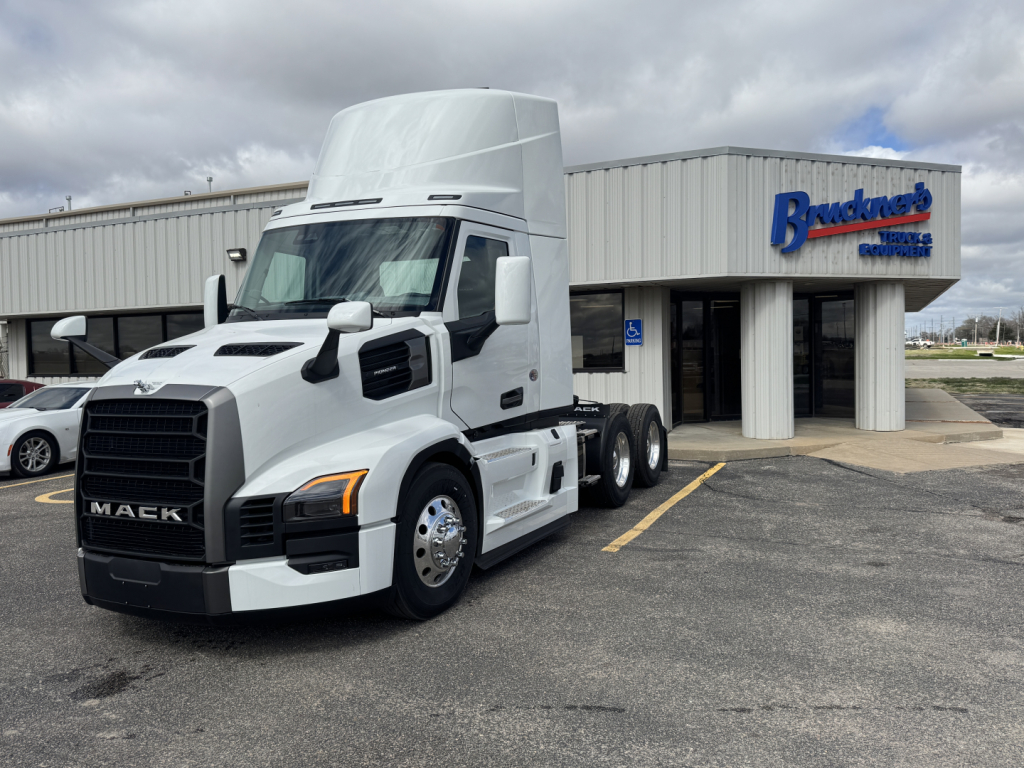
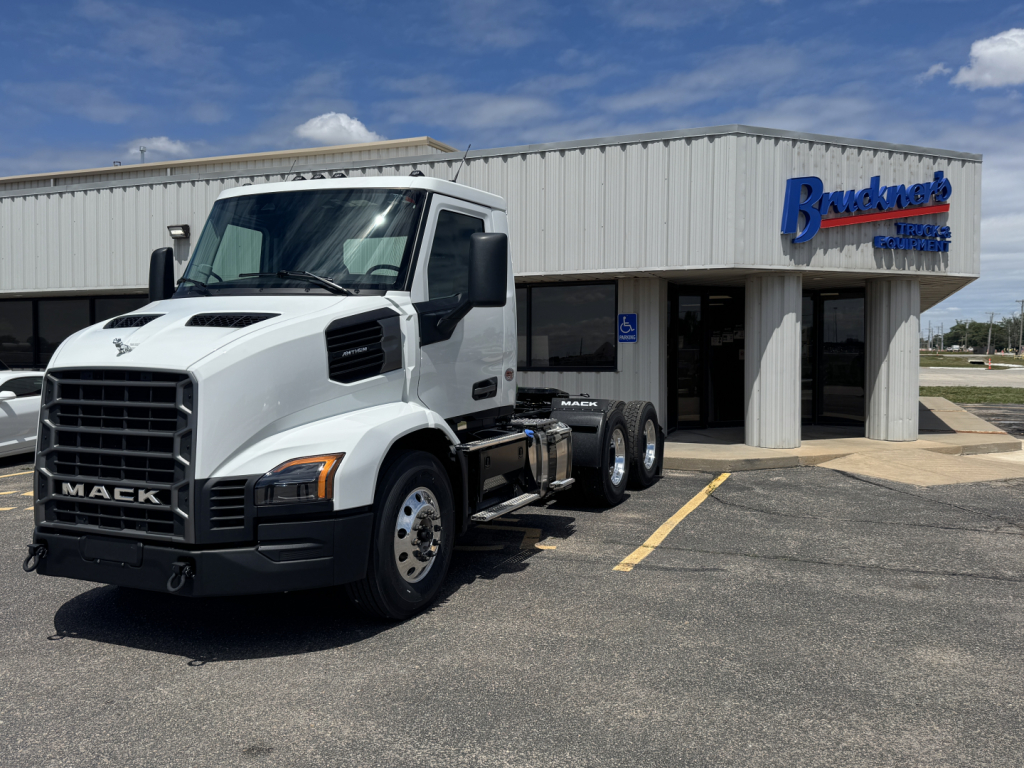
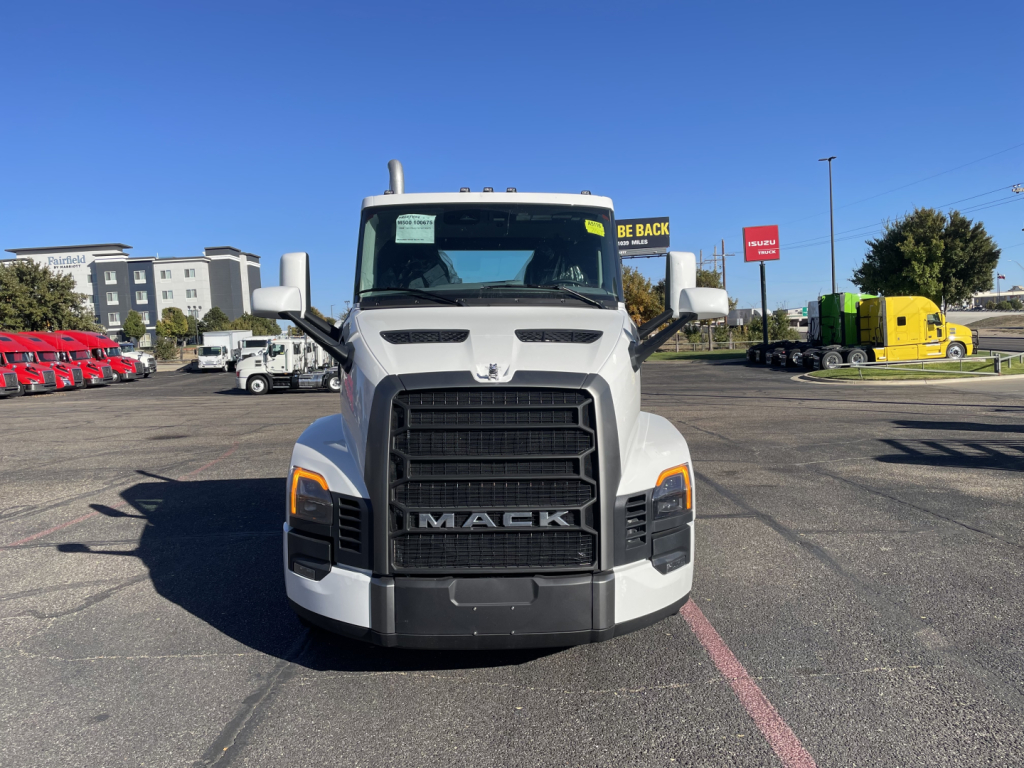

Selling a mack conventional daycab truck? List your mack conventional daycab truck for sale and reach thousands of commercial buyers.
Mack Conventional Daycab Trucks in Kansas
For buyers comparing specs, the big decisions are engine rating, transmission, wheelbase, axle package, and rear ratio. Mack daycabs commonly show up with MP-series diesel engines, including higher-horsepower MP13 ratings for heavy regional and vocational pulls. Mack mDRIVE automated manual transmissions are popular because they reduce driver fatigue, deliver consistent shifting, and integrate well with Mack powertrains. Tandem rear axles, 12,500 lb front axles, 40,000 lb rears, and GVWRs in the 52,000 lb range are common on highway-oriented daycab tractors, while wheelbases in the mid-180 inch range usually balance frame room with turning radius. Rear suspension specs also matter, especially on trucks expected to see mixed pavement, loaded trailers, and uneven yard conditions.
Model differences matter as much as raw horsepower. Mack conventional daycab listings may include highway-focused platforms as well as more rugged vocational chassis, so it helps to match the truck to the lane. A lighter regional spec may prioritize fuel economy, lower rear axle ratios, and aerodynamic trim, while a more demanding application may call for a stronger suspension package, different gearing, heavier axle ratings, and PTO readiness. If the truck will spend most of its time on Kansas highways with steady trailer weights, an overdrive transmission and taller rear ratio can help keep engine speed down. If it will pull out of fields, quarries, or construction sites, traction features, suspension choice, and frame specification deserve extra attention.
The best Mack daycab is usually the one with the right vocational balance, not simply the highest published rating. Buyers should look closely at engine horsepower and torque, fifth wheel setup, axle spread, fuel capacity, emissions system service history on used units, and how the cab spec fits the intended shift length. Mack has a strong reputation for integrated driveline performance, and that is a real advantage when uptime, driver acceptance, and serviceability all matter. For regional carriers and vocational operators who want a conventional tractor with a straightforward daycab layout, Mack remains a practical choice with broad fleet appeal.
Frequently Asked Questions about Mack Conventional Daycab Trucks in Kansas
What is a Mack conventional daycab truck best used for?
A Mack conventional daycab truck is best suited for regional hauling, local delivery, dedicated freight, tanker service, dump and construction support, and other operations where the driver returns home the same day. The conventional hood design provides easier engine access than a cabover, and the daycab configuration reduces weight compared to a sleeper tractor. That combination makes it a strong fit for fleets focused on productivity, maneuverability, and lower operating complexity.
What engine and transmission specs are common in Mack daycab tractors?
Many Mack conventional daycab tractors are spec'd with Mack MP-series engines and Mack mDRIVE automated manual transmissions. In heavier regional applications, buyers often see MP13 engines in the 400-plus horsepower range paired with 12-speed overdrive mDRIVE transmissions. This setup is popular because it delivers strong torque, consistent shift logic, and good integration between the engine, transmission, and cruise controls.
How do I choose the right rear ratio and wheelbase for a Mack daycab?
Rear ratio and wheelbase should match the truck's route profile, trailer weights, and operating environment. A taller rear ratio can help reduce engine rpm at highway speed and improve fuel economy on regional lanes. A shorter ratio generally provides better launch and gradeability for heavier loads or stop-and-go work. Wheelbase affects turning radius, ride quality, and available frame space for tanks and equipment, so buyers should balance maneuverability against application needs.
Are Mack conventional daycabs good for Kansas fleet operations?
Mack conventional daycabs fit Kansas operations well because they can be spec'd for a mix of highway miles, agricultural support, and vocational hauling. Regional freight carriers benefit from efficient drivetrain options and durable tandem axle configurations, while construction and commodity haulers can find heavier-duty suspensions and axle packages suited to rougher service. The right spec depends on whether the truck will spend most of its time on interstate routes, county roads, or mixed off-road conditions.
What should I inspect first on a used Mack daycab truck?
Start with the engine, transmission, axle ratings, suspension, and emissions system history, then confirm that the truck's specs actually match the intended trailer and payload. On a used Mack daycab, service records are especially important for DPF and aftertreatment maintenance, clutch and transmission calibration history on mDRIVE units, and suspension wear. Buyers should also verify wheelbase, fifth wheel position, tire condition, brake life, and any frame or PTO provisions that may affect body or trailer compatibility.