
2027 Mack Conventional Daycab Trucks For Sale in Kansas

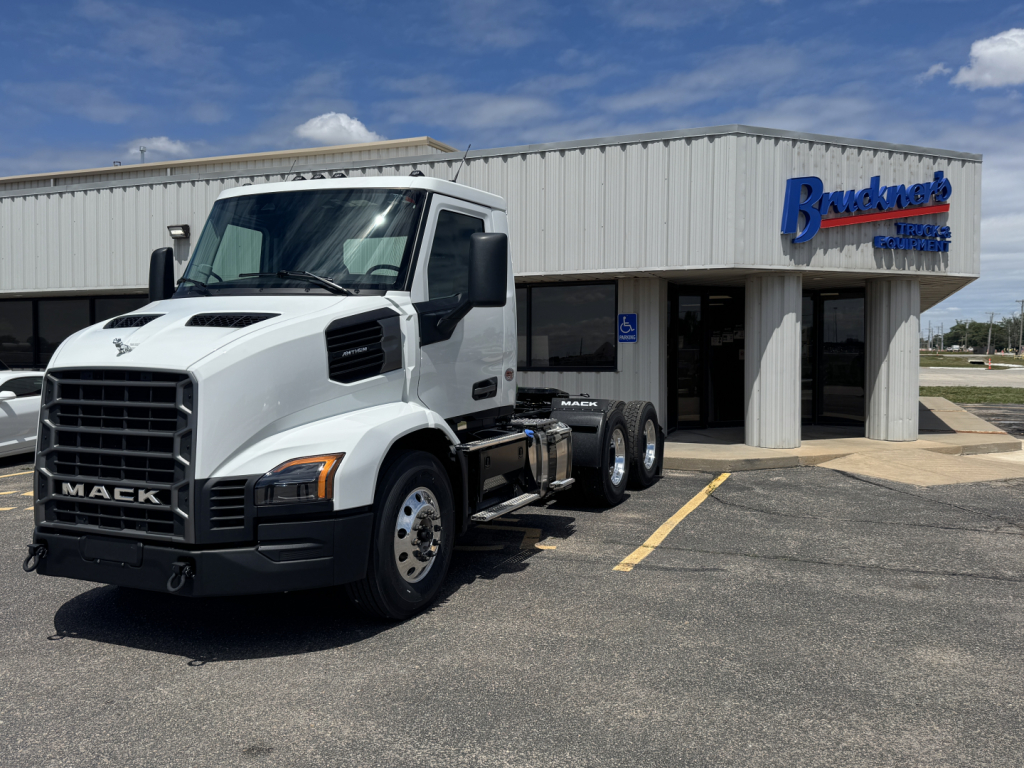
Have 2027 mack conventional daycab truck to sell? List it here to reach thousands of buyers.
2027 Mack Conventional Daycab Trucks in Kansas
The most important spec decisions usually start with engine rating, transmission, axle ratio, and wheelbase. Late-model Mack conventional daycabs in this segment are often powered by the MP13 in the mid-400 horsepower range with torque around 1,850 lb-ft, paired with the Mack mDRIVE automated manual transmission. That combination is popular for regional and highway use because it balances launch performance, cruise efficiency, and driver acceptance. Common axle specs include a 12,000 to 12,500 lb front axle and 40,000 lb rears, often on lightweight air ride suspensions. Rear ratios such as 2.79 or 3.08 are typical for fuel-conscious fleet work, while wheelbases in the 170 to 190 inch range can support different trailer swing clearances, fifth wheel travel, and bridge law considerations.
For Kansas operations, a conventional daycab often needs to perform across open interstate miles, agricultural freight lanes, and regional distribution routes where wind, terrain changes, and seasonal weather all affect the spec. Aero packages, fairings, and overdrive transmissions can make a measurable difference on long highway runs. Buyers should also pay attention to dual fuel tank capacity, front disc versus all-drum brake setups, tire size, and fifth wheel configuration. An air slide fifth wheel adds flexibility if the truck may pull multiple trailer lengths or needs kingpin setting adjustment across a mixed fleet. Suspension choice matters too. A lightweight air ride setup can improve ride quality and help with fuel economy, while still handling the demands of dry van, reefer, and general freight applications.
Cab environment and safety technology are also major buying points in this category. Modern Mack daycabs are often equipped with air ride seats, upgraded trim packages, Bluetooth connectivity, adaptive cruise, collision mitigation features, and integrated telematics support. Those features help with driver retention and can reduce training time for fleets moving into automated transmissions. When comparing listings, look beyond horsepower alone and match the truck to its actual duty cycle. A regional highway tractor spec is very different from a short-haul stop-and-go setup, even when both are called a conventional daycab. The best 2027 Mack daycab for sale is the one with the right powertrain, axle package, suspension, and cab spec for the freight it will pull every day.
Frequently Asked Questions about 2027 Mack Conventional Daycab Trucks in Kansas
What is a Mack conventional daycab truck best used for?
A Mack conventional daycab is best suited for regional haul, local and regional distribution, dedicated freight, port drayage, and other applications where the truck returns regularly and does not need sleeper space. It is a common choice for dry van, reefer, flatbed, and bulk operations because it keeps overall weight and length down while still providing full Class 8 highway capability.
What engine and transmission are common in a 2027 Mack daycab?
In this category, buyers will often see Mack MP13 diesel engines paired with the Mack mDRIVE 12-speed automated transmission. A spec around 445 horsepower and 1,850 lb-ft of torque is common for regional and highway work because it offers strong pulling power without overbuilding the truck for standard van and reefer lanes. The exact rating should be matched to gross combination weight, terrain, and average cruising speed.
How do I choose the right axle ratio for a Mack daycab?
Axle ratio should be selected based on route profile, trailer weight, startability needs, and target highway rpm. Lower numerical ratios such as 2.79 are often chosen for fuel-efficient highway operation, while a ratio like 3.08 may offer a little more flexibility where loads are heavier or routes involve more starts, grades, or mixed-speed service. The transmission top gear, tire size, and engine torque curve all need to be considered together.
What wheelbase is typical on a conventional daycab tractor?
Many conventional daycab tractors in this class fall in roughly the 170 to 190 inch wheelbase range, although the right number depends on trailer gap, fifth wheel position, axle spread, and state bridge requirements. A shorter wheelbase can improve maneuverability in tight yards and urban deliveries, while a longer wheelbase may better suit certain trailer setups, fuel capacity needs, or ride preferences.
What should I compare besides mileage and price on a Mack daycab listing?
Important details include front and rear axle ratings, suspension type, brake configuration, rear ratio, fuel tank capacity, wheelbase, fifth wheel style, and safety equipment. Buyers should also compare cab trim, seat package, telematics readiness, and whether the truck is spec'd for aerodynamic highway use or for more vocational and mixed-service work. Those items have a direct impact on operating cost, driver satisfaction, and resale value.