
New Conventional Day Cab Trucks For Sale
New conventional day cab trucks for sale: compare axle ratings, gearing, factory options, and warranty coverage for local, regional, and vocational work.
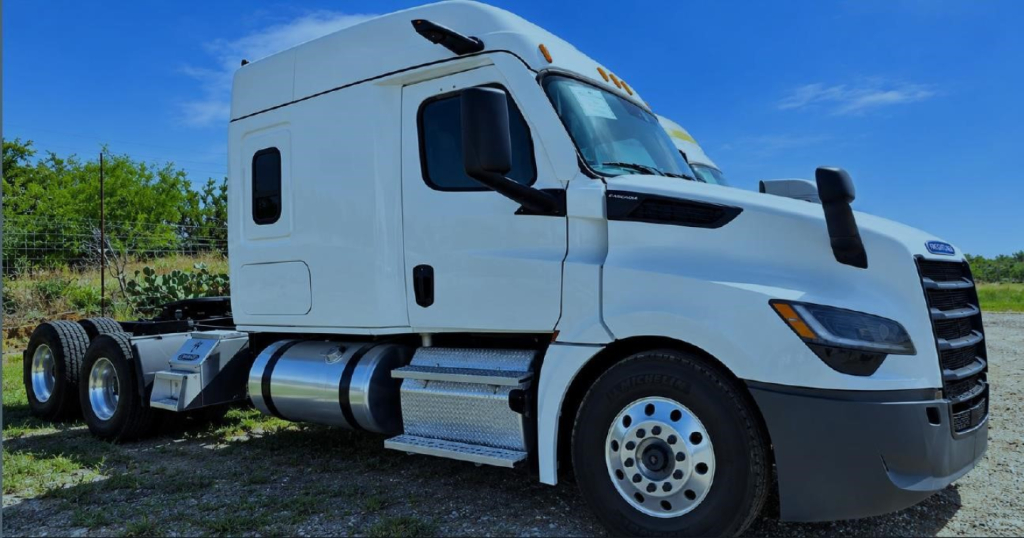
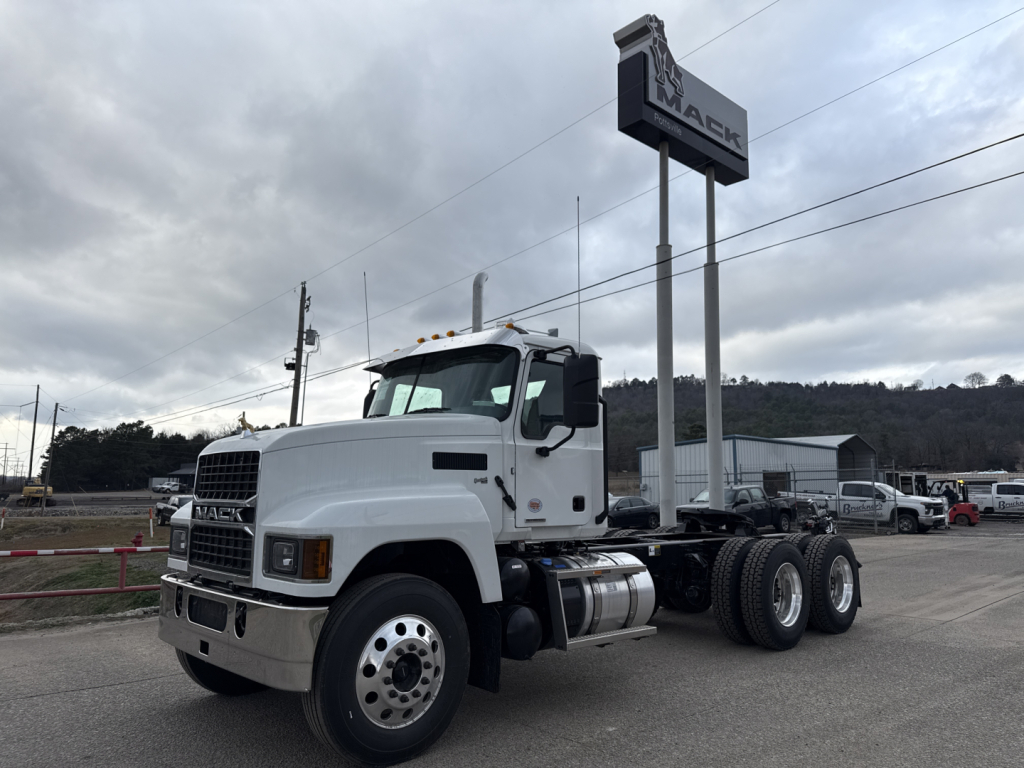
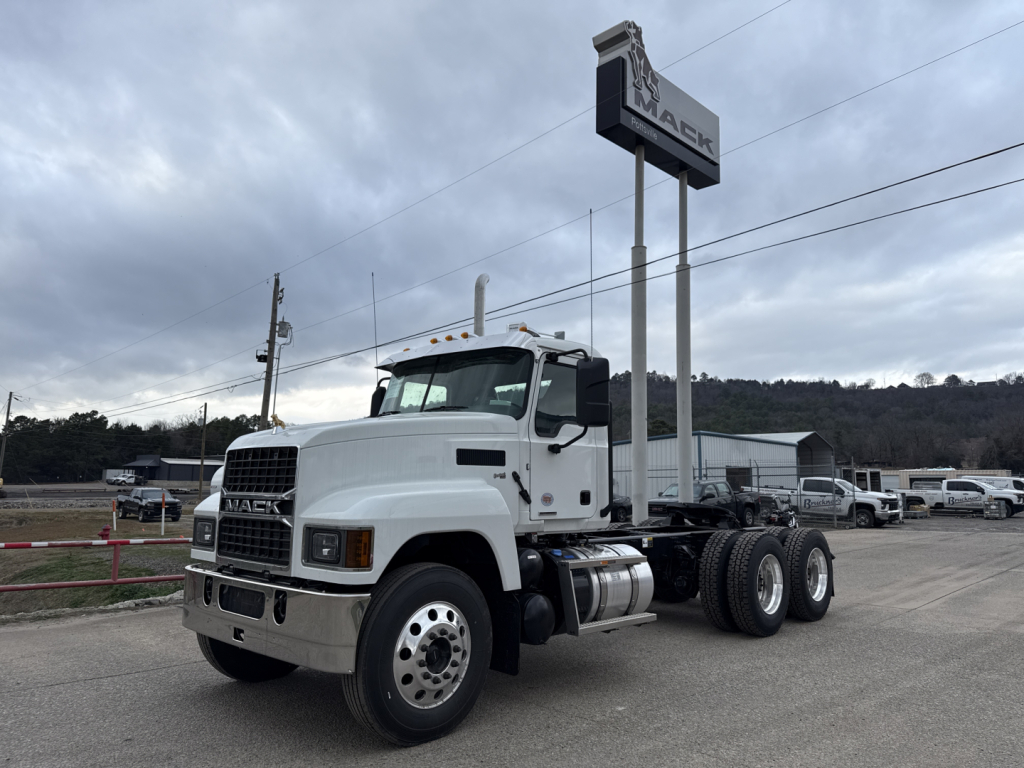
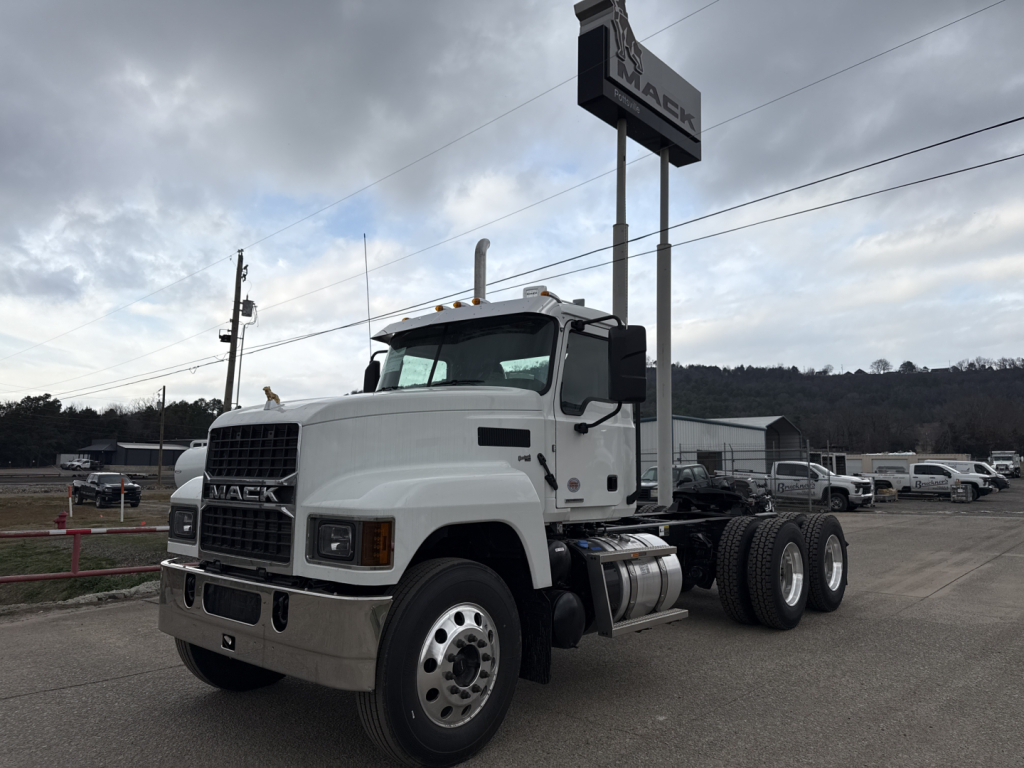
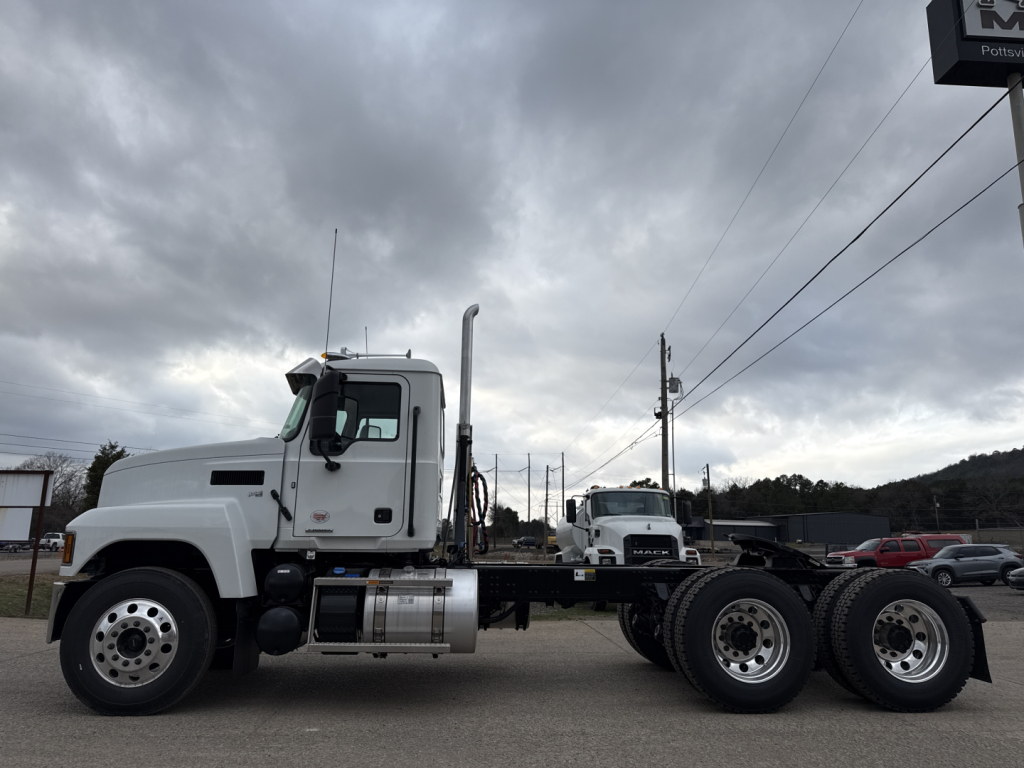
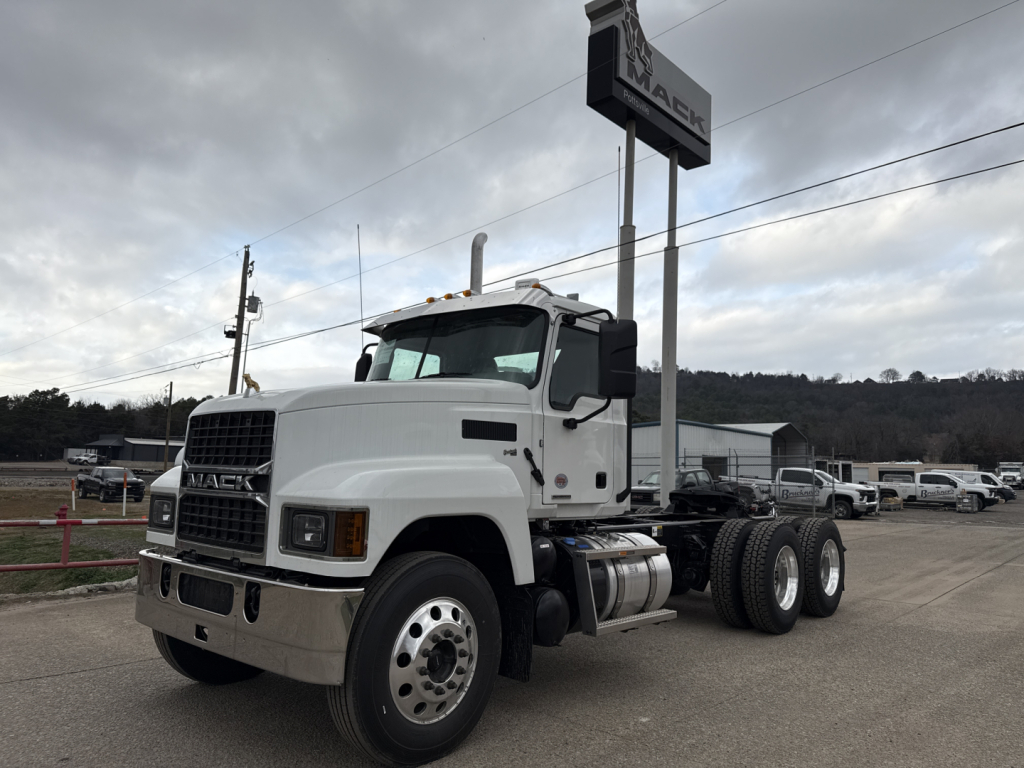
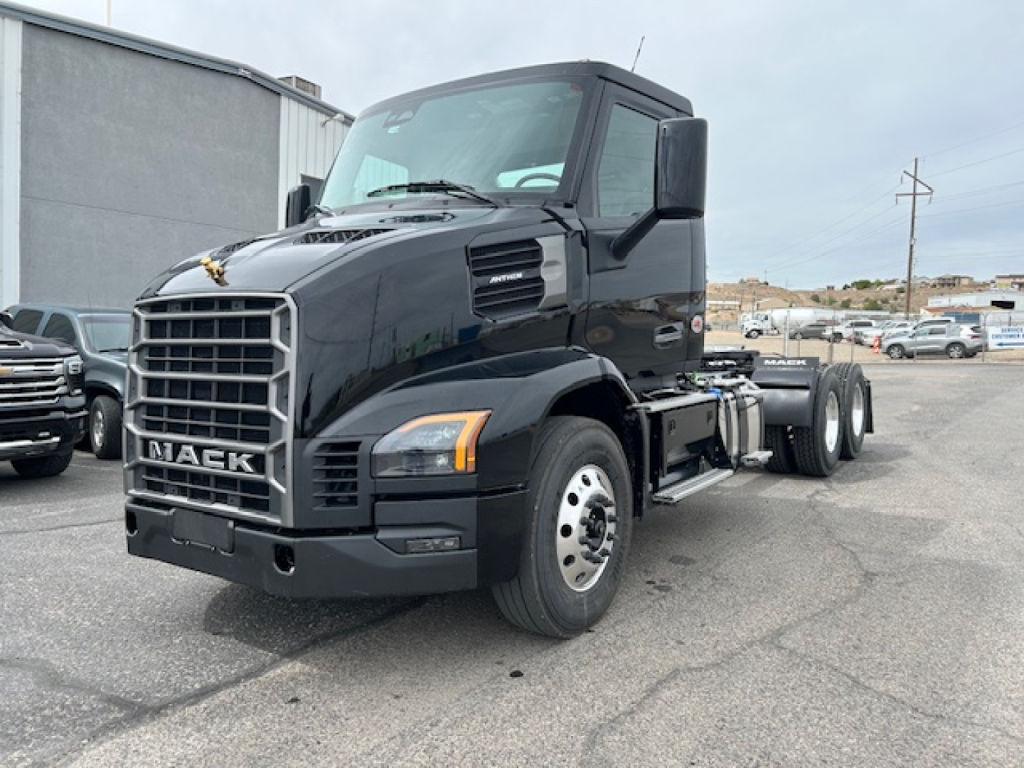
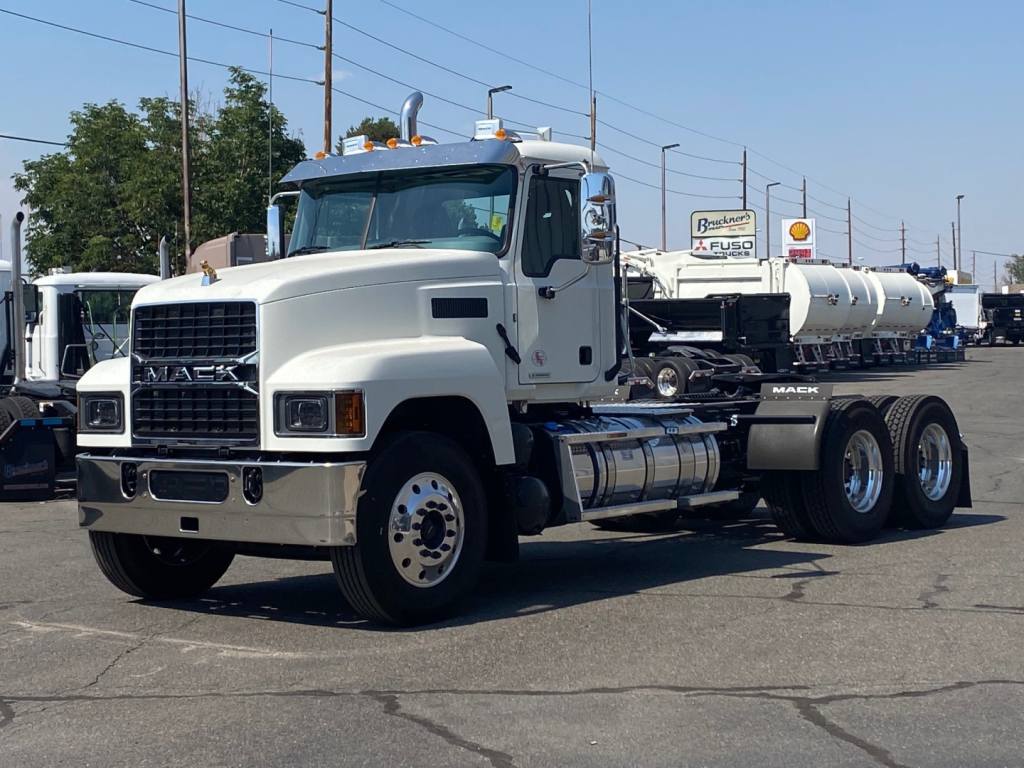
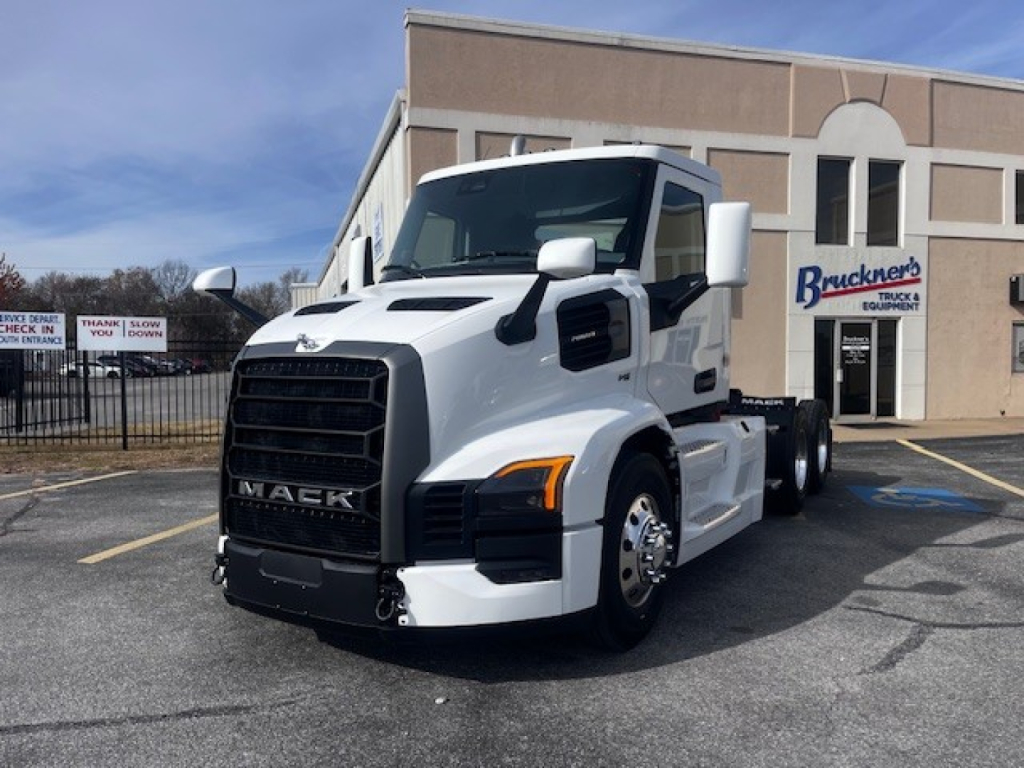
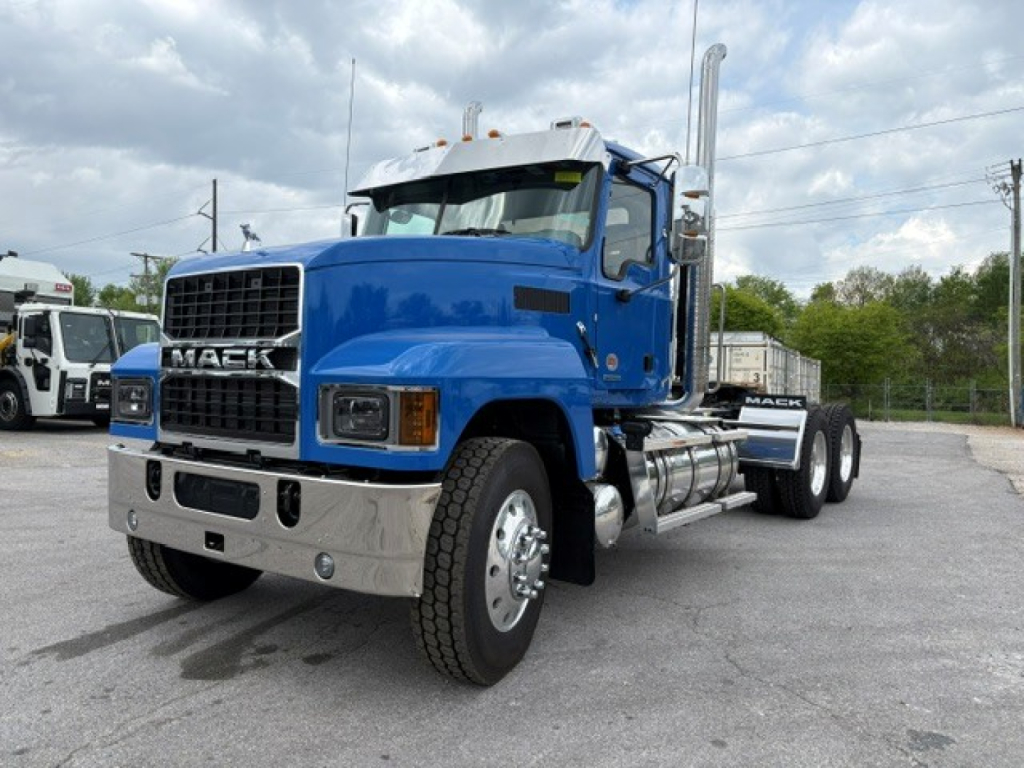
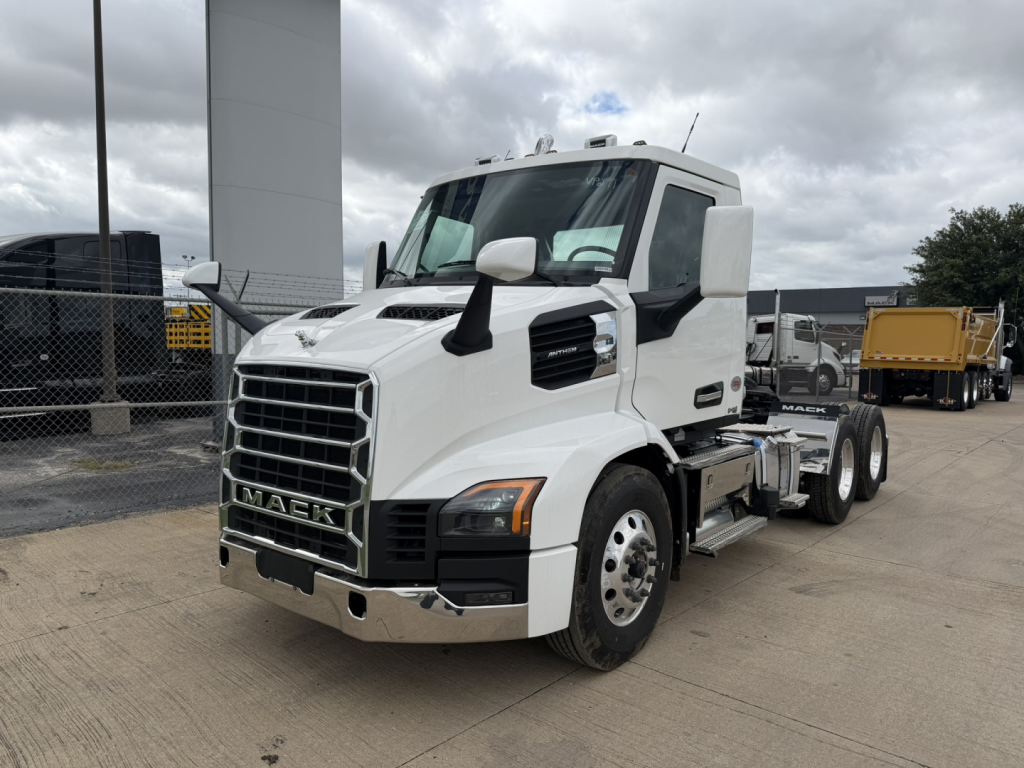
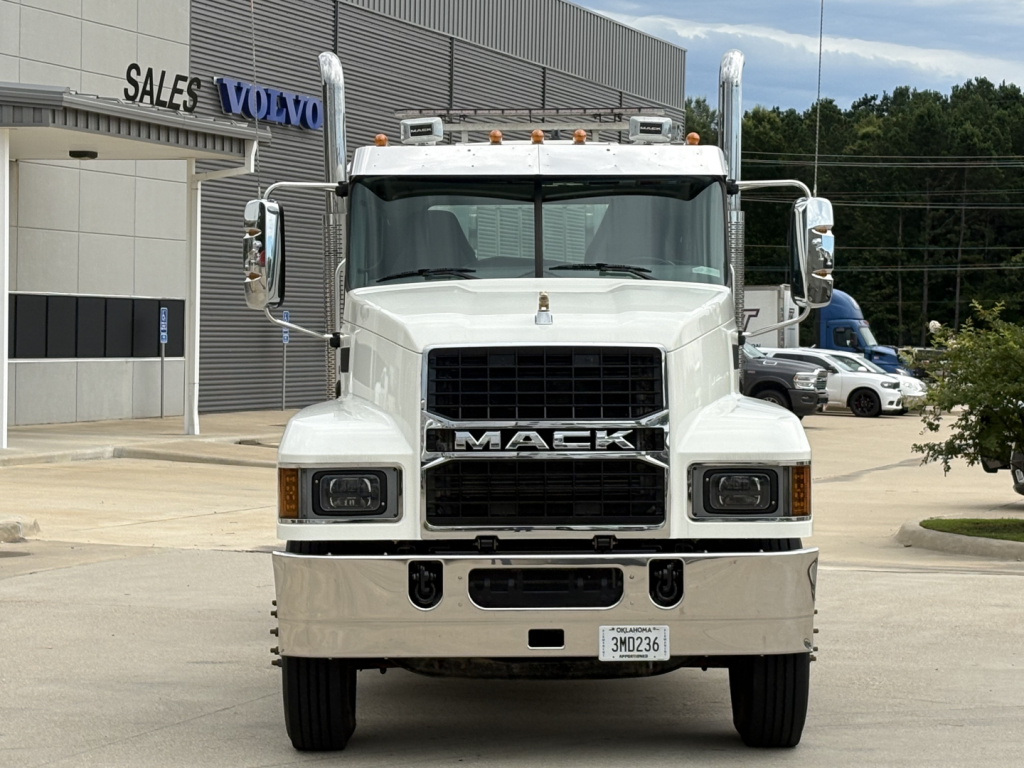
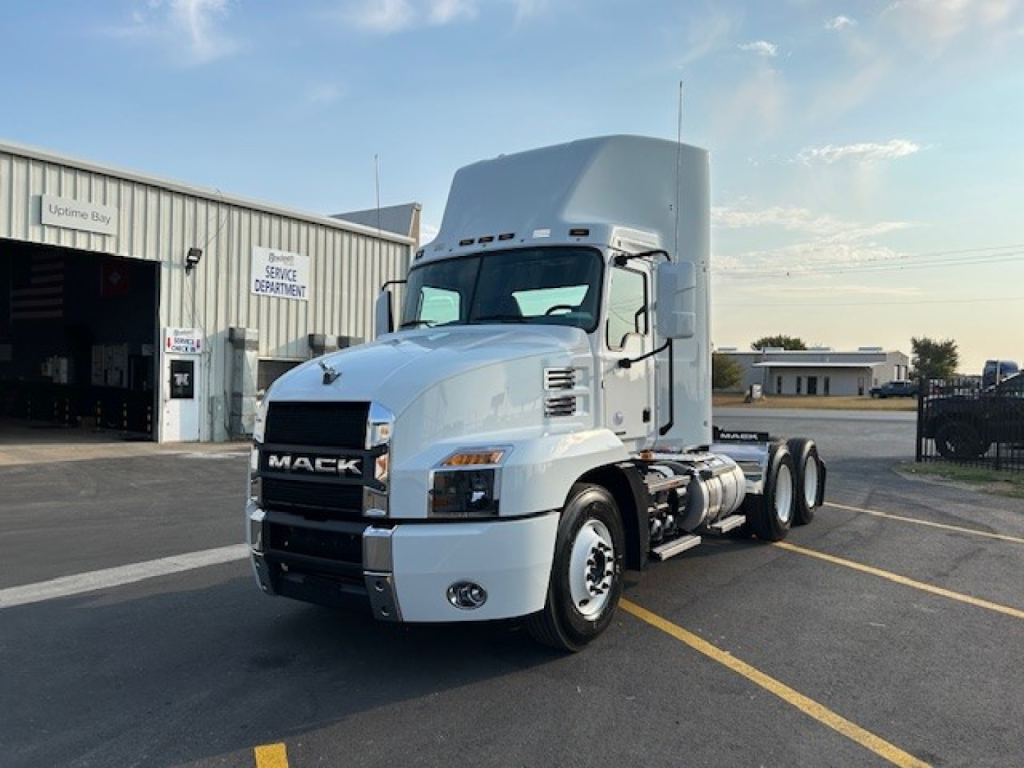
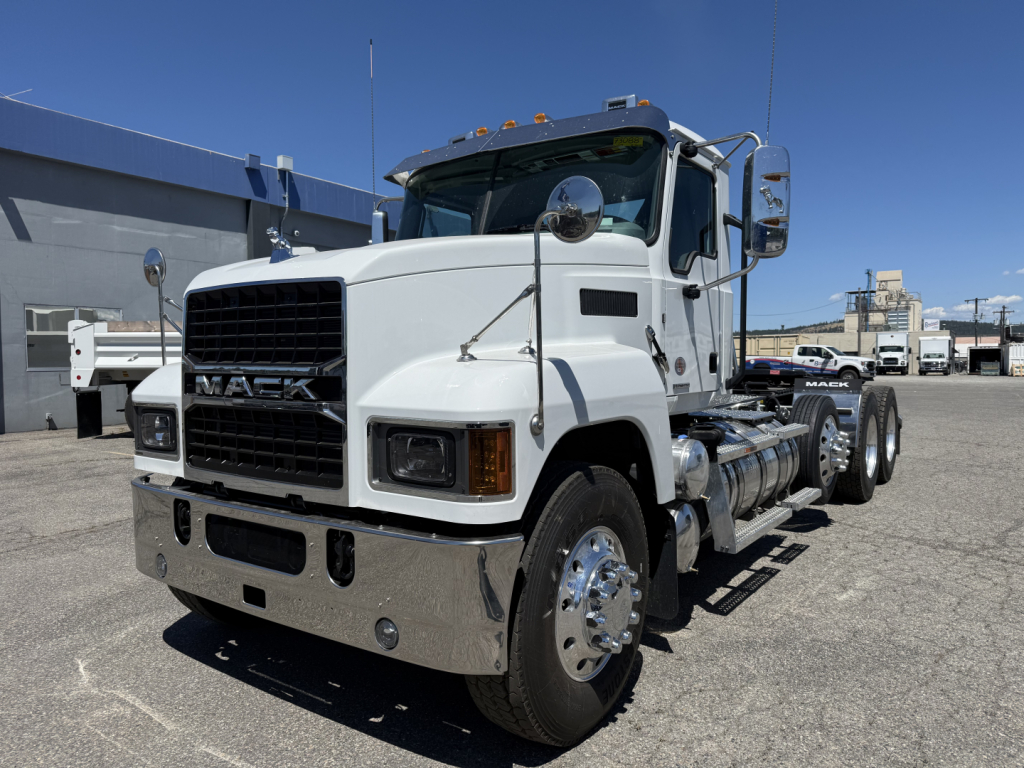
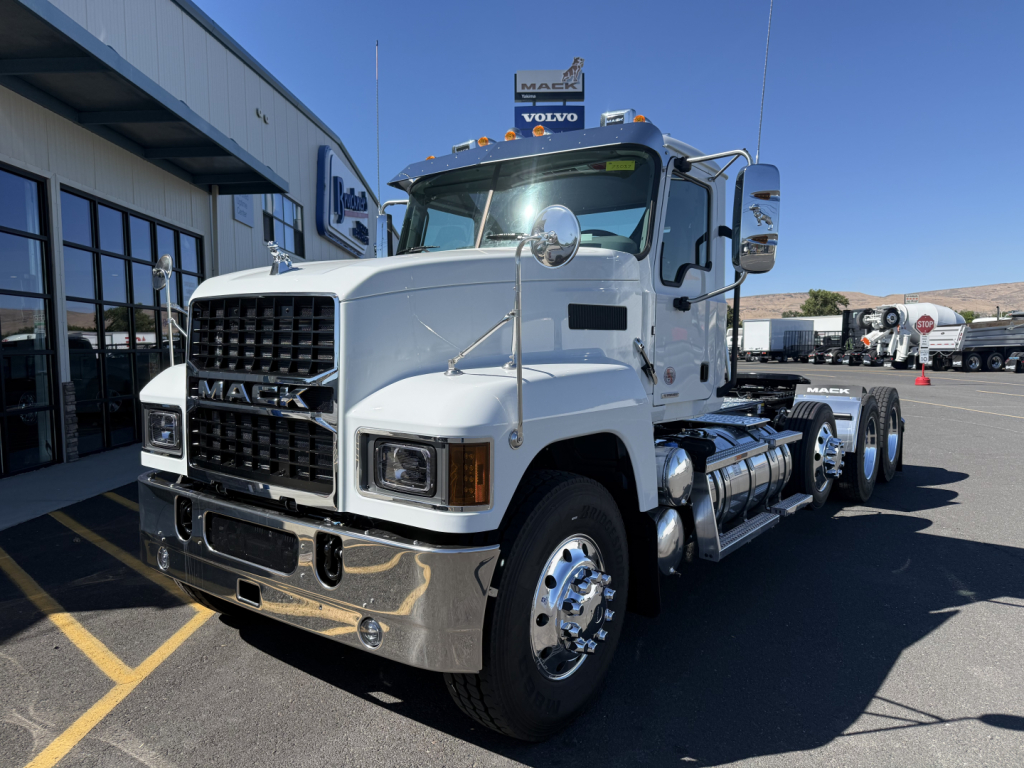
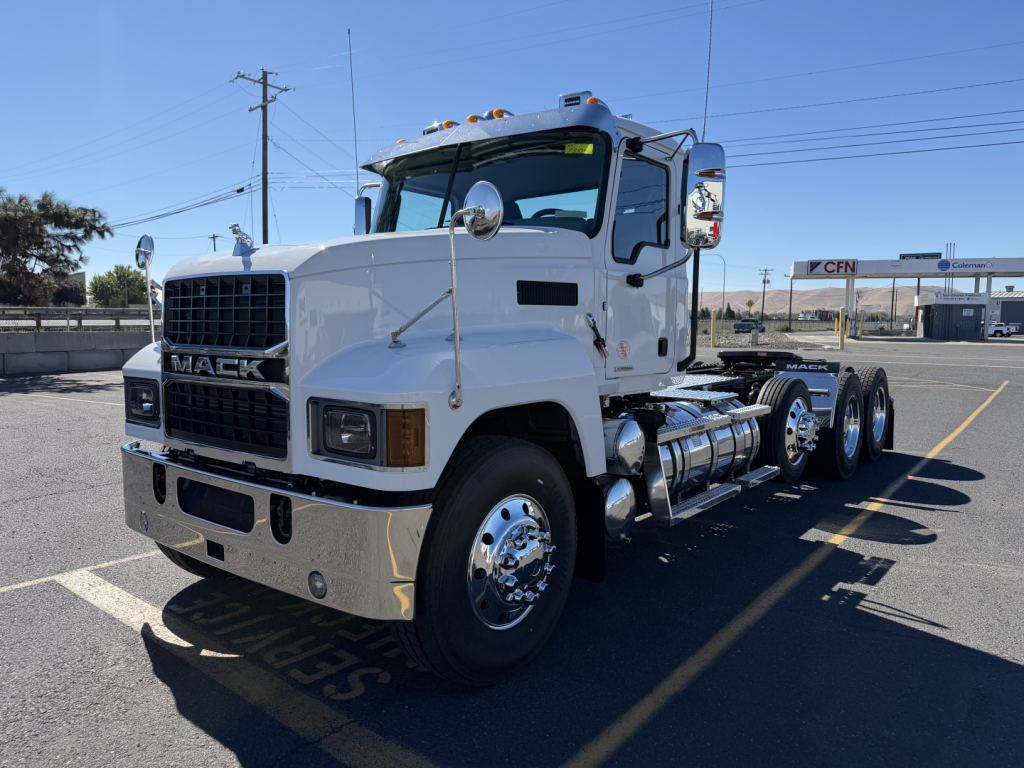
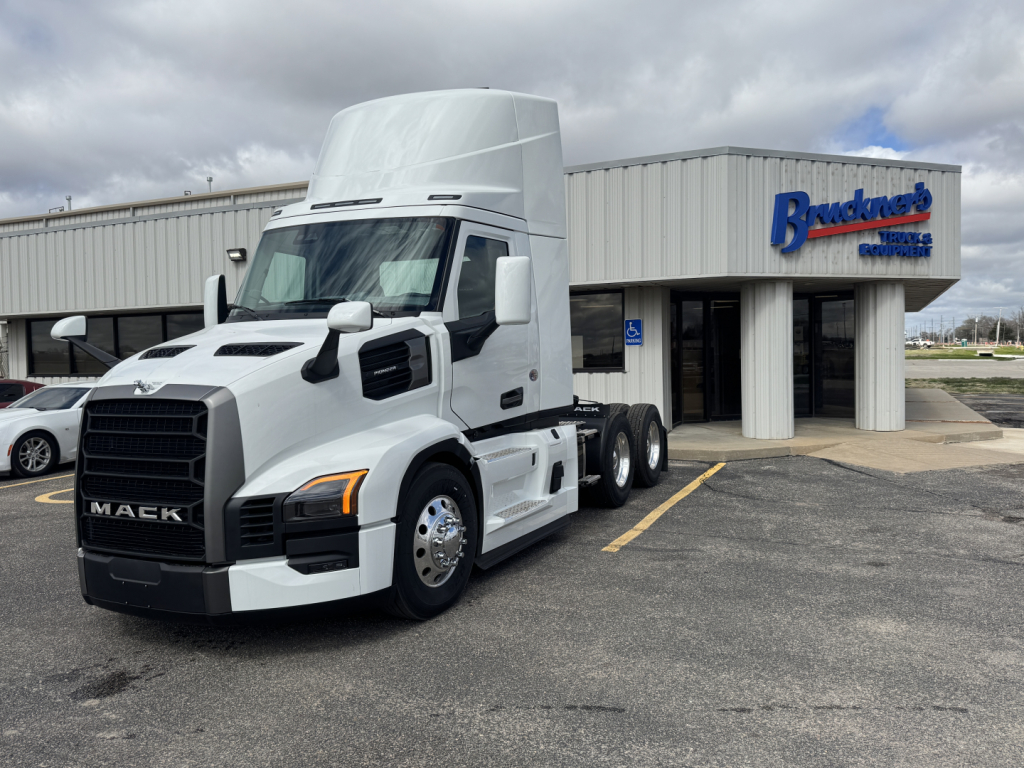
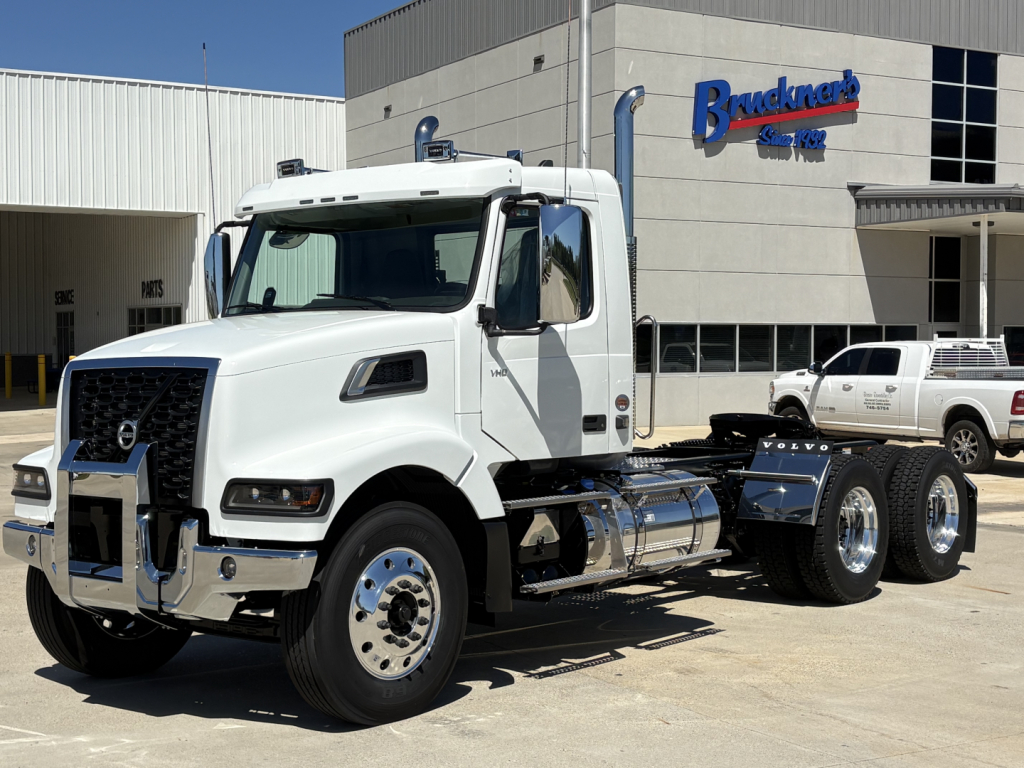
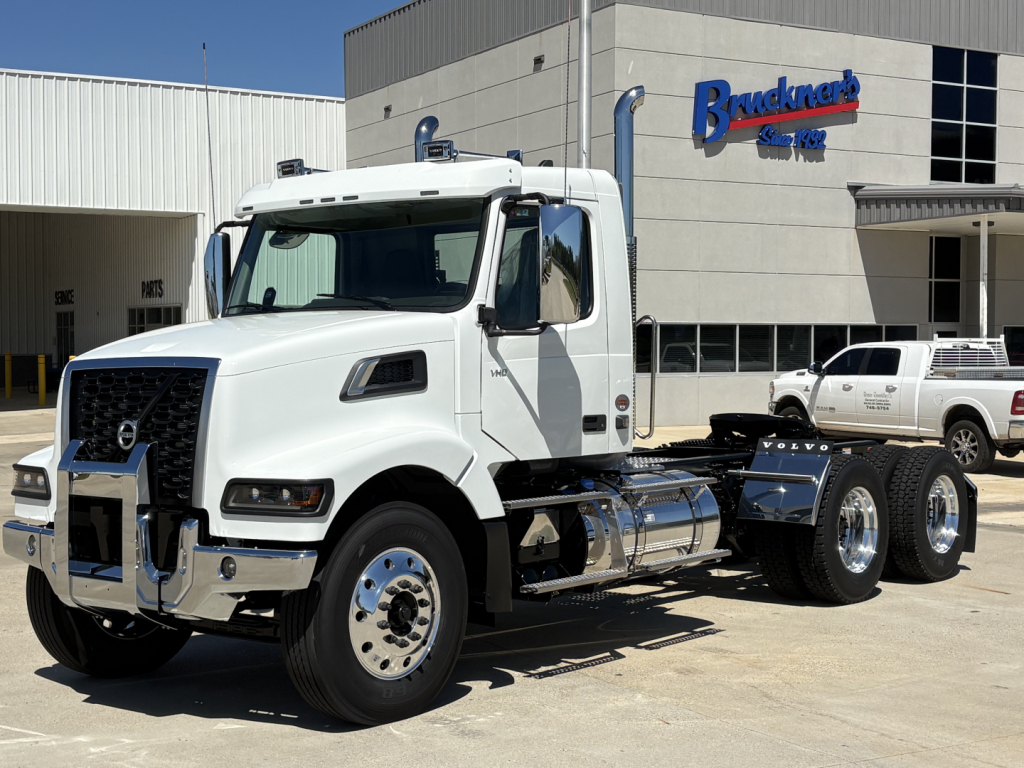
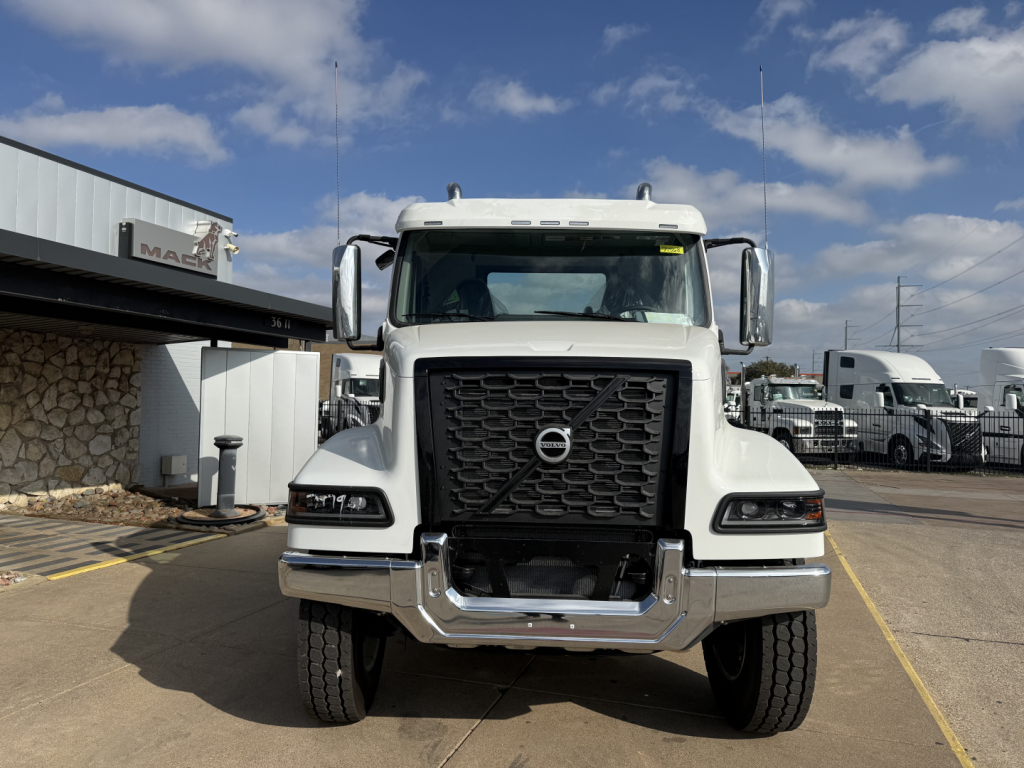
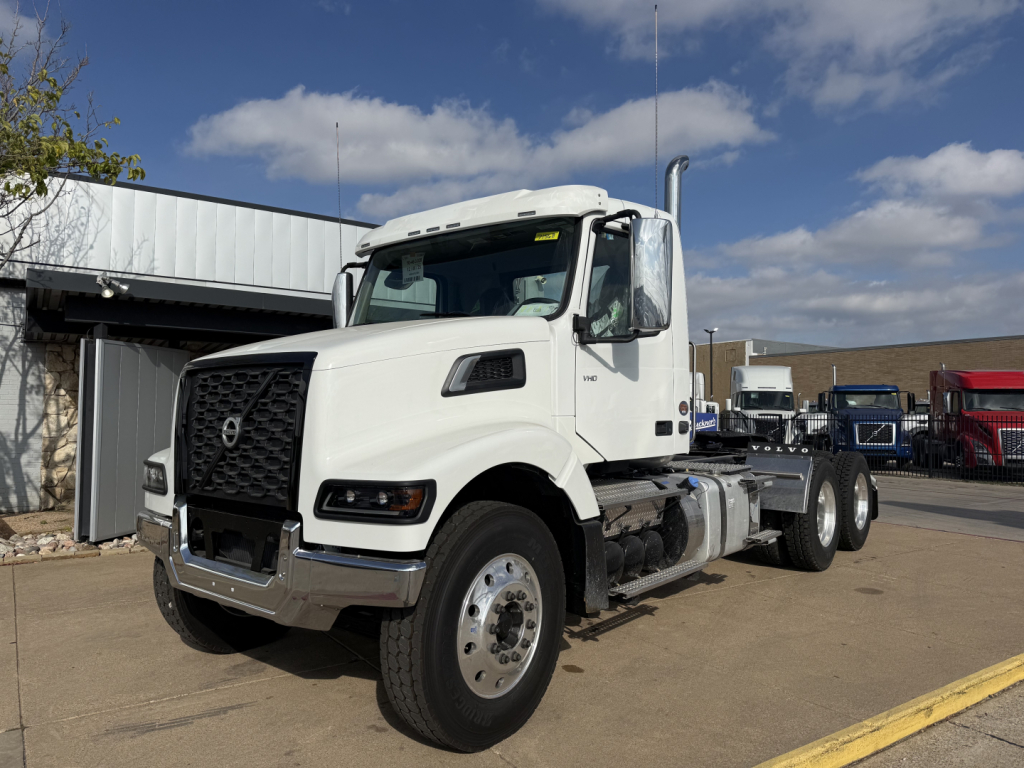
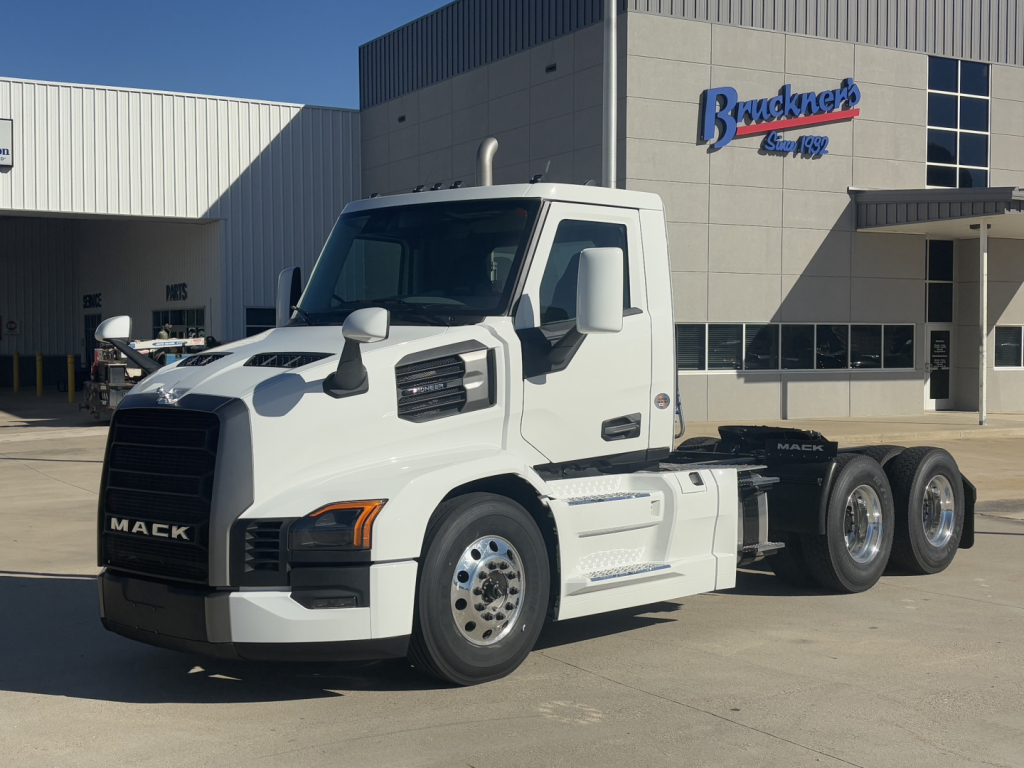
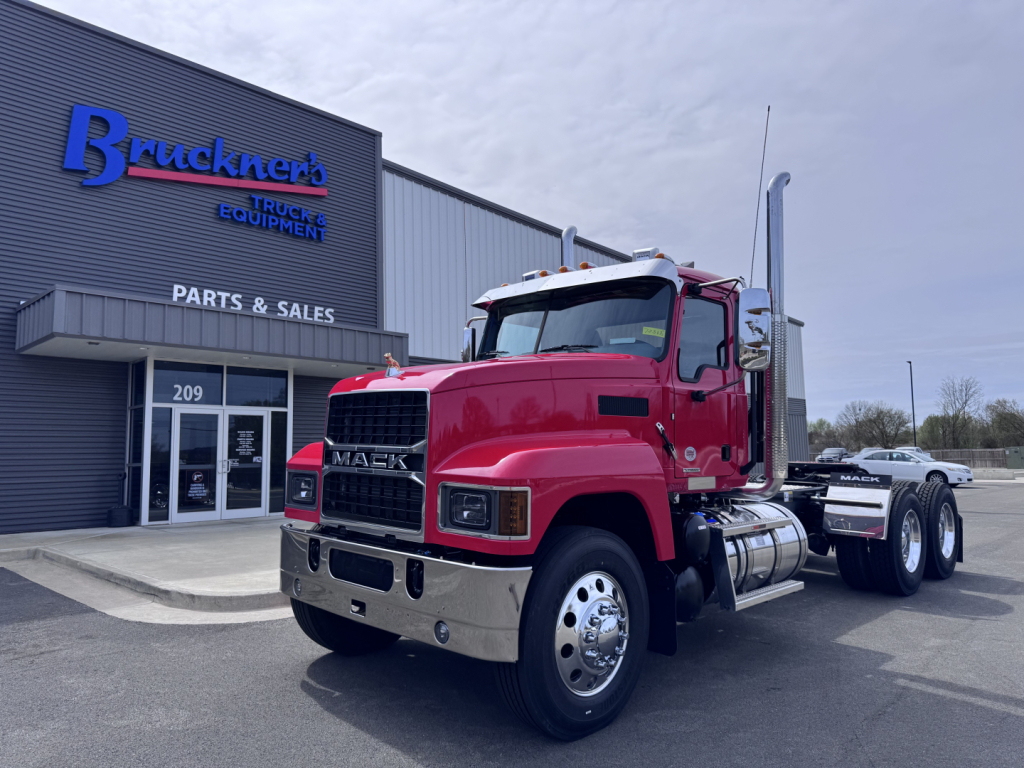
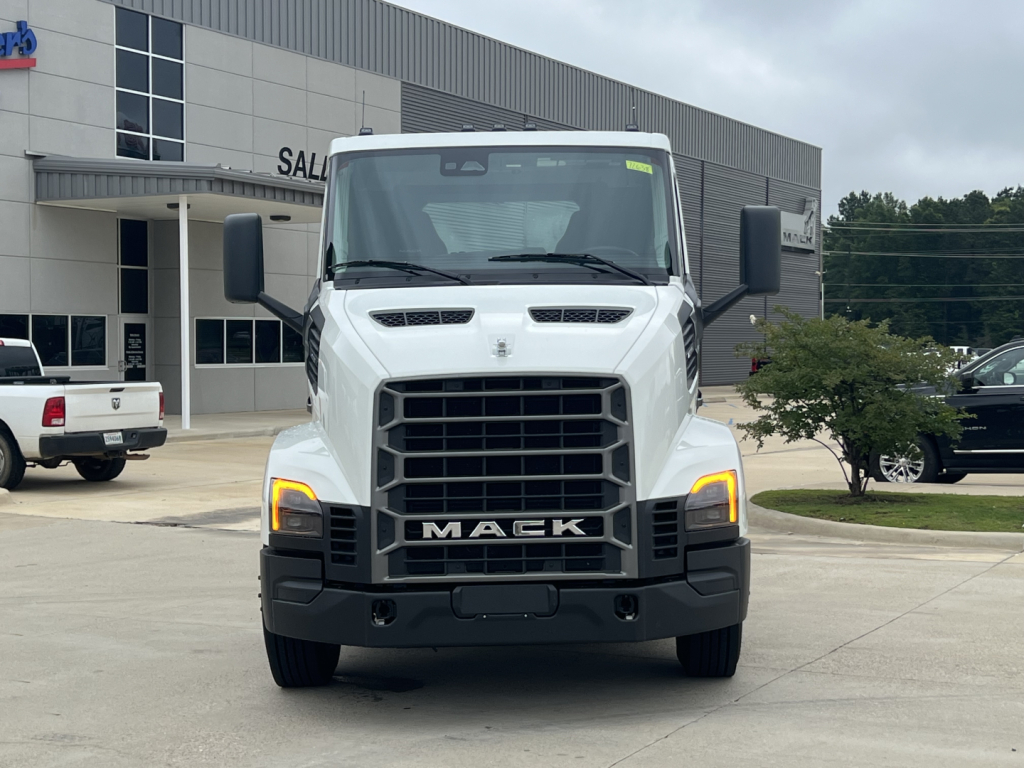
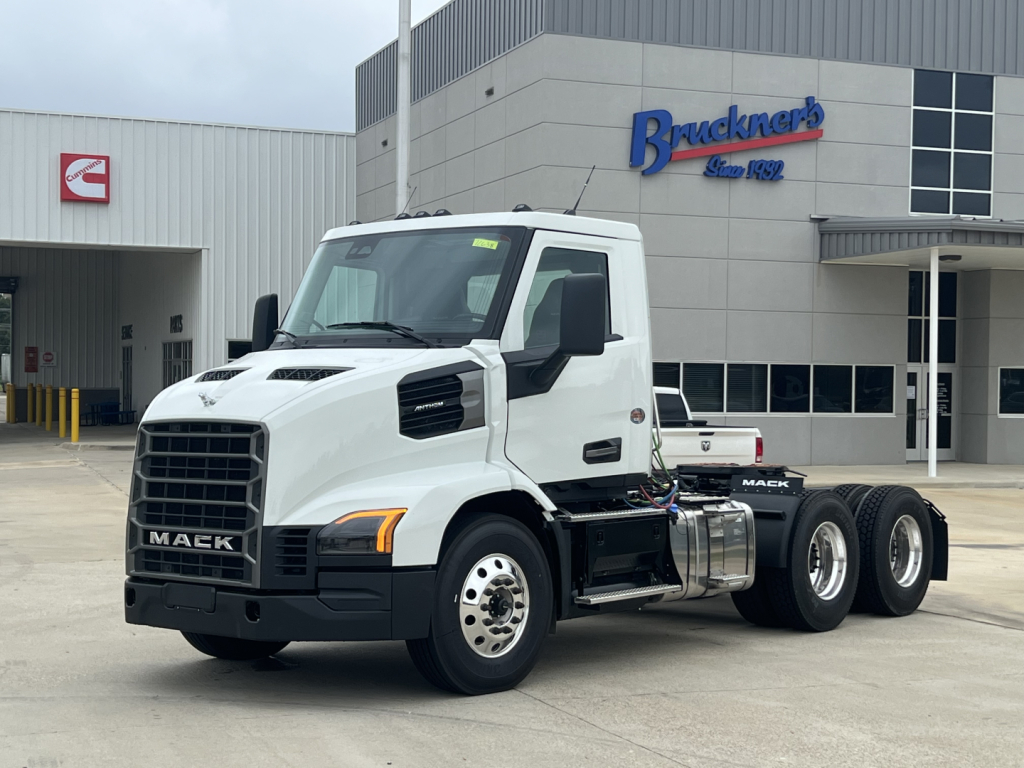
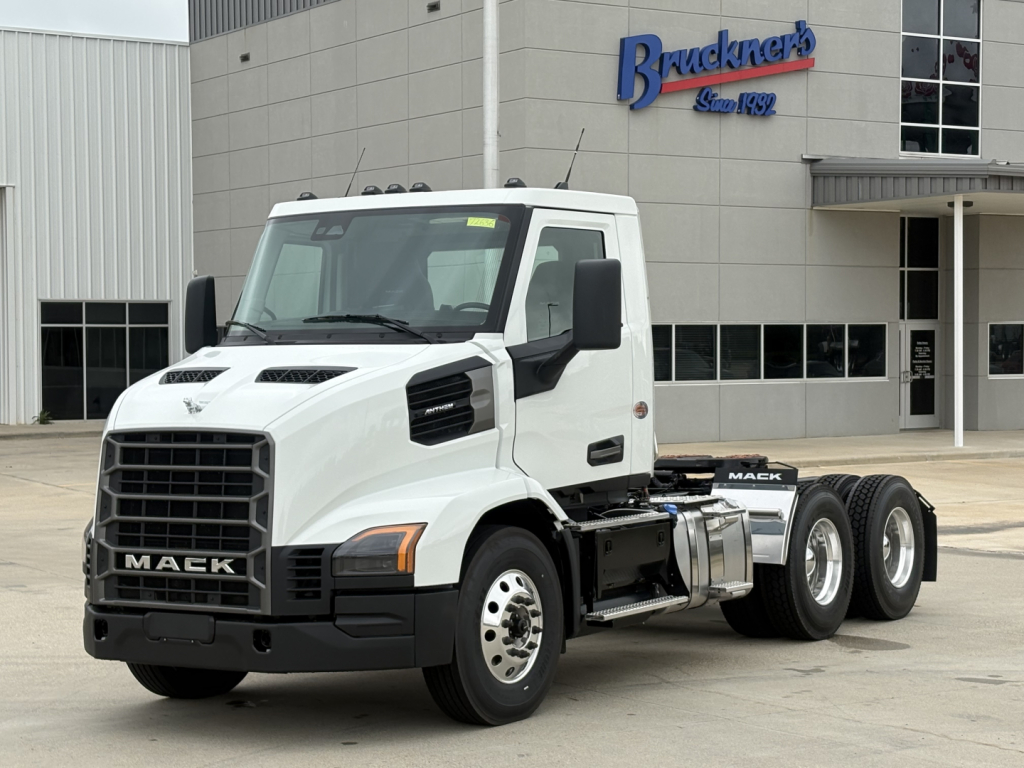
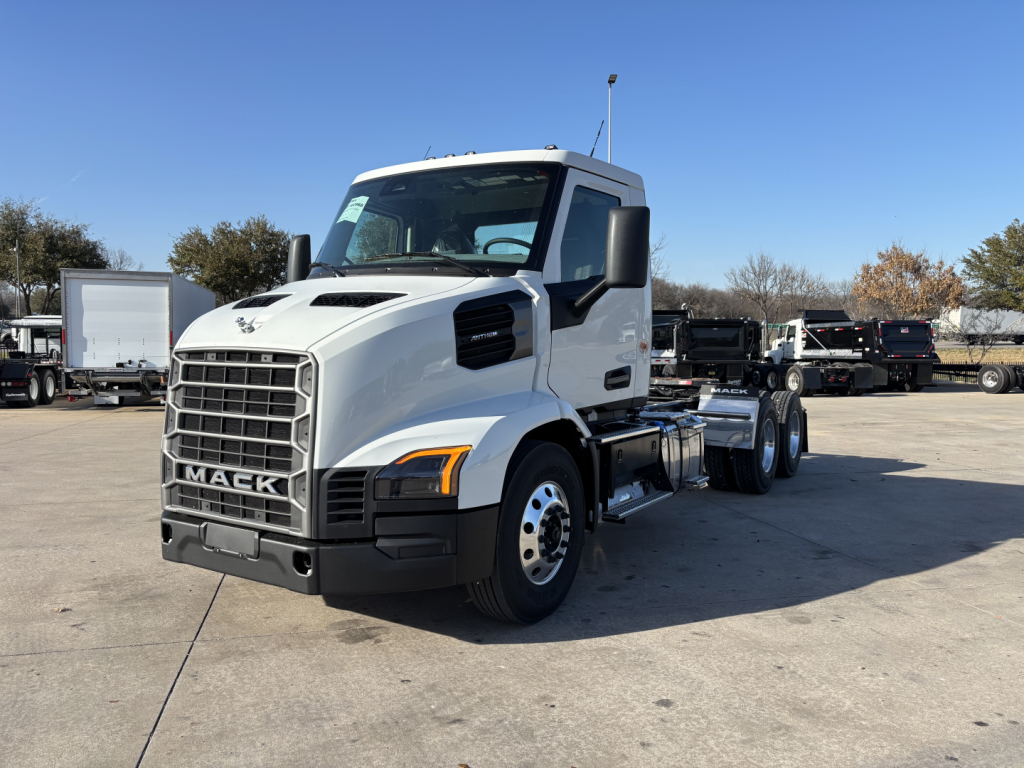
Showing 1 to 28 of 125 results
Selling a new conventional day cab truck? List your new conventional day cab truck for sale and reach thousands of commercial buyers.
New Conventional Day Cab Trucks
Match engine torque, transmission ratios, rear axle ratio, and tire size as a package. Freightliner Cascadia day cabs suit highway-oriented distribution, while vocational lines such as the Kenworth T880, Mack Pinnacle, and Volvo VHD support more demanding jobsite applications. Established powertrain combinations include Cummins X15 engines in Kenworth and Peterbilt trucks, Mack MP8 engines with mDRIVE, and Volvo D13 engines with I-Shift; confirm the exact offering for the model year. Low-speed startability, gradeability, and cooling capacity matter more than a horsepower badge when pulling loaded dump trailers or lowboys.
Legal payload across the United States and Canada is governed by more than GVWR. Check registered weight, axle ratings, tire capacities, axle spacing, bridge requirements, and the rules for each state or province on the route. A lift axle does not automatically make additional gross weight legal. Specify differential locks and suitable suspension for loose-surface work, and verify fifth-wheel height against the trailers being pulled. Northern operations warrant attention to cold-start equipment, air-dryer performance, heated mirrors, and corrosion protection; California-bound operations require verification of applicable emissions certification and operating rules.
Ordering new lets buyers specify PTO provisions, hydraulic-system compatibility, brake configuration, and safety equipment before delivery. Confirm build-sheet details rather than assuming that similar-looking tractors have identical ratings. Compare engine, aftertreatment, transmission, and chassis warranty terms separately, including mileage, time, and application exclusions. In the United States, qualifying new heavy trucks and tractors are subject to a 12% federal excise tax; Canadian purchases follow different tax rules. Budget for initial upfitting, required calibration, and preventive maintenance rather than treating the delivered chassis as a finished work package.
Frequently Asked Questions about New Conventional Day Cab Trucks
Should I order a single-axle or tandem-axle day cab tractor?
A 6x4 tandem-drive day cab is the common choice for heavy regional and vocational trailer work. A 4x2 single-drive tractor can reduce tare weight and turning space for lighter distribution routes, provided the drive axle stays within its legal and rated capacity. Compare loaded axle weights and traction requirements before choosing; a lightly loaded drive axle can struggle on snow, grades, or loose surfaces.
Is an automated transmission a good choice for a new day cab?
An automated manual transmission is well suited to many stop-and-go distribution routes, but vocational work needs the correct transmission specification and software. For a new day cab pulling dump trailers or lowboys, verify launch capability, creep control, reverse ratios, and clutch protection at the intended combination weight. A manual transmission remains an option where offered, but driver preference should not override torque capacity or application approval.
What should I inspect on a new day cab before accepting delivery?
A new day cab needs a documented pre-delivery inspection and a build-sheet comparison before acceptance. Verify axle tags, tire ratings, fluid levels, air-system leakage, fault codes, steering alignment, and fifth-wheel operation. Record ECM mileage and engine hours, and confirm whether delivery or demonstration use has affected the warranty start date. New condition does not necessarily mean zero miles or zero operating hours.
Do I need a Class A CDL to drive a day cab tractor?
A typical Class 8 day cab and semitrailer combination requires a Class A CDL in the United States. The driver also needs the appropriate qualifications for the cargo and equipment, such as a hazardous-materials endorsement or an unrestricted air-brake qualification. Canadian licence classes and air-brake endorsements are established provincially, so verify requirements where the driver is licensed. Driving a tractor without a trailer can involve different classification rules.
Can a new day cab use the longest advertised oil-change interval?
A new day cab on short-haul, high-idle routes should follow the manufacturer's applicable duty-cycle maintenance schedule, not automatically use the maximum highway interval. Engine hours, fuel consumed, idle percentage, and operating temperature can matter as much as mileage. Confirm the required oil specification and service limits for the exact engine, and retain maintenance records to support warranty claims.