
New Conventional Daycab Trucks For Sale in Arkansas
Shop new conventional daycab trucks for sale in Arkansas. Compare specs, wheelbases, axle ratings, powertrains, and vocational setups.
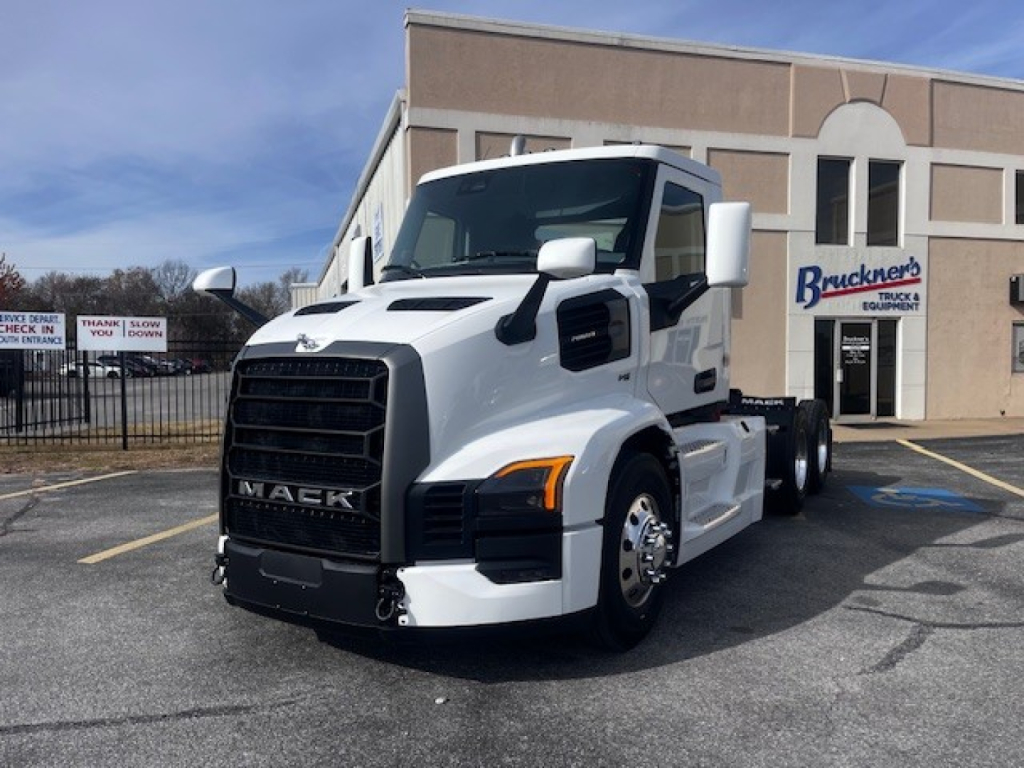
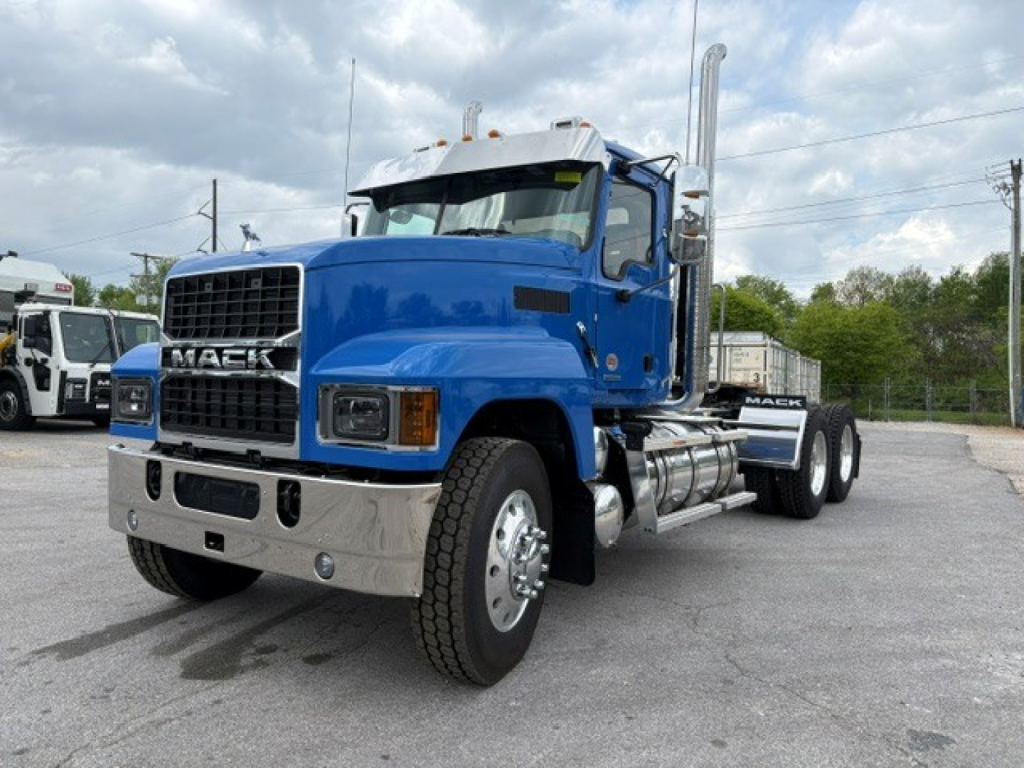
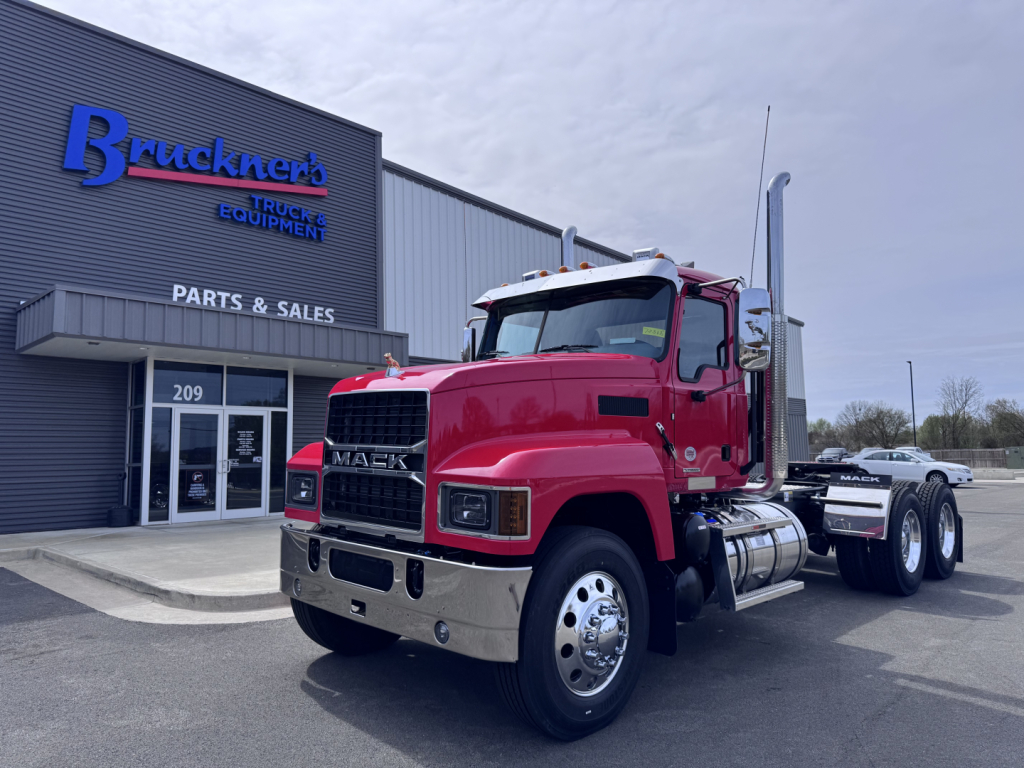
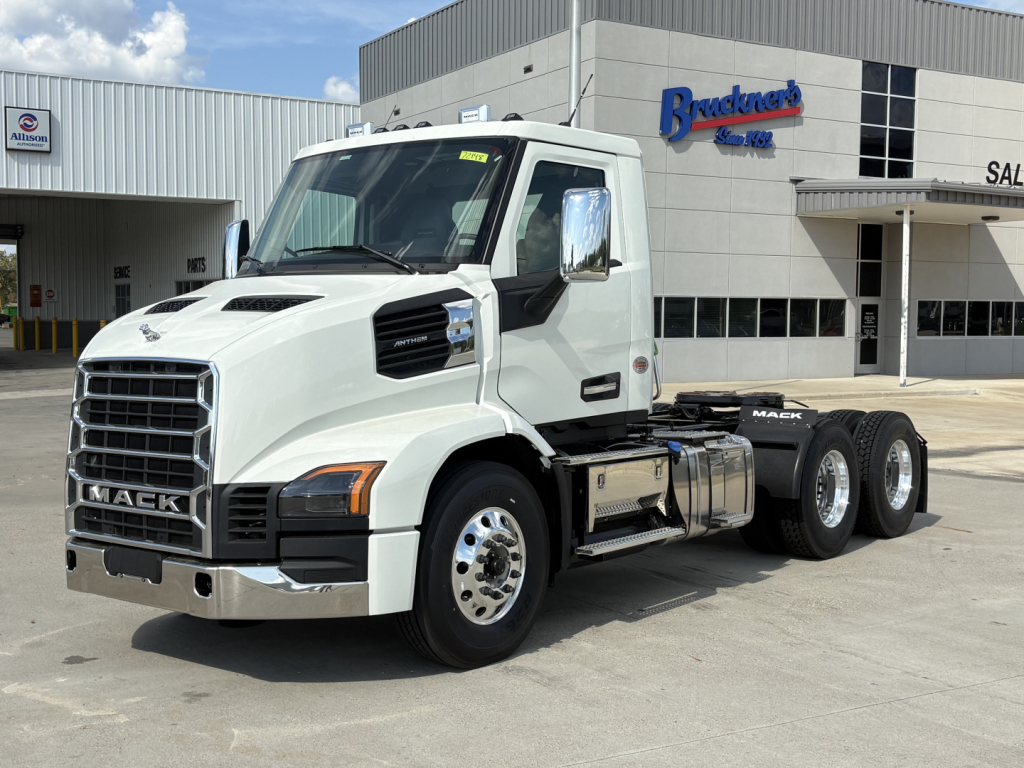
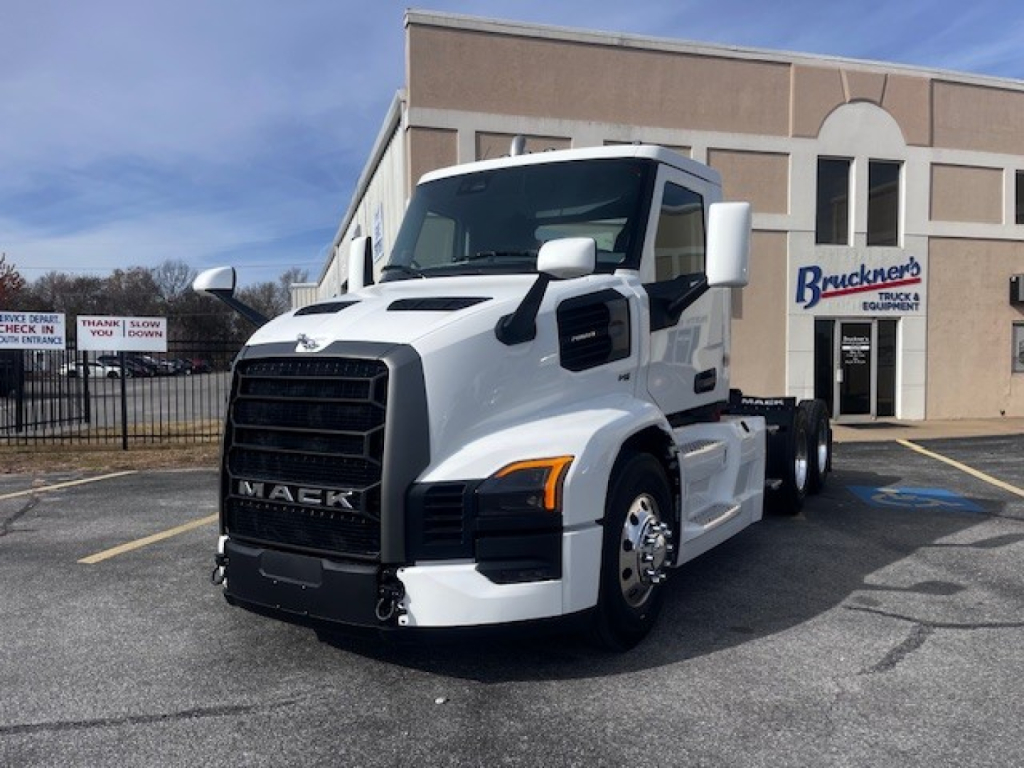
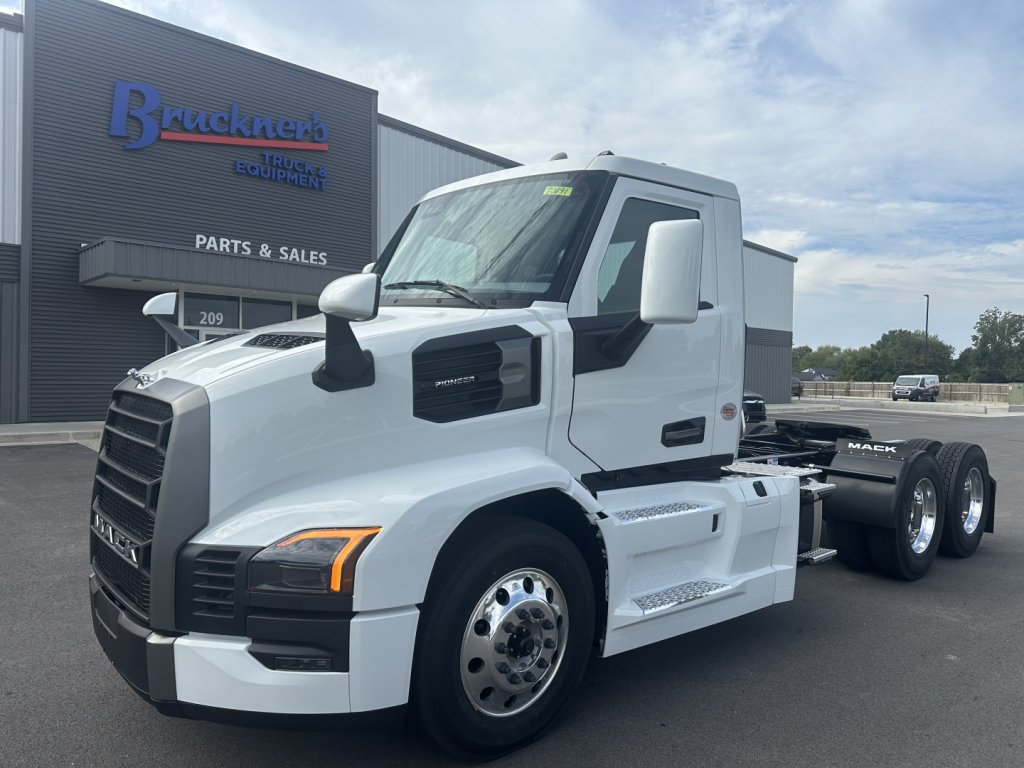

Selling a new conventional daycab truck? List your new conventional daycab truck for sale and reach thousands of commercial buyers.
New Conventional Daycab Trucks in Arkansas
Spec choices drive how a daycab performs on the job. Common configurations include tandem-axle 6x4 tractors with 12,000 to 14,600 lb front axles and 38,000 to 40,000 lb rears, often on air ride suspension for ride quality and traction. Horsepower in this class frequently lands in the mid-400 range, paired with automated manual transmissions such as a 12-speed, though some buyers still prefer a manual depending on driver mix and application. Rear axle ratios like 3.25 or 3.79 can materially change launch feel, cruise RPM, fuel economy, and suitability for heavier starts or mixed terrain. Wheelbase is another major decision point. A shorter wheelbase helps maneuverability in yards and urban docks, while a longer wheelbase can leave room for side-mount hydraulic tanks, wet kits, vac systems, headache racks, or other vocational equipment.
For buyers comparing new conventional daycab trucks, chassis layout matters as much as the engine badge. Look closely at frame specs, 5th wheel type and placement, fuel tank capacity, brake package, and tare weight. Lightweight builds can improve payload and are attractive for bulk, feed, tanker, and dedicated regional work, while heavier vocational specs may make more sense for dump, lowboy, or severe-service applications. Disc brakes, full lockers, and integrated powertrains can be worthwhile depending on route conditions and driver expectations. A daycab that looks similar on paper can behave very differently once loaded if the suspension, gear ratio, and wheelbase are not matched to the trailer and duty cycle.
New trucks also bring emissions-system updates, factory warranty coverage, and current safety technology that can reduce downtime and help standardize a fleet. Buyers should compare visibility, cab ergonomics, entry height, dash layout, and service intervals in addition to headline power numbers. If the truck will run Arkansas highways one day and tight customer sites the next, a balanced spec usually wins over the most aggressive horsepower rating. The best conventional daycab is the one that matches gross combination weight, trailer type, route length, and body or PTO needs without carrying unnecessary cost, weight, or complexity.
Frequently Asked Questions about New Conventional Daycab Trucks in Arkansas
What is a conventional daycab truck used for?
A conventional daycab truck is a highway-style tractor without a sleeper, designed for local, regional, and short-haul work. It is commonly used for dry van, reefer, tanker, flatbed, bulk, port, and vocational tractor applications where drivers return home daily or do not need overnight accommodations. The conventional hood design also provides easier engine access for service compared with some alternative cab layouts.
What specs matter most when buying a new conventional daycab?
The most important specs are engine horsepower and torque, transmission type, rear axle ratio, wheelbase, front and rear axle ratings, suspension, and brake package. These choices affect payload, maneuverability, fuel economy, startability, and how well the truck matches its trailer and route. Buyers should also check chassis weight, 5th wheel setup, fuel capacity, and whether the frame has room for PTO or hydraulic equipment if vocational work is planned.
How do I choose the right wheelbase for a daycab?
Wheelbase should match both the trailer swing requirements and any frame-mounted equipment needed behind the cab. A shorter wheelbase generally improves turning radius and works well for city docks, terminal work, and tight job sites. A longer wheelbase can improve ride quality and create space for a wet kit, hydraulic tank, headache rack, or other vocational components, but it may reduce maneuverability in confined areas.
Are automated manual transmissions common in new daycab trucks?
Yes. Automated manual transmissions are now common in new conventional daycabs because they help with driver consistency, fuel efficiency, and ease of operation in mixed fleets. They can also reduce clutch-related wear in stop-and-go service. Many buyers still evaluate shift strategy, low-speed maneuvering performance, and maintenance support before deciding, especially if the truck will be used in heavy vocational or off-road conditions.
What axle and suspension setup is typical for a conventional daycab?
A typical conventional daycab tractor is a tandem-axle 6x4 with a 12,000 to 14,600 lb front axle and 38,000 to 40,000 lb rear axles. Air ride rear suspension is common for ride comfort and freight protection, while more vocational applications may call for heavier or specialized suspension choices. The correct setup depends on gross combination weight, trailer type, road conditions, and whether the truck needs extra traction or load-carrying capacity.