
New 2027 Conventional Daycab Trucks For Sale in Arkansas
Shop new 2027 conventional daycab trucks in Arkansas. Compare specs for regional haul, vocational work, heavy spec fleets, and PTO-ready setups.
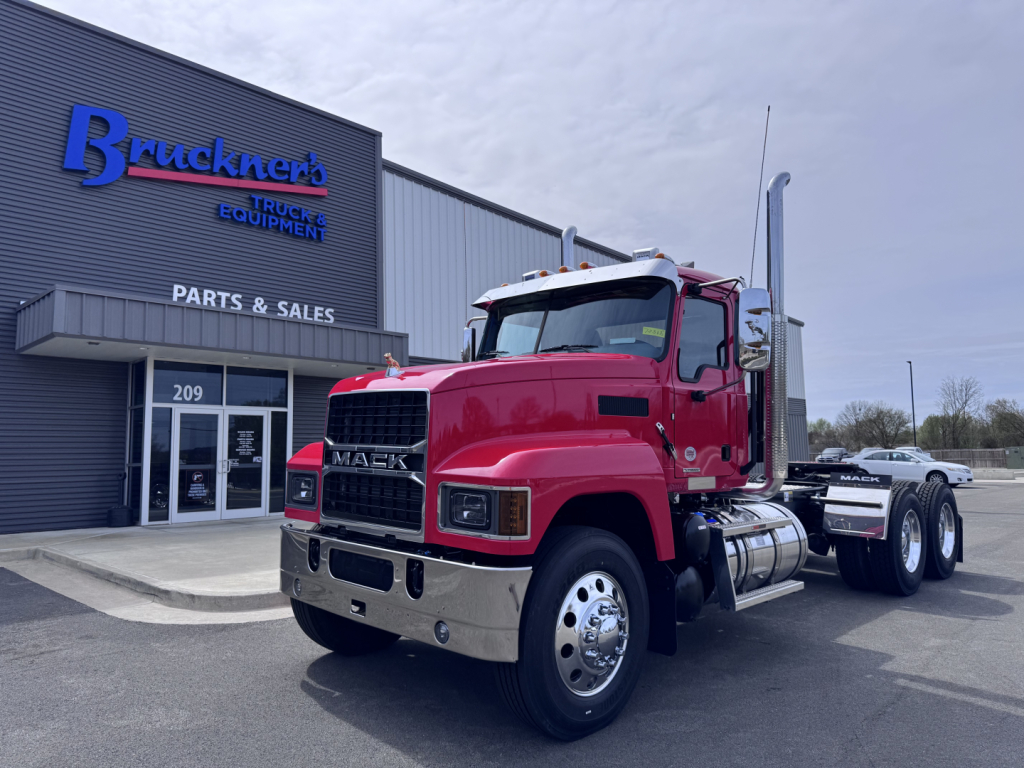
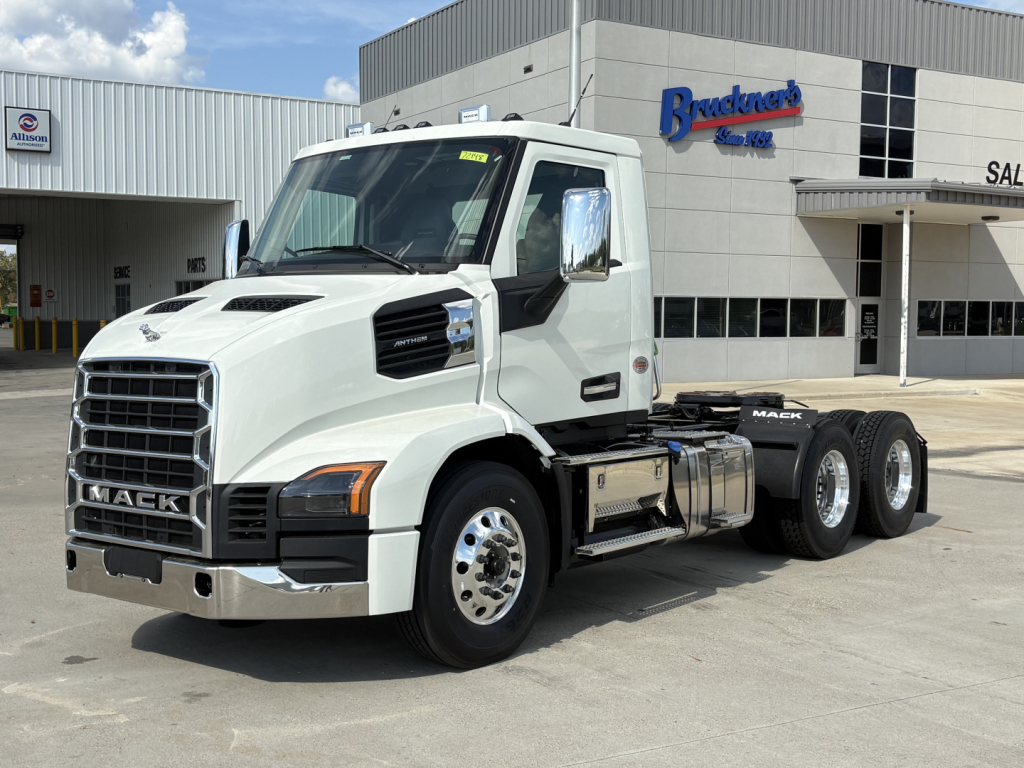

Selling a new 2027 conventional daycab truck? List your new 2027 conventional daycab truck for sale and reach thousands of commercial buyers.
New 2027 Conventional Daycab Trucks in Arkansas
The first spec decision is usually drivetrain. Many late-model daycabs are equipped with 11 to 13 liter or 15 liter diesel engines, with horsepower commonly ranging from the mid-400s to 500-plus and torque matched to the intended load. Automated manual transmissions are now standard in many fleet and owner-operator specs because they simplify training, improve shift consistency, and pair well with fuel-efficiency programming. Buyers running heavier gross weights or off-road routes should pay close attention to front axle ratings, rear axle capacity, suspension type, and rear ratio. A 14,000 to 14,600 lb steer axle, 40,000 to 46,000 lb rears, air ride suspension, and ratios in the 3.55 to 3.91 range are common depending on duty cycle.
Wheelbase matters more on a daycab than many buyers expect. A longer wheelbase can leave room for side-mounted hydraulic tanks, wet kits, headache racks, lift axles, or vocational accessories, while a shorter wheelbase helps with turning radius and urban maneuverability. Fuel capacity should match route length and idle strategy, especially for regional operations that want enough range without carrying unnecessary weight. Disc brakes, inter-axle and cross-lock differentials, tire inflation systems, and driver-assist features are worth comparing if uptime and safety are priorities. For buyers running in mixed terrain or timber applications, frame strength, ride height, and traction equipment can be as important as engine rating.
New 2027 conventional daycab trucks also appeal to buyers who want current emissions hardware, warranty coverage, and the latest cab ergonomics. Look closely at visibility, cab access, HVAC performance, switch layout, and PTO integration if the truck will spend long days on local routes or job-to-job service. The right spec depends less on badge name and more on matching axle ratings, gearing, wheelbase, and frame layout to the trailer, payload, and terrain. A well-matched daycab can serve as an efficient fleet tractor, a heavy regional puller, or a vocational chassis with enough frame rail and powertrain capacity to support specialized equipment.
Frequently Asked Questions about New 2027 Conventional Daycab Trucks in Arkansas
What is a conventional daycab truck used for?
A conventional daycab truck is used for operations that do not require overnight sleeper accommodations. Common applications include regional freight, local delivery, container drayage, dump and construction work, log hauling, tanker service, and dedicated short-haul lanes. Because the chassis is shorter and lighter than a comparable sleeper tractor, a daycab often provides better maneuverability, lower tare weight, and more flexibility for PTO or vocational body equipment.
What specs matter most when buying a new daycab tractor?
The most important specs are engine horsepower and torque, transmission type, front and rear axle ratings, suspension, rear ratio, wheelbase, and fuel capacity. Buyers should also confirm brake type, frame dimensions, fifth wheel setup, and whether the truck is prepped for wet kit or hydraulic equipment. The correct combination depends on gross combined weight, trailer type, terrain, and how much low-speed pulling or highway cruising the truck will do.
Is an automated transmission a good choice for a conventional daycab?
For many buyers, yes. Automated manual transmissions are now common in daycab applications because they improve consistency across multiple drivers, reduce clutch wear, and help optimize fuel economy and drivability. They are especially useful in stop-and-go regional service and fleets with mixed driver experience. A manual transmission can still make sense in certain vocational or driver-preference situations, but the automated option is now the mainstream spec in many new trucks.
How do I choose the right wheelbase for a daycab truck?
Wheelbase should be chosen based on trailer swing clearance, bridge compliance, ride quality, turning radius, and any equipment that needs to be mounted behind the cab. A longer wheelbase can create valuable space for hydraulic tanks, pumps, headache racks, or larger fuel tanks. A shorter wheelbase generally improves maneuverability in tight yards, city streets, and jobsite entrances. The right choice depends on how much back-of-cab equipment the truck needs and where it will operate most often.
Are new daycab trucks a good fit for Arkansas operations?
Yes, especially for regional and vocational work common in Arkansas such as timber, construction, agricultural hauling, and short-to-mid-range freight. Buyers in the state often need a truck that can handle interstate speeds, rural roads, and changing load conditions. That makes axle ratings, traction options, suspension choice, and frame layout especially important. A properly spec'd conventional daycab can handle both highway efficiency and heavier-duty work without the added length and weight of a sleeper.