
New 2027 Conventional Daycab Trucks For Sale
Shop new 2027 conventional daycab trucks with modern powertrains, aero cabs, and spec options for regional haul, local freight, and fleet use.
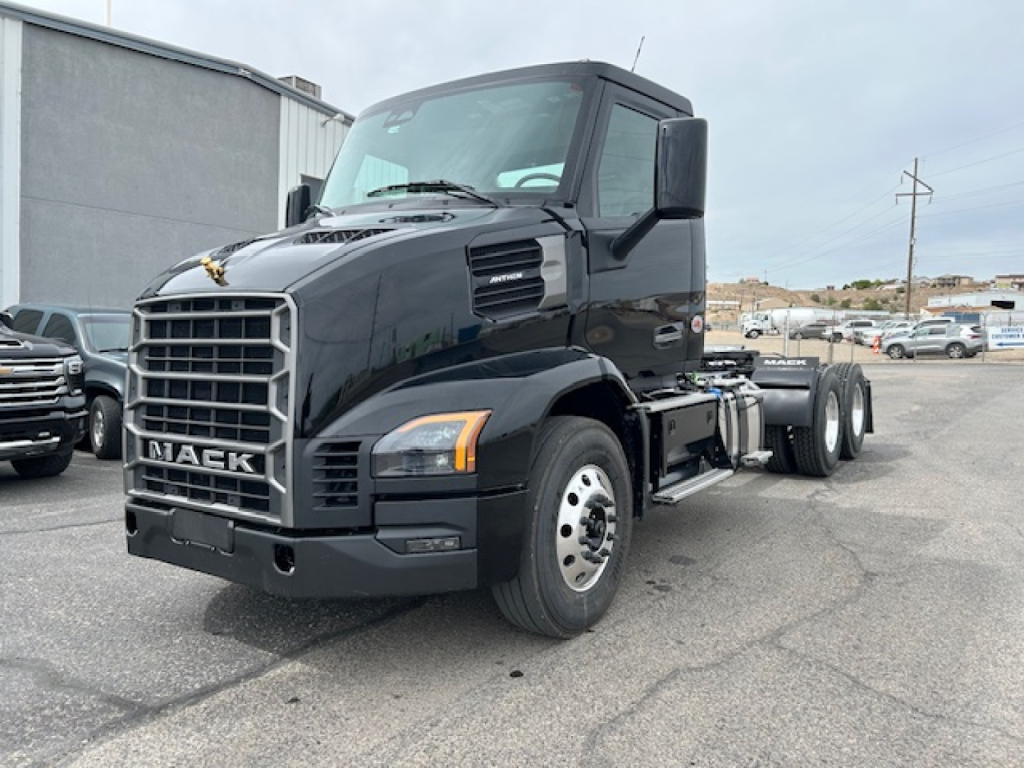
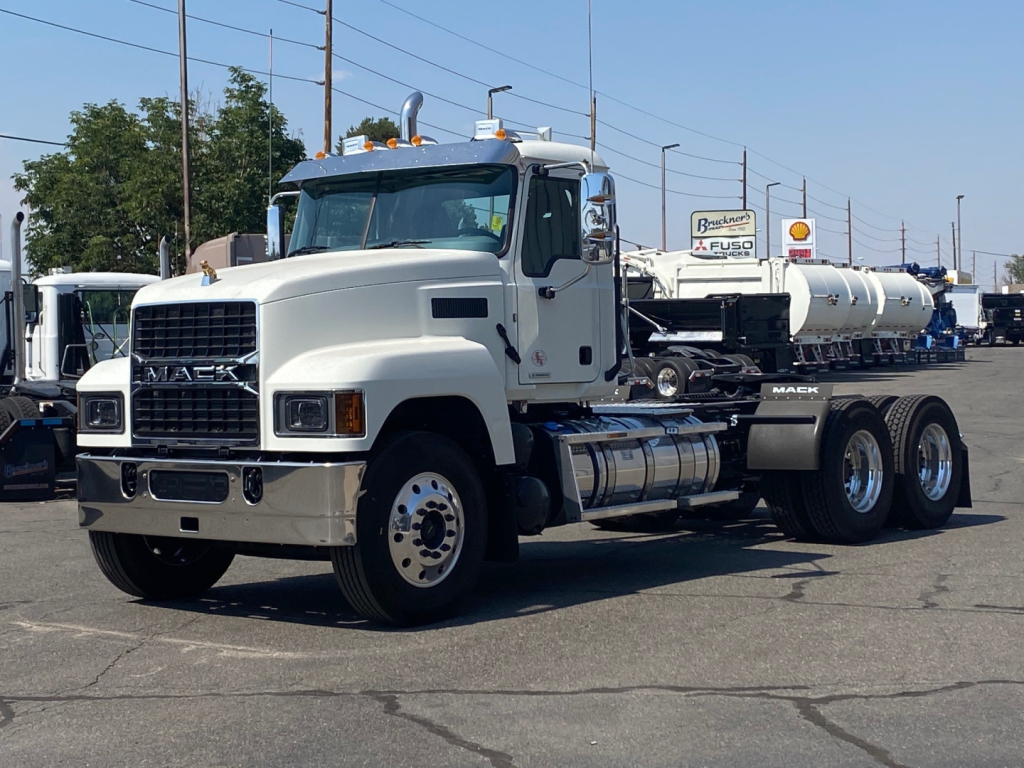
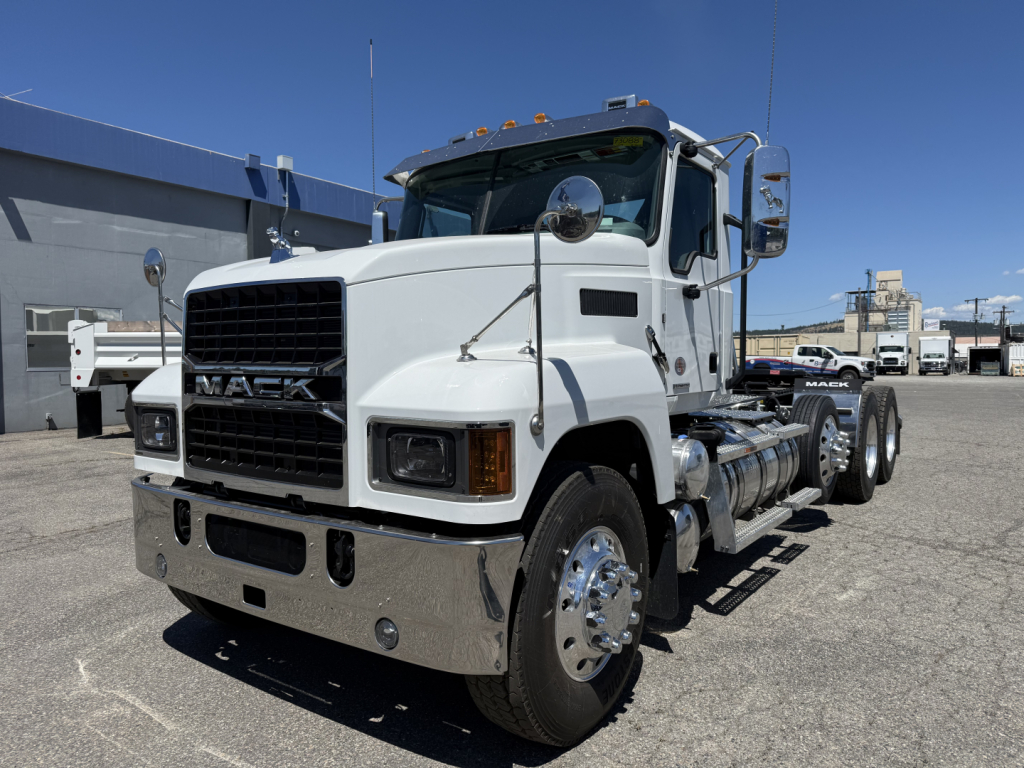
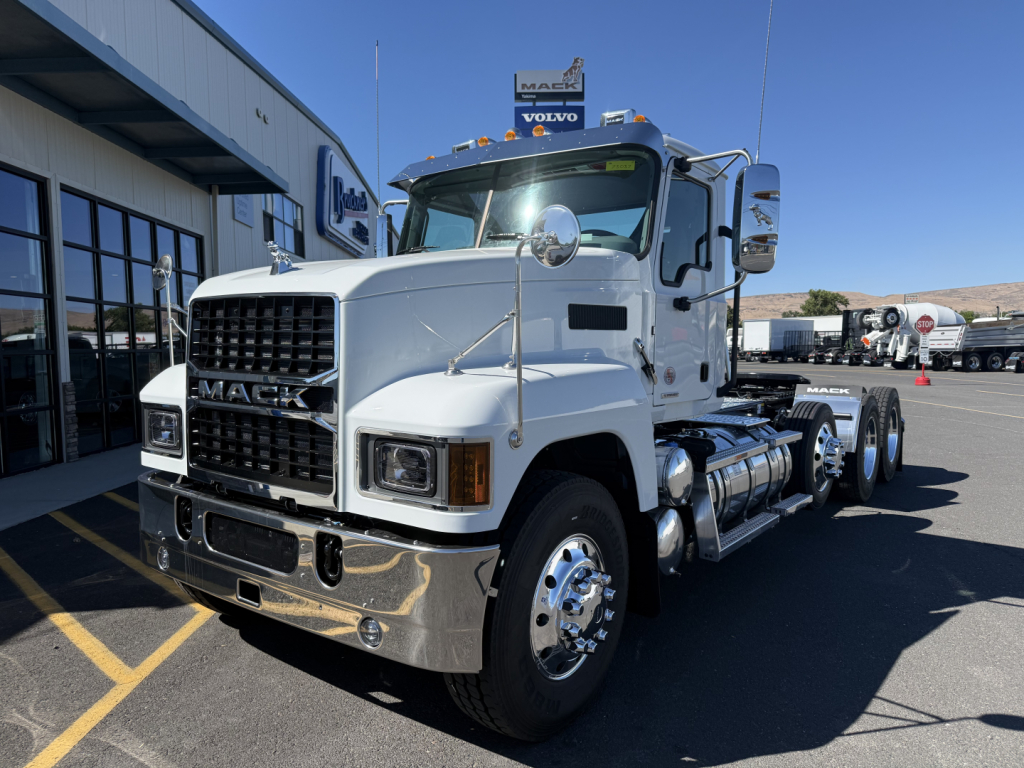
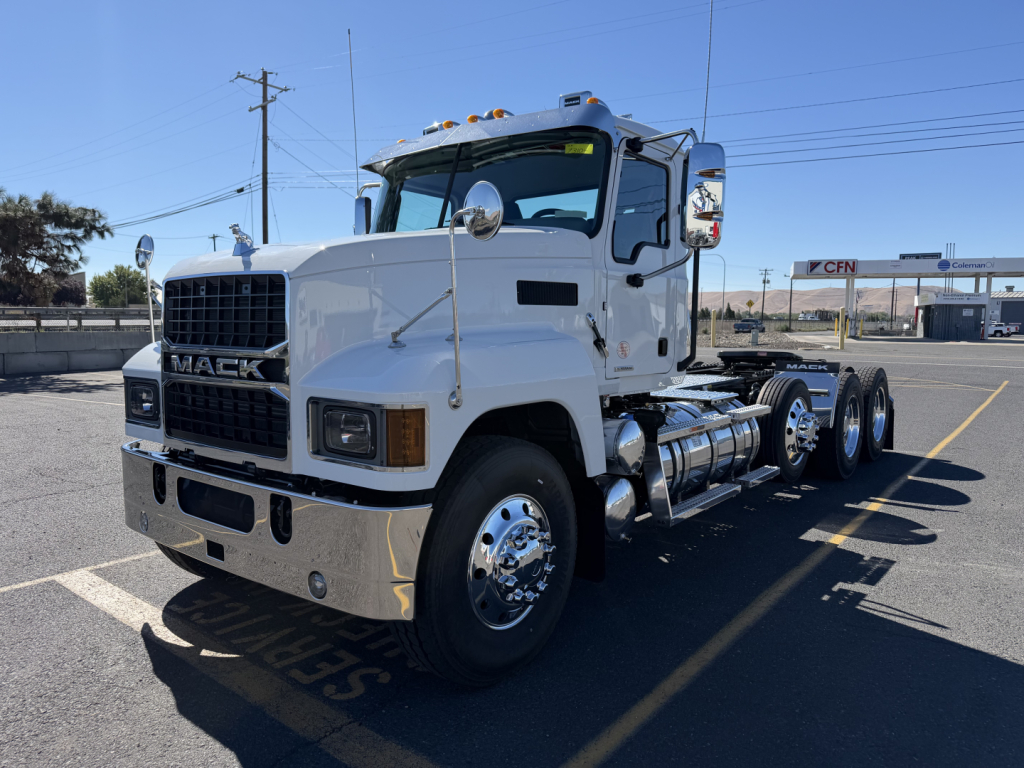
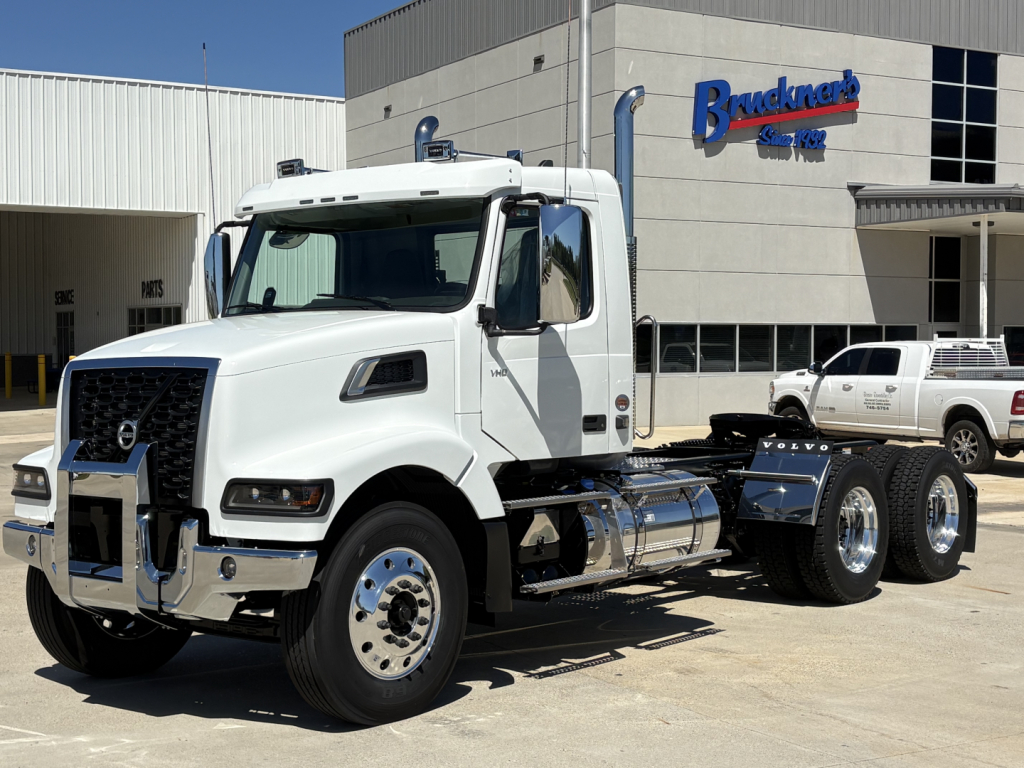
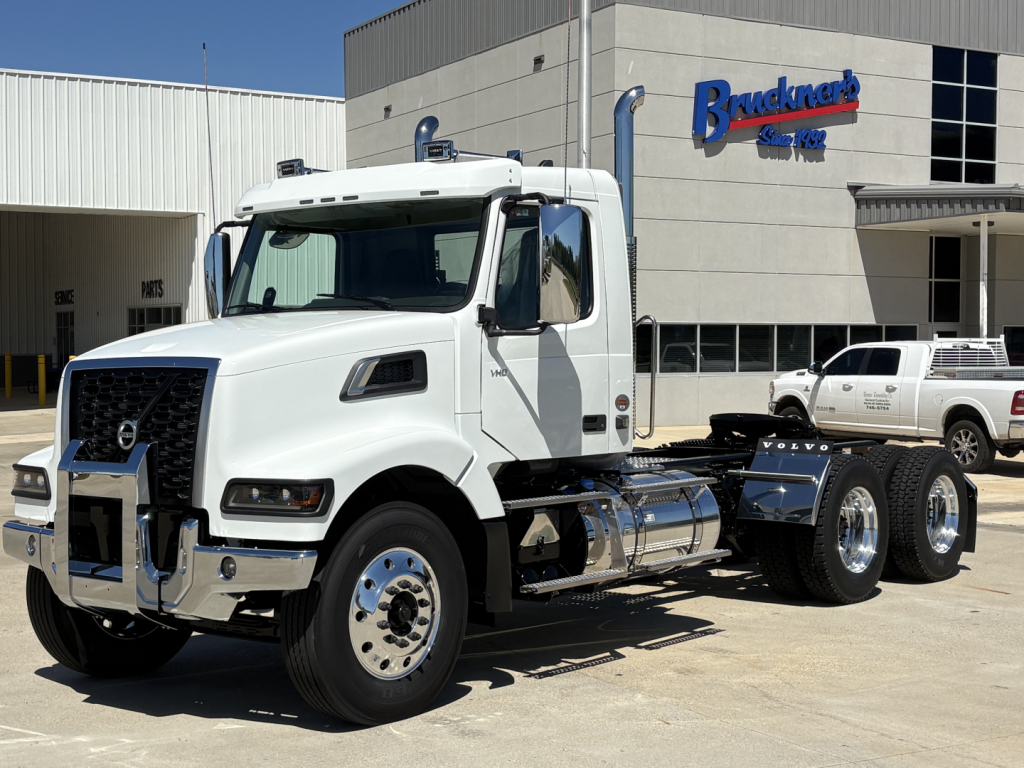
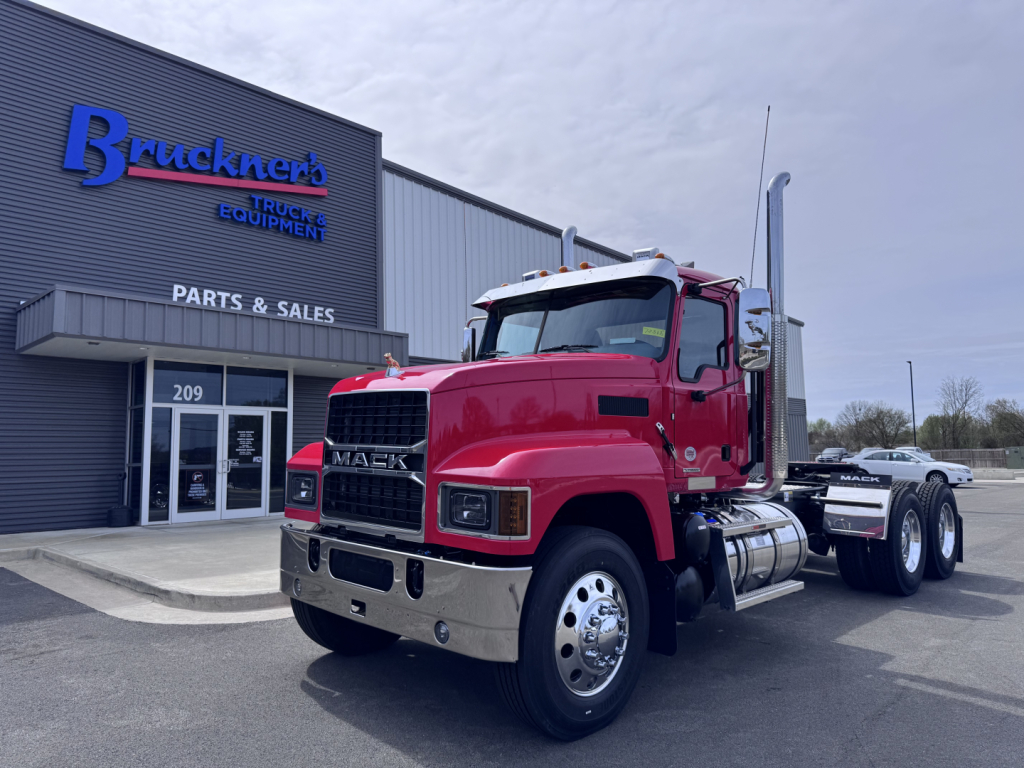
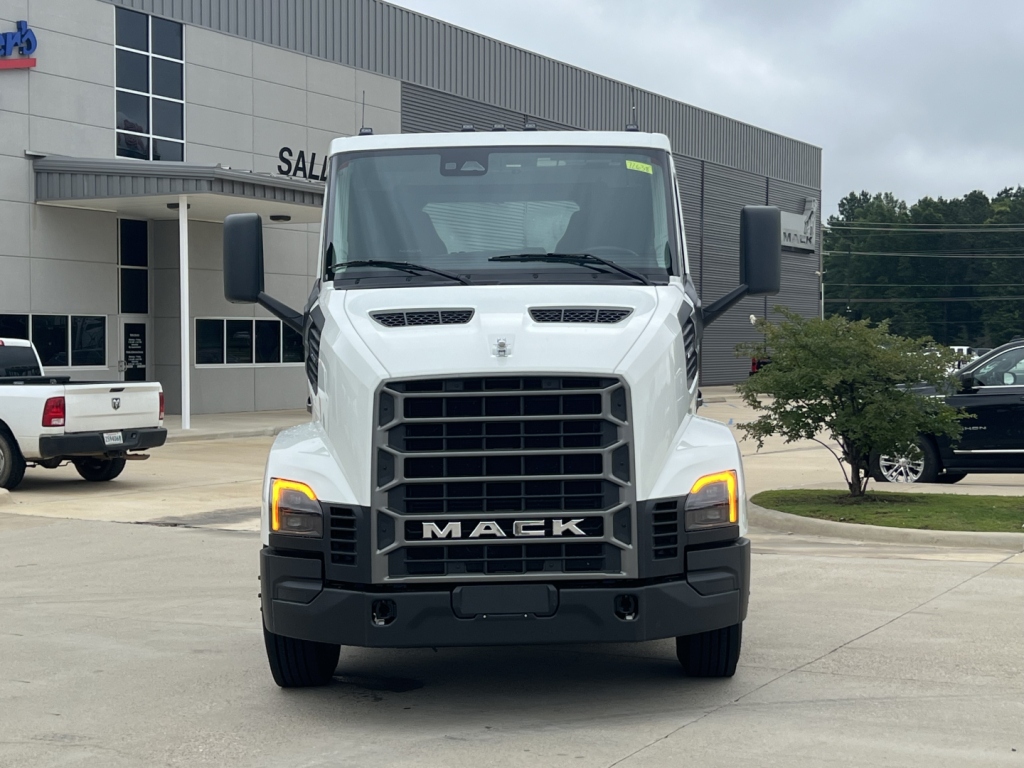
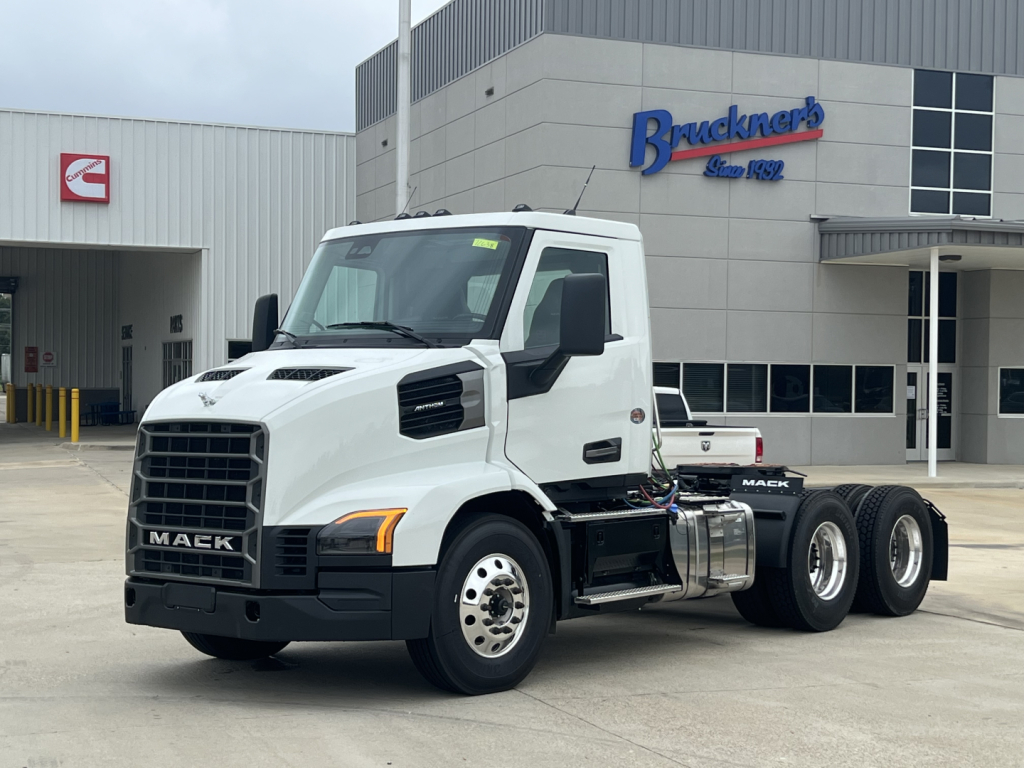
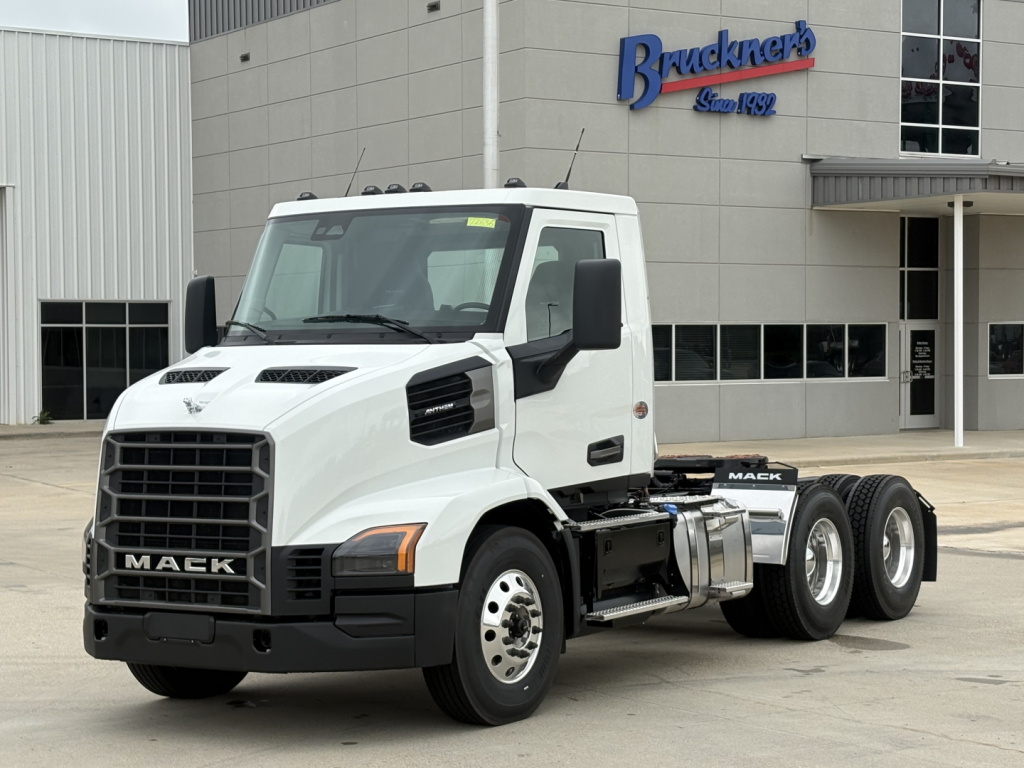
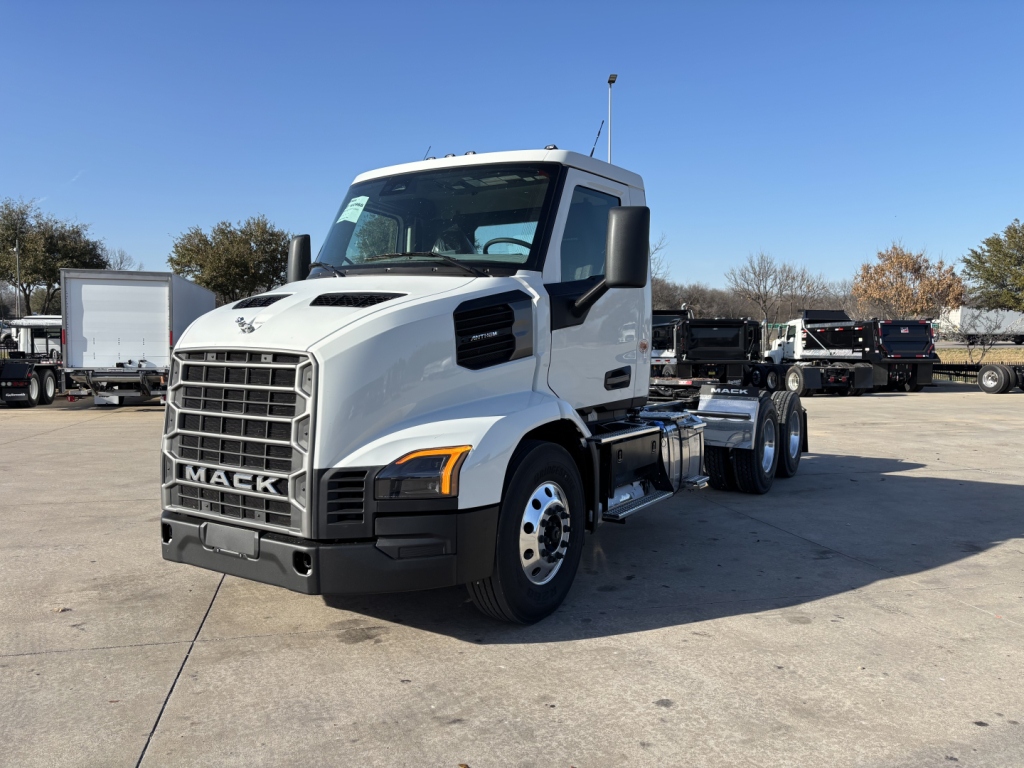
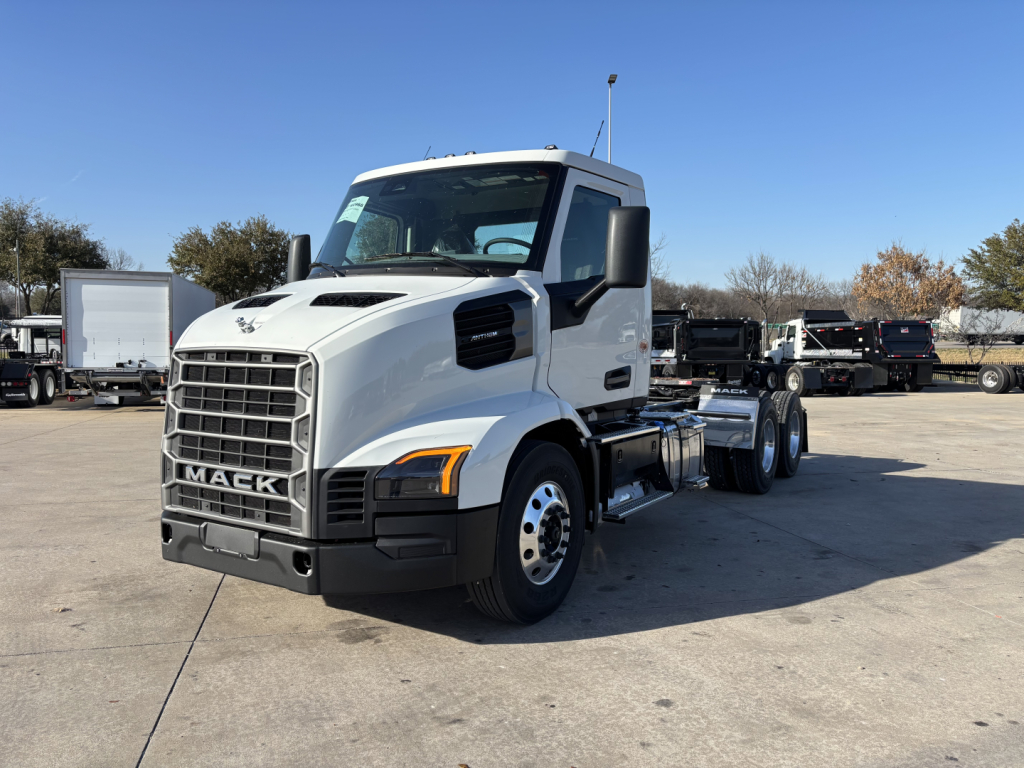
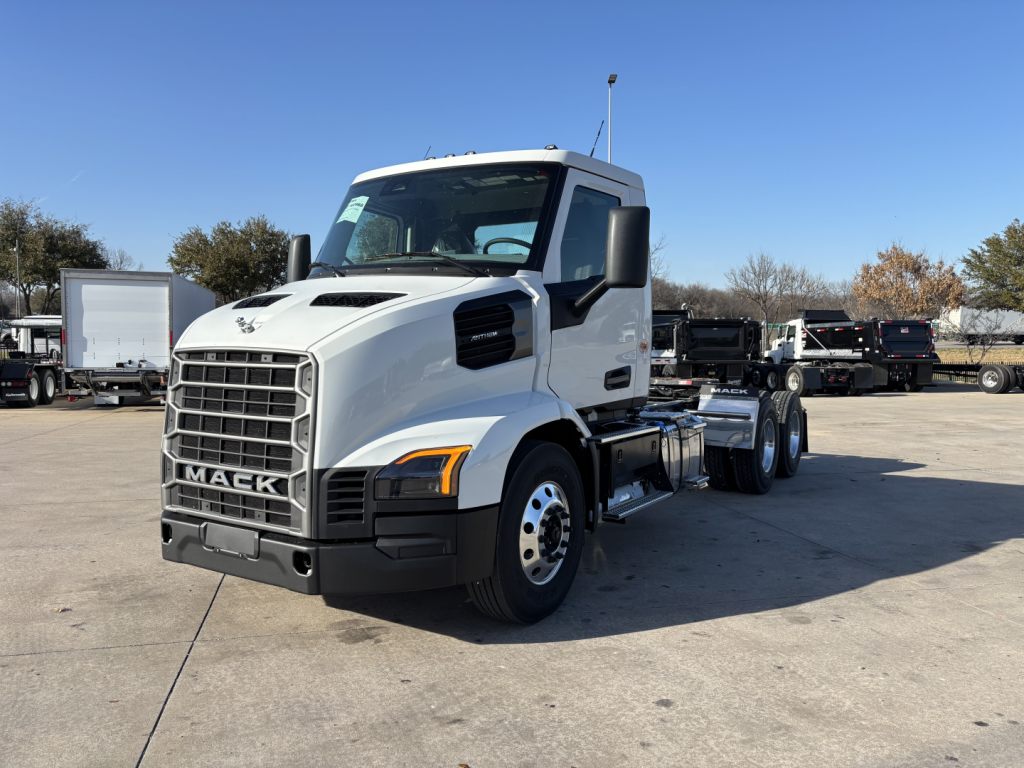
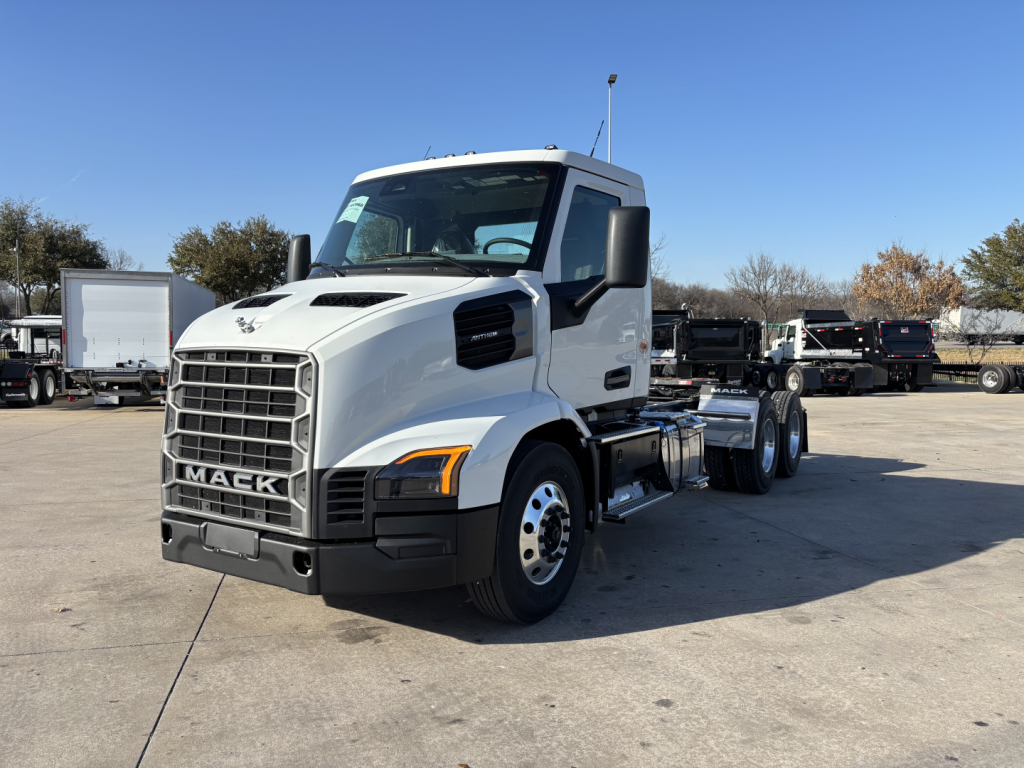
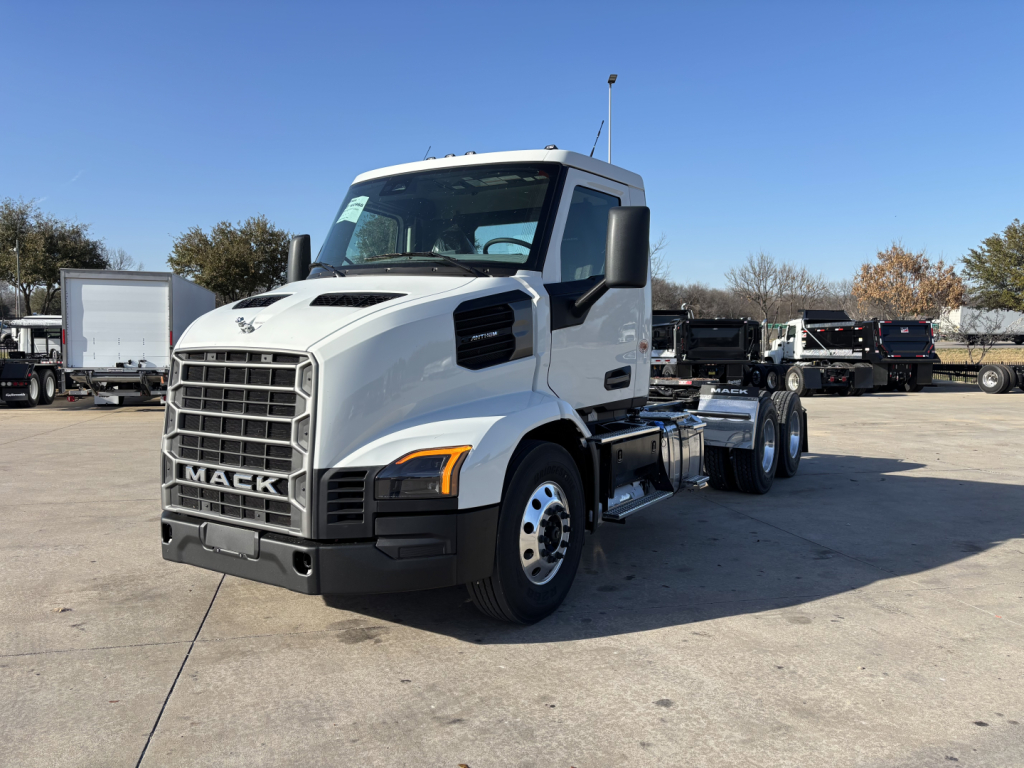
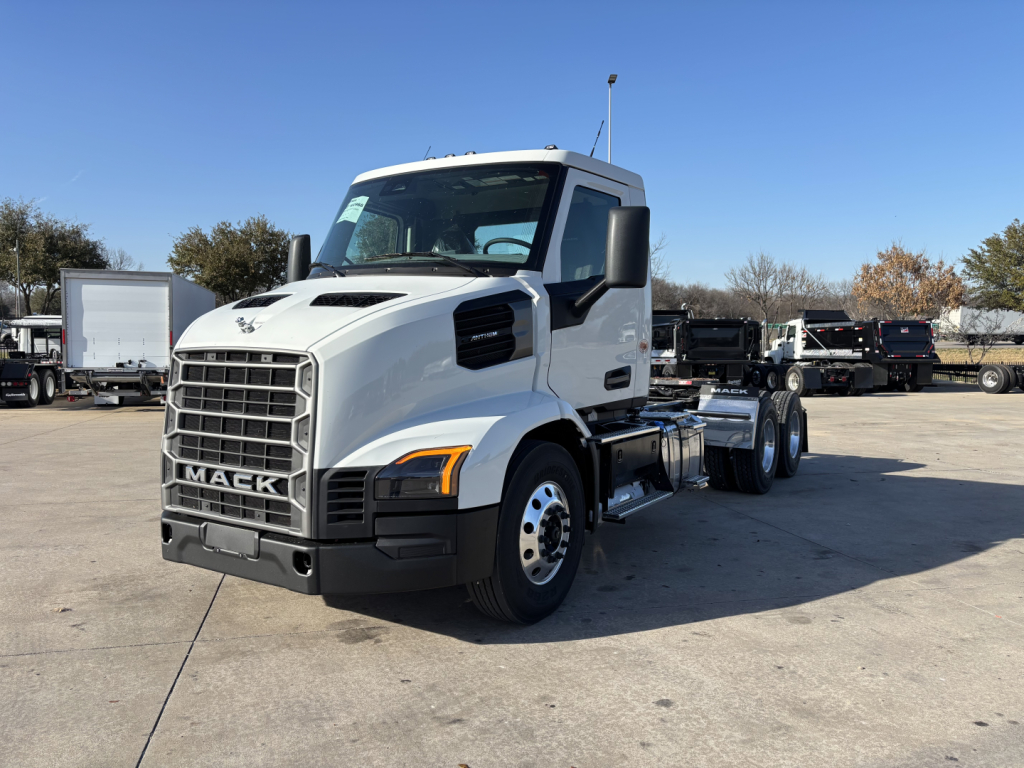
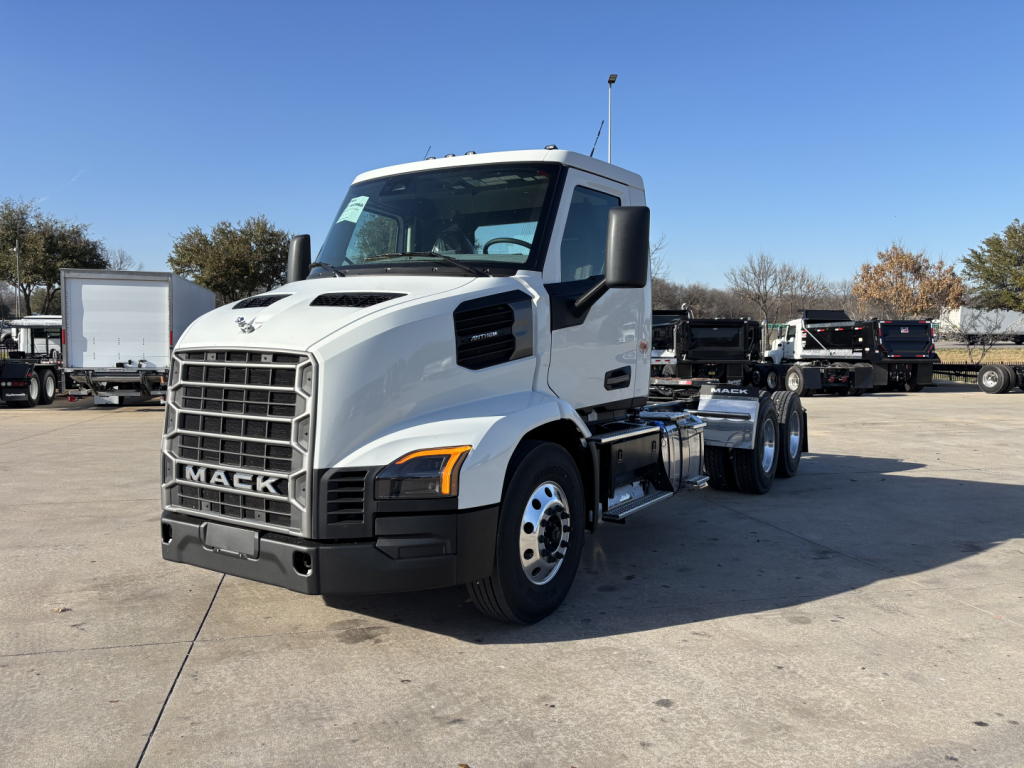
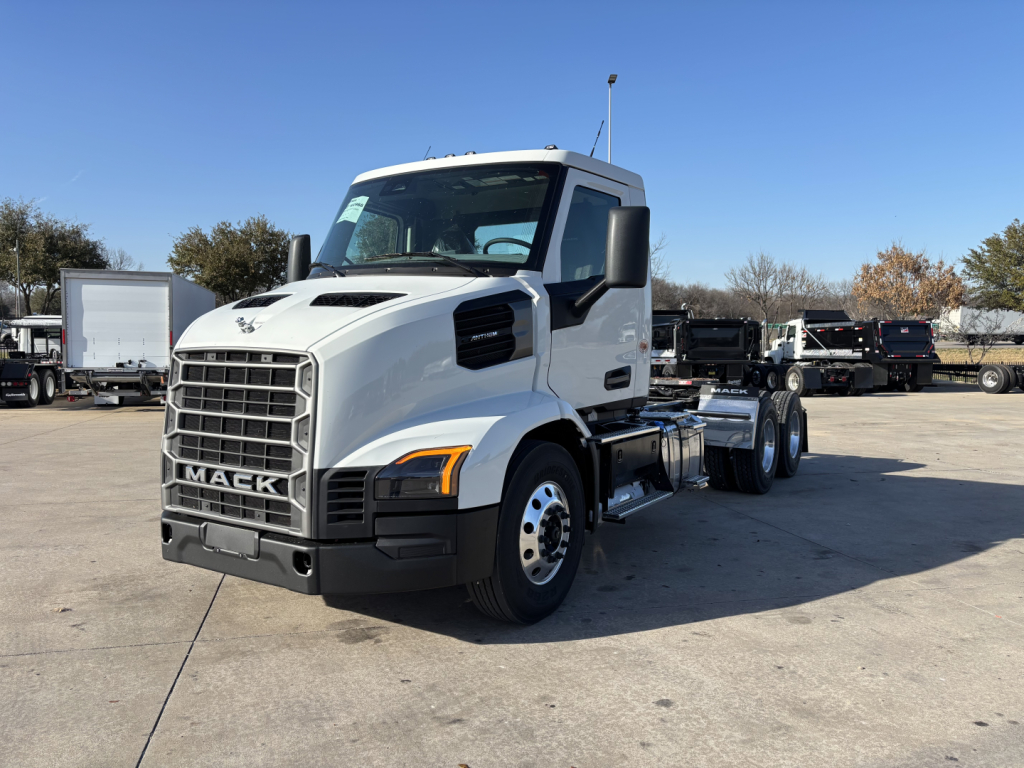
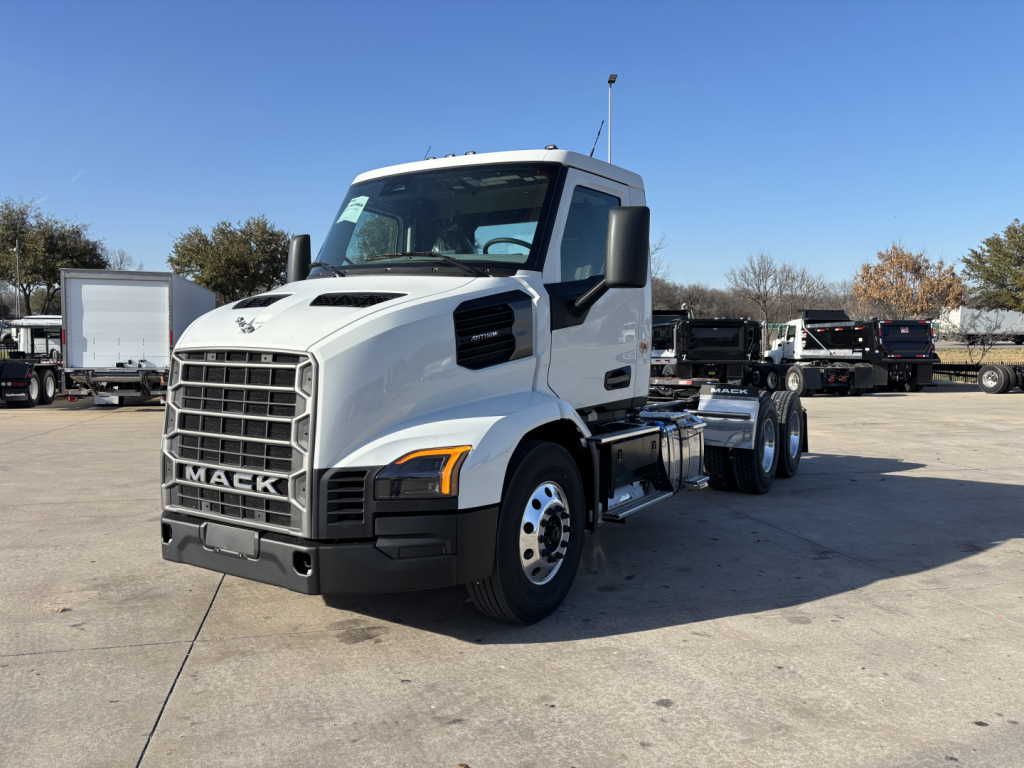
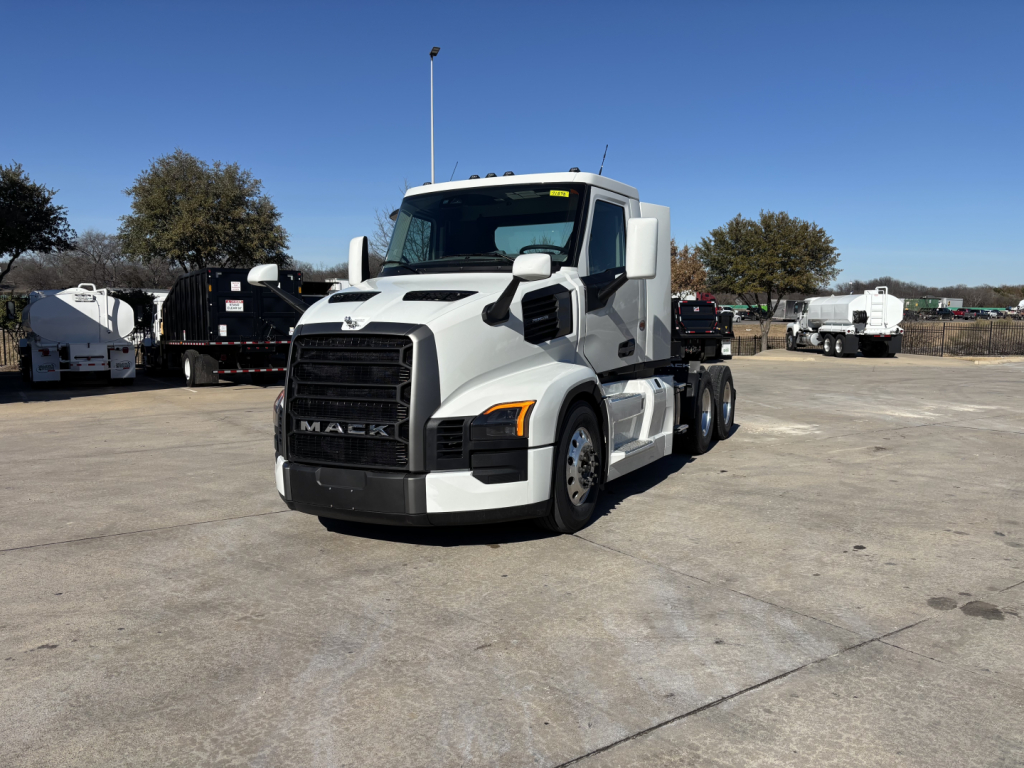
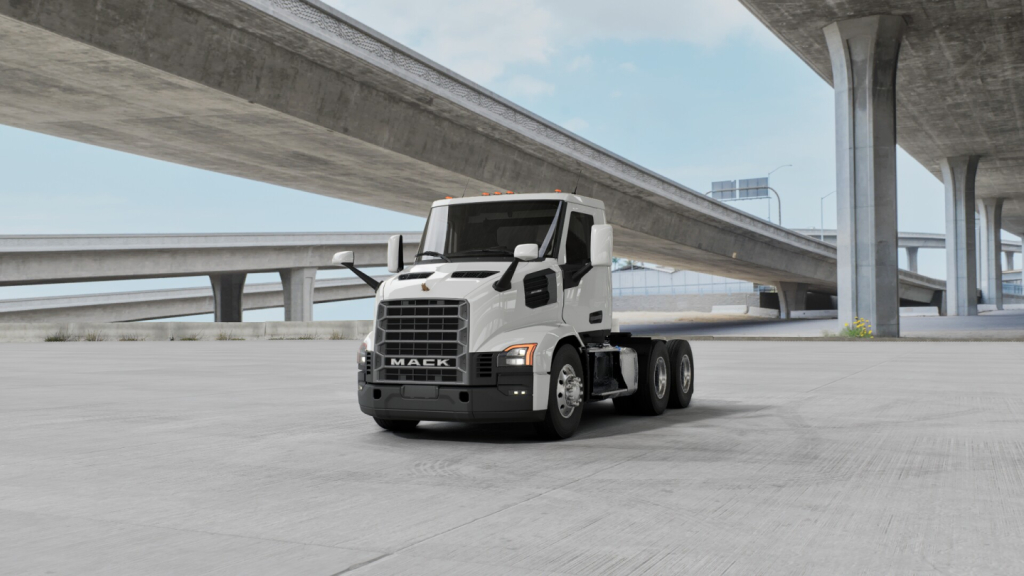
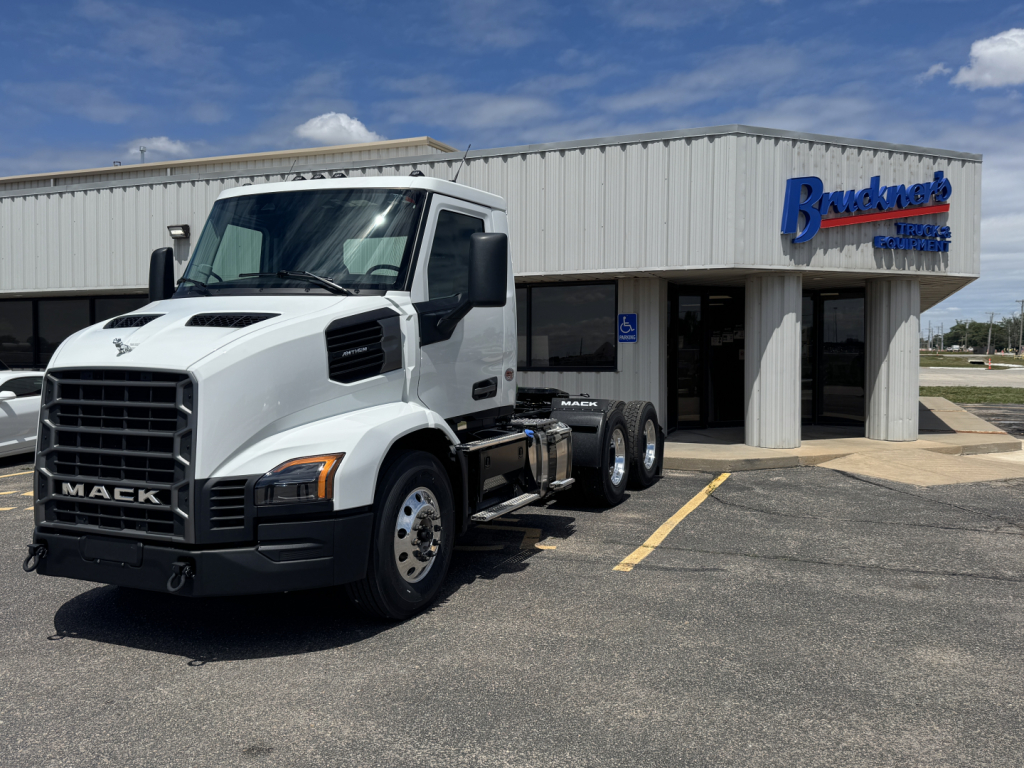
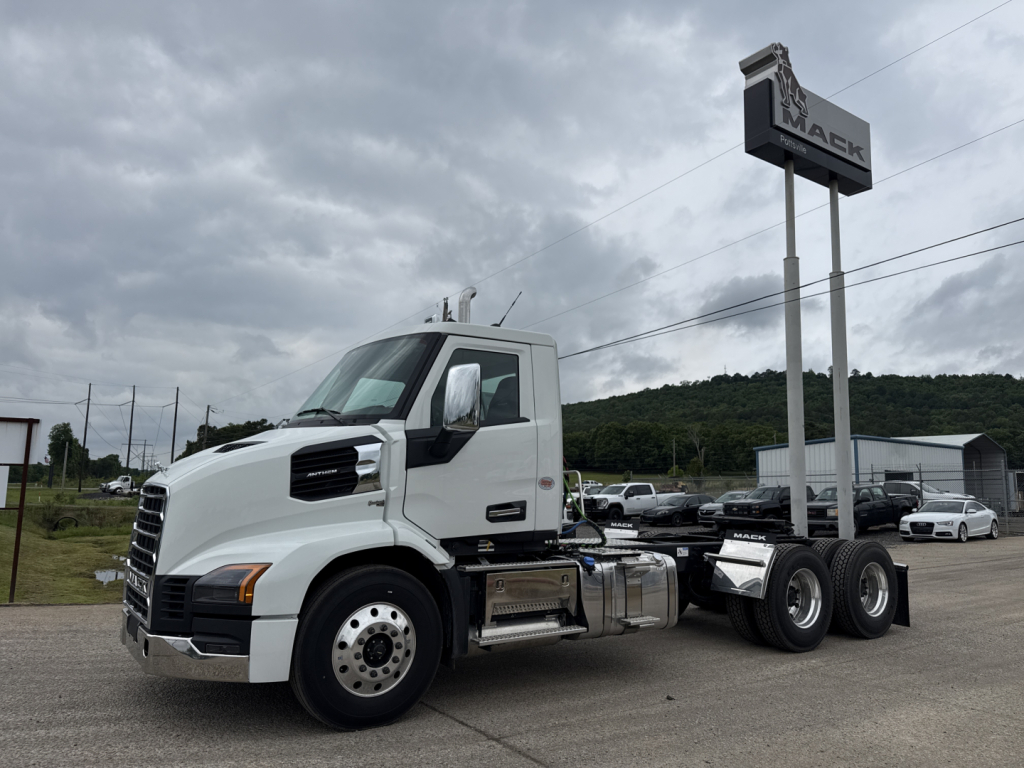
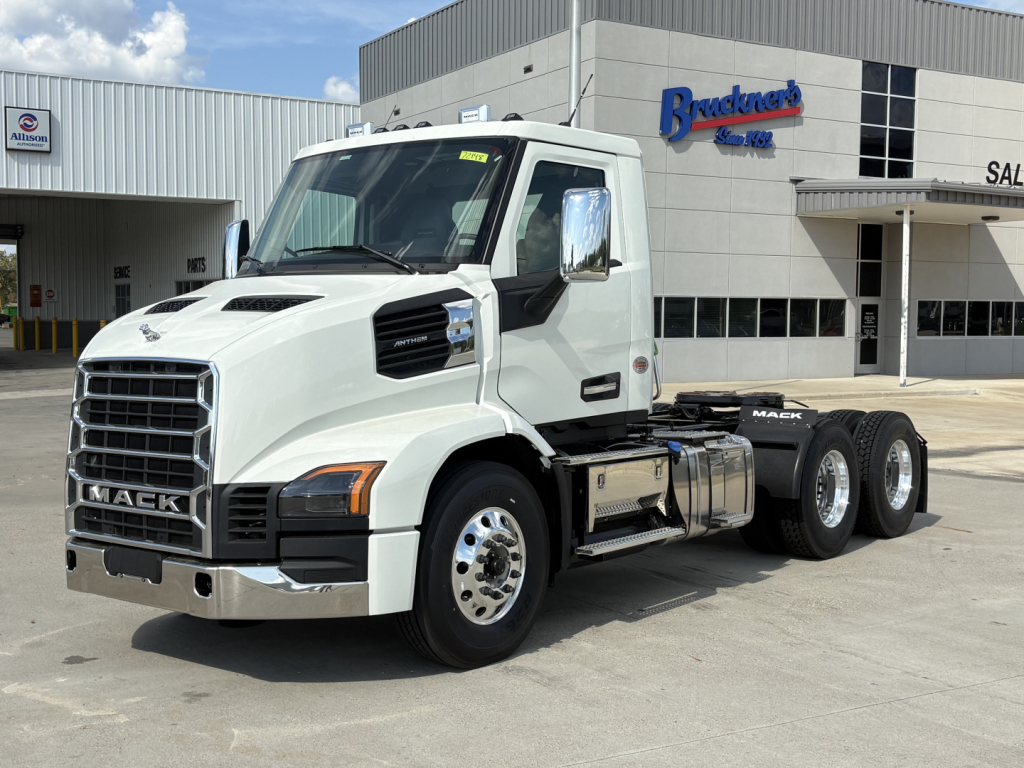

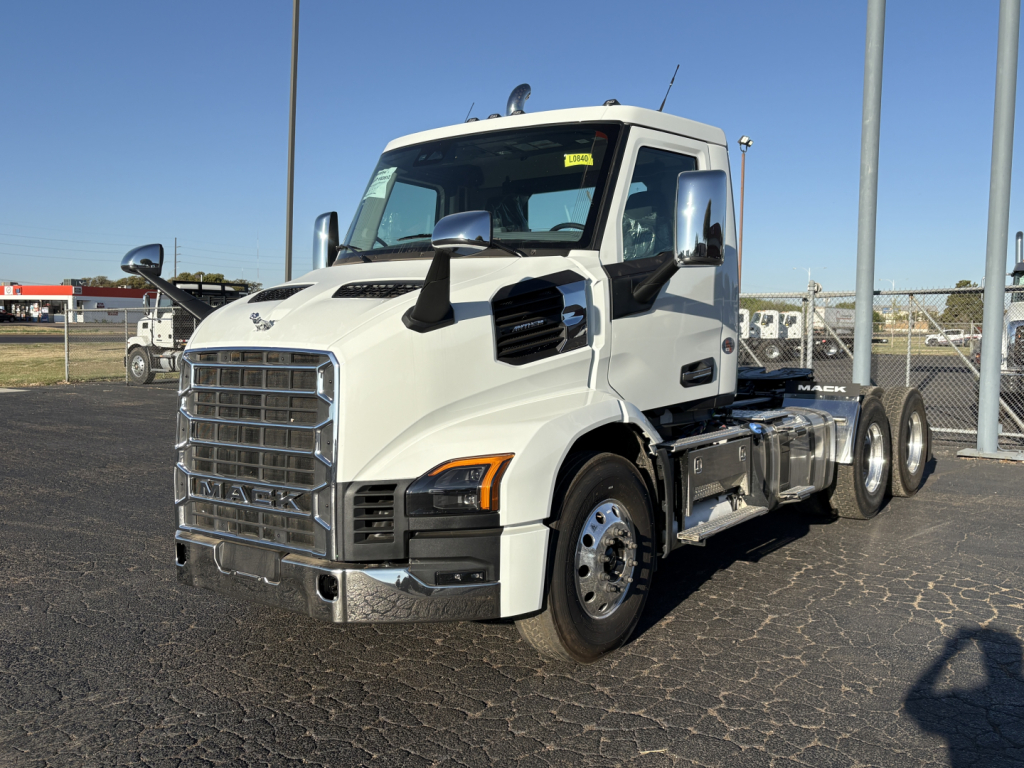
Showing 1 to 28 of 65 results
Selling a new 2027 conventional daycab truck? List your new 2027 conventional daycab truck for sale and reach thousands of commercial buyers.
New 2027 Conventional Daycab Trucks
The 2027 model year continues the trend toward more efficient powertrains and more refined driver environments. Common specs in this category include 6x4 tandem-drive configurations, front axles around 12,000 to 13,200 pounds, rear axles from 40,000 to 46,000 pounds, and wheelbases commonly in the 180 to 230 inch range depending on fifth wheel placement and trailer swing clearance. Engine ratings often land between 400 and 500 horsepower with torque matched to the route profile, and automated manual transmissions remain a popular choice for fleet standardization, fuel economy, and driver recruitment. Buyers should pay close attention to rear axle ratio, transmission overdrive, and tire size because those three items heavily influence cruise RPM, startability, and fuel burn. Disc brakes, traction control, differential locks, and air ride suspensions are now common considerations on higher-spec tractors.
Aerodynamics matter more than many local operators expect. Roof fairings, chassis fairings, bumper shape, mirror design, and fifth wheel position can all affect fuel economy on regional lanes. A low rear axle ratio like 2.79 or 3.08 may fit linehaul or lighter GCW work, while steeper gearing may be better for heavy starts, hilly terrain, or vocational trailer combinations. Fuel capacity varies widely by route and packaging, with dual tanks often selected to balance range and frame space. If the truck will pull multiple trailer types, look closely at sliding fifth wheel travel, frame layout, PTO readiness, and tractor height to ensure compatibility with your fleet. On premium specs, buyers may also find collision mitigation, lane departure warning, adaptive cruise, and telematics integration already baked into the build.
Cab design is another area where new daycabs have improved. Better seat packages, wider steering wheel adjustment, quieter interiors, and simpler dash layouts all matter on routes with frequent driver entry and exit. Vinyl seating may be preferred for severe-duty or easy cleanup, while cloth or upgraded trim can make sense for retention in dedicated regional service. New conventional daycab trucks from brands like Mack, Kenworth, Peterbilt, Freightliner, International, and Volvo are typically spec'd around uptime, serviceability, and total operating cost, so buyers should compare warranty coverage, emissions support, dealer network strength, and diagnostic systems just as closely as horsepower. The right daycab spec is less about maximum engine rating and more about matching the truck to gross weight, terrain, trailer type, and daily utilization.
Frequently Asked Questions about New 2027 Conventional Daycab Trucks
What is a conventional daycab truck best used for?
A conventional daycab truck is best suited for operations where the driver returns the same day and does not need sleeper accommodations. Typical uses include regional freight, local pickup and delivery, container drayage, tanker work, dump and bulk hauling, and dedicated fleet lanes. The shorter overall package compared with a sleeper tractor can improve maneuverability, reduce empty weight, and simplify operation in tight yards, ports, and urban loading areas.
How do I choose the right axle ratio for a new daycab?
The right axle ratio depends on gross combined weight, terrain, cruise speed, transmission spec, and how often the truck starts under load. Lower numerical ratios such as 2.79 or 3.08 are commonly chosen for fuel-efficient highway and regional applications, especially when paired with overdrive transmissions. Higher numerical ratios can improve launch performance and gradeability for heavier work or frequent stop-and-go service. A buyer should evaluate desired cruise RPM, startability, and trailer type before deciding on gearing.
Are automated manual transmissions a good fit for daycab fleets?
Automated manual transmissions are a strong fit for many daycab fleets because they help standardize operation across drivers, reduce clutch wear, and often improve fuel economy consistency. They are especially useful in regional and urban service where frequent shifting can add driver fatigue. Manual transmissions still appeal in certain vocational or driver-preference situations, but the market has largely moved toward automated manuals for fleet efficiency, training simplicity, and resale appeal.
What wheelbase should I look for in a conventional daycab?
Wheelbase should be selected based on trailer swing clearance, bridge law considerations, fuel tank packaging, and how tight the truck needs to turn. Shorter wheelbases generally improve maneuverability for city and yard work, while longer wheelbases can provide better ride quality, more room for fuel and battery boxes, and improved fit for certain trailer combinations. Fifth wheel placement and kingpin setting should be reviewed together with wheelbase so the tractor matches the trailers it will actually pull.
What features matter most on a new 2027 daycab truck?
The most important features are the ones that affect operating cost and uptime first, then driver acceptance. Buyers should focus on engine and transmission pairing, axle ratings, brake type, suspension, fuel capacity, fifth wheel configuration, and safety technology. For a 2027 truck, it also makes sense to compare telematics capability, collision mitigation systems, service access, warranty terms, and dealer support, because those items directly affect utilization and long-term fleet cost.