
New 2027 Conventional Daycab Trucks For Sale in Washington
Shop new 2027 conventional daycab trucks in Washington. Compare specs for regional haul, port work, fuel economy, wheelbase, and axle setups.
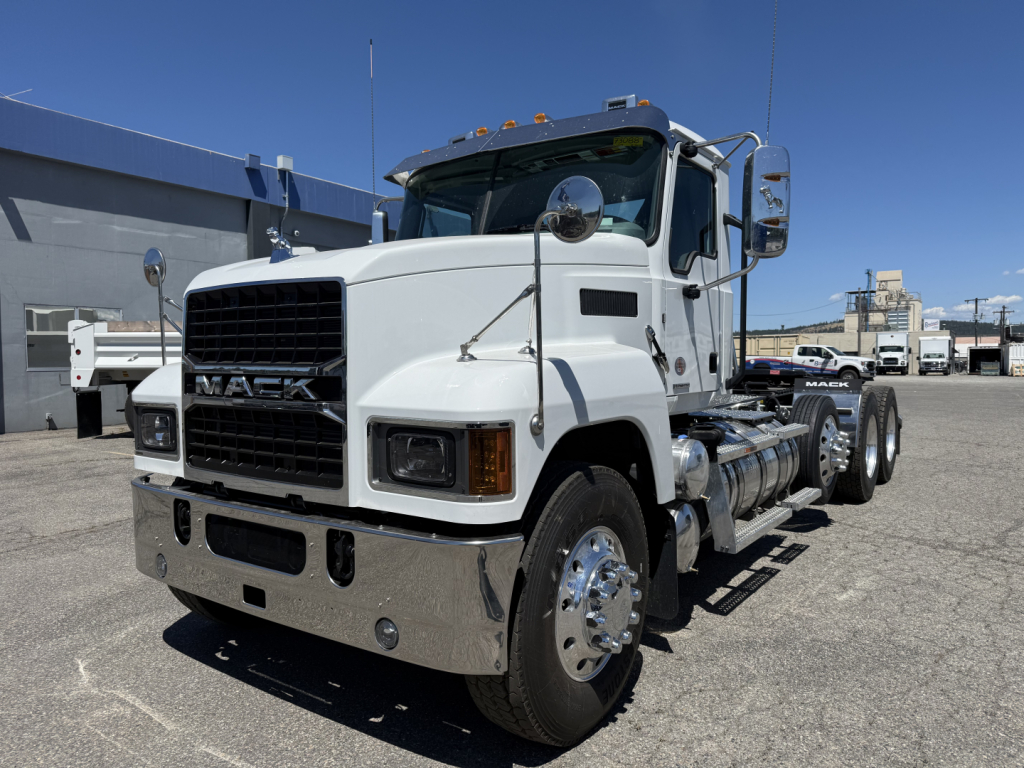
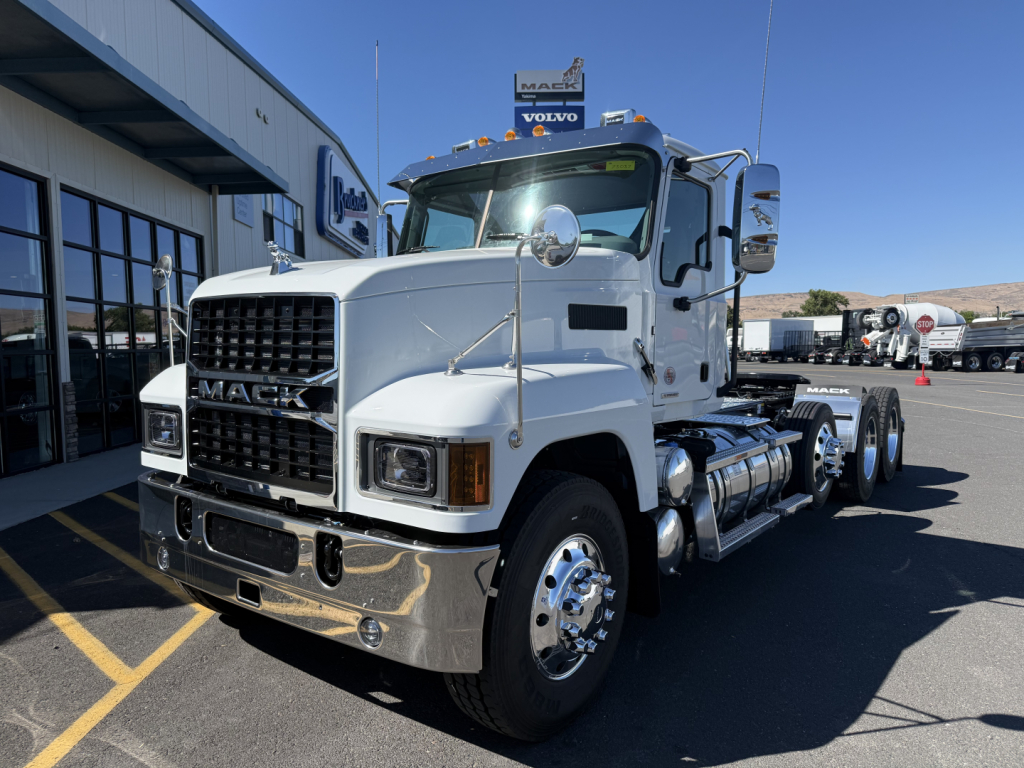
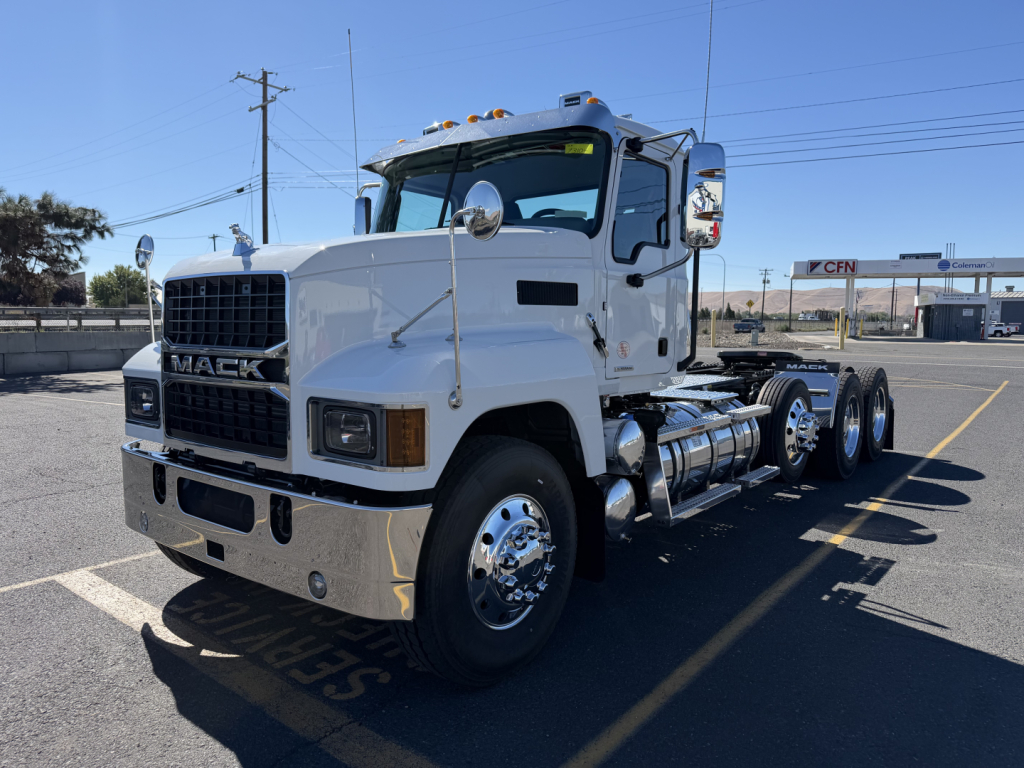
Selling a new 2027 conventional daycab truck? List your new 2027 conventional daycab truck for sale and reach thousands of commercial buyers.
New 2027 Conventional Daycab Trucks in Washington
The biggest buying decisions usually start with the powertrain and axle layout. Most conventional daycabs in this class are spec'd as 6x4 highway tractors with diesel engines in the 400 to 515 horsepower range and torque ratings suited for heavy regional freight, container work, or fuel-sensitive linehaul. Automated manual transmissions are now common because they help with driver consistency, clutch life, and fuel economy, though some buyers still want a manual for specific applications. Common rear axle ratings land around 40,000 lb, with front axles often in the 12,000 to 14,600 lb range depending on intended payload and bridge compliance. Wheelbase, fifth wheel position, and kingpin setting should be matched to the trailer mix, especially if the truck will switch between dry vans, flatbeds, chassis, or bulk trailers.
For Washington buyers, terrain and route profile should influence the spec as much as price. Trucks running the I-5 corridor, port traffic, or dense metro routes often benefit from shorter wheelbases, tighter turning geometry, and durable interior trim that stands up to frequent entry and exit. Units crossing Snoqualmie, Stevens, or longer eastern Washington grades may justify higher horsepower, aggressive engine brake performance, optimized rear axle ratios, and cooling packages designed for sustained pulls. Fuel economy packages can include downsped drivetrains, aero mirrors, roof fairings where applicable, predictive cruise, and automated transmissions calibrated for regional duty cycles. Driver comfort also matters in a daycab, so air ride suspensions, upgraded seats, quiet cabs, and intuitive dash layouts can make a measurable difference in retention and productivity.
A well-spec'd conventional daycab should be evaluated as a total-cost machine, not just by advertised horsepower. Look closely at frame strength, suspension type, wheelbase, PTO provisions, fifth wheel brand and slide travel, tank capacity, brake configuration, telematics integration, and warranty coverage. Fleet buyers often prioritize service network, uptime support, and emissions system strategy, while owner-operators may focus more on drivability, resale, and operating efficiency. Also known as a day cab semi tractor or conventional day cab tractor, this truck class remains one of the most versatile choices for carriers that need highway capability without the extra length and weight of a sleeper.
Frequently Asked Questions about New 2027 Conventional Daycab Trucks in Washington
What is a conventional daycab truck used for?
A conventional daycab truck is primarily used for regional hauling, local delivery routes, drayage, dedicated fleet work, and vocational tractor applications where the driver returns home daily. It has the long hood layout of a conventional tractor but does not include a sleeper compartment, which reduces weight and often improves maneuverability and cost efficiency for shorter-haul operations.
What specs matter most when buying a new 2027 conventional daycab in Washington?
The most important specs are engine horsepower and torque, transmission type, front and rear axle ratings, wheelbase, rear axle ratio, fifth wheel setup, and suspension. In Washington, buyers should also consider mountain-grade performance, engine braking, cooling capacity, and how the truck will operate in port traffic, urban terminals, or longer cross-state regional lanes. Matching the truck to trailer type and route profile is more important than choosing the highest horsepower available.
Are automated manual transmissions common in new daycab trucks?
Yes. Automated manual transmissions are now standard in many new conventional daycab trucks because they improve shift consistency, reduce driver fatigue, help protect the driveline, and can support better fuel economy. They are especially popular in fleet service and regional haul applications, although some specialized operations still prefer manual transmissions for driver preference or job-specific control.
What axle ratings are common on conventional daycab tractors?
Many conventional daycab tractors are spec'd with front axle ratings from about 12,000 to 14,600 pounds and tandem rear axles around 40,000 pounds. Exact ratings depend on the application, expected payload, and state or bridge requirements. Heavier front axle specs may be useful when the truck carries equipment, runs a heavier engine package, or needs added legal capacity on certain trailer combinations.
Is a daycab better than a sleeper for regional work?
For many regional and local operations, a daycab is the better fit because it eliminates the sleeper's extra length, weight, and cost. That can improve payload potential, simplify yard maneuvering, and lower acquisition cost. A sleeper becomes more valuable when drivers spend nights on the road, but for short-haul and return-to-base schedules, a daycab is usually the more efficient choice.