
New 2027 Mack Conventional Daycab Trucks For Sale in Washington
Shop new 2027 Mack conventional daycab trucks in Washington. Compare specs, powertrains, wheelbases, axle ratings, and driver-focused features.
Selling a new 2027 mack conventional daycab truck? List your new 2027 mack conventional daycab truck for sale and reach thousands of commercial buyers.
New 2027 Mack Conventional Daycab Trucks in Washington
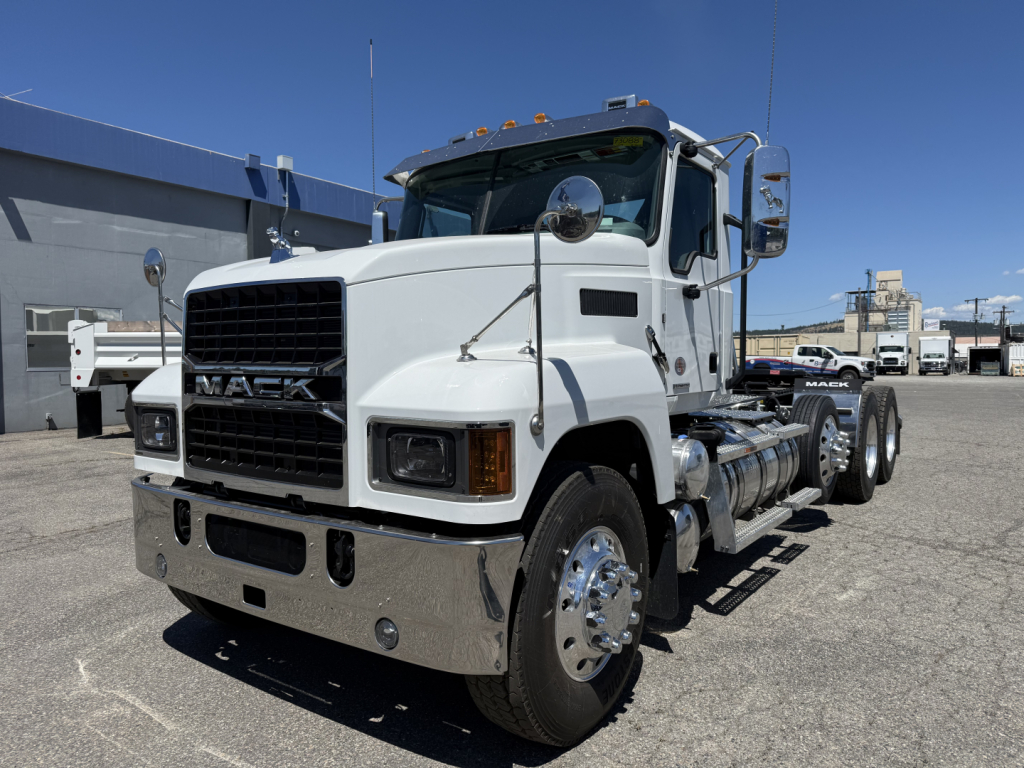
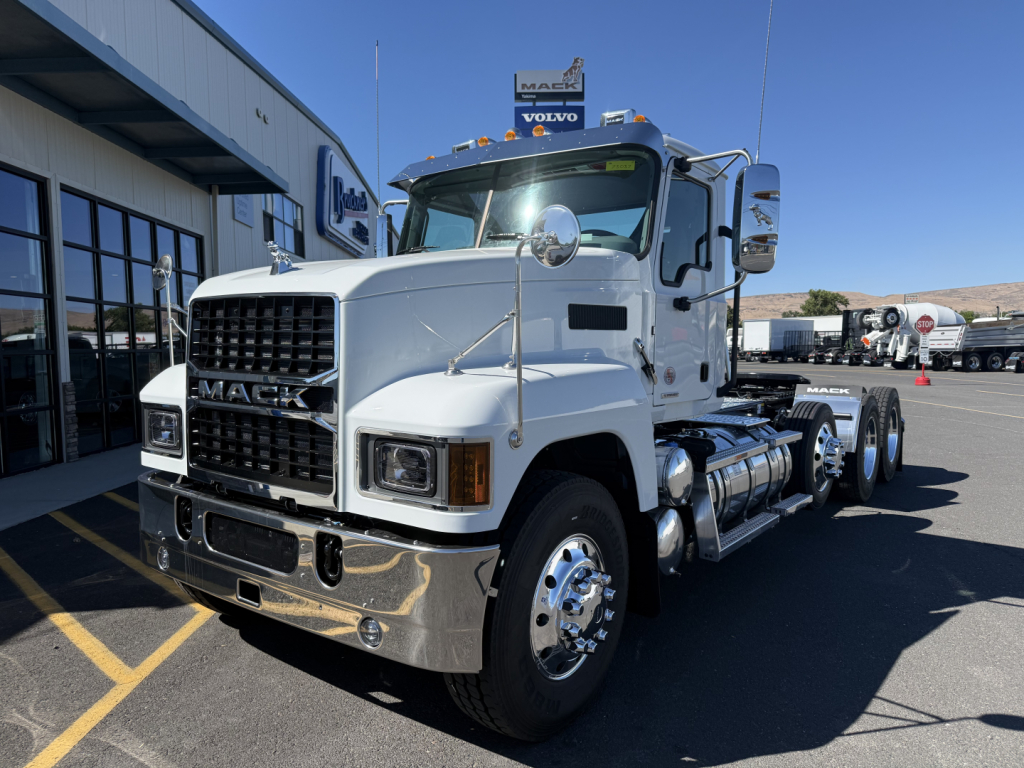
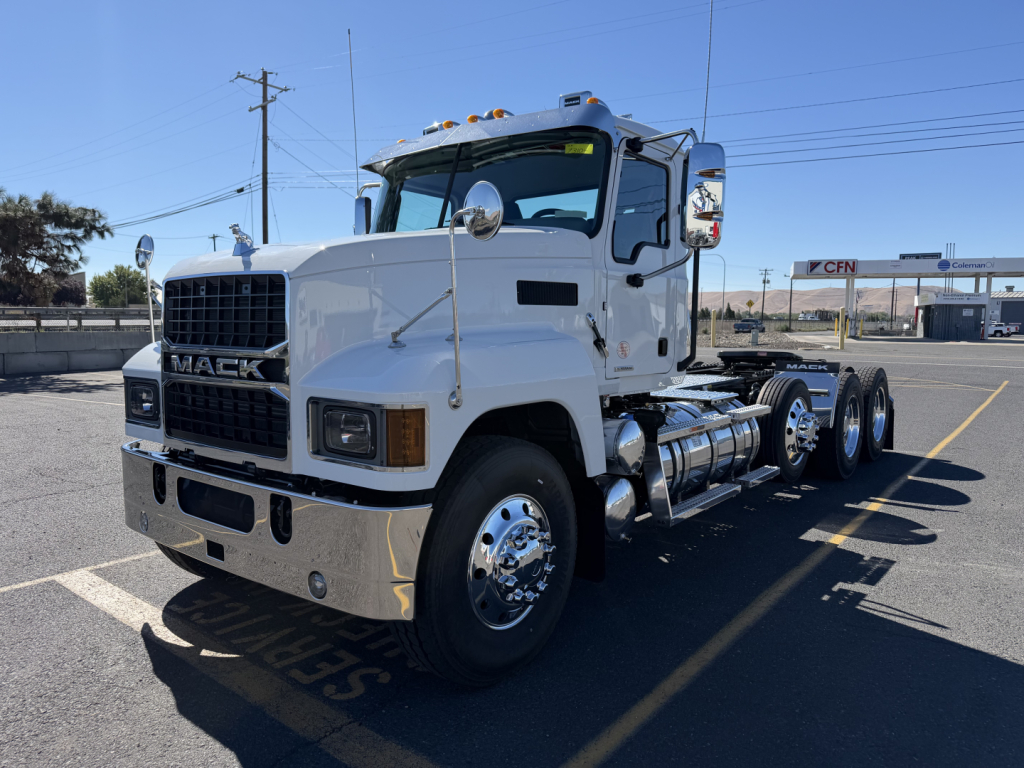
The most important buying decisions are engine rating, transmission, axle capacity, and wheelbase. Many new Mack daycab specs center around the MP13 platform in horsepower ratings suited for regional and heavy tractor applications, often paired with the mDRIVE automated manual transmission. Buyers comparing listings should pay close attention to front axle and rear axle ratings such as 12,000 to 13,200 lb front axles and 40,000 lb rears, along with suspension type, fifth wheel setup, and wheelbase. A shorter wheelbase can improve maneuverability in urban yards, terminals, and tight customer sites, while a longer wheelbase may help with ride quality, frame space, fuel capacity, and certain body or PTO requirements.
For Washington operations, terrain and duty cycle should drive the spec. Fleets running across the Cascades or hauling at higher combined weights will usually prioritize torque, engine brake performance, axle ratio, and cooling package over a light regional spec. Trucks working I-5 corridor freight, warehouse transfers, or distribution routes may put more value on aerodynamic packages, adaptive cruise features, collision mitigation systems, tire pressure monitoring, and fuel tank capacity. Daycab buyers should also review brake configuration, including drum versus disc brakes, air ride versus spring suspension, and available driver-assist technology such as lane support, blind spot monitoring, backup cameras, and integrated telematics.
Cab comfort still matters on a daycab because these trucks spend long hours in stop-and-go freight and regional runs. Air-ride seats, premium interior trim, steering wheel controls, insulation, visibility, and easy ingress can make a measurable difference in retention and driver fatigue. PTO prep, electric-over-air provisions, sliding fifth wheels, dual fuel tanks, and factory warranty coverage are also common decision points, especially for fleets trying to keep a standardized spec. A well-matched Mack conventional daycab should fit the route, the trailer set, and the weight profile first, then layer in efficiency and comfort features that support long-term operating cost control.
Frequently Asked Questions about New 2027 Mack Conventional Daycab Trucks in Washington
What is a conventional daycab truck best used for?
A conventional daycab truck is best suited for local, regional, drayage, and dedicated route work where a sleeper is unnecessary. It is commonly used for freight lanes that begin and end the same day, as well as vocational tractor applications such as tanker, dump, bulk, and port service. The shorter overall package can also help with maneuverability and reduce unnecessary weight compared with a sleeper tractor.
What specs matter most when comparing new Mack daycab trucks?
The key specs are engine horsepower and torque, transmission type, front and rear axle ratings, wheelbase, axle ratio, suspension, and fifth wheel configuration. These determine how the truck will perform under load, how it handles grades, how easily it maneuvers in tight spaces, and how well it matches a specific trailer and route profile. Buyers should also review fuel capacity, brake type, PTO provisions, and driver-assist systems because those features directly affect daily operating cost and usability.
Is a Mack daycab a good choice for Washington hauling?
A Mack daycab can be a strong fit for Washington operations because the platform can be spec'd for both regional efficiency and heavier mountain or vocational duty cycles. Buyers moving freight over passes or at higher gross combined weights should focus on torque, engine brake strength, axle ratios, and cooling capacity. Buyers running flatter regional or metro lanes may place more value on aerodynamics, lighter weight, and driver-assistance technology.
Should I choose a shorter or longer wheelbase on a daycab?
A shorter wheelbase generally improves turning radius and makes the truck easier to handle in crowded terminals, urban streets, and customer yards. A longer wheelbase can improve ride quality, allow more frame space for tanks or equipment, and better support certain trailer setups or PTO applications. The right choice depends on trailer length, kingpin setting, bridge law considerations, and how tight the operating environment is.
Are automated manual transmissions common in new Mack conventional daycabs?
Yes, automated manual transmissions are common in new Mack conventional daycab specs, especially for fleets focused on fuel efficiency, easier driver onboarding, and consistent shifting performance. Mack's mDRIVE transmission is frequently chosen because it reduces driver workload and integrates well with modern engine controls and drive modes. For many regional and heavy tractor applications, it can also help improve clutch life and operational consistency across multiple drivers.