
New 2027 Mack Conventional Daycab Trucks For Sale
Shop new 2027 Mack conventional daycab trucks built for regional haul, vocational work, fuel efficiency, driver comfort, and uptime.
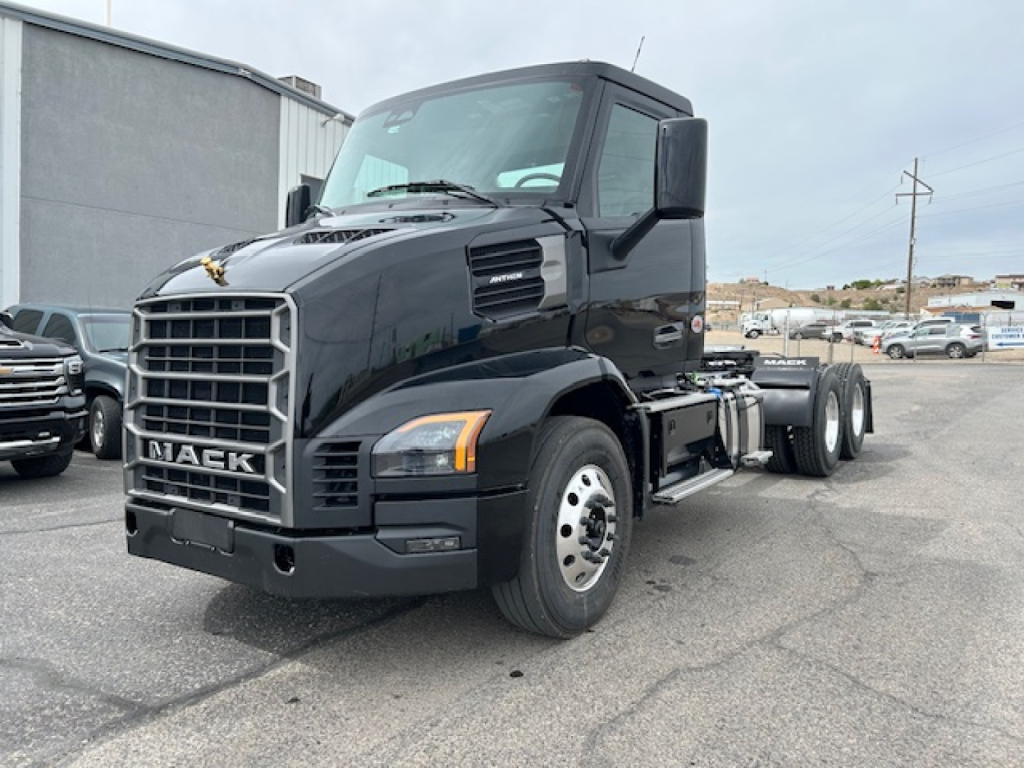
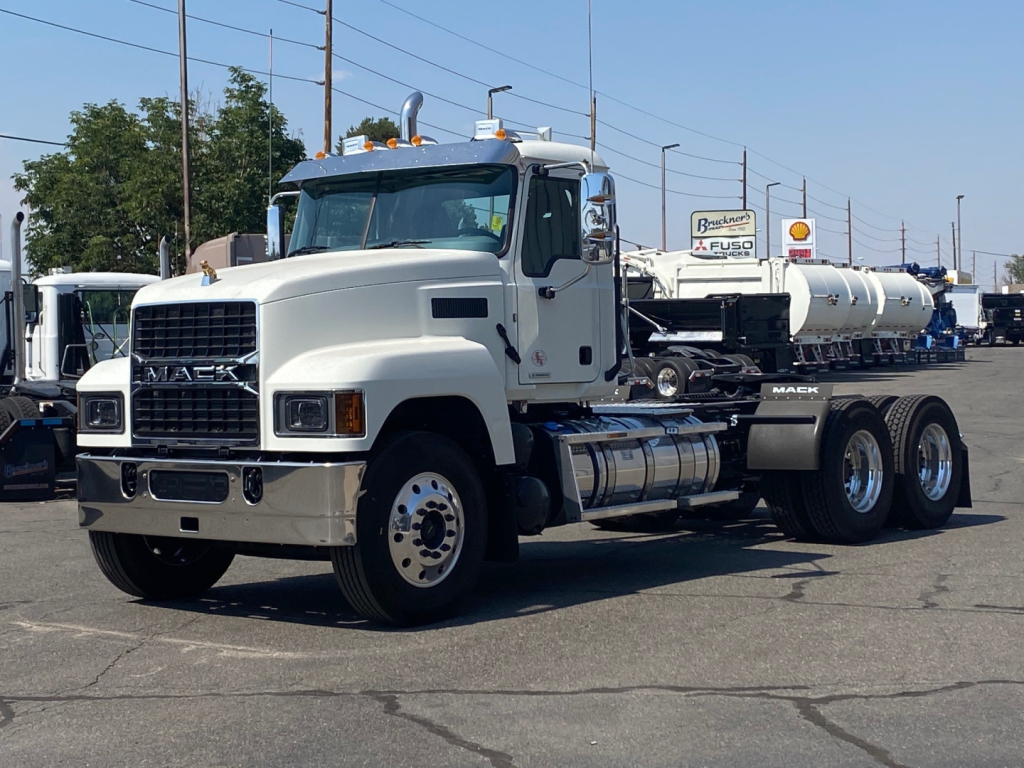
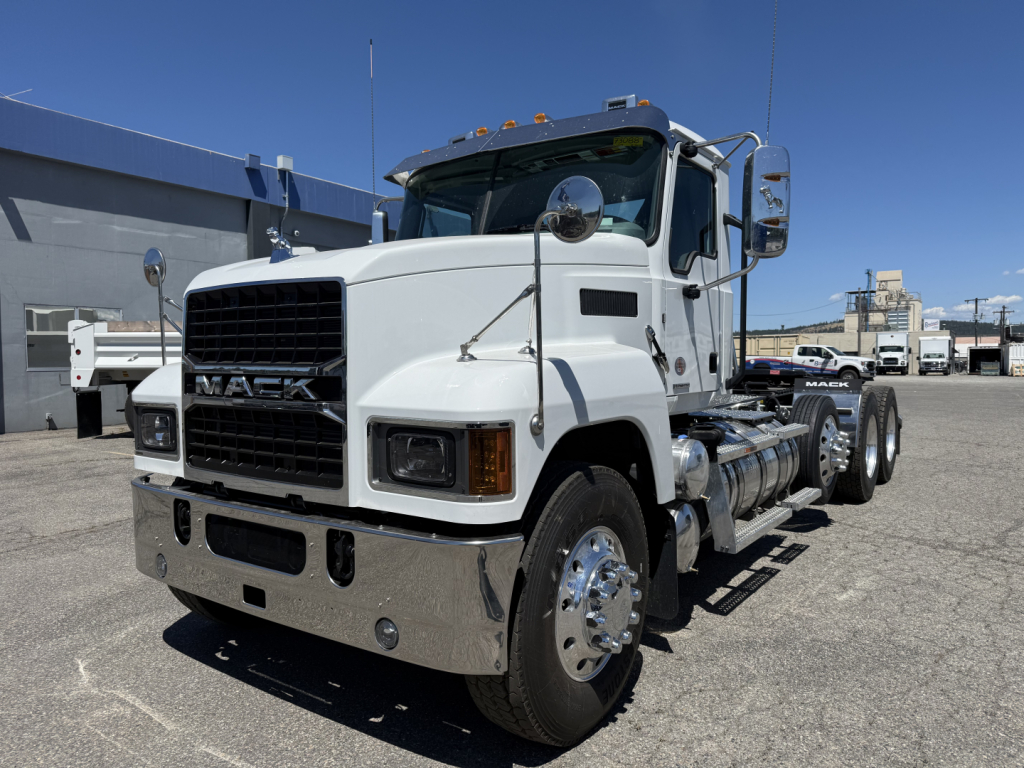
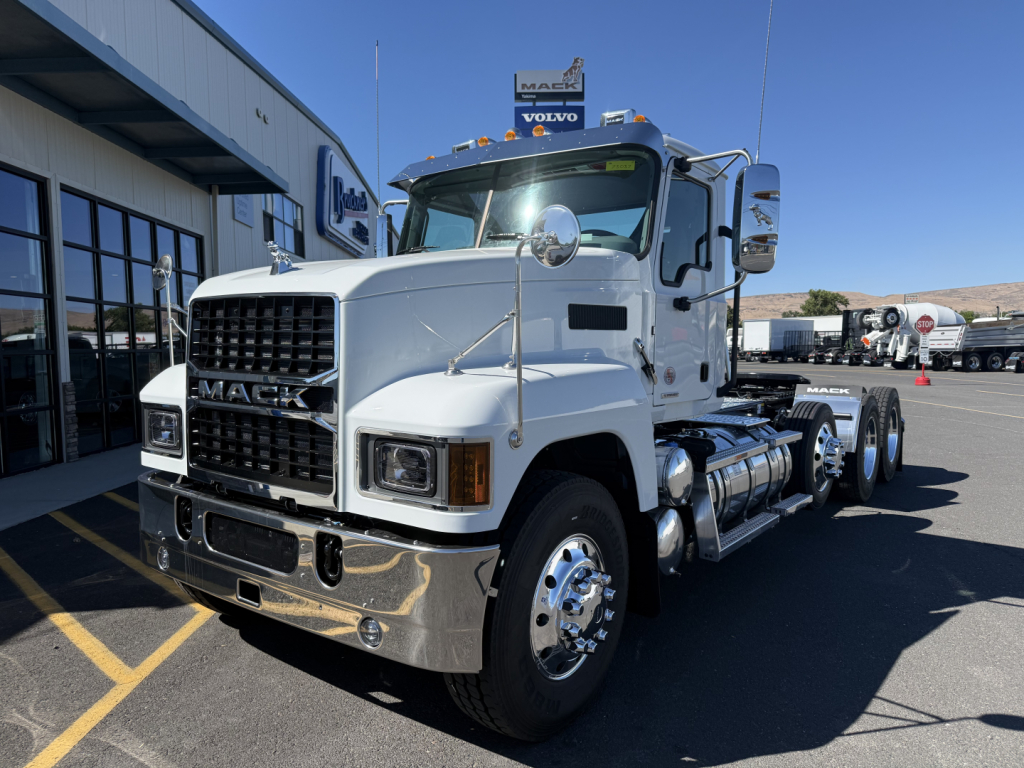
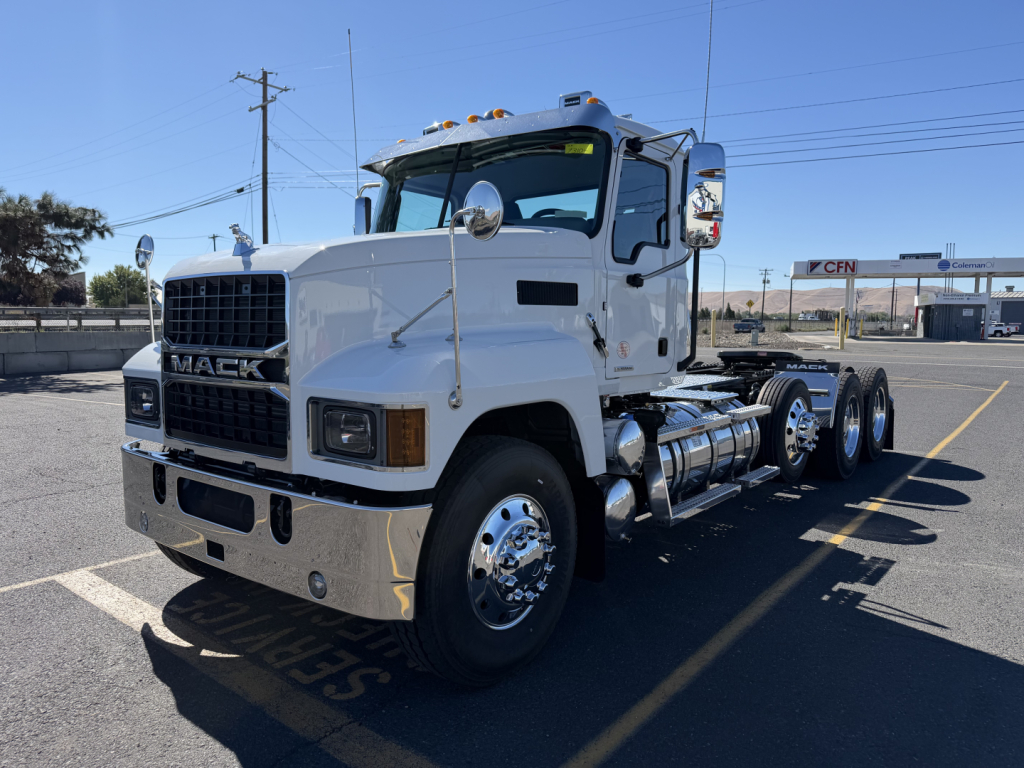
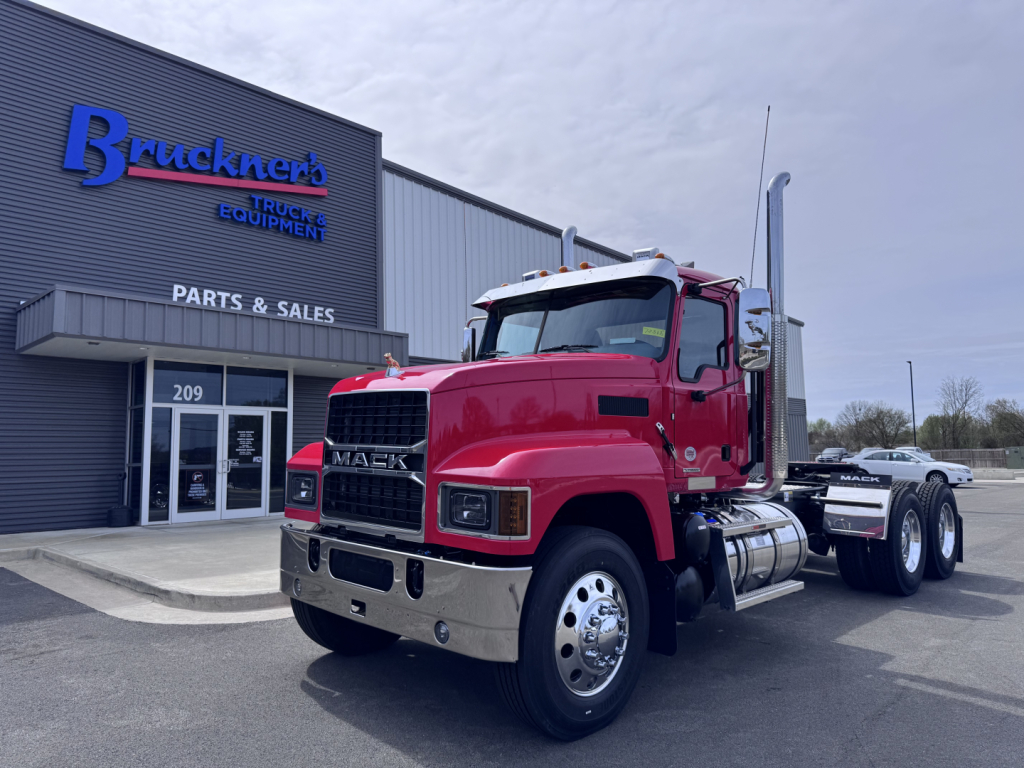
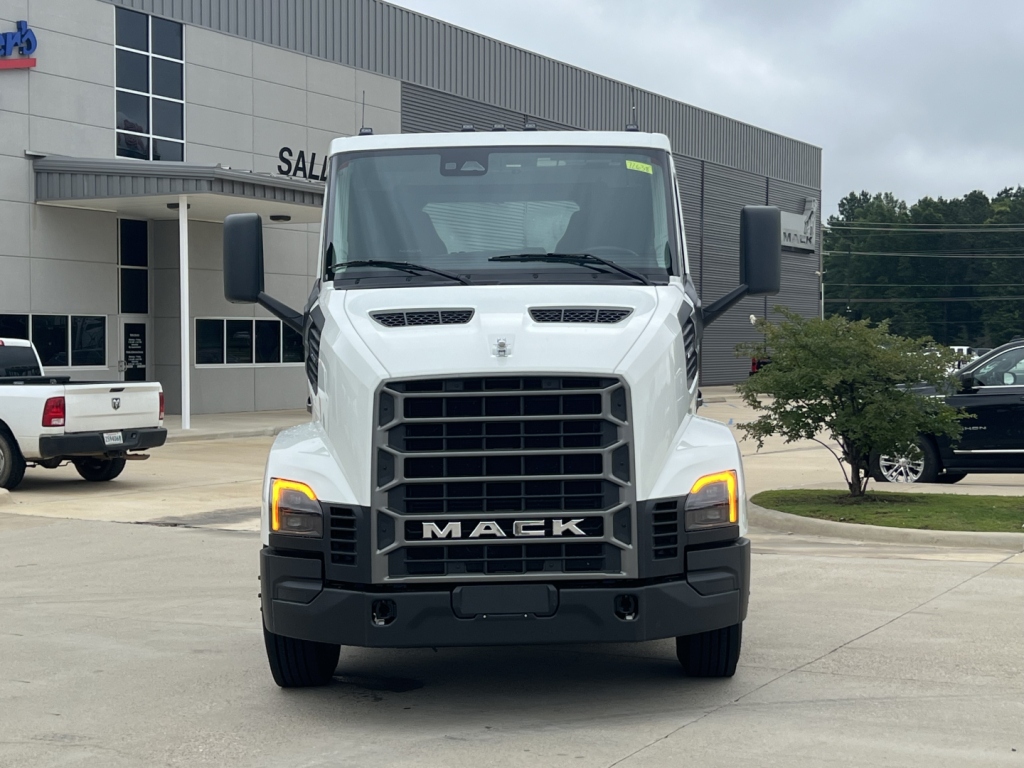
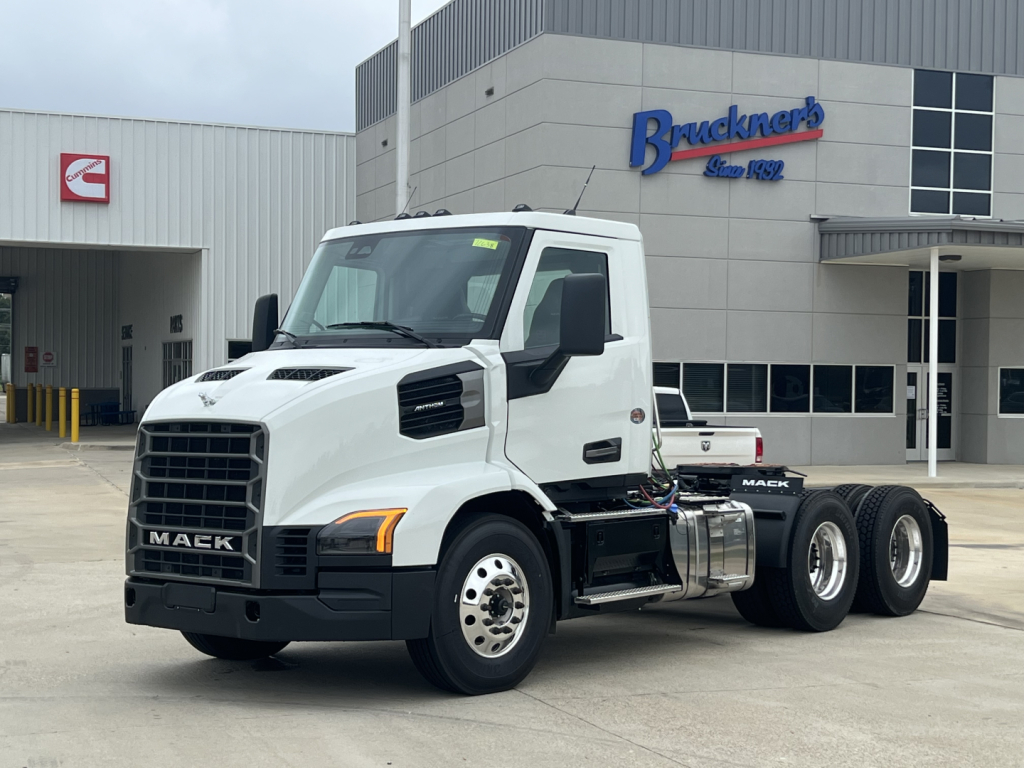
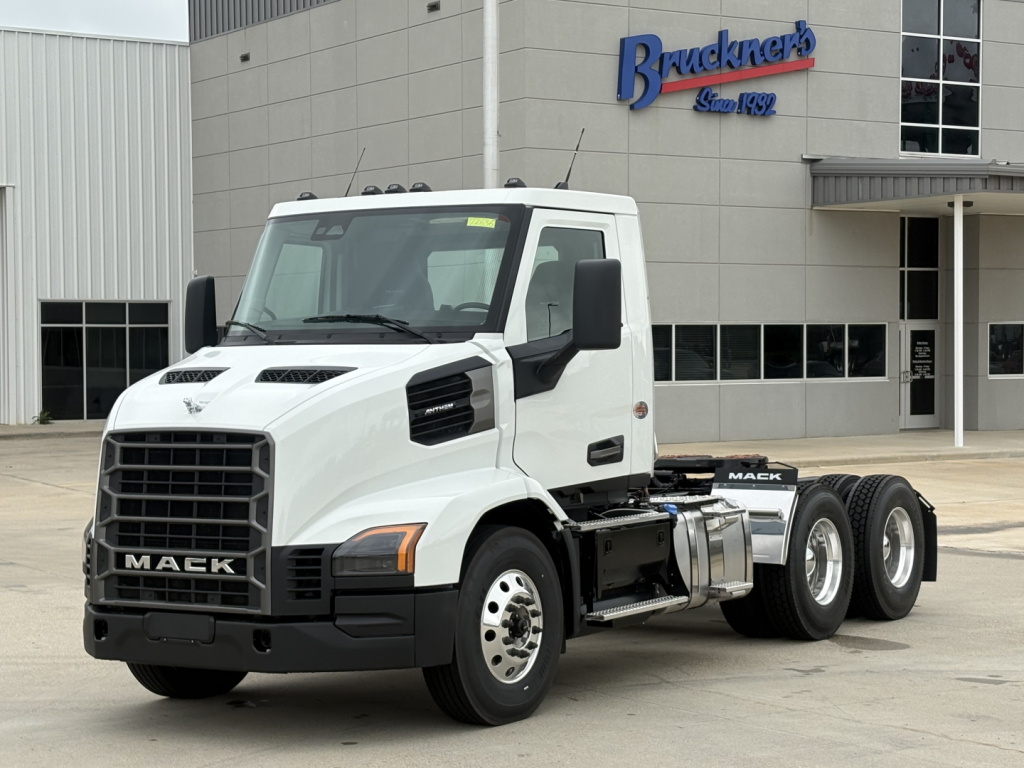
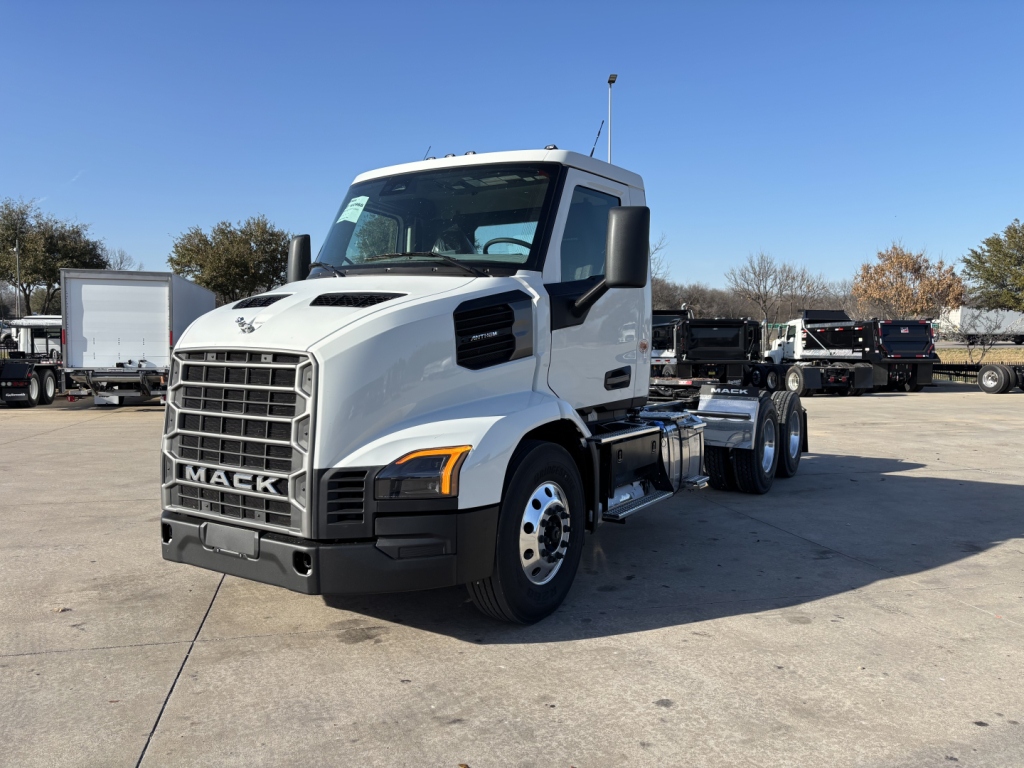
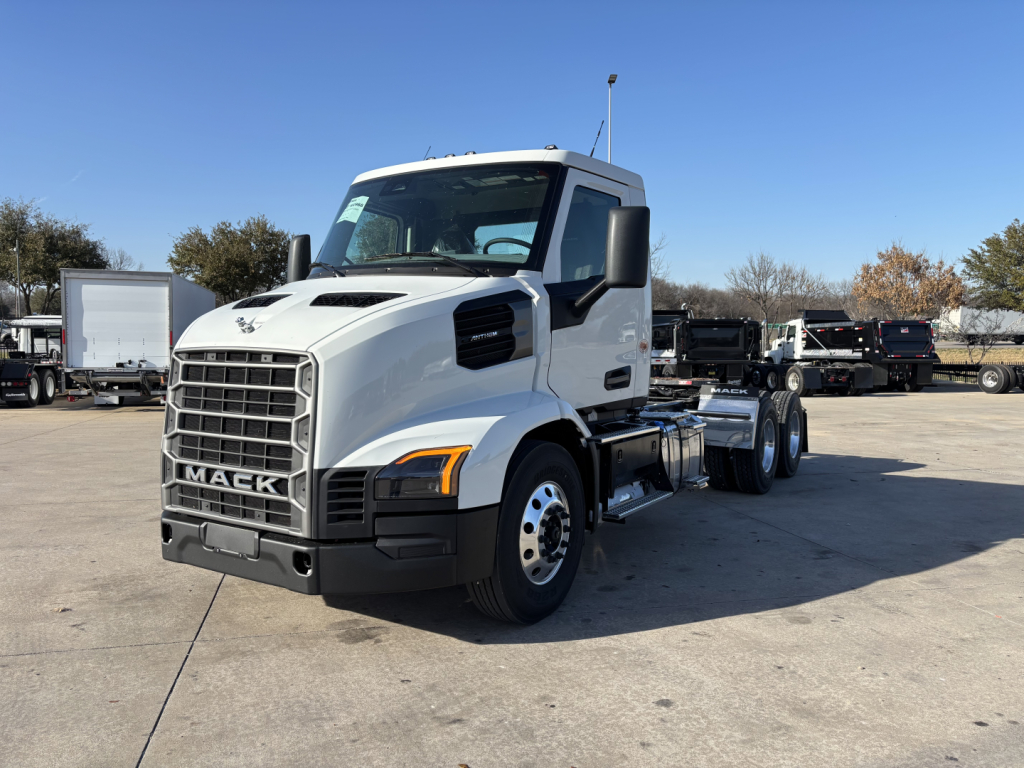
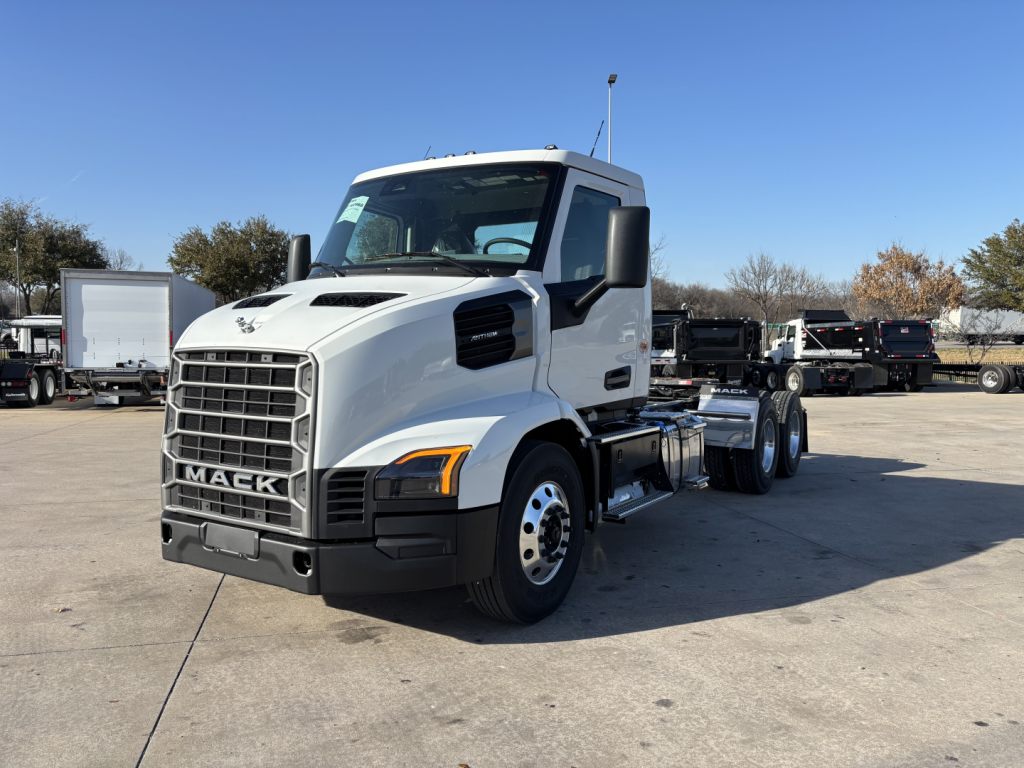
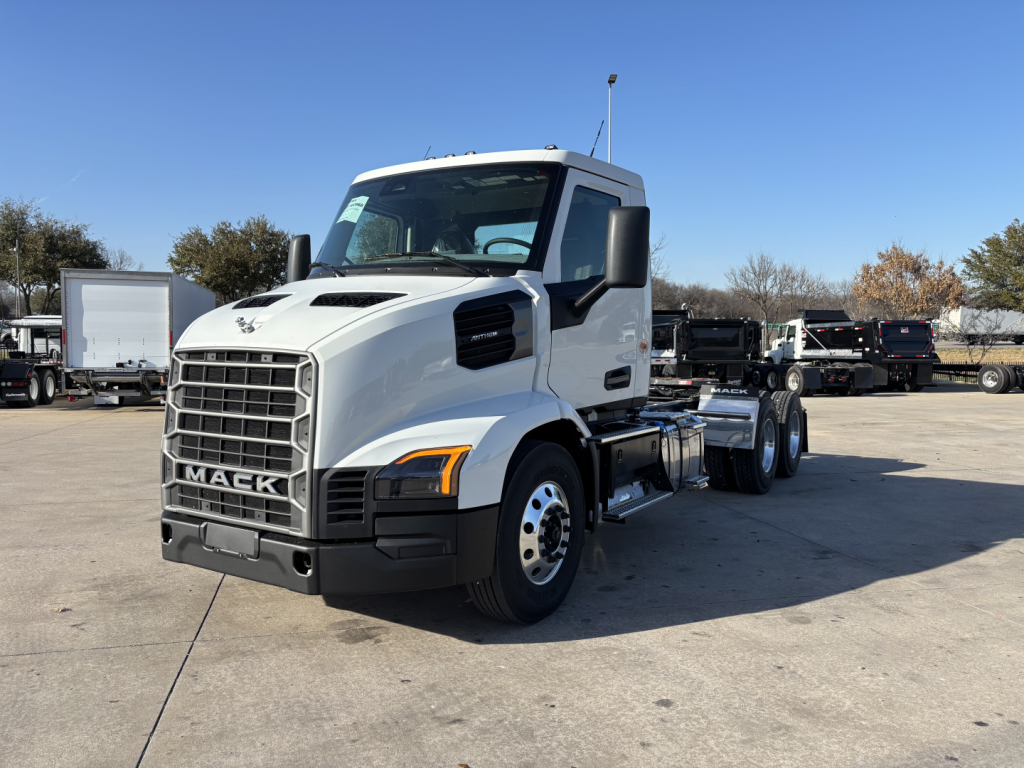
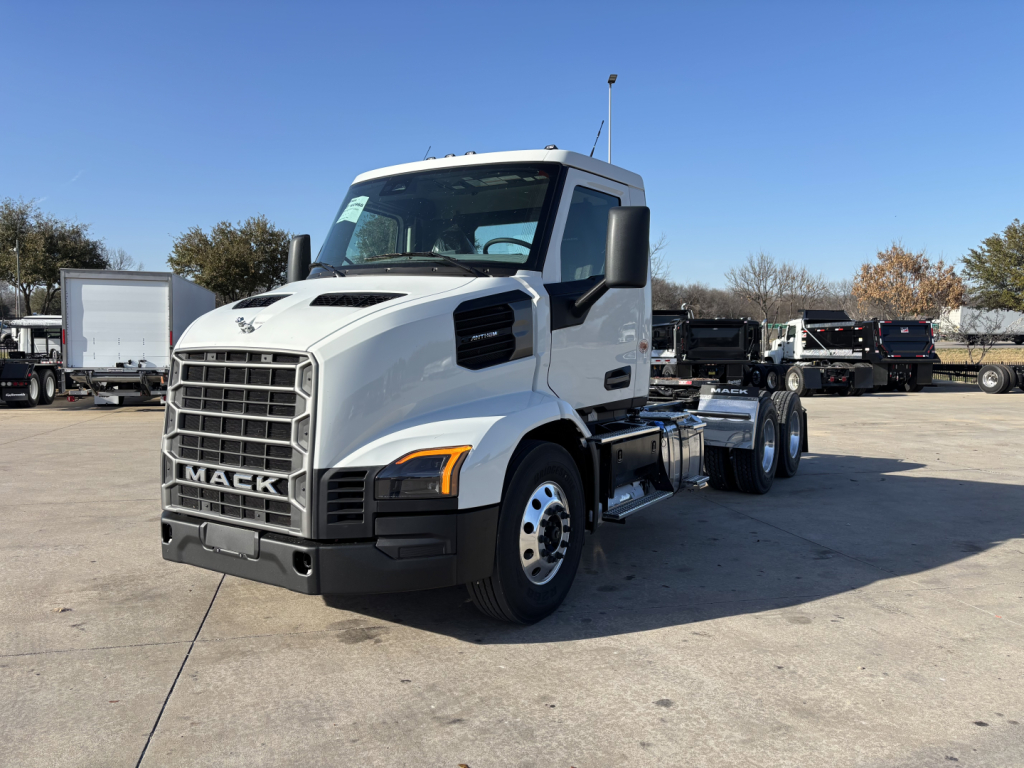
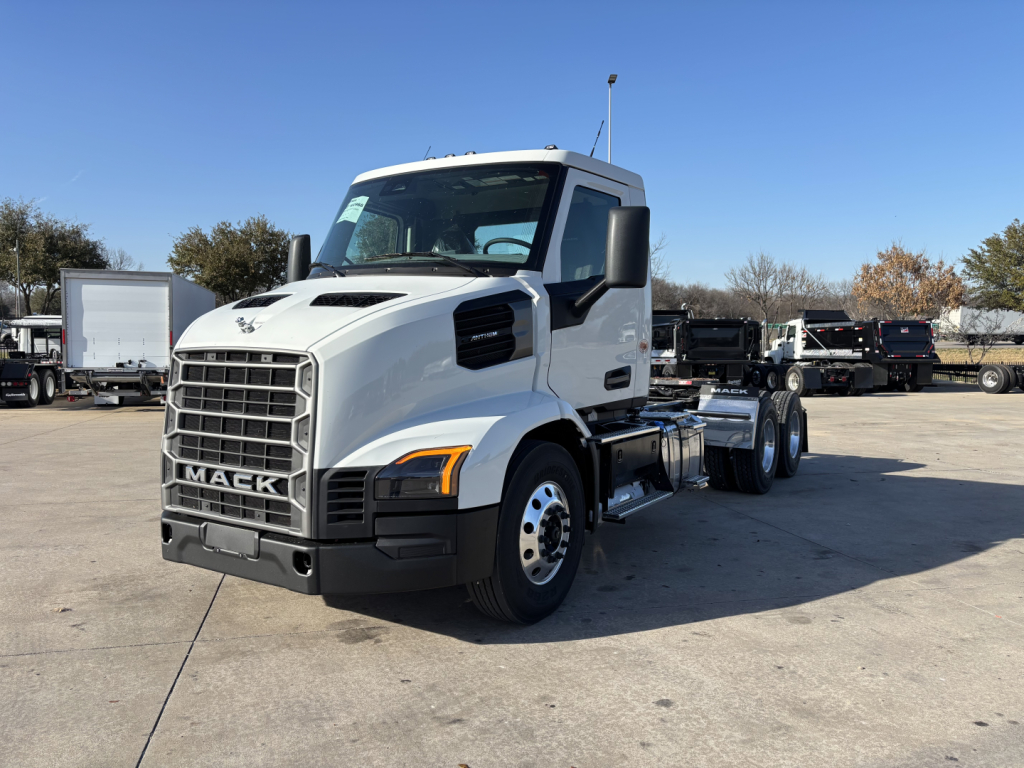
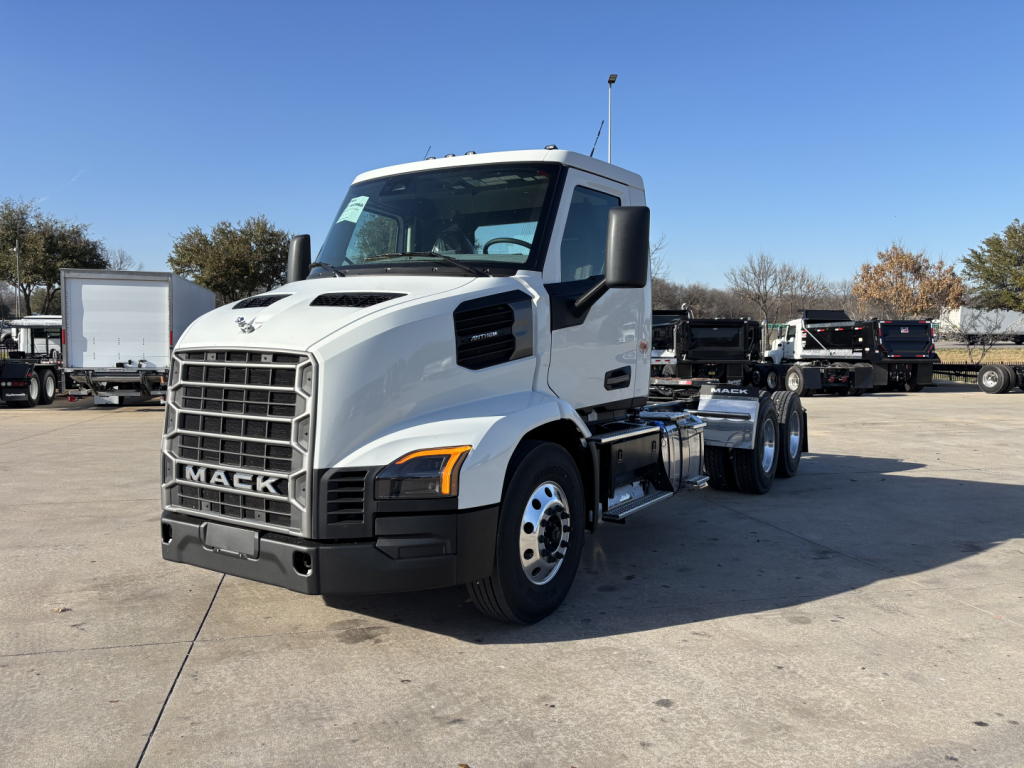
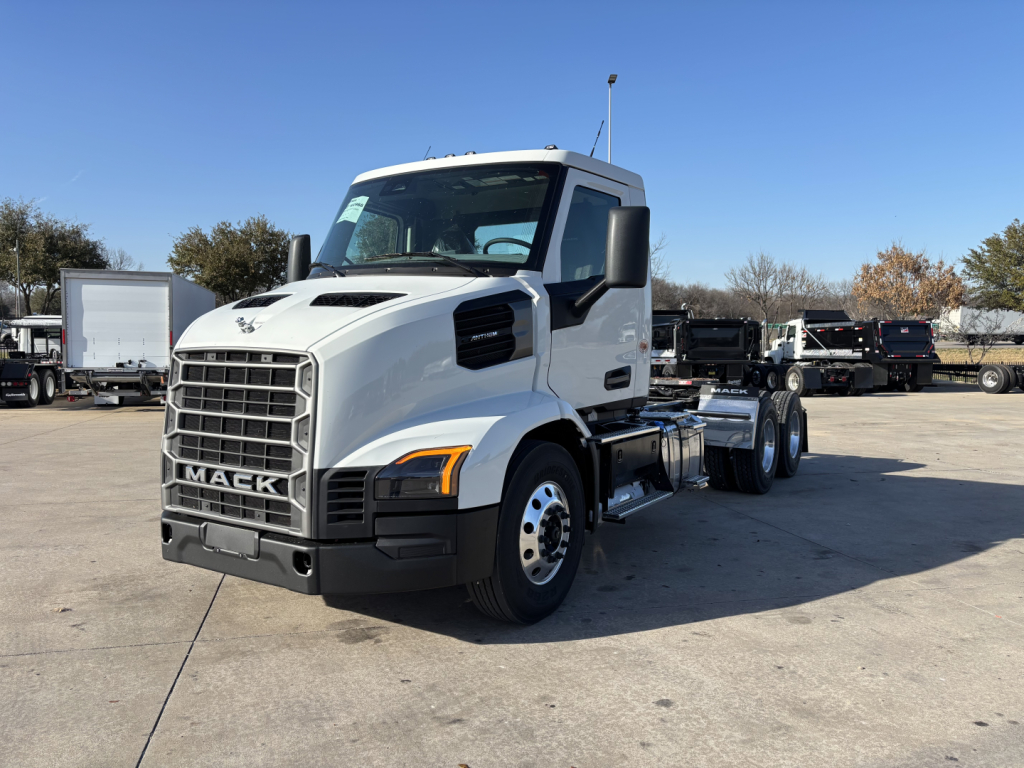
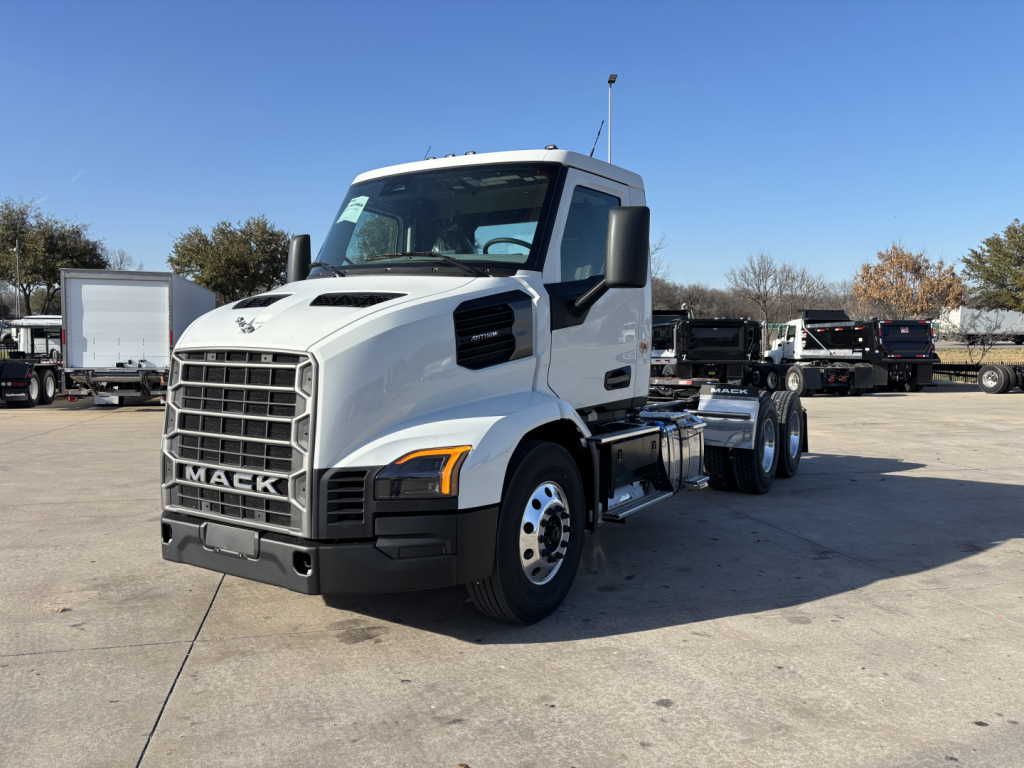
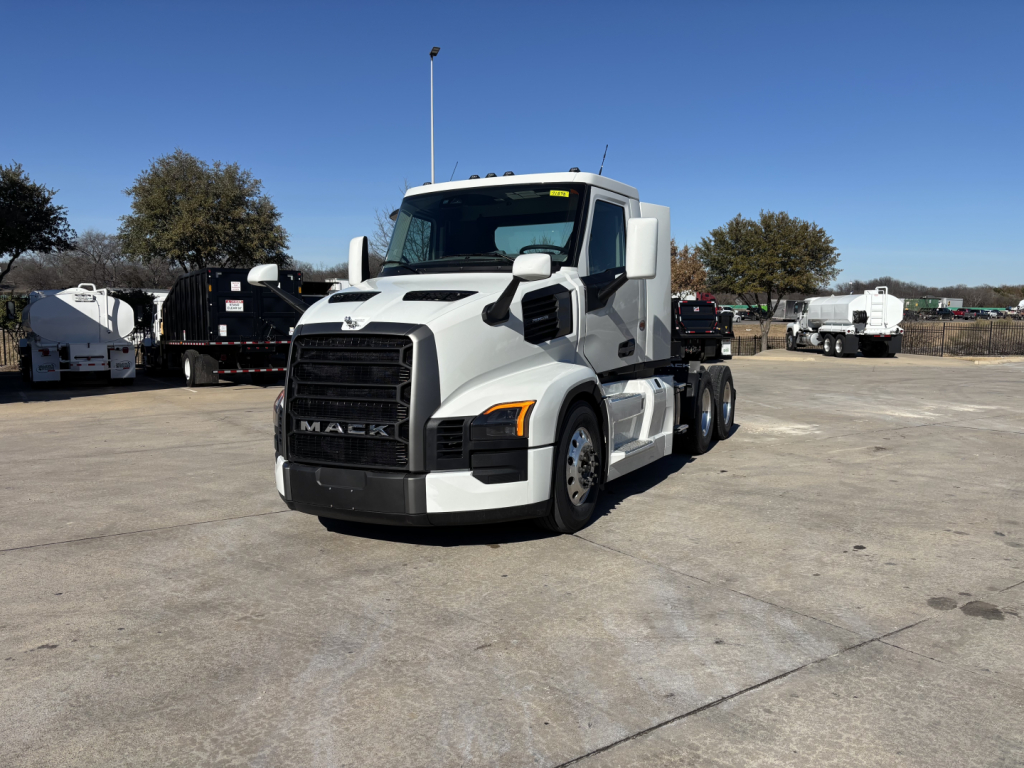
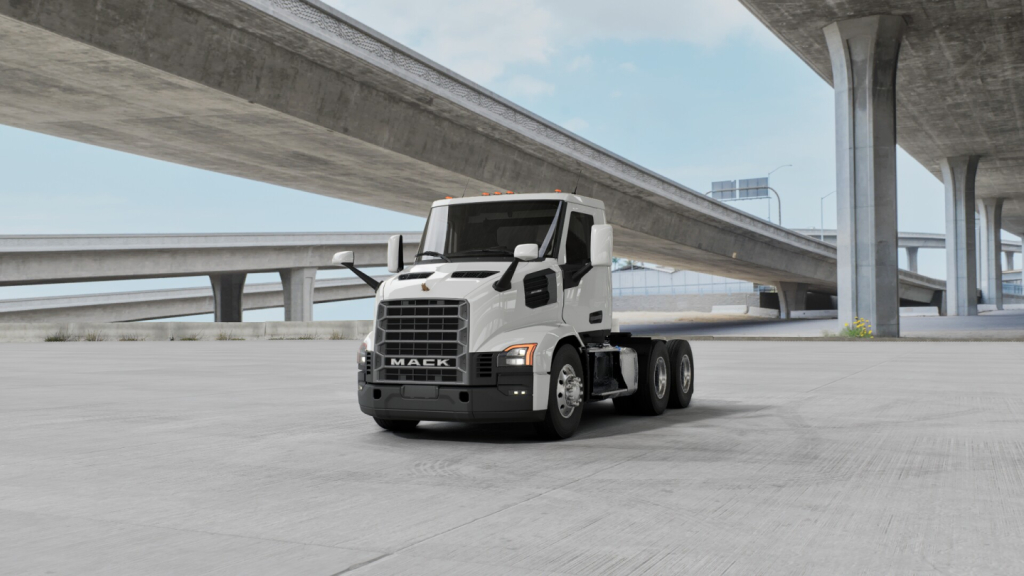
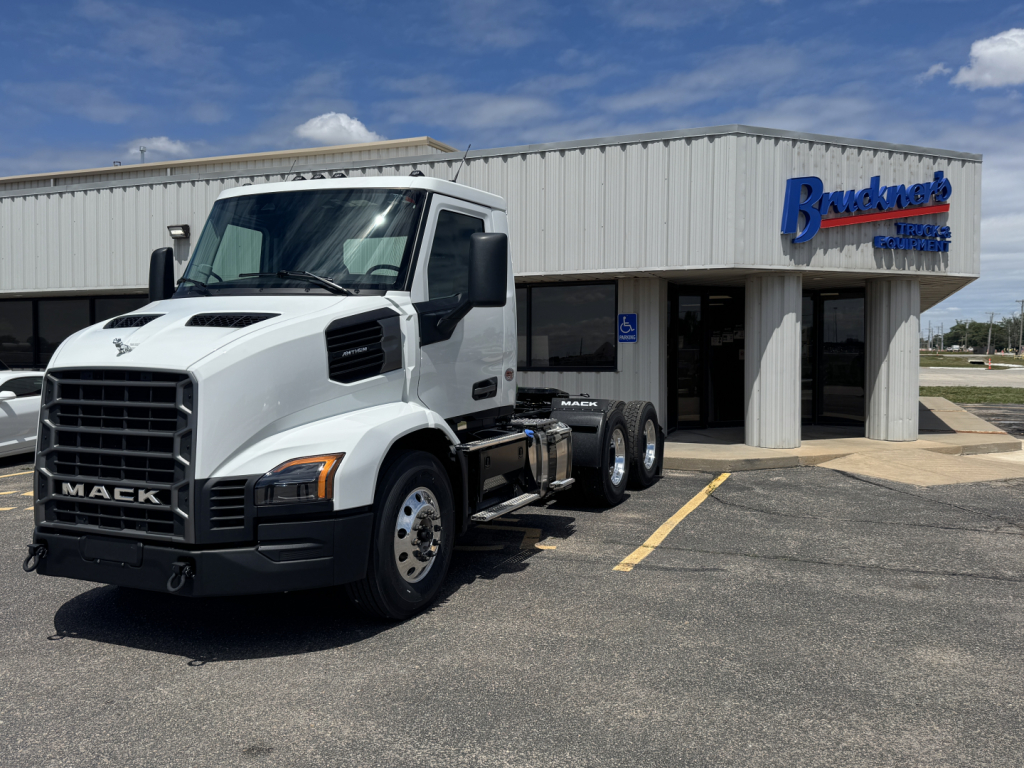
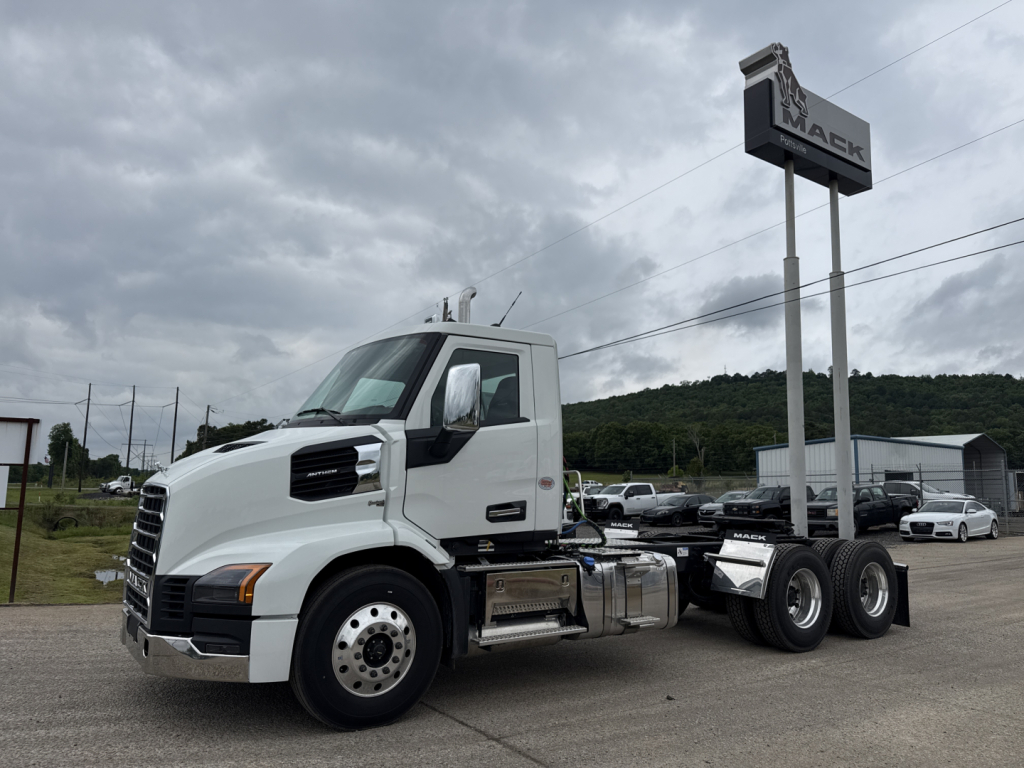
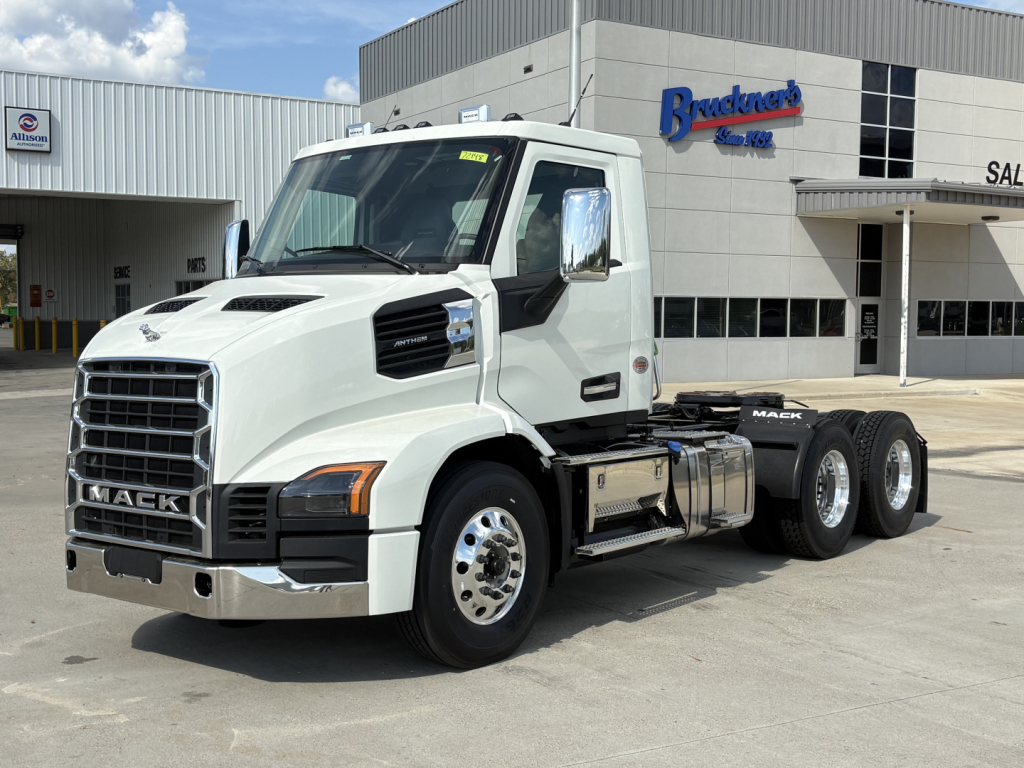

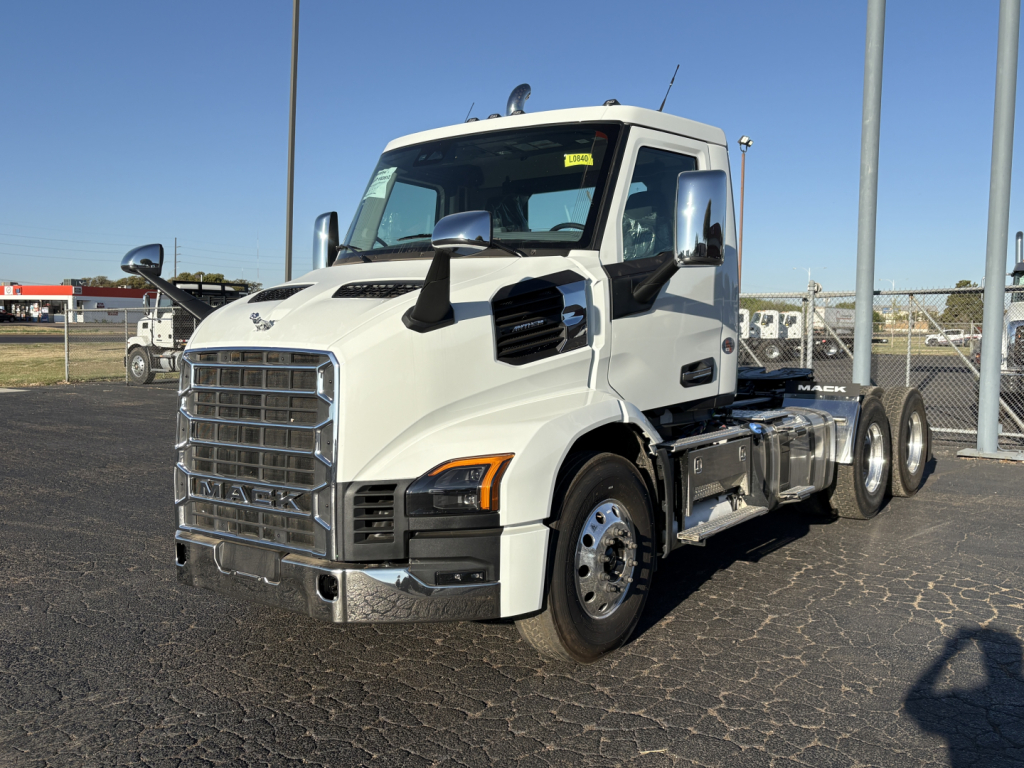
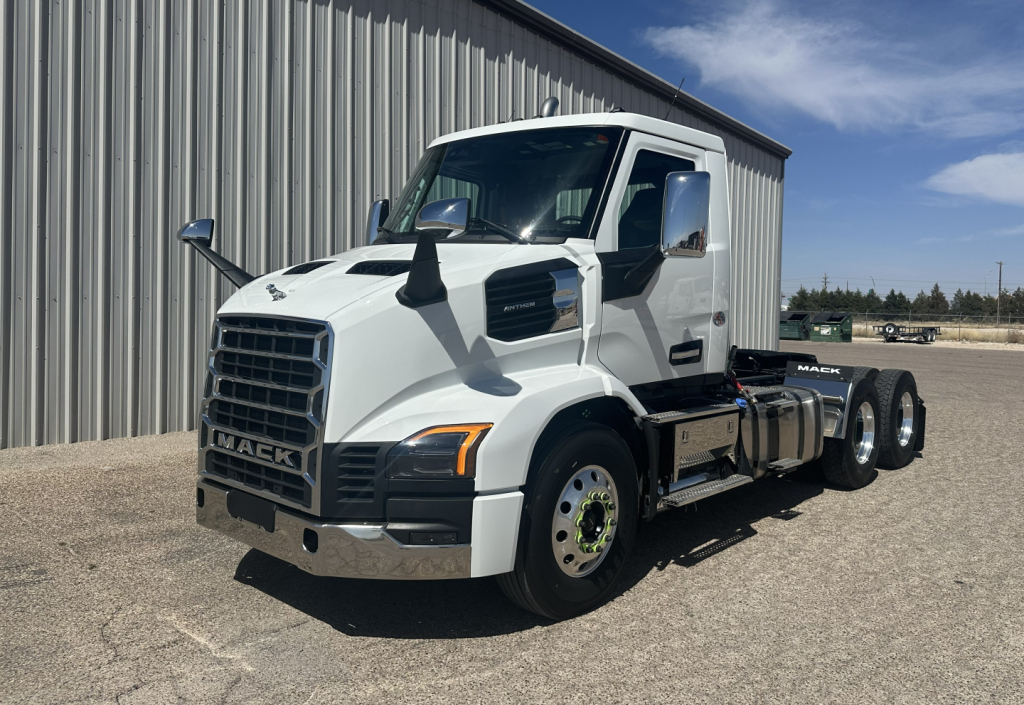
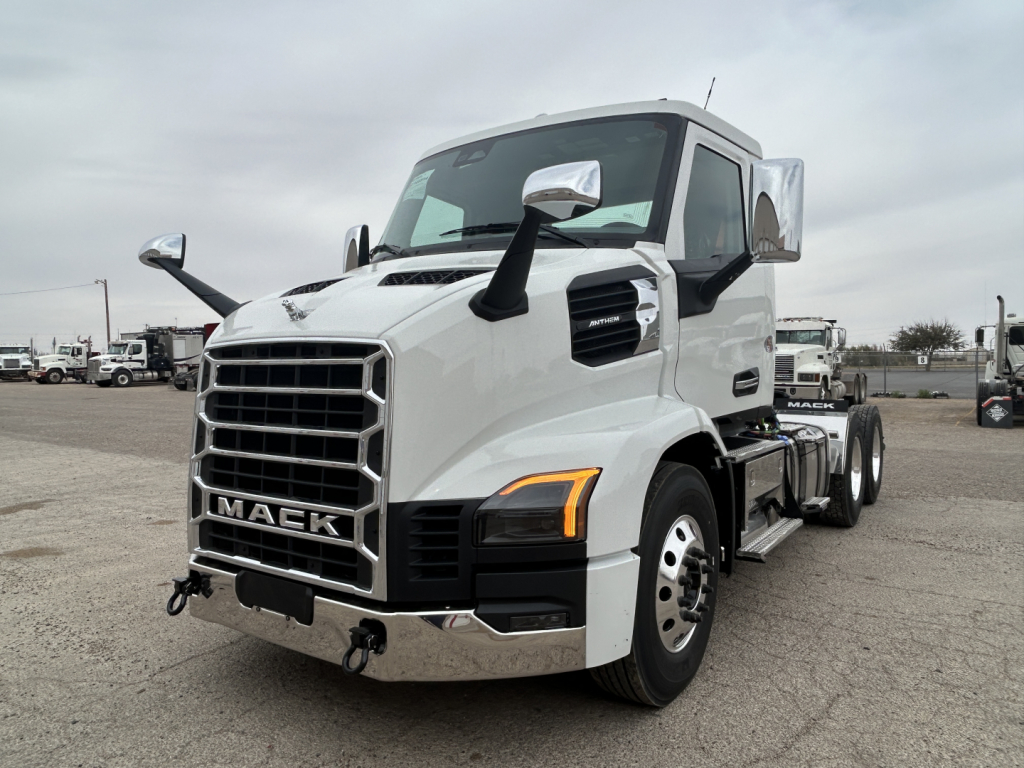
Showing 1 to 28 of 63 results
Selling a new 2027 mack conventional daycab truck? List your new 2027 mack conventional daycab truck for sale and reach thousands of commercial buyers.
New 2027 Mack Conventional Daycab Trucks
The biggest buying decision is usually the spec match between engine, transmission, axle ratio, and intended duty cycle. Many Mack conventional daycab trucks are ordered with MP-series diesel engines and the mDRIVE automated manual transmission, a combination that appeals to fleets looking for strong low-end torque, reduced driver fatigue, and consistent shift logic. Horsepower ratings commonly land in the regional and vocational sweet spot, while rear axle ratios can be chosen for fuel economy on highway lanes or for startability and grade performance in heavier applications. Buyers comparing models such as Anthem, Pioneer, or vocational-leaning Mack configurations should look closely at GCWR targets, front axle capacity, suspension rating, and whether the truck is set up for linehaul aerodynamics or jobsite durability.
For trailer work, daycab spec details matter more than the badge on the hood. Fifth wheel height, slide travel, frame length, and wheelbase affect how well the tractor matches end dumps, dry vans, tanks, flatbeds, and other common trailer types. If the truck will see rough entrances, quarry roads, or uneven loading areas, full locking differentials, disc or drum brake choice, and suspension design deserve attention. New Mack daycabs can also be equipped with safety and driver-assist systems such as collision mitigation, adaptive cruise, lane support features, and improved visibility packages. Inside the cab, buyers typically compare seat trim, dash layout, bunk-delete storage, and connectivity features because driver retention still matters on local and regional routes.
A new-model Mack conventional daycab also gives buyers the advantage of current emissions hardware, warranty coverage, and the ability to target exact operating costs from day one. For fleets standardizing specs, that means tighter control over maintenance intervals, tire wear, fuel burn, and driver acceptance. For owner-operators, it often means choosing a truck that can handle both contracted highway miles and occasional vocational work without being overbuilt. The best unit in this category is usually the one with the right axle ratings, powertrain calibration, and chassis layout for the trailers, terrain, and average payloads it will see every week.
Frequently Asked Questions about New 2027 Mack Conventional Daycab Trucks
What is a conventional daycab truck used for?
A conventional daycab truck is a highway-style tractor without a sleeper compartment, designed for runs that start and end the same day. It is commonly used for regional freight, local delivery lanes, port drayage, tanker work, dump trailer service, flatbed hauling, and dedicated fleet routes. The shorter cab and lighter overall spec can improve maneuverability, reduce tare weight, and lower acquisition cost compared with a sleeper tractor.
What should I look for when buying a new Mack daycab?
Focus first on application fit. Engine horsepower, torque, transmission type, rear axle ratio, wheelbase, front axle capacity, rear suspension rating, and fifth wheel setup should all match the trailers and payloads you expect to haul. For a highway-focused operation, aerodynamics, direct-drive gearing, and fuel tank capacity are important. For vocational or mixed-service use, pay closer attention to frame strength, locking differentials, brake package, PTO provisions, and ground clearance.
Are Mack daycab trucks good for regional and vocational work?
Yes. Mack conventional daycab trucks are widely chosen because they can be spec'd for either efficient regional hauling or more demanding vocational service. Models and configurations in this category often support a wide range of axle ratings, suspension packages, and powertrain calibrations. That flexibility makes them practical for fleets that need one truck platform to cover highway miles during the week and heavier trailer or jobsite work when required.
What is the advantage of a Mack mDRIVE transmission in a daycab?
The Mack mDRIVE automated manual transmission is popular because it delivers consistent shifting, reduces driver fatigue, and helps protect the driveline from poor shift technique. In stop-and-go regional service, it can make the truck easier to operate across a broader driver pool. In heavier applications, the transmission logic can improve launch performance and help maintain momentum on grades when paired with the correct axle ratio and engine rating.
How do wheelbase and fifth wheel settings affect a daycab tractor?
Wheelbase and fifth wheel position directly affect trailer clearance, axle loading, turning radius, and ride quality. A shorter wheelbase can improve maneuverability in tight yards and urban routes, while a longer wheelbase may help with ride stability, fuel tank packaging, or specialized trailer setups. Fifth wheel height and slide travel need to match the trailer fleet so the tractor maintains legal axle weights, proper trailer level, and enough cab-to-trailer clearance during sharp turns.