
New 2027 Mack Conventional Daycab Trucks For Sale in New Mexico
Browse new 2027 Mack conventional daycab trucks in New Mexico, including highway and vocational specs built for regional haul and local fleet work.
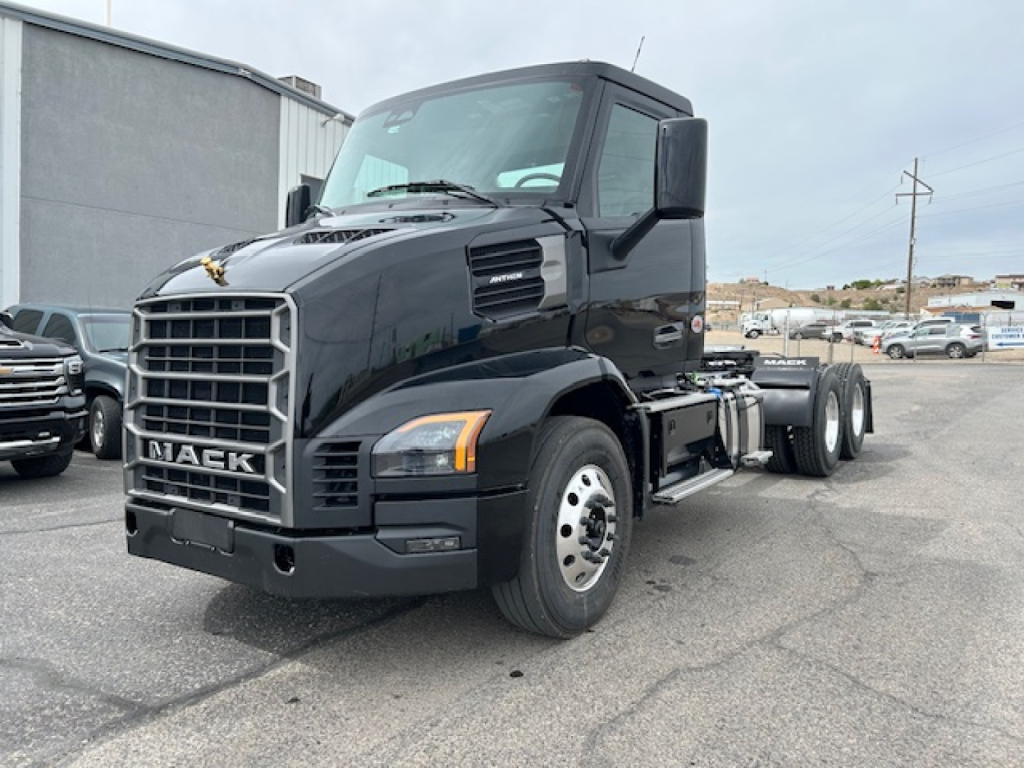
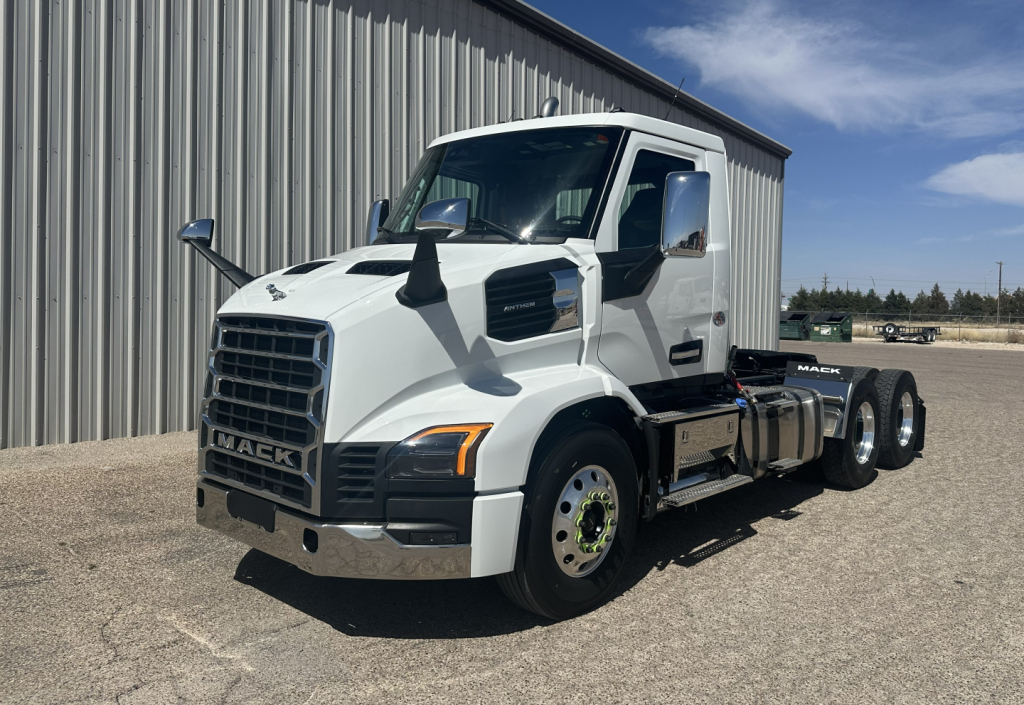

Selling a new 2027 mack conventional daycab truck? List your new 2027 mack conventional daycab truck for sale and reach thousands of commercial buyers.
New 2027 Mack Conventional Daycab Trucks in New Mexico
The first buying decision is usually application. Mack Pinnacle daycab specs are commonly aimed at on-highway and regional tractor work, where buyers focus on horsepower, torque, wheelbase, fuel capacity, and rear axle ratio. Granite daycab configurations are more often considered when the job leans vocational, with priorities such as front axle capacity, frame reinforcement, suspension choice, PTO compatibility, and bridge-law friendly axle layouts. Sample specs in this category can include the Mack MP8 engine around the 500 hp range, mDRIVE automated manual transmission, 6x4 tandem setup, and axle ratings such as a 14,000-plus lb front with 40,000 lb rears. Those numbers matter if the truck will pull heavy end dumps, pneumatic trailers, lowboys, or dense regional freight.
For New Mexico operations, terrain and distance should shape the spec. Long grades, high desert heat, and wide lane-mile coverage reward a truck with adequate cooling capacity, the right overdrive transmission, and gearing matched to cruise speed and gross combination weight. Air ride suspension is a common choice for ride quality and freight protection, but vocational buyers may still prefer heavier mechanical or vocational air suspensions depending on trailer type and jobsite exposure. Fuel efficiency features, driver-assist systems, and service access also matter on new trucks, especially for fleets trying to control downtime and driver turnover. Mack's integrated powertrain approach is a selling point here because engine, transmission, and driveline calibration can improve shift logic, grade performance, and maintenance planning.
A daycab buyer should also pay close attention to cab layout, visibility, and upfit readiness. Set-forward axle versus set-back axle design, tank placement, battery box location, headache rack clearance, frame length, and fifth wheel position all affect trailer swing, kingpin setting, and body or equipment installation. If the truck will spend time on tight city routes, shorter wheelbases and tighter turning angles become more valuable than maximum fuel capacity. If it will run heavier regional lanes, prioritize drivetrain durability, braking package, and axle ratio over cosmetic options. A well-spec'd 2027 Mack conventional daycab should fit the route, the trailer, and the legal payload target from day one.
Frequently Asked Questions about New 2027 Mack Conventional Daycab Trucks in New Mexico
What is the difference between a Mack Pinnacle daycab and a Mack Granite daycab?
A Mack Pinnacle daycab is generally spec'd for highway and regional tractor work, with an emphasis on fuel economy, road speed, and long-duty-cycle comfort. A Mack Granite daycab is more commonly used in vocational service where heavier front axle ratings, tougher frame options, PTO capability, and jobsite durability are more important. The right choice depends on whether the truck will spend most of its time on interstate freight lanes or in construction, municipal, aggregate, or mixed on-off road service.
Is a new Mack daycab a good fit for New Mexico hauling conditions?
Yes, if the truck is spec'd for altitude, heat, and route profile. New Mexico operations often involve long distances, mountain grades, and high ambient temperatures, so buyers should look closely at cooling package, engine horsepower and torque, transmission gearing, and axle ratio. A spec that works well on flat regional lanes may feel underpowered or inefficient in hill country, especially at higher gross weights.
What engine and transmission setups are common in Mack conventional daycab trucks?
Common Mack daycab specs include the Mack MP series diesel engines paired with the Mack mDRIVE automated manual transmission. Higher horsepower MP8 configurations are often used for regional tractor and heavy-haul oriented work, while transmission selection depends on startability, cruising rpm, and terrain. Buyers should match the powertrain to average gross combination weight, trailer type, and how much stop-and-go or grade climbing the truck will see.
What axle ratings should I look for in a Mack daycab?
Axle ratings should match both legal requirements and real operating weight. A buyer pulling dense freight, dump trailers, or equipment trailers may need a higher-capacity front axle and 40,000 lb tandem rears or more, depending on the application. For lighter regional van or reefer work, the focus may shift toward weight savings and fuel economy instead of maximum axle capacity. The key is to spec the truck around payload, bridge compliance, and trailer pin weight rather than choosing ratings by habit.
Why choose a daycab instead of a sleeper tractor?
A daycab usually makes more sense when the truck returns to base regularly and does not need overnight accommodations. It reduces empty weight, can improve maneuverability, and often lowers acquisition cost compared with a sleeper. That makes it a strong choice for local and regional routes, dedicated lanes, terminal-based operations, and vocational hauling where cab space is less important than payload, visibility, and chassis flexibility.