
New 2027 Mack Conventional Daycab Trucks For Sale in Alaska
Shop new 2027 Mack conventional daycab trucks for local and regional hauling, vocational work, fleet efficiency, and driver-focused specs.
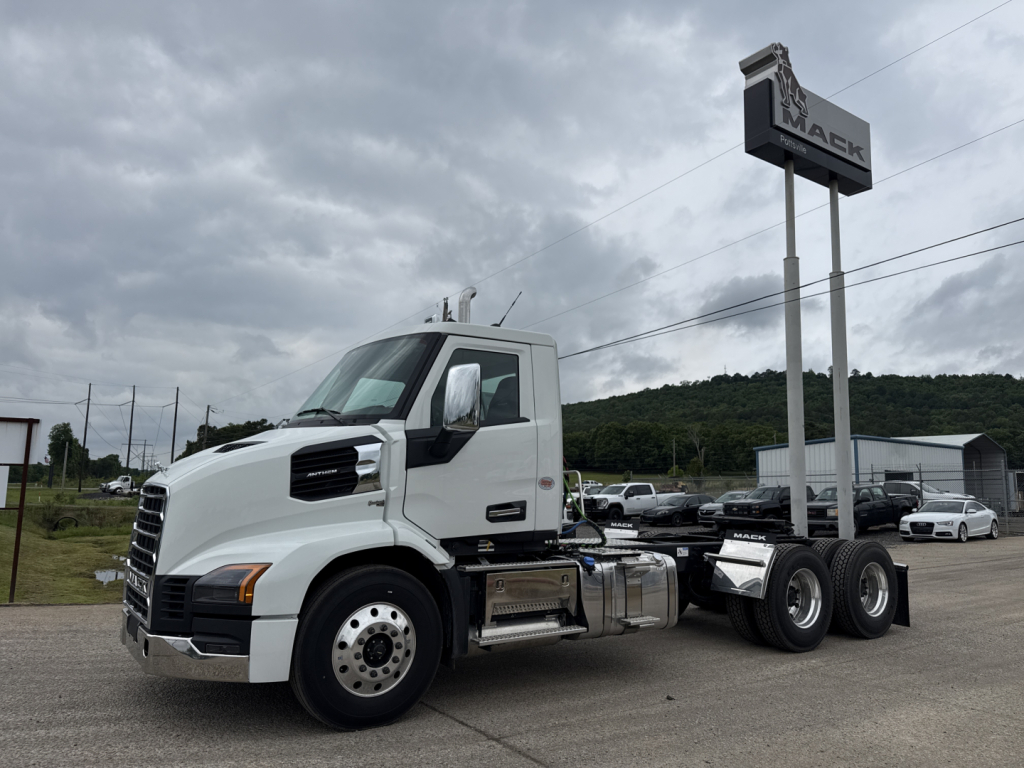

Selling a new 2027 mack conventional daycab truck? List your new 2027 mack conventional daycab truck for sale and reach thousands of commercial buyers.
New 2027 Mack Conventional Daycab Trucks in Alaska
For buyers comparing Mack daycab models, the key decisions usually start with application and axle layout. A tandem axle 6x4 conventional daycab is common for highway tractors, construction support, and mixed on-road and jobsite work, while front axle ratings, suspension type, wheelbase, and fifth wheel placement determine how the truck handles bridge law, trailer swing clearance, and weight distribution. Buyers should also compare engine ratings, automated manual versus manual transmissions, rear axle ratios, and power take-off compatibility if the truck may be assigned to dump, pneumatic, hydraulic, or other vocational work. Mack specifications often appeal to fleets that want integrated powertrain components and a truck designed around high-duty-cycle service.
Cab configuration matters more than many first-time buyers expect. A conventional daycab should be evaluated for visibility over the hood, door opening clearance, seat range, switch layout, and ingress and egress if the driver will be getting in and out all day. Safety and uptime features can be just as important as horsepower, especially on new trucks. Buyers often look for disc or drum brake preferences, collision mitigation, lane departure warning, heated mirrors, block heaters, battery capacity, fuel tank sizing, and fairing packages that match the route profile. For Alaskan service, winterization details can have a direct effect on reliability and driver acceptance.
Mack conventional daycab trucks are also known simply as day cab semi trucks or day cab tractors. They are a practical fit when a fleet needs a purpose-built tractor for short-haul and regional duty rather than a sleeper. The best spec is the one that matches the trailer, commodity, terrain, and daily cycle. A truck hauling van freight on paved regional lanes needs a different setup than one pulling end dumps, fuel tanks, or equipment trailers through severe weather and variable road conditions. Comparing intended payload, gross combination weight rating, frame strength, suspension, and driver comfort features will usually narrow the field quickly.
Frequently Asked Questions about New 2027 Mack Conventional Daycab Trucks in Alaska
What is a Mack conventional daycab truck best suited for?
A Mack conventional daycab truck is best suited for local and regional hauling, vocational work, and any operation that returns the driver home daily. Common uses include dry van, tanker, dump, refuse, port drayage, flatbed, and equipment hauling. Because a daycab eliminates the sleeper, it typically saves weight, improves maneuverability, and frees up chassis space for application-specific components.
What specs matter most when buying a new 2027 Mack daycab?
The most important specs are axle configuration, engine rating, transmission type, rear axle ratio, wheelbase, suspension, and fifth wheel setup. Those choices affect payload capacity, trailer compatibility, turning radius, fuel economy, and gradeability. Buyers should also review front and rear axle ratings, PTO provisions, brake type, fuel capacity, and any cold-weather equipment needed for the truck's operating region.
Is a 6x4 Mack daycab the right choice for Alaska applications?
A 6x4 Mack daycab is often the preferred choice in Alaska because it provides better traction and durability for snow, uneven surfaces, and mixed vocational duty. The right fit still depends on the route and trailer. Buyers operating in severe weather or off-pavement conditions should pay close attention to locking differentials, suspension design, tire spec, block heaters, battery reserve, heated components, and corrosion-resistant finishes.
What is the difference between a daycab and a sleeper tractor?
A daycab does not have a rear sleeper compartment, while a sleeper tractor is designed for long-haul routes that require overnight rest in the truck. Daycabs are usually lighter, shorter, and easier to maneuver in cities, terminals, and jobsites. Sleeper tractors offer more onboard storage and driver living space, but they add weight and length that may not be necessary for short-haul or regional work.
Are Mack conventional daycabs good for vocational as well as highway use?
Yes. Mack conventional daycabs are commonly spec'd for both highway and vocational service, depending on frame, suspension, PTO capability, axle ratings, and tire selection. A highway-focused spec may emphasize aerodynamics and fuel efficiency, while a vocational spec may prioritize rugged suspension, heavier frame rails, set-forward axle considerations, and compatibility with hydraulics or specialized trailer equipment.