
New 2027 Mack Conventional Daycab Trucks For Sale in Texas
Shop new 2027 Mack conventional daycab trucks in Texas. Compare Anthem and Granite specs, horsepower, wheelbase, axle ratings, and drivetrain options.
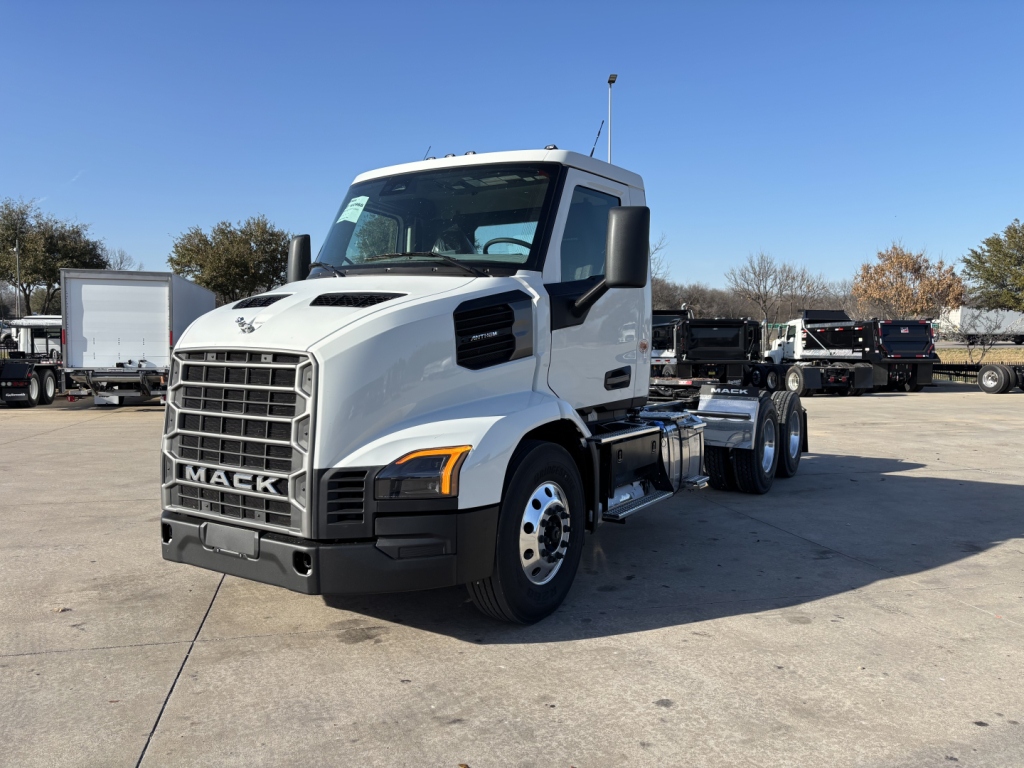
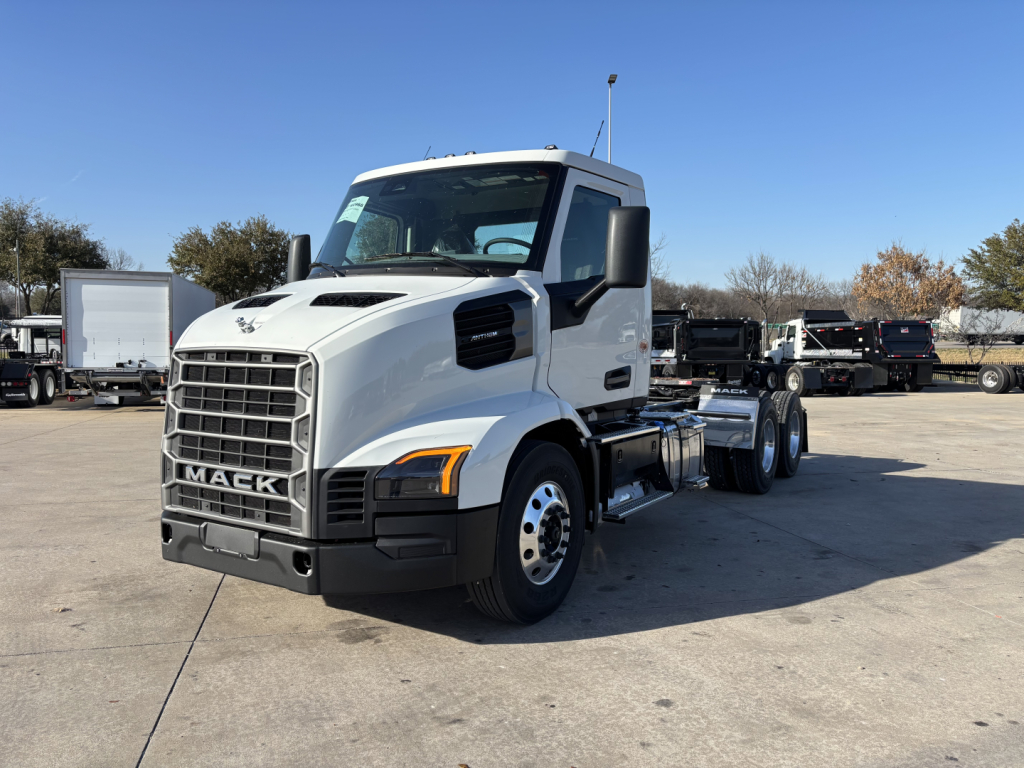
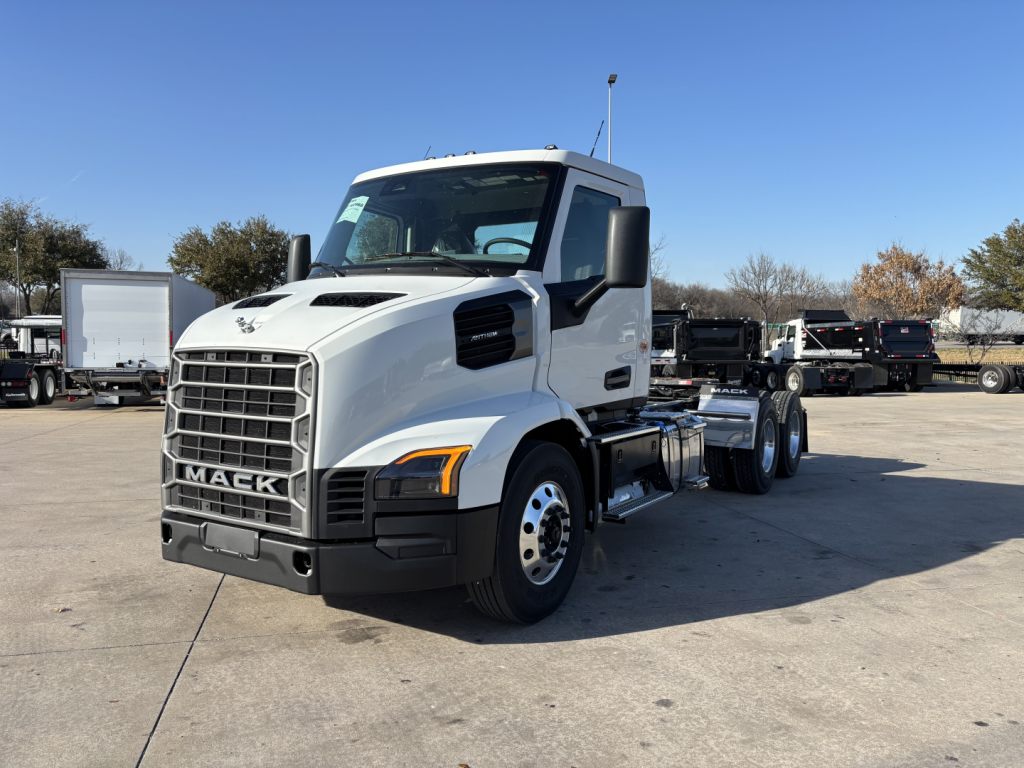
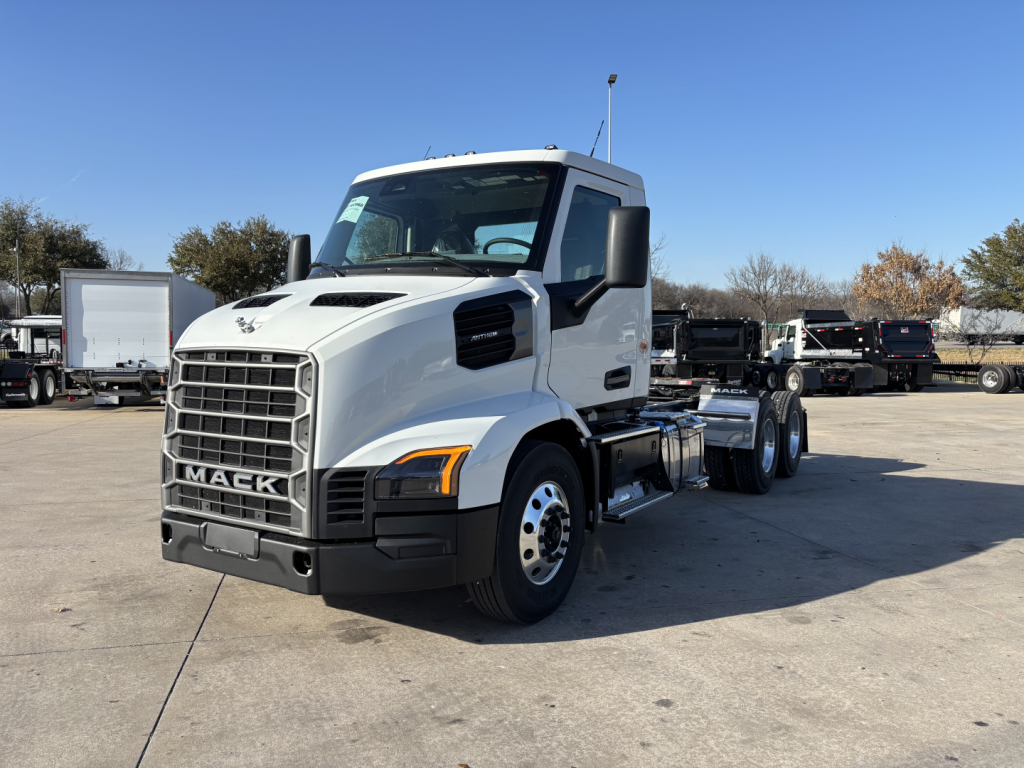
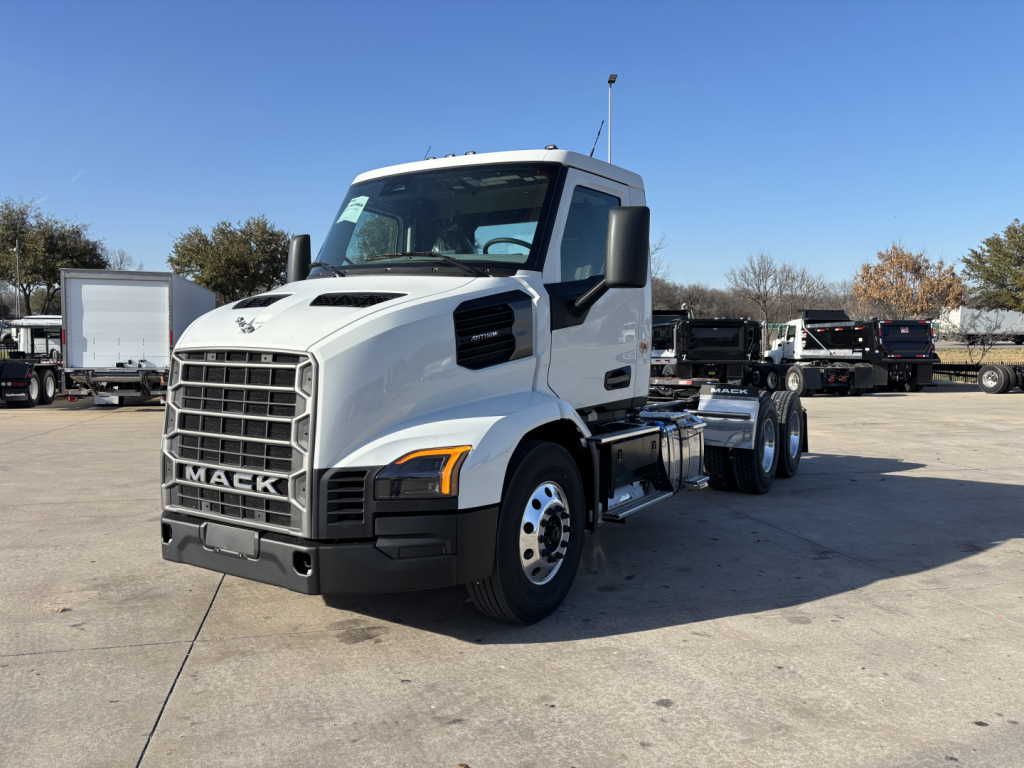
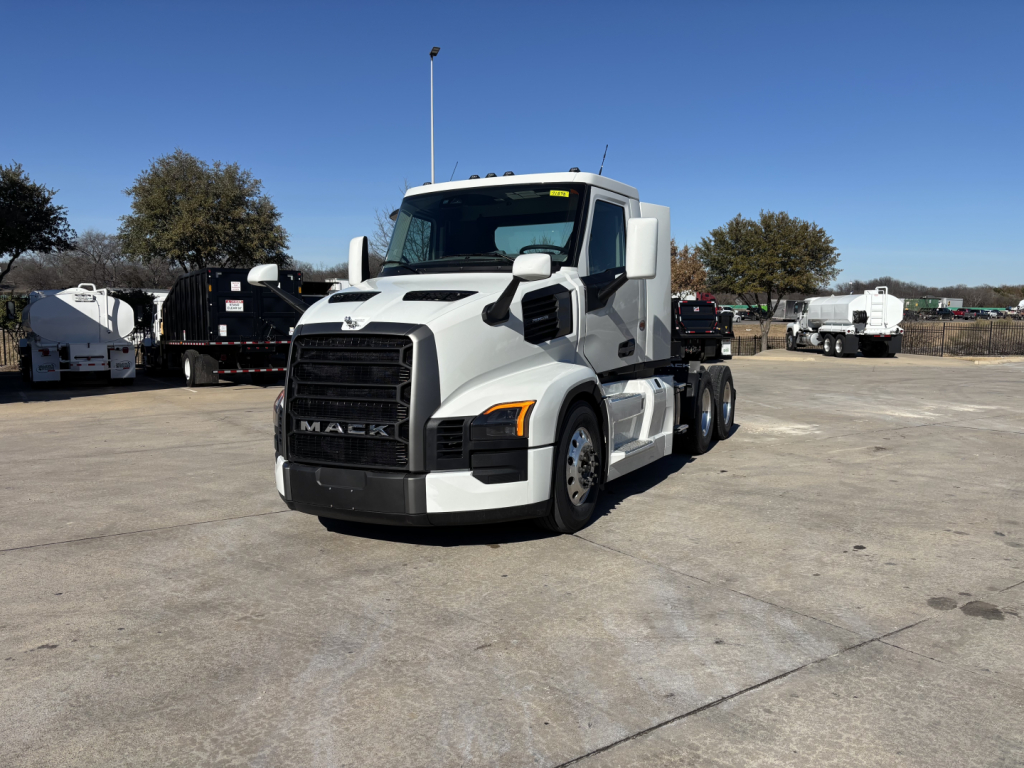
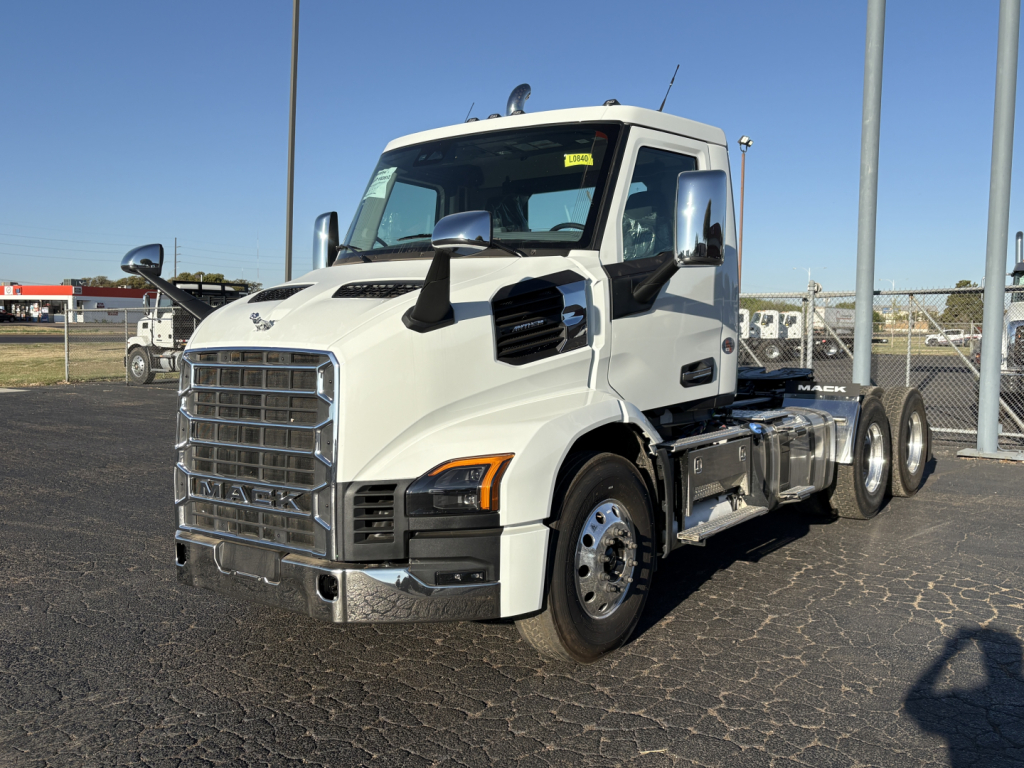
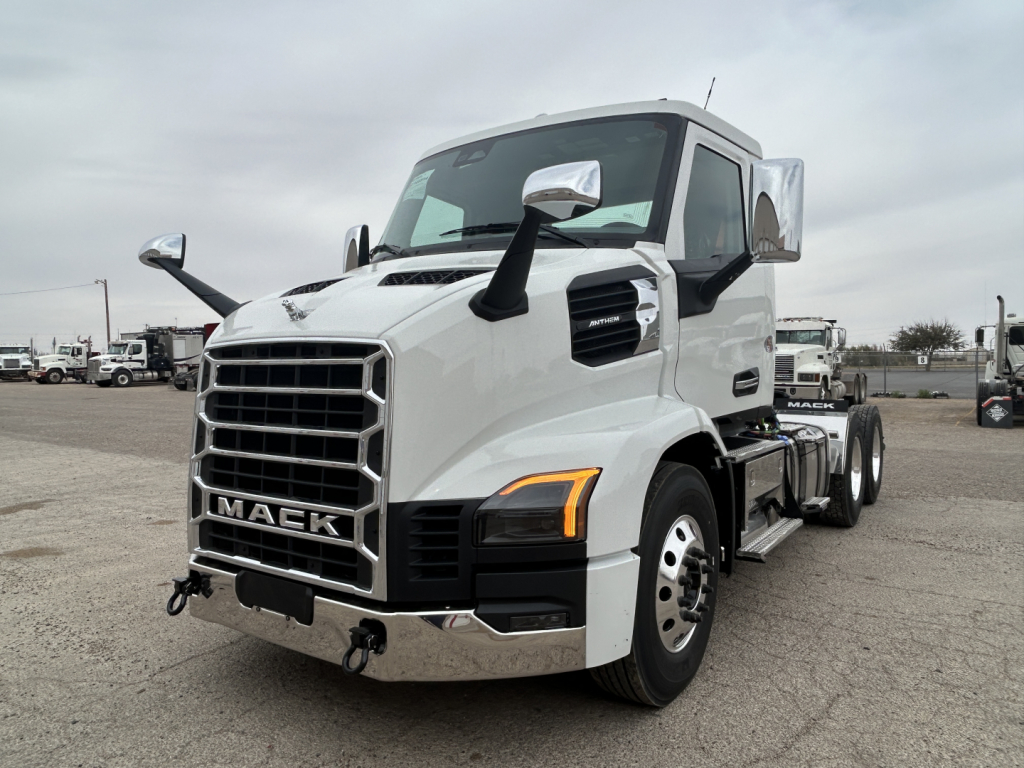
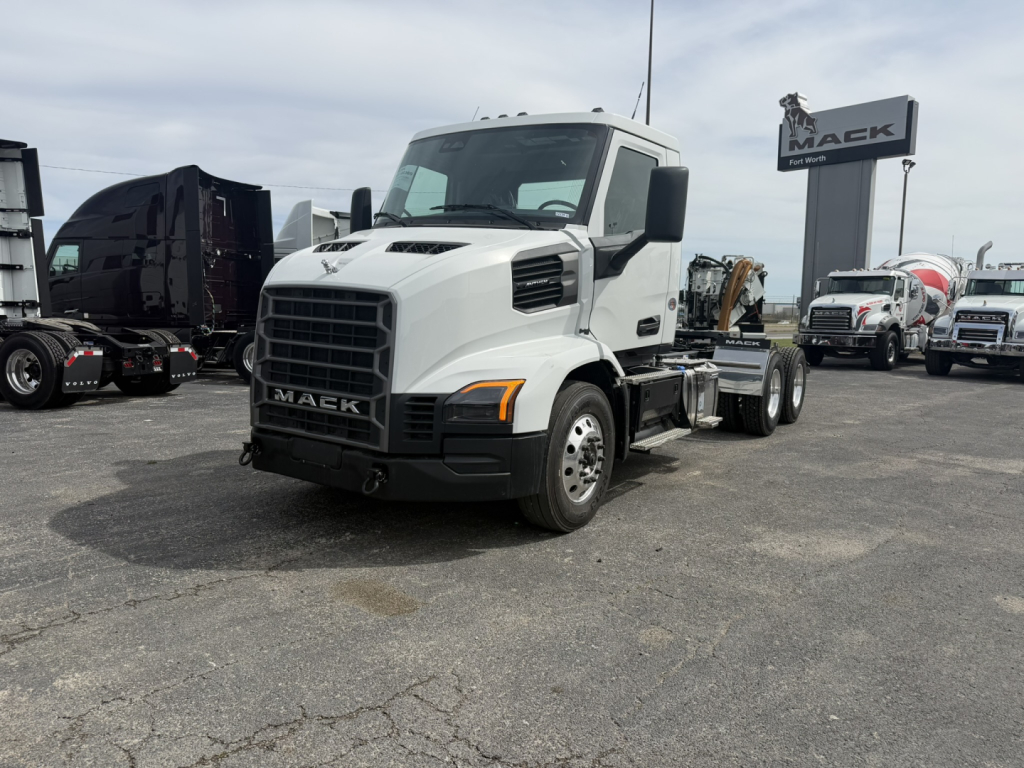
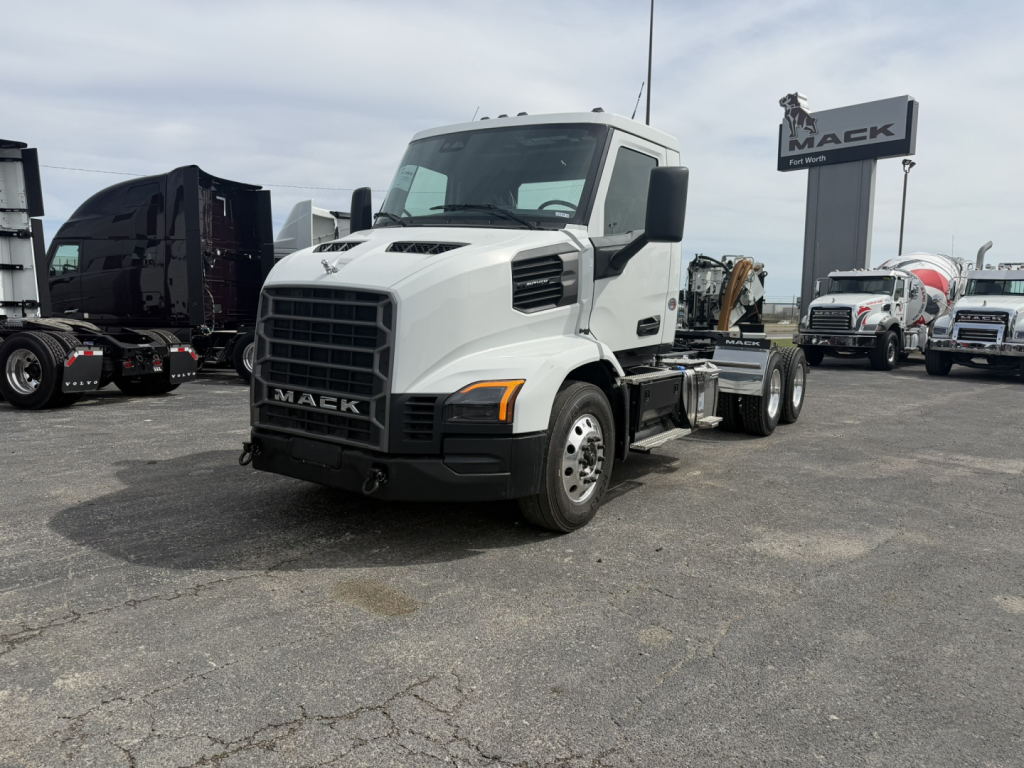
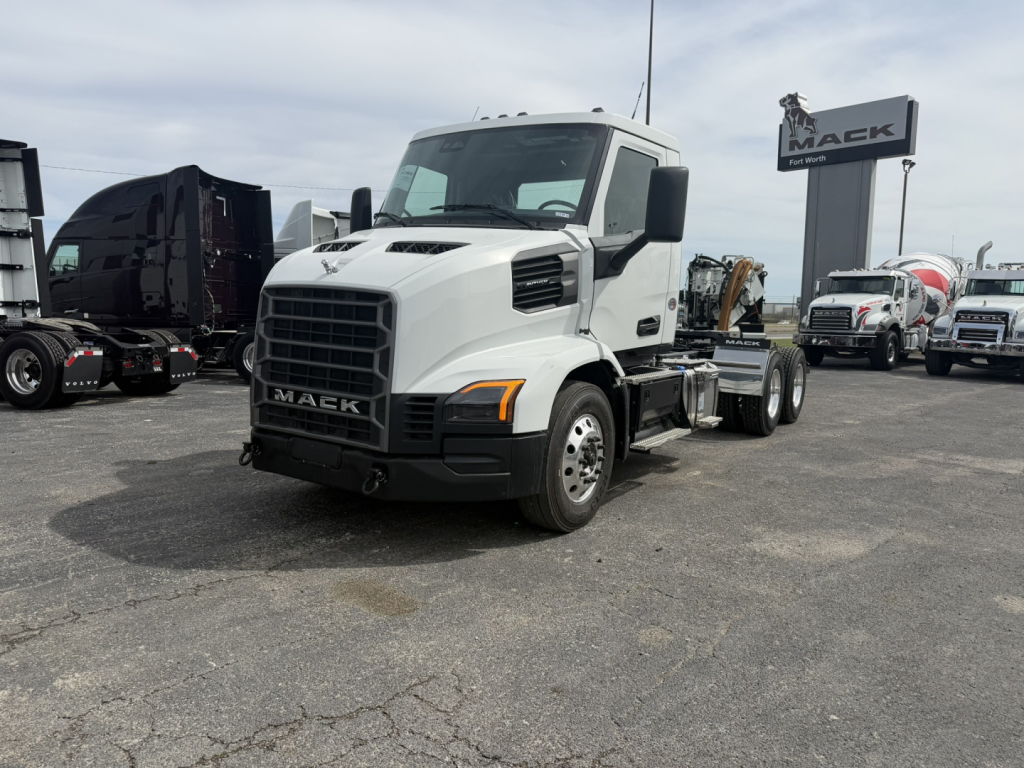
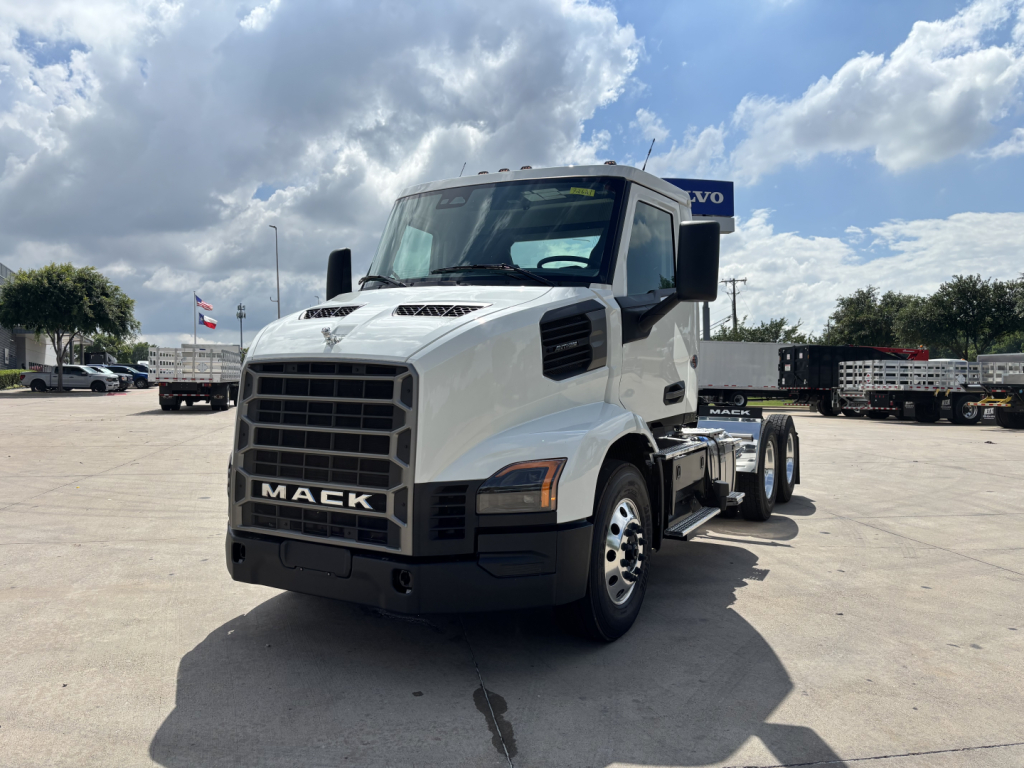
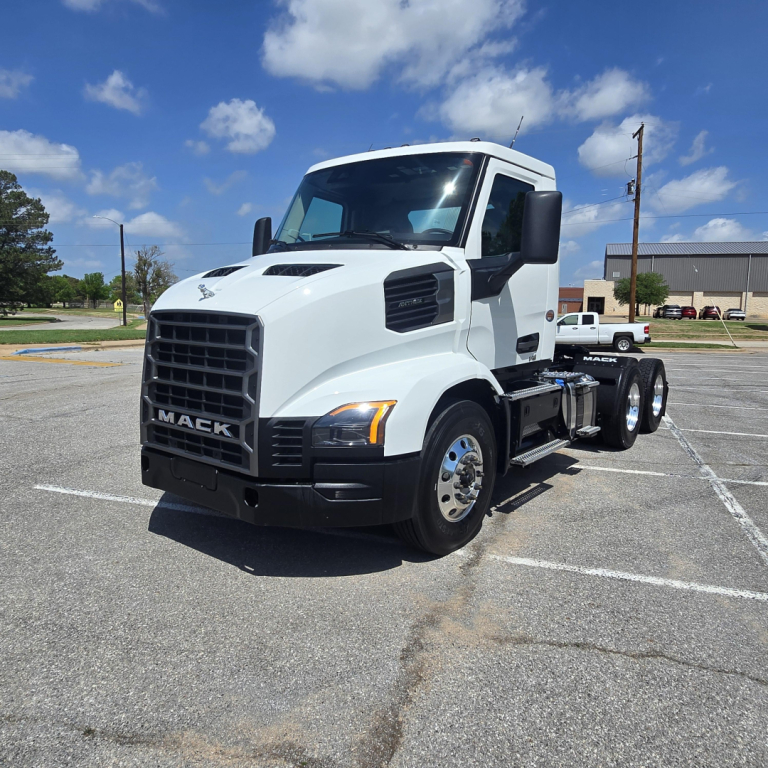

Selling a new 2027 mack conventional daycab truck? List your new 2027 mack conventional daycab truck for sale and reach thousands of commercial buyers.
New 2027 Mack Conventional Daycab Trucks in Texas
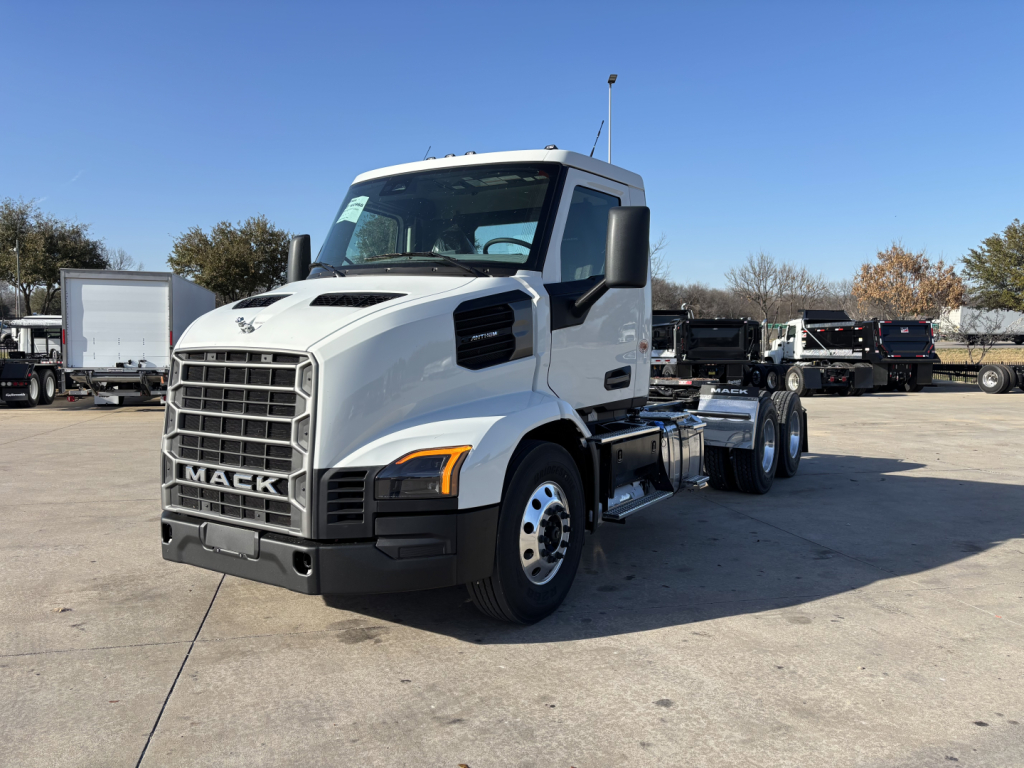
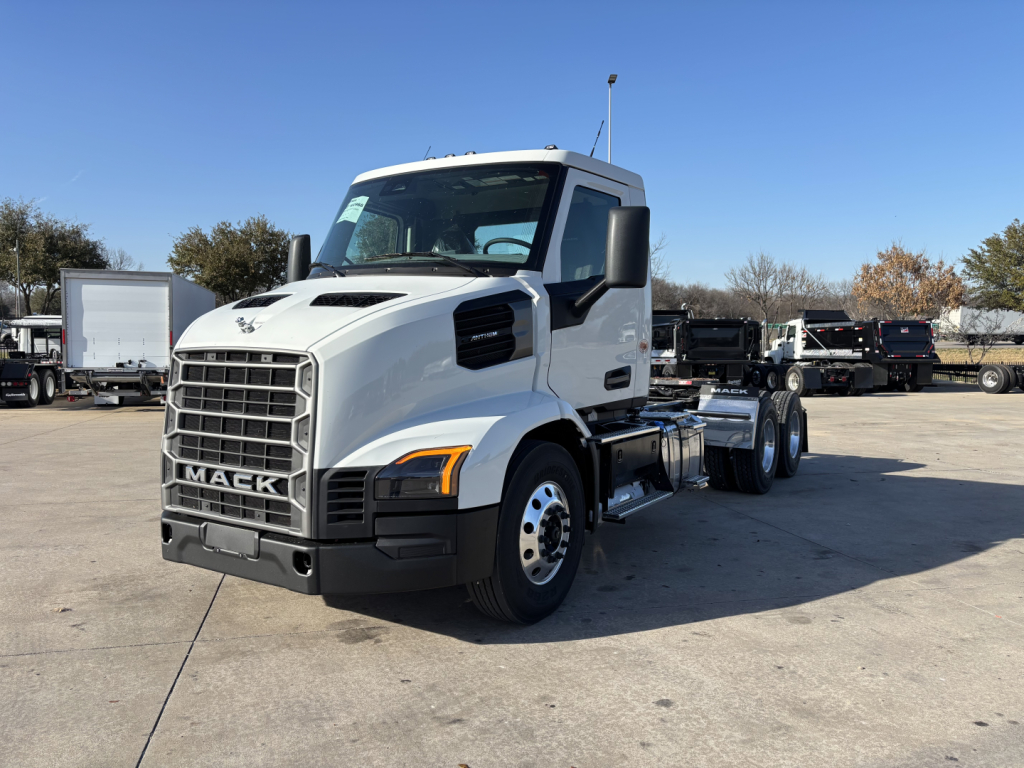
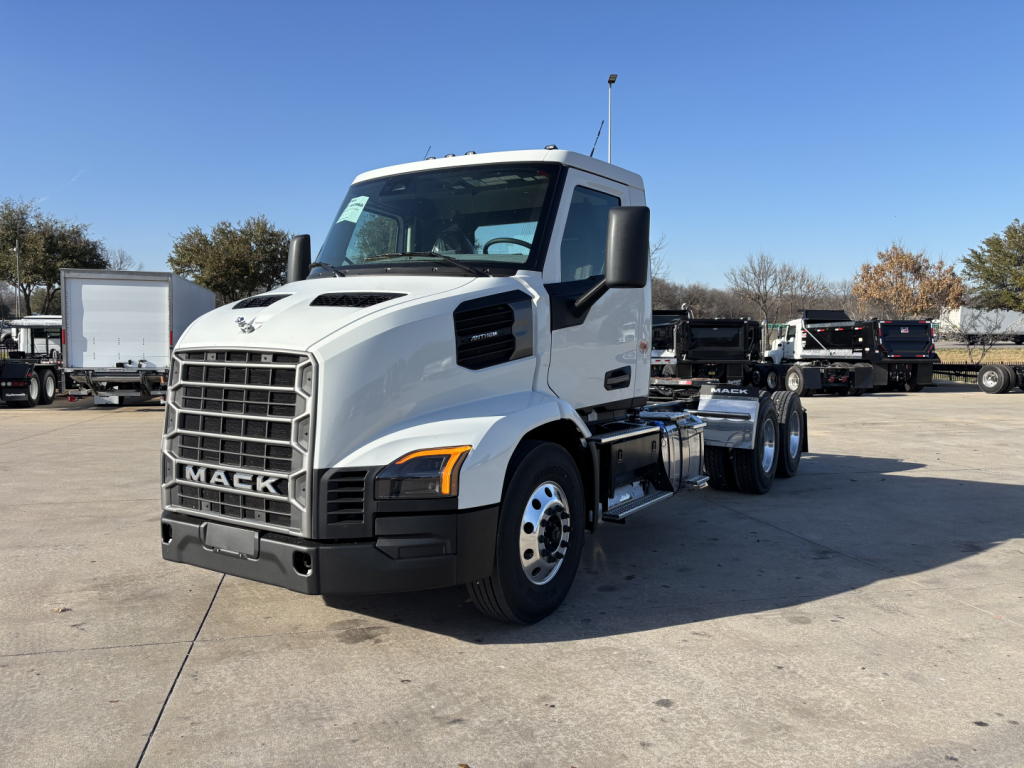
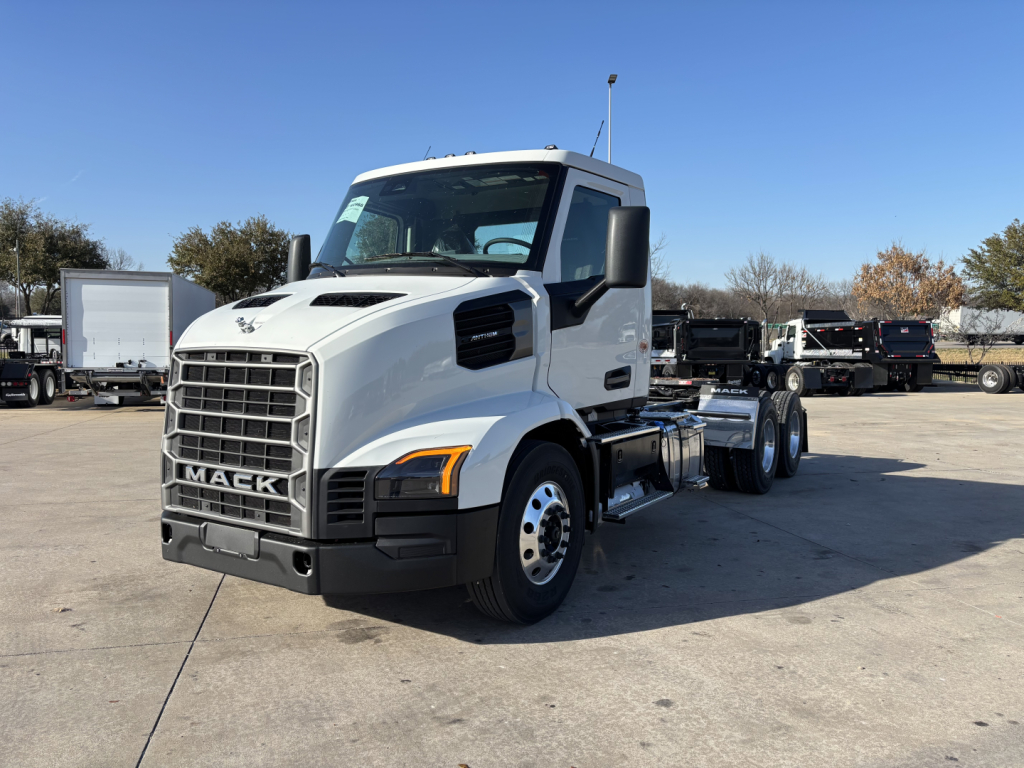
The first buying decision is usually application. A Mack Anthem daycab tends to fit fuel-conscious linehaul and regional operations, especially when spec'd with the MP13 and mDRIVE automated transmission. Typical configurations include 6x4 tandem drive, horsepower in the mid-400 range, rear axle ratios such as 3.25 to 3.40, and wheelbases around 185 to 215 inches depending on fifth wheel placement and trailer swing needs. Buyers hauling heavier freight or operating on rougher sites often look at Granite daycab tractors with MP8 or MP13 power, stronger vocational trim, heavier frame rails, and suspension packages such as mRIDE. Texas operators should pay close attention to cooling package, axle ratings, bridge law considerations, and whether a fixed or air-slide fifth wheel better matches trailer variety.
Spec details matter more on a daycab because the truck is usually working every shift with frequent hook-and-drop cycles. Common items worth comparing are front axle capacity around 14,600 pounds, tandem rears around 40,000 pounds, full locking differentials or interwheel diff locks, and brake package choice, including full disc brakes on some highway specs. Fuel capacity often lands around dual 75-gallon tanks, which is a practical fit for regional range without adding unnecessary weight. A buyer should also review frame section, tire brand and load rating, suspension type, wheel material, and whether the truck has collision mitigation, adaptive cruise, and driver-assist systems that can reduce fatigue and help with fleet safety scoring.
Driver environment still matters on a work tractor, especially in hot-weather states. Mack Preferred trim interiors, high-back air seats, heated and powered mirrors, and clear dash layout can make a real difference in retention and daily productivity. The mDRIVE automated transmission is popular because it reduces driver workload in traffic, on job entries, and during repeated starts while still delivering consistent shift logic and clutch protection. For buyers comparing new 2027 Mack daycabs, the best value usually comes from matching axle ratio, wheelbase, engine rating, and fifth wheel setup to the trailer and route instead of simply choosing the highest horsepower. A properly spec'd Mack daycab should deliver long service life, predictable maintenance, and strong performance across both highway and vocational tractor work.
Frequently Asked Questions about New 2027 Mack Conventional Daycab Trucks in Texas
What is the difference between a Mack Anthem daycab and a Mack Granite daycab?
A Mack Anthem daycab is generally aimed at regional and highway tractor work, with an emphasis on aerodynamics, fuel efficiency, and driver comfort. A Mack Granite daycab is more vocational in character and is commonly chosen for construction, dump, heavy-haul support, and rougher operating environments. Granite specs often include heavier frame options, more rugged trim, and suspension setups suited to jobsite use, while Anthem specs are typically optimized for pavement miles and freight efficiency.
What horsepower range is common in a new 2027 Mack conventional daycab?
A common range is the mid-400 horsepower class for many fleet daycab applications, especially with the Mack MP13. Some vocational or heavier-duty configurations can move into the 500-horsepower range, particularly with Granite tractors using the MP8 or a higher-output engine spec. The right horsepower depends on gross combination weight, terrain, trailer type, desired cruise speed, and rear axle ratio. More horsepower is not always better if the truck is primarily running lighter regional routes where fuel economy matters more.
Is the Mack mDRIVE a good transmission choice for a daycab tractor?
Yes. The Mack mDRIVE automated manual transmission is a strong fit for daycab service because it helps standardize shift performance across drivers, reduces clutch wear from stop-and-go operation, and lowers driver fatigue in traffic and urban delivery patterns. It is especially useful in regional haul, port drayage, dump-related tractor work, and any operation with frequent starts, backing, and trailer changes. Buyers should still confirm the transmission gearing and software calibration match the truck's intended load and terrain.
What specs matter most when buying a conventional daycab in Texas?
Texas buyers should focus on wheelbase, axle ratings, rear axle ratio, fuel capacity, cooling capacity, and fifth wheel style before cosmetic features. Long regional routes may favor an aerodynamic spec with dual fuel tanks and a highway ratio, while oilfield, aggregate, or end dump work may need heavier frame rails, locking differentials, and a more vocational suspension. Heat tolerance, trailer compatibility, and legal weight distribution are also important because they directly affect uptime and daily usability.
Why choose a daycab instead of a sleeper tractor?
A daycab is the better choice when the truck returns to base regularly and does not need overnight living space. Removing the sleeper reduces weight, shortens overall tractor length, simplifies maintenance, and can improve maneuverability in yards, city routes, terminals, and jobsites. For many regional fleets, that translates into better payload capacity, easier driver entry and exit, and a truck spec that is more efficient for short- to medium-haul duty.