
New 2027 Mack Conventional Daycab Trucks For Sale in Arkansas
Shop new 2027 Mack conventional daycab trucks in Arkansas. Compare MP8 and MP13 power, wheelbase, axle ratings, gearing, and spec options.
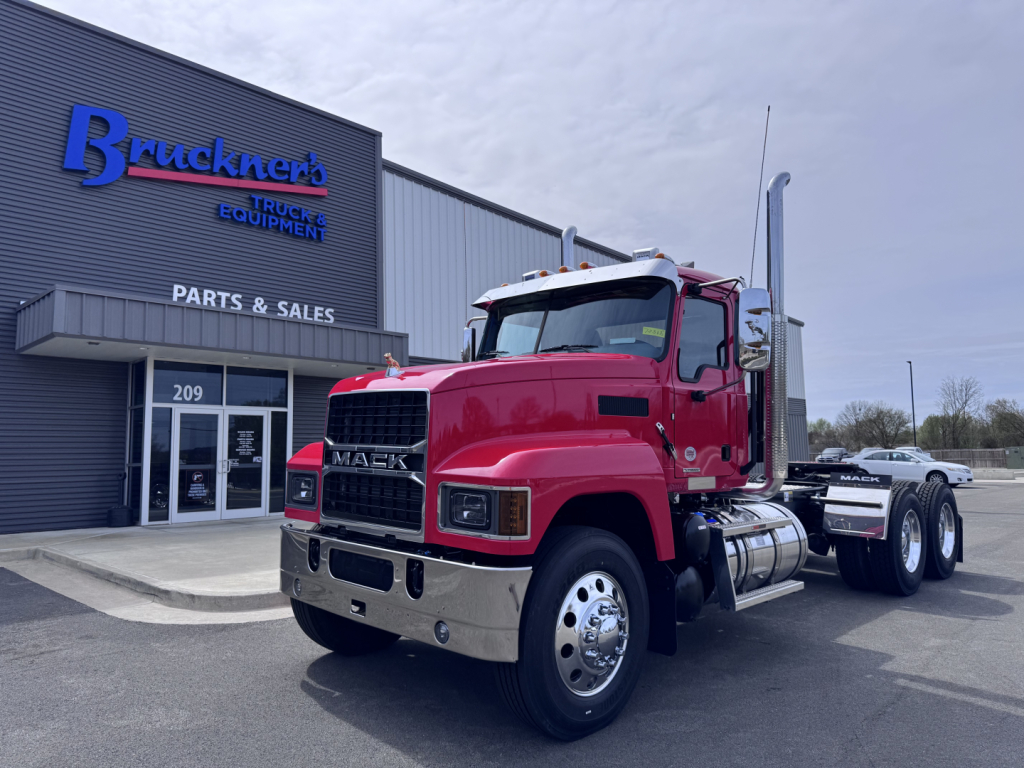
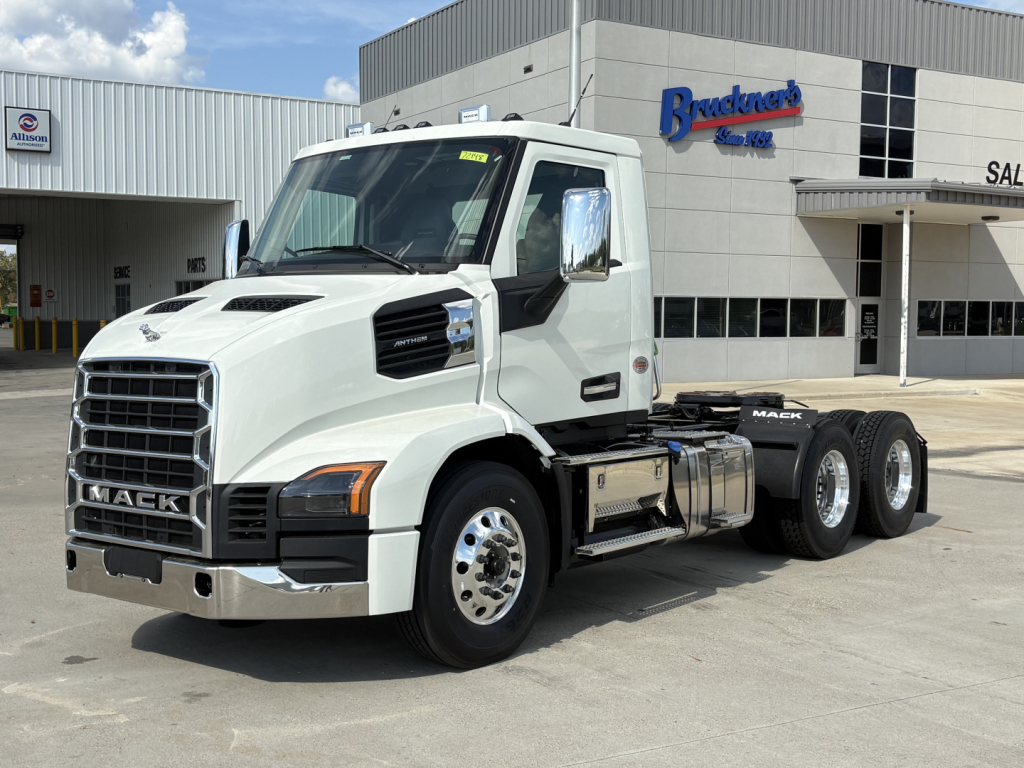

Selling a new 2027 mack conventional daycab truck? List your new 2027 mack conventional daycab truck for sale and reach thousands of commercial buyers.
New 2027 Mack Conventional Daycab Trucks in Arkansas
The biggest buying decision is the spec match between engine, transmission, axle ratings, and wheelbase. In this category, buyers will often see Mack MP8 or MP13 power paired with Mack automated manual transmissions such as the mDRIVE or TMD 12-speed variants. Horsepower and torque choices can support anything from fuel-conscious highway day routes to heavier vocational applications that need stronger launch performance and PTO compatibility. Front axle ratings commonly move from the 12,500-pound class into the 14,600-pound range, while rear axles may be 40,000 to 46,000 pounds depending on payload demands. Gear ratios like 3.08, 3.55, 3.73, and 3.79 change how the truck behaves on grades, at low speed, and at cruise, so intended route and gross combination weight should drive that choice.
Wheelbase matters more than many buyers expect on a conventional daycab. A shorter wheelbase, such as around 191 inches, favors maneuverability and can be a smart fit for van, tanker, or regional tractor duty. A longer wheelbase, such as 231 inches, leaves room for side-mounted hydraulic tanks, wet kit components, vac systems, headache racks, or other vocational add-ons. Arkansas buyers often look closely at suspension type, locking differentials, and brake configuration because the truck may need to move between highway miles, yard work, and off-pavement conditions. Mack air ride suspensions, disc brakes, and differential lock options are especially relevant when uptime, stopping performance, and traction are priorities.
A new Mack daycab also gives buyers the advantage of current safety and driver comfort features, which matter in high-turn fleets and multi-shift operations. Cab layout, visibility, seat options, and switch placement all affect daily productivity, especially on local routes with frequent stops. Fuel tank capacity, tire size, frame layout, exhaust configuration, and PTO readiness should all be checked against the actual body or trailer work the truck will do. For many buyers, the best conventional daycab is not the highest horsepower spec. It is the truck whose wheelbase, axle package, gearing, and vocational prep match the route, payload, and duty cycle from day one.
Frequently Asked Questions about New 2027 Mack Conventional Daycab Trucks in Arkansas
What is a Mack conventional daycab best used for?
A Mack conventional daycab is best suited for local and regional hauling, port work, vocational tractor applications, and operations that return to base daily. It works well for dry van, tanker, flatbed, dump, bulk, and specialty setups where a sleeper is unnecessary. The daycab layout reduces empty weight, lowers purchase cost compared with a sleeper tractor, and usually improves maneuverability in tighter work areas.
How do I choose between an MP8 and MP13 in a new Mack daycab?
The right engine depends on gross weight, terrain, PTO needs, and average trip length. An MP8 is a common choice for buyers who want a balance of horsepower, torque, and fuel efficiency across regional and vocational work. An MP13 makes more sense when the truck will spend more time at heavier combined weights or in applications that demand strong low-end torque and sustained pulling power. Engine choice should be evaluated alongside rear axle ratio, transmission calibration, and expected payload, not by horsepower alone.
Why is wheelbase so important on a daycab tractor?
Wheelbase affects maneuverability, bridge law flexibility, ride quality, and available frame space for add-on equipment. A shorter wheelbase is easier to position in tight yards and loading areas, while a longer wheelbase can support wet kits, hydraulic tanks, vac systems, larger fuel capacity, or headache racks. Buyers should confirm that the wheelbase leaves enough usable frame behind the cab without compromising turning radius for the truck's daily operating environment.
What axle and brake specs should buyers focus on?
Front axle capacity, rear axle rating, suspension design, and brake type should match the truck's actual workload. A 12,500-pound front axle may be adequate for many highway tractor specs, while 14,600-pound fronts and 46,000-pound rears are more appropriate for heavier vocational setups. Disc brakes are increasingly attractive for fleets focused on stopping performance and easier service consistency. Differential locks and suspension choice also matter when traction, uneven terrain, or mixed on-road and off-road use are part of the job.
Are Mack daycabs a good fit for Arkansas operations?
Yes, especially when the spec reflects Arkansas duty cycles. Many operations in Arkansas mix interstate runs with plant, mill, agricultural, construction, or forestry-related work, so buyers often need a truck that can handle both highway speed and vocational demands. That makes gear ratio, axle capacity, locking differentials, brake package, and frame space particularly important. A properly spec'd Mack daycab can cover regional freight efficiently while still supporting heavier or more specialized local work.