
New 2027 Mack Conventional Daycab Trucks For Sale in Kansas

Have new 2027 mack conventional daycab truck to sell? List it here to reach thousands of buyers.
New 2027 Mack Conventional Daycab Trucks in Kansas
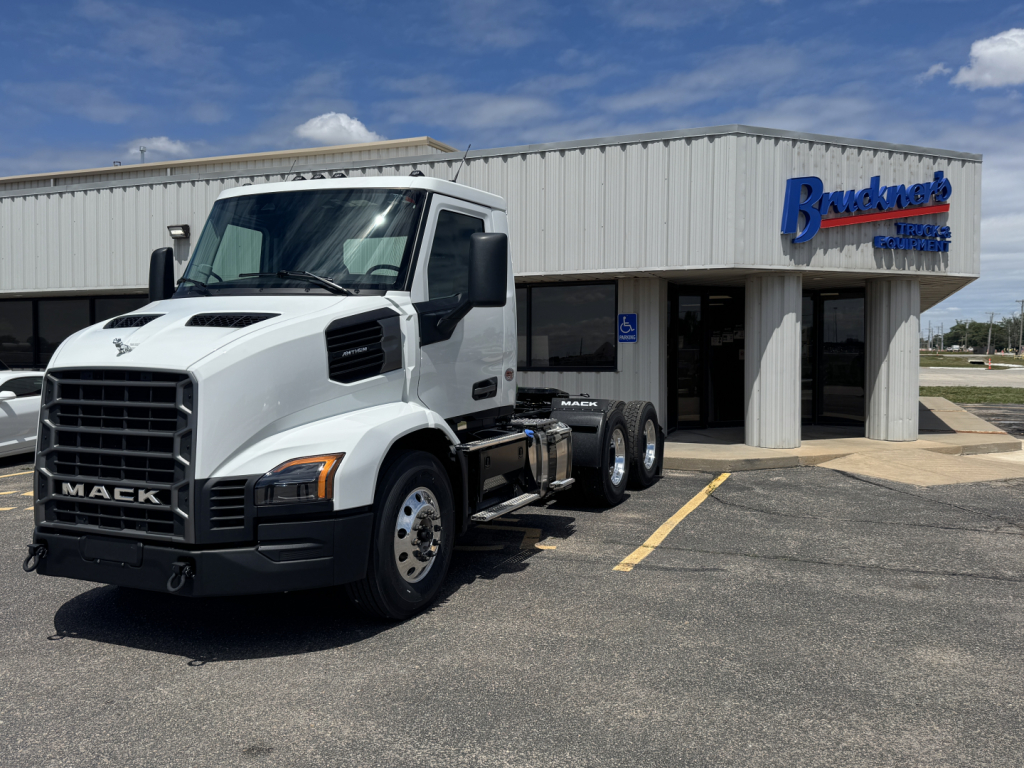
Mack daycabs such as Anthem, Pioneer, and similar highway-oriented conventional tractors are often spec'd for regional haul, dedicated fleet routes, port drayage, and short to medium highway runs where a sleeper is unnecessary. The advantage of a daycab is lower tare weight, simpler maintenance, easier maneuverability around yards and customer docks, and better utilization on routes that bring the truck home daily. In Kansas and the central plains, aerodynamic package, fuel capacity, and axle ratio matter because trucks may see long interstate stretches, steady crosswinds, and mixed loaded-empty operating cycles. A 2.79 or 3.08 rear ratio paired with a 12-speed overdrive automated transmission is a common highway fuel-mileage spec, while a more vocational or stop-and-go application may call for gearing that favors launch and gradeability.
Cab and chassis details deserve close attention. Buyers should look at suspension type, fifth wheel configuration, frame layout, and brake package based on trailer mix and loading frequency. Air ride suspensions such as Mack MaxLite are common on highway daycabs because they help with ride quality and cargo protection. Front disc brakes, drum rear brakes, aluminum wheels, dual fuel tanks, air slide fifth wheels, and driver-assist systems are also common spec points in newer Mack tractors. If the truck will pull multiple trailer lengths or operate across different kingpin settings, wheelbase and sliding fifth wheel travel become more important than they appear on paper.
The strongest reason many fleets stay with Mack in the conventional daycab segment is the balance of durability, integrated powertrain design, and driver-friendly operation. A well-spec'd 2027 Mack daycab can be set up for fuel-efficient highway service or for tougher regional duty with the same core platform. The best buying decision usually comes down to payload profile, average trip length, trailer type, desired cruise speed, and service support in the operating area. For buyers comparing several similar listings, those factors matter more than cosmetic differences because they determine total operating cost over the life of the truck.
Frequently Asked Questions about New 2027 Mack Conventional Daycab Trucks in Kansas
What is a Mack conventional daycab truck best suited for?
A Mack conventional daycab is best suited for regional haul, dedicated freight, local distribution, drayage, and highway routes that do not require overnight accommodations. The daycab layout reduces weight and keeps the truck easier to maneuver than a sleeper tractor, which helps in frequent dock work, terminal operations, and short to medium haul lanes. It is commonly used with dry van, reefer, tanker, flatbed, and bulk trailer applications depending on the axle and fifth wheel spec.
What engine and transmission specs are common in new Mack daycab tractors?
Common specs include Mack MP-series engines, especially the MP13 in highway applications, paired with Mack mDRIVE automated manual transmissions. Horsepower in this class often falls in the low to mid-400 range, with torque commonly around 1,650 to 1,850 lb-ft depending on the intended duty cycle. Buyers usually compare engine rating, transmission gearing, rear axle ratio, and cruise speed target together because those four items drive fuel economy, launch performance, and drivability.
How do I choose the right rear axle ratio for a Mack daycab?
The right rear axle ratio depends on route speed, gross combination weight, terrain, and startability requirements. A numerically lower ratio such as 2.79 can improve fuel economy in steady highway operation when matched to an overdrive transmission, while a 3.08 or higher ratio may be preferred for heavier loads, more stop-and-go work, or routes with more grade. The correct choice should be based on actual operating conditions rather than a broad preference for either fuel mileage or pulling power alone.
What should I look for in a daycab wheelbase and fifth wheel setup?
Wheelbase and fifth wheel position affect bridge compliance, trailer swing clearance, weight distribution, and compatibility with different trailer lengths. A daycab used on standard van or reefer freight often lands in a mid-range wheelbase that balances maneuverability and stable highway tracking. If the tractor will pull multiple trailer configurations or needs flexibility for kingpin settings, an air slide fifth wheel and carefully matched wheelbase are more important than a basic fixed setup.
Why do fleets choose a daycab instead of a sleeper tractor?
Fleets choose daycabs when the operation returns drivers home daily or when the lane structure does not justify the extra weight and cost of a sleeper. A daycab generally offers lower purchase cost, less empty weight, simpler cab systems, and easier service access. It can also improve payload and make urban or terminal maneuvering easier, which is why it remains a common choice for regional and dedicated tractor applications.