
New 2027 Conventional Daycab Trucks For Sale in Oklahoma
Shop new 2027 conventional daycab trucks in Oklahoma. Compare specs, wheelbase, axle ratings, powertrain options, and regional hauling fit.

Selling a new 2027 conventional daycab truck? List your new 2027 conventional daycab truck for sale and reach thousands of commercial buyers.
New 2027 Conventional Daycab Trucks in Oklahoma
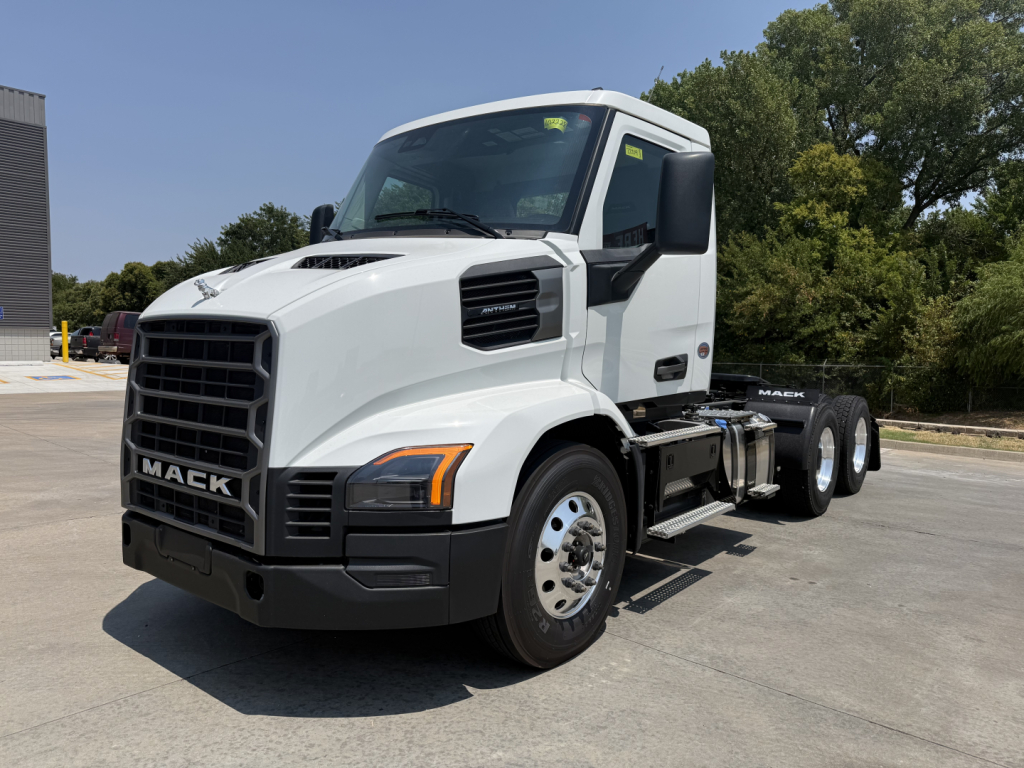
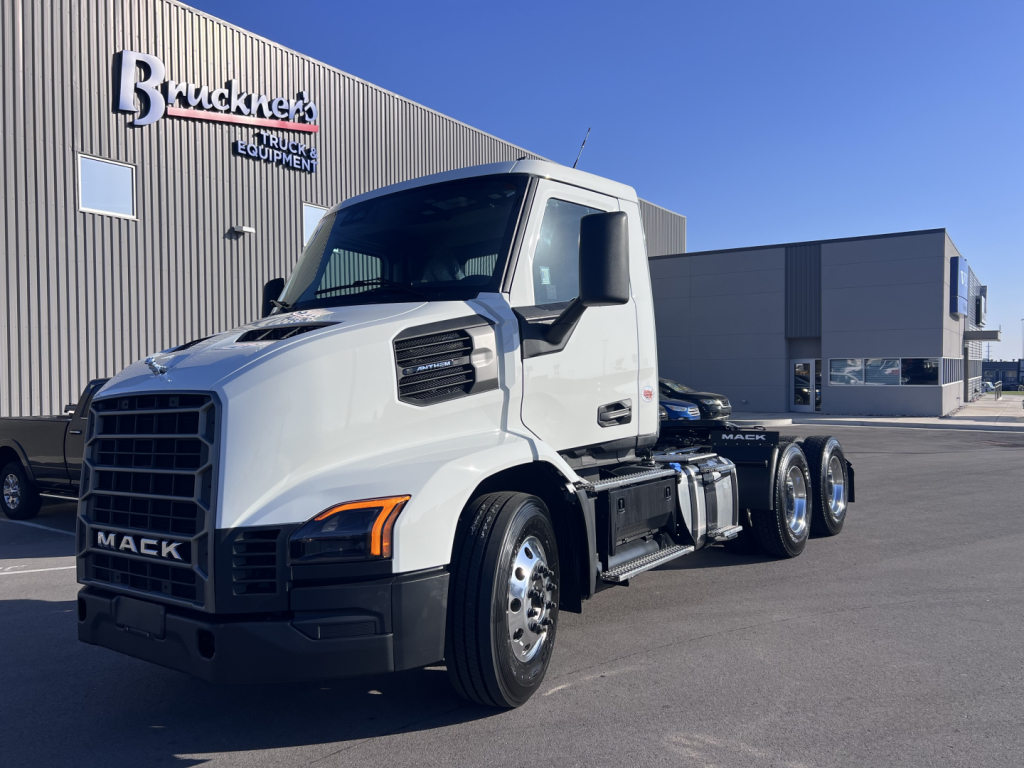
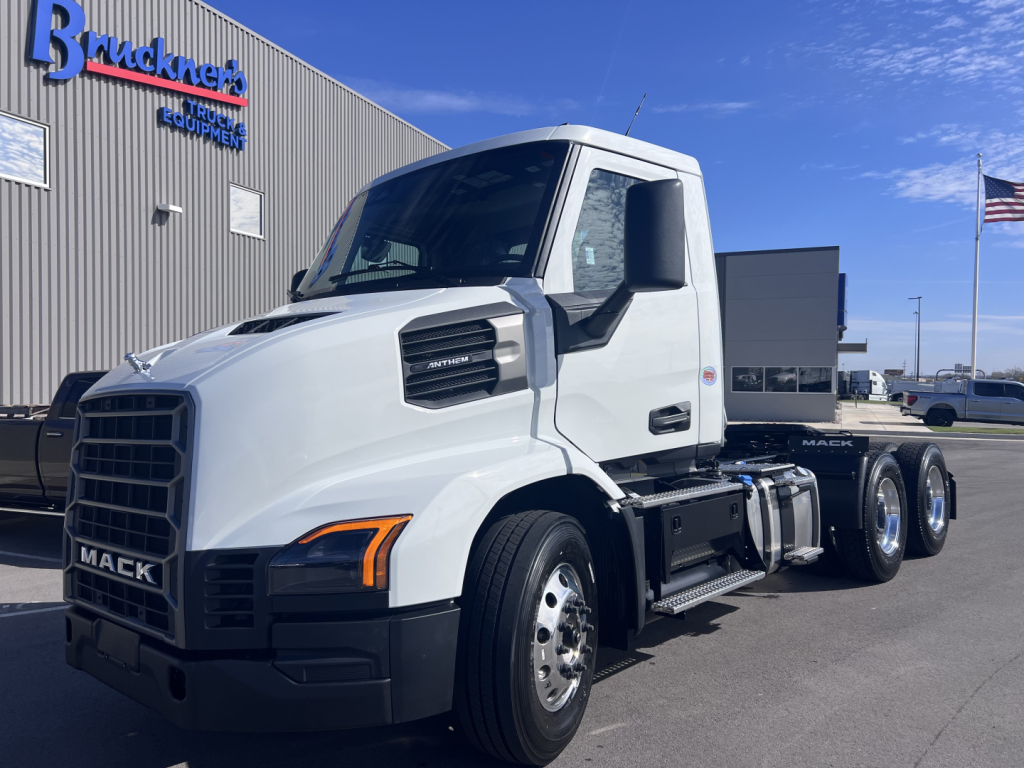
The biggest buying decisions usually come down to axle configuration, wheelbase, engine rating, and transmission. Most conventional daycabs in this class are spec'd as 6x4 highway tractors with front axles around 12,000 to 13,200 pounds and tandem rears in the 40,000 to 46,000 pound range. Buyers should match horsepower and torque to route profile and gross combination weight, not just peak numbers on a brochure. A 425 HP to 505 HP engine with an automated manual transmission is common for regional freight because it balances fuel economy, driver acceptance, and resale. Rear axle ratios, often in the high 2s to low 3s, matter just as much as engine output if the truck will spend time at highway speed versus frequent stop-and-go work.
Cab layout and chassis equipment have a direct effect on uptime and driver comfort. Air ride seats, disc brakes, traction control, air ride suspension, and sliding fifth wheels are common on modern conventional daycabs because they improve drivability and trailer flexibility. Wheelbase needs to be considered carefully. A shorter wheelbase helps in tight city docks and plant yards, while a longer wheelbase may leave more room for fuel capacity, DEF packaging, battery boxes, and cleaner trailer swing clearance. Buyers in Oklahoma should also look closely at cooling performance, frame layout for PTO or wet kit additions, and fuel tank capacity if the truck will run across longer regional lanes into Texas, Kansas, Arkansas, or New Mexico.
New-model daycabs also bring the advantage of current emissions hardware, updated safety systems, and factory warranty coverage. That matters for fleets standardizing maintenance intervals and for owner-operators trying to reduce surprise repair costs early in the truck's life. On a conventional daycab, the best spec is rarely the heaviest or highest horsepower option. It is the one that fits the freight, the trailer set, the expected average load, and the operating radius. A well-matched daycab can lower fuel burn, improve turning performance, reduce tire scrub, and stay productive in regional service for years.
Frequently Asked Questions about New 2027 Conventional Daycab Trucks in Oklahoma
What is a conventional daycab truck used for?
A conventional daycab truck is primarily used for local and regional hauling where the driver does not need overnight sleeper space. Common applications include dedicated freight routes, tanker work, flatbed hauling, intermodal drayage, short-haul reefer lanes, and vocational tractor service. The conventional hood design provides easier engine access for service, and the daycab layout typically reduces empty weight and improves maneuverability compared with a sleeper tractor.
What specs matter most when buying a new 2027 conventional daycab?
The most important specs are axle ratings, wheelbase, engine horsepower and torque, transmission type, rear axle ratio, fifth wheel setup, and fuel capacity. These determine how well the truck matches the trailer, load weight, route speed, and maneuvering demands. Buyers should also review suspension type, brake configuration, PTO readiness, and cab comfort features because those details affect uptime, driver satisfaction, and operating cost over the life of the truck.
Is a daycab better than a sleeper for Oklahoma regional hauling?
For many Oklahoma regional operations, a daycab is the better fit because it is lighter, simpler, and easier to maneuver in tight yards and customer locations. It also avoids carrying sleeper components that add cost and weight when the truck is returning home daily. A sleeper still makes sense for irregular overnight routes or longer multi-state runs, but for predictable regional freight a daycab often delivers better payload efficiency and lower total operating cost.
What wheelbase should I choose on a conventional daycab?
The right wheelbase depends on trailer type, fifth wheel position, fuel tank sizing, and how tight the truck's operating environment will be. Shorter wheelbases are easier to handle in urban docks, feed yards, and industrial sites, while longer wheelbases can improve packaging for larger fuel tanks, battery boxes, and frame-mounted equipment. Buyers should confirm bridge law needs, trailer gap preferences, and required trailer swing clearance before settling on a wheelbase.
Are automated manual transmissions common in new daycab tractors?
Yes. Automated manual transmissions are now common in new conventional daycab tractors because they improve shift consistency, reduce driver fatigue, and can help with fuel economy. They are especially popular in regional and fleet service where multiple drivers may use the same truck. A manual transmission may still appeal in certain vocational or specialized applications, but the automated manual has become the mainstream choice for many highway daycab specs.