
New 2027 Conventional Daycab Trucks For Sale in New Mexico
Shop new 2027 conventional daycab trucks in New Mexico. Compare specs, horsepower, axle ratings, transmissions, fuel capacity, and chassis setup.
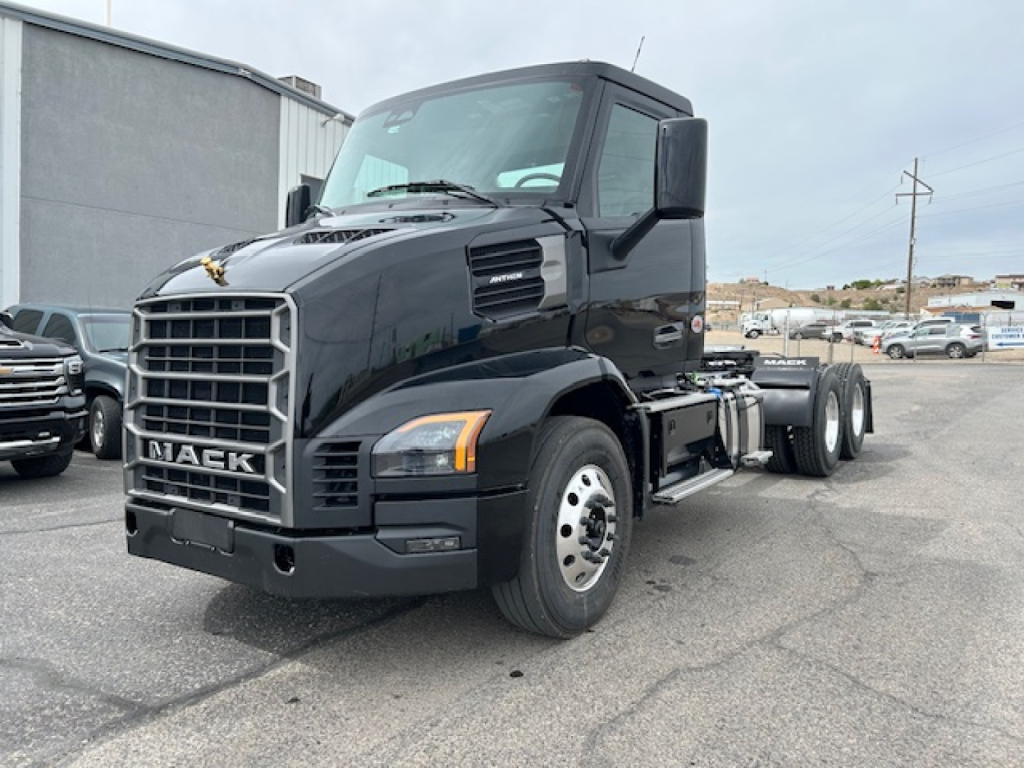
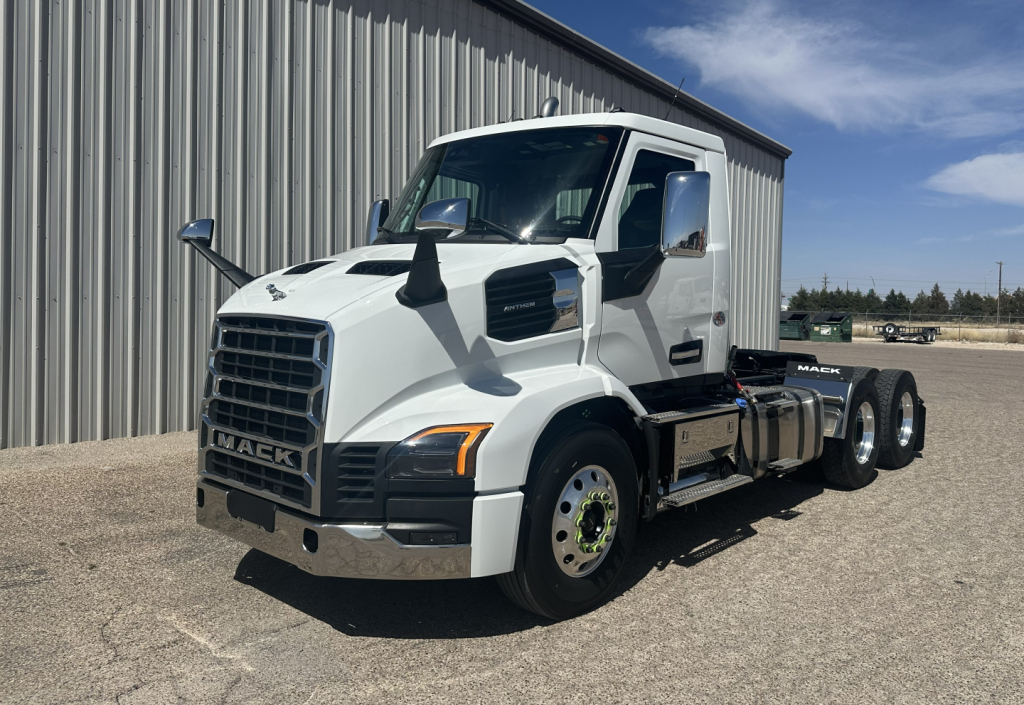

Selling a new 2027 conventional daycab truck? List your new 2027 conventional daycab truck for sale and reach thousands of commercial buyers.
New 2027 Conventional Daycab Trucks in New Mexico
The spec decisions that matter most are engine rating, transmission type, axle capacity, and rear axle ratio. Many new conventional daycab trucks are ordered with engines in the 425 to 515 horsepower range and torque ratings from roughly 1,650 to 1,900 lb-ft, depending on application. Automated manual and proprietary automated transmissions are common because they help with driver consistency, fuel economy, and clutch-life management in stop-and-go service. Buyers hauling heavier freight or operating in hilly terrain often look closely at front axle ratings in the 12,000 to 14,600 lb range, rear axles around 40,000 lb, suspension type, and whether the truck is set up as a highway tractor or a more vocational-oriented chassis. Wheelbase, fifth wheel position, and kingpin setting compatibility should also be checked against the trailers in your fleet.
Fuel capacity and aerodynamics have a direct effect on operating cost. Modern conventional daycabs can be spec'd with fairings, roof profiles, drivetrain programming, and overdrive transmissions that make a noticeable difference on long regional runs. Dual fuel tanks are common when range matters, while a simpler tank package may make more sense for short-turn or dedicated local work. Tire size, aluminum versus steel wheels, and air ride versus spring suspension all affect ride quality, service life, and total cost of ownership. On many new units, buyers also focus on driver-assist systems, disc or drum brake preferences, visibility, and interior layout because daycab trucks often cycle through multiple drivers in a shift.
For New Mexico fleets, cooling performance, dust exposure, and route profile should influence the spec as much as horsepower does. Trucks working oilfield, construction, or bulk service may need a more rugged vocational setup with higher clearances, stronger front ends, and protection for chassis components. Trucks staying on highway lanes may favor aerodynamic bodywork, lower ride height, and fuel-saving gearing. Also known simply as a day cab tractor, this equipment class is built around quick turns, daily home time, and efficient tractor-trailer work without sleeper weight or sleeper maintenance. The best 2027 conventional daycab is the one matched to trailer length, gross combination weight, terrain, and duty cycle rather than the one with the highest published horsepower.
Frequently Asked Questions about New 2027 Conventional Daycab Trucks in New Mexico
What is a conventional daycab truck best used for?
A conventional daycab truck is best suited for local and regional hauling, dedicated route work, drayage, vocational tractor applications, and any operation where the driver returns home daily. It gives you the pulling capability of a highway tractor without the added length and weight of a sleeper. That usually means better maneuverability, easier docking, and lower acquisition and maintenance costs when overnight accommodations are not needed.
What engine and axle specs are common on a new 2027 conventional daycab?
Most new 2027 conventional daycab trucks are spec'd in the mid-to-high horsepower range, commonly around 425 to 515 horsepower, with torque outputs matched to freight weight and terrain. Front axle ratings often fall between 12,000 and 14,600 pounds, while tandem rear axles are commonly rated at 40,000 pounds. The right setup depends on gross combination weight, trailer type, and whether the truck will spend more time on interstate lanes, in city traffic, or on rougher vocational routes.
Is an automated transmission a good choice in a daycab tractor?
For many fleets, yes. Automated transmissions are popular in daycab applications because they improve shift consistency, reduce driver fatigue, and help manage fuel economy across mixed driver pools. They are especially useful in regional and urban service where trucks see frequent starts, stops, and speed changes. A manual transmission may still appeal in certain specialized or vocational operations, but automated units have become the mainstream choice in new highway-oriented daycabs.
What should buyers in New Mexico pay attention to when spec'ing a daycab?
New Mexico buyers should pay close attention to cooling capacity, axle ratings, fuel range, suspension, and gearing because routes can vary from open interstate to oilfield and construction conditions. High temperatures, elevation changes, crosswinds, and long distances between stops can all influence how a truck performs. If the truck will work around Hobbs or other energy-sector areas, durability features and a tougher chassis setup may matter more than aerodynamic savings alone. For linehaul or regional freight, fuel-efficient powertrain specs and fairings may deliver the better return.
How do I know if a conventional daycab will match my trailers?
Start with fifth wheel height, slide range, wheelbase, rear axle placement, and the kingpin settings on the trailers you plan to pull. You want enough clearance between tractor and trailer during tight turns while still keeping weight distributed correctly across the steer and drive axles. Trailer length, landing gear position, and bridge law considerations can all affect the proper chassis layout. Matching the tractor to the actual trailer fleet is one of the most important steps in avoiding tire scrub, clearance problems, and poor weight balance.