
New 2027 Conventional Daycab Trucks For Sale in Louisiana
Shop new 2027 conventional daycab trucks in Louisiana. Compare specs, axle ratings, powertrains, and vocational configurations.
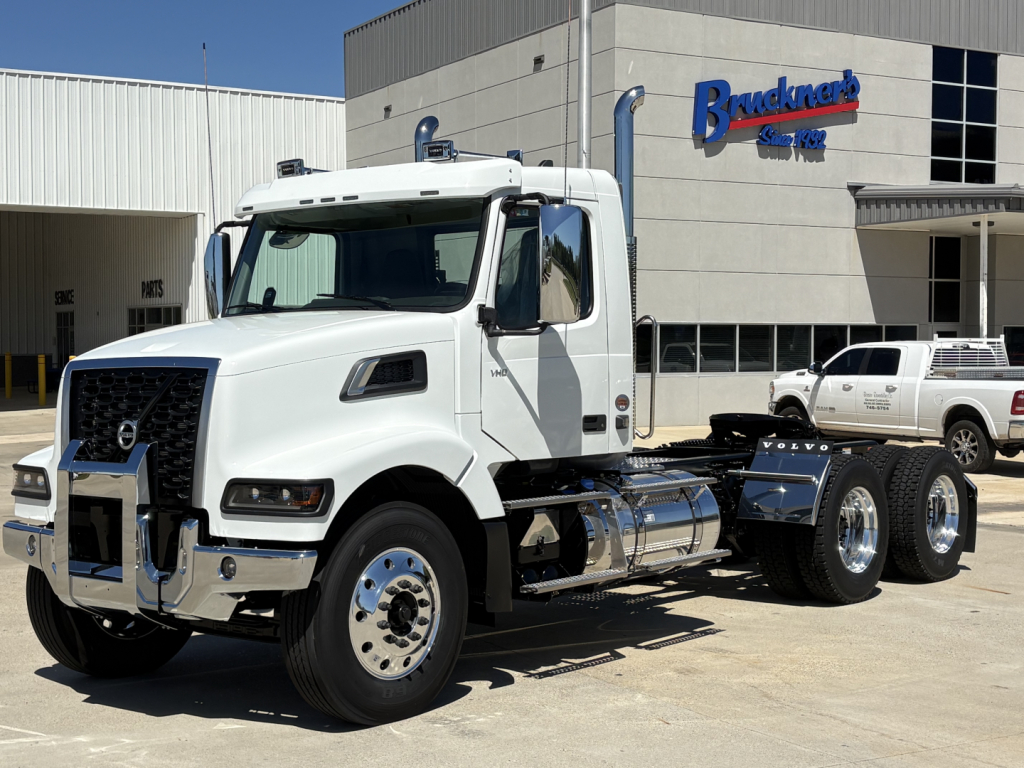
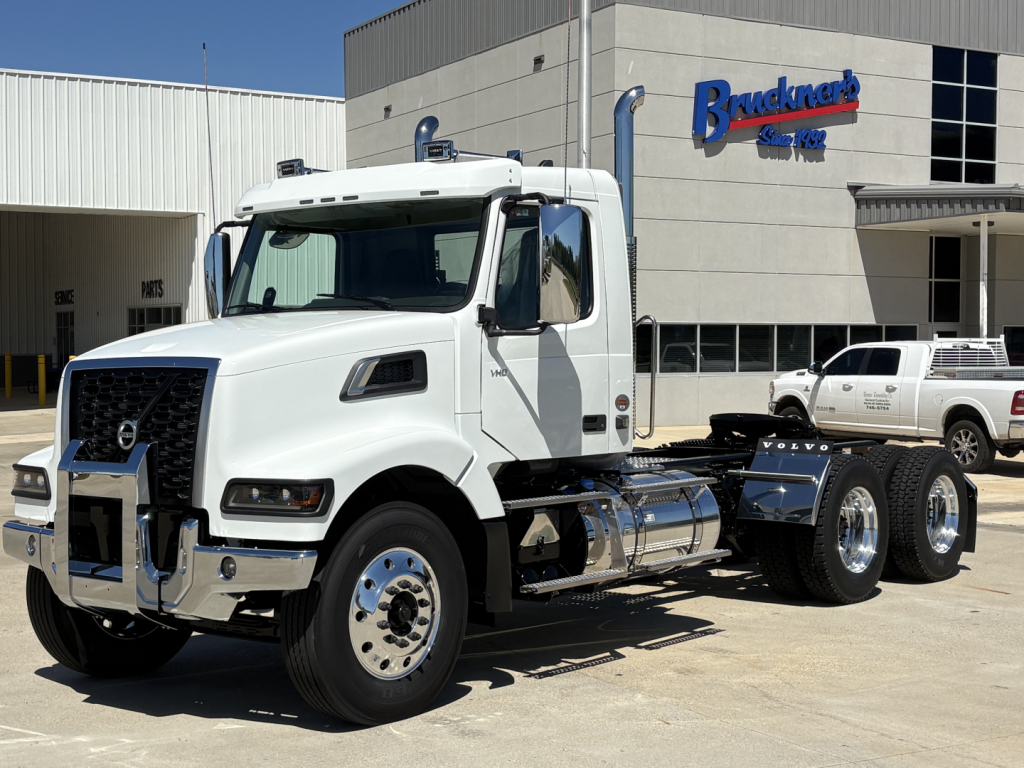
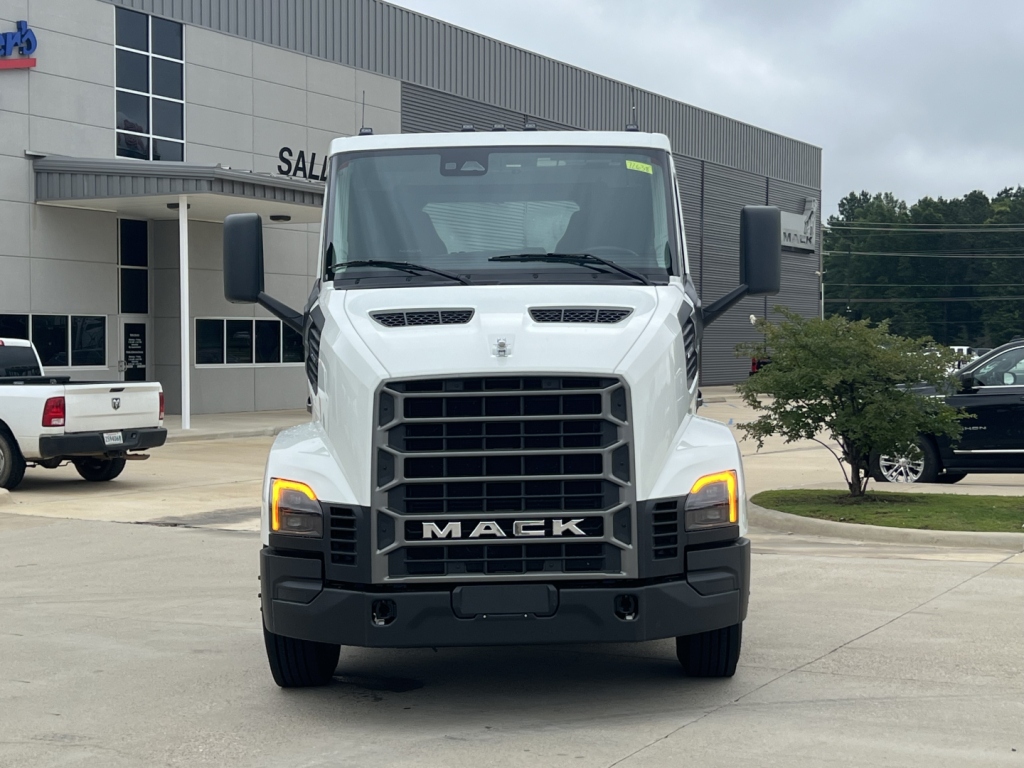
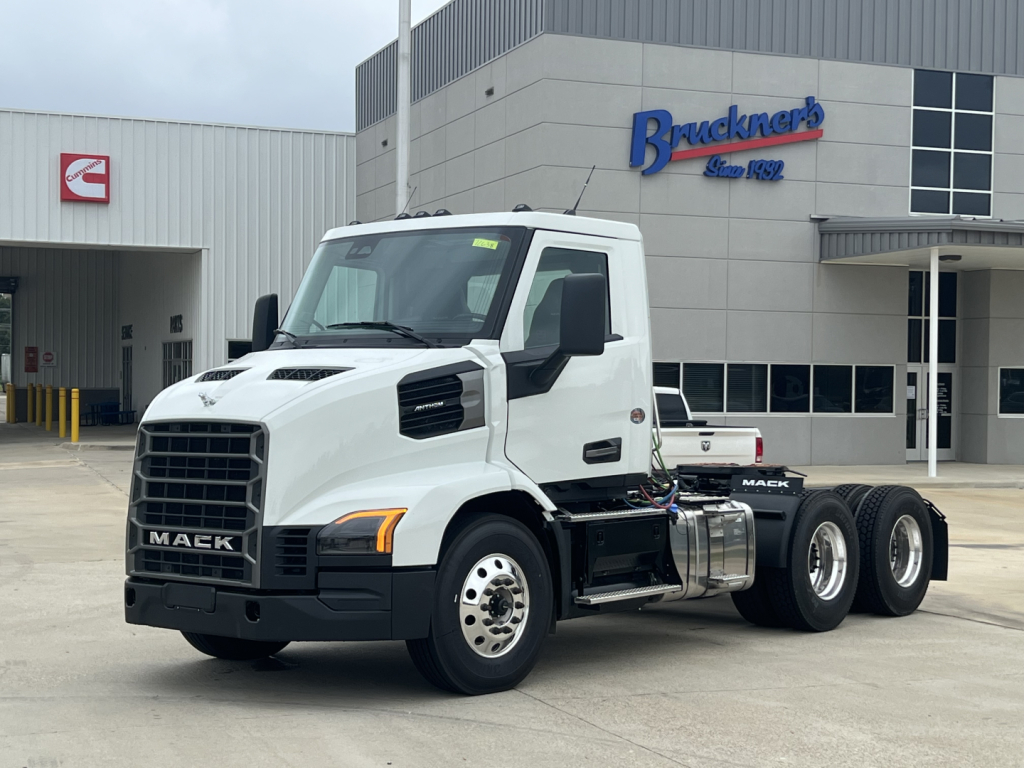
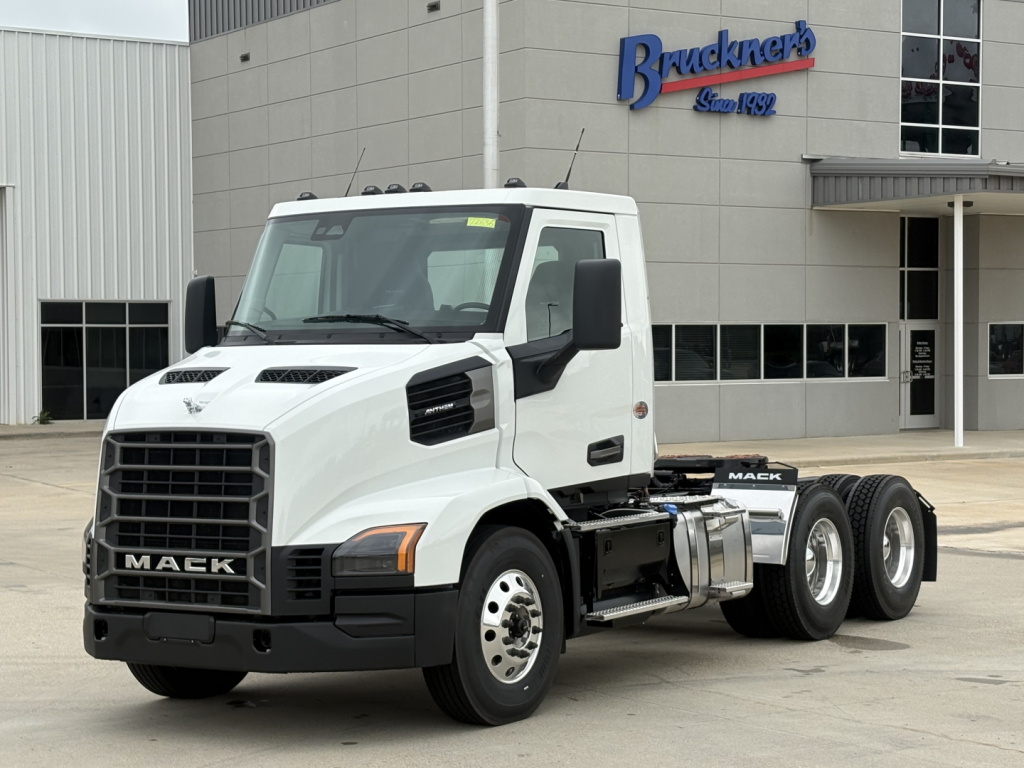


Selling a new 2027 conventional daycab truck? List your new 2027 conventional daycab truck for sale and reach thousands of commercial buyers.
New 2027 Conventional Daycab Trucks in Louisiana
The key buying decision is how the truck is spec'd for the work. Many new conventional daycab trucks in this class run 6x4 tandem drive configurations with power in the 445 to 455 hp range and 12-speed automated manual transmissions such as Mack mDRIVE or Volvo I-Shift HD. Buyers should look closely at front axle and rear axle ratings, suspension type, wheelbase, rear ratio, and differential locks. A 14,600-lb steer axle, 40,000 to 46,000-lb rears, air ride suspension, and ratios around 3.56 are common in heavier regional and vocational specs. Full lockers, all-wheel disc brakes, dual fuel tanks, and PTO provisions can make a major difference depending on terrain, payload, and start-stop duty cycles.
Cab and safety features matter more in a daycab than some buyers expect because these trucks often spend the entire day in traffic, on jobsites, and in tight customer yards. Current 2027 trucks commonly include adaptive cruise control, lane support systems, collision mitigation, camera prep, and telematics integration. Interior improvements such as wider cab layouts, better seat ergonomics, quieter insulation packages, and intuitive dash controls help with driver retention on local and regional routes. Visibility around the hood and mirrors is especially important for Louisiana operations that mix highways, industrial sites, and crowded city streets.
For buyers comparing listings, focus on application fit before brand preference. A heavy-spec conventional daycab with a 46,000-lb rear and HD automated transmission is a different tool than a lighter regional tractor built for van or tanker work. Check GCWR, fifth wheel setup, frame reinforcement, fuel capacity, brake type, and emissions warranty coverage. If the truck will run in oilfield service, bulk hauling, or severe-duty construction support, prioritize axle capacity, cooling, gearing, and traction equipment. If it will stay on paved regional lanes, fuel economy features, ride quality, and service network support may have more impact on total operating cost.
Frequently Asked Questions about New 2027 Conventional Daycab Trucks in Louisiana
What is a conventional daycab truck used for?
A conventional daycab truck is a highway-style tractor without a sleeper, designed for local and regional hauling where the driver returns the same day. Common uses include port drayage, dump and bulk hauling, tanker work, vocational tractor applications, construction support, and short-haul freight. The conventional hood layout also gives easier engine access and strong cooling capacity, which is why many fleets choose this design for heavy-duty and severe-service work.
What specs matter most when buying a new 2027 daycab in Louisiana?
The most important specs are axle ratings, engine horsepower and torque, transmission type, rear axle ratio, wheelbase, suspension, and brake configuration. Louisiana buyers often need to balance highway miles with industrial, energy, or construction work, so a truck with a 14,600-lb steer axle, 40,000 to 46,000-lb tandem rears, locking differentials, and an automated transmission is common in heavier applications. Fuel capacity, corrosion resistance, and cooling performance also matter in hot, humid operating conditions.
Is an automated manual transmission a good choice for a conventional daycab?
For most modern daycab applications, yes. Automated manual transmissions such as 12-speed heavy-duty units improve driver consistency, reduce clutch wear, and make stop-and-go work easier in traffic and on jobsites. They can also help with fuel economy and driver hiring because the learning curve is lower than with a manual. The main consideration is making sure the transmission software and gearing are matched to the truck's vocational or regional duty cycle.
How do I choose between a regional-spec and heavy-spec daycab?
Start with payload, terrain, trailer type, and how often the truck leaves pavement or works in tight traction conditions. A regional-spec daycab is usually better for general freight, tanker, and paved-route hauling where ride quality and fuel economy are priorities. A heavy-spec daycab is the better fit for lowboy, dump, refuse transfer, oilfield, and severe-duty jobs because it typically includes higher axle ratings, stronger suspension components, locking differentials, and transmission calibrations built for heavier starts and rougher ground.
Are safety and driver-assist features worth paying for on a daycab tractor?
In many fleets, yes. Daycab trucks often run dense traffic, make frequent turns, and spend time in terminals, plants, and customer yards where low-speed incidents are common. Features such as adaptive cruise control, collision mitigation, lane support, disc brakes, and camera integration can reduce accident exposure and improve driver confidence. These systems also matter for insurance, fleet safety programs, and retaining drivers who expect modern cab technology in a new truck.