
New Mack Conventional Daycab Trucks For Sale in Arkansas
Shop new Mack conventional daycab trucks in Arkansas. Built for regional hauling, vocational work, PTO setups, and durable daily service.
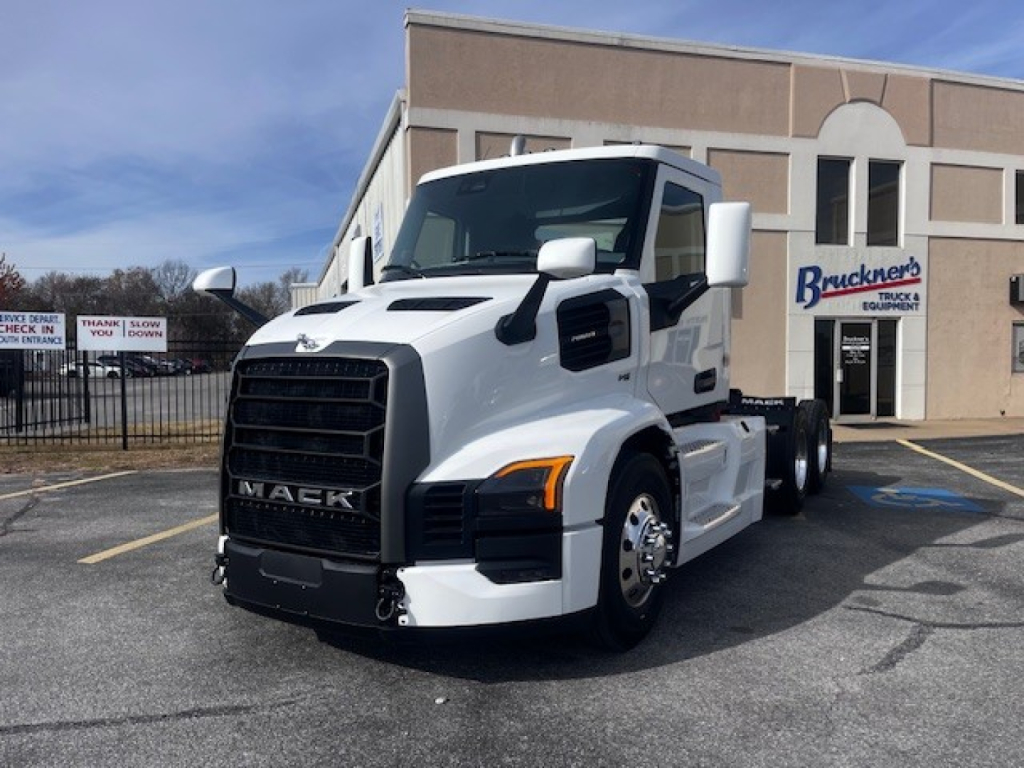
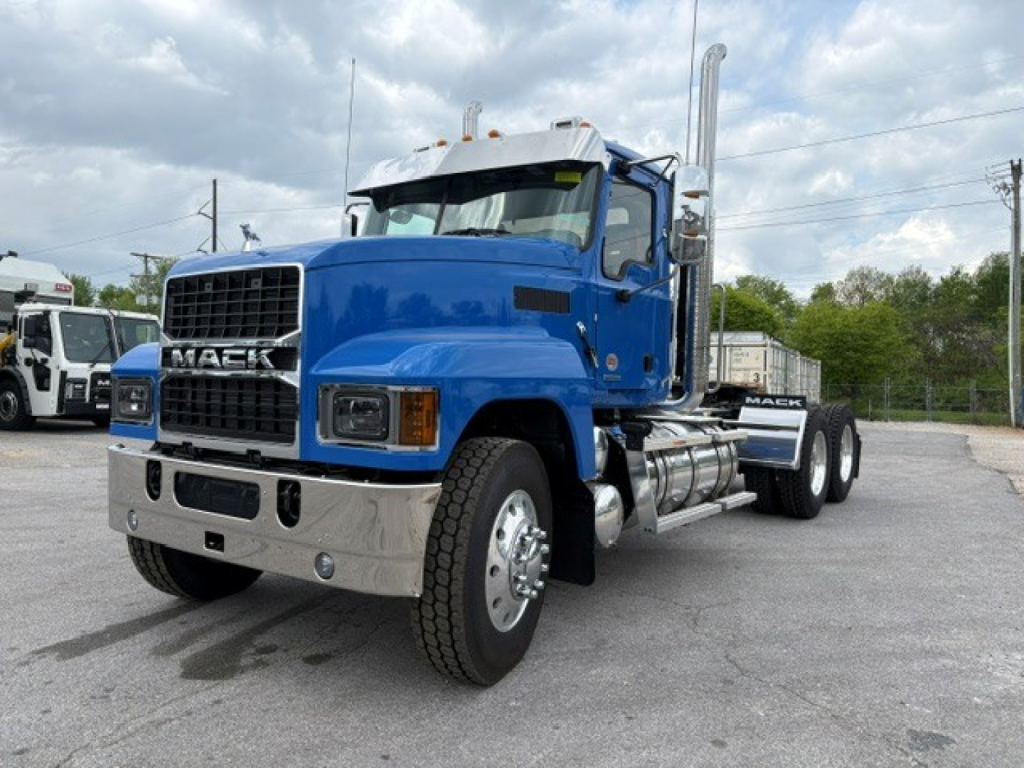
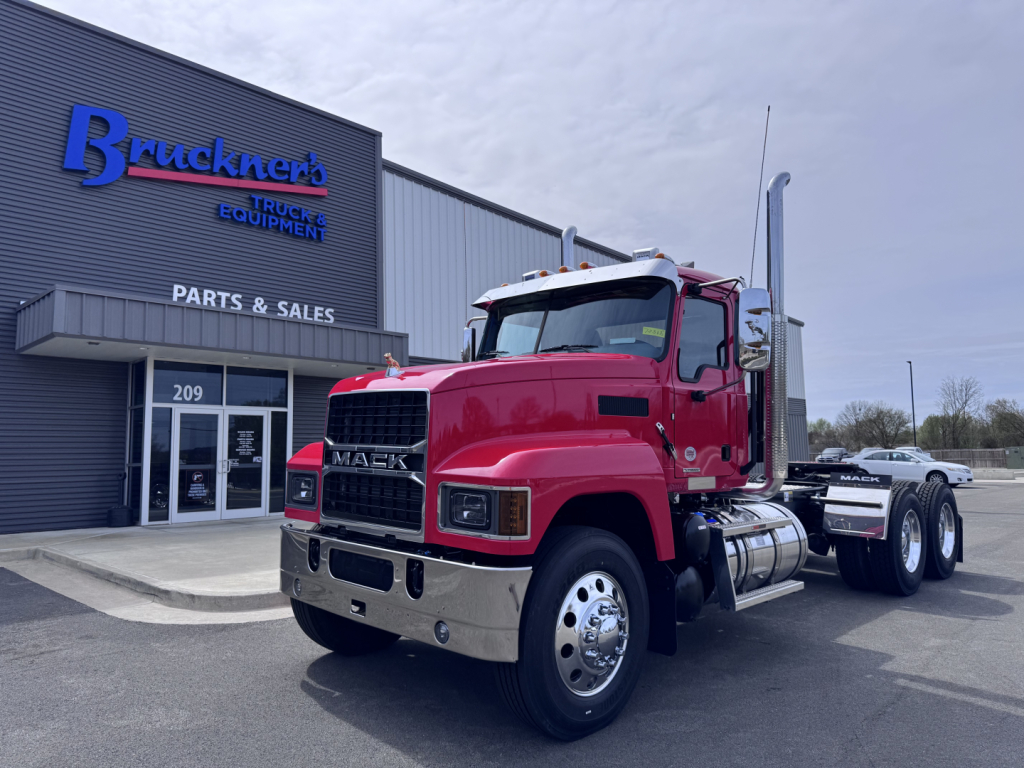
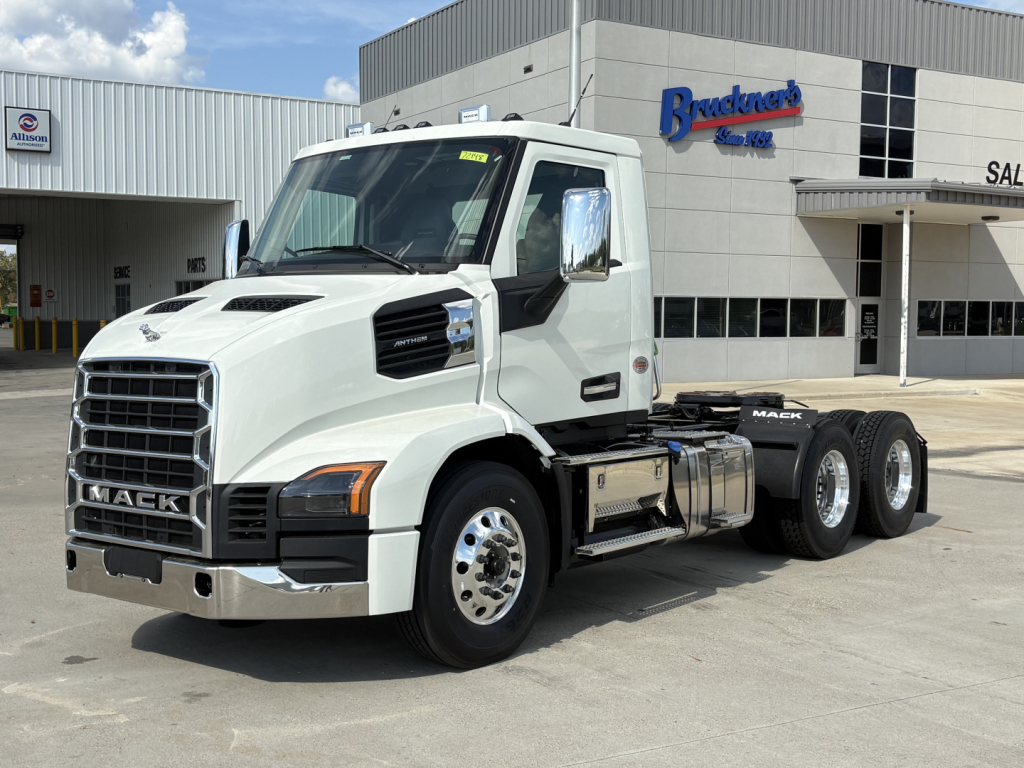
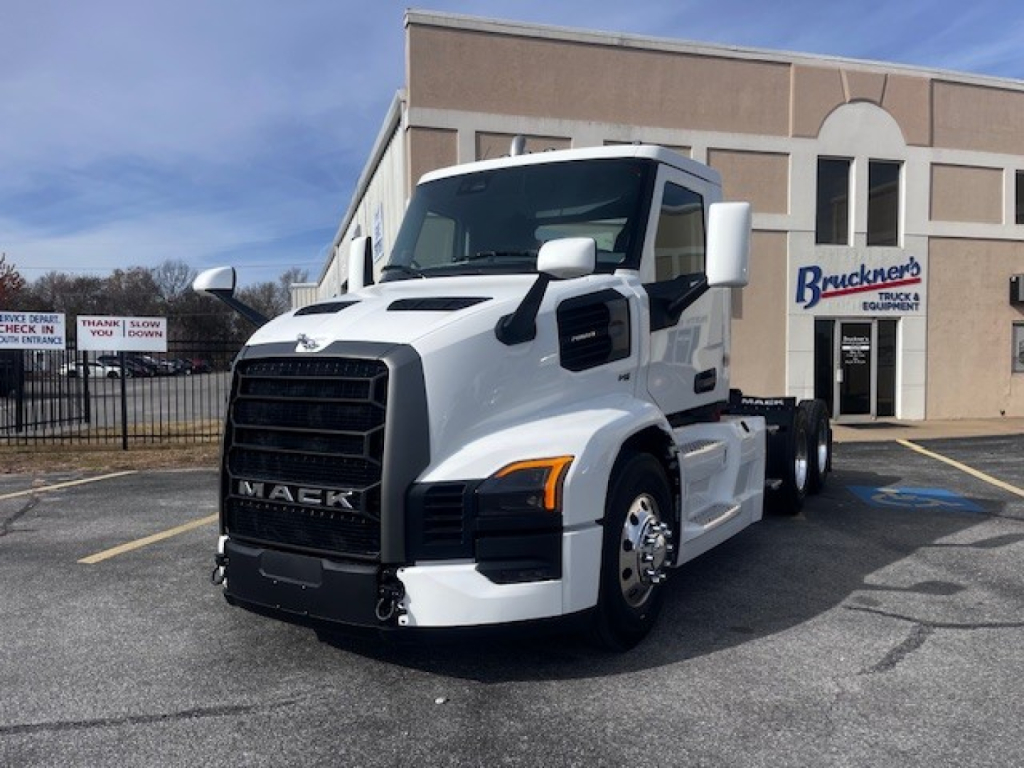
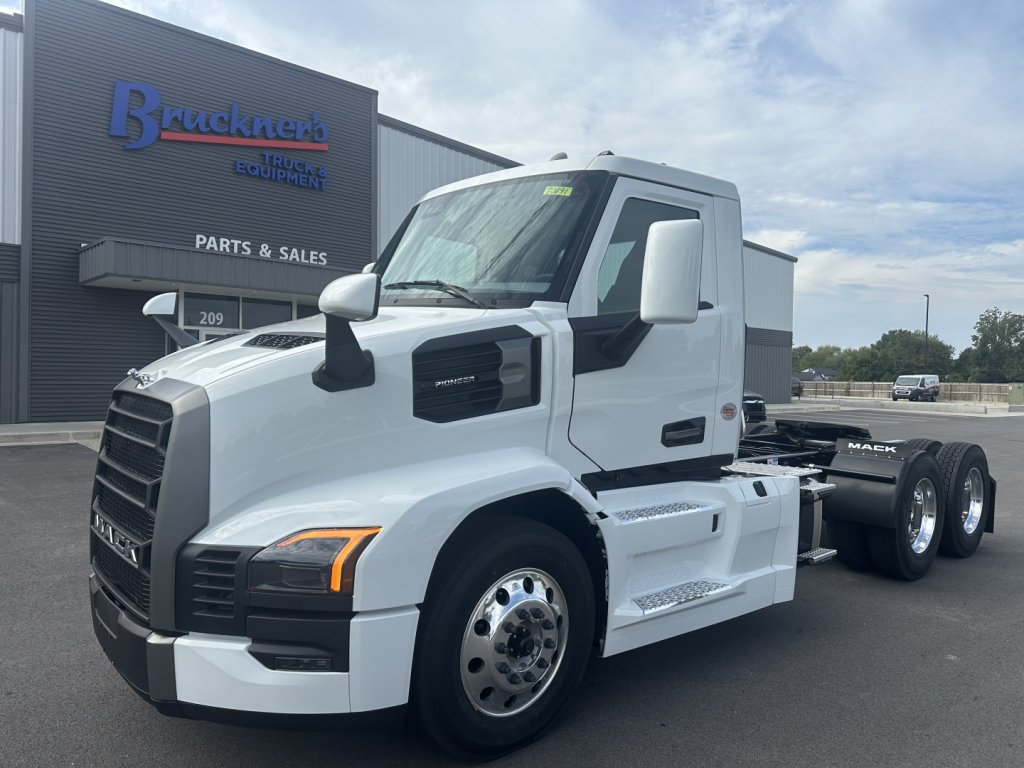

Selling a new mack conventional daycab truck? List your new mack conventional daycab truck for sale and reach thousands of commercial buyers.
New Mack Conventional Daycab Trucks in Arkansas
For many buyers, the spec starts with powertrain and axle package. Mack daycabs are commonly ordered with MP-series diesel engines and the Mack mDRIVE automated manual transmission, a combination known for strong low-end torque and reduced driver fatigue in stop-and-go or multi-stop service. On new conventional Mack tractors, horsepower and torque should be matched to the actual work. A regional van or reefer operation may prioritize fuel economy and highway gearing, while a heavy vocational or PTO-driven setup may need a deeper rear ratio, heavier steer axle, and more frame capacity. Typical considerations include 6x4 configuration, wheelbase, rear suspension type, GCWR, and whether the chassis needs room for wet kits, hydraulic tanks, toolboxes, headache racks, or other body and trailer interface equipment.
Wheelbase is a key buying decision on a Mack conventional daycab because it directly affects upfit flexibility. A longer wheelbase can leave space for side-mount hydraulic systems, auxiliary equipment, or frame-mounted accessories, while a shorter truck may be better in tight urban deliveries, feed yards, or plant traffic. Buyers should also look closely at front axle rating, rear axle capacity, suspension design, and brake spec, especially if the truck will see heavy tongue weight, rough roads, or off-pavement approaches. Mack air ride suspensions are often chosen for ride quality and trailer protection, but the right suspension still depends on the commodity, trailer type, and duty cycle.
New Mack daycab trucks also appeal to fleets focused on uptime, standardization, and driver acceptance. Current cab layouts typically emphasize straightforward controls, visibility, and easy service access. For Arkansas operators running hot summers, mixed terrain, and a blend of interstate and secondary-road miles, cooling performance, vocational durability, and dealer support can matter as much as published horsepower. The best conventional daycab spec is the one that matches route length, trailer type, average gross weight, PTO needs, and loading environment without paying for sleeper features the operation will not use.
Frequently Asked Questions about New Mack Conventional Daycab Trucks in Arkansas
What is a Mack conventional daycab truck best suited for?
A Mack conventional daycab truck is best suited for regional hauling, local and short-haul freight, vocational trailer work, tanker service, bulk commodities, and applications that do not require overnight accommodations. The daycab layout reduces empty weight and overall length compared with a sleeper tractor, which can improve maneuverability and leave more room in the wheelbase for application-specific equipment. It is a strong fit when the truck returns to base daily or runs predictable routes.
What should I look for in a new Mack daycab spec?
The most important items are engine rating, transmission, axle ratings, rear ratio, wheelbase, suspension, and intended trailer or PTO equipment. Buyers should match horsepower and torque to the actual gross weights and terrain, then confirm the chassis has the right frame space and axle capacity for any hydraulic systems, pumps, or frame-mounted accessories. Front axle rating and rear suspension choice are especially important on trucks that will carry heavy trailer tongue weight or work on uneven surfaces.
Is a Mack daycab better than a sleeper tractor for local or regional work?
For many local and regional operations, a daycab is the more efficient choice because it removes the sleeper, saves weight, shortens the truck, and simplifies the spec for routes that do not require overnight stays. That can improve maneuverability in terminals, jobsites, and city traffic while reducing unnecessary cost tied to sleeper equipment. A sleeper tractor still makes more sense when the route structure regularly includes layovers or long multi-day runs.
Why does wheelbase matter on a conventional daycab?
Wheelbase affects turning radius, bridge-law flexibility, ride characteristics, and upfit space. A shorter wheelbase generally helps in tighter environments and urban operation, while a longer wheelbase can provide room for wet kits, hydraulic tanks, headache racks, battery box placement, and other chassis-mounted equipment. The correct wheelbase depends on the trailer, body interface, and how much auxiliary equipment needs to be mounted behind the cab.
Are new Mack conventional daycabs a good choice for vocational applications in Arkansas?
Yes, they are often a strong choice for Arkansas vocational work because they can be configured for mixed on-road and jobsite use, regional distances, and PTO-related applications. Buyers running dump trailers, lowboys, tankers, or bulk equipment often value Mack's heavy-duty chassis options, automated transmission availability, and axle and suspension configurations suited to demanding service. The right vocational result depends on ordering the truck around actual load profile, road conditions, and mounted equipment requirements.