
New Conventional Daycab Trucks For Sale in Louisiana
Shop new conventional daycab trucks in Louisiana. Compare specs for vocational, regional, port, logging, and heavy-duty tractor applications.
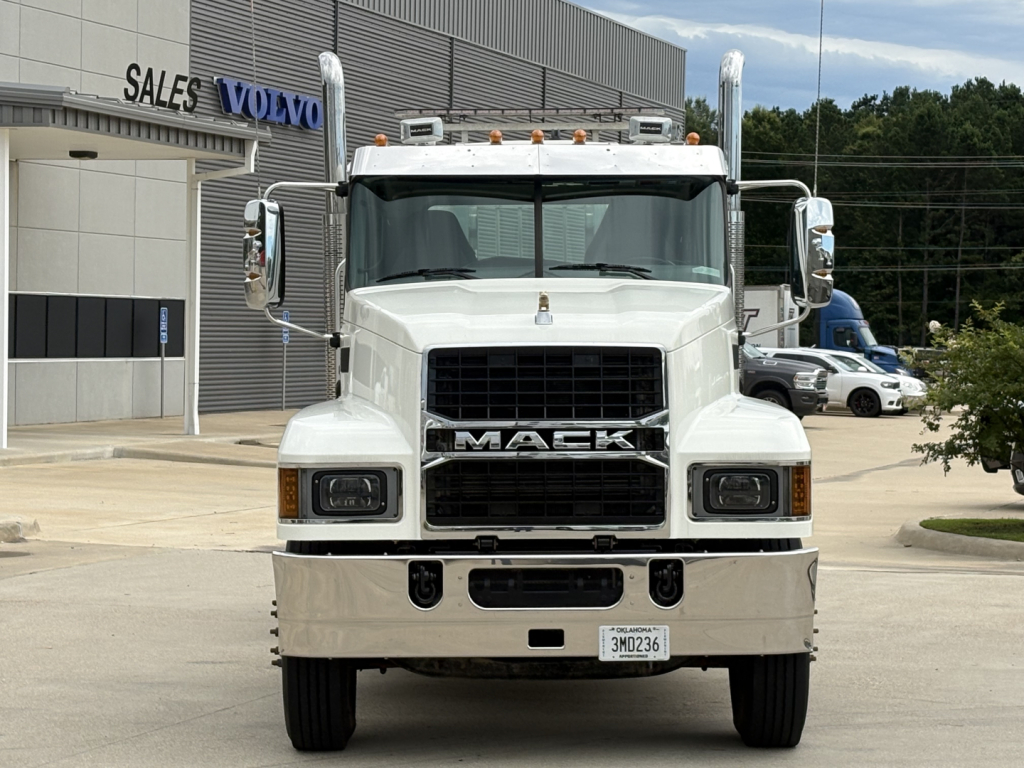
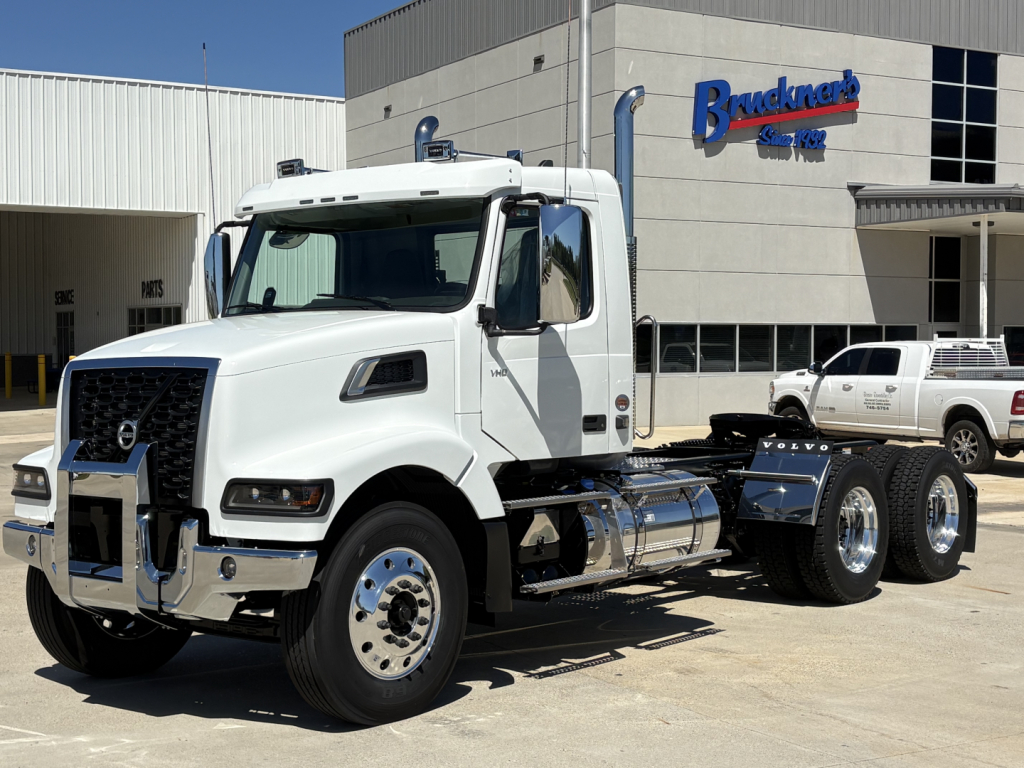
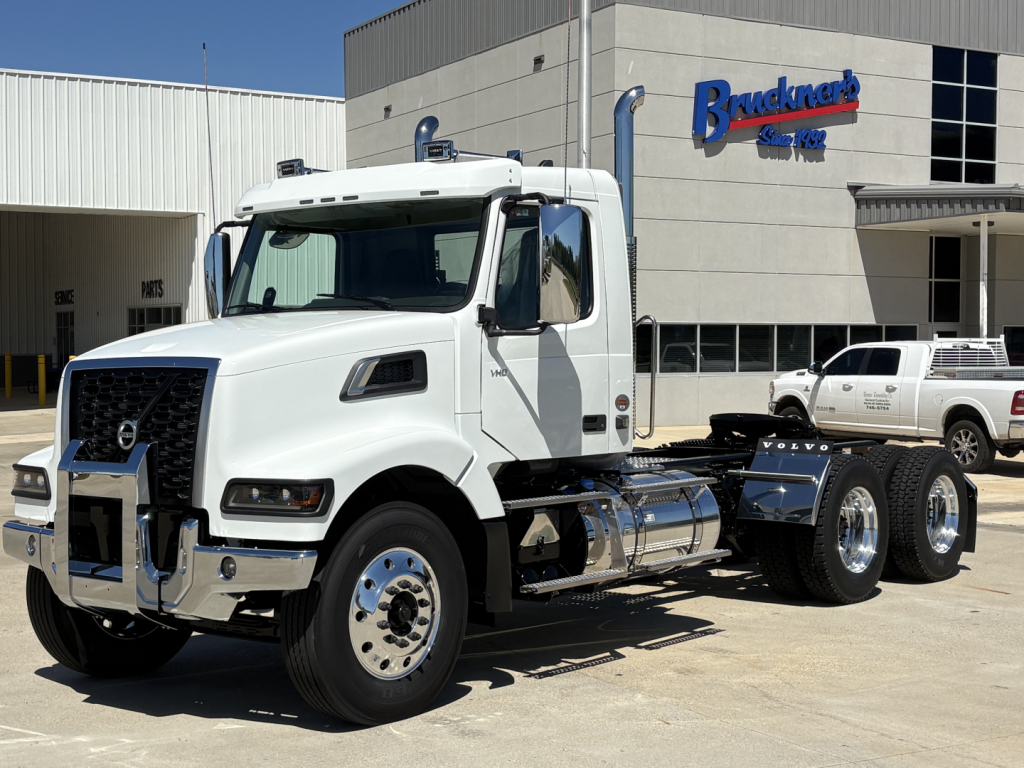
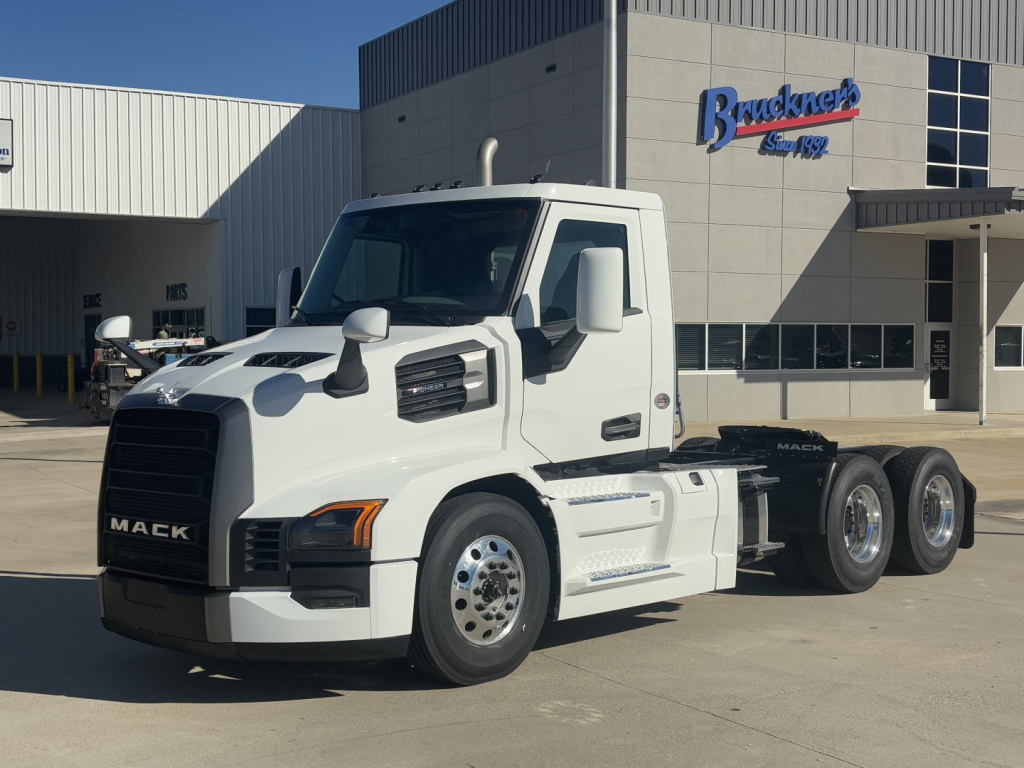
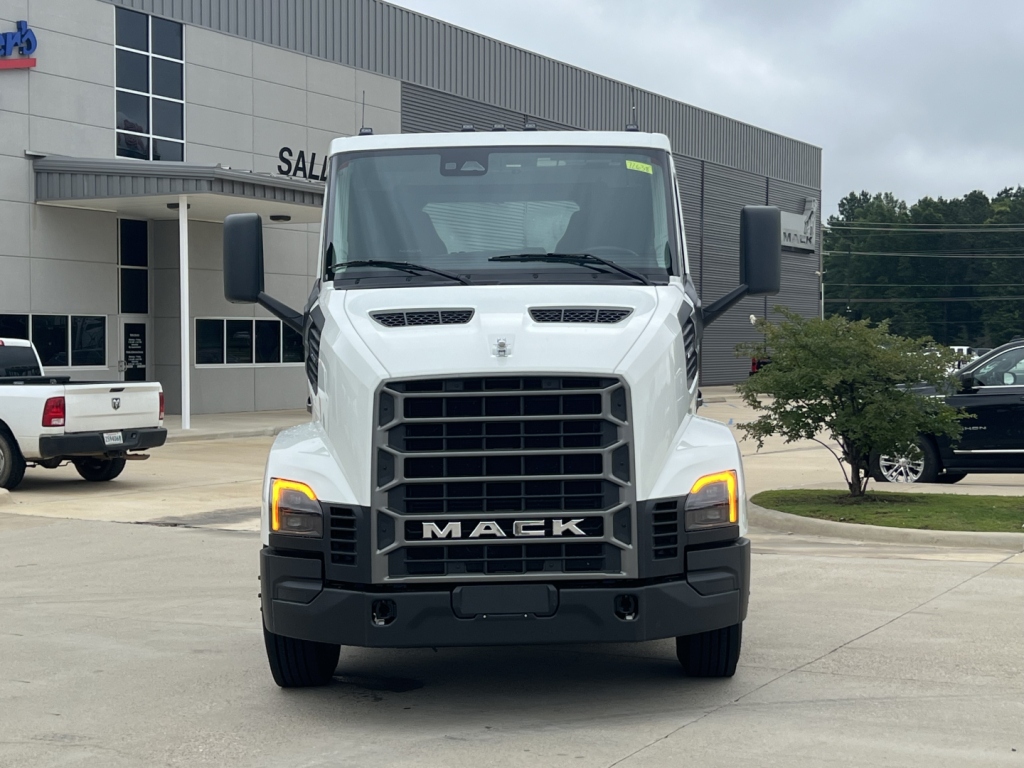
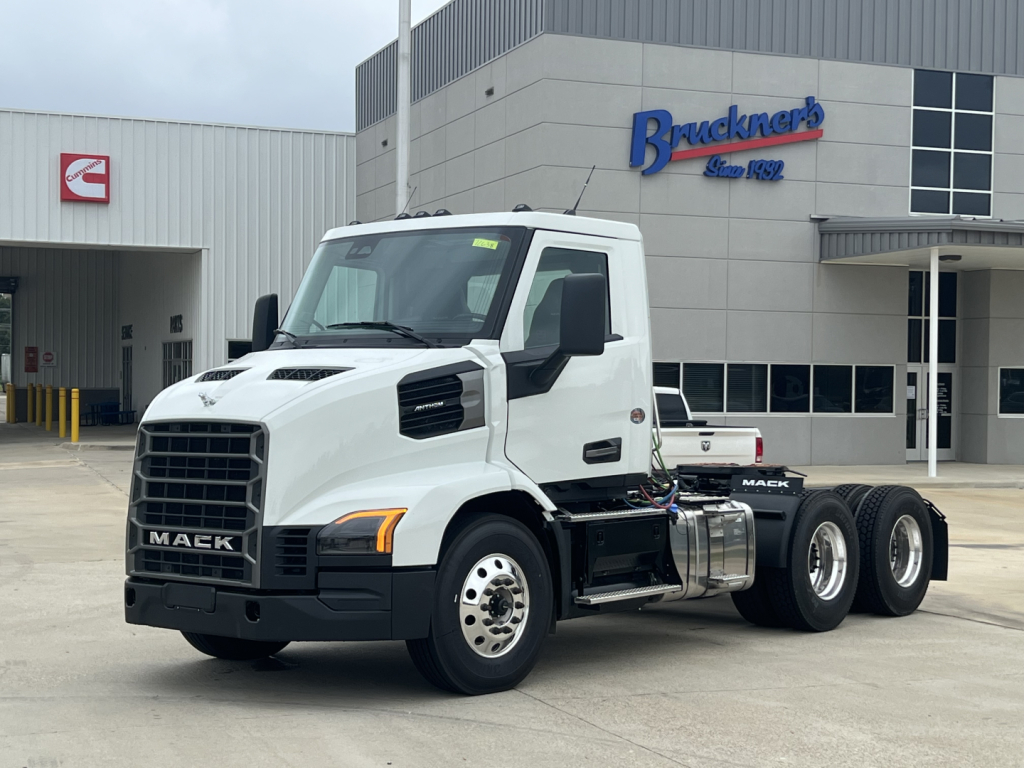
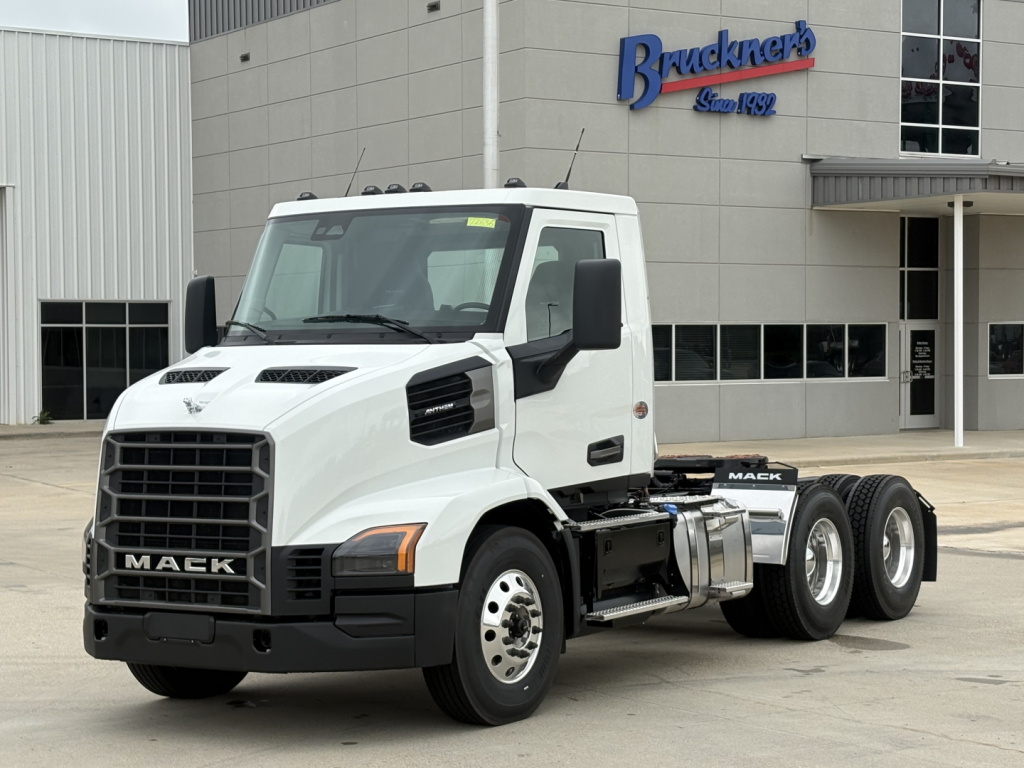


Selling a new conventional daycab truck? List your new conventional daycab truck for sale and reach thousands of commercial buyers.
New Conventional Daycab Trucks in Louisiana
The biggest buying decision is usually the truck’s intended duty cycle. A highway-oriented daycab for regional freight is typically spec’d differently than a severe-duty conventional tractor working in the woods or pulling heavy end-dumps. Common configurations include 6x4 tandem drive setups, wheelbases around the low-200-inch range depending on body and trailer needs, and engines in the 400 to 500-plus horsepower range. Buyers should pay close attention to torque output, rear axle ratings, suspension type, frame strength, and axle ratio. In Louisiana applications, it is common to see heavy front axles, 46,000-lb rears, full lockers, air ride suspensions for ride quality, and automated manual transmissions such as Volvo I-Shift HD or Mack mDRIVE for easier operation in mixed terrain and stop-and-go work.
Spec details make a real difference in cost per mile and suitability. For trailer work, look at fifth wheel height, sliding versus fixed fifth wheel, PTO requirements, and fuel capacity. For logging, dump, and severe-service use, buyers often prioritize high ground clearance, vocational bumpers, dual vertical exhaust, heavy-duty cooling, all-wheel disc or drum brake preference, and durable interior trim that stands up to mud and repeated entry-exit cycles. Cab comfort still matters in a daycab. Air ride seats, good HVAC performance, driver-assist features, and a quiet cab help reduce fatigue on long local days. New trucks also bring emissions-system updates, warranty coverage, and the advantage of ordering a spec that matches the route and payload instead of adapting to someone else’s compromises.
A good conventional daycab should be matched to the trailer, terrain, and average gross combination weight, not just the engine badge. Buyers in Louisiana should think about bridge law, road conditions, turning space at mills and plants, corrosion exposure in coastal and industrial areas, and service support for the engine and transmission platform they choose. The right spec can improve maneuverability, payload efficiency, driver acceptance, and resale value, especially when axle ratings, suspension, and gearing are aligned with the actual work the truck will do every day.
Frequently Asked Questions about New Conventional Daycab Trucks in Louisiana
What is a conventional daycab truck?
A conventional daycab truck is a full-size tractor with a hooded engine design and no sleeper compartment behind the seats. It is used for local, regional, vocational, and return-to-home routes where overnight accommodations are not needed. Compared with sleeper tractors, daycabs are typically lighter, shorter overall, and easier to maneuver in yards, terminals, plants, and jobsites.
What specs matter most when buying a new conventional daycab in Louisiana?
The most important specs are engine horsepower and torque, transmission type, front and rear axle ratings, suspension, wheelbase, axle ratio, and intended gross combination weight. In Louisiana, buyers also need to consider the truck’s use in logging, port drayage, construction, dump, or regional highway service. Heavy front axles, 46,000-lb tandem rears, locking differentials, durable vocational frames, and automated manual transmissions are common when the truck will work in soft ground, tight access points, or frequent stop-and-go conditions.
Is an automated manual transmission a good choice for a daycab truck?
For many fleets and owner-operators, yes. Automated manual transmissions such as heavy-duty 12-speed units can improve driver consistency, reduce clutch wear, and make the truck easier to operate in traffic, on jobsites, and in mixed on-road and off-road service. The best choice still depends on the application. Some buyers prefer manual transmissions for highly specialized work, but AMTs are now common in both regional and vocational daycab specs.
How do I choose between a regional daycab and a severe-duty vocational daycab?
Start with the truck’s actual daily work. A regional daycab hauling van, reefer, or flatbed freight on paved routes may prioritize fuel economy, lower curb weight, and highway gearing. A severe-duty vocational daycab for logging, dump, or heavy haul work usually needs heavier axle ratings, stronger frame rails, locking rears, more aggressive gearing, and drivetrain components designed for rough terrain and repeated heavy starts. Buying too light reduces durability. Buying too heavy can add unnecessary cost and weight.
Why do wheelbase and axle ratio matter on a conventional daycab?
Wheelbase affects maneuverability, trailer swing clearance, bridge compliance, and how the truck carries weight across the axles. Axle ratio affects startability, grade performance, cruise rpm, and fuel economy. A shorter wheelbase is often preferred for tight sites and local work, while the right axle ratio depends on tire size, transmission, engine torque curve, and the weight being pulled. These two specs should be chosen together because they directly influence how the truck performs in real operating conditions.