
New Volvo Conventional Daycab Trucks For Sale
Shop new Volvo conventional daycab trucks with D13 power, I-Shift transmissions, tandem axles, and fuel-efficient specs for regional haul.
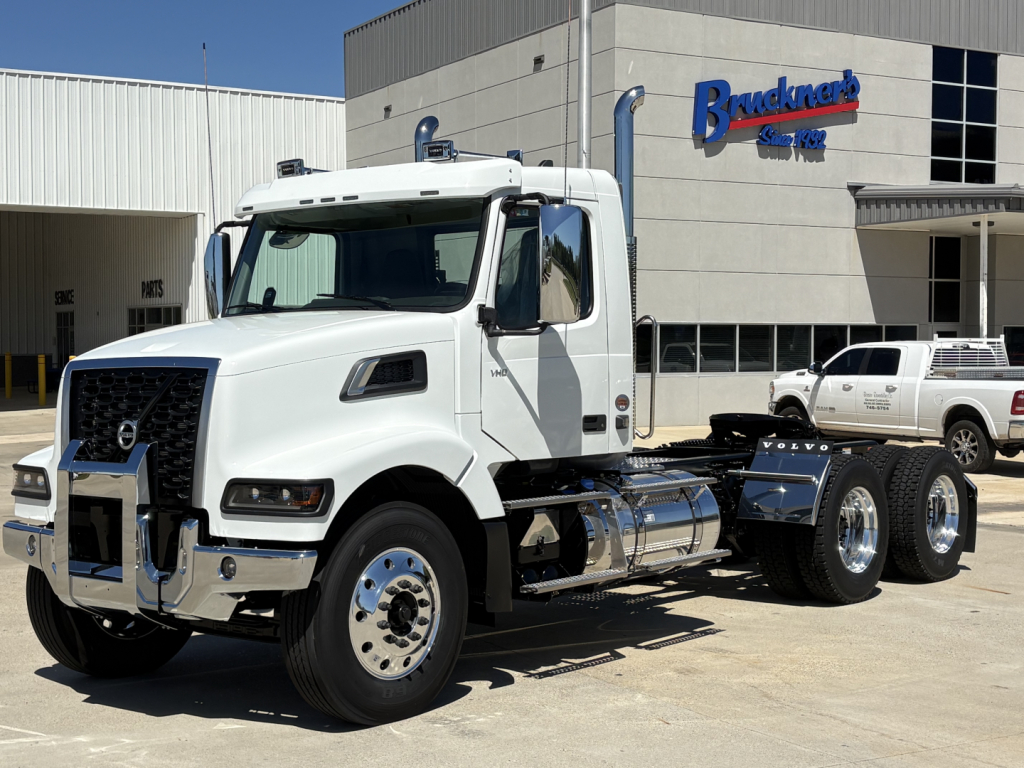
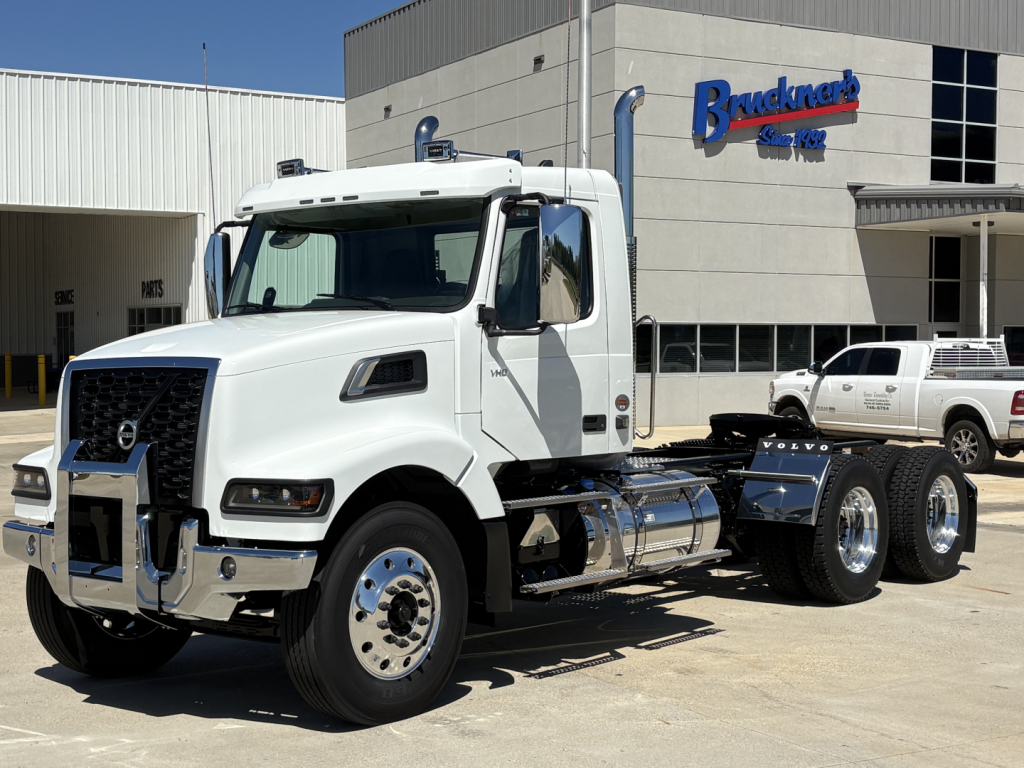
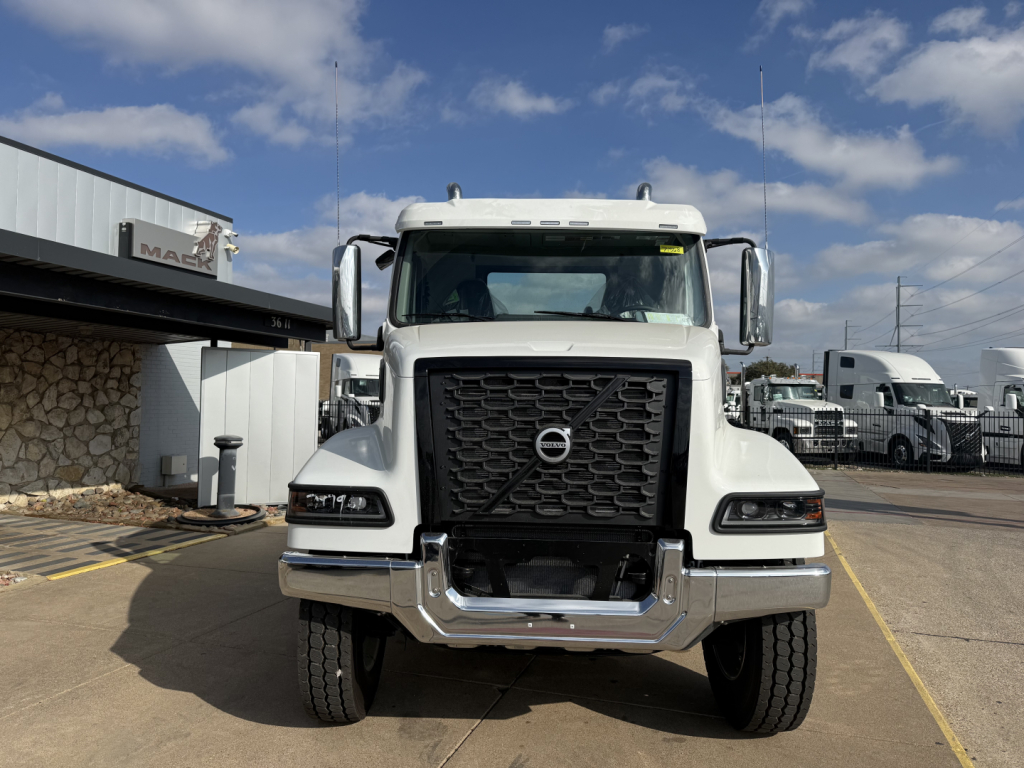
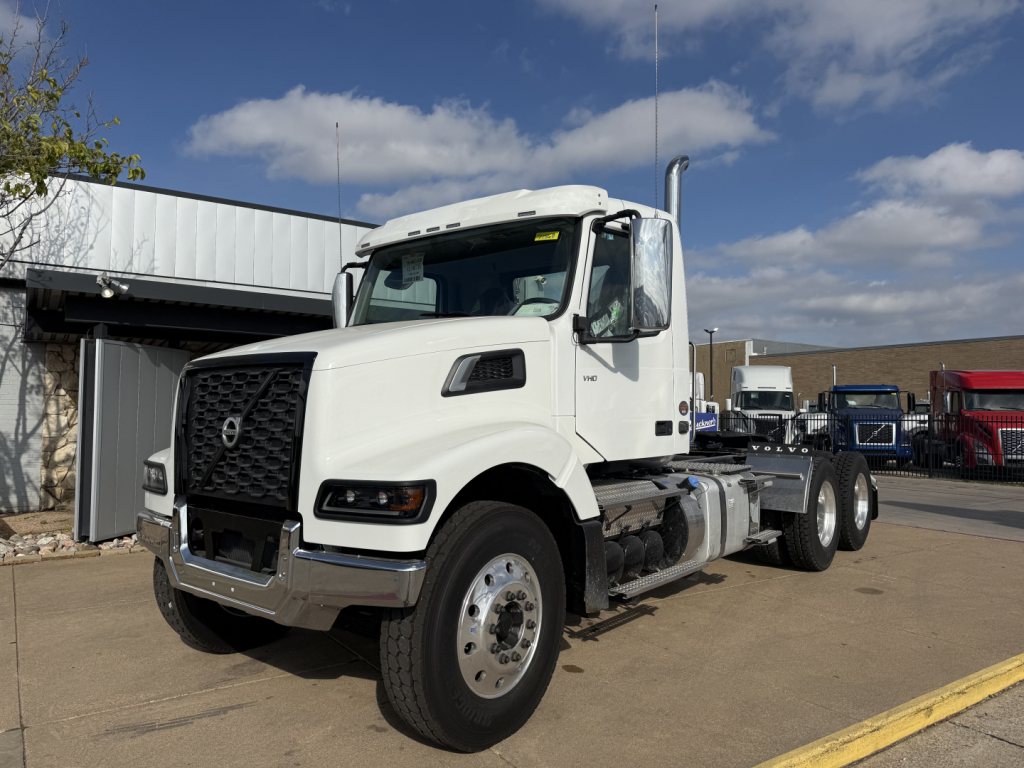
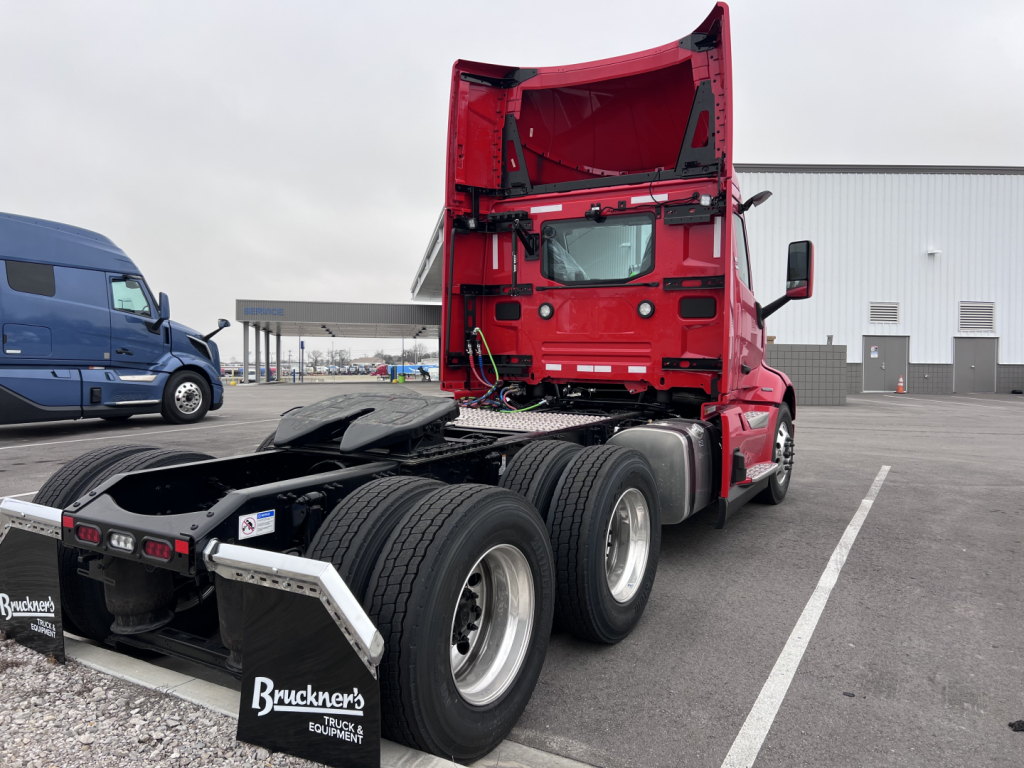
Selling a new volvo conventional daycab truck? List your new volvo conventional daycab truck for sale and reach thousands of commercial buyers.
New Volvo Conventional Daycab Trucks
For most buyers, the key spec decision starts with engine, transmission, and rear ratio. New Volvo daycabs are commonly equipped with the Volvo D13 or D13TC engine, often in the 425 to 500 horsepower range, paired with the Volvo I-Shift automated manual transmission in 12-speed or 13-speed versions. Fuel-economy builds often use faster rear axle ratios such as 2.47 or 2.64 for linehaul and regional highway work, while heavier applications may move to ratios like 3.36 for improved startability and grade performance. Tandem rear axles rated around 40,000 pounds and front axles in the 12,500 to 14,780 pound range are common, so it is important to match axle ratings, suspension type, and wheelbase to the trailer set and payload you expect to pull.
Wheelbase, tank layout, and suspension spec matter more on a daycab than many buyers expect. A wheelbase in the mid-170 inch range is common for agile regional tractors, while longer wheelbases can better accommodate larger fuel capacity, axle placement requirements, and PTO or vocational upfit needs. Air ride rear suspension is popular for highway comfort and freight protection, and front suspension choice can affect ride quality, steer axle capacity, and intended duty cycle. Many new Volvo conventional daycab trucks are also spec'd with disc brakes, aluminum fuel tanks, aerodynamic trim, and low-rolling-resistance tires to support uptime and operating cost control.
Volvo daycabs are especially attractive to fleets focused on driver retention, safety systems, and predictable maintenance planning. The cab layout is designed for frequent entry and exit, good visibility, and a quieter work environment than many buyers expect from a daycab tractor. When comparing listings, pay close attention to exact model family, horsepower, transmission calibration, rear axle ratio, wheelbase, fuel capacity, and brake spec. Those details determine whether a truck is best suited for fuel-efficient regional van freight, heavy tanker pulls, local container work, or more demanding vocational tractor service.
Frequently Asked Questions about New Volvo Conventional Daycab Trucks
What is the difference between a Volvo VNL daycab and a Volvo VHD daycab?
A Volvo VNL daycab is typically spec'd for highway and regional hauling, with a stronger focus on aerodynamics, fuel economy, and on-road ride quality. A Volvo VHD daycab is usually aimed at heavier-duty or vocational applications such as dump, mixer, severe-service tractor, or other demanding work where chassis strength, axle options, and jobsite durability matter more than aerodynamic efficiency. Buyers should choose based on duty cycle, trailer type, terrain, and payload, not just cab style.
What horsepower range is common in new Volvo conventional daycab trucks?
Many new Volvo conventional daycab trucks are equipped in the 425 to 500 horsepower range, most commonly with Volvo D13 or D13TC engines. Lower horsepower ratings often fit fuel-conscious regional applications, while higher horsepower specs are more common for heavier gross weights, mountain terrain, tanker service, or fleets that prioritize stronger acceleration. The right rating depends on gross combination weight, average speed, rear ratio, and route profile.
Why does rear axle ratio matter so much on a Volvo daycab?
Rear axle ratio affects fuel economy, startability, cruising RPM, and how the truck feels under load. Ratios like 2.47 or 2.64 are often chosen for highway-oriented regional work because they help keep engine speed down and improve fuel efficiency. A ratio such as 3.36 is more suitable for heavier or more vocational applications where low-speed pulling power and gradeability are more important. Buyers should evaluate the ratio together with tire size, transmission gearing, and expected payload.
What wheelbase should a buyer look for in a Volvo conventional daycab?
The best wheelbase depends on trailer swing clearance, bridge law considerations, fuel capacity, axle spread needs, and intended operating environment. Shorter wheelbases, often around the mid-170 inch range, improve maneuverability for city and terminal work. Longer wheelbases can provide better packaging for larger tanks, PTO equipment, or specialized tractor setups, but they may be less agile in tight spaces. Wheelbase should always be matched to trailer dimensions and axle placement requirements.
Are Volvo I-Shift transmissions a good fit for daycab operations?
Yes. The Volvo I-Shift is widely used in daycab applications because it supports consistent shifting, helps reduce driver fatigue in stop-and-go service, and can improve fuel economy when properly spec'd. It is a strong fit for regional haul, local delivery, and dedicated freight where multiple drivers may operate the same tractor. Buyers should still confirm the transmission version, software calibration, and gearing package because those factors affect launch performance, drivability, and application suitability.