
New 2027 Volvo Conventional Daycab Trucks For Sale
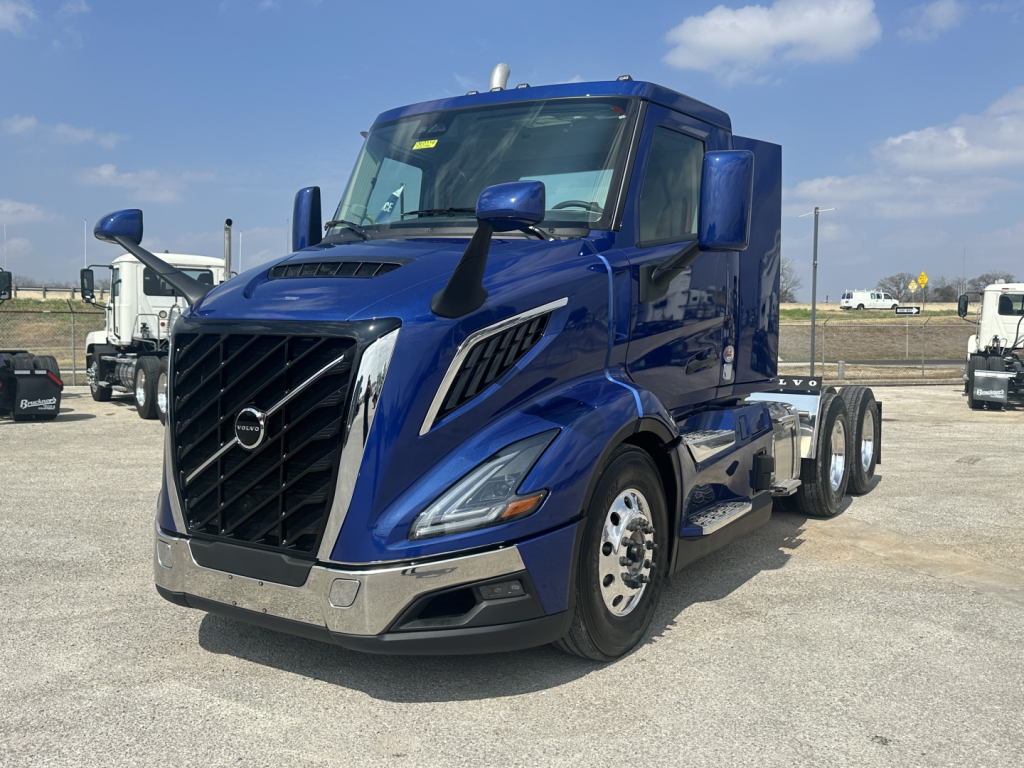
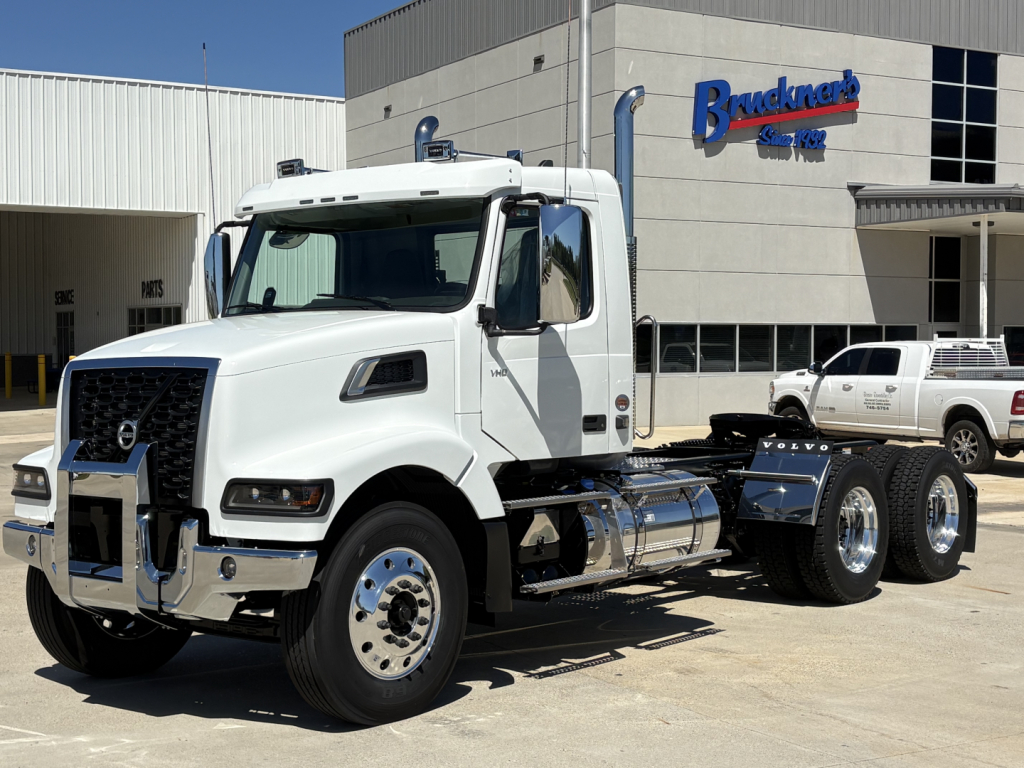
Have new 2027 volvo conventional daycab truck to sell? List it here to reach thousands of buyers.
New 2027 Volvo Conventional Daycab Trucks
Frequently Asked Questions about New 2027 Volvo Conventional Daycab Trucks
What is the difference between a Volvo VNR, VNL, and VHD daycab?
The VNR daycab is generally aimed at regional haul, metro distribution, and routes that benefit from a shorter BBC and tighter turning. The VNL daycab is more highway-oriented and is commonly spec'd for linehaul, dedicated freight, and fleet operations where fuel economy and driver comfort are priorities. The VHD daycab is Volvo’s vocational and heavy-duty platform, typically used for severe-service or heavier applications that require higher axle ratings, tougher frame specs, and components suited for construction, dump, heavy tractor, or other demanding work.
What engines and transmissions are common in new Volvo conventional daycab trucks?
A common engine choice is the Volvo D13, often rated around 425 to 500 horsepower depending on the application. Regional and highway tractors may be spec'd for fuel economy with lower horsepower and optimized torque curves, while vocational and heavy-haul setups often move toward higher horsepower and torque ratings. Volvo’s I-Shift automated manual transmission is one of the most common transmission choices in this category, including heavy-duty and vocational calibrations for stop-and-go work, grade management, and jobsite operation.
What axle ratings should buyers look for in a Volvo daycab?
Axle ratings should match the work, not just the gross vehicle weight target. A regional freight daycab may carry a 12,000 to 12,500 lb front axle and 40,000 lb rears, while a heavier vocational Volvo VHD can be spec'd with a 14,600 lb or heavier steer axle and 40,000 to 46,000 lb rear axles. Buyers should also check suspension type, locking differentials, wheelbase, and rear axle ratio because those details affect traction, bridge compliance, payload distribution, and how well the truck fits a specific body, trailer, or route profile.
Are Volvo daycab trucks a good fit for local and regional fleet use?
Yes. Volvo daycab tractors are widely used in local and regional operations because they combine good visibility, strong safety systems, and driver-friendly controls with a cab layout that is easier to get in and out of during frequent stops. Fleet buyers often focus on fuel efficiency, uptime support, automated transmissions, and telematics integration. For operations with slip-seat drivers or dense daily dispatch schedules, the daycab layout also reduces unnecessary weight and can simplify maintenance compared with sleeper-equipped tractors.
What should buyers compare when shopping new 2027 Volvo daycabs?
The most important comparisons are model family, engine rating, transmission calibration, axle capacities, wheelbase, rear axle ratio, suspension, and brake package. Buyers should also look at PTO readiness, frame reinforcement, fuel tank capacity, and cab equipment if the truck will be used in vocational service. For highway and regional work, aerodynamic spec, tire package, and powertrain efficiency settings deserve close attention. For heavy-duty applications, front axle capacity, full lockers, ground clearance, and durability-focused chassis specs usually matter more than pure fuel economy.