
New Volvo Conventional Daycab Trucks For Sale in Texas
Have new volvo conventional daycab truck to sell? List it here to reach thousands of buyers.
New Volvo Conventional Daycab Trucks in Texas
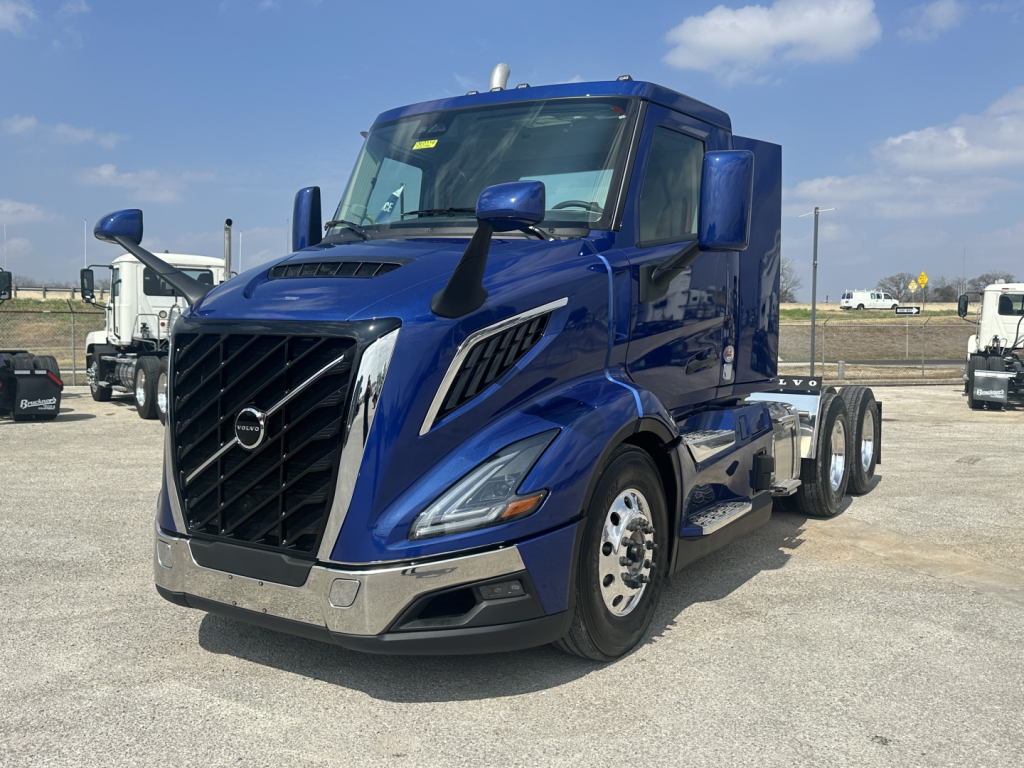
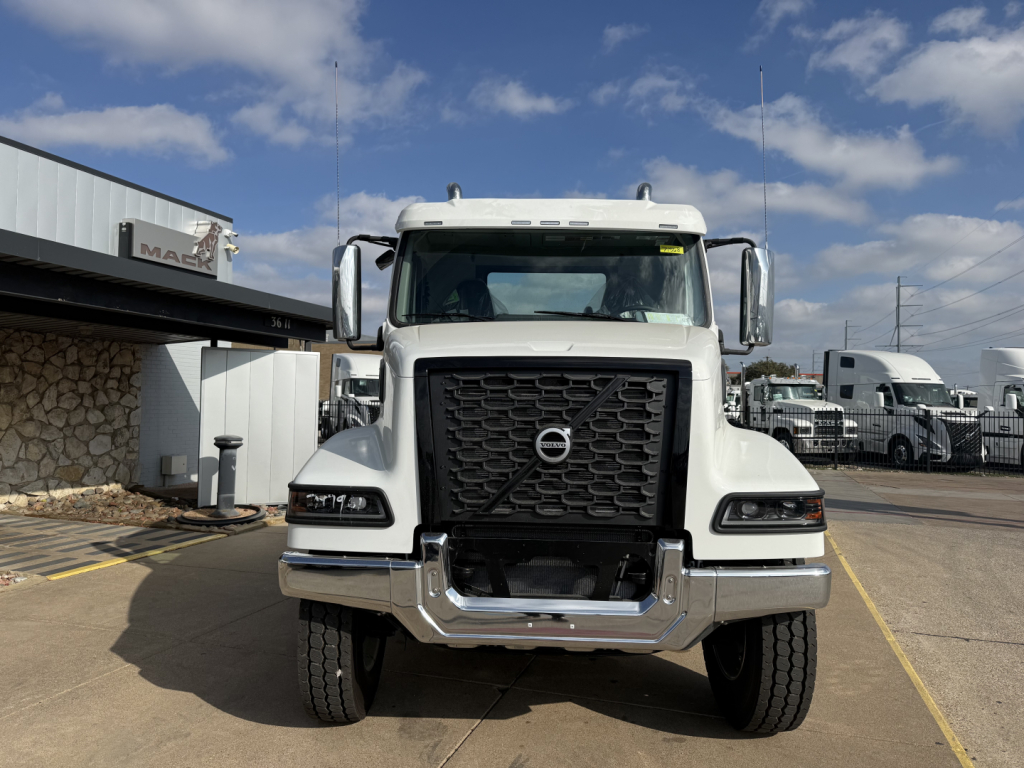
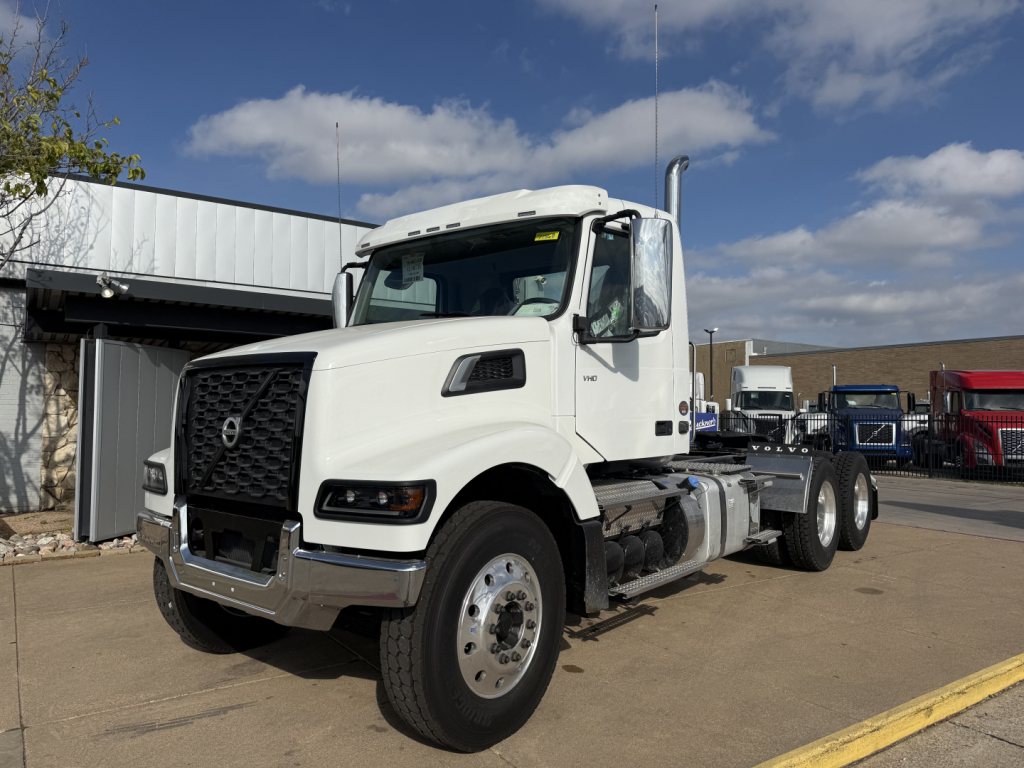
A buyer comparing Volvo daycab models should start with axle configuration and intended load profile. Common setups include 6x4 tandems for tractor and vocational use, with wheelbase, fifth-wheel placement, and suspension spec all affecting bridge law compliance, turning radius, and trailer compatibility. Volvo VNR daycabs are typically selected for fuel-conscious regional work, with aerodynamic styling, automated manual transmission options, and driver-assistance technology that supports frequent stop-and-go operations. Volvo VHD daycabs are aimed more at severe-service applications and are often spec'd with heavier front axles, tougher vocational suspensions, PTO capability, and frame layouts designed for body builders and equipment integration.
Powertrain selection matters as much as the cab style. Many new Volvo conventional daycabs are spec'd with Volvo integrated drivetrains, pairing Volvo diesel engines with the I-Shift automated manual transmission for smoother low-speed control, reduced driver fatigue, and consistent fuel economy across mixed routes. Buyers in Texas often pay close attention to horsepower and torque ratings, rear axle ratios, and cooling package capacity, especially when the truck will see high ambient temperatures, long idle periods, or heavy PTO use. Other common spec decisions include air-ride versus spring suspension, aluminum versus steel wheels, fuel tank sizing, and brake package options such as drum or disc depending on maintenance preference and duty cycle.
Cab and chassis details are what separate a workable daycab from a truck that fits the job correctly. Look closely at visibility around the hood and mirrors, interior storage, seat trim, switch layout, and telematics capability if the truck will be part of a managed fleet. For vocational buyers, body clearance, back-of-cab space, frame rail dimensions, lift axle planning, and PTO drivability are all worth confirming before purchase. Volvo daycab trucks are also known for a driver-friendly cab environment, which can help with retention in local and regional fleets where drivers spend full shifts in and out of the cab. A well-matched Volvo conventional daycab should be judged on route type, payload, upfit needs, and total operating cost rather than badge or horsepower alone.
Frequently Asked Questions about New Volvo Conventional Daycab Trucks in Texas
What is the difference between a Volvo VNR daycab and a Volvo VHD daycab?
A Volvo VNR daycab is generally built for regional and highway-focused work where fuel economy, aerodynamics, and maneuverability are priorities. A Volvo VHD daycab is designed for heavier vocational service, with specifications that often support stronger front axles, reinforced frames, PTO operation, and more demanding jobsite conditions. The right choice depends on trailer type, terrain, payload, and how much off-road or severe-duty use the truck will see.
Is a daycab a good choice for Texas trucking operations?
A daycab is a strong fit for many Texas fleets because a large share of work is regional, local, port, energy, construction, and distribution based. When routes return the driver to the terminal or home base daily, a sleeper adds cost and weight without much benefit. A daycab can improve maneuverability, reduce empty weight, and simplify application-specific chassis layouts for tractors and vocational builds.
What specs should buyers focus on when shopping for a new Volvo conventional daycab?
The most important specs are axle configuration, wheelbase, engine and torque rating, transmission, rear axle ratio, suspension type, and frame design. Buyers should also verify fifth-wheel position for tractor use or body-builder compatibility for vocational use. In hot-weather and heavy-duty applications, cooling capacity, PTO readiness, and front axle rating are especially important because they affect durability and operating performance.
Are Volvo daycab trucks commonly available with automated manual transmissions?
Yes. Many new Volvo daycab trucks are ordered with the Volvo I-Shift automated manual transmission. This transmission is popular because it improves consistency across drivers, reduces clutch-related fatigue in stop-and-go service, and can help fuel economy when matched correctly to the engine and rear axle ratio. It is widely used in both regional tractor and vocational daycab applications.
What applications are common for new Volvo conventional daycab trucks?
Common applications include regional freight, local delivery, drayage, tanker, flatbed, construction support, dump, mixer, and other short-haul or vocational work. The VNR is more common in regional tractor service, while the VHD is often chosen for severe-service or body-upfit roles. Matching the truck to the application is critical because cab style alone does not determine whether the chassis, axles, and drivetrain are suitable for the work.