
New Conventional Daycab Trucks For Sale in Texas
Shop new conventional daycab trucks in Texas. Compare specs, axle ratings, wheelbases, engines, and vocational or regional haul setups.
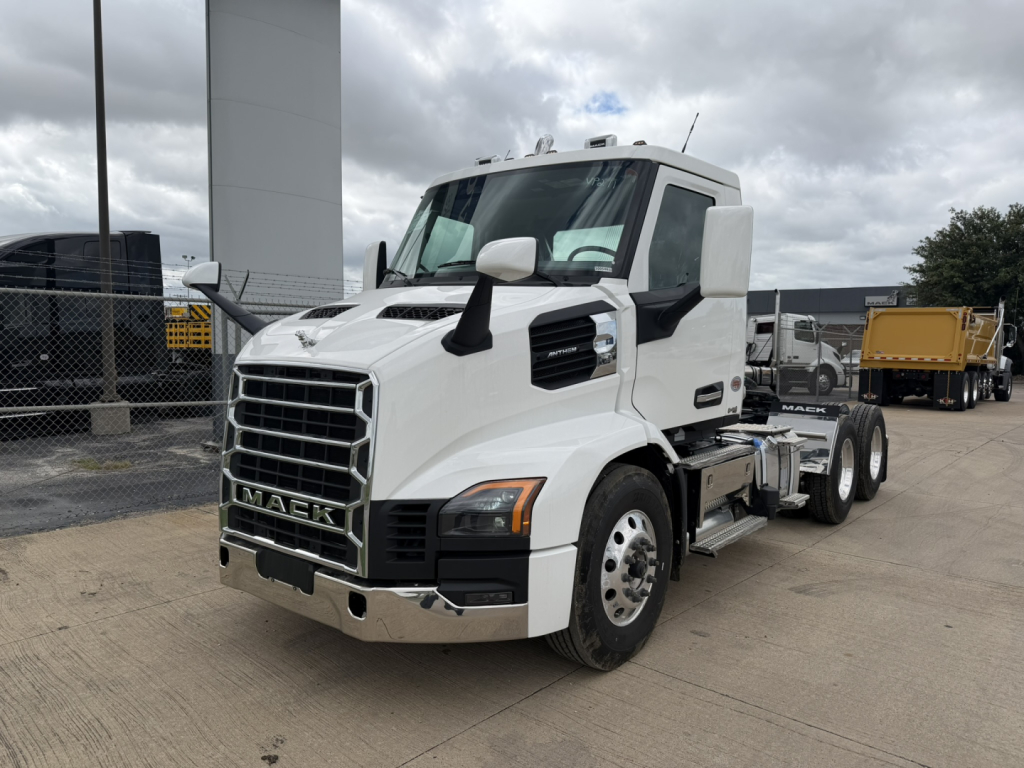
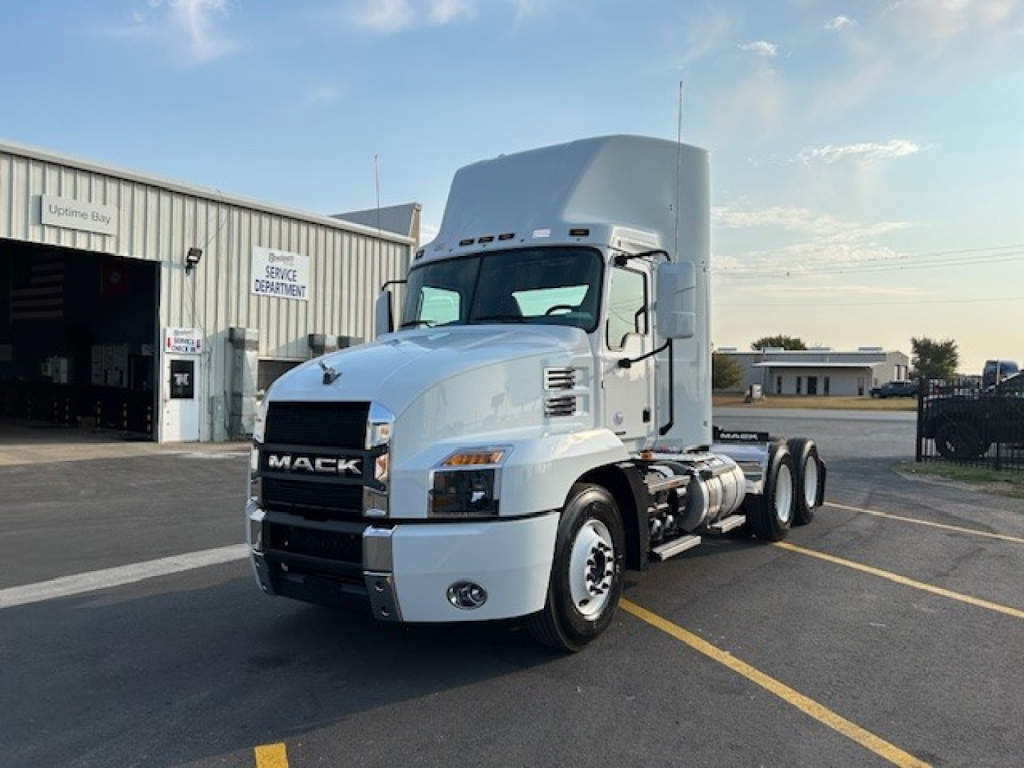
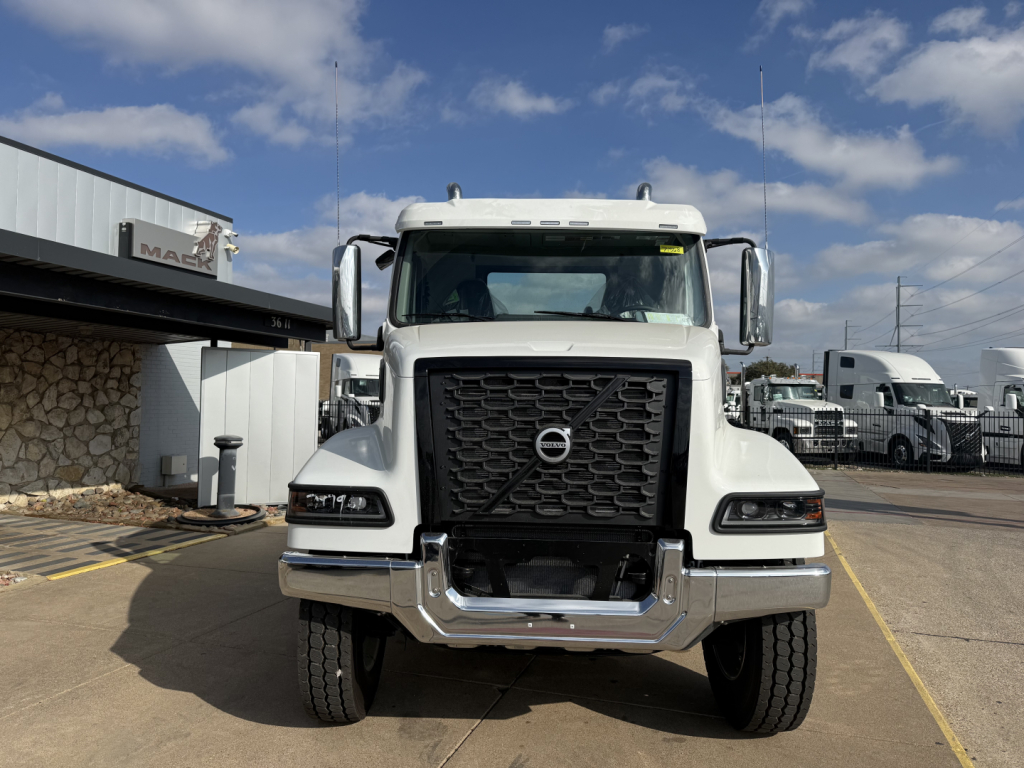
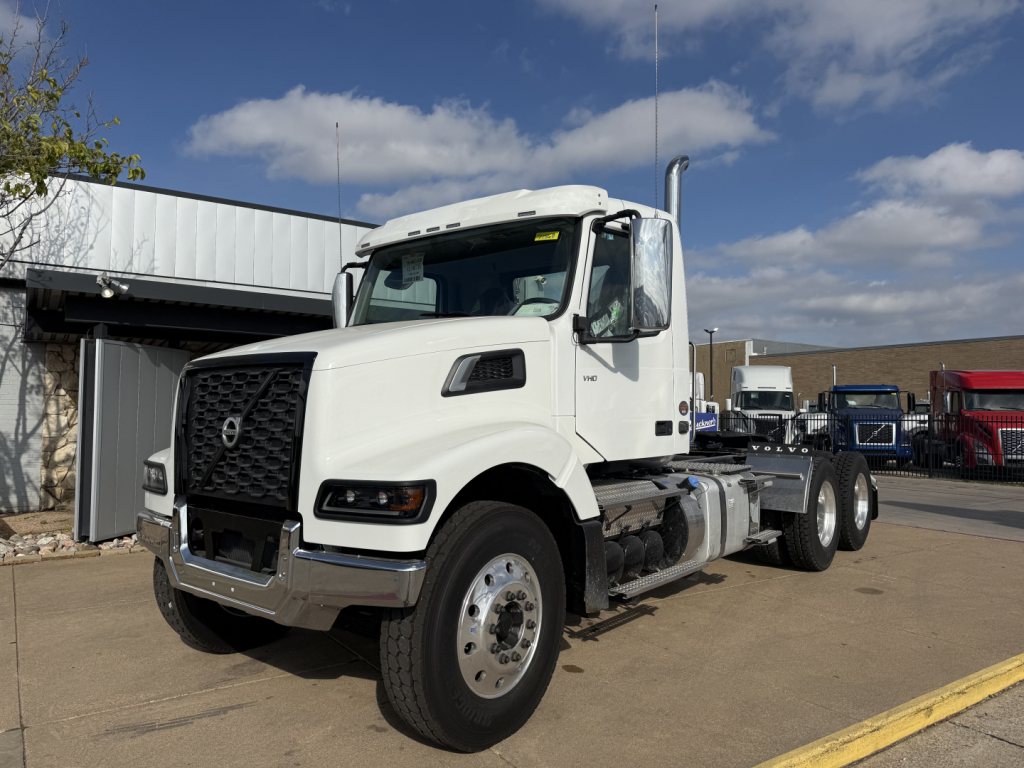
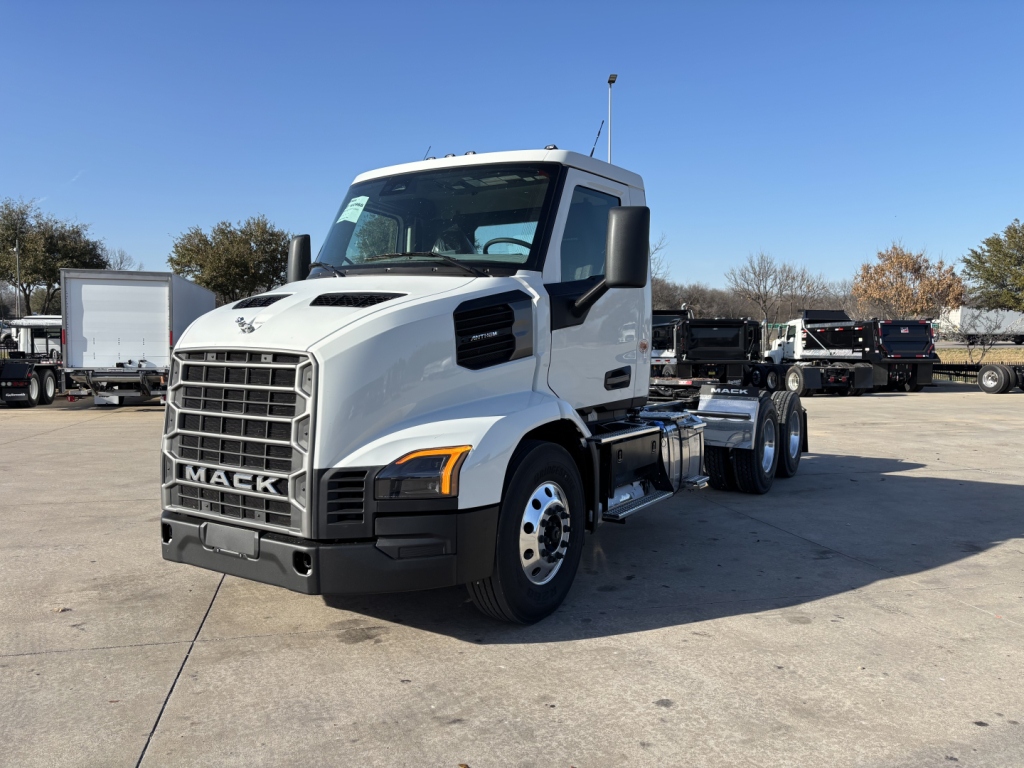
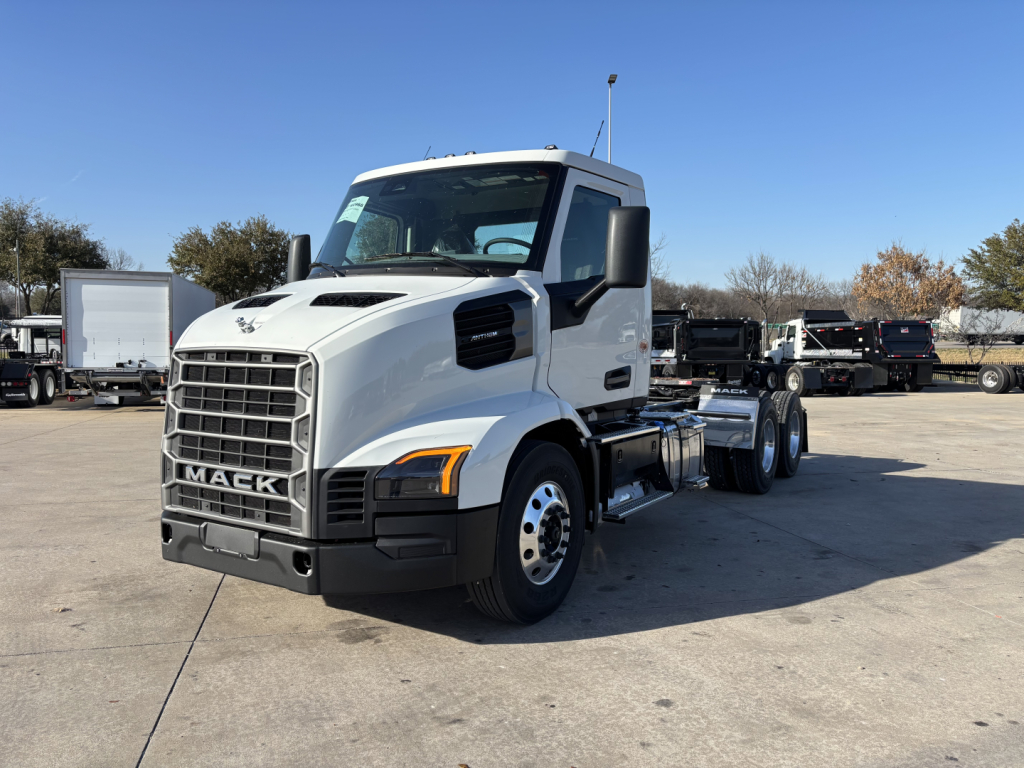
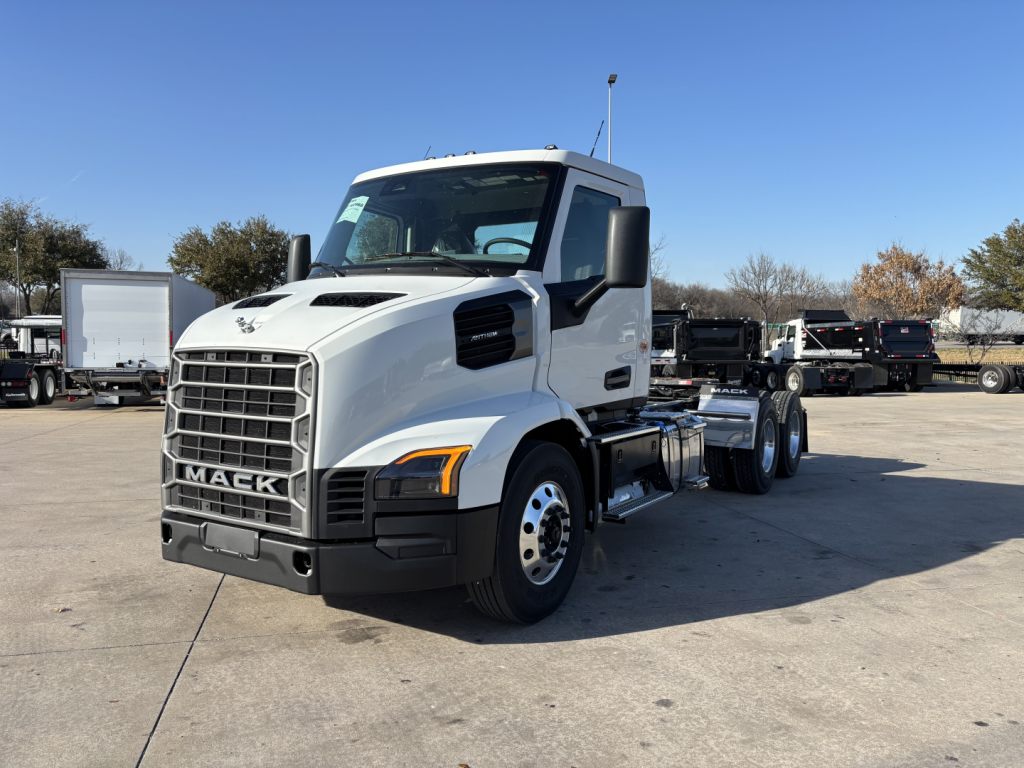
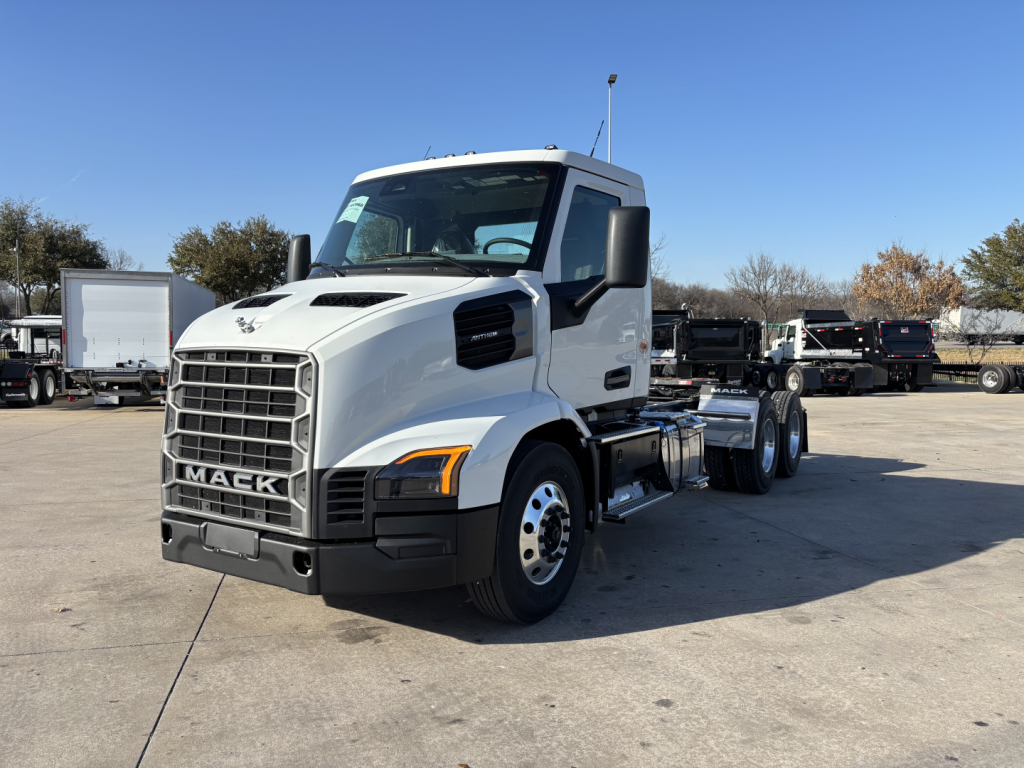
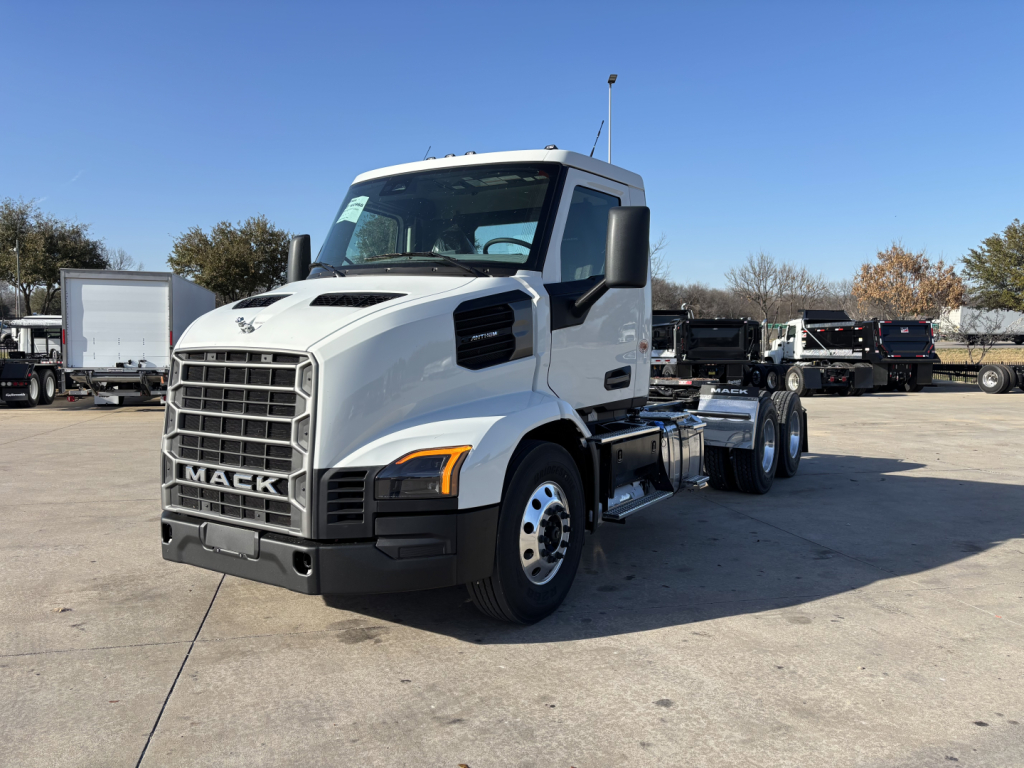
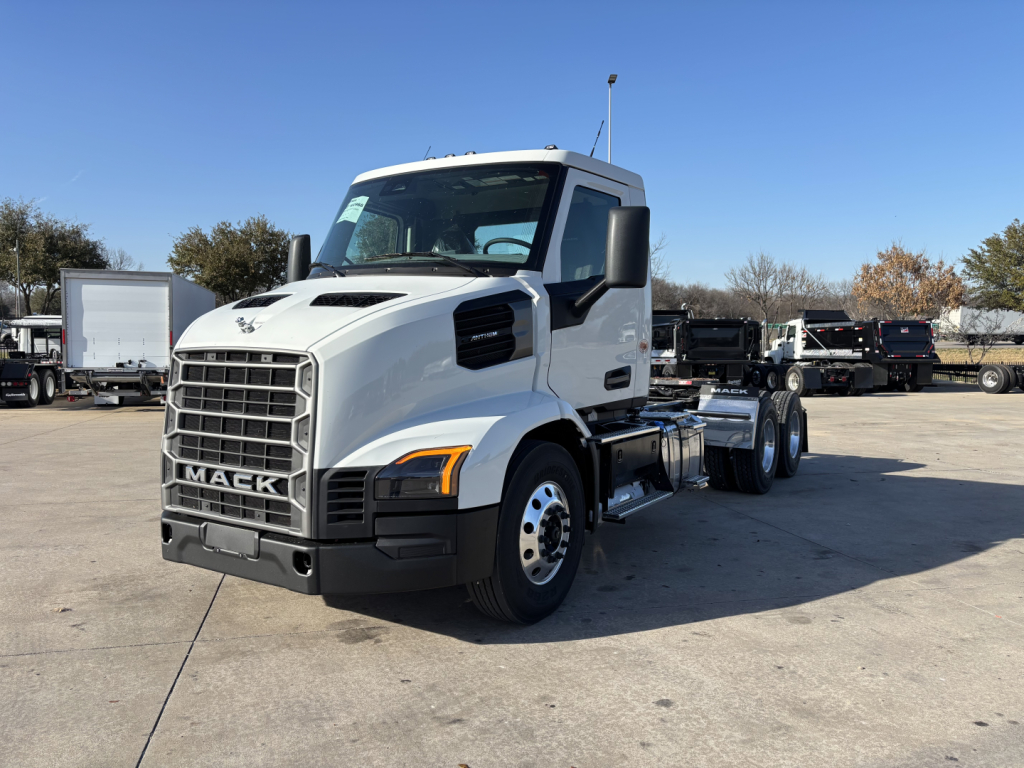
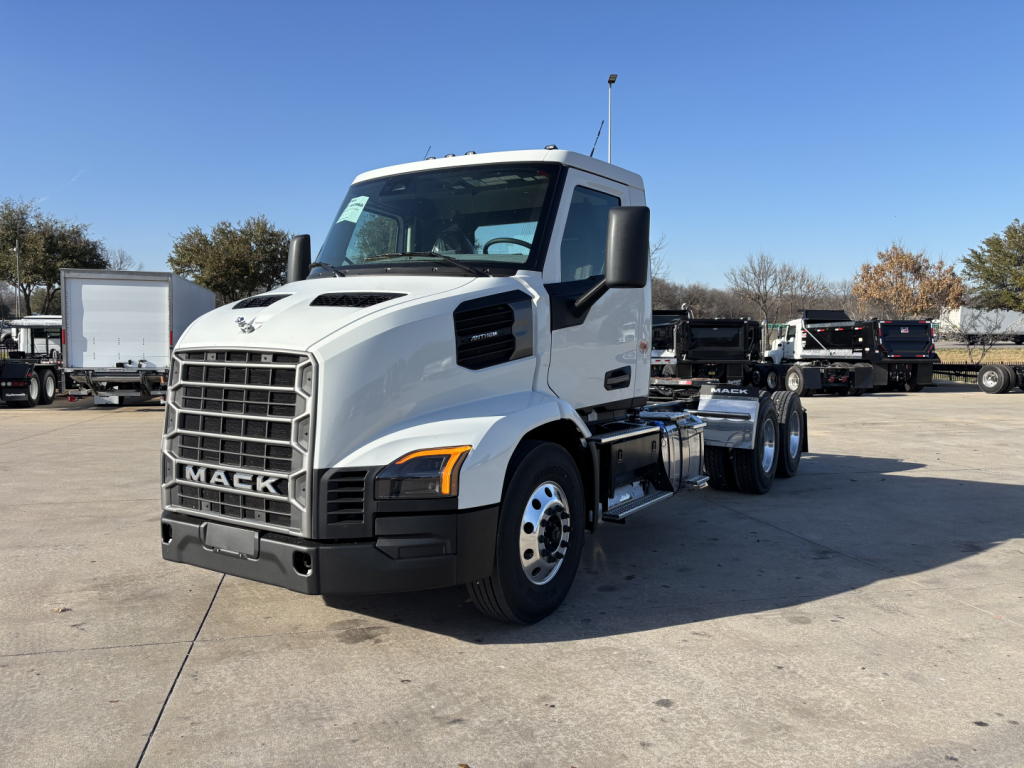
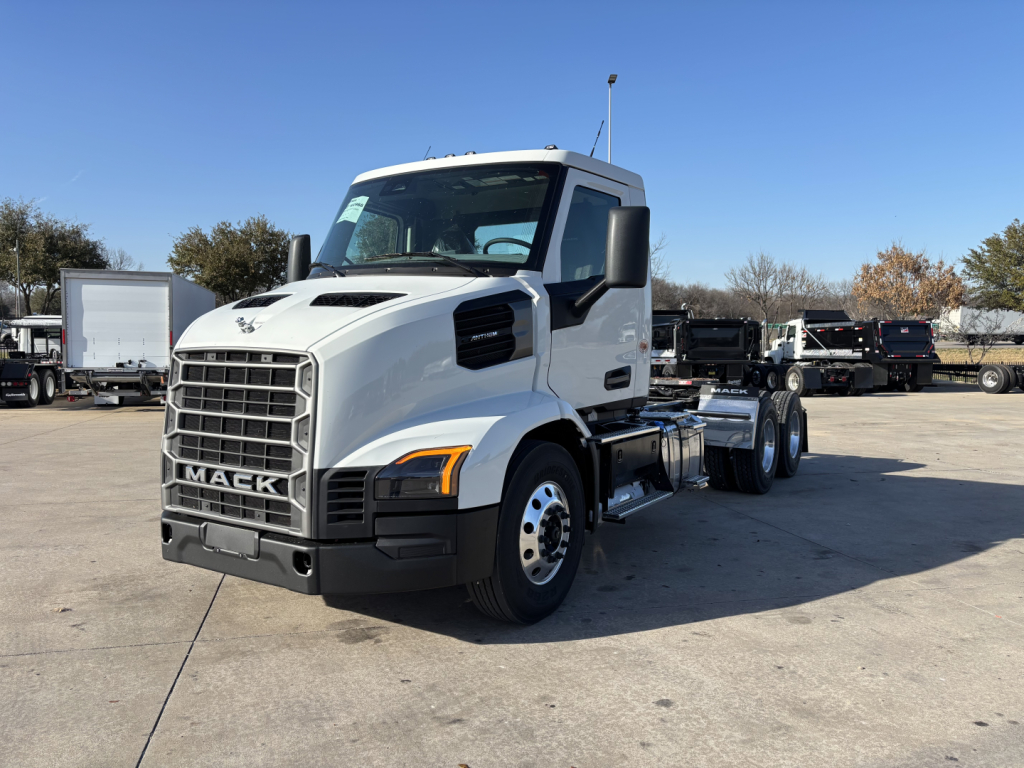
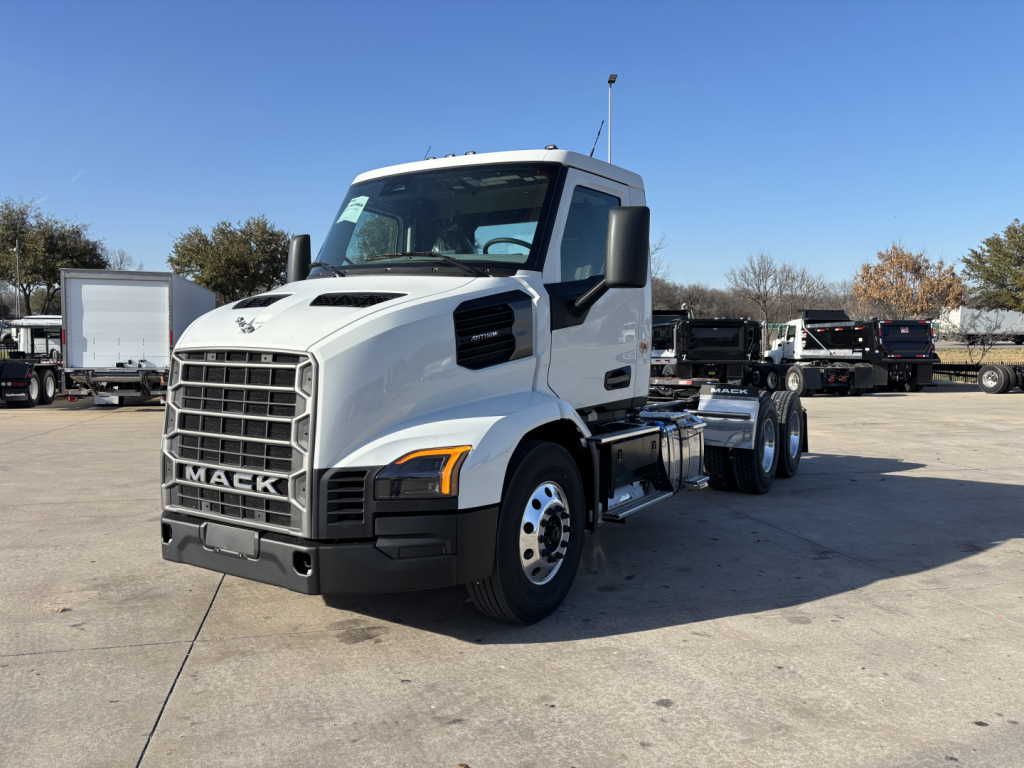
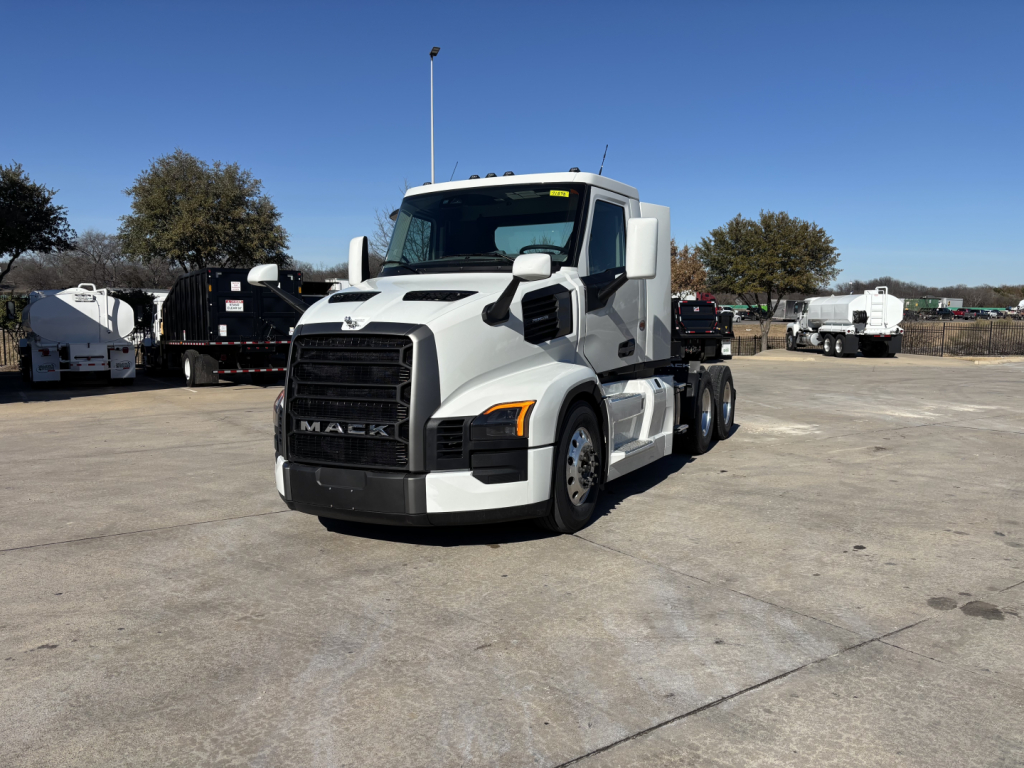
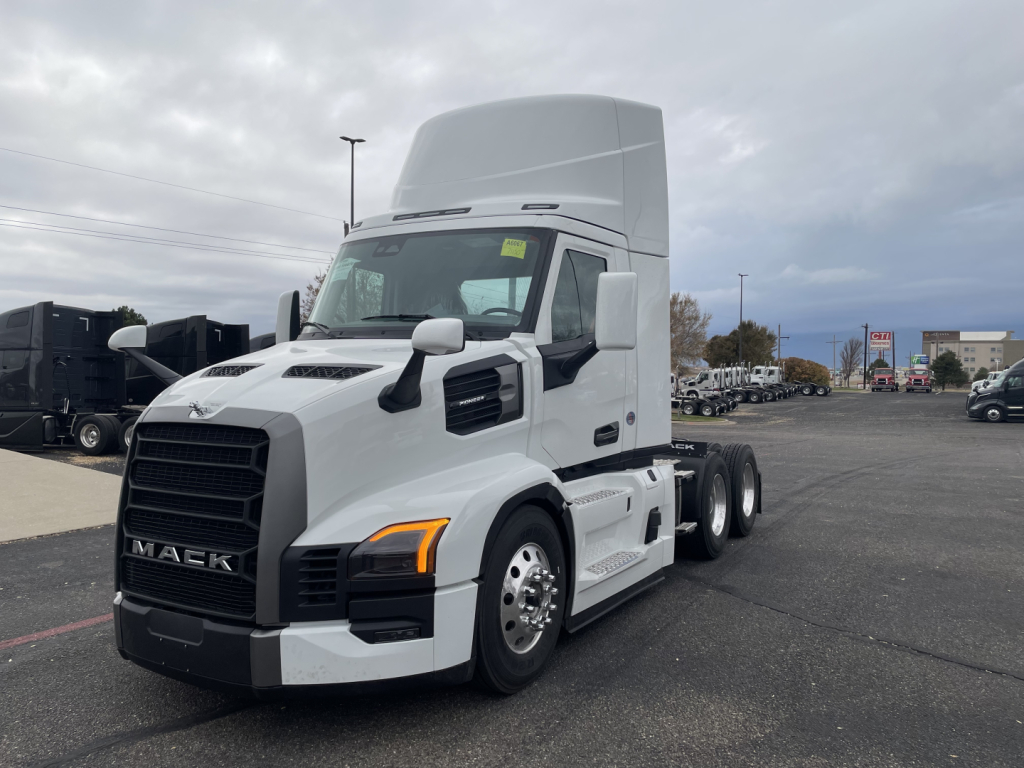
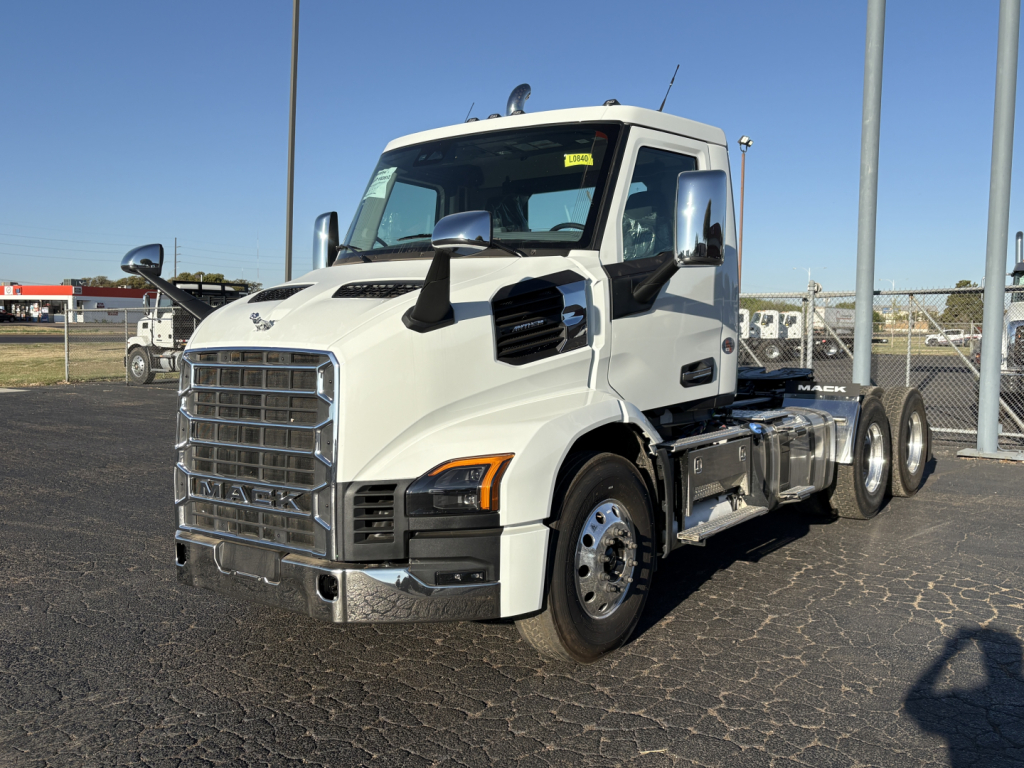
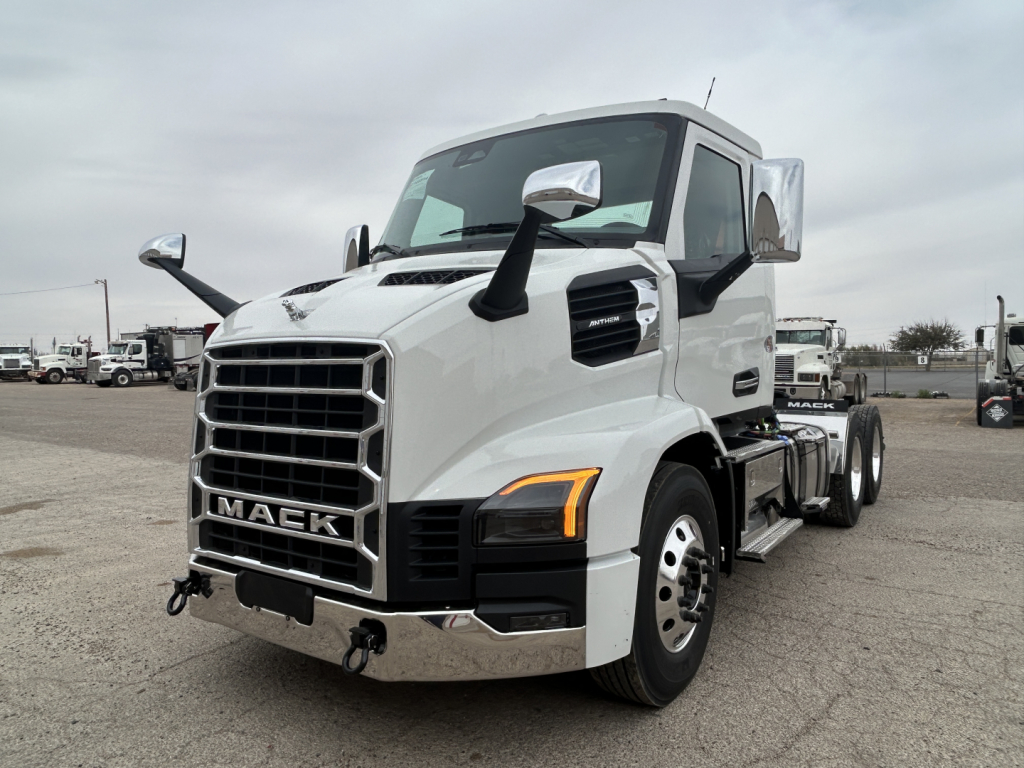
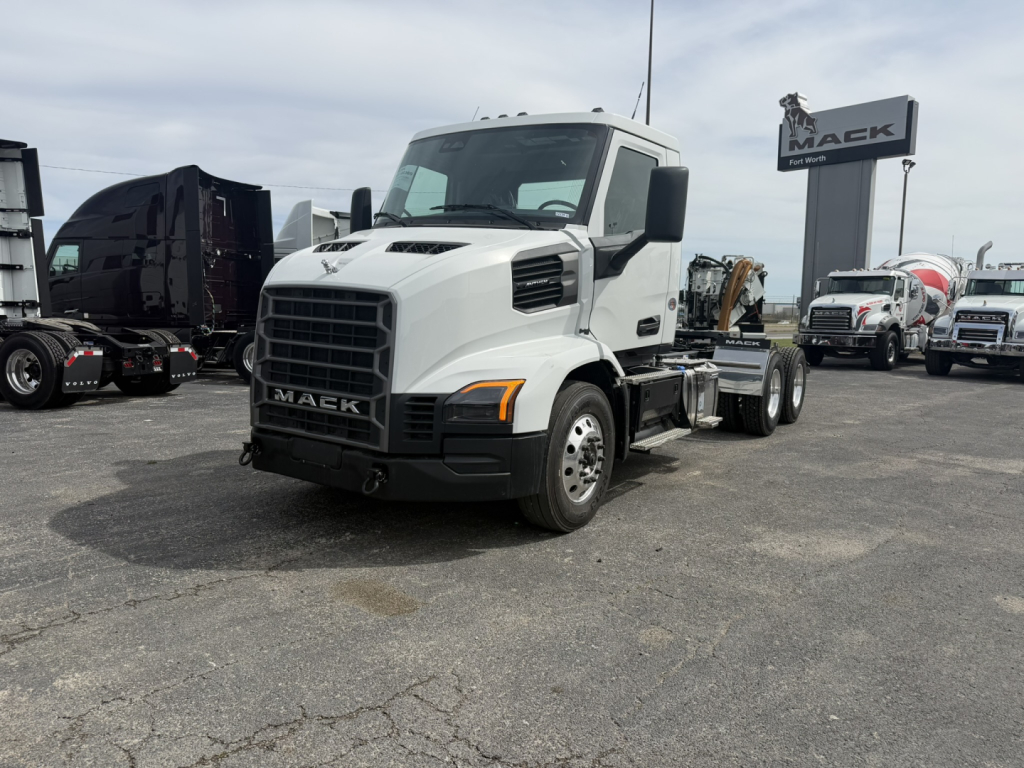
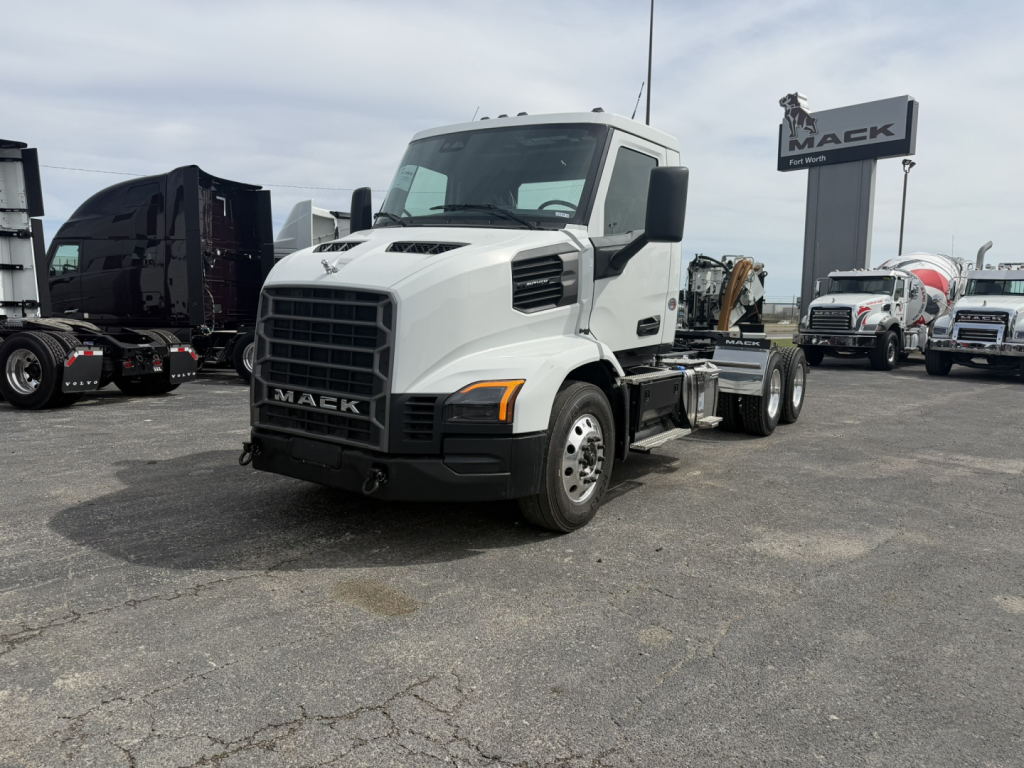
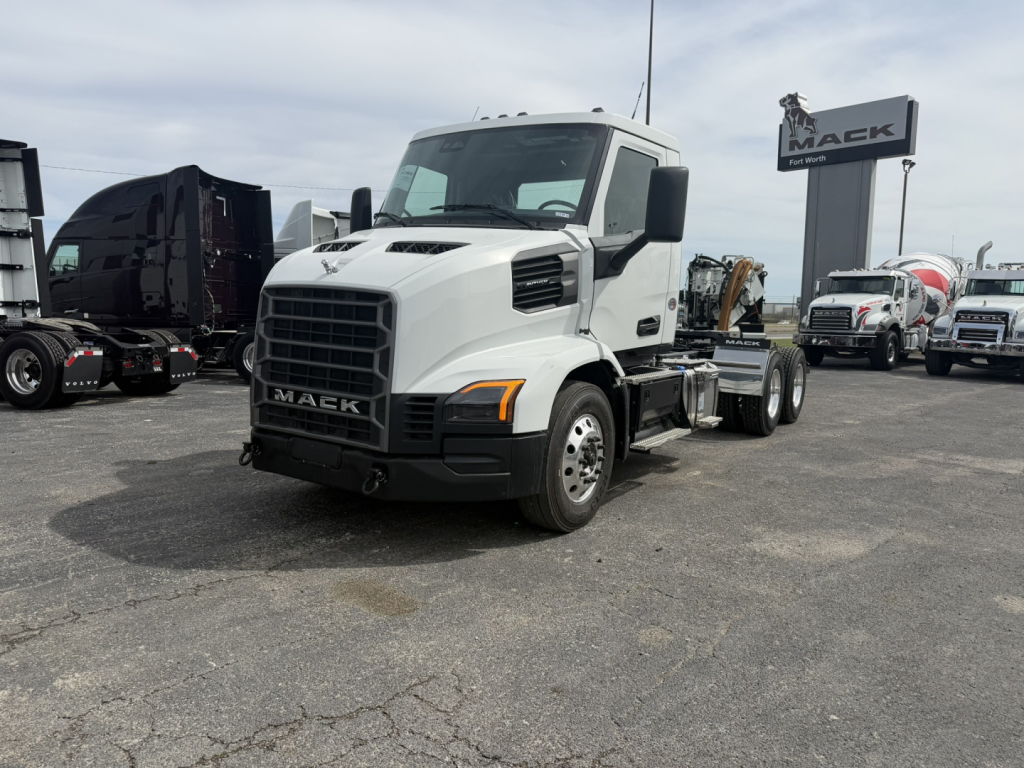
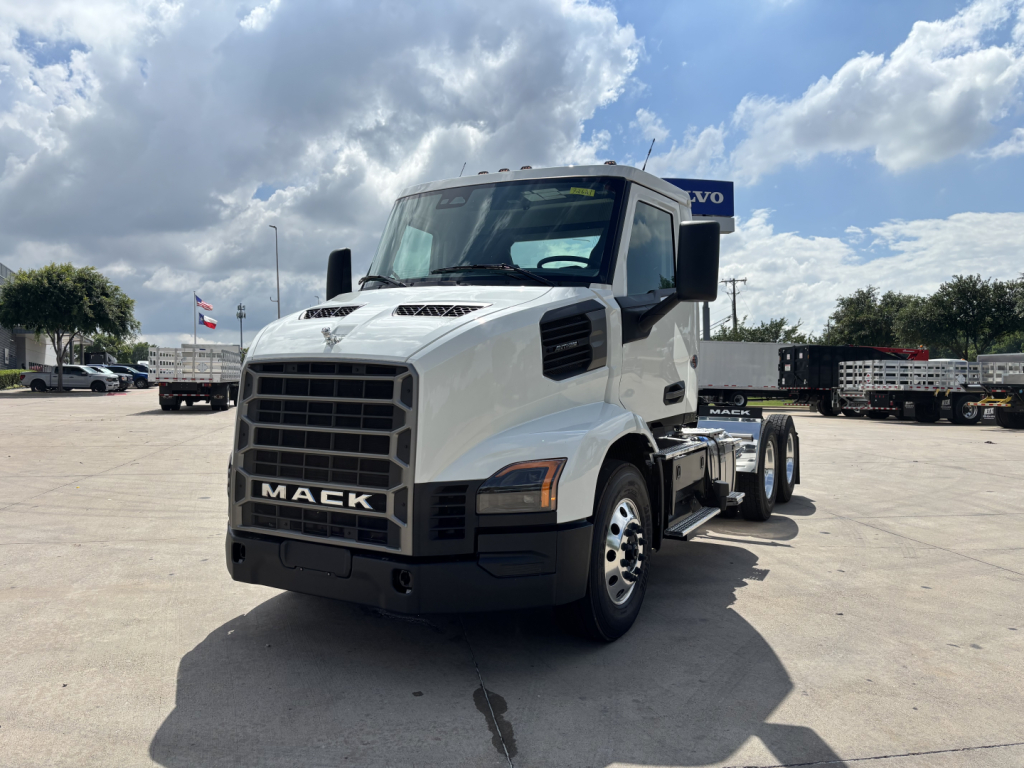
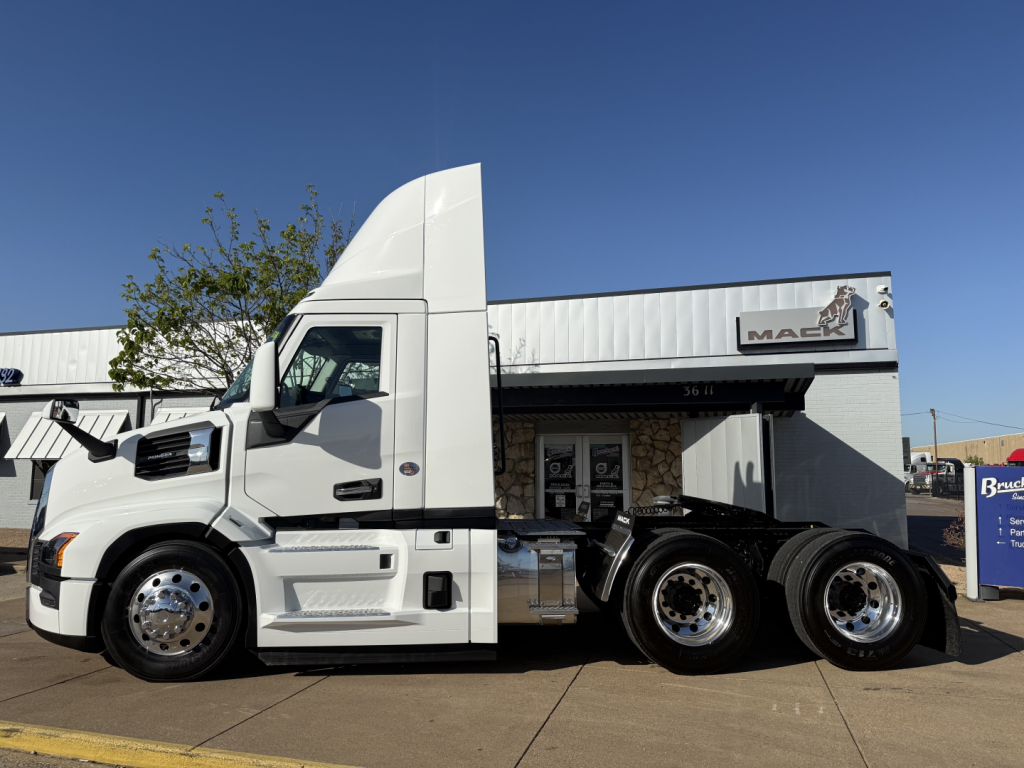
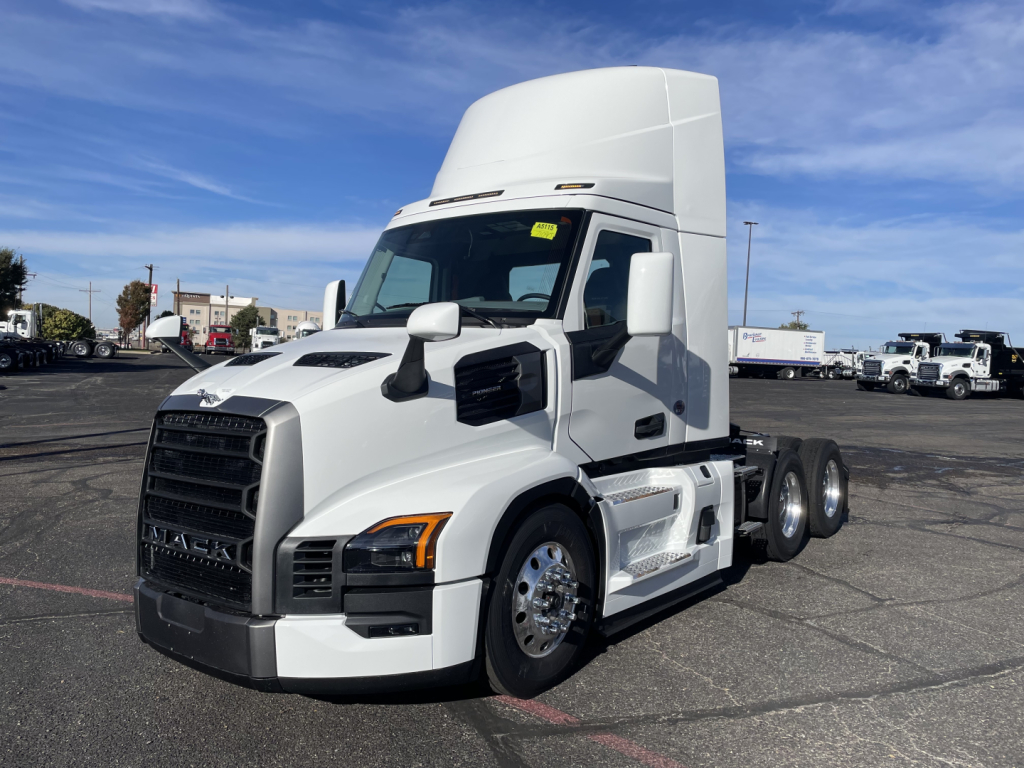
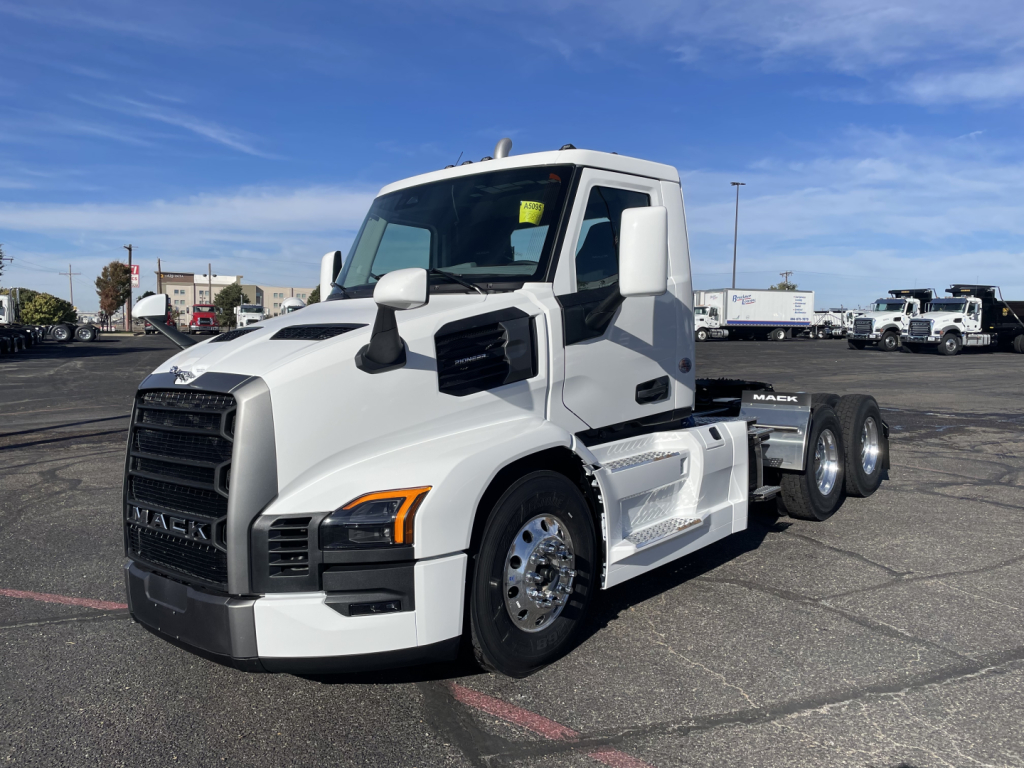
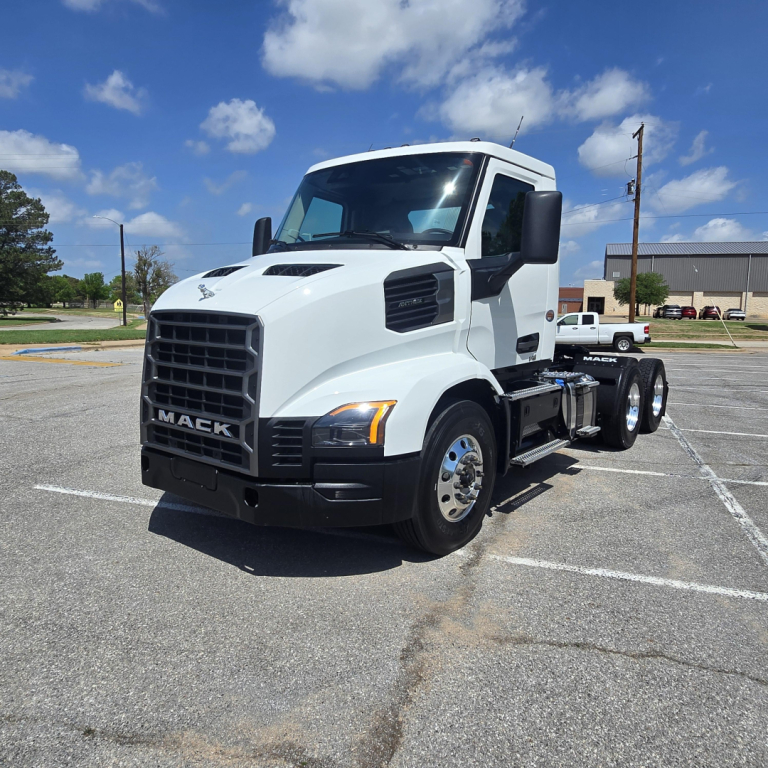
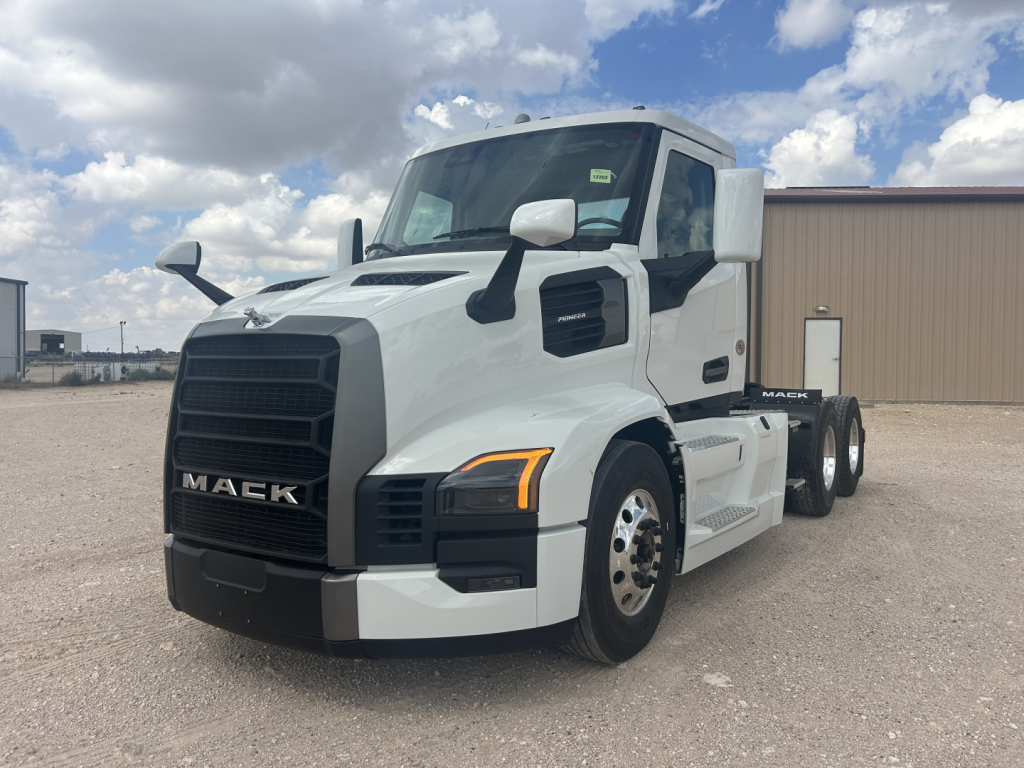
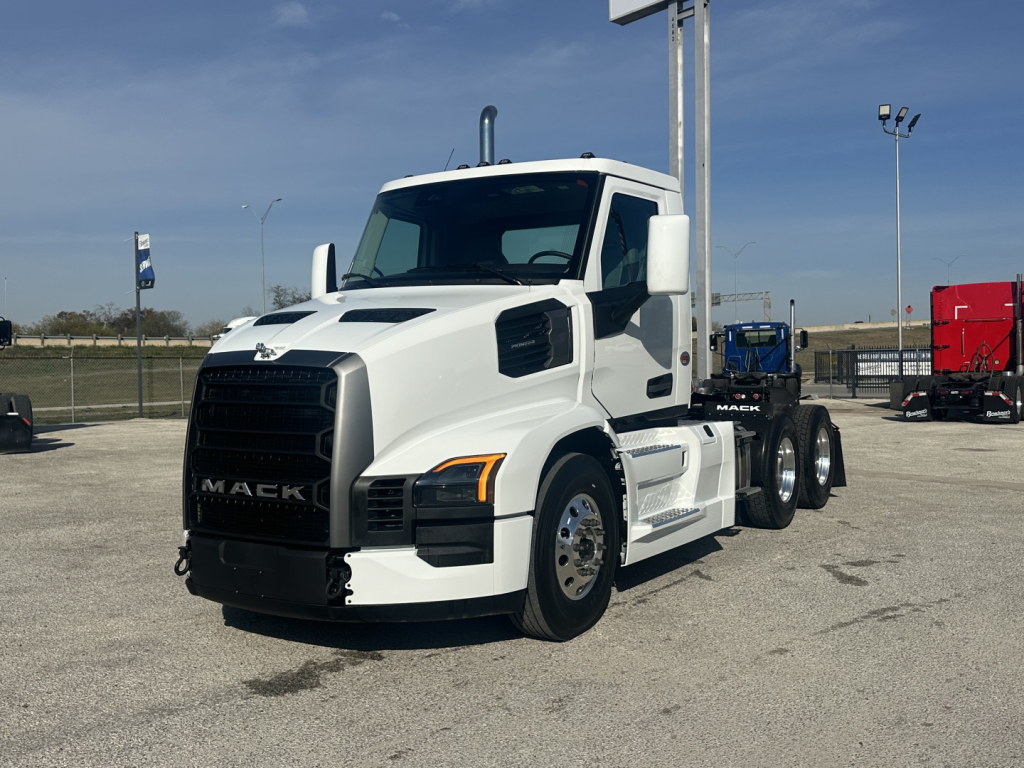
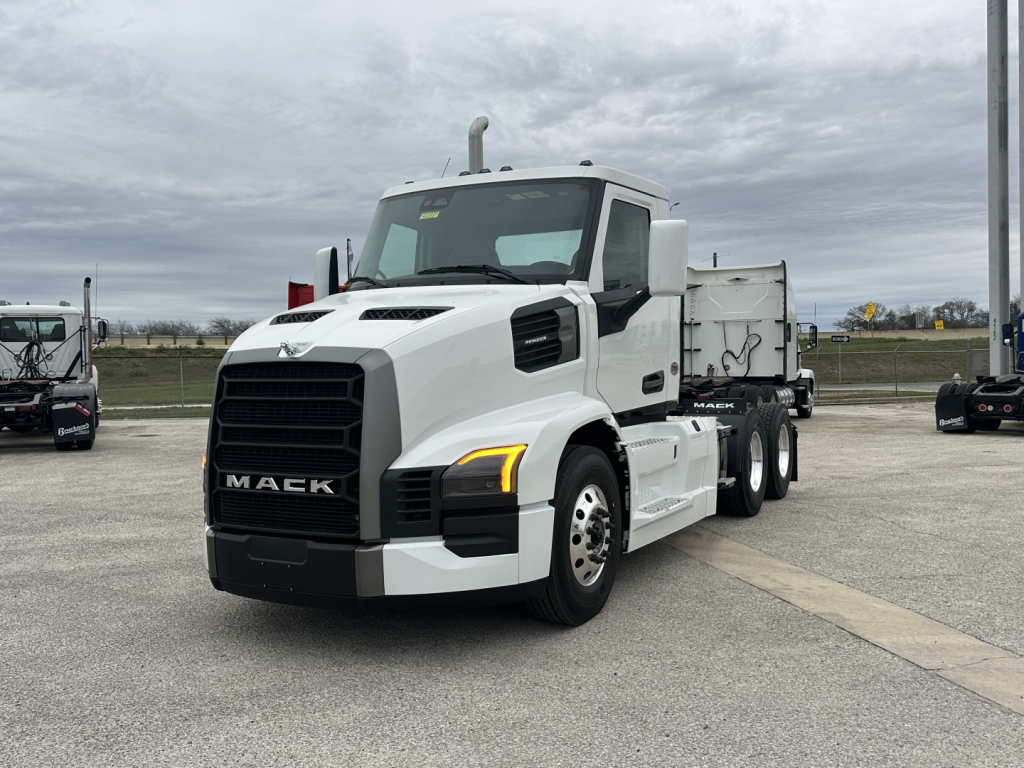
Showing 1 to 28 of 39 results
Selling a new conventional daycab truck? List your new conventional daycab truck for sale and reach thousands of commercial buyers.
New Conventional Daycab Trucks in Texas
The first buying decision is the chassis and drivetrain spec. Most new conventional daycab trucks in this class are set up as 6x4 tractors with front axles around 12,000 to 14,600 pounds and tandem rears commonly rated at 40,000 pounds. Engines are often in the 400 to 455 horsepower range with torque matched to the application, and automated manual transmissions are now common because they help with driver consistency, fuel economy, and clutch life. Rear axle ratios, wheelbase, and fifth wheel choice all affect how the truck performs. A shorter wheelbase improves maneuverability in yards and urban routes, while a longer wheelbase can help ride quality, fuel capacity, and bridge law flexibility. Air-slide fifth wheels are common for fleets that need to adjust kingpin settings across different trailer lengths and axle spreads.
Texas buyers should pay close attention to cooling capacity, fuel range, and brake spec. High ambient temperatures, long interstate miles, and heavy gross weights can make a marginal spec expensive over time. Dual fuel tanks, disc brakes, full locking differentials, rear air ride suspension, and collision mitigation systems are increasingly common on new day cabs because they support uptime and driver retention. If the truck will see oilfield support, aggregate, or mixed on-road and jobsite use, look for PTO provisions, vocational frame options, and suspension components suited to rougher service. If the application is mostly van, reefer, or regional drop-and-hook, prioritize aerodynamics, automated shifting strategy, and a ratio that keeps the engine in its most efficient operating range.
Cab environment still matters in a day cab because drivers spend full shifts in the seat. Air ride seats, heated mirrors, upgraded trim packages, smart steering wheel controls, and integrated telematics all add practical value. New conventional daycab trucks also tend to offer better emissions integration, warranty coverage, and safety technology than older fleet iron, which can simplify maintenance planning. For buyers comparing listings, the badge on the hood is only part of the story. The better comparison is horsepower and torque, transmission type, axle ratings, suspension, wheelbase, brake package, fuel capacity, and how closely the spec matches the route and trailer set it will actually pull.
Frequently Asked Questions about New Conventional Daycab Trucks in Texas
What is a conventional daycab truck used for?
A conventional daycab truck is used for operations that return to base the same day or do not require a sleeper berth. Common applications include regional freight, local delivery, drayage, tanker, dump, flatbed, and dedicated fleet routes. The conventional hood design provides strong service access and allows a wide range of axle, wheelbase, and fifth wheel configurations for different trailer types and gross weights.
What specs matter most when buying a new conventional daycab in Texas?
The most important specs are engine horsepower and torque, transmission type, front and rear axle ratings, wheelbase, rear axle ratio, suspension, brake package, and fuel capacity. In Texas, cooling performance, long-distance fuel range, and durability under heat and heavy loads are especially important. Buyers should also match the truck's fifth wheel setup, kingpin flexibility, and PTO provisions to the actual trailers and work the truck will handle.
Is an automated manual transmission a good choice in a day cab?
For many fleets, an automated manual transmission is the preferred choice because it improves shift consistency, reduces driver fatigue, and can help fuel economy. It also lowers clutch wear compared with a traditional manual in stop-and-go or mixed-duty service. The right calibration still matters, because haul type, axle ratio, and load profile all affect launch performance, grade handling, and cruise efficiency.
How do I choose the right wheelbase for a conventional daycab?
A shorter wheelbase is usually better for tight yards, city streets, and applications that need maximum maneuverability. A longer wheelbase can improve ride quality, allow for larger fuel tanks, and create more flexibility with trailer bridge settings and weight distribution. The correct wheelbase depends on trailer length, axle spread, turning environment, and how often the truck needs to reposition the fifth wheel.
Are new conventional daycab trucks suitable for both highway and vocational work?
Yes, many new conventional daycab trucks can be spec'd for either regional highway service or vocational duty, but the equipment package should be tailored to the job. Highway-focused units typically emphasize aerodynamics, fuel efficiency, and driver comfort. Vocational or mixed-service units may need heavier axle ratings, locking differentials, PTO capability, tougher suspension components, and brake and frame specs designed for uneven surfaces and higher duty cycles.