
New 2026 Conventional Daycab Trucks For Sale in Texas
Shop new 2026 conventional daycab trucks in Texas with specs for regional haul, vocational work, fuel economy, wheelbase, and axle ratings.
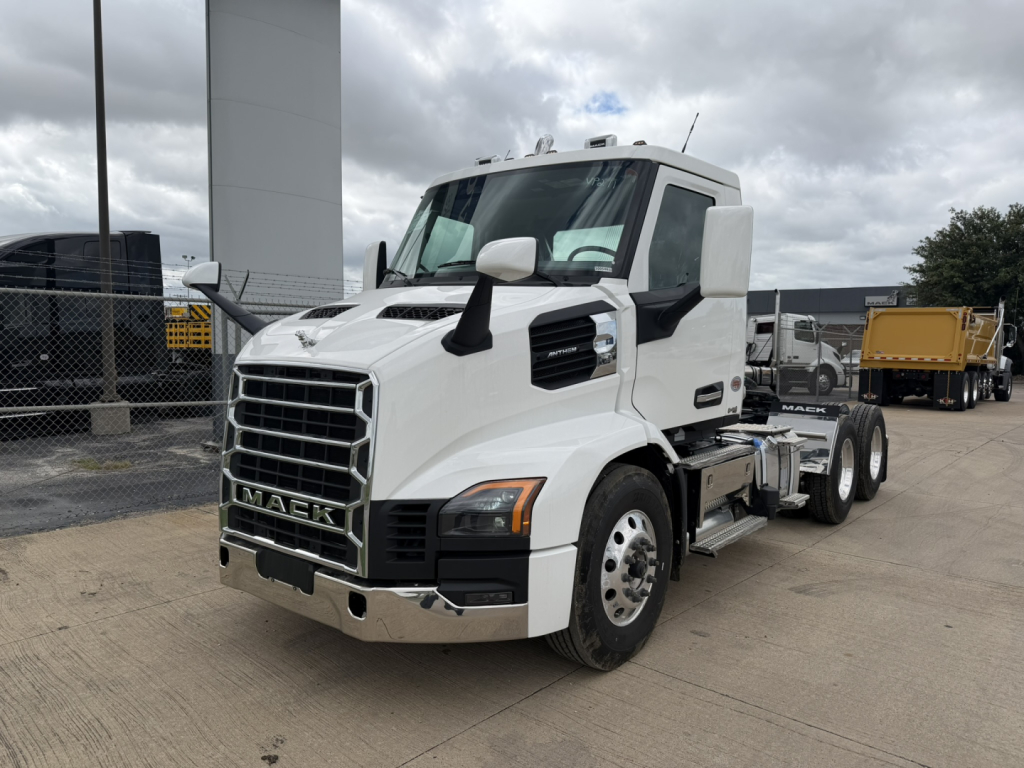
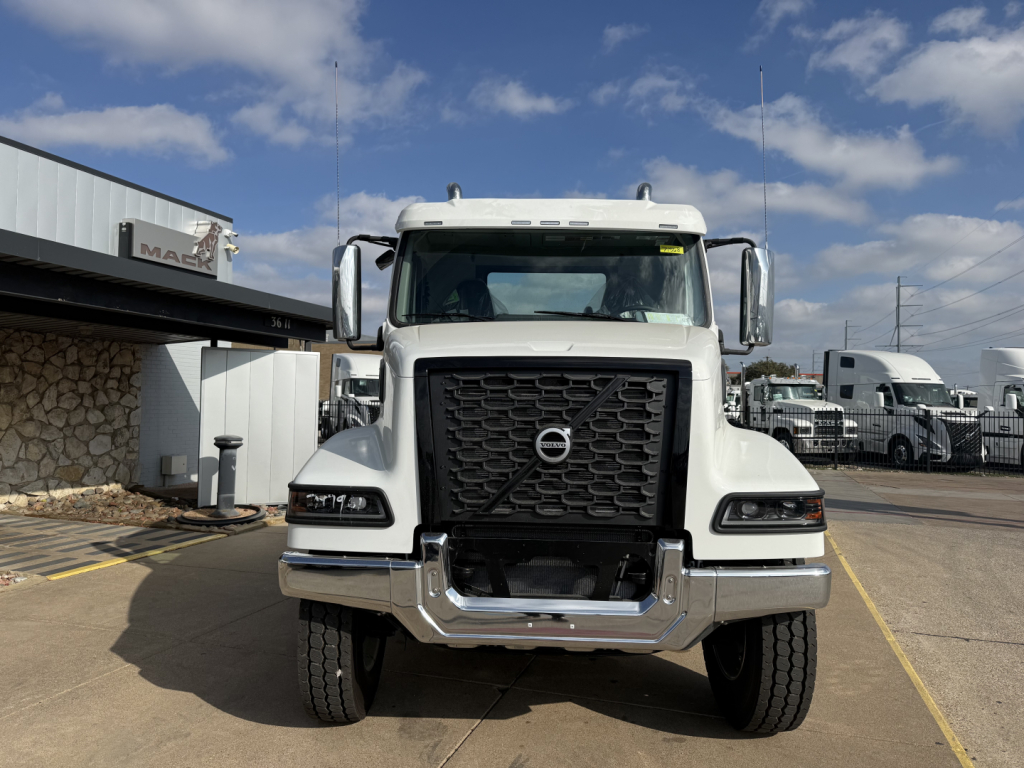
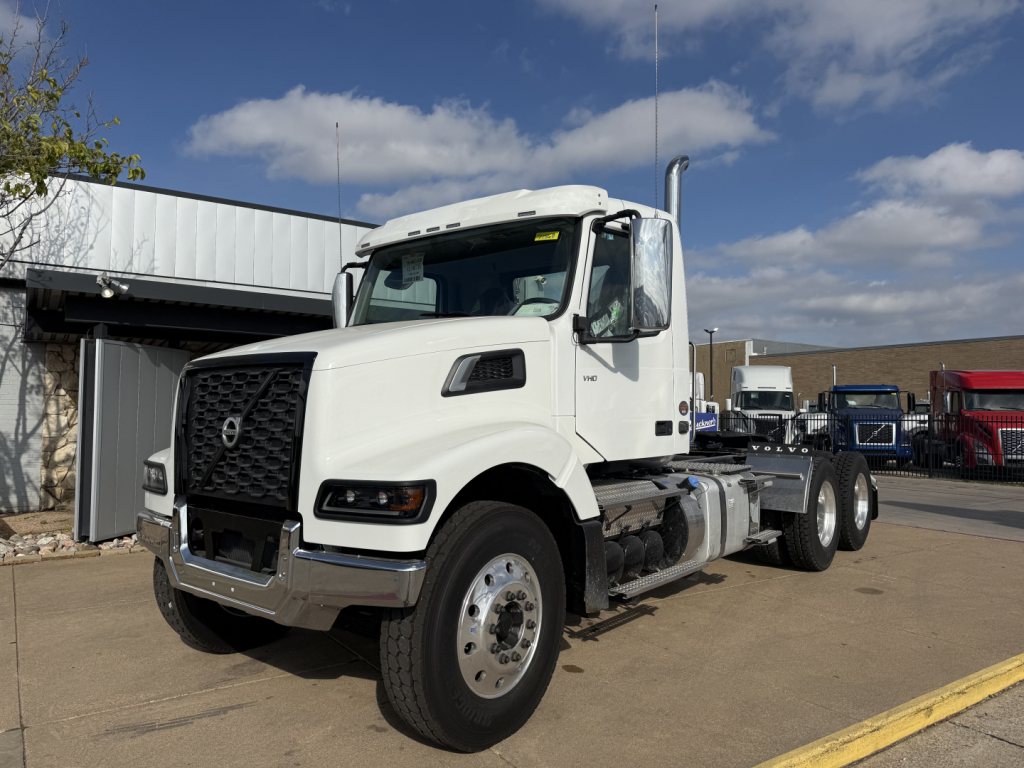
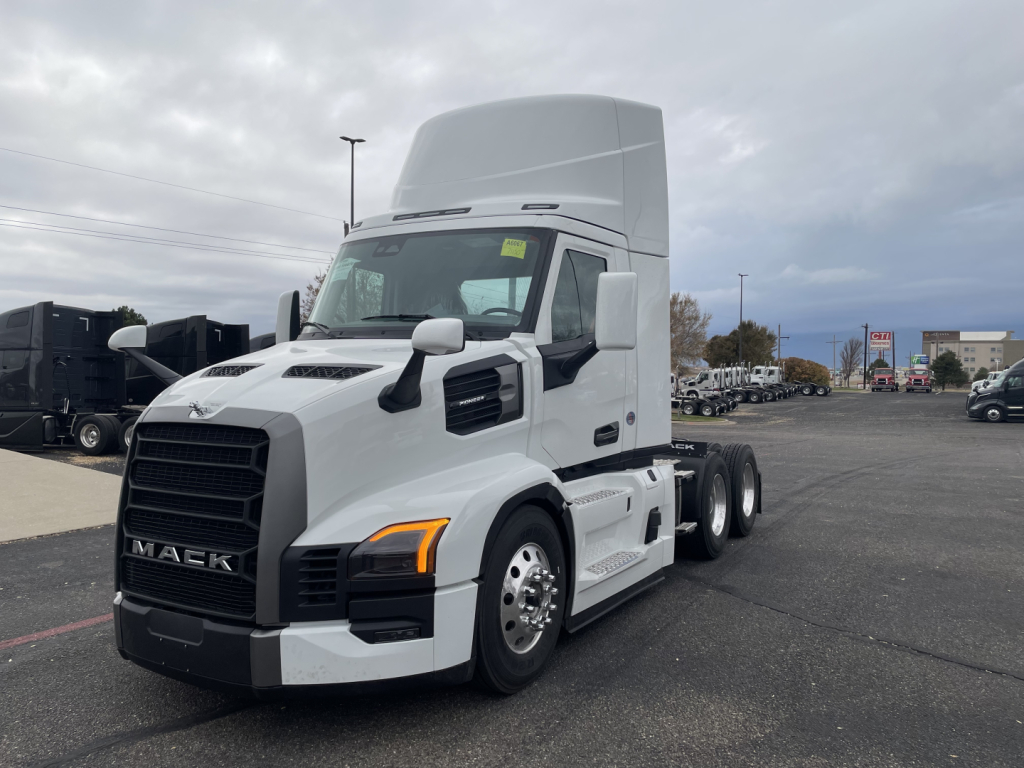
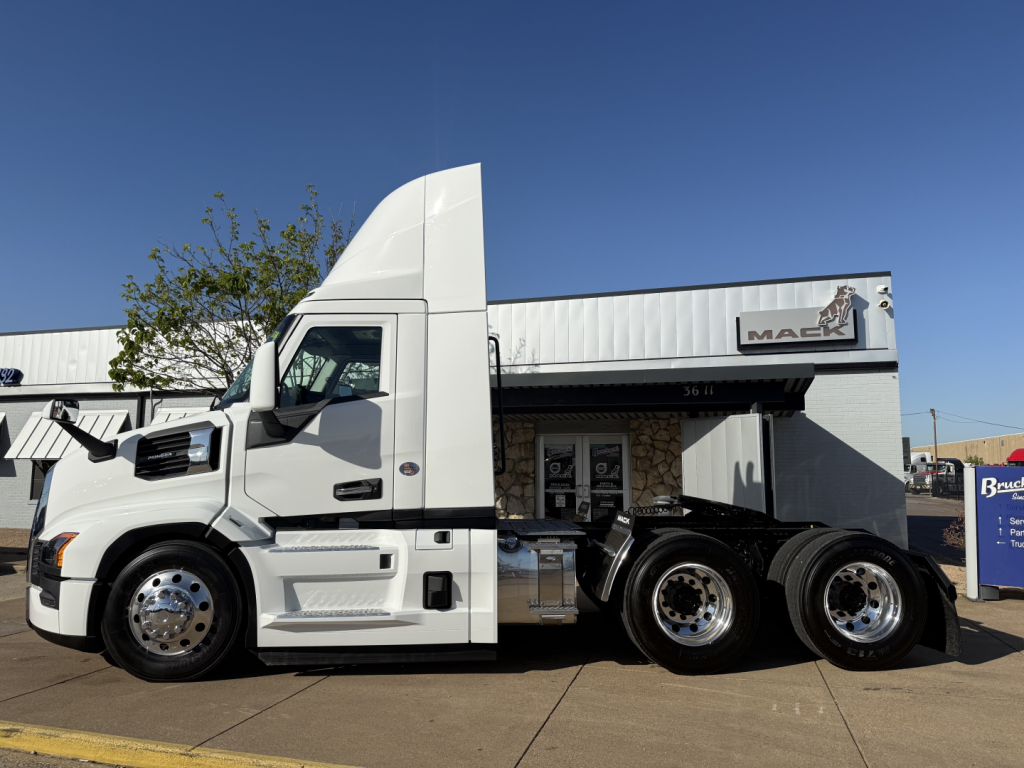
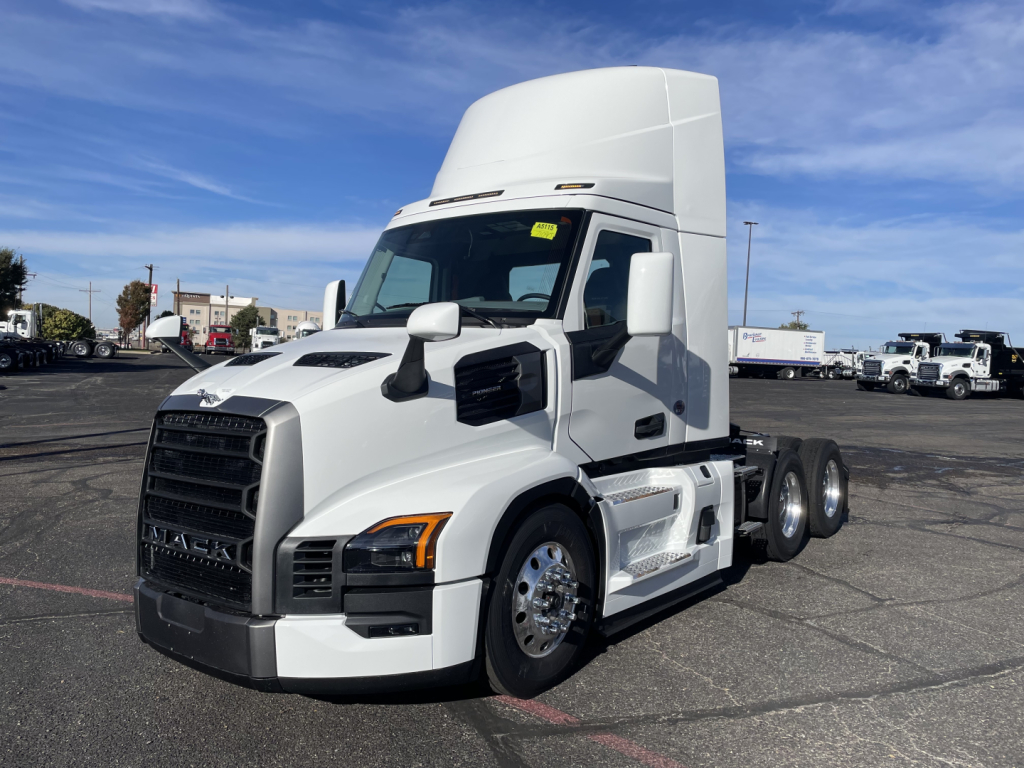
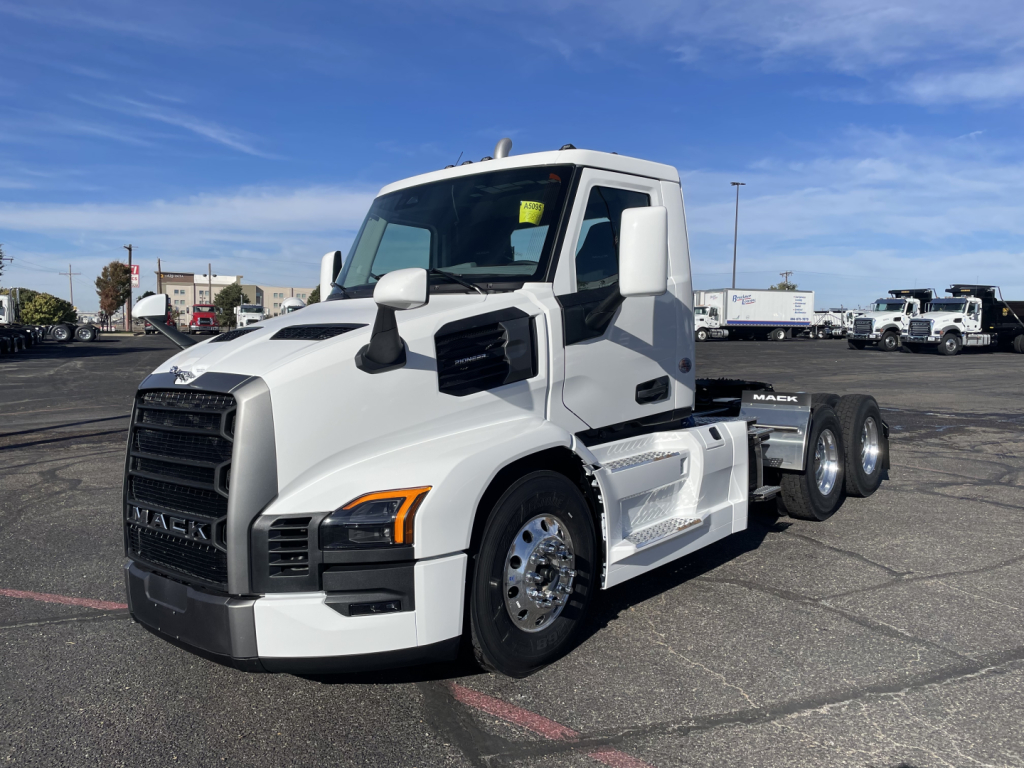
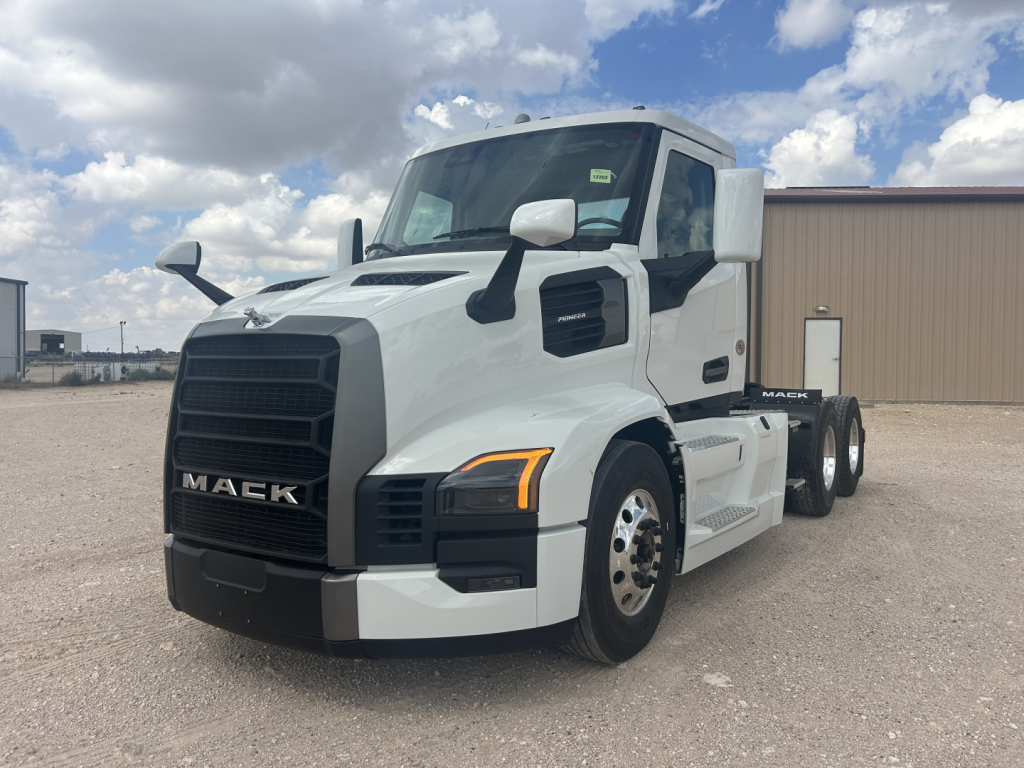
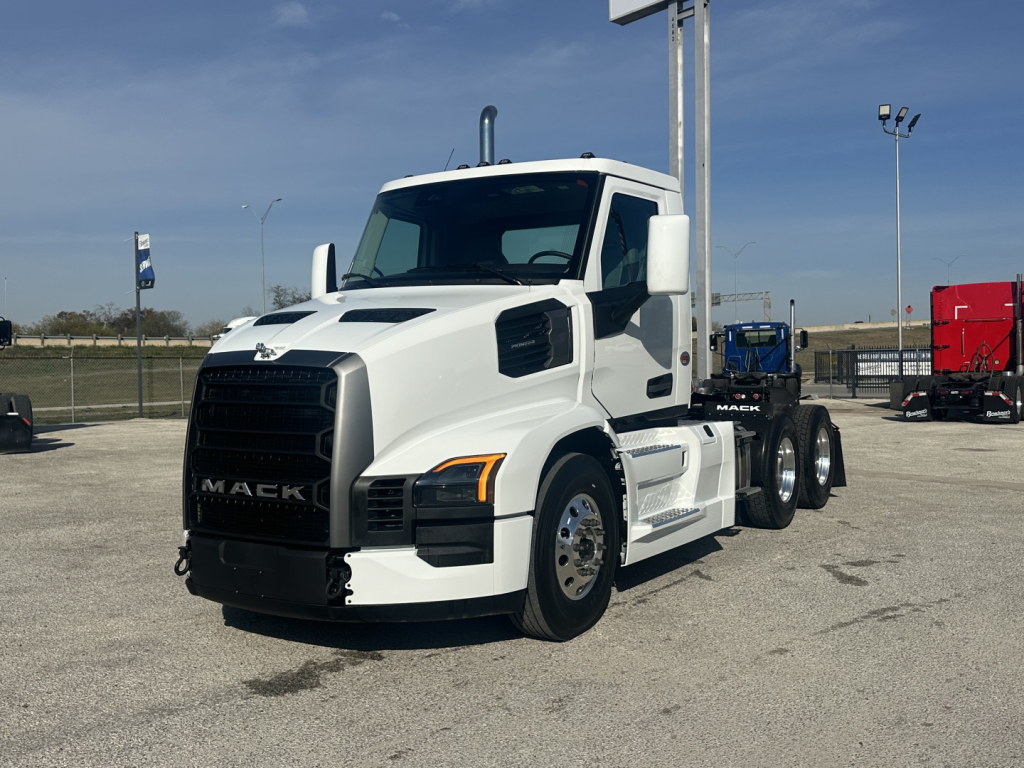
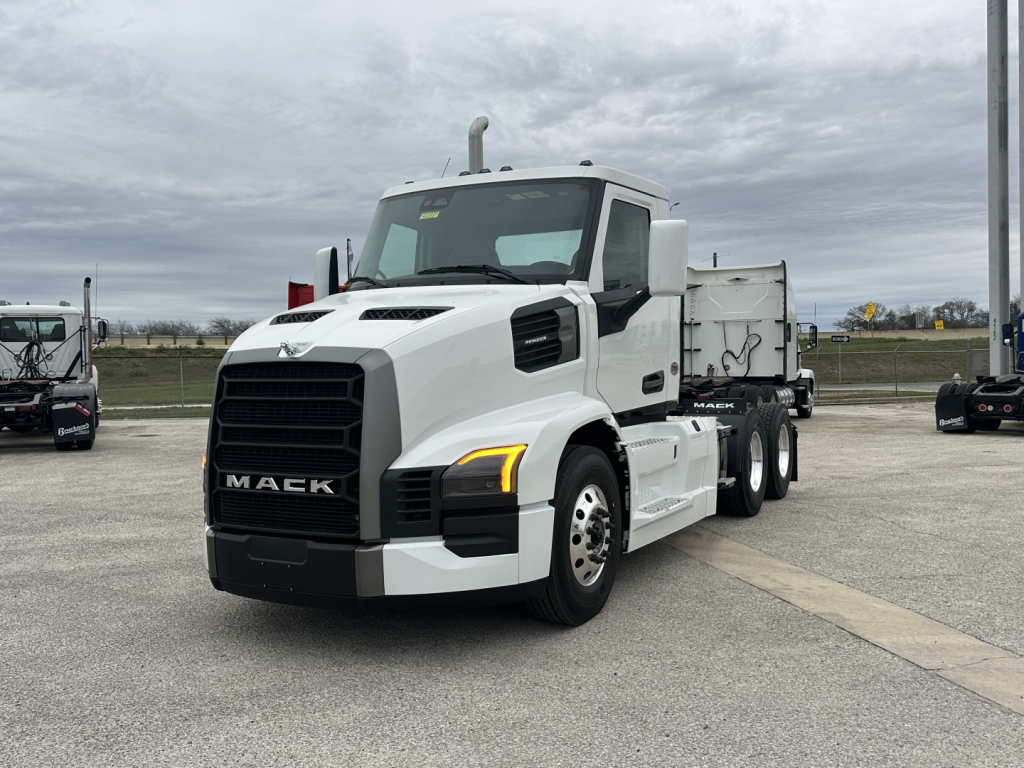
Selling a new 2026 conventional daycab truck? List your new 2026 conventional daycab truck for sale and reach thousands of commercial buyers.
New 2026 Conventional Daycab Trucks in Texas
Powertrain choices in this class typically land in the 425 to 500 horsepower range with torque ratings around 1,650 to 1,850 lb-ft. Automated manual transmissions dominate new daycab specs because they improve driver consistency, reduce clutch wear, and help with fuel economy in mixed-route service. Common rear axle ratings are around 40,000 lbs on tandem drives, with front axle ratings often in the 12,500 to 14,600 lb range. Rear axle ratios such as 3.25 or 3.36 are common on linehaul and regional specs because they support lower cruise RPM, while heavier vocational setups may use shorter gearing for startability and PTO-driven applications. Wheelbase matters more than many buyers expect. A shorter wheelbase improves maneuverability in yards and urban freight, while a longer wheelbase can help with ride quality, fuel capacity, frame layout, and trailer swing clearance.
Buyers comparing new conventional daycab trucks should look closely at brake spec, frame and suspension, and cab equipment instead of focusing only on horsepower. Air disc brakes are increasingly common on new premium daycabs because they improve stopping consistency and simplify service access. Suspension choice affects traction, ride, and body compatibility, especially for tractors that may cross into vocational work. Fuel tank capacity, fairing package, and roof profile all influence range and aero performance. Inside the cab, seat spec, visibility, dash layout, and driver-assist systems matter on high-utilization routes. If the truck will pull varied trailers, pay attention to fifth wheel position, sliding versus fixed setup, kingpin setting compatibility, and bridge law implications.
For Texas operations, cooling package, idle strategy, and uptime support deserve extra attention. High ambient temperatures, long interstate stretches, and heavy regional freight can expose weak specs quickly. A strong warranty, telematics integration, and service network can be just as important as engine brand when the truck is expected to stay productive every day. The best 2026 conventional daycab is usually the one with a clean match between GCW target, trailer type, route density, and maintenance plan. When those pieces line up, a daycab delivers lower acquisition cost than a sleeper, easier yard access, strong resale appeal, and efficient performance across regional and vocational duty cycles.
Frequently Asked Questions about New 2026 Conventional Daycab Trucks in Texas
What is a conventional daycab truck used for?
A conventional daycab truck is a highway-style tractor without a sleeper compartment, designed for operations where the driver does not need overnight accommodations. It is commonly used for regional freight, drayage, local and dedicated lanes, tanker work, flatbed, dump, and other vocational hauling. Compared with a sleeper tractor, a daycab is usually lighter, easier to maneuver, and simpler to configure for high-frequency daily use.
What horsepower and axle ratings are common on new conventional daycab trucks?
Most new conventional daycab trucks are spec'd in the 425 to 500 horsepower range with torque suitable for regional and heavy local hauling. Tandem drive rear axles are often rated around 40,000 lbs, and steer axles commonly fall between 12,500 and 14,600 lbs. Exact requirements depend on trailer type, target gross combination weight, terrain, and whether the truck is primarily fuel-economy oriented or built for tougher vocational service.
How do I choose the right wheelbase and rear axle ratio for a daycab?
Wheelbase and rear axle ratio should match the route and trailer setup. A shorter wheelbase helps in tight yards, city streets, and frequent docking, while a longer wheelbase can improve ride quality, allow larger fuel tanks, and provide better frame packaging. Rear axle ratios like 3.25 and 3.36 are common for regional and highway work because they keep engine RPM lower at cruise speeds. Operations that need stronger low-speed pulling power or PTO performance may need shorter gearing.
Are automated manual transmissions standard in new daycab trucks?
Automated manual transmissions are now the dominant choice in new daycab trucks because they improve shift consistency, support fuel-economy targets, and reduce driver training issues compared with a traditional manual. They are especially useful in mixed duty cycles that combine interstate running with traffic, backing, and stop-and-go work. Some buyers still prefer manual transmissions for niche applications, but AMTs are the mainstream spec in this category.
What should Texas buyers pay special attention to on a new daycab?
Texas buyers should pay close attention to cooling system capacity, brake performance, fuel range, and service support. High heat, long distances between stops, and heavy regional freight put stress on engines, aftertreatment systems, and tires. A well-matched cooling package, strong warranty coverage, telematics, and a nearby dealer network can make a major difference in uptime. It also helps to confirm that the axle, suspension, and fifth wheel setup match the trailers and legal weights the truck will see most often.