
New 2026 Conventional Daycab Trucks For Sale
Shop new 2026 conventional daycab trucks with modern powertrains, vocational specs, and short-haul efficiency for local and regional work.
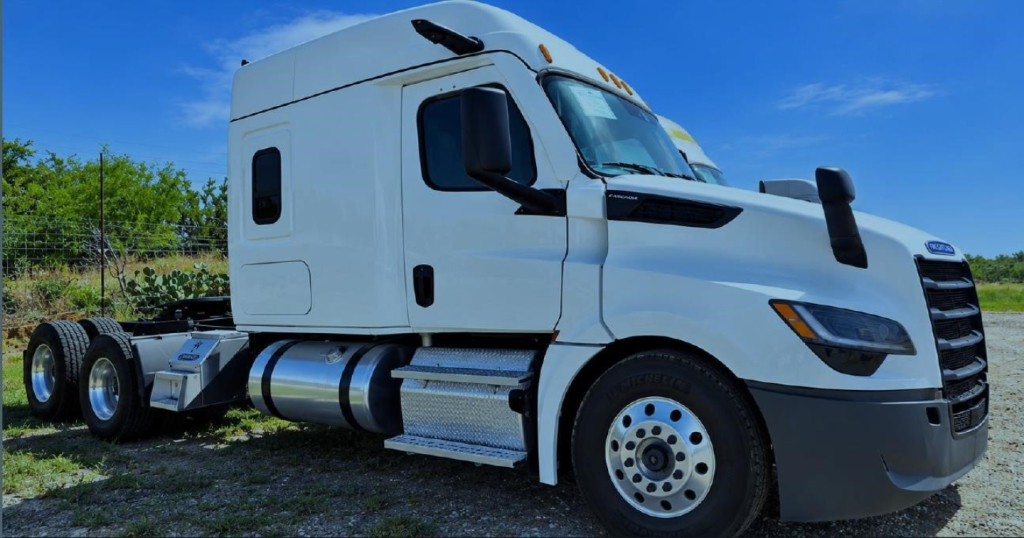
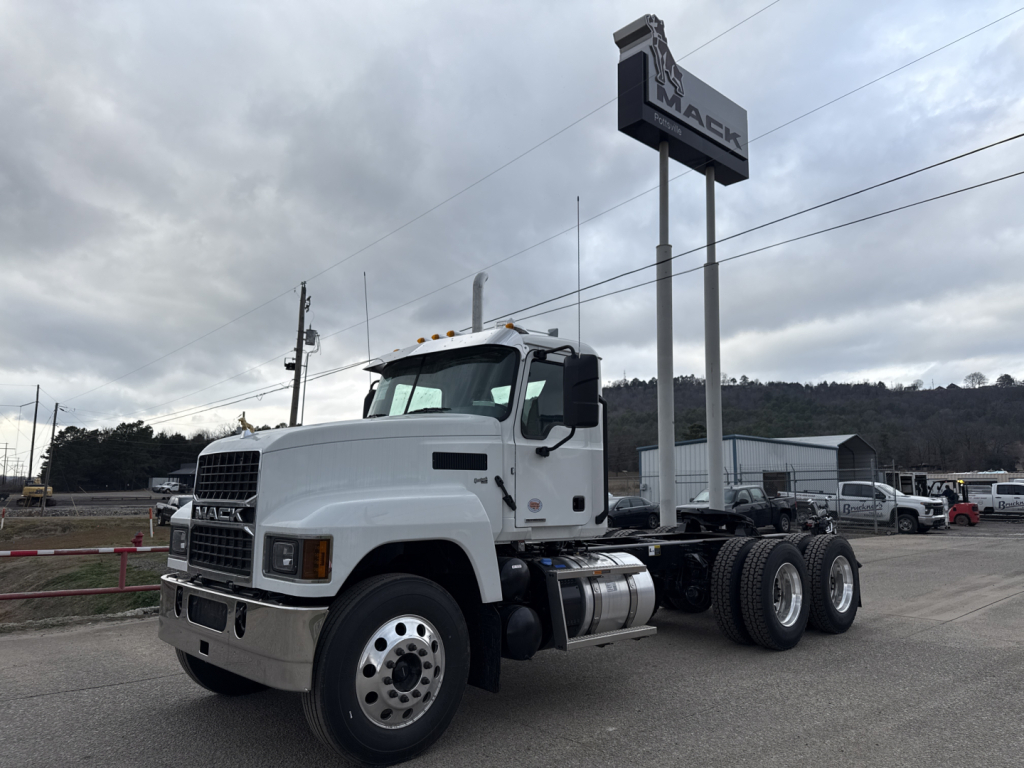
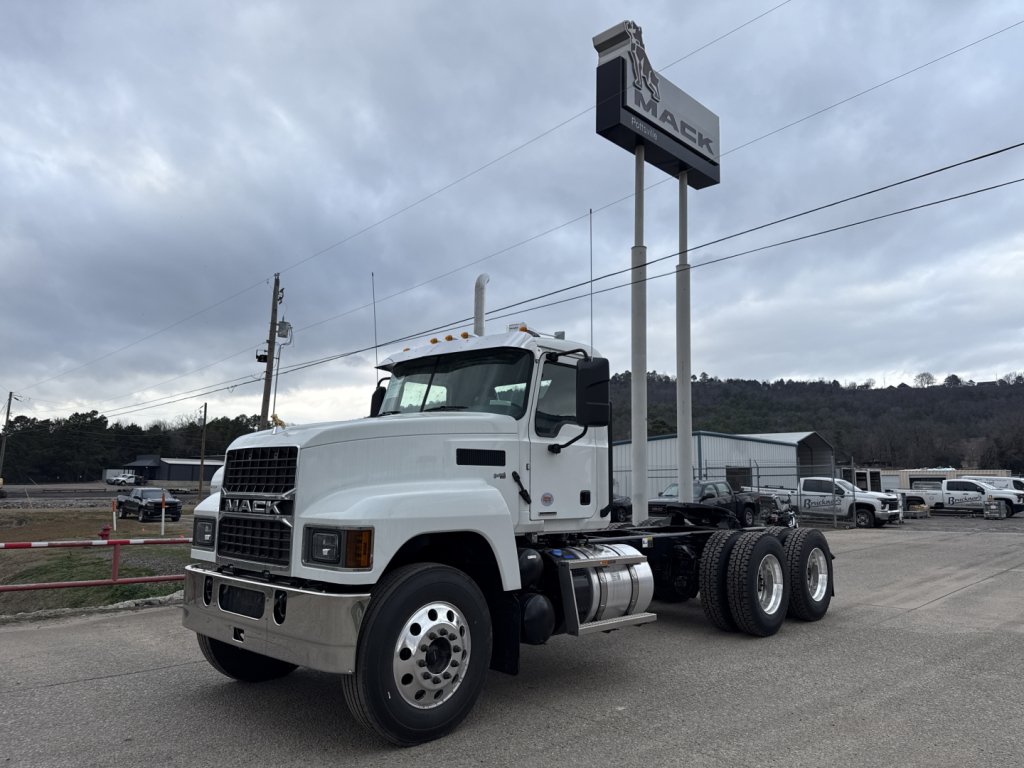
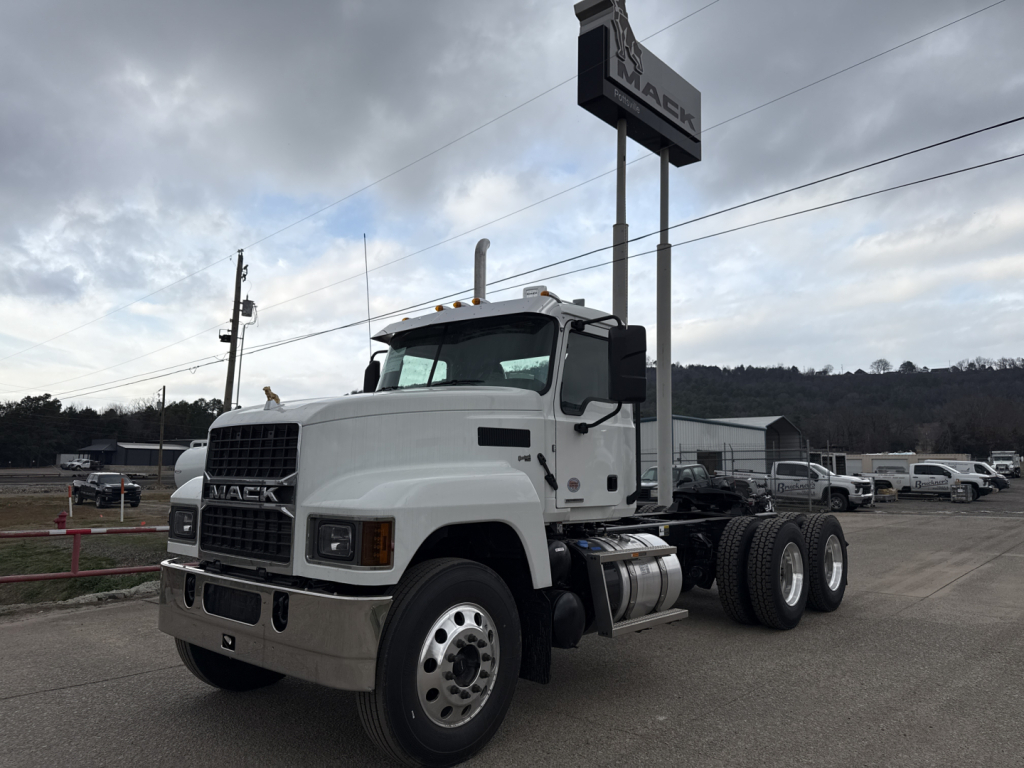
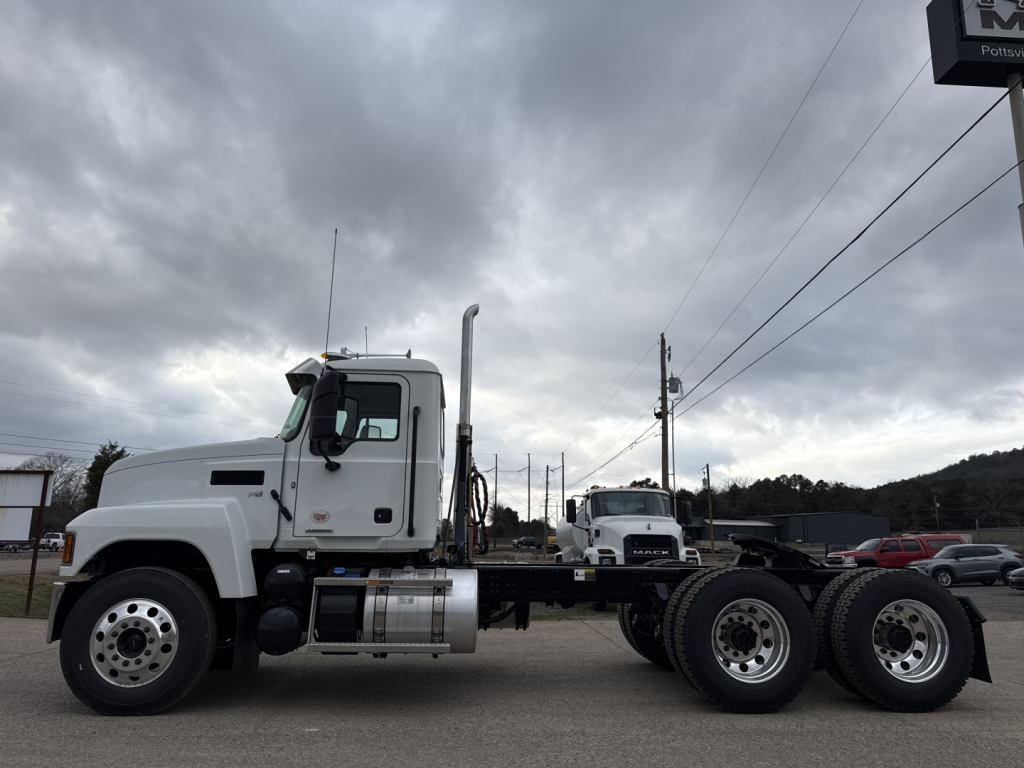
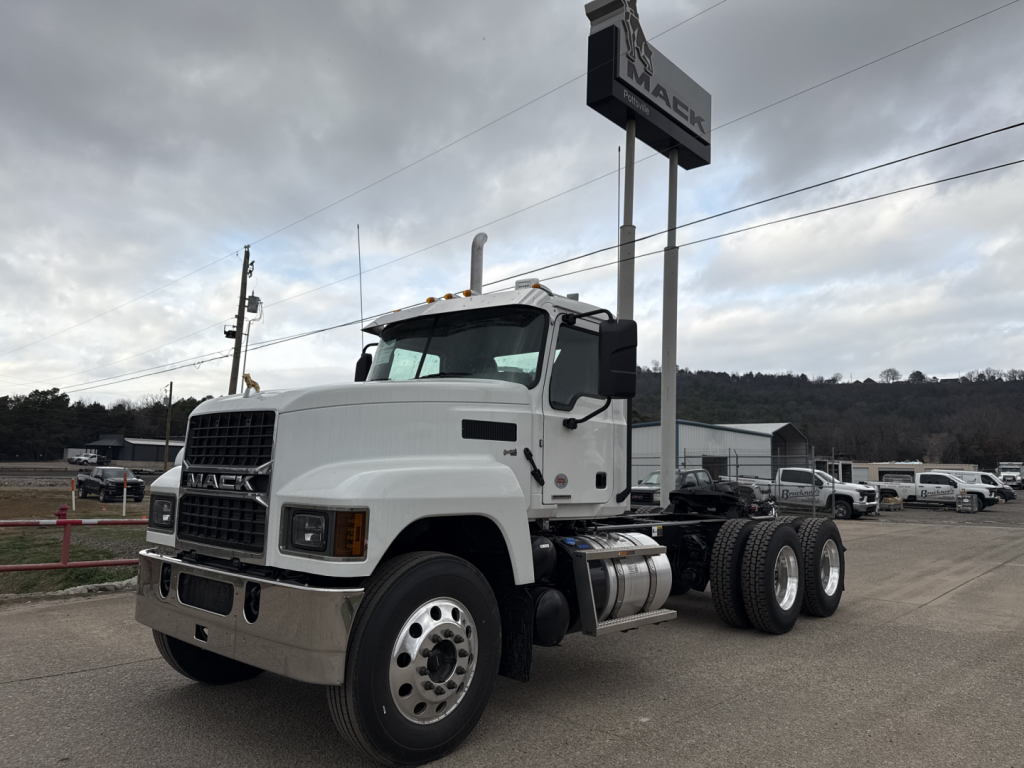
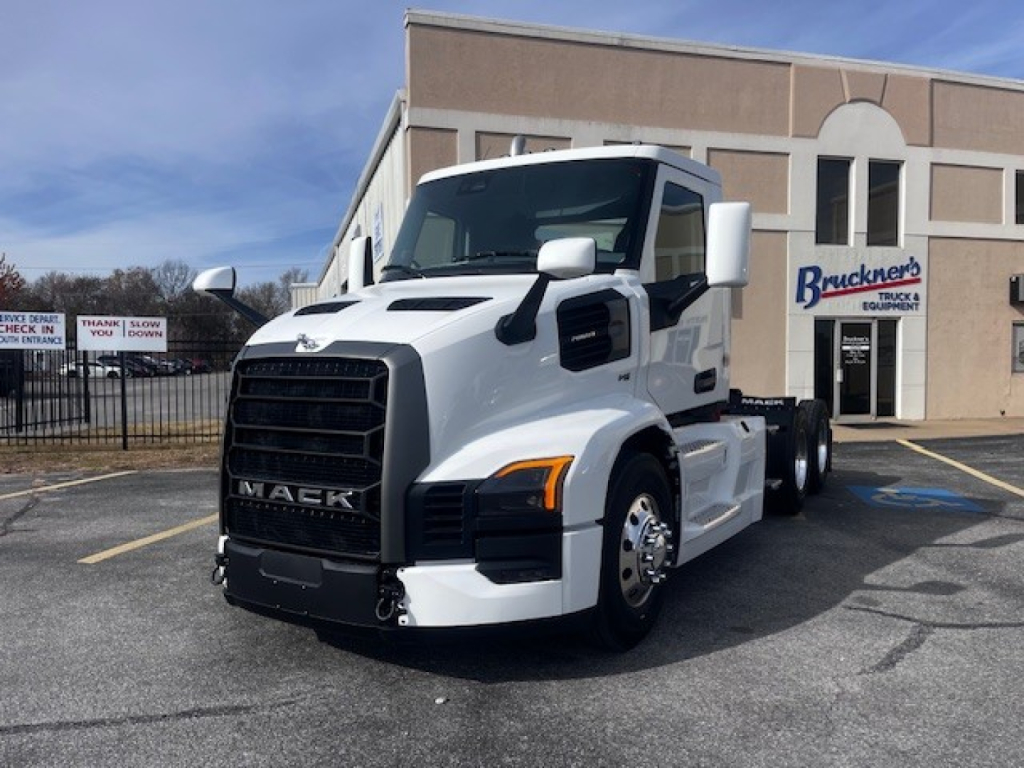
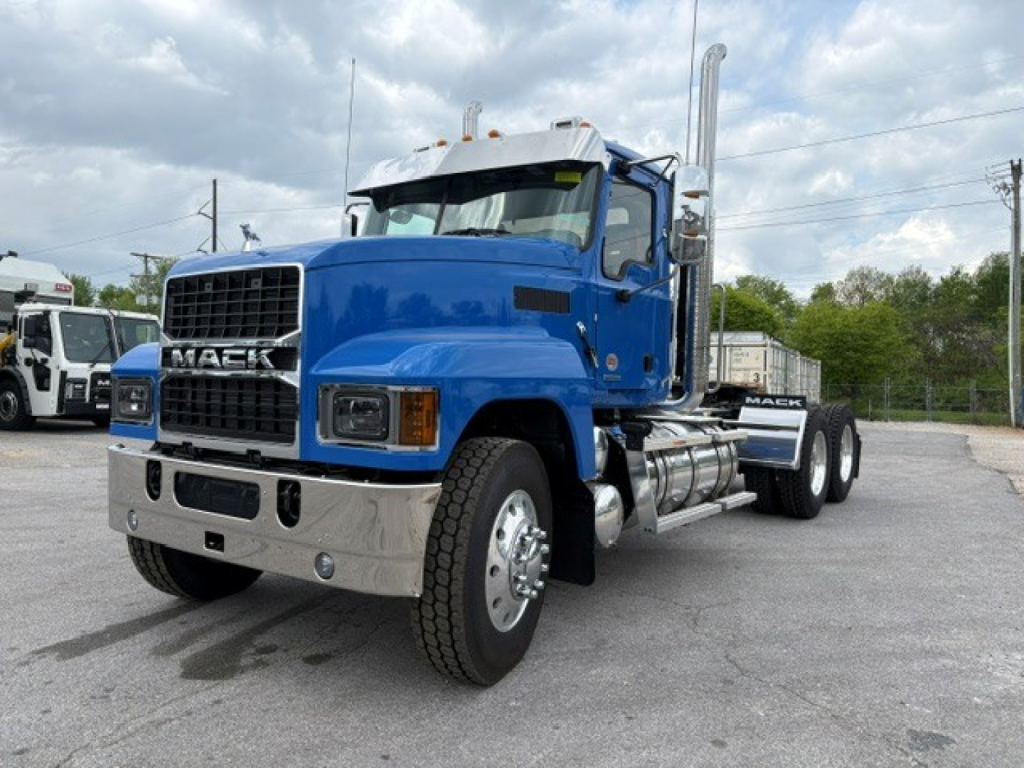
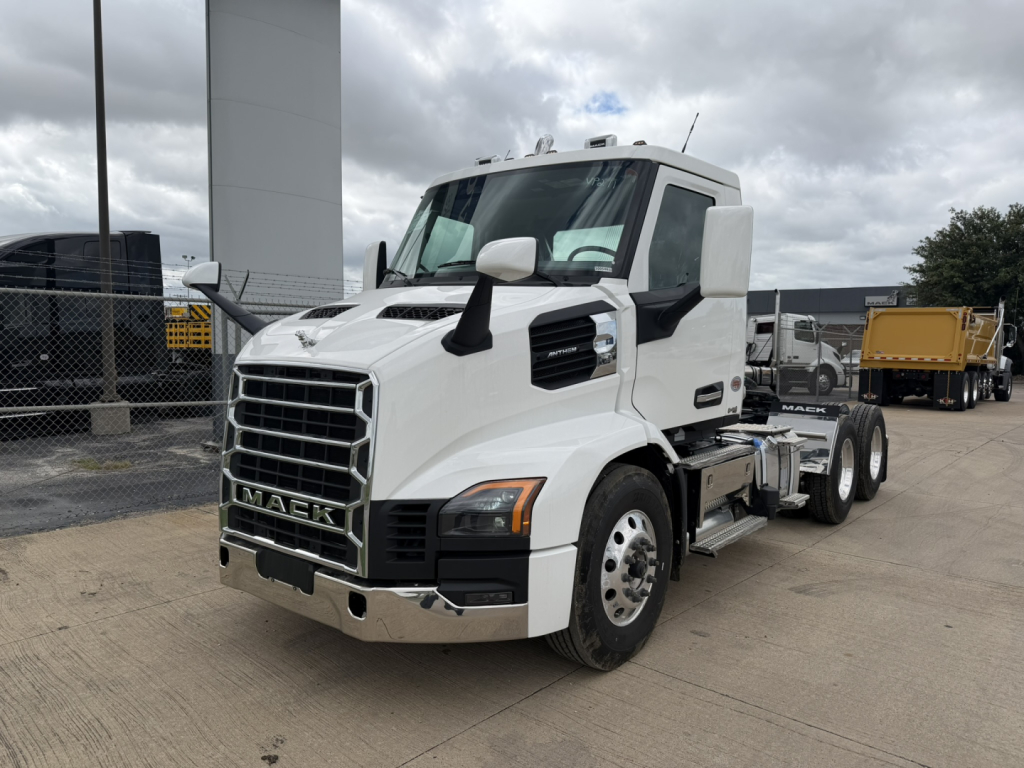
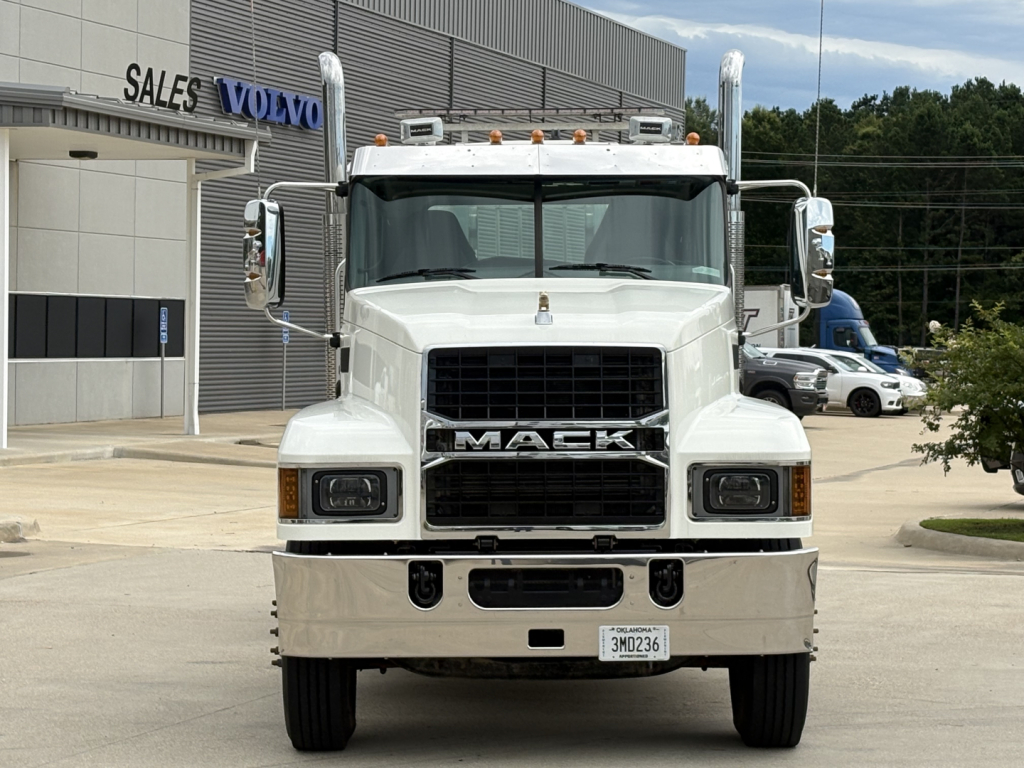
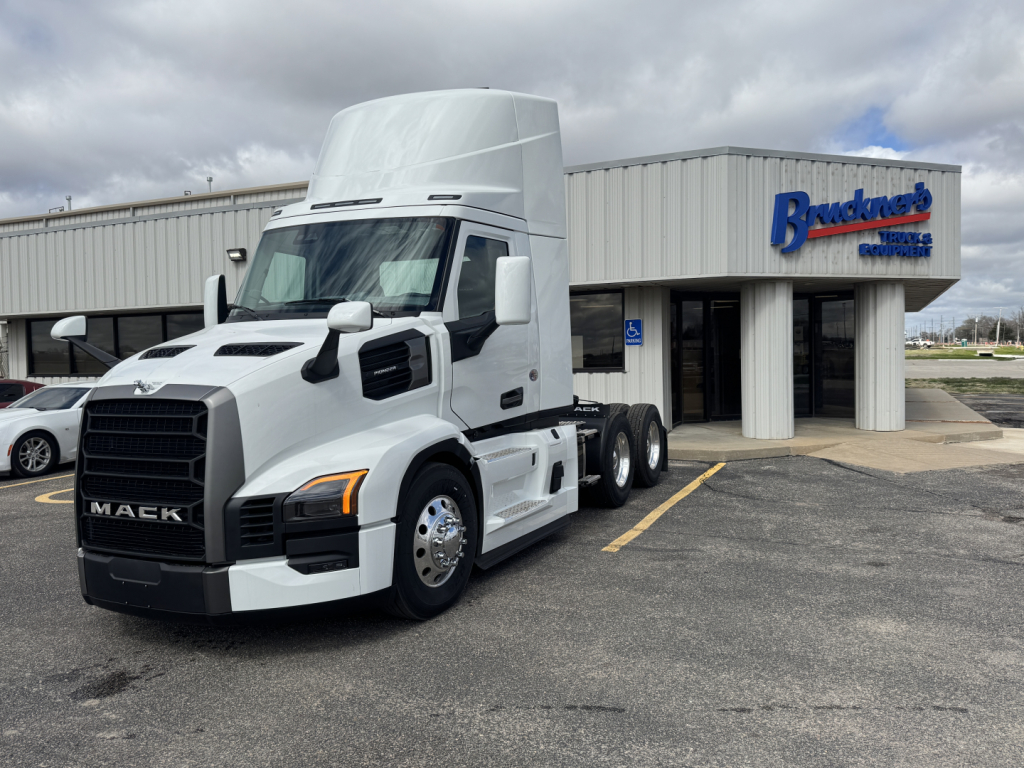
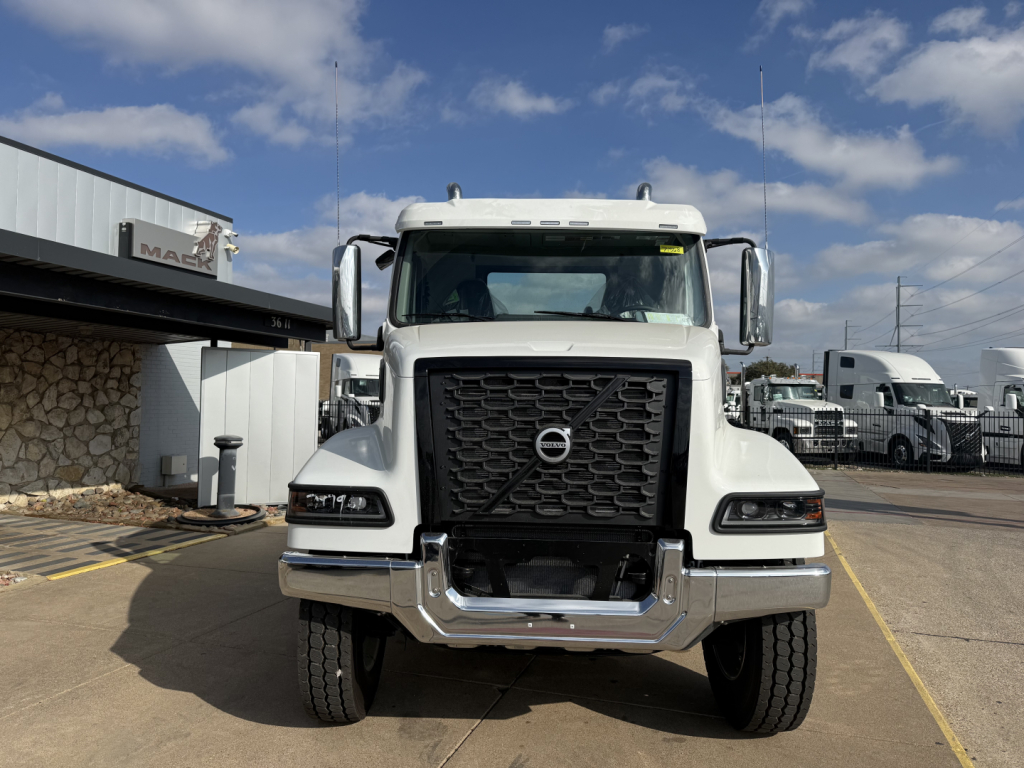
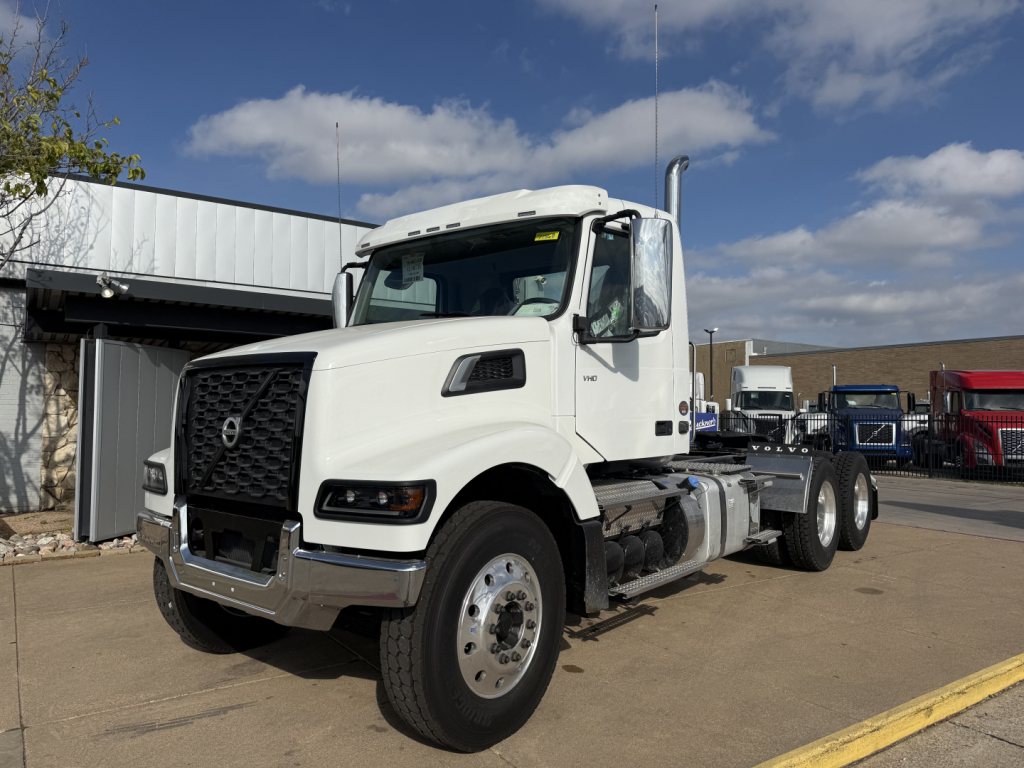
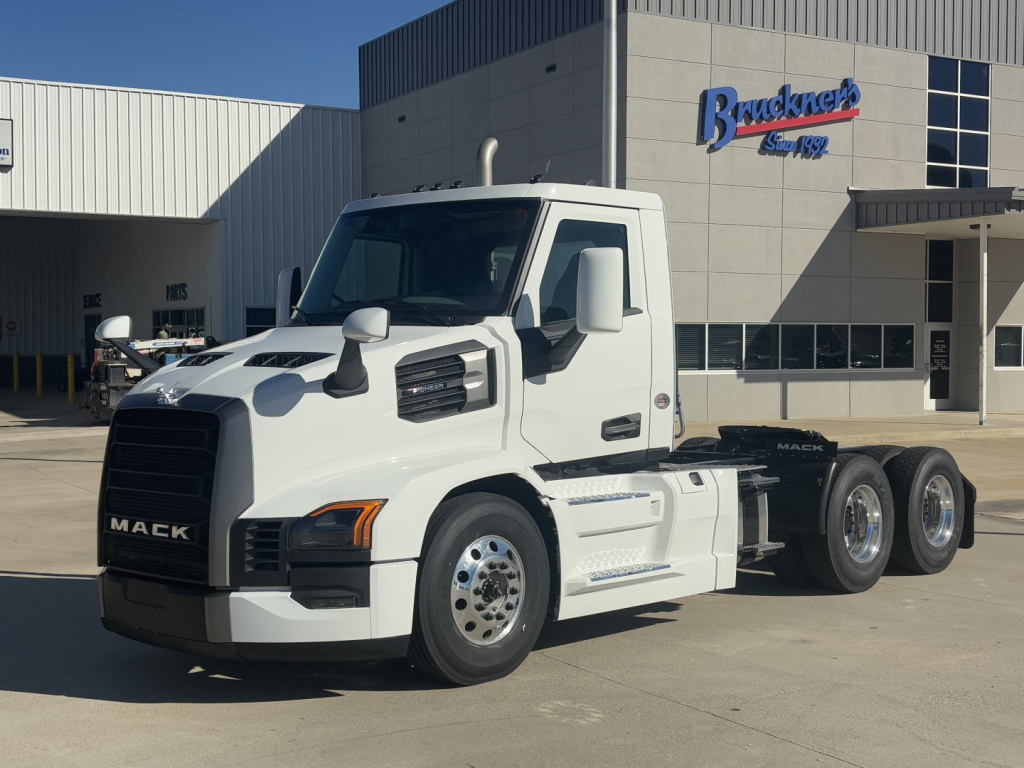
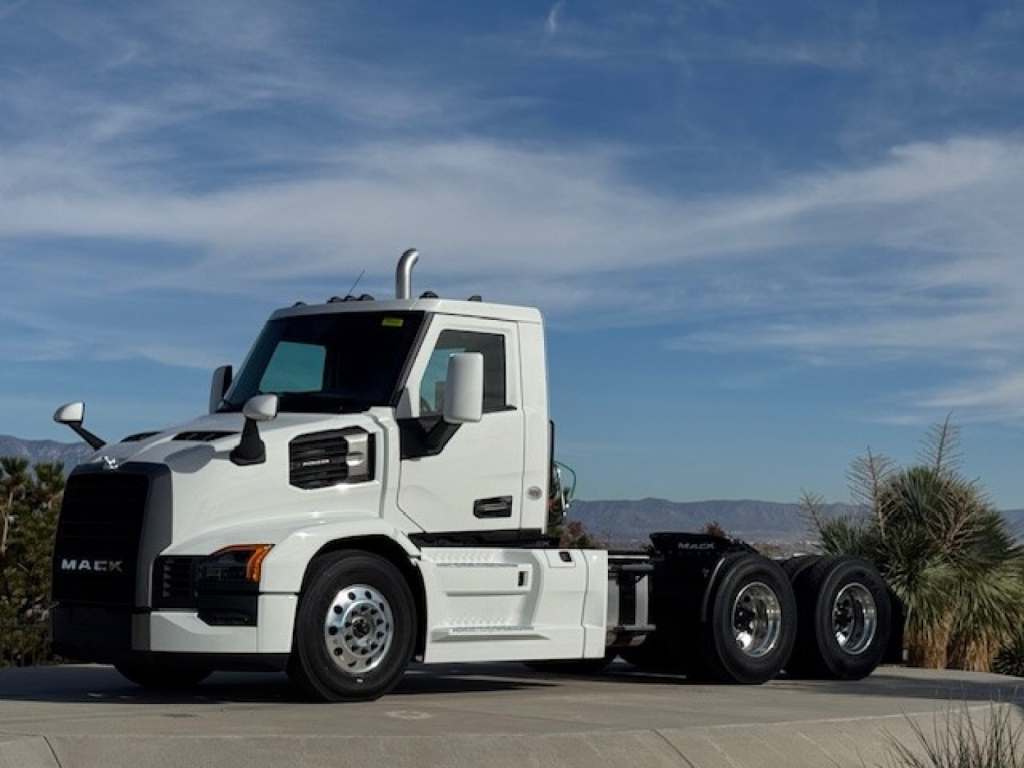
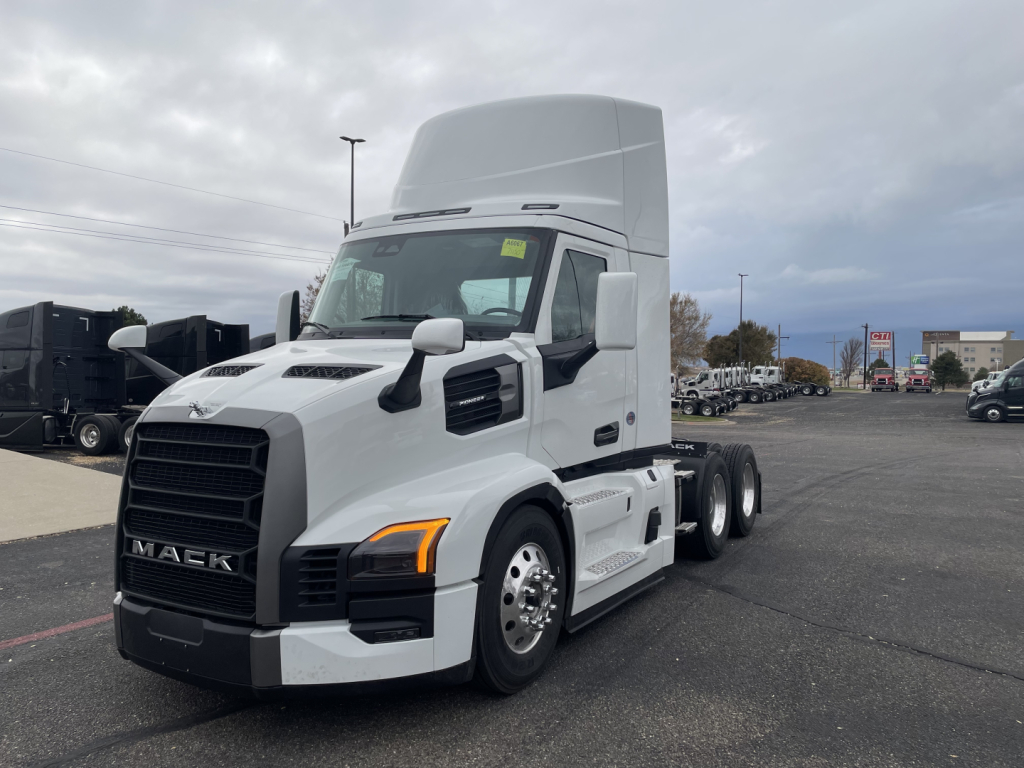
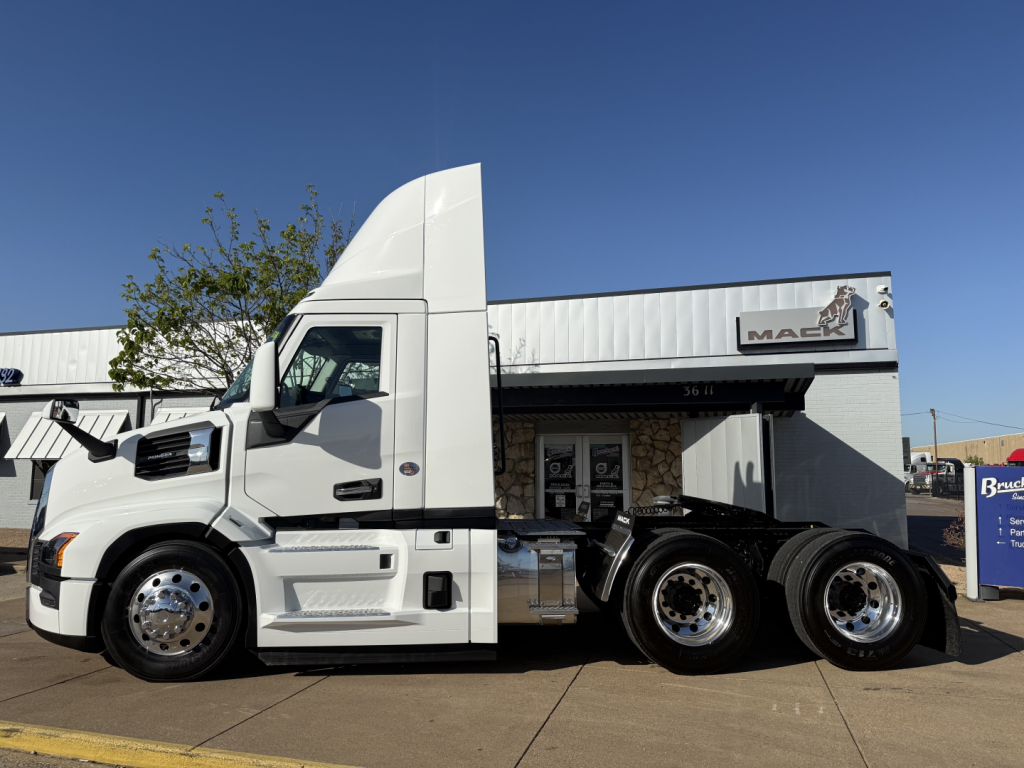
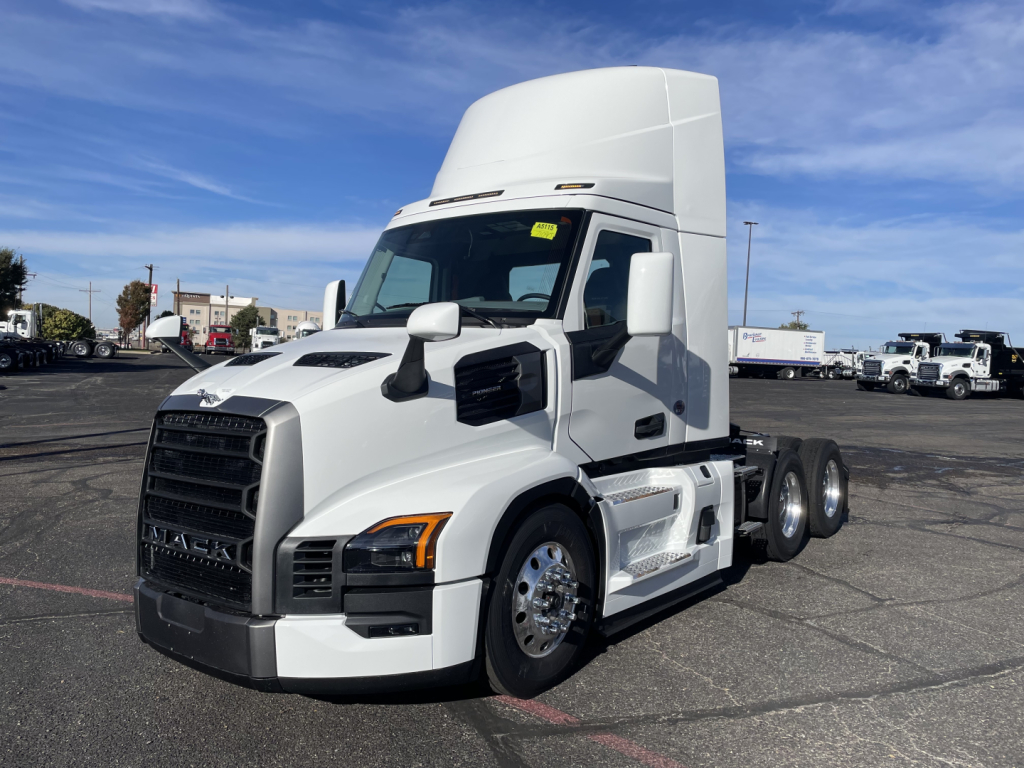
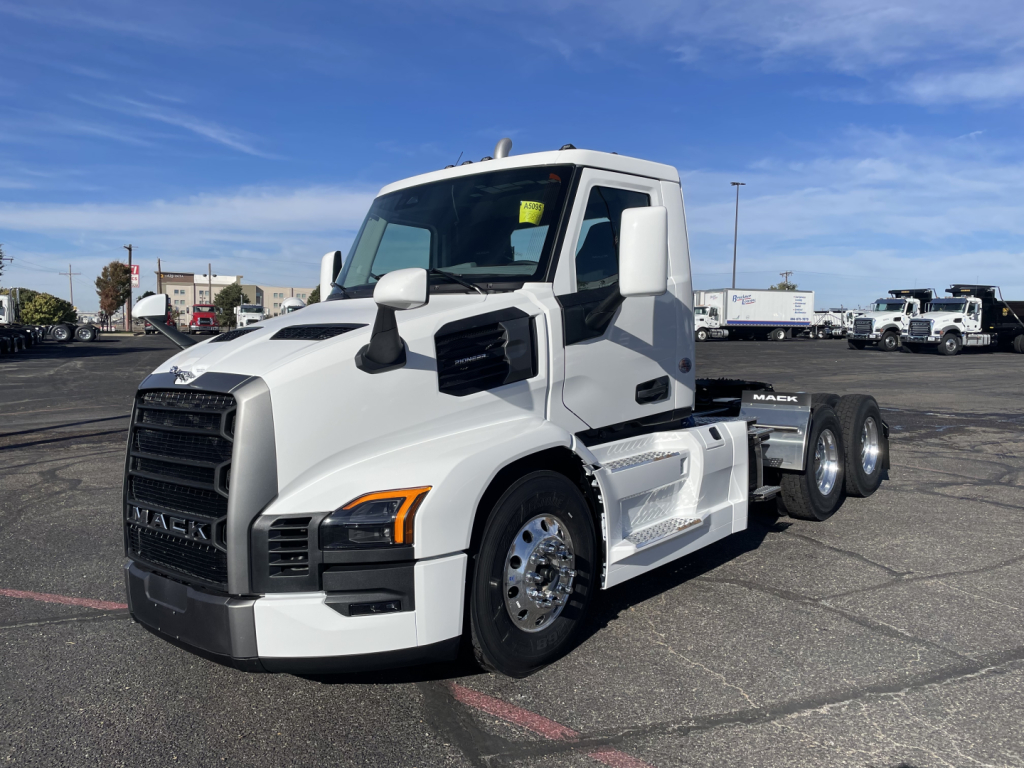
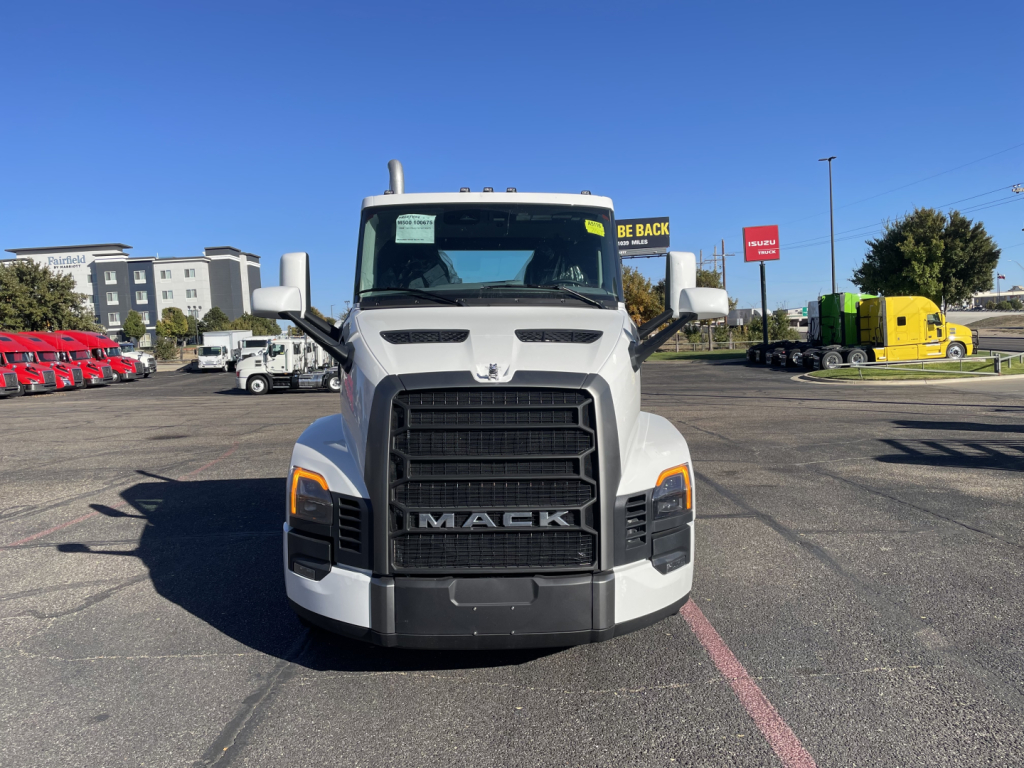
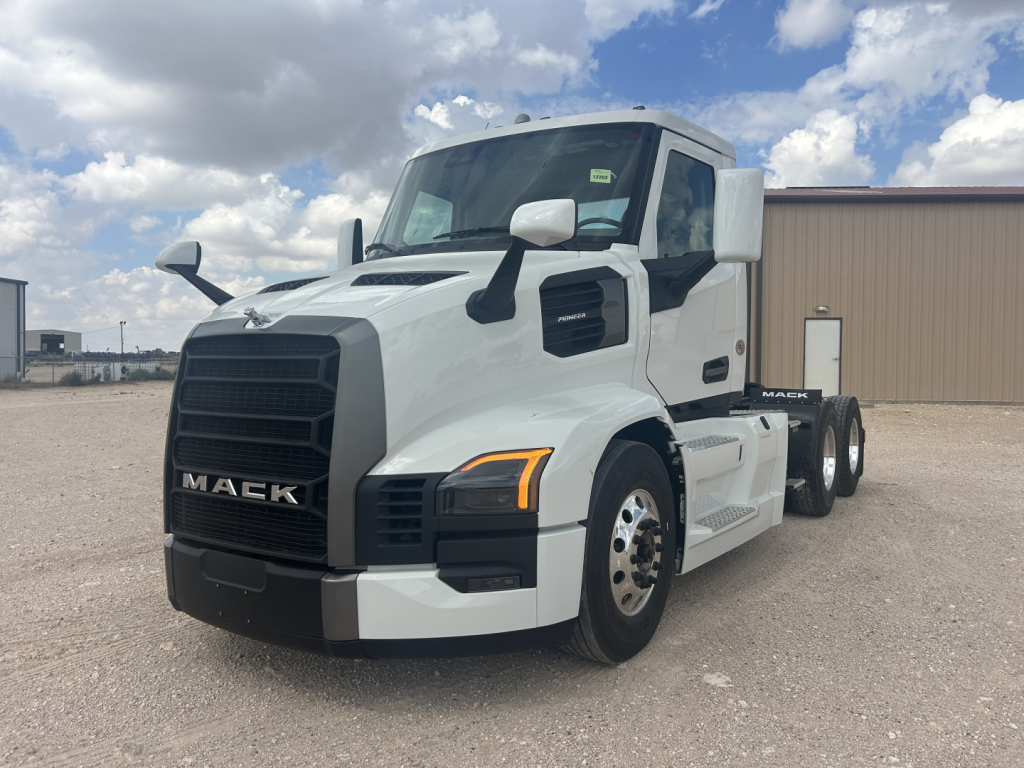
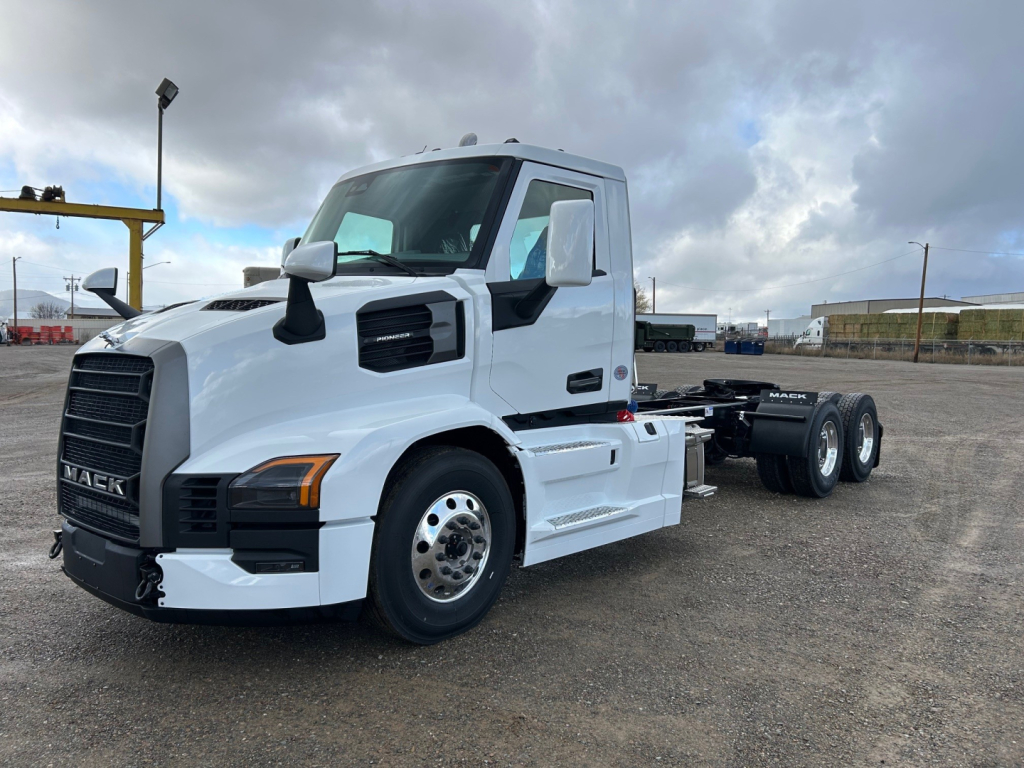
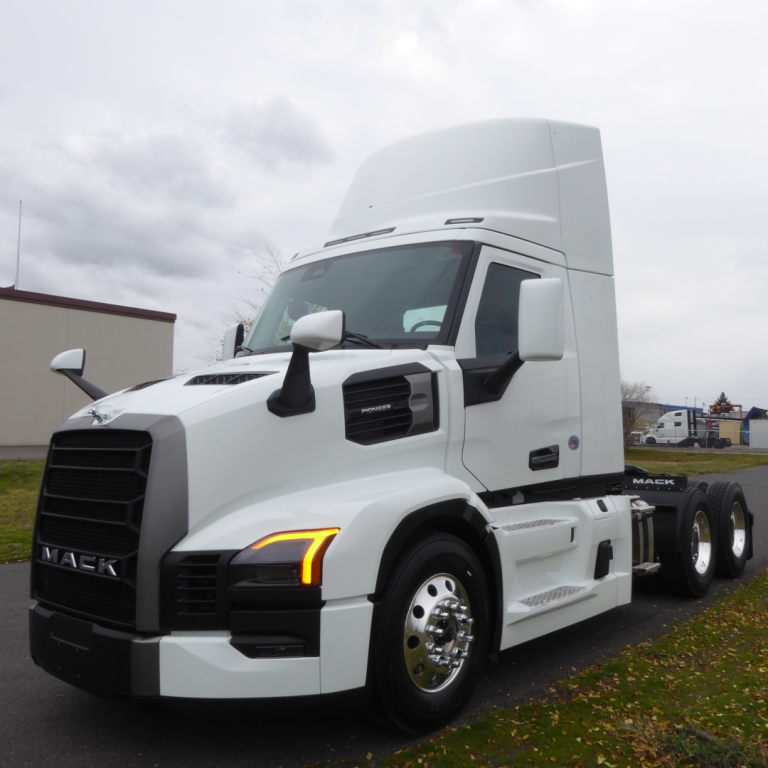
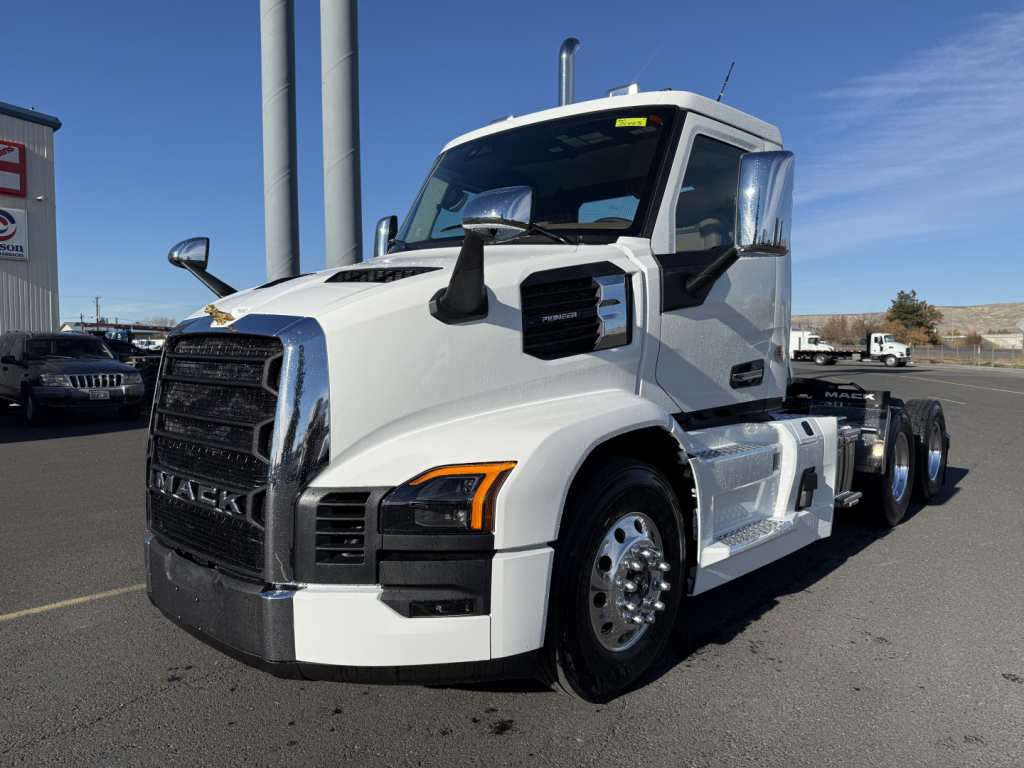
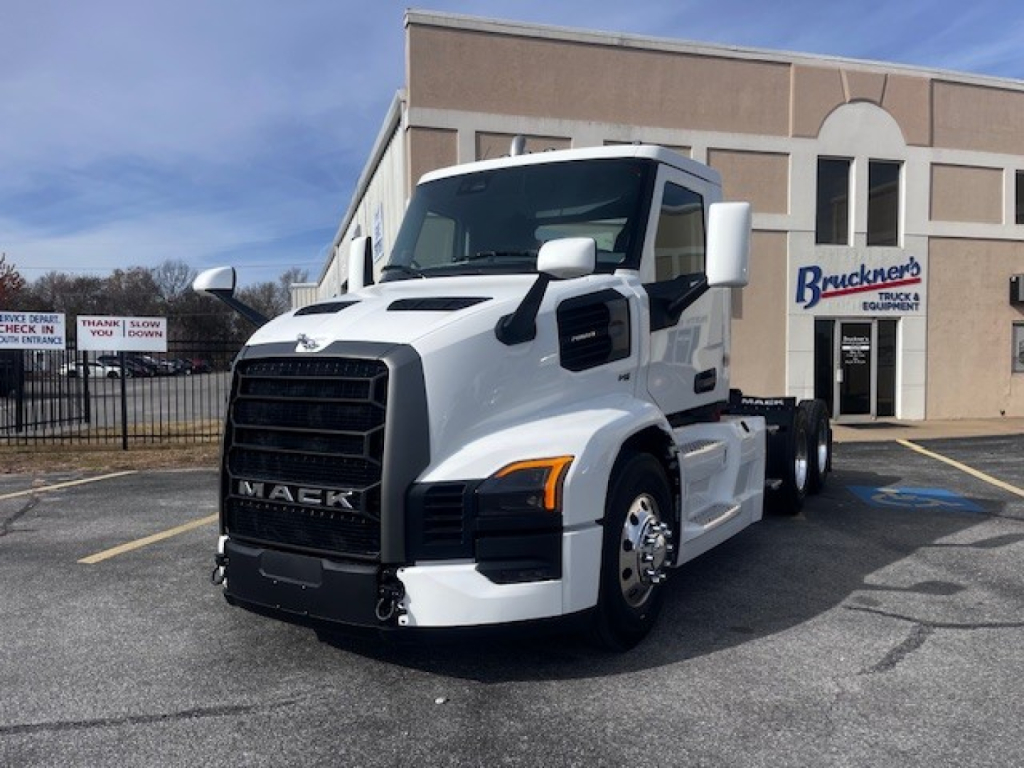
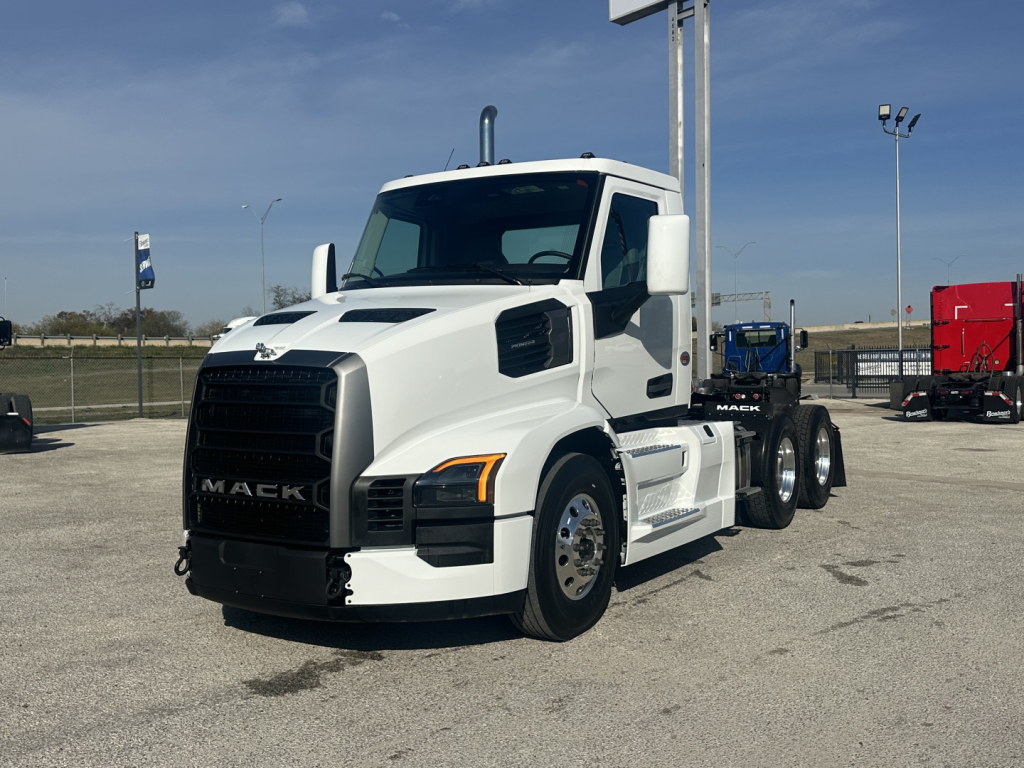
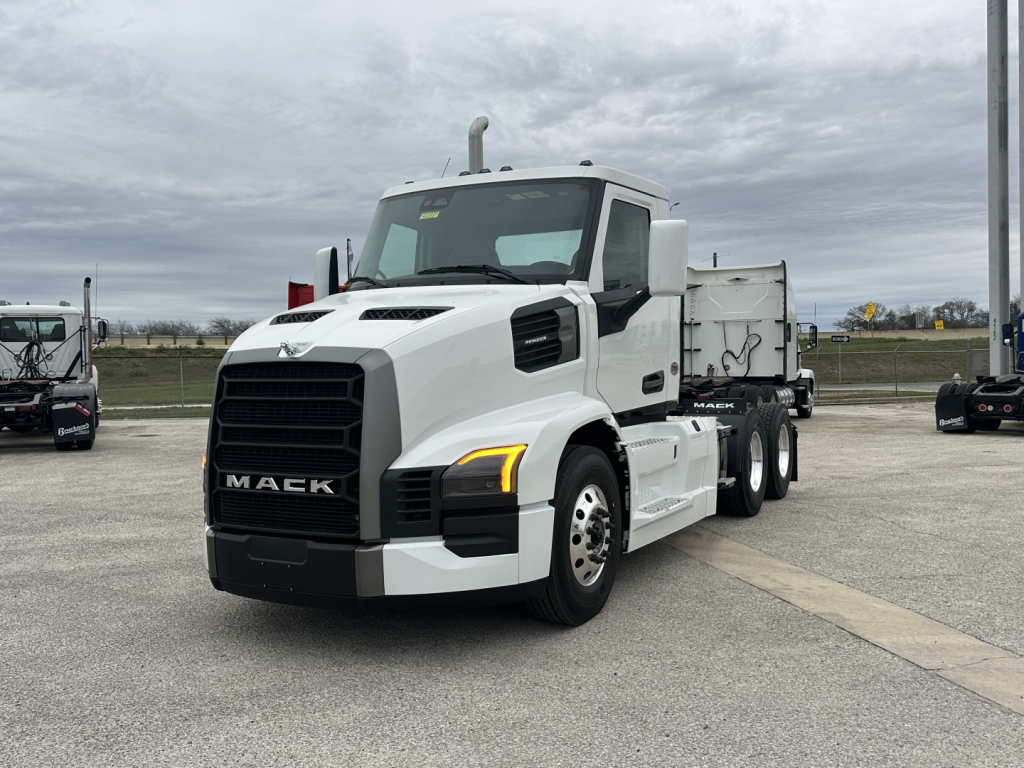
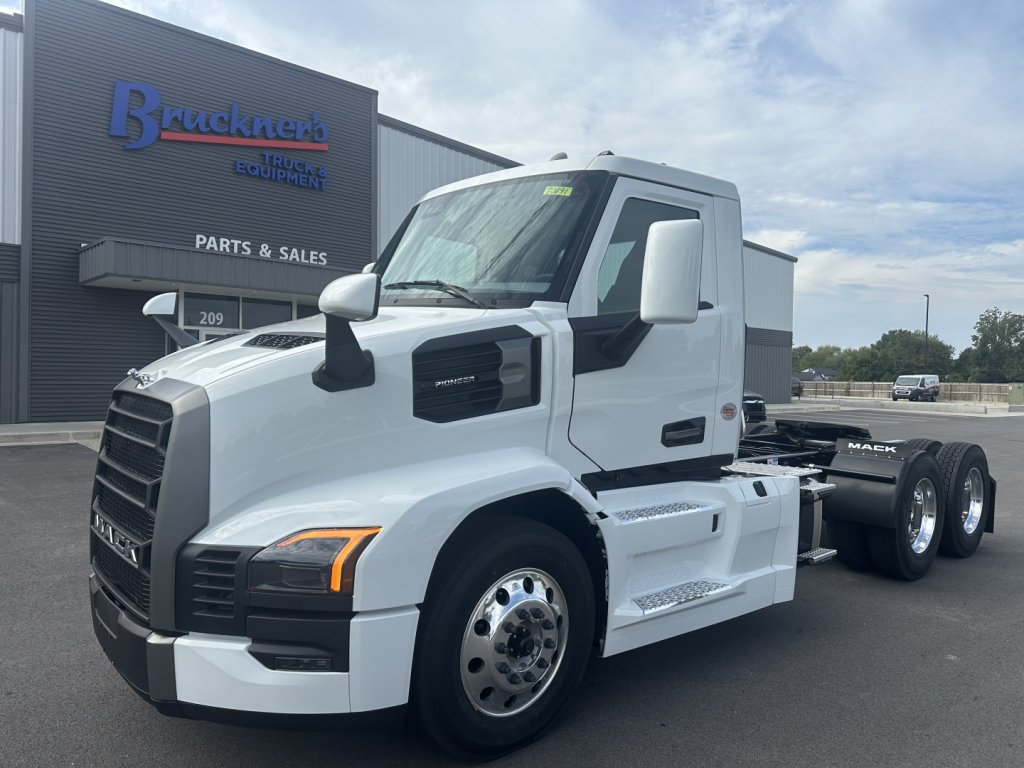
Showing 1 to 28 of 57 results
Selling a new 2026 conventional daycab truck? List your new 2026 conventional daycab truck for sale and reach thousands of commercial buyers.
New 2026 Conventional Daycab Trucks
The biggest buying decision is matching chassis spec to the work cycle. On new conventional daycabs, common engine ratings run from the mid-400 HP range up to 500 HP and beyond, often paired with 12-speed or 13-speed automated manuals, though some buyers still prefer a 10-speed or 13-speed manual for certain vocational applications. Front axles around 12,000 to 14,600 pounds and tandem rears from 40,000 to 46,000 pounds are typical, with locking differentials, heavier suspensions, and wheelbases often selected based on body clearance, bridge law, and fifth wheel placement. If the truck will see tight urban turns, transfer stations, or frequent backing, wheelbase and setback axle configuration matter as much as horsepower.
For operating cost, 2026 models bring the most value when the spec is aligned with duty cycle instead of ordered for maximum rating across the board. Fleets focused on fuel economy usually look at automated transmissions, lower rear axle ratios, aerodynamic conventional hoods, and driver-assist systems that support consistent road speed and braking habits. Vocational buyers often prioritize all-wheel disc brakes, full lockers, air ride suspensions, dual fuel tanks, heavy-duty frames, and sliding or fixed fifth wheels depending on trailer mix. Cab layout matters too. Modern daycabs have improved seat ergonomics, visibility, switch placement, collision mitigation, adaptive cruise, and telematics integration, all of which affect driver retention and maintenance planning.
A well-spec'd conventional daycab should be evaluated by application first, then by axle ratings, powertrain, wheelbase, and intended trailer. For regional freight, a lighter and more aerodynamic tractor can lower cost per mile. For construction or severe service, durability features like heavier steer axles, robust rear suspensions, diff locks, and vocational gearing usually outweigh pure fuel economy. Buyers comparing new 2026 conventional daycab trucks should pay close attention to GCWR, fifth wheel height, kingpin setting compatibility, brake type, fuel capacity, and emissions warranty coverage, because those details determine how well the truck fits the freight and how hard it will work over the next several years.
Frequently Asked Questions about New 2026 Conventional Daycab Trucks
What is a conventional daycab truck used for?
A conventional daycab truck is used for local and regional hauling where the driver does not need a sleeper berth. Common applications include flatbed, dump, tanker, container, end dump, lowboy, and short-haul van freight. The shorter cab configuration improves maneuverability, reduces empty weight, and often lowers acquisition cost compared with a sleeper tractor.
What specs matter most when buying a new 2026 daycab tractor?
The most important specs are engine horsepower and torque, transmission type, front and rear axle ratings, wheelbase, suspension, rear axle ratio, and fifth wheel setup. Buyers should also confirm fuel capacity, brake type, frame rating, and GCWR. These choices affect payload capability, turning radius, bridge compliance, fuel economy, and compatibility with the trailers the truck will actually pull.
Are automated transmissions common in new conventional daycabs?
Yes. Automated manual transmissions are now common in new daycab tractors because they improve shift consistency, help control clutch-related wear, and can support better fuel economy across mixed-driver fleets. They are especially popular in regional and vocational work where start-stop operation, driver turnover, and productivity are major concerns. Manual transmissions still have a place in certain heavy haul and specialty applications where buyer preference or duty cycle favors direct driver control.
How do I choose the right wheelbase for a daycab truck?
Wheelbase should be selected based on trailer length, kingpin setting, desired bridge spread, turning requirements, and the amount of frame space needed for tanks, wet kits, and other equipment. A shorter wheelbase usually helps in tight yards and city delivery environments, while a longer wheelbase may be necessary for weight distribution, ride quality, or vocational upfit requirements. It is a spec decision that should be made with the trailer and route profile in mind.
Is a daycab better than a sleeper for regional work?
For many regional operations, yes. A daycab is usually the better choice when routes allow the driver to return daily, because it cuts weight, can improve visibility and maneuverability, and avoids paying for unused sleeper space. A sleeper becomes the better fit when layovers, longer dispatch radius, or Hours of Service realities make overnight accommodation necessary. The right answer depends on route design and driver schedule, not just purchase price.