
New 2026 Conventional Daycab Trucks For Sale in Mississippi
Shop new 2026 conventional daycab trucks in Mississippi. Compare wheelbases, axle ratings, engines, and vocational or regional specs.
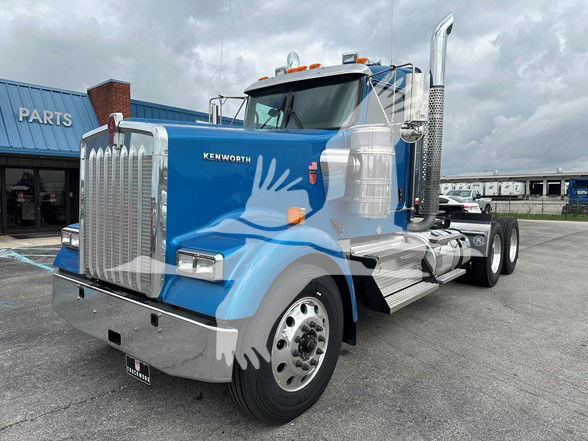
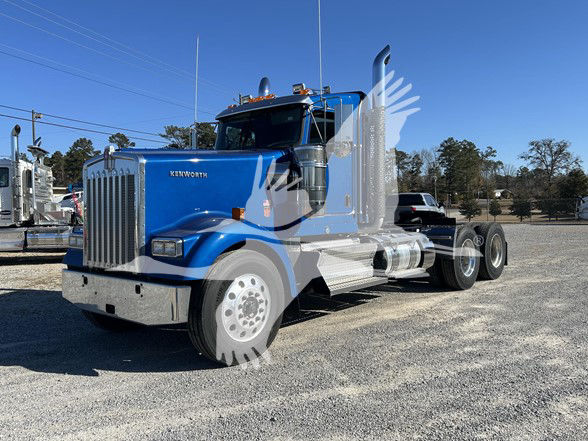
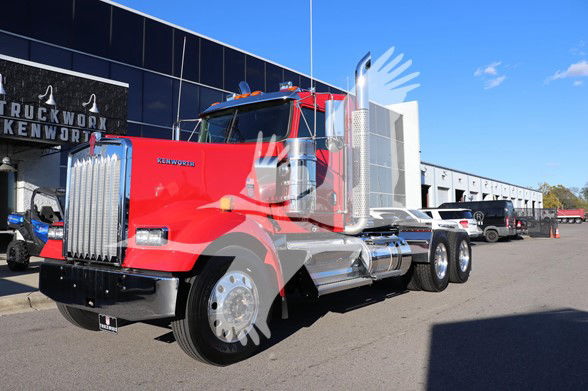
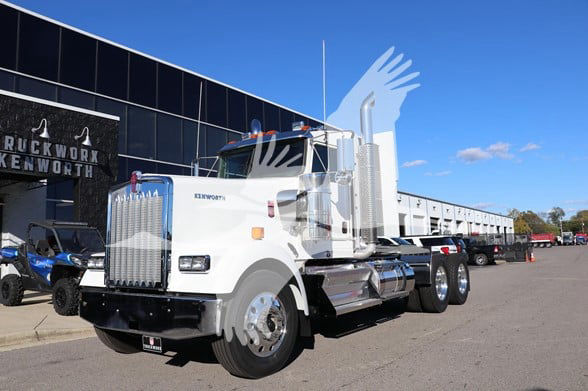
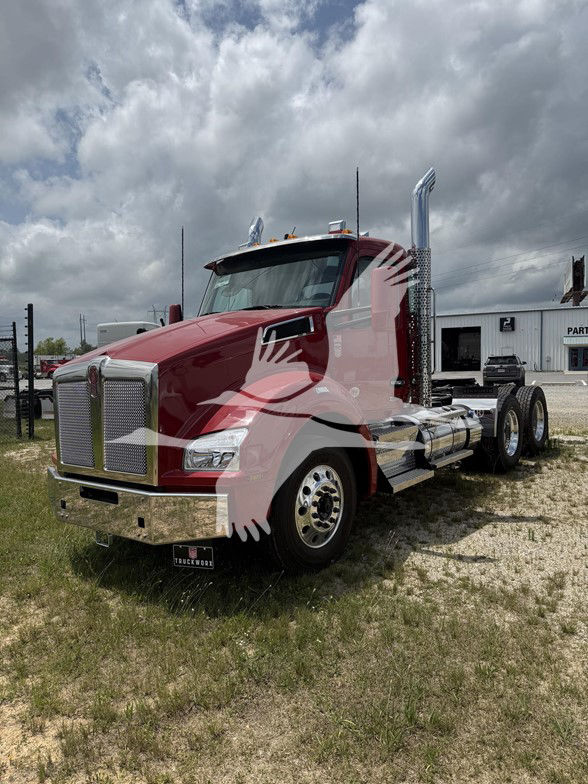
2026 Kenworth T880
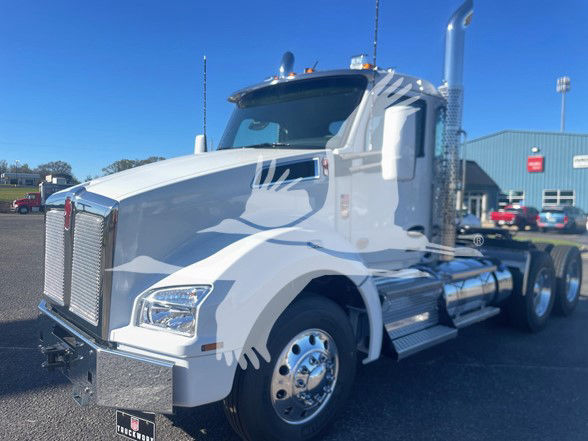
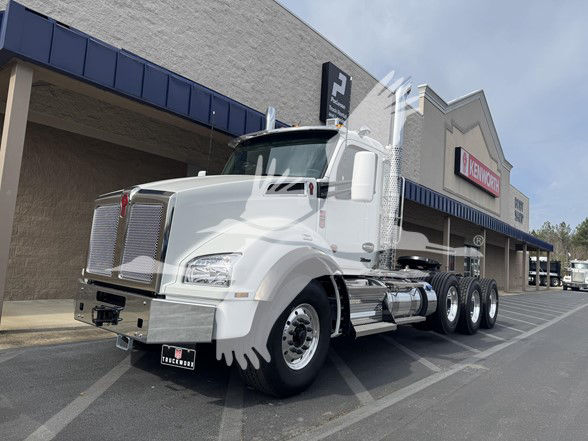
Selling a new 2026 conventional daycab truck? List your new 2026 conventional daycab truck for sale and reach thousands of commercial buyers.
New 2026 Conventional Daycab Trucks in Mississippi
The first buying decision is usually application. A highway-oriented daycab may focus on fuel economy, lighter tare weight, aerodynamic hood options, and automated manual transmissions. A vocational or severe-service conventional daycab leans toward heavier front axles, double-frame construction, higher RBM, locking differentials, pusher options, and suspension packages such as AG460 or other heavy tandem setups. Engines in this class commonly include 13-liter and 15-liter diesels, with the Cummins X15 remaining a frequent choice when buyers need strong torque output for Mississippi grades, oversize loads, or PTO-related work. Transmission choice still matters. A 10-speed manual can appeal to buyers who want direct control and service familiarity, while automated manuals are common for fleets focused on driver onboarding, fuel management, and reduced clutch wear.
Wheelbase, axle rating, and fifth wheel position deserve close attention because they directly affect bridge compliance, trailer swing clearance, and how the truck carries weight. A shorter wheelbase daycab is easier to maneuver in distribution yards, industrial sites, and tighter urban areas. A longer wheelbase conventional can improve ride quality, frame packaging, and fitment for headache racks, wet kits, or lowboy setups. Buyers comparing new 2026 models should also look at front axle capacity, rear axle ratio, suspension rating, frame specs, brake package, and tire size. If the truck will pull flatbeds, tanks, dumps, detachable goosenecks, or hopper trailers, the right gearing and suspension matter as much as the horsepower rating.
Cab layout and driver environment are also part of the value equation. New daycabs typically offer better visibility, tighter steering geometry, cleaner dash layouts, and upgraded safety electronics compared with older units. Features such as air-ride cabs, disc brakes, collision mitigation, lane departure alerts, premium seats, and factory telematics can improve uptime and driver retention on regional routes. For buyers in Mississippi, corrosion exposure may be lower than in heavy road-salt markets, but cooling performance, AC output, and vocational durability still matter in hot, humid conditions. A well-spec'd conventional daycab should match the trailer, route, payload, and service interval plan from day one, because the right spec on a new truck usually pays back in fuel use, tire life, maintenance access, and resale strength.
Frequently Asked Questions about New 2026 Conventional Daycab Trucks in Mississippi
What is a conventional daycab truck used for?
A conventional daycab truck is a Class 8 tractor with a hooded engine layout and no sleeper compartment. It is commonly used for regional hauling, local freight, dedicated routes, port drayage, construction support, dump applications, and heavy equipment transport. The lack of a sleeper reduces overall length and weight, which can improve maneuverability and payload flexibility for operations that do not require overnight lodging in the truck.
What specs matter most when buying a new 2026 conventional daycab?
The most important specs depend on the job, but buyers usually start with engine rating, transmission type, wheelbase, front and rear axle capacity, suspension, rear axle ratio, and frame strength. A highway daycab may prioritize fuel economy and lighter weight, while a vocational or lowboy tractor may need a heavier suspension, higher horsepower and torque, and a longer wheelbase for trailer compatibility. Fifth wheel placement, brake spec, and PTO or wet kit readiness are also important if the truck will serve specialized trailers or hydraulic equipment.
Is a longer wheelbase better on a daycab?
A longer wheelbase is not automatically better. It usually provides a smoother ride, more frame space for accessories, and better fitment for certain heavy-haul or lowboy applications. A shorter wheelbase is often better for tight turns, dock access, urban work, and general regional service. The right choice depends on trailer length, kingpin setting, bridge laws, axle spread, and how much maneuverability the route requires.
Are manual transmissions still common in new conventional daycab trucks?
Manual transmissions are still available in some new conventional daycab specs, especially where drivers want direct gear control or where the operation values simplicity and familiarity in certain vocational settings. That said, automated manual transmissions are now common across regional and vocational fleets because they help standardize driver performance, reduce clutch-related wear, and often support fuel-efficiency goals. The best choice depends on driver pool, terrain, maintenance strategy, and resale expectations.
Why are models like the Kenworth T880 and W900L popular as daycabs?
These models are popular because they cover different parts of the conventional daycab market. The Kenworth T880 is widely used in vocational and mixed-service work thanks to its durable chassis options, heavy-spec availability, and adaptable wheelbase and axle configurations. The W900L remains attractive to buyers who want a long-hood conventional with strong visual appeal, proven heavy-haul presence, and room for high-horsepower driveline specs. Both can be configured to suit regional, vocational, or specialized trailer applications depending on how the truck is ordered.