
New 2026 Kenworth Conventional Daycab Trucks For Sale in Mississippi
Shop new 2026 Kenworth conventional daycab trucks in Mississippi, including W900L and T880 specs, applications, wheelbases, and drivetrain options.
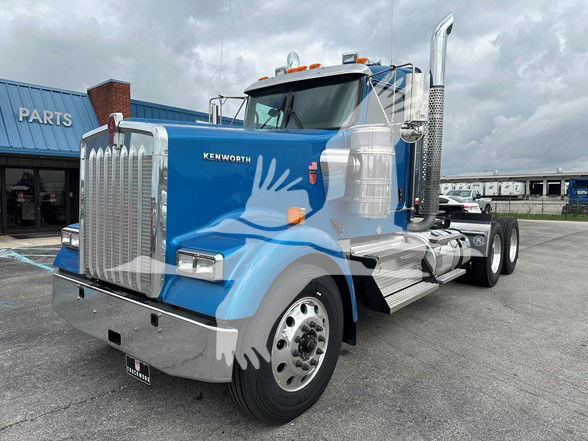
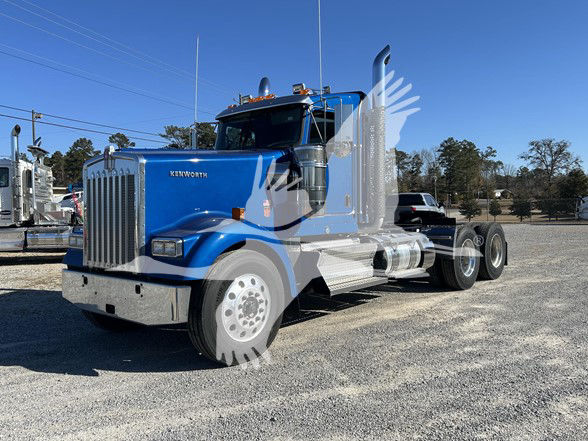
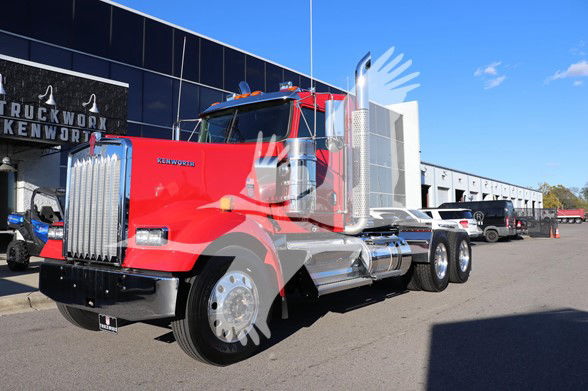
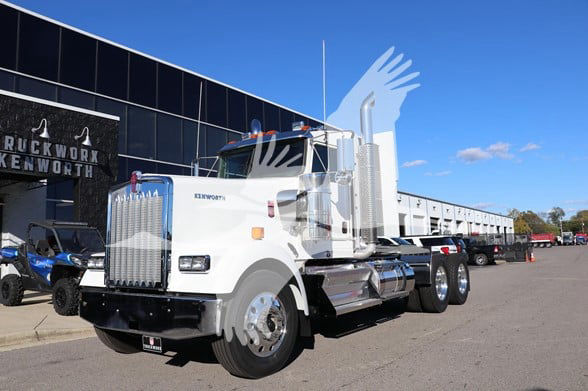
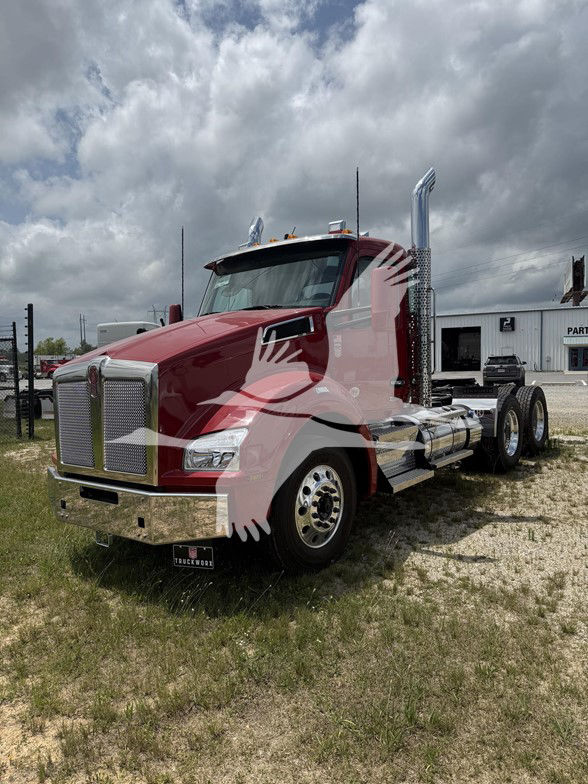
2026 Kenworth T880
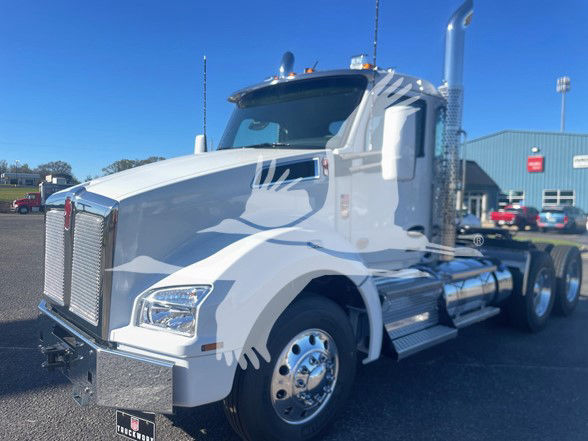
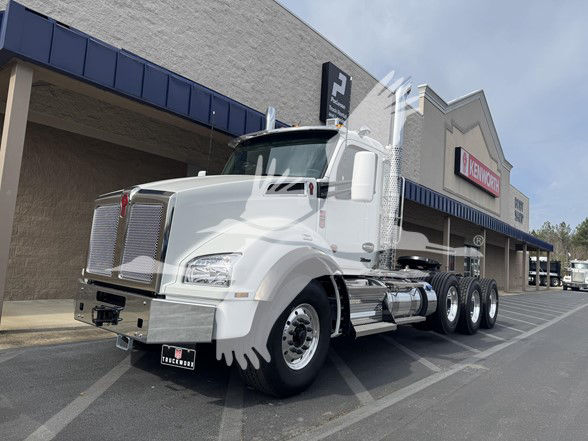
Selling a new 2026 kenworth conventional daycab truck? List your new 2026 kenworth conventional daycab truck for sale and reach thousands of commercial buyers.
New 2026 Kenworth Conventional Daycab Trucks in Mississippi
Two common directions in this category are the Kenworth W900L and the Kenworth T880. A W900L daycab is typically chosen for its long-hood layout, classic appearance, heavy-duty spec potential, and owner-operator appeal. A T880 daycab is usually the more vocationally focused option, with a set-forward front axle configuration available, strong visibility, and flexibility for dump, lowboy, mixer, or severe-service tractor applications. Sample specs in this class commonly include Cummins X15 power, around 500 horsepower, Eaton 10-speed manual transmissions, AG460 rear suspension, and wheelbases in the 200 to 230 inch range. Those are serious tractor specs, and they matter because wheelbase, axle spacing, suspension rating, and transmission choice directly affect bridge compliance, trailer swing clearance, PTO compatibility, ride quality, and how the truck handles concentrated loads.
When comparing new Kenworth conventional daycab trucks, focus first on the job before the badge on the hood. A highway-oriented daycab pulling van, flatbed, or tanker often benefits from a lighter spec, aerodynamic considerations, and a wheelbase that balances ride quality with turning radius. A vocational tractor or heavy local hauler may need higher front axle capacity, double frame reinforcement, full locking differentials, severe-duty cooling, and PTO provisions for hydraulic equipment. Buyers should also look closely at rear axle ratio, fifth wheel type and placement, fuel capacity, brake configuration, and tire package. On a daycab, cab entry height, seat durability, dash layout, and visibility around the hood also matter because drivers are getting in and out more often than they would in a sleeper application.
For Mississippi operations, corrosion exposure, heat, stop-and-go duty cycles, and mixed on-road and off-road use can all influence the right spec. Aluminum wheels, full fenders, premium interior trim, and polished accessories may be priorities on a show-oriented W900L, while a T880 spec may lean toward functionality with vocational bumpers, high-capacity cooling, and more practical chassis layouts. New 2026 Kenworth daycabs give buyers the advantage of current emissions-compliant power, modern electrical architecture, and factory-built chassis configurations that can be matched closely to the work. The best truck in this category is not simply the one with the most horsepower. It is the one with the correct wheelbase, axle ratings, suspension, and driveline for the trailers, routes, and daily gross weights it will actually run.
Frequently Asked Questions about New 2026 Kenworth Conventional Daycab Trucks in Mississippi
What is a conventional daycab truck used for?
A conventional daycab truck is used for local and regional hauling where the driver returns home instead of needing a sleeper berth. Common applications include container drayage, flatbed work, tanker service, dump support, equipment hauling, and dedicated short-haul freight. The conventional hooded design also gives easier engine access and allows a wide range of axle, suspension, and wheelbase configurations.
What is the difference between a Kenworth W900L daycab and a Kenworth T880 daycab?
A Kenworth W900L daycab is typically associated with a long-hood, classic highway tractor layout and strong owner-operator appeal, often with heavier horsepower ratings and a more traditional look. A Kenworth T880 daycab is generally a more versatile vocational platform, commonly selected for construction, heavy haul, and severe-service applications because of its chassis flexibility, visibility, and jobsite-friendly design. The right choice depends on whether appearance, wheelbase style, vocational upfit needs, or operating environment is the bigger priority.
What specs matter most when buying a new 2026 Kenworth daycab?
The most important specs are engine rating, transmission type, wheelbase, rear axle ratio, suspension capacity, front axle capacity, and fifth wheel placement. Those items determine how the truck accelerates, handles trailer weights, fits bridge laws, turns in tight areas, and performs on uneven ground or under PTO load. Buyers should also review fuel tank size, brake package, frame rating, and any locks or lift axles needed for the intended work.
Is a 500 HP Cummins X15 too much for a daycab?
A 500 HP Cummins X15 is not excessive if the truck will handle heavy gross weights, steep grades, frequent starts under load, or demanding vocational service. For lighter regional freight, that power level may be more than necessary and can add cost depending on the rest of the driveline. The better question is how the horsepower is matched to torque rating, transmission, axle ratio, and the actual trailers and routes the truck will see every day.
Why does wheelbase matter on a conventional daycab?
Wheelbase affects ride quality, turning radius, weight distribution, bridge law flexibility, and the spacing available for fuel tanks, DEF equipment, toolboxes, and PTO components. A shorter wheelbase generally improves maneuverability in yards, jobsites, and urban routes. A longer wheelbase can improve ride and appearance, and it may better suit certain trailer combinations or heavy-spec layouts, but it can reduce maneuverability in tight operating conditions.