
New 2026 Kenworth Conventional Daycab Trucks For Sale
Shop new 2026 Kenworth conventional daycab trucks, including T880 and W900L specs, wheelbase, drivetrain, axle, and vocational options.
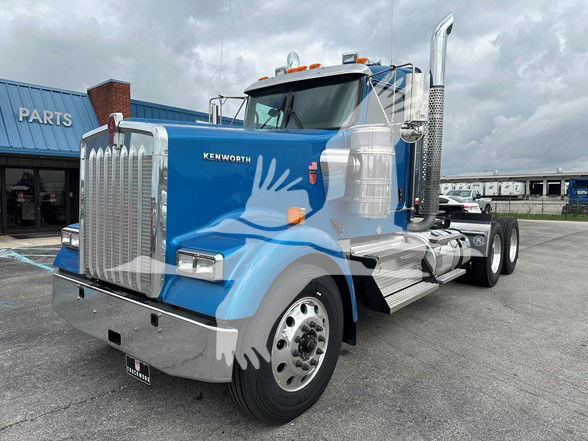
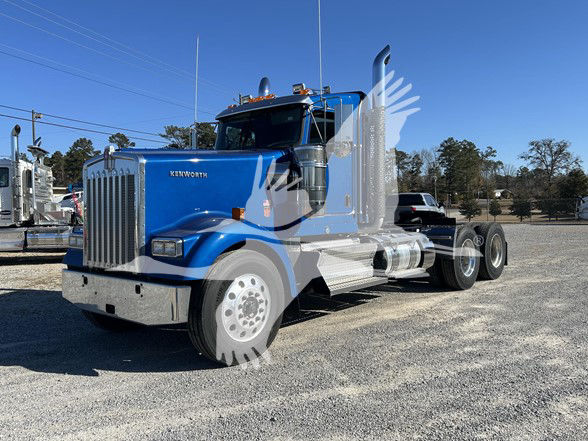
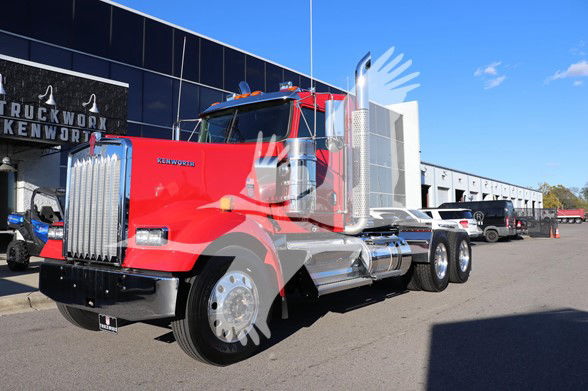
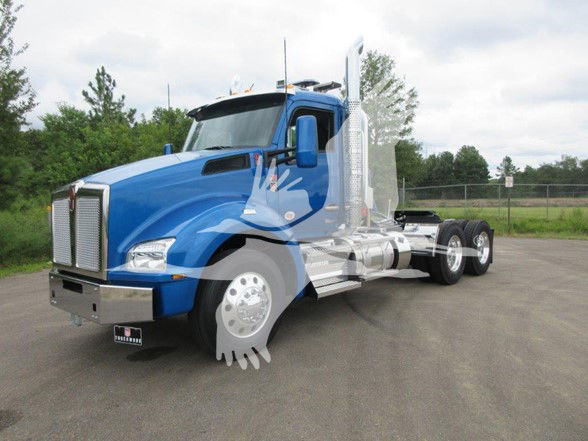
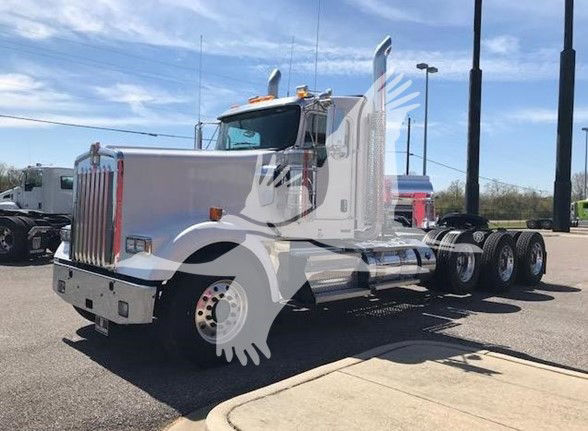
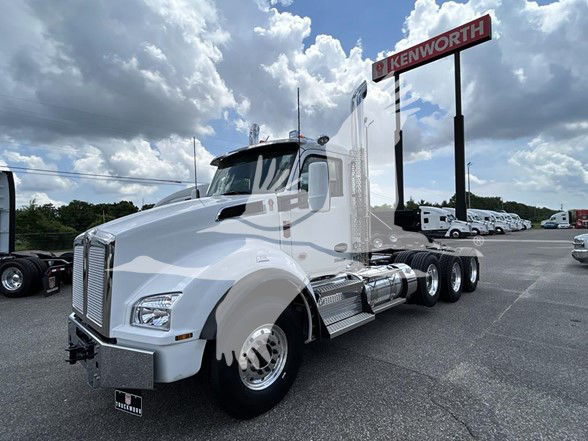
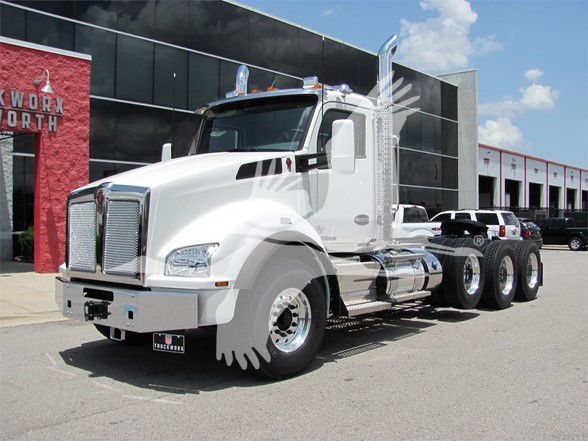
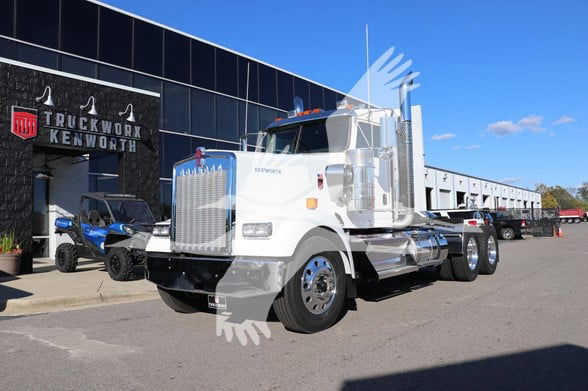
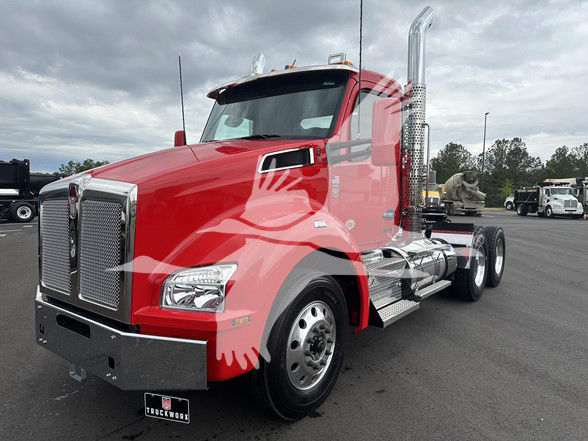
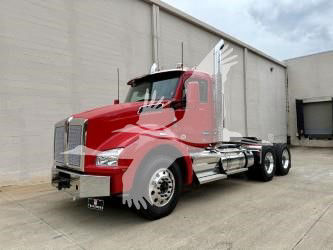
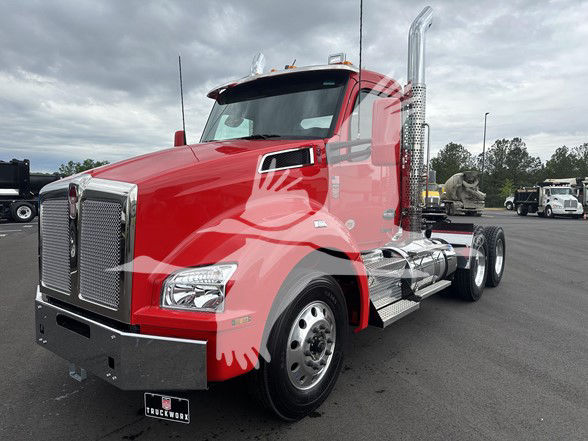
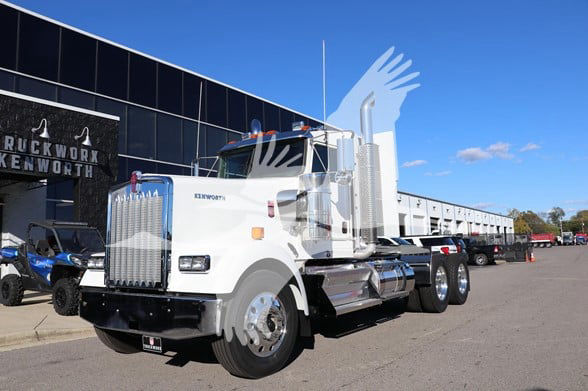
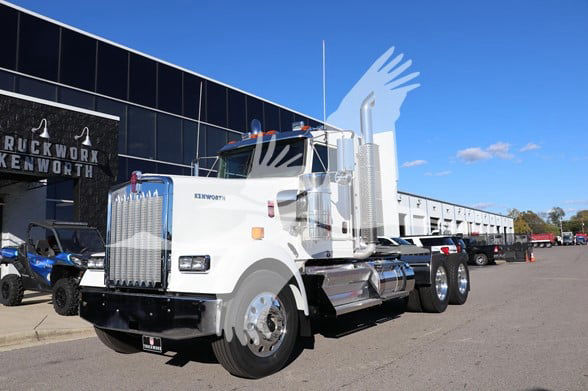
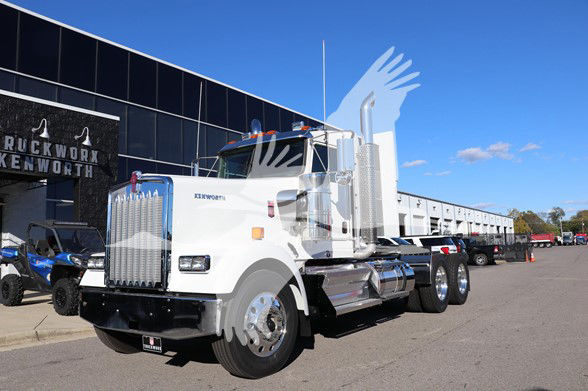
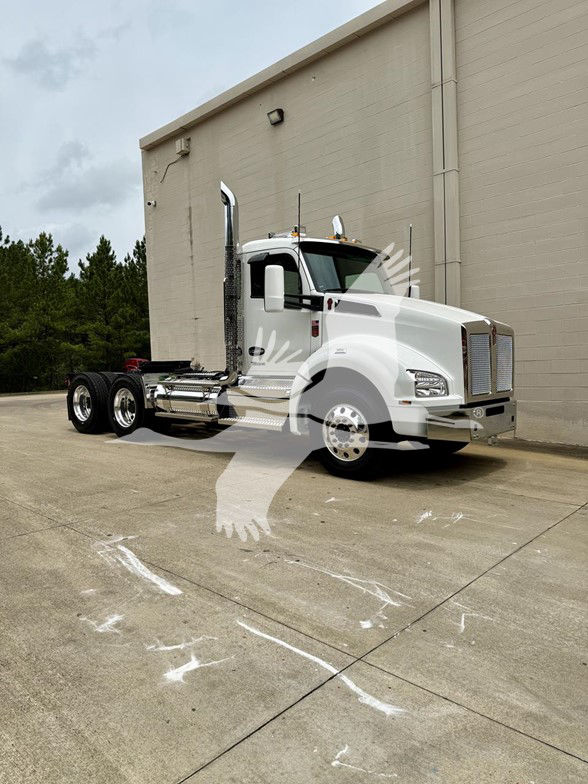
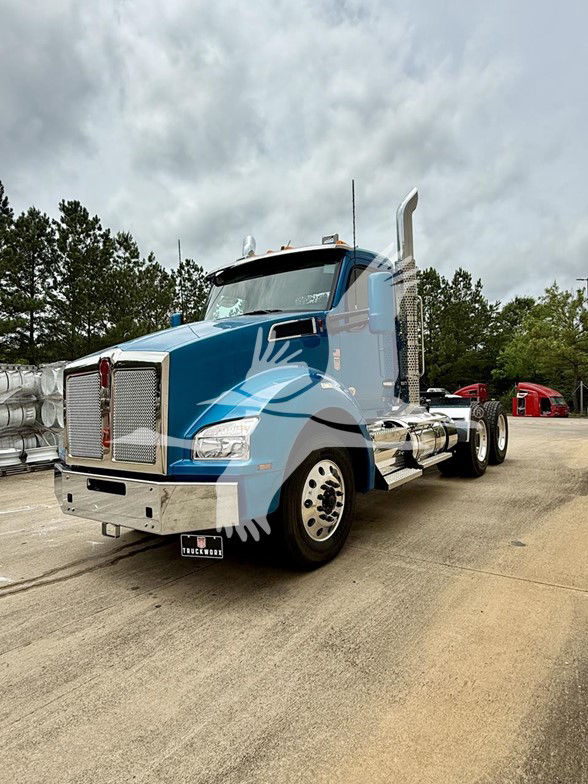
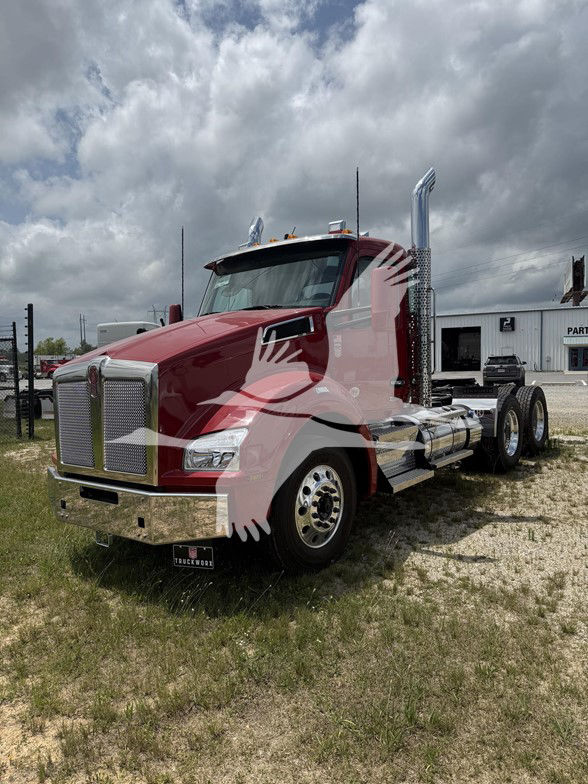
2026 Kenworth T880
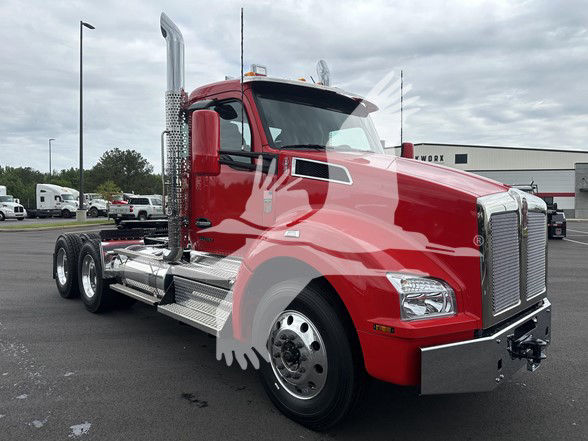
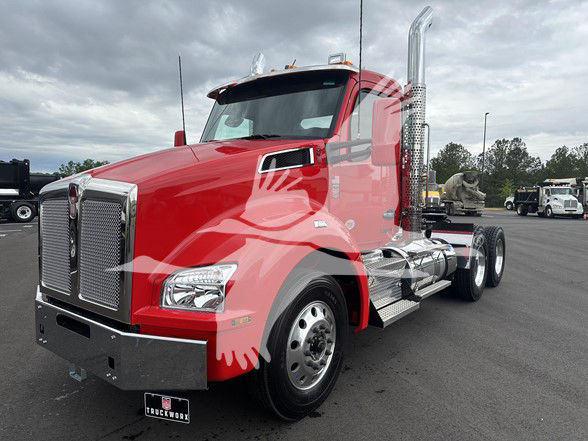
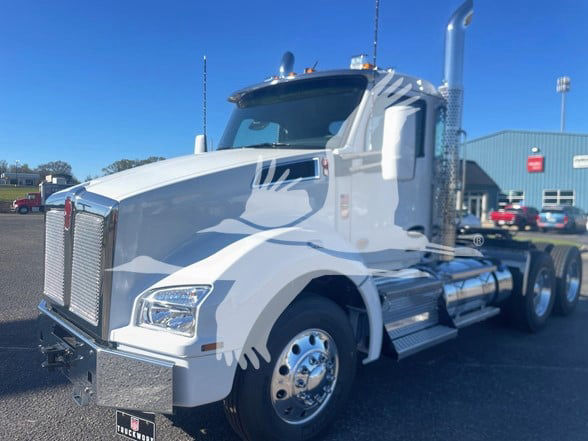
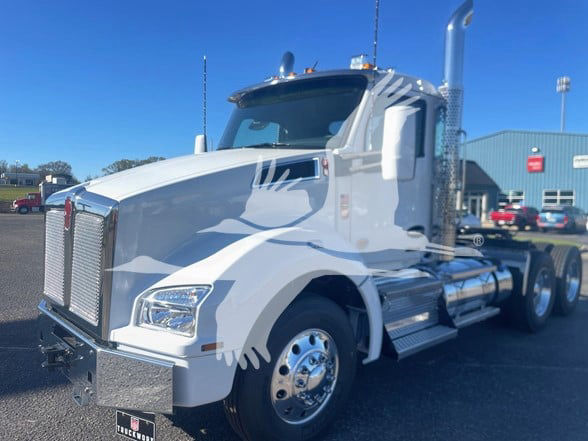
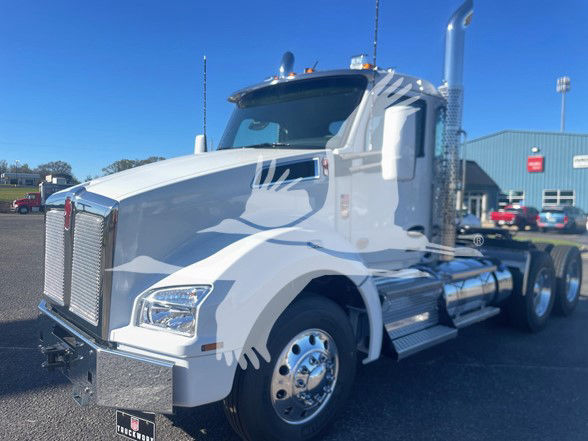
2026 Kenworth T880
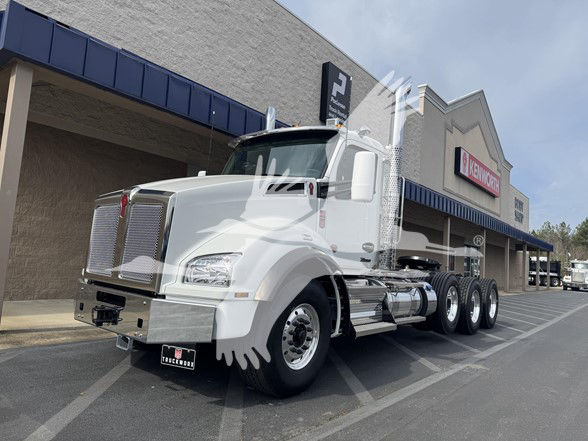
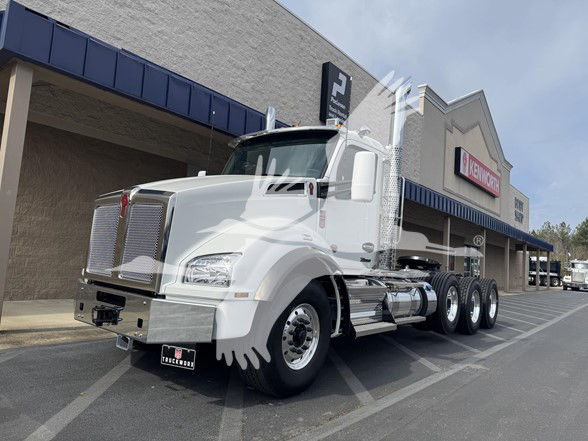
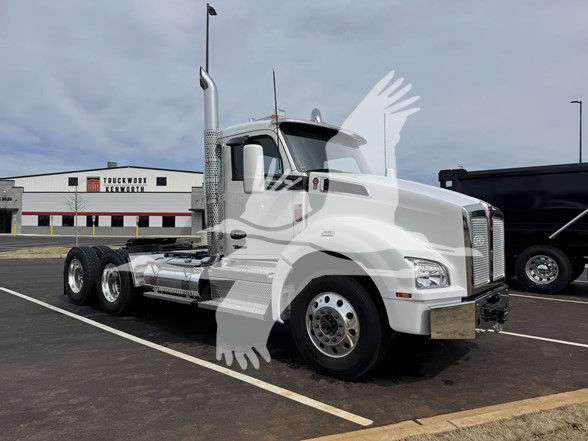
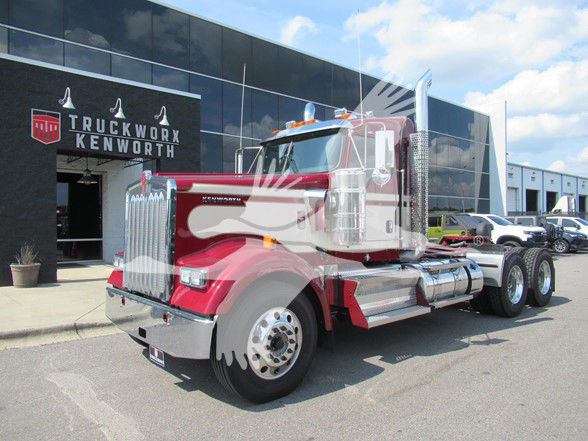
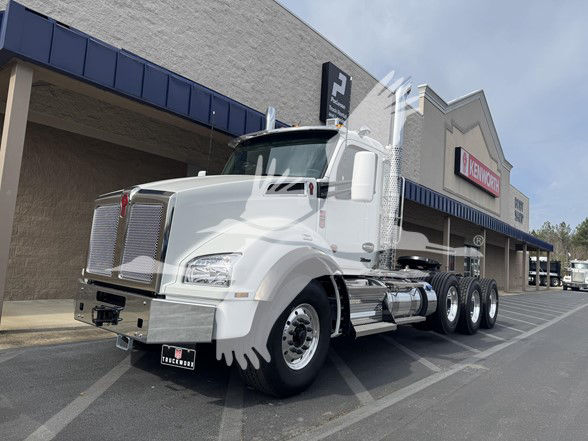
Selling a new 2026 kenworth conventional daycab truck? List your new 2026 kenworth conventional daycab truck for sale and reach thousands of commercial buyers.
New 2026 Kenworth Conventional Daycab Trucks
The two Kenworth models most buyers focus on in this category are the T880 and W900L. A T880 daycab is widely used in vocational and severe-duty settings because it balances serviceability, visibility, and front-end packaging for PTO, set-back or set-forward axle needs, and higher GVW applications. A W900L daycab appeals to fleets and owner-operators who want a long-hood conventional with strong resale appeal, a roomy cab, and a platform often spec'd for heavy haul or specialized trailer work. Sample specs in this class commonly include Cummins X15 power, 10-speed manual, Eaton Endurant automated manual, or Allison automatic transmissions, wheelbases around 201 to 282 inches, and rear suspensions such as AG460 or Neway depending on ride, articulation, and load requirements.
For a buyer, the critical decisions are in the drivetrain and chassis layout. Engine ratings around 450 to 500 horsepower are common, but torque, rear axle ratio, and transmission gearing matter more than the headline horsepower number when the truck is pulling lowboys, construction equipment, or heavy vocational trailers. Wheelbase affects bridge law compliance, trailer swing clearance, and how the truck carries a wet kit, headache rack, or frame-mounted equipment. Suspension choice changes how the truck handles off-road jobsite travel versus highway stability, and front axle capacity should match the expected pin weight and accessory load. On a new truck, it also pays to look closely at brake spec, fuel capacity, PTO provisions, locking differentials, frame reinforcement, and steer tire size because these details determine how well the truck fits the actual job.
A Kenworth conventional daycab also tends to hold buyer interest because the platform can be tailored for very different operations without giving up cab comfort or service access. Air-ride daycabs are common for regional freight and smoother ride quality, while vocational specs may lean toward rugged suspensions, heavier axles, and transmission choices suited for stop-and-go or off-pavement work. Buyers comparing 2026 trucks should think beyond model badge and focus on complete application fit: trailer type, average gross combination weight, route length, maneuvering space, bridge formula, and maintenance support for the chosen powertrain. That approach usually narrows the search faster than comparing cosmetic options or advertised horsepower alone.
Frequently Asked Questions about New 2026 Kenworth Conventional Daycab Trucks
What is the difference between a Kenworth T880 daycab and a W900L daycab?
The Kenworth T880 is generally the more vocationally focused platform, with broad spec flexibility for construction, dump, heavy haul, and severe-duty work. The W900L is a long-hood conventional that is often chosen for specialized hauling, owner-operator appeal, and strong resale recognition. The right choice depends on the job. Buyers usually prefer the T880 for modern vocational packaging and visibility, while the W900L is often selected for long wheelbase applications, heavy-spec setups, and traditional long-hood preference.
What engine and transmission combinations are common in a new 2026 Kenworth conventional daycab?
Common combinations in this category include the Cummins X15 paired with an Eaton Endurant automated manual, a traditional 10-speed manual, or an Allison automatic in applications that need easier stop-and-go operation or vocational control. The best pairing depends on terrain, gross weight, trailer type, and driver preference. Automated manuals can improve consistency and reduce driver fatigue, while manuals still appeal in some heavy-spec and specialized applications. Allison automatics are often favored for vocational work where frequent shifting and precise low-speed maneuvering are important.
How important is wheelbase on a Kenworth daycab?
Wheelbase is one of the most important spec decisions because it affects turning radius, bridge law compliance, ride quality, axle loading, trailer clearance, and available frame space for equipment. A shorter wheelbase may work better for maneuverability and local operations, while a longer wheelbase is often needed for heavy haul, lowboy work, frame-mounted accessories, or axle spacing requirements. Buyers should match wheelbase to trailer kingpin setting, expected payload, and any wet kit, headache rack, or lift axle equipment planned for the truck.
What suspension options matter most on a conventional daycab?
Rear suspension choice has a direct effect on ride, traction, durability, and how the truck performs under load. Suspensions like AG460 or Neway are common in this class and are selected based on axle capacity, articulation needs, and the type of roads the truck will see. For highway-oriented regional hauling, ride quality and stability may be the priority. For heavy vocational or off-road use, buyers usually focus more on durability, load handling, and traction under uneven conditions.
Is a daycab the right choice for heavy haul or local hauling?
A daycab is often the right choice when the truck operates on local, regional, vocational, or dedicated routes that do not require overnight accommodations. It reduces overall vehicle length and weight compared with a sleeper and can leave more usable chassis space for application-specific equipment. In heavy haul, construction, tanker, and equipment transport, a properly spec'd daycab can be an excellent fit as long as the axle ratings, wheelbase, drivetrain, and trailer interface are matched to the work.