
New Kenworth Conventional Day Cab Trucks For Sale
New Kenworth conventional day cab trucks for sale: compare T680, T880 and long-hood specs, drivetrain choices, axle ratings and new-truck tax exposure.
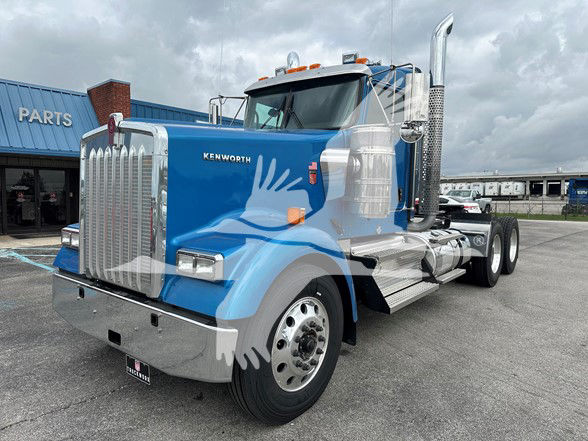
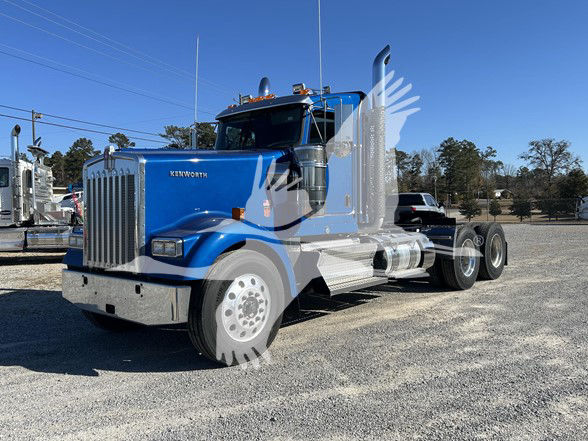
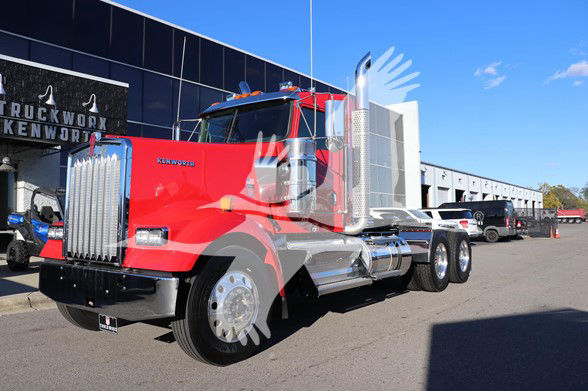
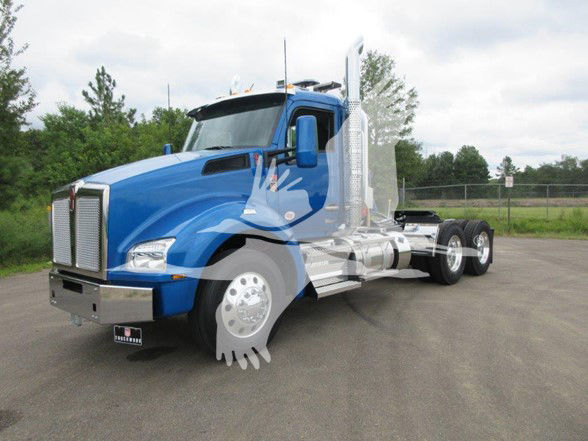
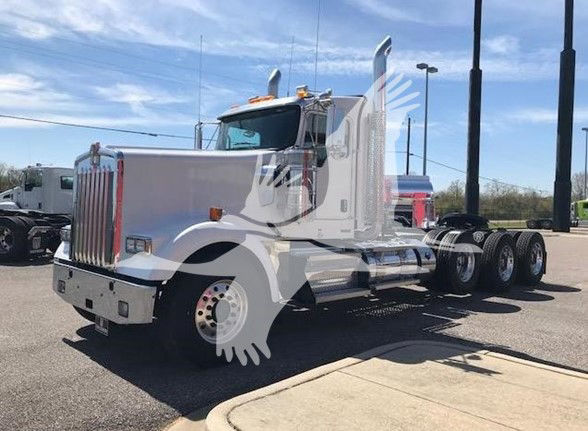
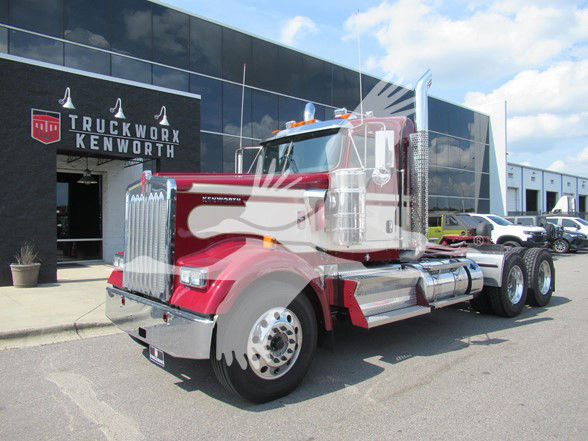
2026 Kenworth W900L
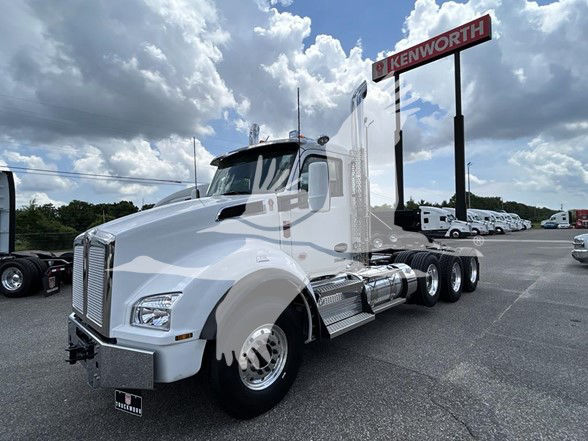
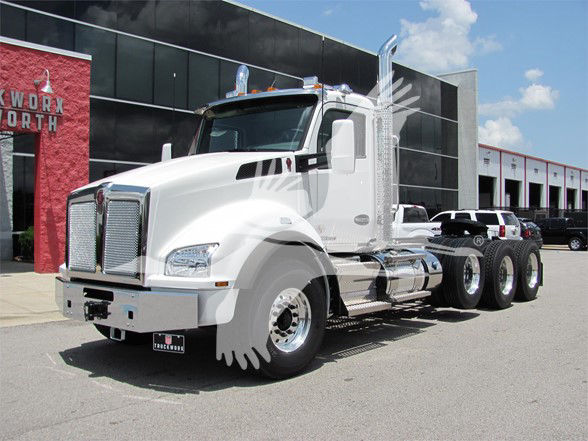
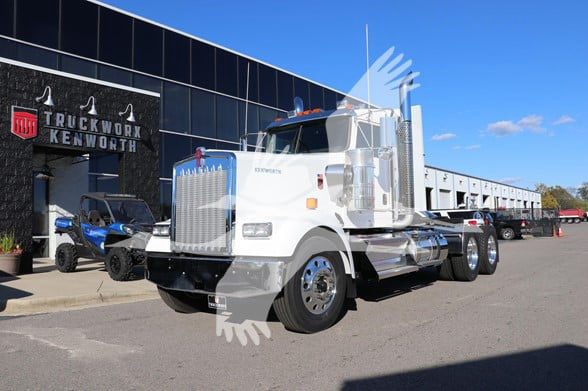
2026 Kenworth W900L
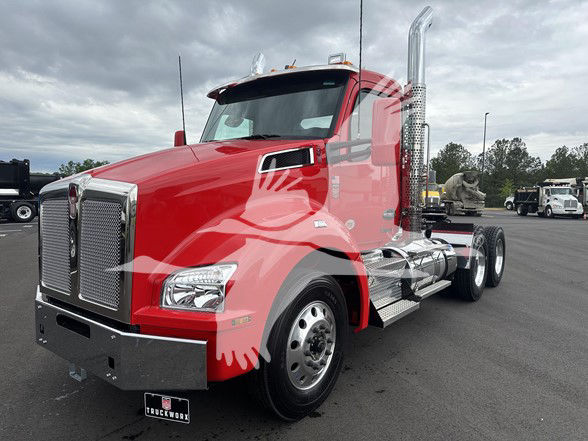
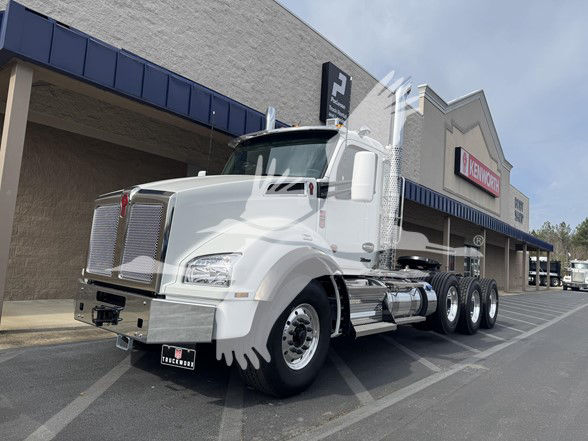
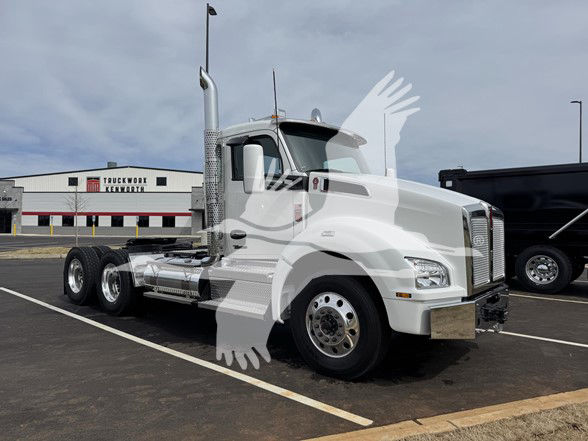
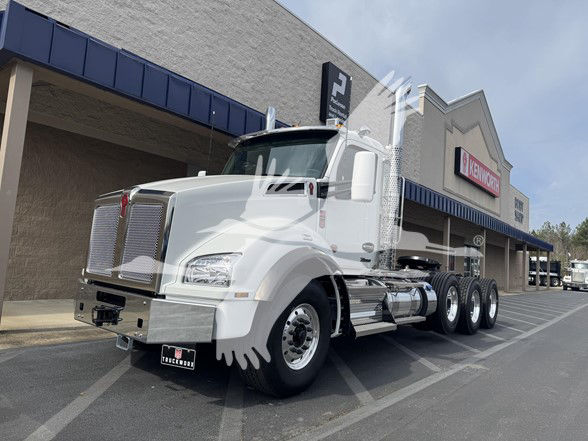
2026 Kenworth T880
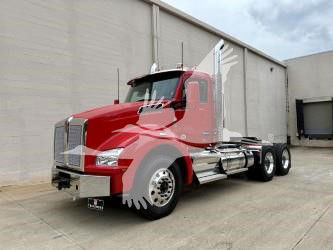
2026 Kenworth T880
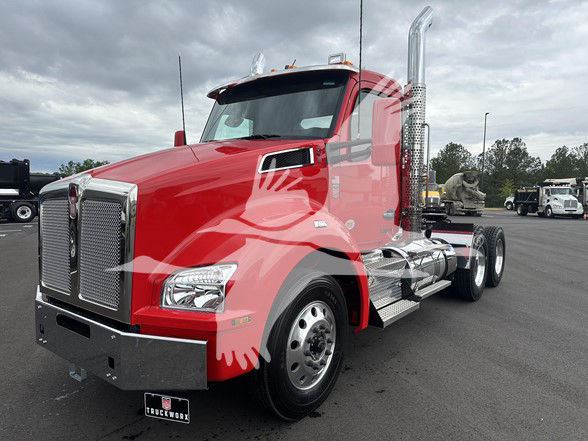
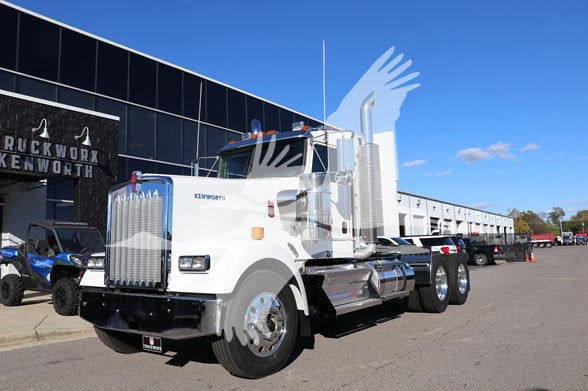
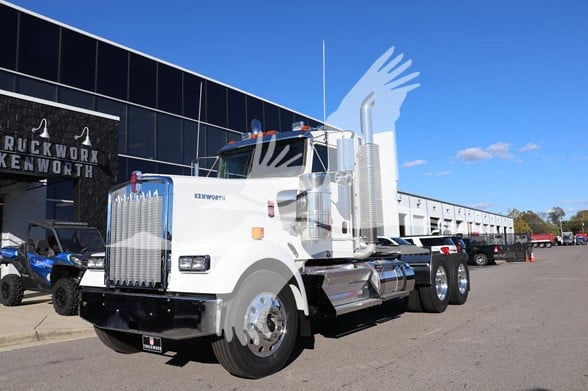
2026 Kenworth W900L
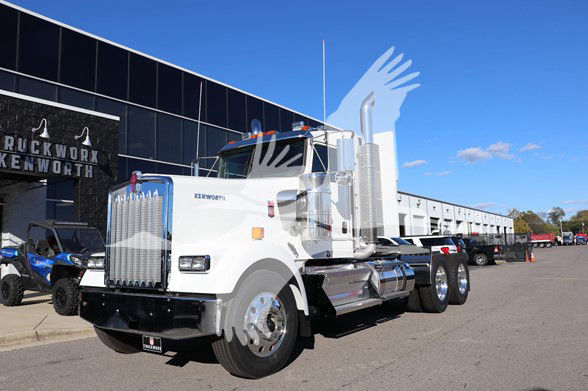
2026 Kenworth W900L
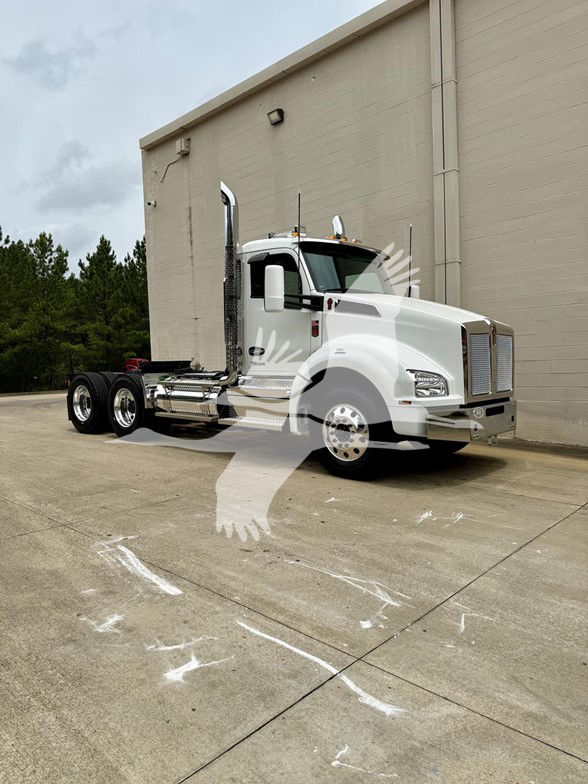
2026 Kenworth T880
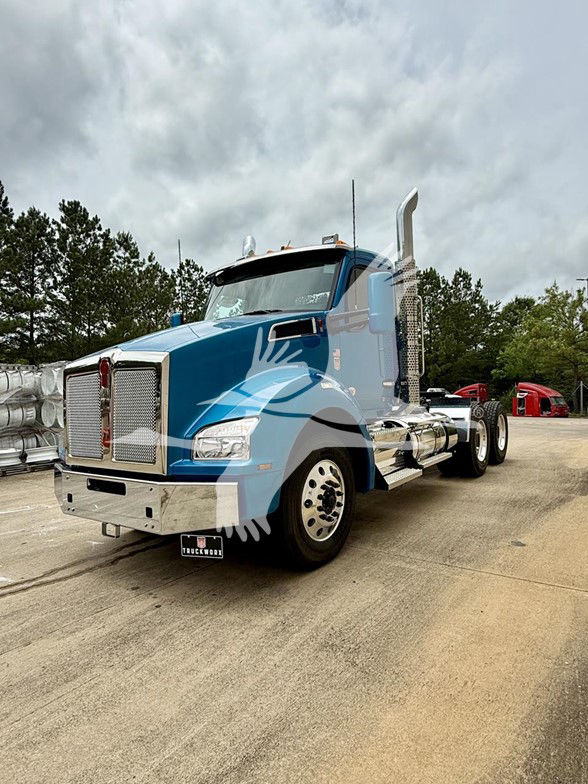
2026 Kenworth T880
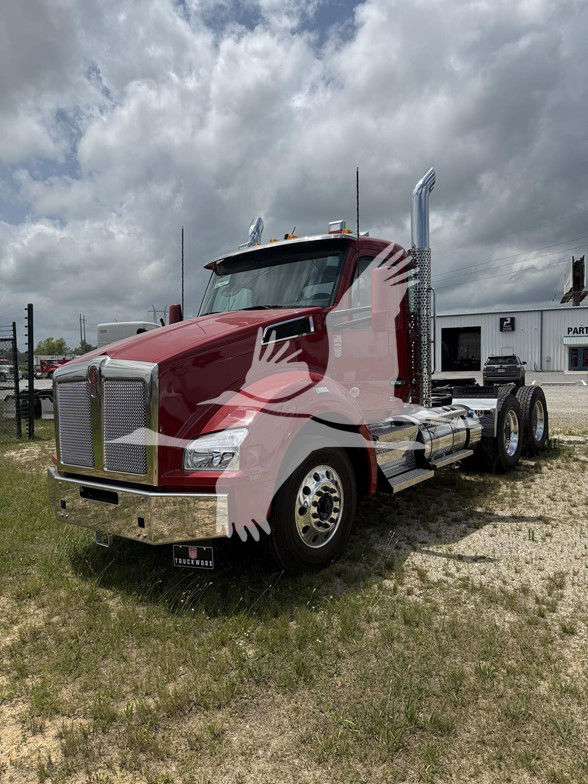
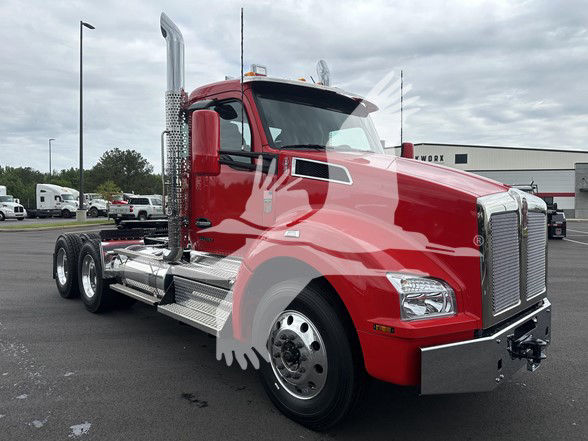
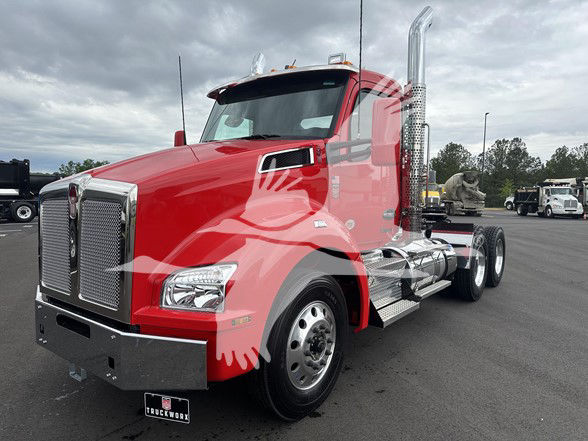
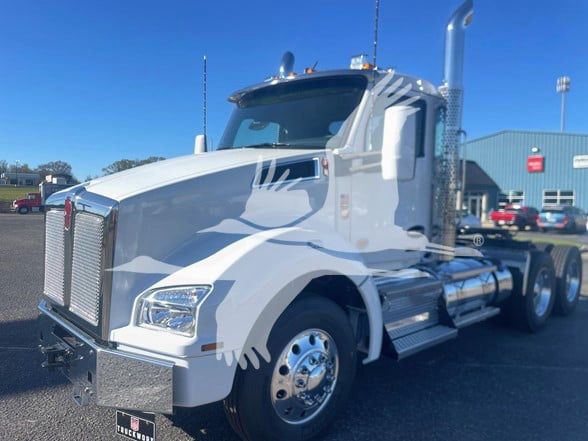
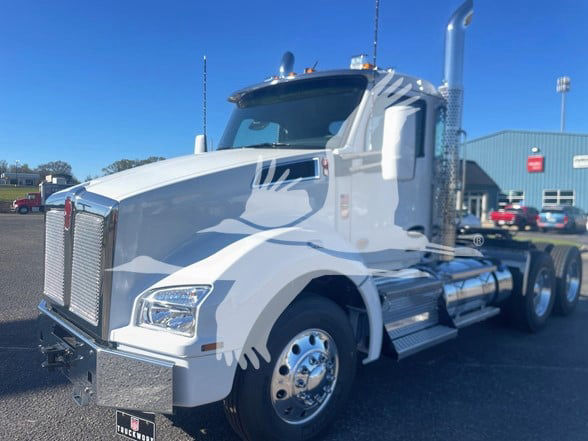
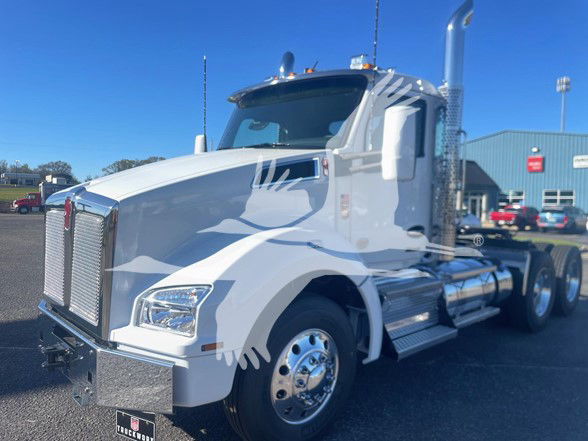
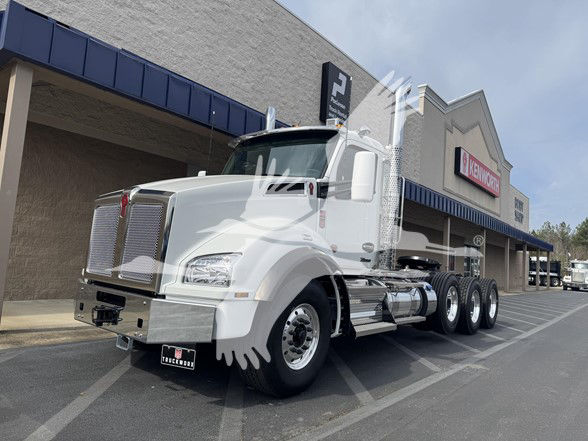
Showing 1 to 28 of 29 results
Selling a new kenworth conventional day cab truck? List your new kenworth conventional day cab truck for sale and reach thousands of commercial buyers.
New Kenworth Conventional Day Cab Trucks
PACCAR MX-13 and Cummins X15 engines are established choices in Kenworth heavy-duty day cabs, with compatibility governed by model and build specification. Automated manuals, including approved X15/Endurant combinations, suit many regional cycles; Allison automatics can make sense for frequent starts when approved for the application. Compare axle ratios alongside transmission gearing and tire size, rather than treating a 3.55 or 4.10 ratio as a complete performance specification. Select cooling capacity, engine braking, and starting gradeability before adding horsepower. Battery-electric Kenworth day cabs require a route-energy study and charging plan that accounts for winter operation and payload.
A shorter wheelbase helps yard maneuverability, but fifth-wheel position must still provide trailer swing clearance and acceptable steer-axle loading. Check kingpin location, landing-gear clearance, fuel-tank clearance, and space for any headache rack or hydraulic tank. Tandem drives are a common starting point; heavier lowboy combinations may need additional axles and different frame, suspension, and brake specifications. Kenworth AirGlide suspension ratings describe component capacity, not permission to carry that weight on public roads.
Across the United States, federal Interstate weight and bridge rules can limit a combination below its component ratings; permits and state rules matter for heavy haul. Canadian axle-group limits and allowable configurations vary by province and route. Specify cold-weather starting equipment for northern service, match air-system capacity to trailer demands, and consider corrosion protection for salt-exposed operations.
Put the complete build sheet, required GCWR, PTO provisions, fifth-wheel height, and trailer connections in writing before ordering. Base vehicle, engine, emissions, and transmission warranties can have different terms, exclusions, and start dates, so verify coverage for the actual duty cycle. Budget for the 12% US federal excise tax on qualifying new heavy trucks and tractors; Canadian purchases instead require review of applicable GST/HST and provincial taxes. An untitled truck's model year does not by itself establish its warranty start date or cross-border registration eligibility.
Frequently Asked Questions about New Kenworth Conventional Day Cab Trucks
Does a new Kenworth day cab need a wet kit for an end dump or lowboy?
A Kenworth day cab needs a compatible hydraulic system when the trailer relies on tractor-supplied hydraulic power. Specify pump flow, operating pressure, reservoir capacity, filtration, and return plumbing from the trailer manufacturer's requirements. An end dump and a hydraulic detachable lowboy can require different systems. Confirm PTO compatibility with the exact transmission, including stationary or moving operation, before ordering the tractor.
Will short local runs cause DPF problems on a new Kenworth day cab?
Repeated low-load, short-distance operation can increase regeneration demands on a diesel Kenworth day cab because exhaust temperatures may stay too low for effective passive regeneration. Discuss the actual duty cycle with the engine supplier before specifying the truck. Drivers need training on regeneration indicators, parked-regeneration procedures, and shutdown warnings. Frequent idling is not a substitute for the engine manufacturer's prescribed regeneration process.
What license do I need to drive a Kenworth day cab tractor?
In the United States, a Kenworth day cab tractor generally requires a Class A CDL when rated or actual combination weight reaches 26,001 pounds and the trailer's rated or actual weight exceeds 10,000 pounds. US drivers must also avoid air-brake or transmission restrictions incompatible with the tractor. Canadian drivers need the appropriate provincial commercial licence and air-brake qualification; licence classes differ by province.
What should I inspect before accepting delivery of a new Kenworth day cab?
Verify the Kenworth day cab's delivered specification against the signed build sheet before accepting delivery. Check axle tags, tire ratings, fifth-wheel installation, fluid levels, air leaks, diagnostic faults, and operation of trailer electrical and air connections. Review the pre-delivery inspection and any transport or storage damage repairs. For an older-model-year new truck, also inspect battery condition, tire date codes, seals, and evidence of prolonged outdoor storage.