
New Kenworth Conventional Daycab Trucks For Sale in Alabama
Shop new Kenworth conventional daycab trucks in Alabama. Compare T880 and W900L specs, wheelbases, drivetrain options, and vocational setups.
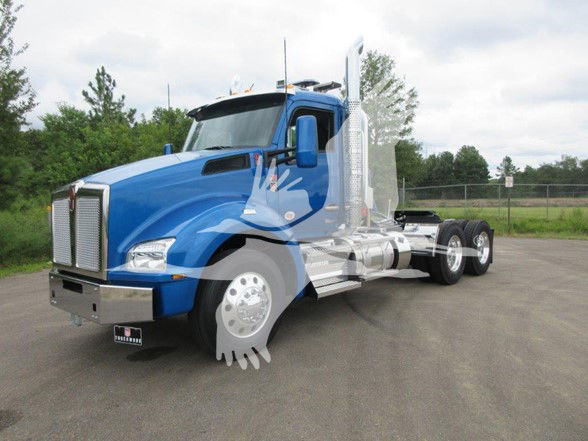
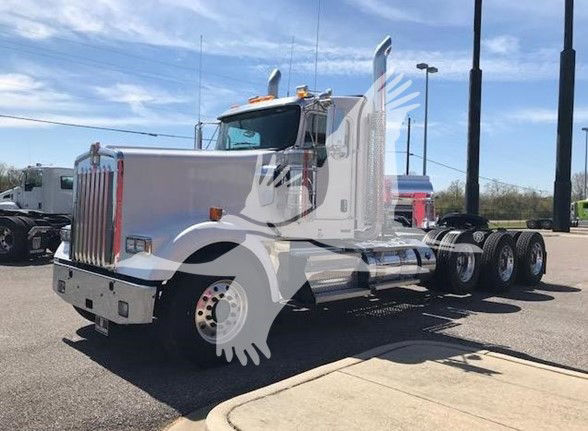
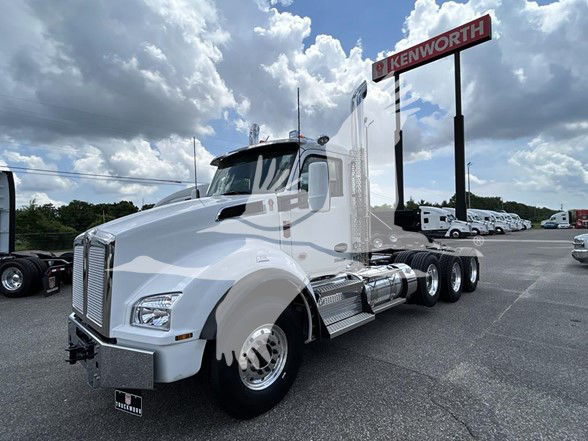
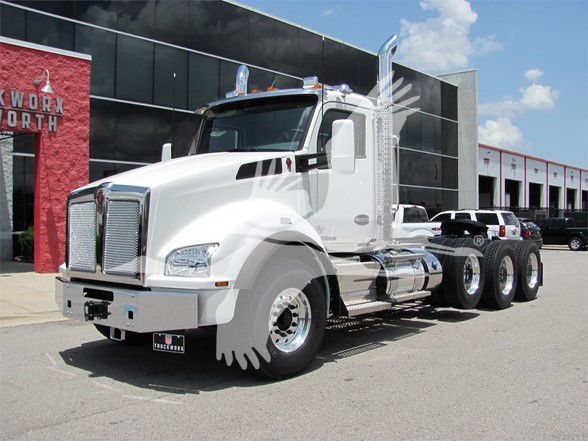
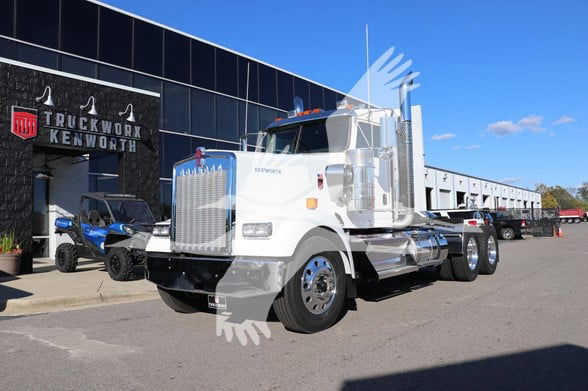
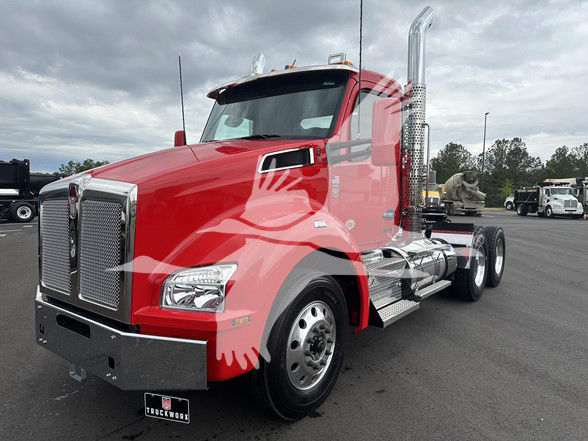
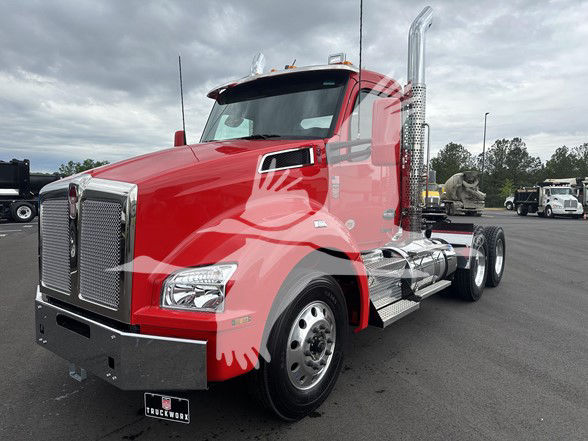
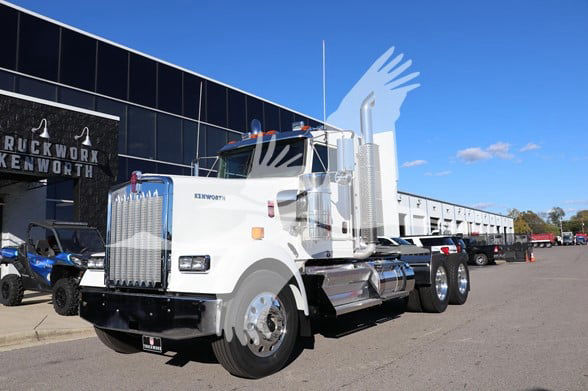
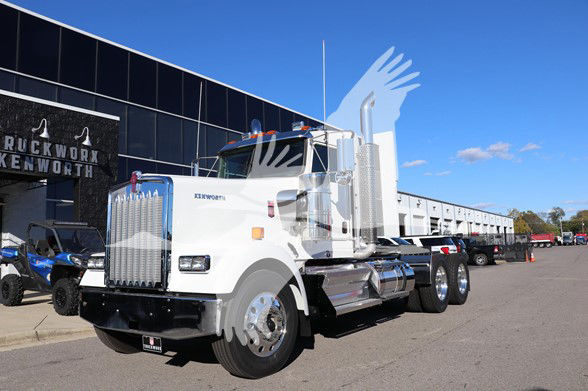
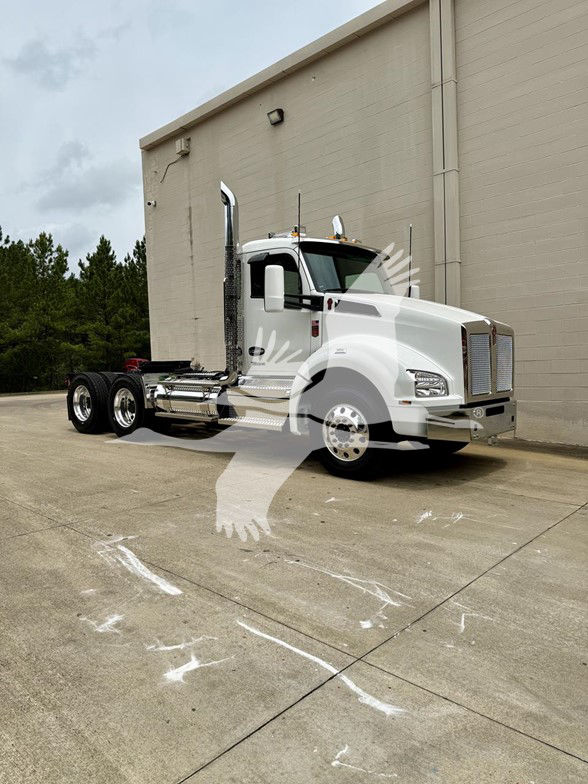
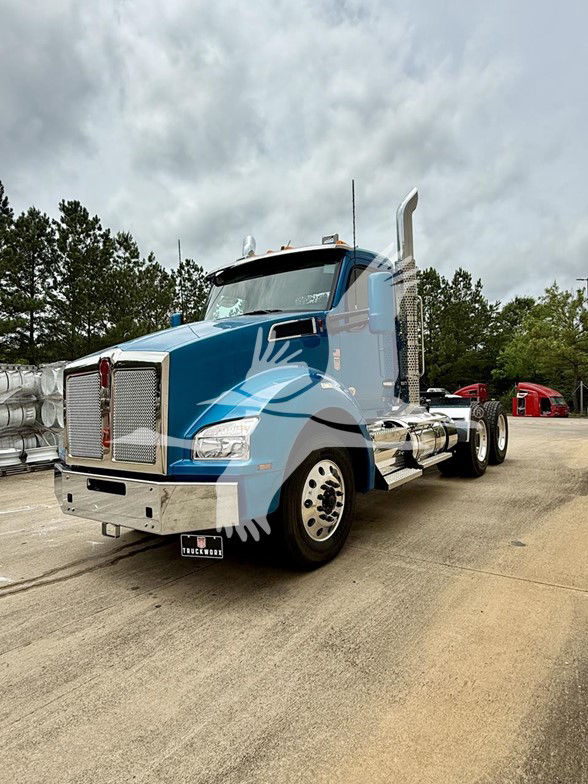
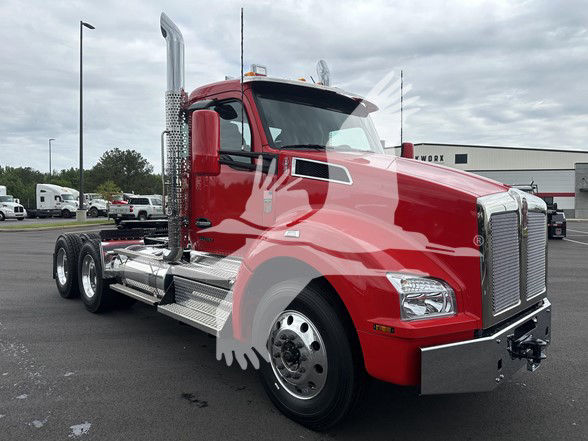
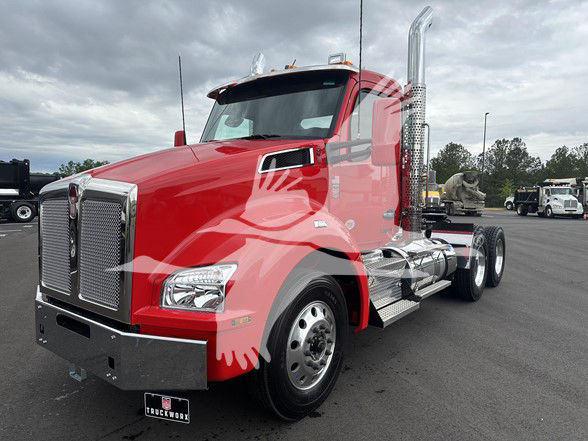
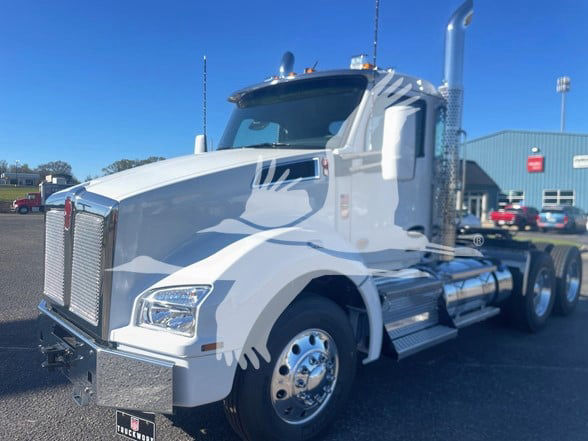
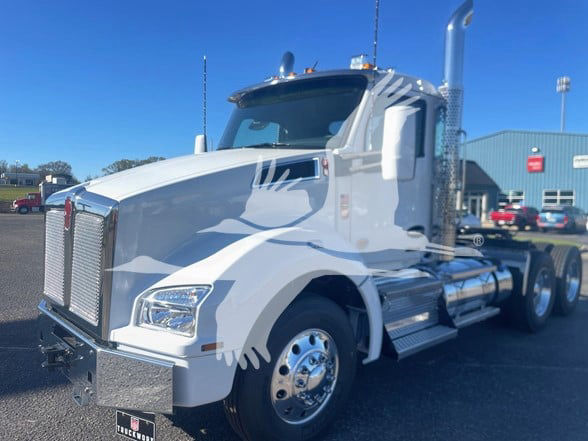
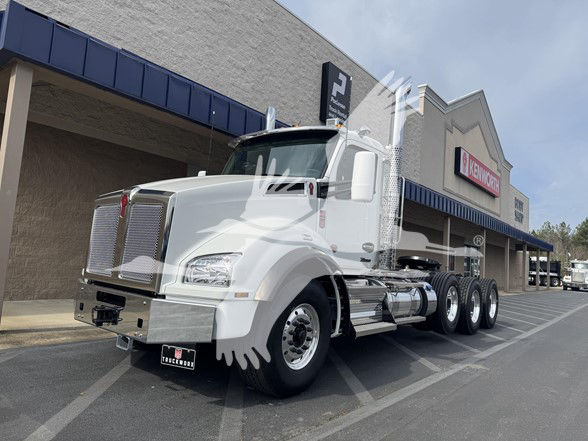
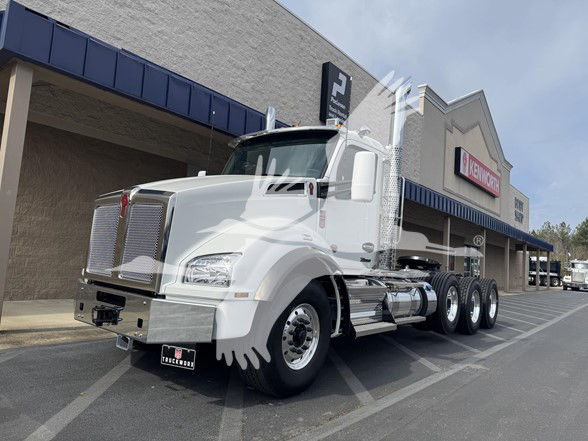
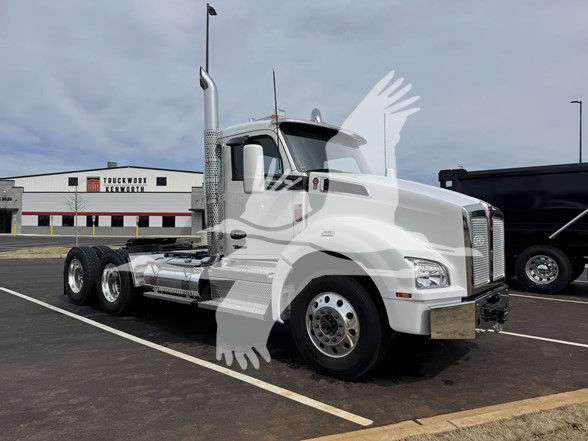
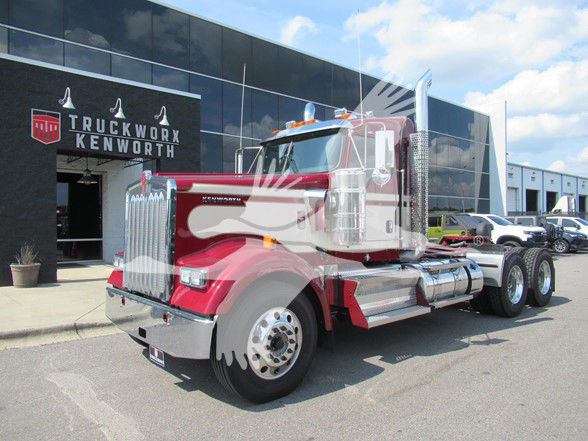
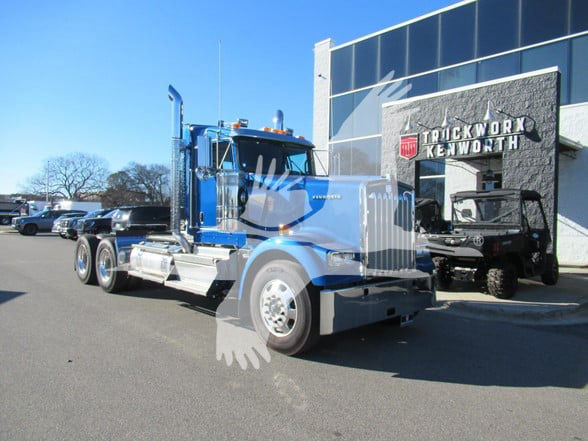
Selling a new kenworth conventional daycab truck? List your new kenworth conventional daycab truck for sale and reach thousands of commercial buyers.
New Kenworth Conventional Daycab Trucks in Alabama
Two of the most recognized platforms in this category are the Kenworth T880 and W900L. The T880 is widely chosen for vocational and mixed-use work thanks to its set-forward or set-back axle configurations, application flexibility, and straightforward body-builder compatibility. The W900L remains a popular long-hood conventional for buyers who want a classic platform with a long wheelbase, strong resale appeal, and room for heavy-haul or specialized specs. On new trucks in this class, buyers will often compare Cummins X15 power ratings, Eaton Endurant or 18-speed manual transmissions, wheelbase lengths around the low-200-inch range, and rear suspension choices such as Kenworth AG460 depending on axle capacity and ride requirements.
The most important buying decision is matching the chassis to the job. A shorter wheelbase daycab is easier to work in tight jobsites, city terminals, and plant yards, while a longer wheelbase can improve bridge law flexibility, body fitment, and ride quality for certain trailer combinations. Front axle ratings, rear axle ratios, frame rail reinforcement, PTO provisions, fifth-wheel placement, and braking package all matter more than cosmetic trim on a working daycab. If the truck will spend time off pavement or under high-GCWR loads, pay close attention to suspension spec, crossmember design, tire size, and cooling package. If it is headed into regional highway service, fuel tank capacity, aerodynamic trim, and transmission gearing may have a bigger effect on operating cost.
Kenworth conventional daycabs also tend to attract buyers who care about driver environment and long-term serviceability. Cab layout, switch ergonomics, visibility over the hood, and access around the engine all affect uptime. New trucks can be ordered with vocational interiors, smart wheel controls, collision mitigation technology, and telematics integration, but the core value is still in getting the right vocational spec from the start. For Alabama fleets and owner-operators, that often means balancing highway comfort with durability for aggregate, timber, construction, port, and industrial freight lanes across the Southeast.
Frequently Asked Questions about New Kenworth Conventional Daycab Trucks in Alabama
What is the difference between a Kenworth T880 daycab and a Kenworth W900L daycab?
The T880 is generally the more versatile vocational platform, with configurations suited for dump, mixer, heavy haul, and regional fleet work. It is commonly selected for its body-builder friendliness, axle options, and modern vocational design. The W900L is a long-hood conventional known for its classic styling, longer BBC and wheelbase potential, and strong appeal in specialized hauling or owner-operator applications. The better choice depends on maneuverability needs, axle layout, body installation requirements, and how much emphasis you place on appearance versus vocational packaging.
What engine and transmission specs are common on new Kenworth conventional daycabs?
A common engine choice in this category is the Cummins X15, especially when the truck is being spec'd for heavy vocational work, regional hauling, or high-GCWR applications. Transmission choices often include automated manuals such as the Eaton Endurant for fleets focused on consistency and driver ease, or 18-speed manuals for buyers who want direct control in severe-service or heavy-haul conditions. Final spec should be matched to gradeability, startability, PTO demand, and average operating speed, not just peak horsepower.
How important is wheelbase on a conventional daycab?
Wheelbase is one of the most important spec points because it affects turning radius, bridge compliance, body fitment, weight distribution, and ride quality. A shorter wheelbase usually works better in tight urban, yard, and jobsite conditions. A longer wheelbase can make more sense for lowboy, tanker, or specialized tractor work where axle placement and trailer swing clearance matter. Fifth-wheel location, axle spread, and intended trailer type should be considered together with wheelbase before choosing a chassis.
Are Kenworth daycabs a good fit for Alabama vocational and regional work?
Yes. Kenworth conventional daycabs are well suited to Alabama applications that combine highway miles with construction, industrial, agricultural, timber, and port-related work. Buyers in the region often need a truck that can handle heat, heavy loads, mixed pavement conditions, and frequent stop-and-go duty. A properly spec'd daycab with the right cooling package, suspension, axle ratio, and PTO setup can perform well across those demands while remaining serviceable in a fleet environment.
What should buyers look for on a new vocational daycab besides horsepower?
Horsepower matters, but it is only one part of the spec. Buyers should focus on axle ratings, rear suspension capacity, frame strength, wheelbase, fifth-wheel or body position, PTO capability, gearing, brake package, and cooling system capacity. Cab and hood configuration also affect visibility and service access. The strongest vocational specs are built around payload, terrain, trailer type, and daily duty cycle rather than a single engine rating.