
New 2026 Conventional Daycab Trucks For Sale in Alabama
Shop new 2026 conventional daycab trucks in Alabama. Compare wheelbase, axle setup, engine, transmission, and vocational specs.
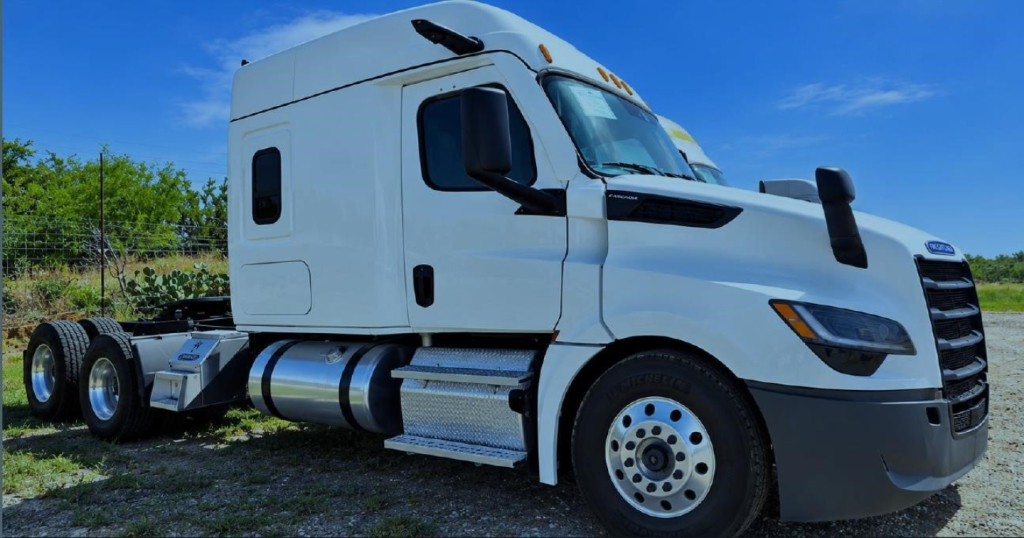
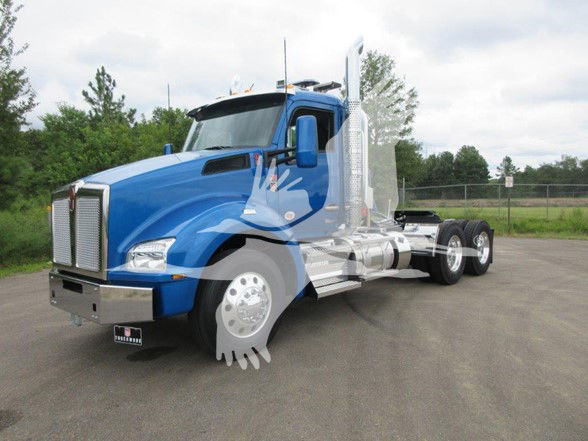
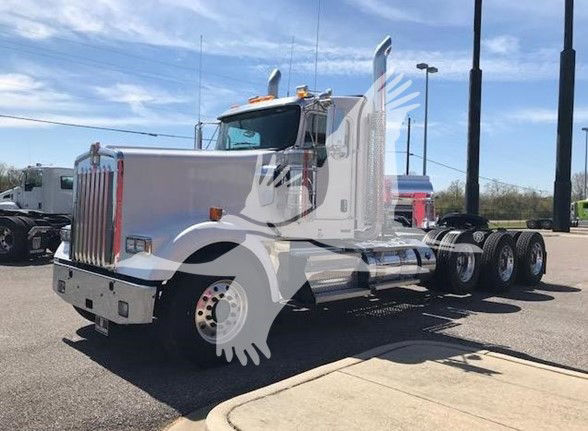
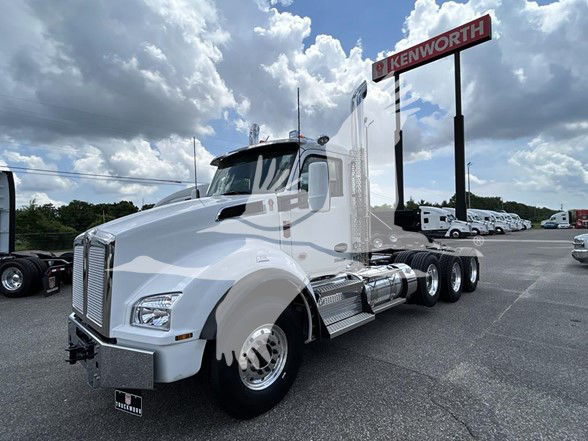
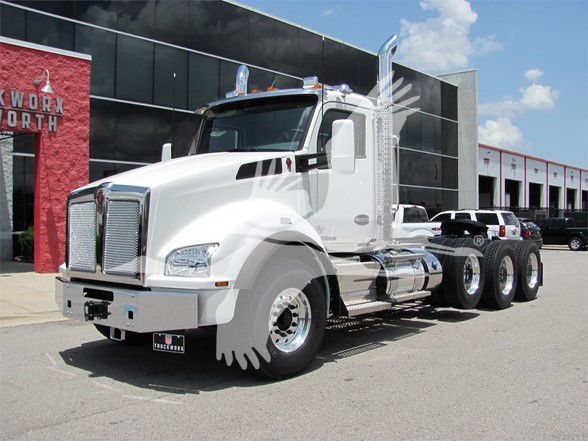
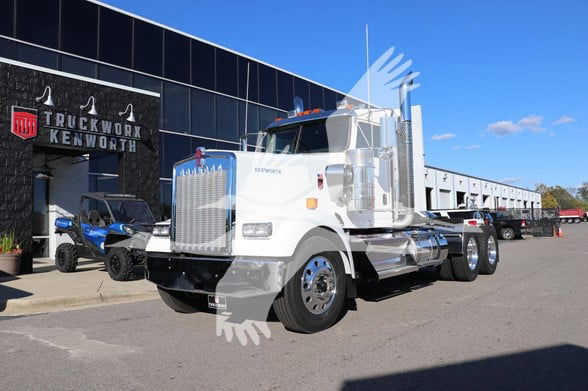
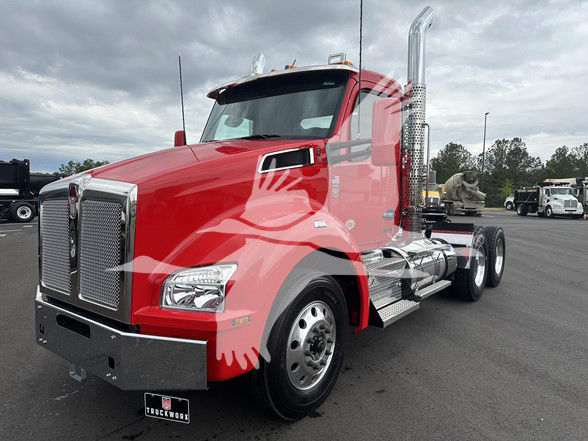
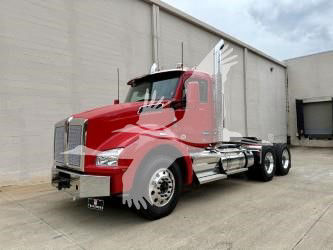
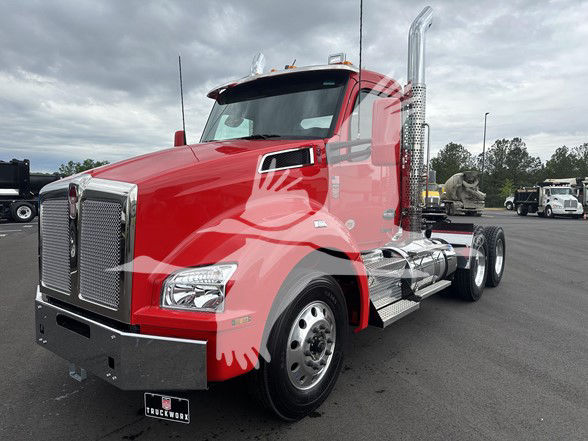
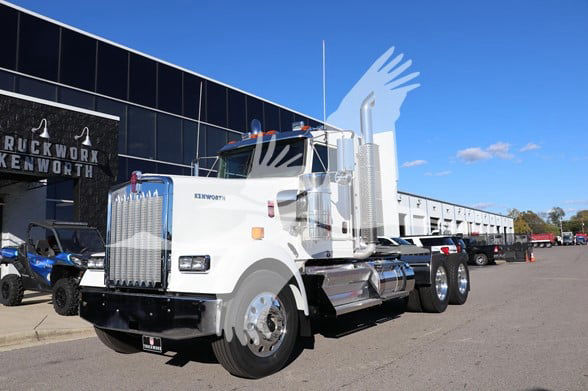
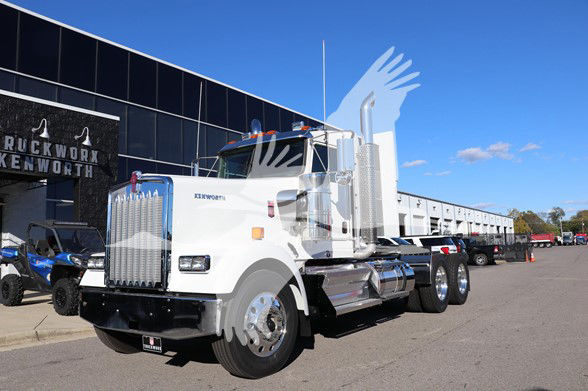
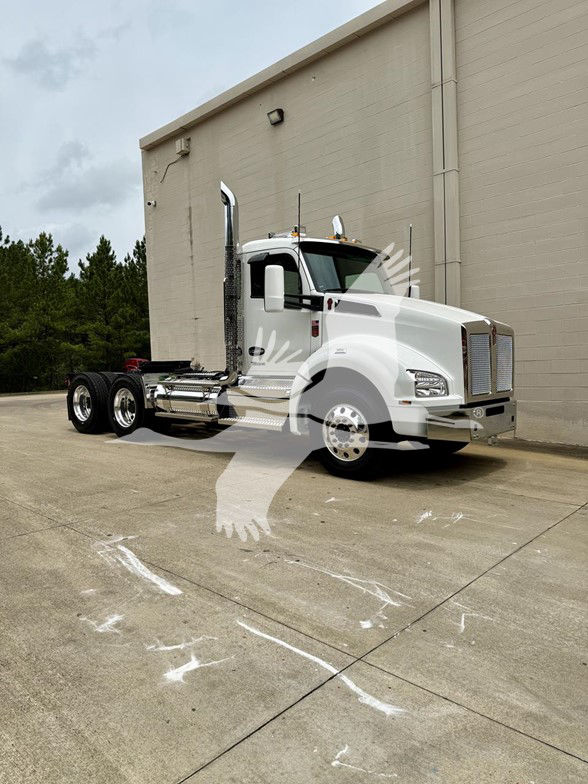
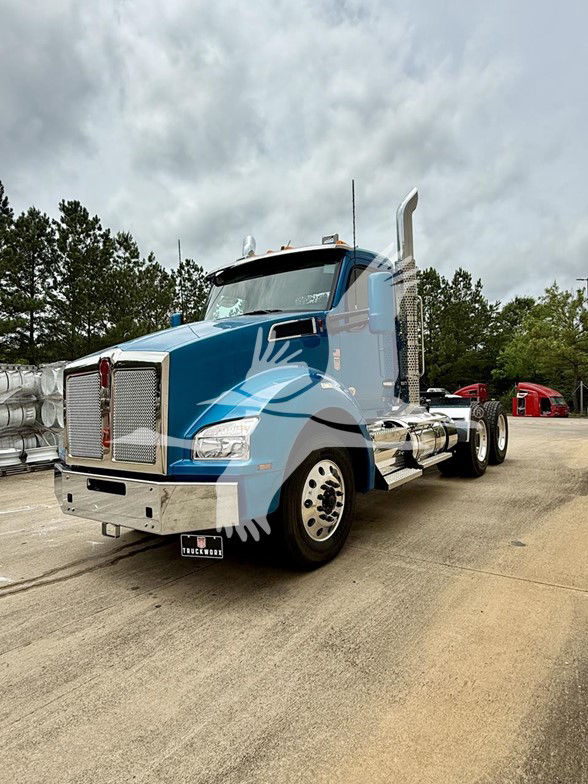
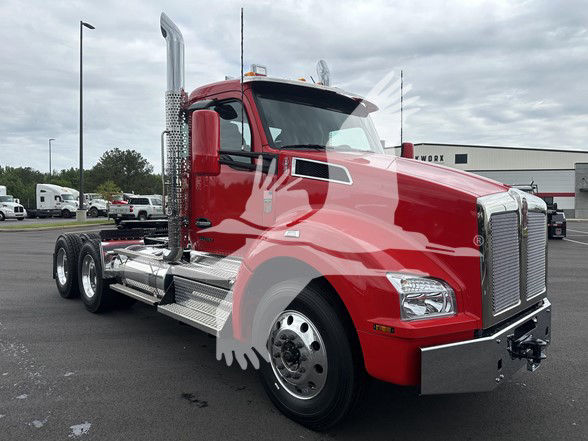
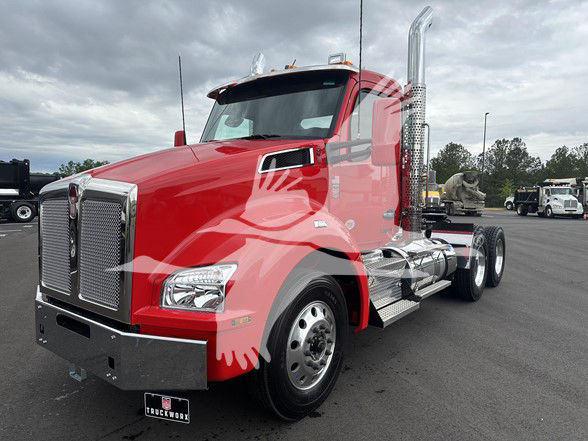
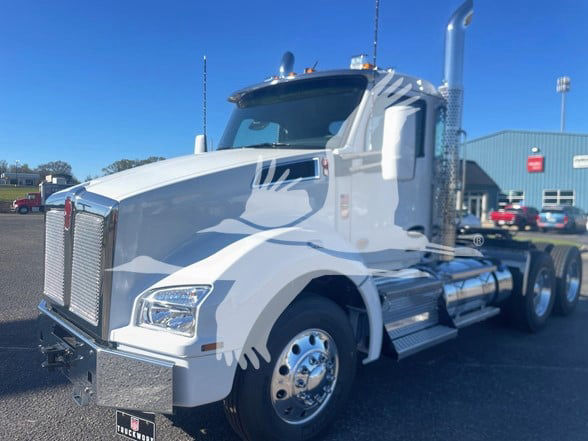
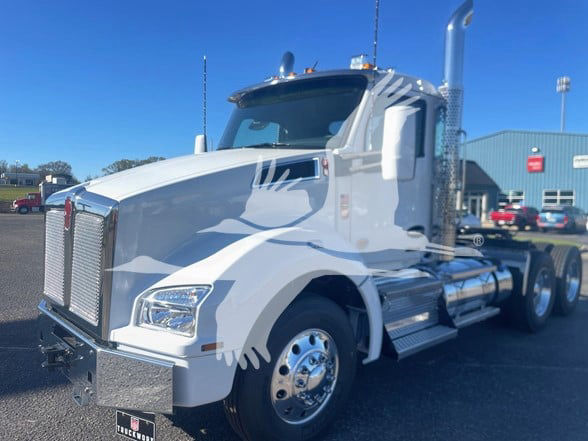
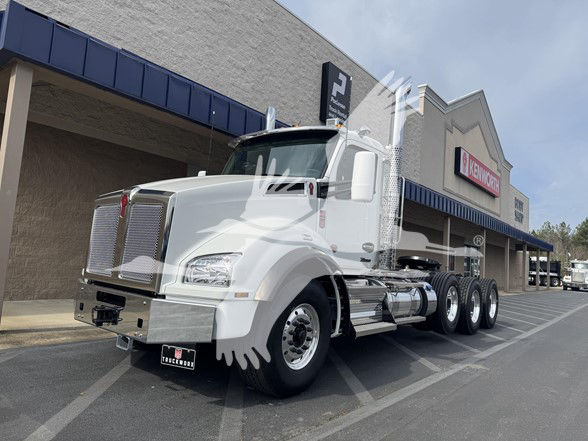
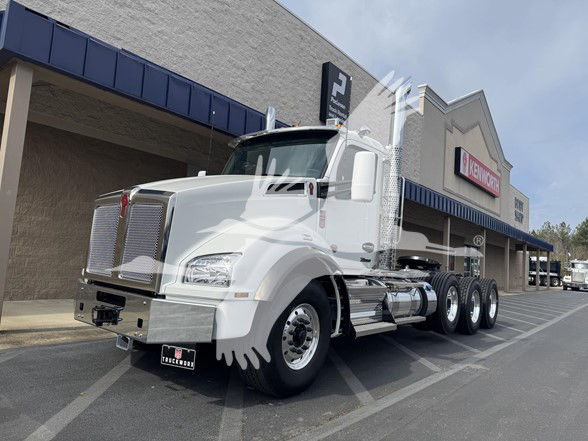
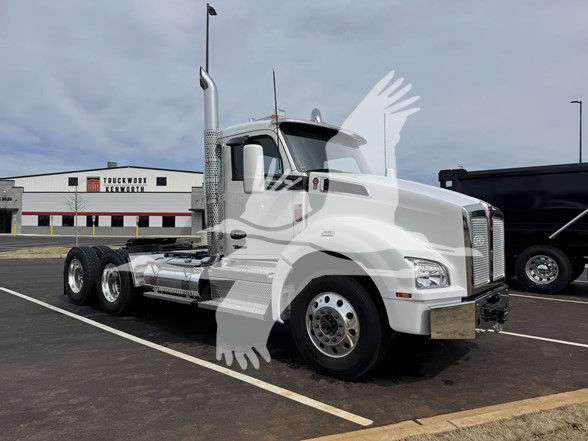
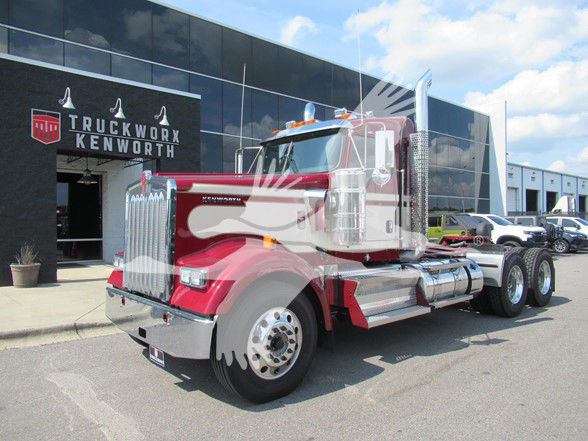
Selling a new 2026 conventional daycab truck? List your new 2026 conventional daycab truck for sale and reach thousands of commercial buyers.
New 2026 Conventional Daycab Trucks in Alabama
The first decisions usually come down to wheelbase, axle layout, and drivetrain. Buyers looking at conventional daycabs often compare set-forward versus set-back front axle configurations, tandem versus tridem suitability, and wheelbase lengths that match a lowboy, end dump, or other specialized trailer. Listings in this category commonly point toward heavy-spec setups such as Cummins X15 power, 18-speed manual transmissions, and suspension packages like Neway for severe-duty use. A 230-inch to 282-inch wheelbase can make a major difference in bridge law compliance, trailer swing clearance, ride quality, and how the truck carries a jeep, booster, or specialized fifth wheel position. Kingpin setting, frame rail strength, crossmember design, and PTO compatibility also matter if the truck is being ordered for a dedicated vocational role.
For buyers comparing models such as the Kenworth T880 and W900L, the distinction is often application-specific. The T880 is widely chosen for vocational flexibility, visibility, and jobsite-oriented packaging. The W900L remains a popular choice where long hood layout, wheelbase flexibility, and owner-operator styling are part of the purchase decision, especially in heavy haul and specialized transport. On new 2026 trucks, it is worth looking closely at front axle ratings, rear axle ratios, locking differentials, brake configuration, and whether the truck is set up for wet kit installation, headache rack mounting, or pusher axle integration. Cab-to-axle dimensions, fifth wheel travel, and tire size should also line up with the trailer and the gross combination weight the truck is expected to handle.
A new conventional daycab should be matched to the work, not just the badge on the hood. In Alabama service, that often means balancing highway gearing with low-speed pulling power, choosing cooling capacity for hot weather and heavy loads, and confirming emissions, warranty, and service support for the intended operating radius. Buyers should pay attention to frame height, fuel capacity, air ride versus spring ride, and how the truck is spec'd for permitting, bridge formula, or off-pavement use. The right 2026 daycab will deliver better trailer match, less downtime, and a chassis that can hold up under years of regional and vocational duty.
Frequently Asked Questions about New 2026 Conventional Daycab Trucks in Alabama
What is a conventional daycab truck used for?
A conventional daycab truck is used for regional and local hauling where the driver returns home or back to the terminal the same day. Common applications include lowboy work, dump service, tanker operations, flatbed hauling, construction support, port drayage, and dedicated industrial routes. Because there is no sleeper, a daycab typically saves weight and offers a shorter overall package than a sleeper tractor, which can help with maneuverability and payload.
What specs matter most when buying a new 2026 conventional daycab?
The most important specs depend on the job, but buyers usually start with wheelbase, front axle rating, rear axle ratio, engine torque, transmission type, suspension, and fifth wheel placement. For heavy haul or severe-duty work, frame strength, locking rears, PTO provisions, and brake configuration are critical. For regional highway use, fuel capacity, gearing, ride quality, and driver visibility may have a bigger impact on long-term satisfaction and operating cost.
How do I choose the right wheelbase for a daycab tractor?
Wheelbase should match the trailer type, axle spread, bridge law requirements, and the amount of swing clearance needed between the tractor and trailer. A shorter wheelbase generally improves turning radius and maneuverability, while a longer wheelbase can help with weight distribution, ride quality, and specialized trailer setups such as lowboys or bridge-style heavy haul combinations. Buyers should confirm wheelbase along with kingpin setting, fifth wheel travel, and cab-to-axle dimensions before making a final decision.
Is a Kenworth T880 or W900L better for daycab work?
Both can be strong choices, but they serve different priorities. The T880 is commonly selected for vocational use because it is practical, durable, and well-suited to construction, heavy-spec, and mixed on-road/off-road applications. The W900L is often chosen for long-hood preference, appearance, and specialized hauling setups where wheelbase flexibility and owner-operator appeal matter. The better truck is the one whose axle ratings, frame, powertrain, and chassis dimensions match the intended application.
Why are engine and transmission choices so important on a daycab?
Engine and transmission choices determine how the truck starts a load, holds speed on grades, handles stop-and-go work, and manages fuel burn over time. A high-torque engine such as a Cummins X15 paired with an 18-speed manual is a common choice for lowboy and heavy vocational service because it gives the driver more control under load. For lighter regional work, a different horsepower rating, automated transmission, or faster rear ratio may make more sense. The key is matching the driveline to terrain, gross combination weight, and duty cycle.