
New Conventional Daycab Trucks For Sale in Washington
Shop new conventional daycab trucks for sale in Washington. Compare specs, wheelbases, engines, axles, and regional haul configurations.
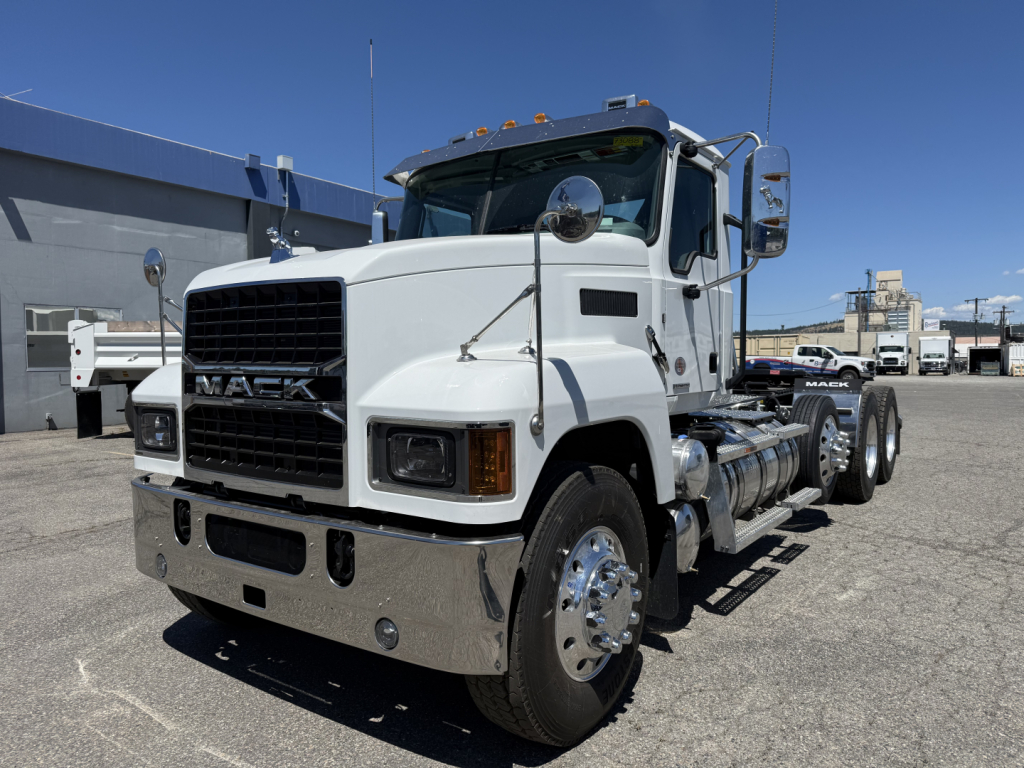
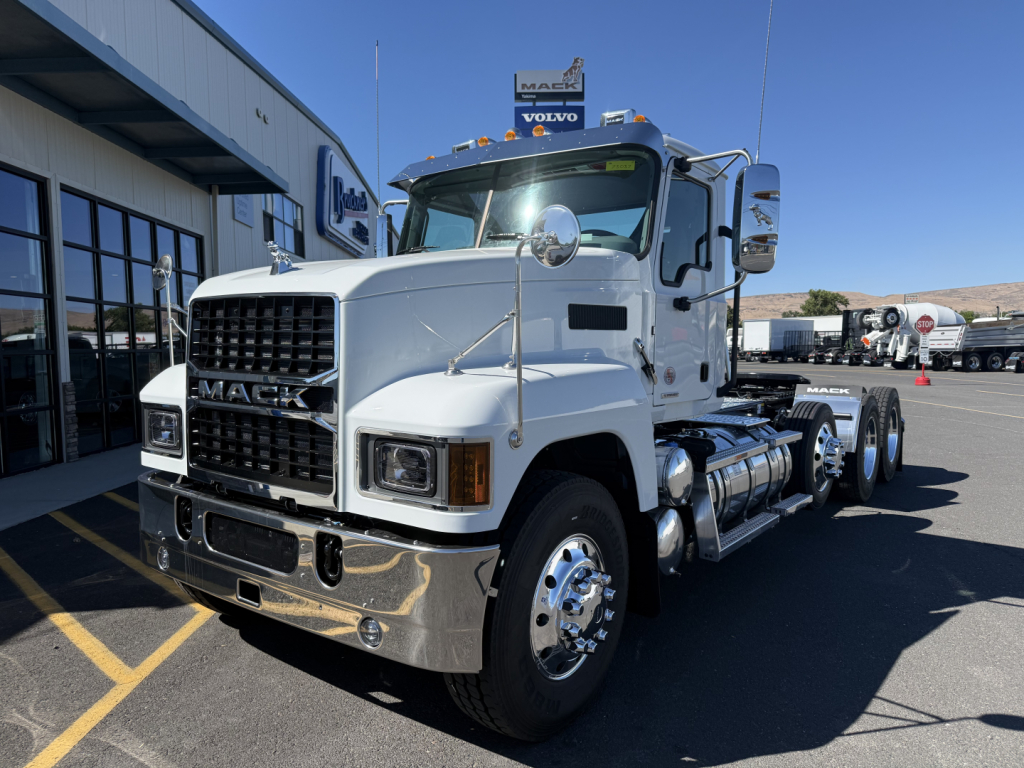
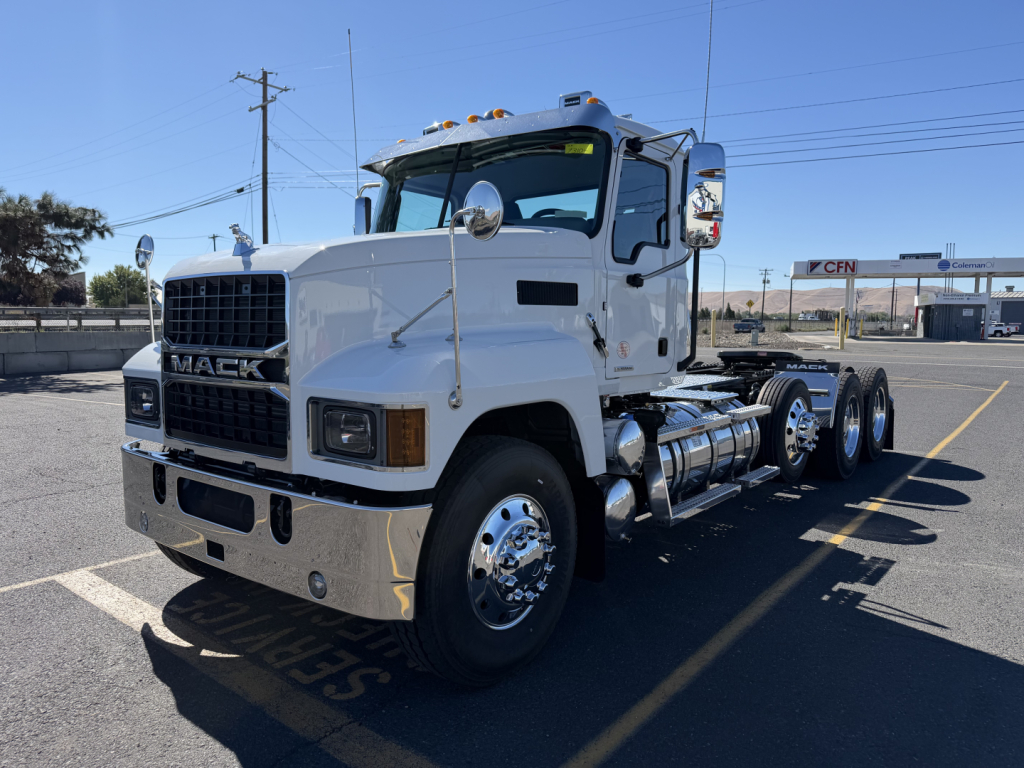
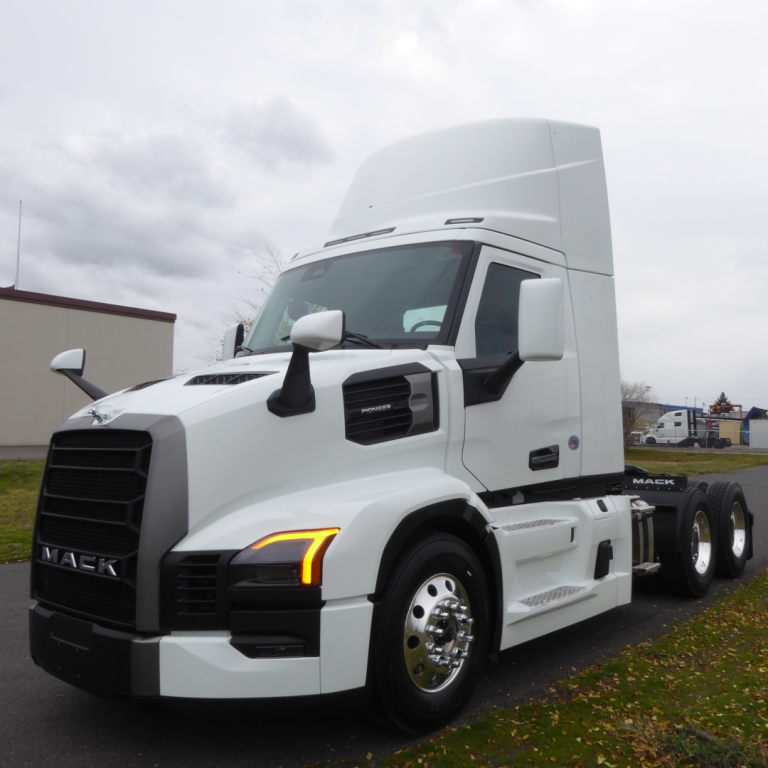
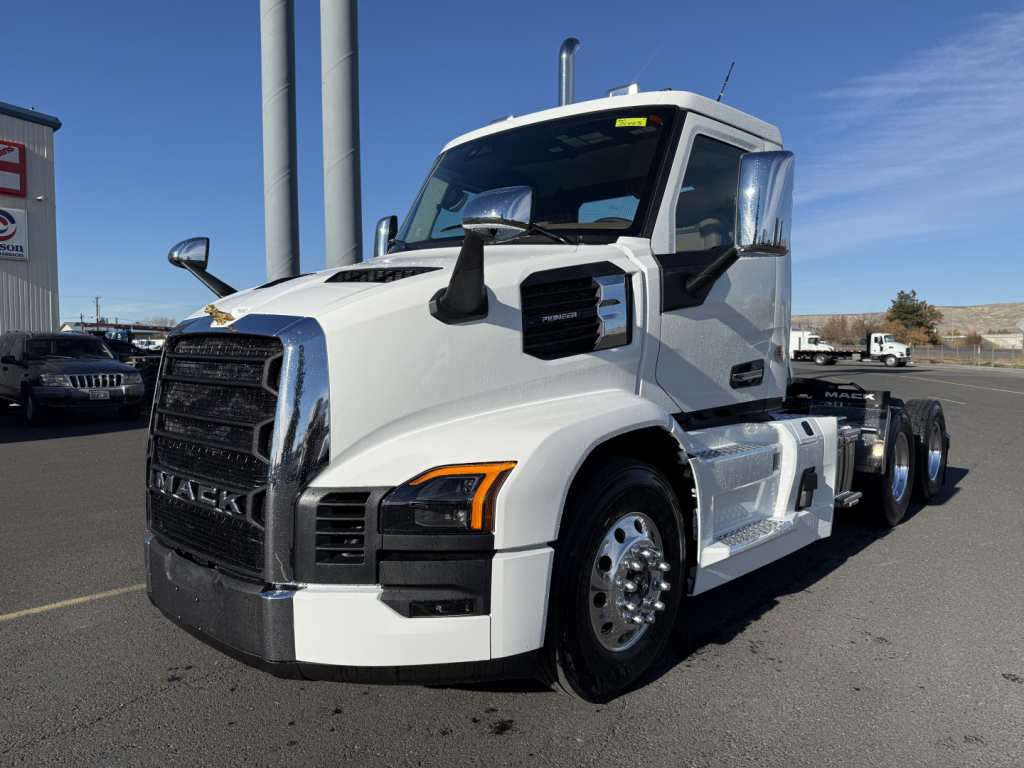
Selling a new conventional daycab truck? List your new conventional daycab truck for sale and reach thousands of commercial buyers.
New Conventional Daycab Trucks in Washington
Common specs in this category include tandem rear axles, 6x4 configurations, set-forward or set-back front axles, and wheelbases tailored to the trailer and body you plan to pull. Many new conventional daycab trucks are ordered with 12-speed or 13-speed automated manual transmissions, though some buyers still prefer manual gearboxes for severe-duty or PTO-driven work. Horsepower often lands in the 400 to 525 range, with torque selected around startability, gross combined weight, and terrain. On a Washington truck, it is smart to pay attention to cooling package capacity, disc versus drum brakes, full locking differential availability, and fuel tank sizing for longer regional loops. Suspension choice also matters. Air ride is common for highway comfort and freight protection, while heavier vocational setups may lean toward more rugged rear suspension packages.
A buyer comparing new daycabs should look closely at the cab and chassis details that affect daily uptime. Fifth wheel type, slide travel, frame length, PTO prep, trailer brake controls, and electrical connections should match the work before the truck enters service. Driver-assistance features such as blind spot monitoring, lane support, collision mitigation, and tire pressure monitoring are now common on newer specs and can add real value in dense traffic corridors and port environments. Interior layout matters too, even without a sleeper. Seat quality, dash ergonomics, visibility, insulation, and HVAC performance make a difference on multi-stop routes and long regional shifts. If the truck will spend time crossing the Cascades or working in winter conditions, heated mirrors, block heaters, traction-oriented driveline specs, and strong retarder or engine brake performance deserve extra attention.
The advantage of buying new in this category is the ability to match the truck to the lane instead of adapting the lane to the truck. A properly spec'd conventional daycab can be efficient enough for regional highway work, durable enough for heavy trailer cycling, and maneuverable enough for tight yards and city docks. Buyers should compare gross axle weight ratings, frame and suspension specs, wheel cut, cab aero packages, warranty coverage, and service network support just as carefully as engine make or advertised horsepower. The best new conventional daycab truck is the one that fits the trailer, route, terrain, and duty cycle without carrying unnecessary weight or complexity.
Frequently Asked Questions about New Conventional Daycab Trucks in Washington
What is a conventional daycab truck best used for?
A conventional daycab truck is best suited for local and regional freight where the driver returns home daily and a sleeper berth is not needed. Common applications include dry van, refrigerated, flatbed, tanker, drayage, dedicated route work, and some vocational tractor duties. The daycab layout reduces overall weight and usually improves maneuverability compared with a sleeper tractor, which makes it a practical choice for frequent trailer drops, terminal work, and operations with tight delivery windows.
What specs matter most when buying a new conventional daycab?
The most important specs are engine horsepower and torque, transmission type, rear axle ratio, suspension, axle ratings, and wheelbase. Those choices determine how the truck will launch under load, hold speed on grades, turn in tight spaces, and balance fuel economy against performance. Buyers should also verify fifth wheel setup, fuel capacity, brake type, PTO requirements, and driver-assistance systems so the tractor matches the trailers, routes, and operating conditions it will see every day.
Is a daycab better than a sleeper for regional hauling?
For many regional applications, a daycab is the better choice because it removes the cost, weight, and extra length of a sleeper that may not be used. That can improve payload potential, simplify maintenance, and help in tighter yards or urban areas. A sleeper still makes sense when runs regularly require overnight stays, team driving, or longer dwell times. The right answer comes down to route length, hours-of-service planning, and how often the truck needs living space versus maximizing productivity and maneuverability.
What should Washington buyers look for in a new daycab truck?
Washington buyers should pay special attention to terrain, weather, and route mix. Trucks working mountain passes or heavy regional lanes may need higher torque ratings, stronger engine brakes, optimized axle ratios, and cooling systems sized for steep grades. For wet and winter conditions, traction features such as differential locks, tire monitoring, and properly matched rubber are important. Operators running ports, cities, and shorter turns may prioritize wheelbase, visibility, safety technology, and a sliding fifth wheel that makes trailer changes easier.
Are automated manual transmissions common in new conventional daycabs?
Yes. Automated manual transmissions are now common in new conventional daycab trucks because they help with fuel efficiency, driver consistency, and reduced clutch wear. They are especially useful in stop-and-go regional work and fleets with multiple drivers. Manual transmissions still have a place in certain heavy-haul, vocational, or PTO-intensive applications, but most highway-oriented daycabs today are spec'd with AMTs for easier operation and better standardization across the fleet.