
New Mack Conventional Daycab Trucks For Sale in Washington
Shop new Mack conventional daycab trucks in Washington. Compare MP engine specs, mDRIVE options, wheelbases, axle ratings, and aero packages.
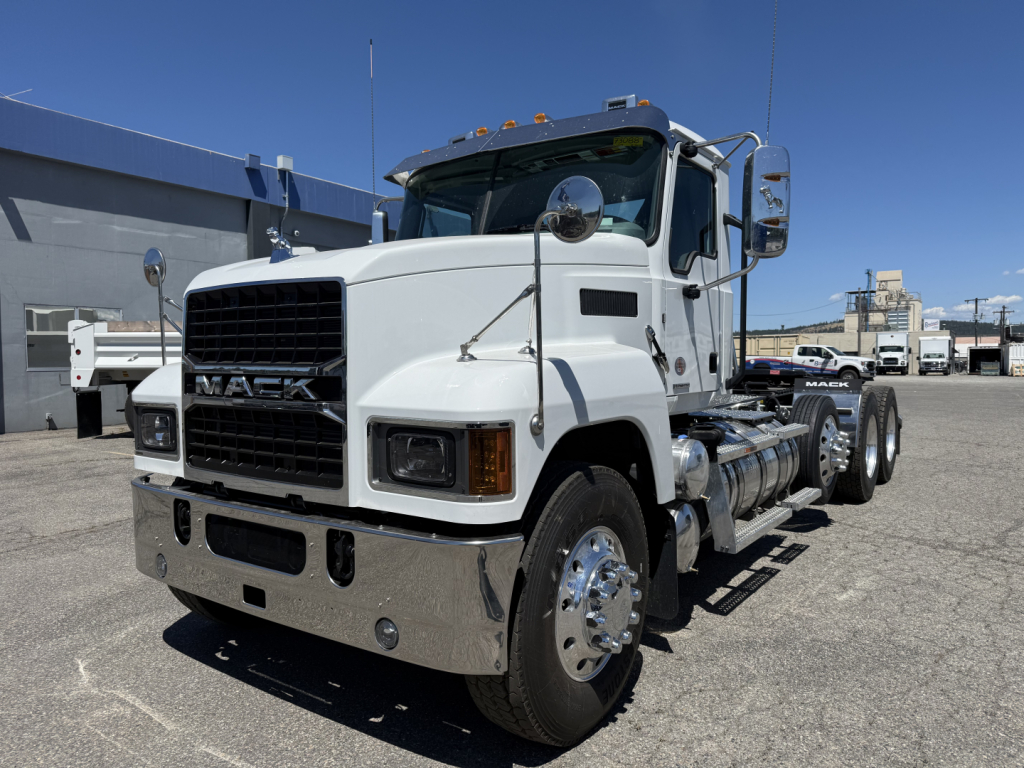
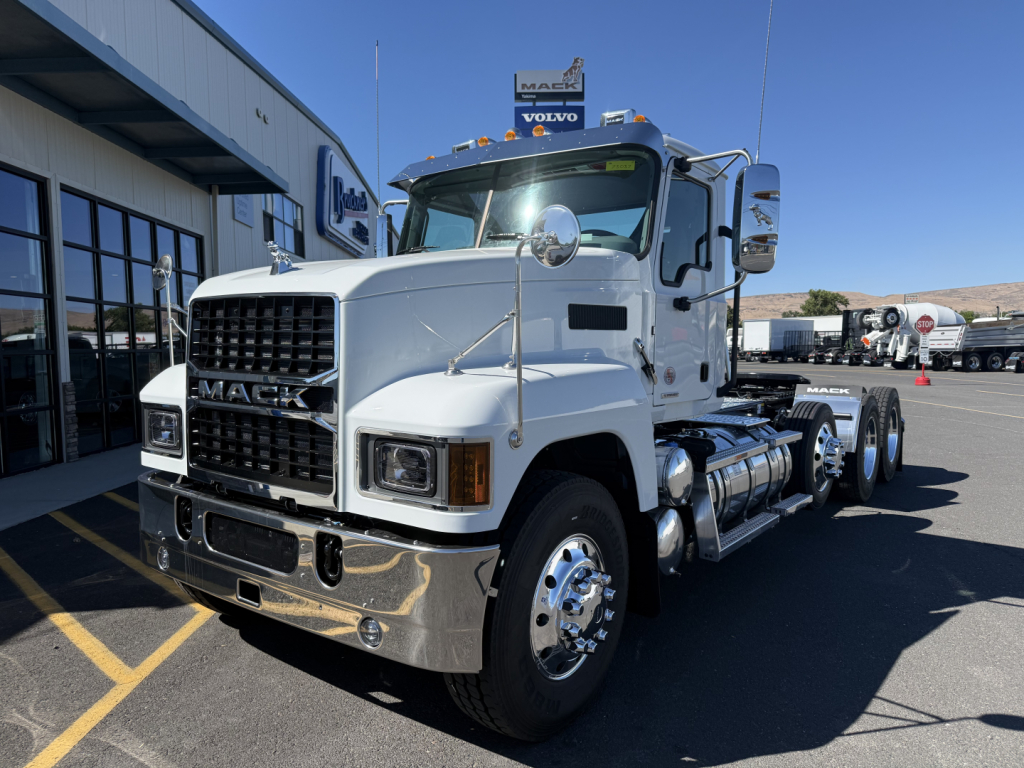
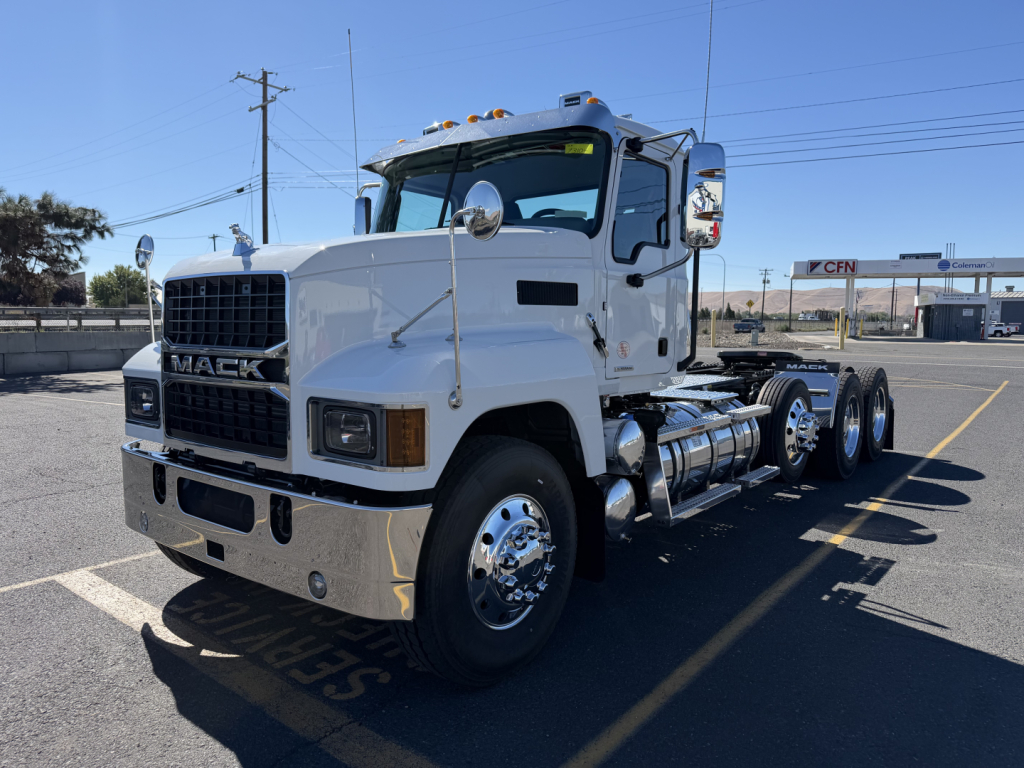
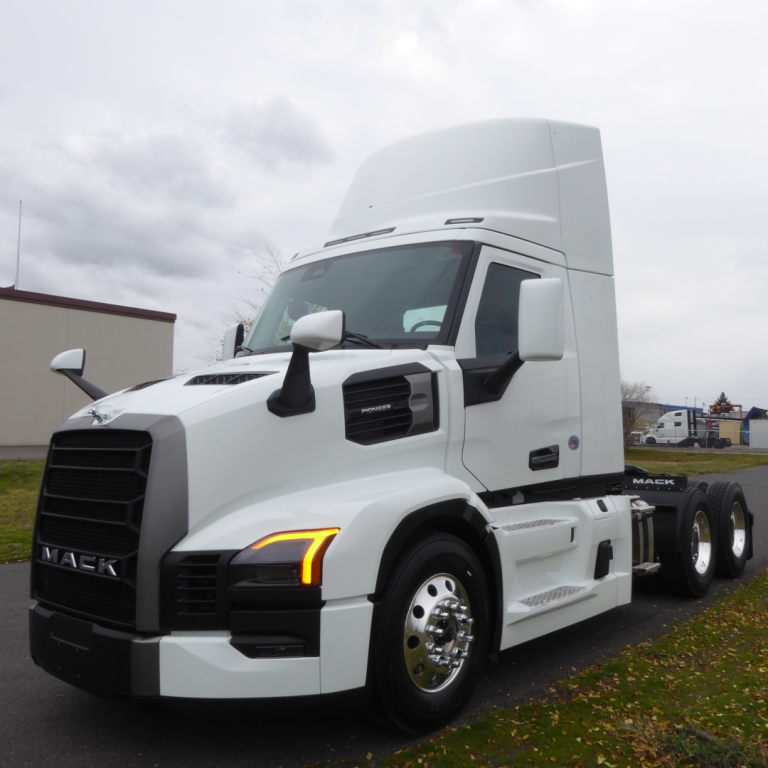
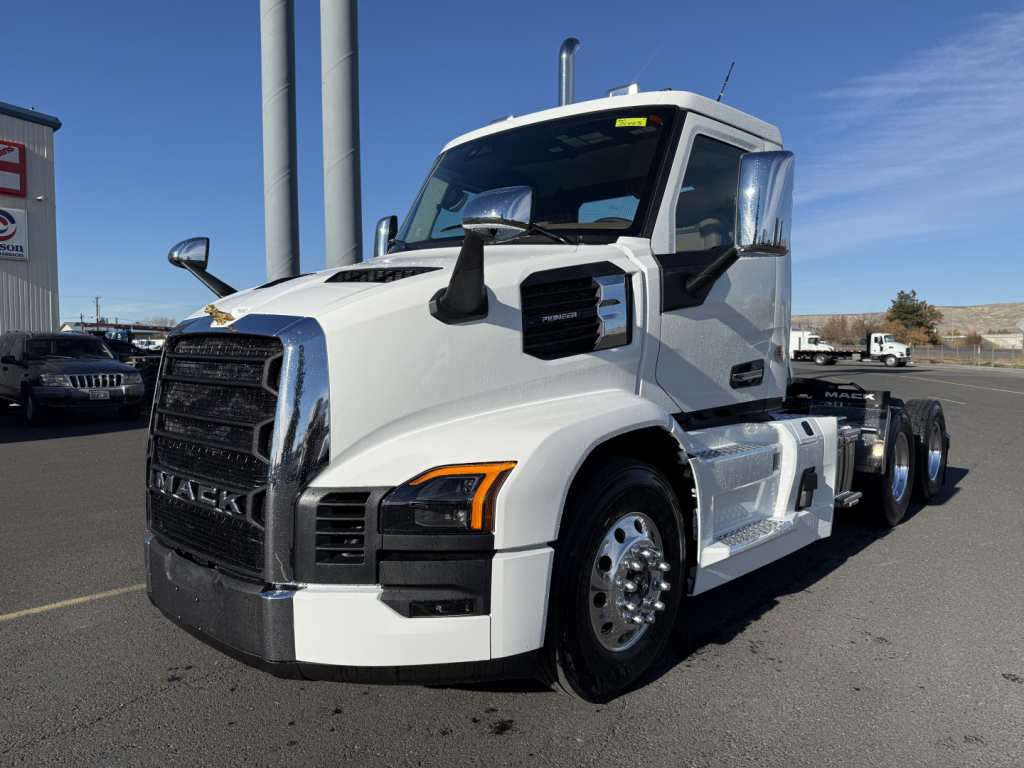
Selling a new mack conventional daycab truck? List your new mack conventional daycab truck for sale and reach thousands of commercial buyers.
New Mack Conventional Daycab Trucks in Washington
A buyer comparing new Mack daycabs should start with engine rating, transmission calibration, rear axle ratio, and wheelbase. That combination determines how the truck will launch, cruise, back into tight docks, and carry weight on the steer and drives. Common specs in this category include 13,000- to 13,200-pound front axles, 40,000-pound rear tandems, air ride suspension, sliding fifth wheels from suppliers like JOST or Fontaine, and wheelbases around the high-180-inch range for a balanced mix of maneuverability and ride quality. Higher horsepower MP13 setups are common when the truck will see mountain grades, heavier gross weights, or faster interstate work. For tighter urban and regional applications, the right ratio and transmission programming can matter as much as peak horsepower.
Washington buyers should also pay attention to equipment that improves uptime and control in all-season service. Disc brakes, tire pressure monitoring, heated mirrors, block heaters, traction-oriented suspension setups, and advanced driver assistance systems can make a real difference in daily operation. New Mack conventional daycabs may include lane change support, blind spot monitoring, driver awareness features, backup cameras, and multiple drive modes that let fleets balance fuel economy against responsiveness. Aerodynamic packages are especially relevant for linehaul and regional operations running I-5 and cross-state routes, where even small efficiency gains add up over high annual mileage.
Cab configuration matters more than many buyers expect in a daycab. Seat trim, storage layout, visibility, switch placement, and noise control affect driver retention on local and regional routes just as much as they do in long-haul service. If the truck will run PTO-driven equipment, verify PTO transmission prep, electrical and air provisions, and frame space before purchase. It is also worth checking fuel capacity, fifth wheel travel, kingpin setting compatibility, and frame layout against the trailers in your fleet. A well-spec'd Mack daycab should match the route, trailer mix, and payload profile first, then add the comfort, safety, and efficiency options that support lower cost per mile over the life of the truck.
Frequently Asked Questions about New Mack Conventional Daycab Trucks in Washington
What is a Mack conventional daycab truck best suited for?
A Mack conventional daycab is best suited for regional hauling, local delivery, dedicated fleet routes, drayage, and vocational tractor work where a sleeper is not required. The conventional hood layout provides good service access and cooling capacity, while the daycab configuration reduces weight and keeps the truck more compact for terminals, docks, and urban maneuvering. It is a practical choice for fleets focused on daily return-to-base operations.
What specs matter most when buying a new Mack daycab?
The most important specs are engine horsepower and torque, transmission type, rear axle ratio, wheelbase, front and rear axle ratings, suspension, and fifth wheel setup. Those items determine gradeability, fuel economy, turning radius, payload distribution, and trailer compatibility. Buyers should also review fuel tank capacity, brake type, PTO provisions, and any driver assistance technology that affects safety and uptime.
Are Mack daycabs available with automated manual transmissions?
Yes. New Mack conventional daycab trucks are commonly spec'd with the Mack mDRIVE automated manual transmission. This transmission is popular in regional and highway service because it helps standardize shifting, reduce driver fatigue, and support fuel-efficient operation. The transmission programming and drive modes should still be matched to the truck's route profile, gross weight, and startability needs.
How do Washington operating conditions affect daycab spec choices?
Washington operators often need a spec that can handle wet pavement, mountain grades, port congestion, and mixed urban-highway service. That makes traction, brake performance, horsepower, cooling, and visibility features especially important. Trucks used west of the Cascades may prioritize corrosion resistance and all-weather drivability, while trucks crossing the state may need stronger powertrain specs and gearing for sustained elevation changes.
What comfort and safety features are worth paying for on a new Mack daycab?
Features that usually return value include air ride suspension, premium seats, improved insulation, heated mirrors, tire monitoring systems, backup cameras, blind spot monitoring, lane support systems, and disc brakes. These options improve driver comfort, confidence, and control, especially in dense traffic and poor weather. On high-mileage fleet trucks, they can also support retention, reduce fatigue, and help limit avoidable downtime or damage.