
New Conventional Daycab Trucks For Sale in New Mexico
Shop new conventional daycab trucks for sale in New Mexico. Compare specs, axle ratings, engine options, and regional haul configurations.
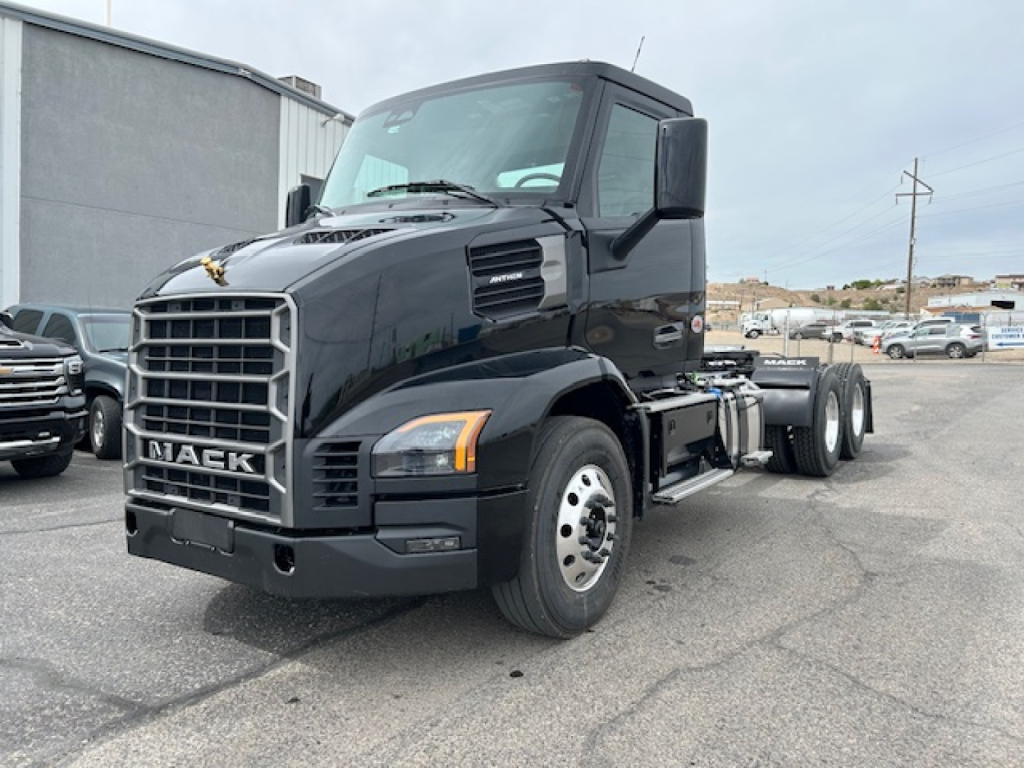
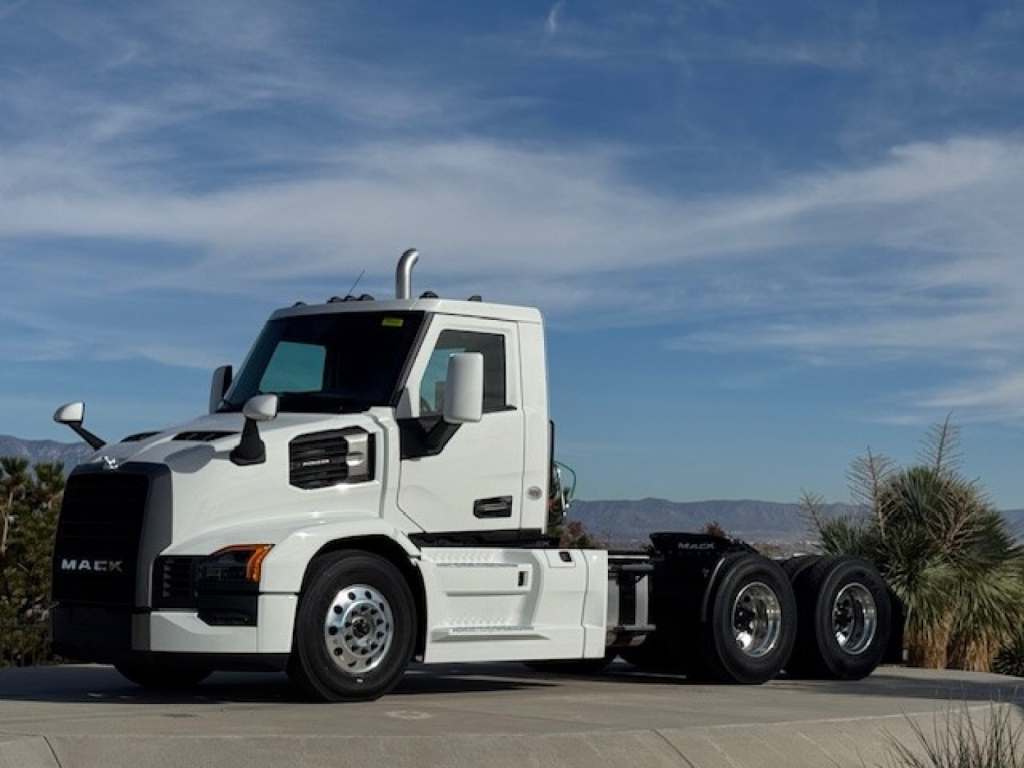
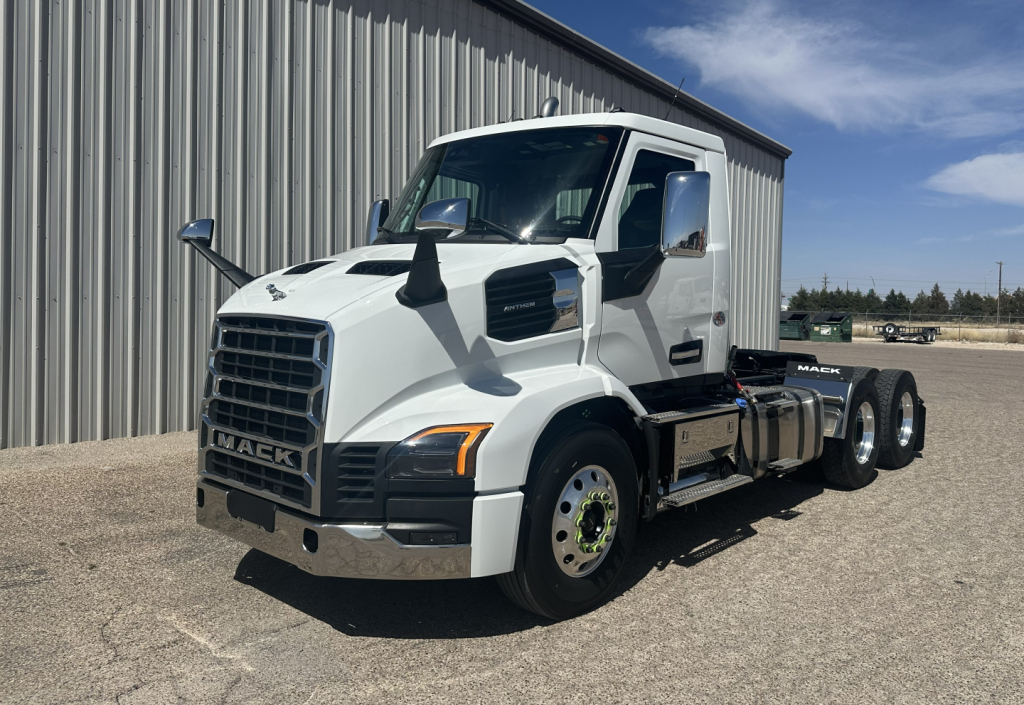

Selling a new conventional daycab truck? List your new conventional daycab truck for sale and reach thousands of commercial buyers.
New Conventional Daycab Trucks in New Mexico
The most important buying decisions usually start with the powertrain and axle layout. A typical new conventional daycab is a 6x4 tandem axle tractor, though 6x2 and heavier vocational configurations are available for specialized work. Engines commonly run from about 400 to 515 horsepower, with torque ratings often landing between 1,450 and 1,900 lb-ft depending on the intended load and terrain. Automated manual transmissions are now common because they improve shift consistency, reduce driver fatigue, and help protect the driveline in stop-and-go or mixed-route service. Rear axle ratios, overdrive transmissions, wheelbase, and fifth wheel placement all matter if the truck will spend part of its life on interstate runs and part in crowded customer yards. Buyers comparing specs should also watch front axle capacity, rear suspension type, fuel tank sizing, and bridge-law friendly setups if trailer interchange is part of the operation.
New daycab tractors can be spec'd very differently even when they look similar on paper. Aerodynamic highway-focused models prioritize fuel economy with sloped hoods, roof fairings, chassis fairings, lightweight wheels, and optimized bumper-to-back-of-cab dimensions. Heavier-duty conventional daycabs lean toward durability and jobsite suitability with stronger frame rails, set-back or set-forward front axle configurations, higher vocational ride heights, PTO provisions, and suspensions designed for rough surfaces. In New Mexico, high ambient temperatures and long rural stretches make cooling performance, air filtration, and fuel range more than minor details. If the truck will pull pneumatic, dump, lowboy, tanker, or heavy flatbed work, it is worth checking for PTO compatibility, frame space for hydraulic equipment, wet kit planning, and exact GCWR alignment with the loads being hauled.
Cab and safety features deserve close attention because a daycab spends its life in repeated entry and exit cycles and often changes drivers. Air ride seats, smart dash layouts, good outward visibility, collision mitigation, lane departure systems, disc brakes, and telematics can all improve uptime and driver acceptance. Maintenance access is another major advantage in this class, especially on conventional hood trucks where daily checks and service points are easier to reach. A well-spec'd new conventional daycab should match the route profile first, then the trailer mix, then the driver environment. That approach usually delivers better fuel economy, better resale, and fewer compromises than buying on horsepower alone.
Frequently Asked Questions about New Conventional Daycab Trucks in New Mexico
What is a conventional daycab truck used for?
A conventional daycab truck is used for regional and local hauling where the driver does not need a sleeper. Common applications include dry van, flatbed, tanker, intermodal, dump, agricultural transport, and oilfield support. The conventional hood design provides easier engine access and strong cooling performance, while the daycab layout cuts weight and improves maneuverability compared with a sleeper tractor.
What engine and horsepower range is typical for a new conventional daycab?
Most new conventional daycab trucks are spec'd in the 400 to 515 horsepower range, with torque commonly between 1,450 and 1,900 lb-ft. Lower horsepower specs can work well for lighter regional freight and fuel-economy focused lanes, while heavier loads, mountain grades, and vocational work usually justify more torque and a drivetrain matched to higher GCWR. The right choice depends on terrain, average payload, trailer type, and daily miles.
Is an automated manual transmission a good choice in a daycab tractor?
Yes, for many fleets and owner-operators an automated manual transmission is now the preferred spec in a daycab tractor. It improves shift consistency, helps reduce clutch abuse, lowers driver fatigue in traffic, and can support better fuel economy when paired with the right rear axle ratio. Manual transmissions still have a place in some vocational or driver-preference situations, but AMTs dominate most new on-highway daycab builds.
What should buyers in New Mexico look for in a new daycab truck?
Buyers in New Mexico should pay close attention to cooling capacity, power for sustained grades, fuel range, and filtration for dusty operating conditions. A truck running interstate freight may need an aerodynamic spec with taller gearing and larger tanks, while a truck working oilfield, construction, or mixed paved and unpaved routes may need stronger suspensions, higher axle ratings, and PTO-ready chassis space. Heat management and route distance matter as much as horsepower in this market.
How do I choose between an aerodynamic highway daycab and a heavier vocational daycab?
An aerodynamic highway daycab is usually the better fit for dry van, reefer, and general freight operations that spend most of their time at highway speed and want lower fuel burn. A heavier vocational daycab is better suited for rough surfaces, heavier trailers, PTO-driven equipment, and jobs that demand stronger frames, more ground clearance, and higher axle capacities. The deciding factors are duty cycle, trailer type, surface conditions, and expected gross combination weight.