
New Mack Conventional Daycab Trucks For Sale in New Mexico
Shop new Mack conventional daycab trucks for regional haul, vocational work, and local fleet duty with modern powertrain and axle options.
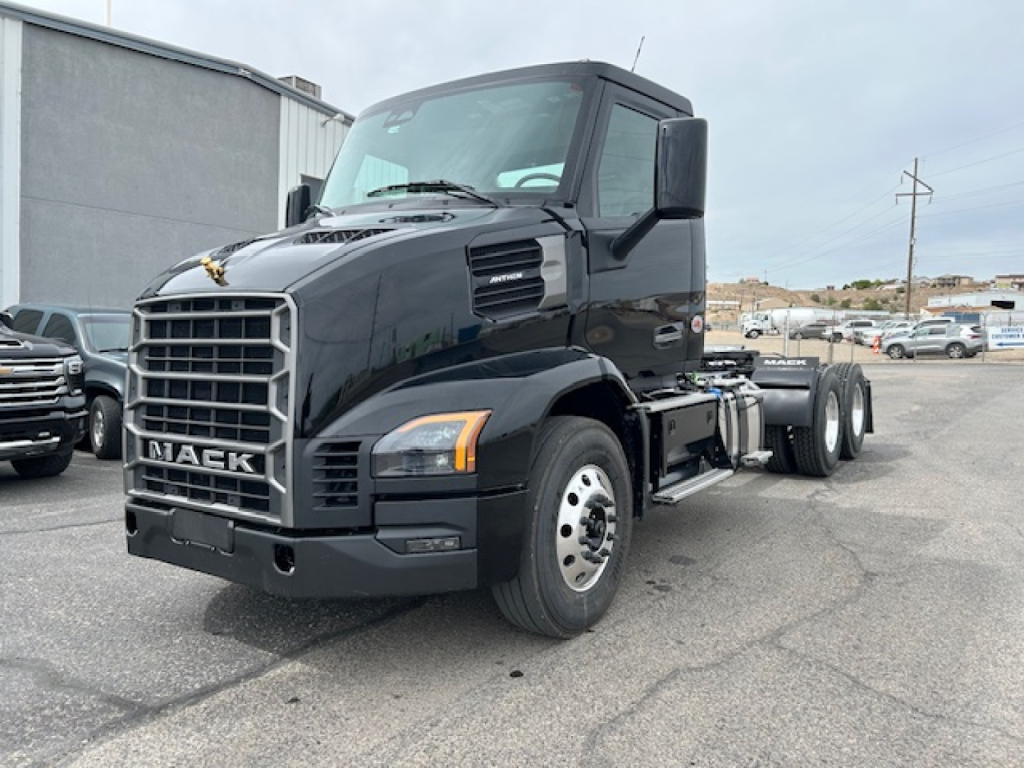
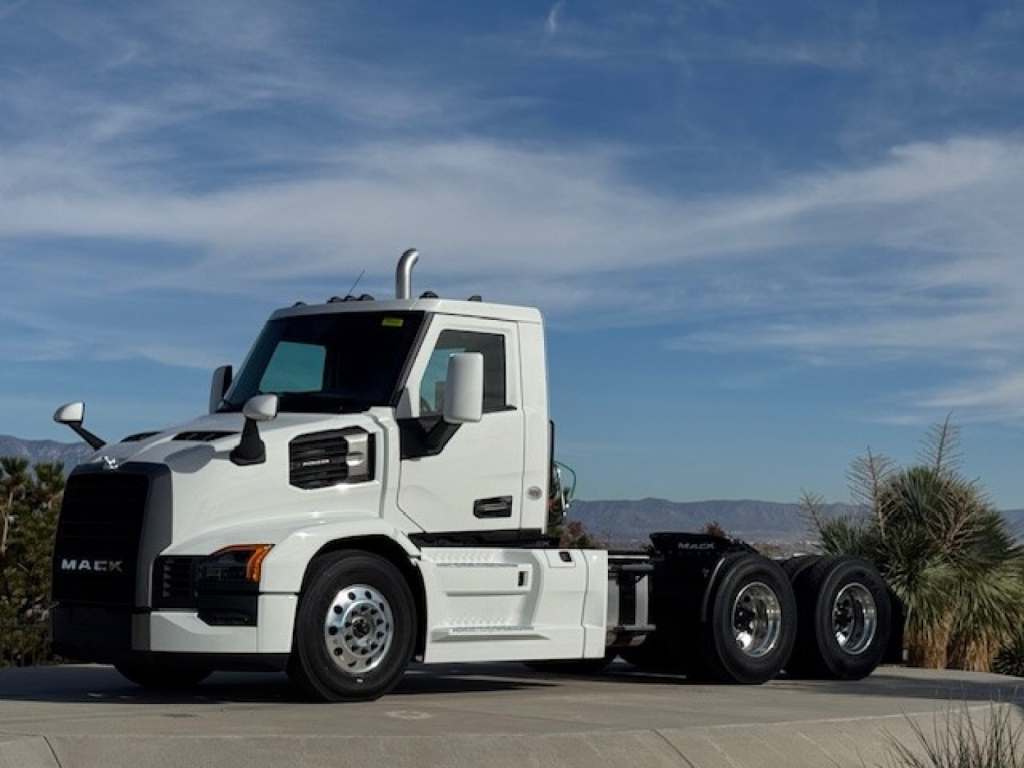
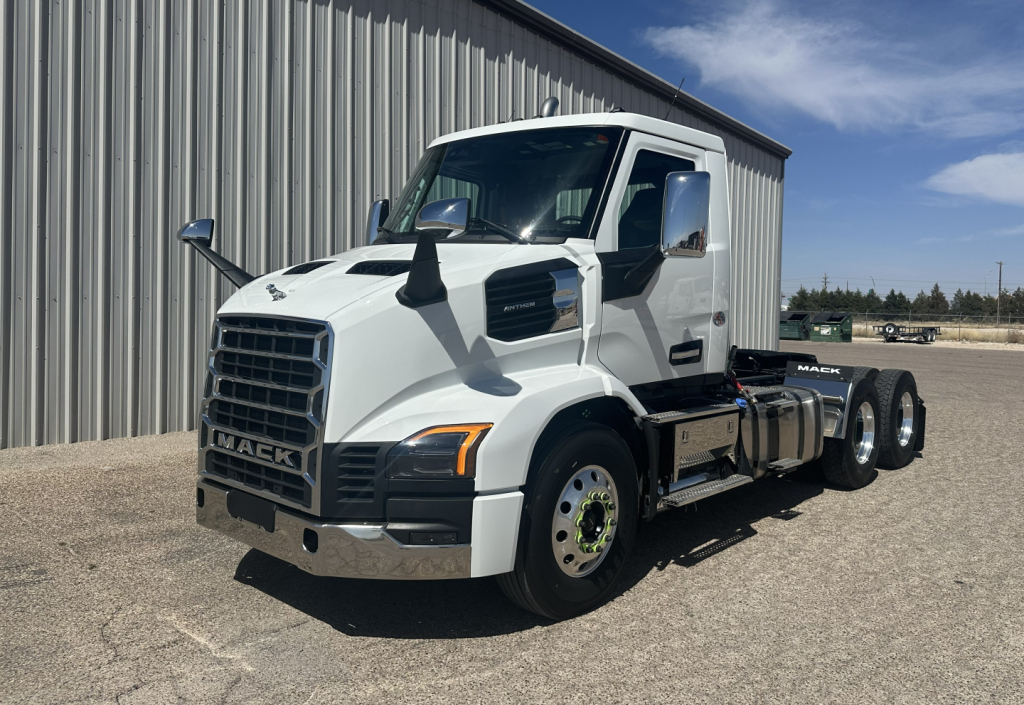

Selling a new mack conventional daycab truck? List your new mack conventional daycab truck for sale and reach thousands of commercial buyers.
New Mack Conventional Daycab Trucks in New Mexico
Mack daycabs are commonly spec'd around applications that demand durability and straightforward upfit compatibility. Depending on the series, buyers will see highway-oriented and vocational-leaning chassis with axle ratings, frame rail thickness, suspension choices, and wheelbase options that can be tailored to the job. Typical decision points include MP-series engine ratings, mDRIVE automated manual transmission versus manual transmission preferences, 6x4 axle configuration, rear axle ratios for cruising speed or startability, and suspension packages such as air ride or Mack vocational suspensions. For tractor use, fifth wheel type, slide travel, and kingpin setting compatibility should be reviewed against the trailers in the fleet. For heavier vocational service, front axle capacity, locking differentials, pusher options, and frame reinforcement become more important than pure highway efficiency.
A buyer comparing new Mack conventional daycab trucks should pay close attention to how the truck is balanced between payload, durability, and operating cost. A lighter regional spec may favor fuel economy, aerodynamic trim, and highway gearing, while a severe-service daycab may need heavier front ends, taller rubber, dual stacks, more robust cooling, and suspension components suited for rough access roads. Interior spec still matters on a daycab because many of these trucks spend full shifts in stop-and-go service. Seat quality, visibility, switch layout, mirror heat and adjustment, and steering effort all affect driver retention and daily productivity. Newer Mack platforms also appeal to fleets that want integrated powertrain controls, cleaner dash layouts, and easier service access.
For New Mexico operations, climate and terrain should shape the final spec. High desert heat, long grades, oil patch road conditions, and wide day-to-day temperature swings can justify upgraded cooling, axle gearing matched to gross combined weight, and tire selections built for mixed pavement and job site use. If the truck will spend most of its life pulling tank, dump, lowboy, hopper, or flatbed trailers, it is worth matching the wheelbase, fifth wheel height, and suspension to that trailer mix from the start. A well-spec'd Mack conventional daycab holds value because it can cross over between local haul, regional freight, and vocational tractor work without sacrificing the rugged build quality the brand is known for.
Frequently Asked Questions about New Mack Conventional Daycab Trucks in New Mexico
What is a conventional daycab truck used for?
A conventional daycab truck is a Class 8 tractor with a hooded engine design and no sleeper compartment. It is typically used for local delivery, regional hauling, port work, construction support, dump and tank applications, and any operation where the driver returns home or to the terminal the same day. The absence of a sleeper reduces cab length and weight, which can improve maneuverability and allow more flexibility in wheelbase and payload planning.
What should I look for when buying a new Mack conventional daycab?
Start with the application, then match the spec to the load and route. Key items include engine horsepower and torque, transmission type, axle ratings, rear ratio, suspension, wheelbase, frame rail strength, and fifth wheel setup. Buyers running mostly highway miles may prioritize fuel economy and aerodynamic trim, while vocational users often need heavier front axles, locking differentials, robust suspensions, and reinforced frames. Cab comfort, mirror visibility, and serviceability are also important because daycabs often operate in high-cycle, stop-and-go duty.
Are Mack daycabs good for vocational and severe-service work?
Yes. Mack has a strong reputation in vocational and severe-service applications, especially where durability matters more than maximum highway speed. Many Mack conventional daycab configurations can be spec'd with heavier axle capacities, vocational suspensions, thicker frame rails, and drivetrain options suited for construction, aggregate, refuse, and oilfield-related work. The right configuration depends on gross vehicle weight, trailer type, terrain, and the amount of off-pavement operation.
How do I choose the right axle ratio and wheelbase for a Mack daycab?
Rear axle ratio should match the truck's gross combined weight, road speed targets, terrain, and transmission gearing. A numerically higher ratio generally improves startability and grade performance, while a lower ratio can support better fuel economy at highway speed. Wheelbase should be selected based on trailer swing clearance, bridge law considerations, ride quality, and maneuverability. For fleets pulling multiple trailer types, it is important to confirm that wheelbase, fifth wheel placement, and kingpin settings work across the trailer mix.
Why does New Mexico operating environment matter when spec'ing a new daycab?
New Mexico can combine high ambient temperatures, elevation changes, long highway stretches, and rough access roads in the same operating cycle. That makes cooling performance, engine torque, gearing, tire selection, and suspension durability more important than on flatter, milder routes. Trucks working in oilfield, construction, or aggregate service may also benefit from higher ground clearance, stronger front axle ratings, and components chosen for dust, heat, and repeated low-speed heavy-load operation.