
New Conventional Daycab Trucks For Sale in Oklahoma
Shop new conventional daycab trucks in Oklahoma with specs for regional hauling, vocational work, fuel economy, axle ratings, and cab comfort.
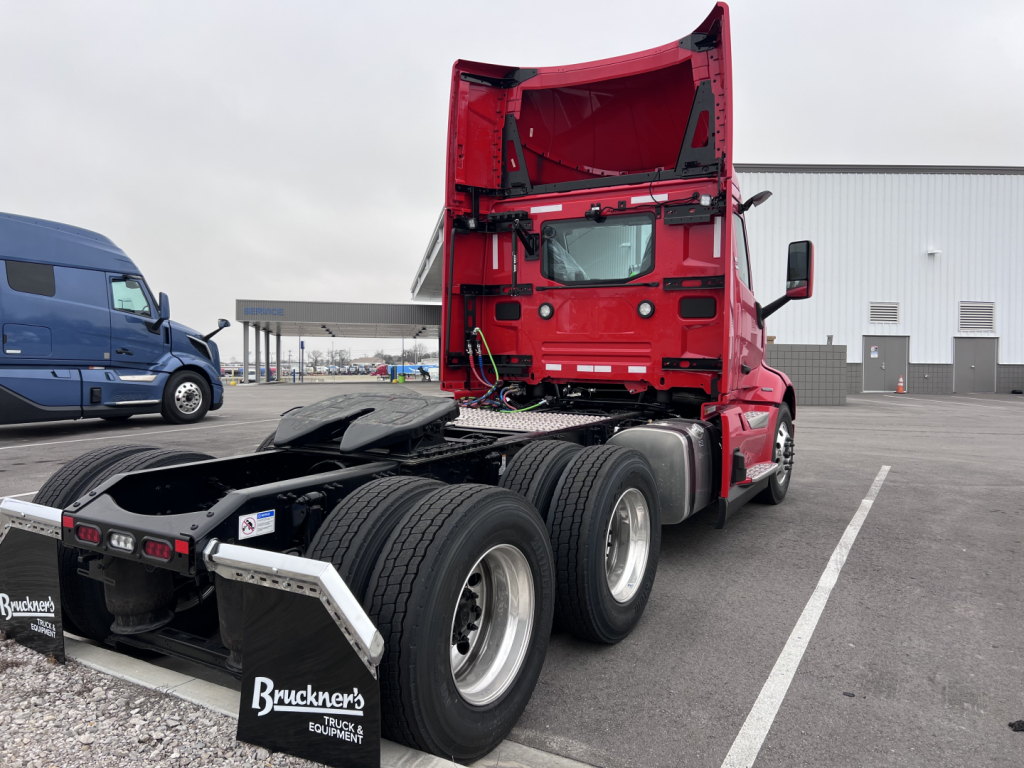

Selling a new conventional daycab truck? List your new conventional daycab truck for sale and reach thousands of commercial buyers.
New Conventional Daycab Trucks in Oklahoma
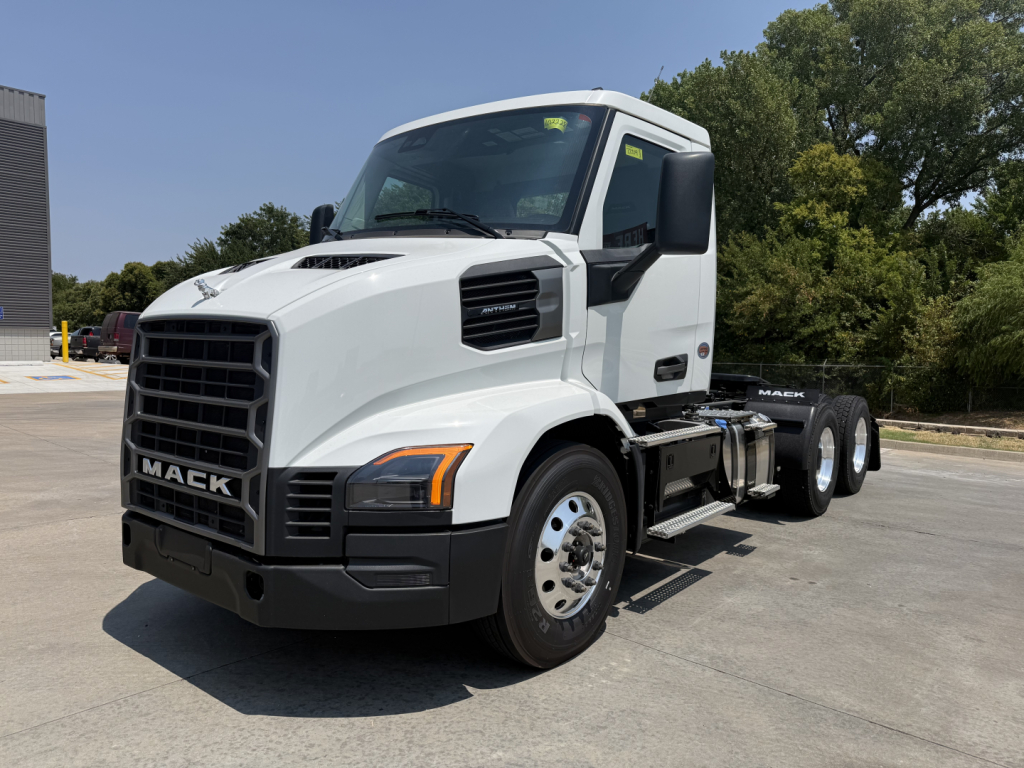
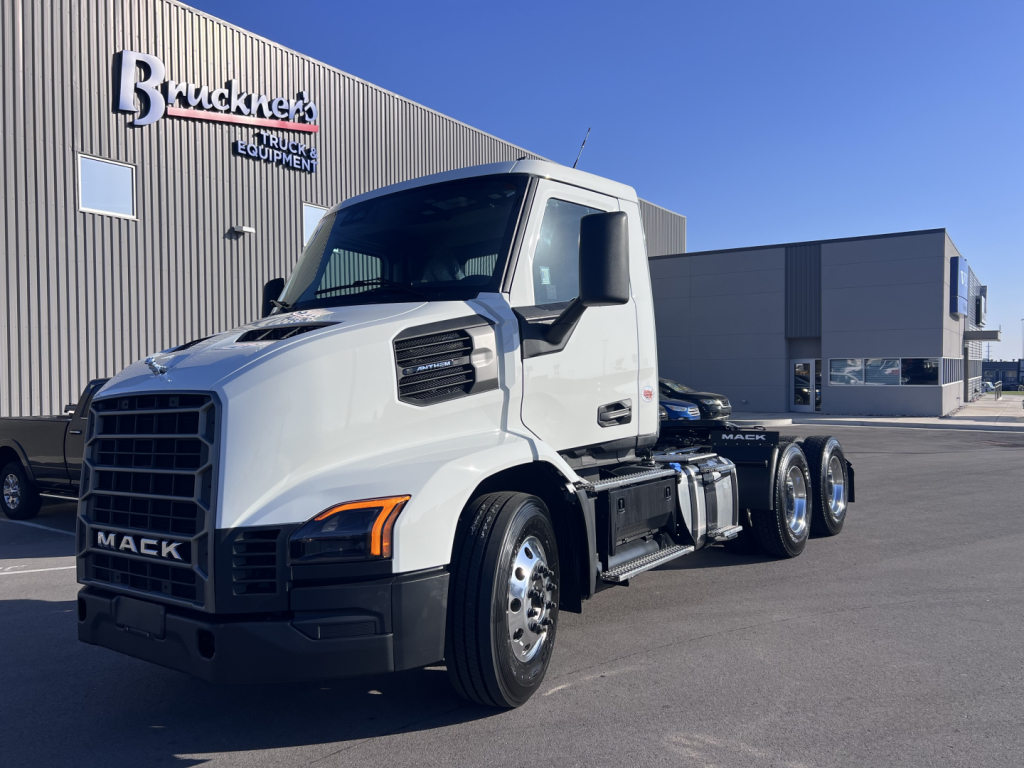
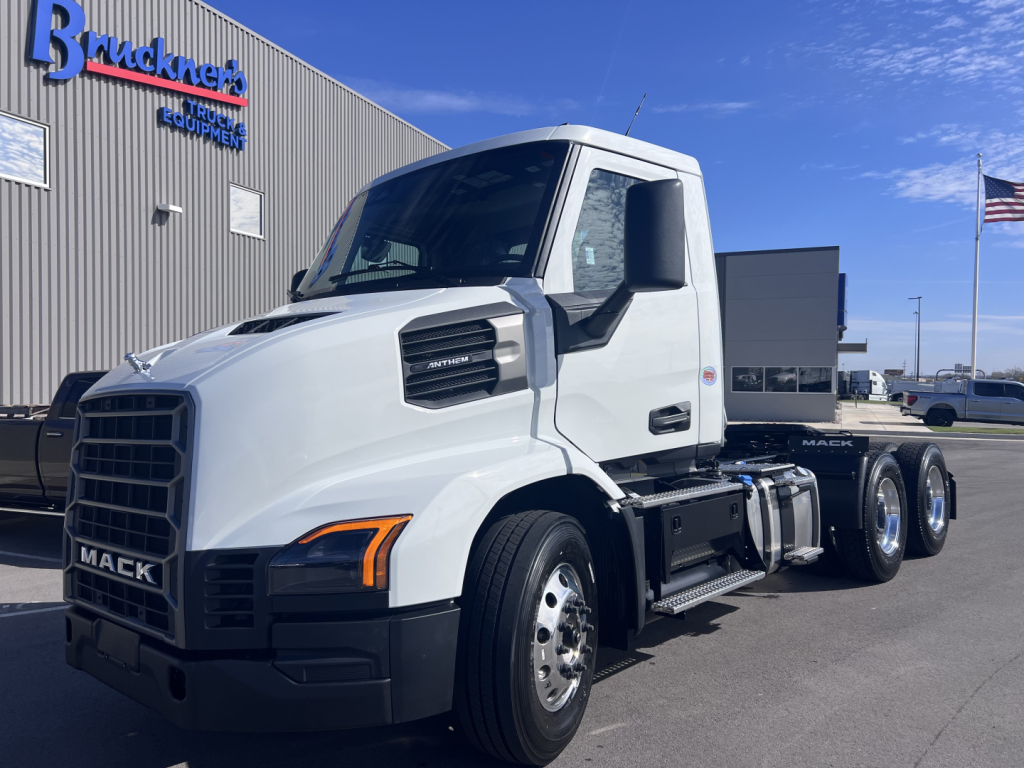
The first spec decision is usually application. For general freight and regional van or flatbed work, a 6x4 tandem axle daycab with a 12,000 to 13,200 pound front axle and 40,000 pound rears is common. Many buyers look at horsepower in the 400 to 455 range with torque from roughly 1,450 to 1,850 lb-ft, paired to a 12-speed automated manual such as Mack mDRIVE or Volvo I-Shift. Rear axle ratios like 2.64, 2.79, or 3.08 can materially change cruise RPM, launch feel, and fuel economy, so the right ratio depends on terrain, gross weight, and how much stop-and-go work the truck will see. Wheelbase, often in the 175 to 190 inch range on highway daycabs, affects fifth wheel placement, trailer swing clearance, and bridge law flexibility.
A new daycab buyer should also pay close attention to chassis and cab details that directly affect operating cost. Air ride suspensions are common for ride quality and traction, while disc brakes are increasingly attractive for stopping performance and service consistency. Fuel capacity varies widely, but dual tanks in the 100 to 150 gallon total range are typical for regional service. Inside the cab, seat spec, steering wheel adjustability, visibility, HVAC performance, and infotainment controls matter because these trucks spend all day in repeated ingress-egress cycles. Safety and driver-assist features such as traction control, collision mitigation, lane support, and tire pressure monitoring are becoming more common on new conventional daycab trucks and can be important for fleet standardization and insurance considerations.
Oklahoma buyers often need a truck that can handle interstate speeds, crosswinds, heat, and mixed duty cycles from metro pickup-and-delivery to longer regional turns. That makes cooling capacity, aerodynamic package, engine brake performance, and service network coverage worth evaluating alongside the base price. Brands like Mack and Volvo remain popular in this category because they offer strong vocational durability, automated transmissions, and efficient powertrains for fleet use. The best new conventional daycab truck is the one matched to your trailer type, average gross combination weight, route profile, and maintenance plan, not simply the highest horsepower or longest option sheet.
Frequently Asked Questions about New Conventional Daycab Trucks in Oklahoma
What is a conventional daycab truck used for?
A conventional daycab truck is used for local and regional hauling where the driver returns home daily and does not need a sleeper berth. Common applications include dry van, reefer, flatbed, tanker, dedicated contract freight, drayage, and some vocational tractor work. The conventional hood layout provides easy engine access and a familiar service platform, while the daycab configuration saves weight and usually improves maneuverability compared with a sleeper tractor.
What engine and transmission specs are common on new conventional daycab trucks?
Many new conventional daycab trucks are spec'd with diesel engines in the 11 to 13 liter range producing roughly 400 to 455 horsepower, though heavier or more specialized applications may go higher. Torque is often in the 1,450 to 1,850 lb-ft range. Automated manual transmissions dominate this segment because they improve shift consistency, reduce driver fatigue, and help fleets manage fuel economy and training. Twelve-speed automated transmissions are especially common in regional daycab service.
How do I choose the right rear axle ratio for a daycab tractor?
Rear axle ratio should match your average load, route speed, terrain, and startability needs. A faster ratio such as 2.64 or 2.79 can reduce engine RPM at highway speed and support fuel economy on lighter regional routes. A deeper ratio such as 3.08 or higher can improve launch performance, gradeability, and drivability in heavier or more stop-and-go service. The best choice depends on the engine torque curve, transmission gearing, tire size, and the gross combination weights you expect to run.
What axle ratings are typical for a new 6x4 daycab?
A common setup for a new 6x4 conventional daycab is a front axle rated around 12,000 to 13,200 pounds and tandem rear axles rated at 40,000 pounds combined. That configuration works well for a broad range of highway and regional freight operations. Some applications may call for heavier fronts, locking differentials, or different suspension ratings depending on PTO use, vocational body equipment, or severe-service requirements.
Is a new daycab better than a sleeper for regional work in Oklahoma?
For many Oklahoma regional operations, a daycab is the better fit if drivers return home daily and the freight does not require overnight accommodations. A daycab typically weighs less, may cost less to maintain, and can be easier to maneuver in yards, customer docks, and metro traffic. A sleeper still makes sense if routes regularly involve overnight runs, long dwell times, or team operations. The decision should come down to route length, driver scheduling, and payload priorities.