
New Mack Conventional Daycab Trucks For Sale in Oklahoma
Shop new Mack conventional daycab trucks in Oklahoma. Compare Anthem and Pinnacle specs, MP engines, M-Drive options, axle ratings, and setups.

Selling a new mack conventional daycab truck? List your new mack conventional daycab truck for sale and reach thousands of commercial buyers.
New Mack Conventional Daycab Trucks in Oklahoma
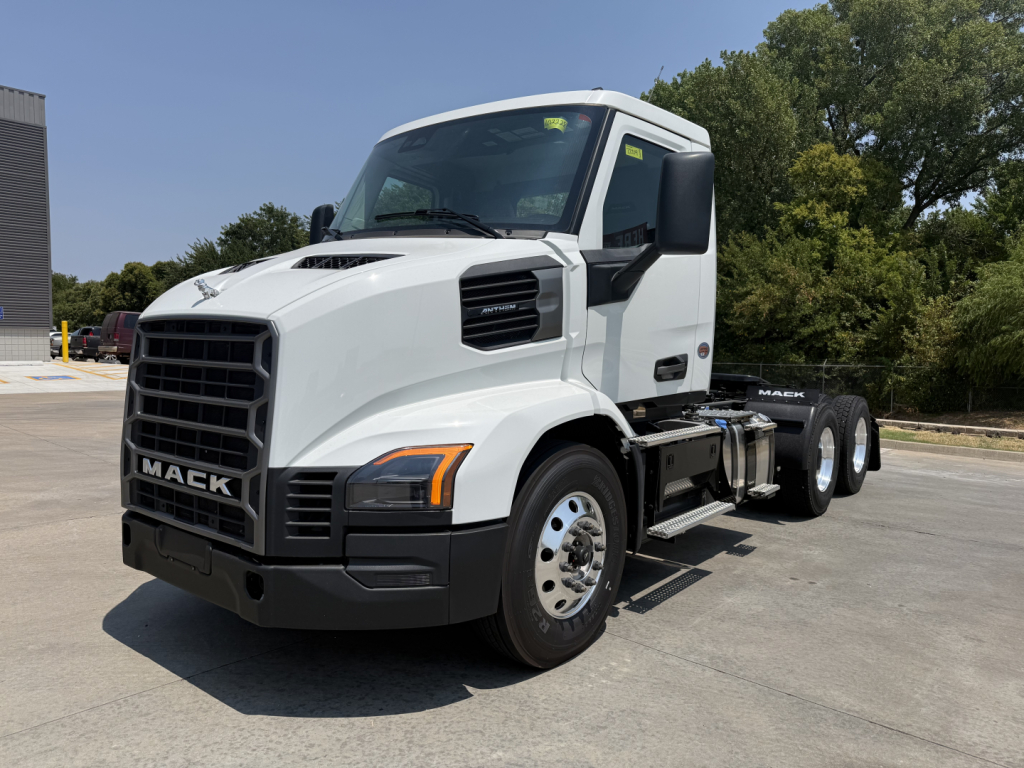
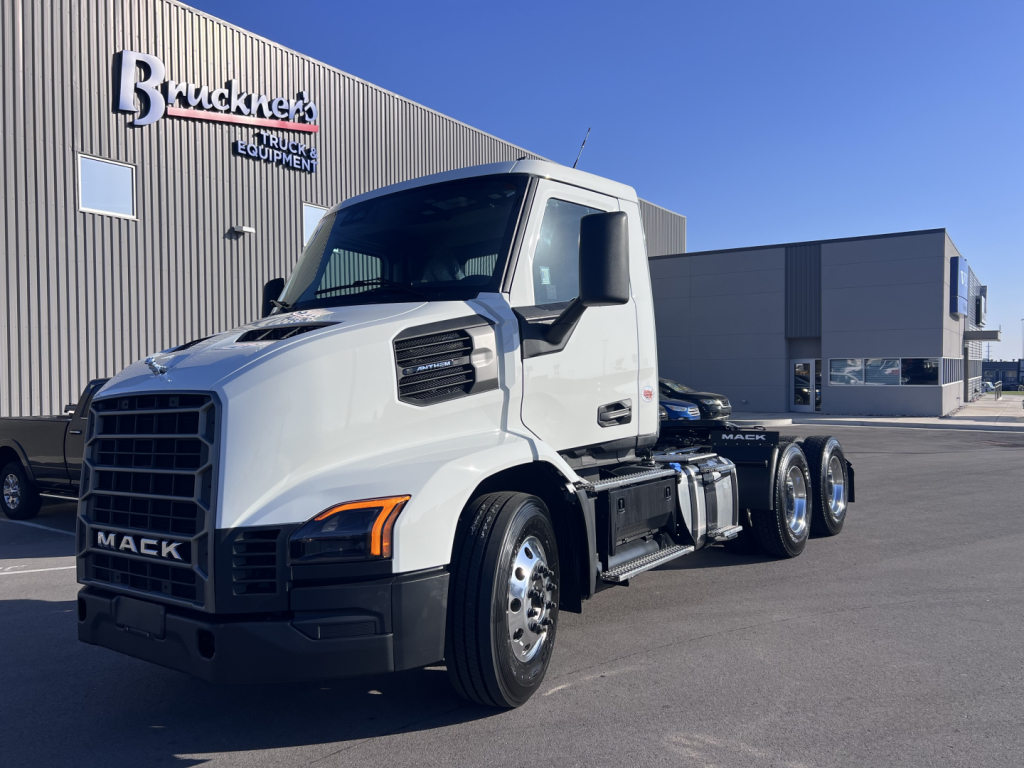
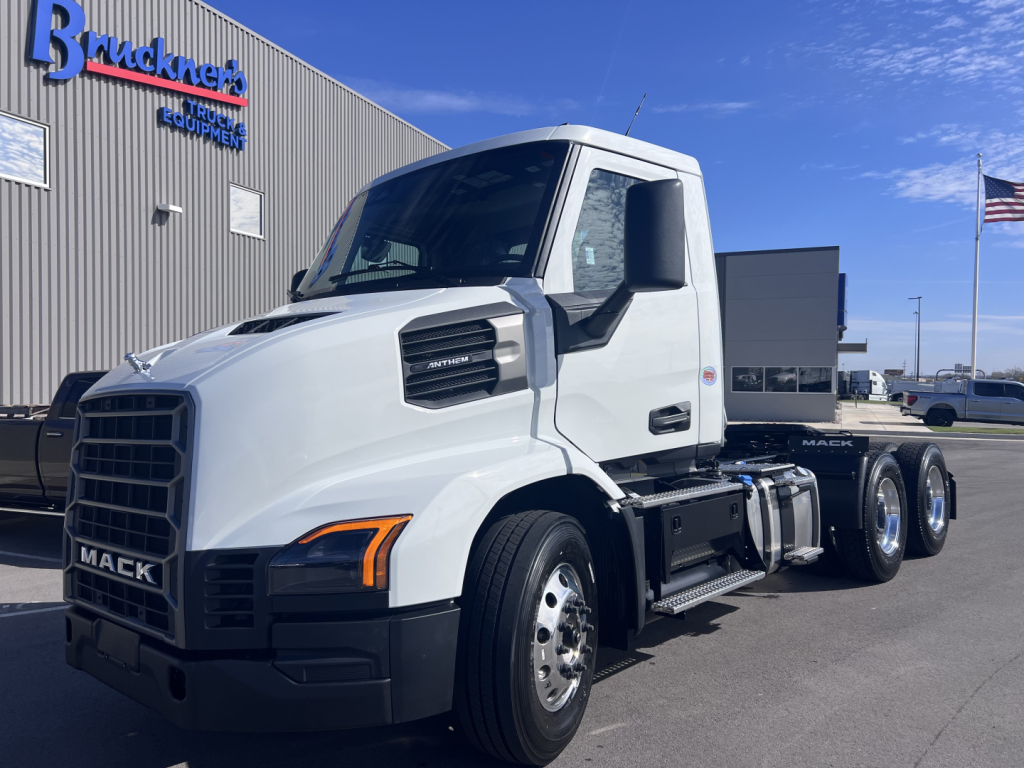
The biggest buying decisions usually start with engine, transmission, axle rating, and wheelbase. Current new Mack daycab specs often center on MP8 or MP13 diesel engines, with horsepower commonly ranging from the low 400s up to 500-plus depending on the application. Many are paired with the Mack mDRIVE automated manual transmission, typically a 12-speed, which is popular for reducing driver fatigue and helping with fuel economy consistency across mixed driver pools. Front axle ratings around 12,000 to 14,600 pounds and tandem rears around 40,000 pounds are common on highway and regional tractors. Ratios such as 2.79 are frequently chosen for fuel-conscious linehaul and regional work, while wheelbases in the 180-inch range are a practical fit for maneuverability without giving up chassis flexibility.
Cab and chassis details matter more than many buyers expect. Air ride suspensions, air slide fifth wheels, disc brakes up front, dual fuel tanks, traction control, and high-back air ride seats are common on well-specced new units. A daycab intended for van or reefer work may prioritize aero trim, fairings, fuel capacity, and lower rear axle ratios. A truck headed into heavier vocational service may need a different axle package, frame spec, tire setup, PTO provisions, and a wheelbase matched to body or trailer requirements. Mack’s reputation in this segment comes from a solid driver environment, predictable road manners, and a chassis that can be tailored for fleet standardization or owner-operator preferences.
For Oklahoma buyers, it is smart to look closely at cooling capacity, suspension tuning, brake configuration, and drivetrain gearing based on terrain, temperature, and average gross combination weight. A light regional freight tractor can be spec’d very differently from a daycab expected to pull heavy loads in stop-and-go service. New Mack conventional daycab trucks also appeal to fleets trying to simplify maintenance, emissions compliance, and uptime planning by standardizing newer powertrains and safety systems. The right truck is less about the badge on the hood than how well the spec matches the route, trailer type, payload, and total cost per mile.
Frequently Asked Questions about New Mack Conventional Daycab Trucks in Oklahoma
What is the difference between a Mack Anthem daycab and a Mack Pinnacle daycab?
The Mack Anthem daycab is generally positioned as the more aerodynamic on-highway tractor, with an emphasis on fuel efficiency, driver comfort, and regional or highway freight applications. The Mack Pinnacle daycab is often chosen when buyers want a conventional tractor with a more vocational-friendly character, heavier front axle options, and flexibility for demanding service. The best choice depends on trailer type, average load, routing, and how much of the truck’s life will be spent on pavement versus jobsites or mixed-surface operation.
What engine and transmission specs are common in a new Mack conventional daycab?
Common specs include Mack MP8 and MP13 diesel engines, usually paired with the Mack mDRIVE automated manual transmission. Horsepower frequently falls in the 425 to 505 range, with torque selected to match the intended gross combination weight and duty cycle. The mDRIVE 12-speed is a popular option because it helps standardize operation across drivers, supports fuel economy goals, and performs well in regional and highway service when matched with the correct rear axle ratio.
What axle ratings and wheelbase should I look for in a Mack daycab tractor?
Many new Mack daycab tractors are configured with front axles around 12,500 to 14,600 pounds and tandem rear axles at 40,000 pounds, which suits a wide range of highway and regional applications. Wheelbase often lands around 185 inches, but the right number depends on fifth wheel travel, trailer swing clearance, bridge law considerations, and any body or PTO requirements. Buyers should match axle and wheelbase specs to actual payload, trailer dimensions, and turning needs rather than relying on a general-purpose setup.
Is a new Mack daycab a good fit for Oklahoma operations?
A new Mack daycab can be a strong fit for Oklahoma fleets because it can be spec’d for interstate freight, oilfield-related hauling, aggregate work, and urban or regional delivery. The important part is choosing a configuration that matches local operating conditions, including hot weather, mixed terrain, stop-and-go driving, and heavier gross weights when applicable. Cooling package, gearing, suspension, fuel capacity, and brake setup all have a direct effect on uptime and operating cost in this region.
Why do many buyers choose a new daycab instead of a sleeper tractor?
A daycab makes sense when the truck returns regularly to base or runs routes that do not require overnight accommodations. It reduces empty weight, can improve maneuverability, and often lowers acquisition and maintenance costs compared with a sleeper. For fleets running local and regional lanes, a daycab also simplifies driver assignment and keeps the truck focused on payload, visibility, and productivity rather than long-haul living space.