
New Conventional Daycab Trucks For Sale in Kansas
Shop new conventional daycab trucks for regional haul, local delivery, and fleet work with the right wheelbase, axle ratings, and drivetrain specs.
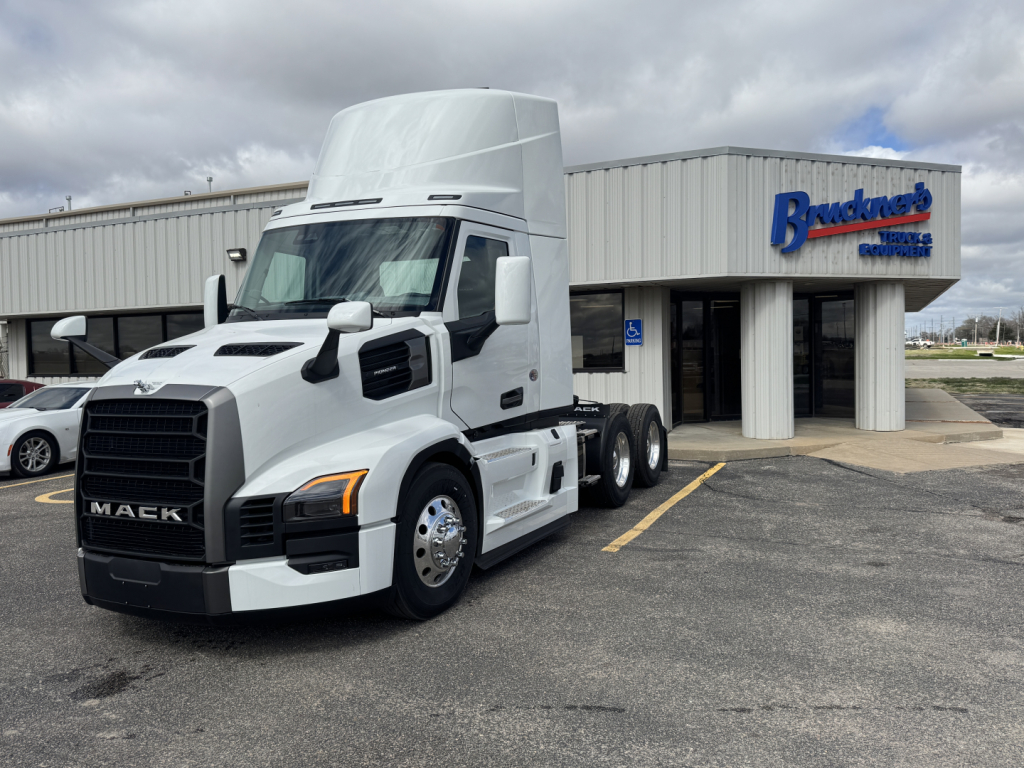
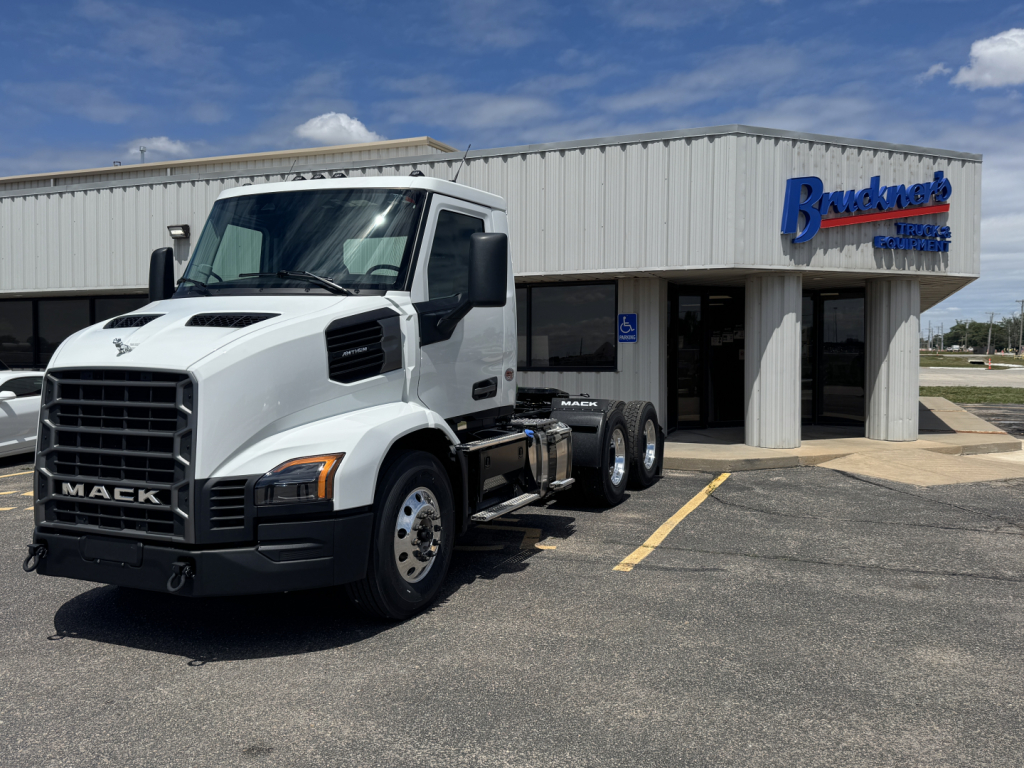
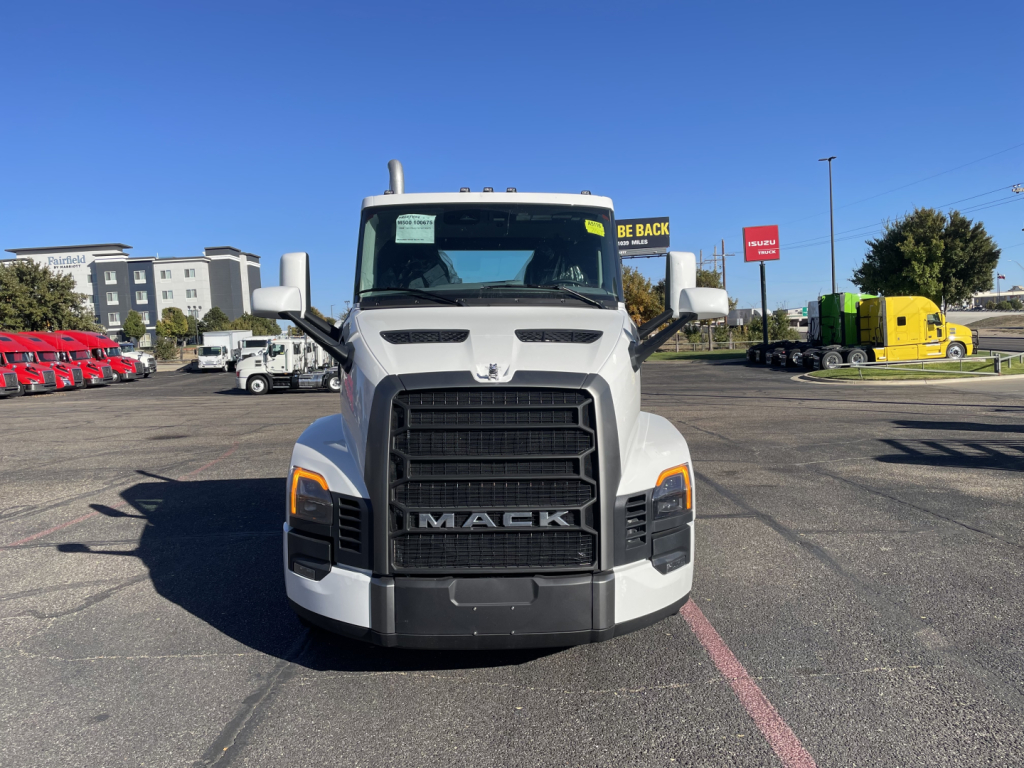

Selling a new conventional daycab truck? List your new conventional daycab truck for sale and reach thousands of commercial buyers.
New Conventional Daycab Trucks in Kansas
Spec decisions on a daycab have a direct effect on fuel burn, payload, and driver acceptance. Common setups in this class include tandem drive 6x4 tractors with 12,500-lb front axles, 40,000-lb rears, air ride suspension, and wheelbases in the 170-inch to 190-inch range. Engines are often in the 400 to 455 HP band with torque around 1,650 to 1,850 lb-ft, paired with automated manual or automated transmissions for easier hiring and more consistent fleet operation. Rear axle ratios such as 2.79 or 3.08 are common on highway-oriented specs, while buyers pulling heavier loads or running more stop-and-go routes may prefer gearing that favors startability over cruise RPM. A sliding fifth wheel, fuel tank capacity, and frame layout should match trailer mix and kingpin settings, especially if the truck will handle multiple trailer lengths.
New daycab buyers should pay close attention to aerodynamics, brake configuration, and safety electronics because those details affect total operating cost more than the badge on the hood. Aero packages, chassis fairings, roof shaping, and mirror design can make a meaningful difference on regional highway lanes. Disc brakes on the steer axle are increasingly common for better stopping feel and easier service access, while drum rears remain popular for cost control and familiarity. Features like adaptive cruise, collision mitigation, lane departure warning, and tire pressure monitoring are now part of many fleet specs. Inside the cab, air ride seats, trim level, switch layout, and visibility matter because a daycab driver may enter and exit the truck many times in a shift.
For buyers comparing new conventional daycab trucks for sale in Kansas, the right truck is the one that fits route density, trailer type, and maintenance strategy. Regional dry van and reefer fleets often lean toward fuel-efficient aero specs with overdrive transmissions and taller rear ratios. Heavier vocational-adjacent or mixed-service operations may choose a sturdier suspension package, different wheelbase, and gearing that better supports loaded starts and secondary roads. A properly spec'd day cab should deliver tight turning, easy trailer spotting, strong uptime, and a lower cost per mile across high-frequency freight lanes.
Frequently Asked Questions about New Conventional Daycab Trucks in Kansas
What is a conventional daycab truck best used for?
A conventional daycab truck is best suited for local delivery, regional haul, dedicated lanes, port drayage, and terminal-to-terminal freight where the driver does not need overnight accommodations. The shorter, lighter chassis improves maneuverability and can help payload and fuel efficiency compared with a sleeper tractor. It is a strong fit for fleets running dry van, reefer, flatbed, and bulk trailers on daily-return routes.
What axle and power ratings are common on new day cab tractors?
Many new conventional daycab tractors are spec'd with a 12,000-lb to 13,200-lb front axle and 38,000-lb to 40,000-lb tandem rears. Engine ratings commonly fall in the 400 to 455 HP range, with torque from roughly 1,650 to 1,850 lb-ft. That combination covers a large share of regional highway freight, while heavier or more demanding applications may call for different gearing, suspension, or horsepower selections.
How do wheelbase and fifth wheel position affect a daycab truck?
Wheelbase and fifth wheel travel affect turning radius, bridge law flexibility, trailer gap, and weight distribution. A shorter wheelbase generally improves maneuverability in tight yards and docks, while a longer wheelbase can help ride quality and component packaging. An air-slide fifth wheel adds flexibility when the truck pulls different trailer lengths or needs to fine-tune axle weights for legal compliance and balanced handling.
Are automated transmissions a good choice in a new conventional daycab?
For many fleets, an automated transmission is the preferred choice because it reduces driver fatigue, simplifies training, and helps standardize shifting behavior across the operation. Automated manuals are especially common in regional and local work where traffic, backing, and frequent stops can wear on drivers. They can also support fuel economy goals when paired with the right rear axle ratio and cruise-speed strategy.
What should Kansas buyers focus on when comparing new day cab specs?
Kansas buyers should look closely at highway gearing, fuel capacity, aerodynamic package, suspension type, and brake setup because many routes combine long interstate stretches with local delivery points and changing weather. The right spec depends on trailer type, average gross weight, stop frequency, and maintenance planning. A truck built for steady regional van freight may need very different ratios and chassis options than one handling heavier mixed-use loads or frequent yard work.