
New Mack Conventional Daycab Trucks For Sale in Kansas
Shop new Mack conventional daycab trucks for sale in Kansas. Compare MP13 and MP8 specs, axle ratings, wheelbases, and M-Drive setups.
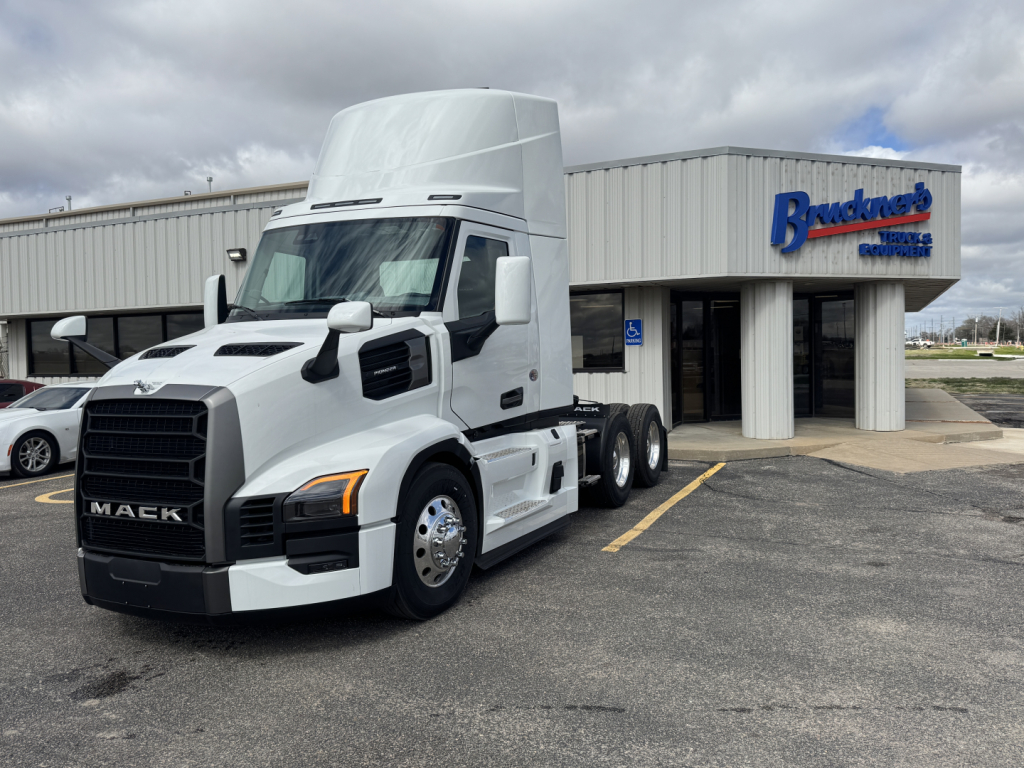
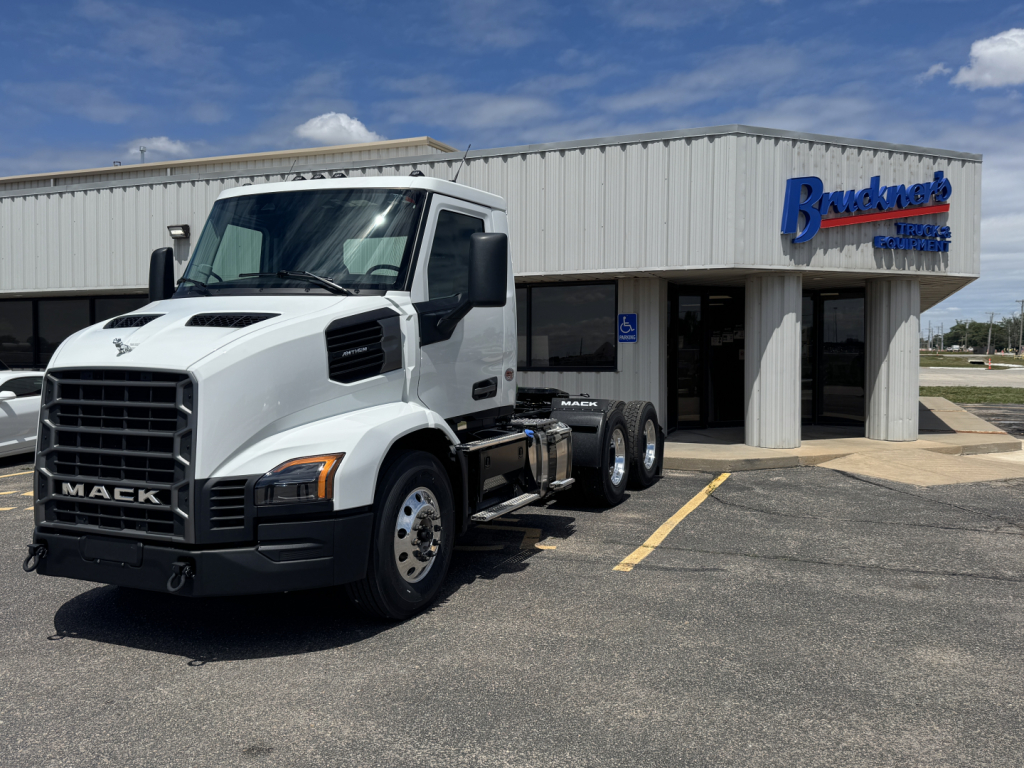
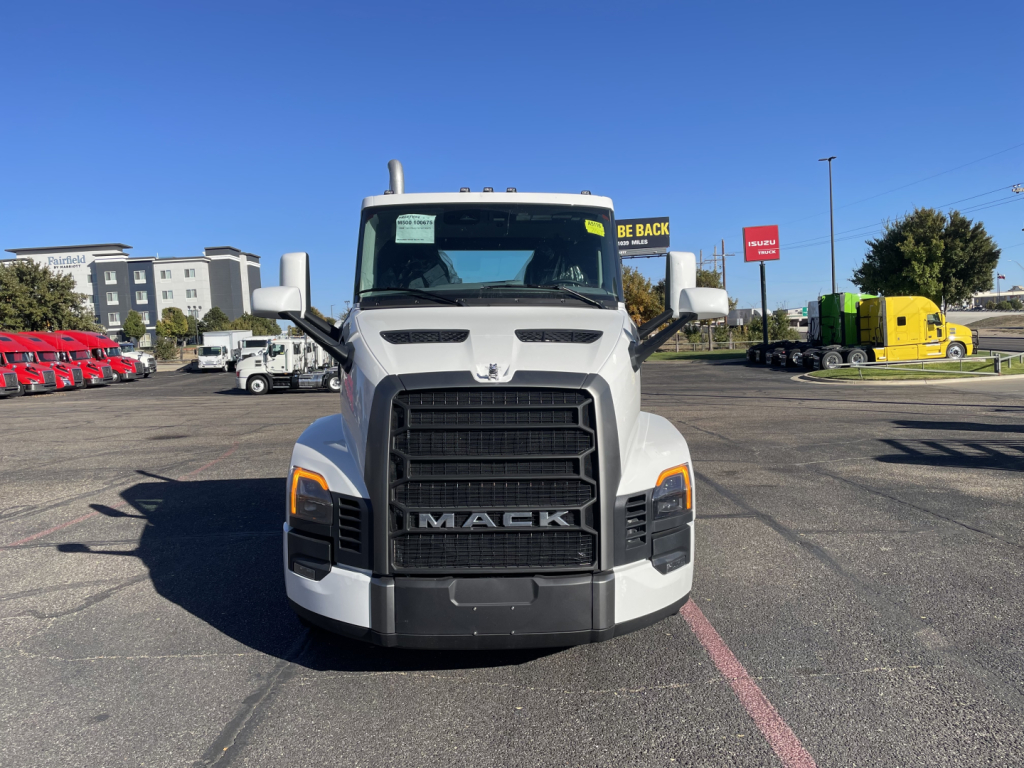

Selling a new mack conventional daycab truck? List your new mack conventional daycab truck for sale and reach thousands of commercial buyers.
New Mack Conventional Daycab Trucks in Kansas
Two of the biggest buying decisions in this category are engine and rear axle spec. Many new Mack daycab tractors are built with MP13 or MP8 power, depending on the intended duty cycle. A lighter regional spec may center around a 445 HP engine, a 12,500 lb front axle, 40,000 lb rears, and a fuel-economy-minded rear ratio like 3.08. A heavier spec can move toward 46,000 lb rears, full locking differentials, a heavier air ride suspension, and deeper gearing such as 3.73 for tougher starts, off-pavement traction, and heavier gross weights. Mack's mDrive automated manual transmission is a common choice because it reduces driver fatigue, shifts consistently, and pairs well with regional and vocational applications.
Wheelbase, fifth wheel setup, and suspension matter as much as horsepower. Buyers comparing Mack conventional daycab trucks should look closely at wheelbases in the 170-inch to 190-inch range, depending on trailer swing clearance, bridge law considerations, and how tight the truck needs to turn in yards or jobsites. A sliding fifth wheel, often around 24 inches of travel, gives more flexibility across different trailer lengths and kingpin settings. Rear suspension choices also affect ride and durability. A standard-height air ride can improve ride quality for highway use, while a heavier vocational suspension may make more sense for mixed terrain or rough site access.
Cab trim and driver environment deserve attention on a new daycab because these trucks often rack up long hours with multiple stops and repeated entry and exit. Mack's conventional daycab platform typically offers practical storage, straightforward controls, and trim packages aimed at driver comfort without adding unnecessary complexity. For buyers sorting through similar listings, the smartest comparison is not just model name or horsepower. It is the full operating spec: engine rating, transmission, axle capacities, suspension, rear ratio, wheelbase, and fifth wheel position. Those details determine how well a Mack daycab will pull, maneuver, scale, and hold up in the exact Kansas work it is expected to do.
Frequently Asked Questions about New Mack Conventional Daycab Trucks in Kansas
What is a Mack conventional daycab truck best suited for?
A Mack conventional daycab truck is best suited for local and regional hauling, vocational tractor work, and operations where the truck returns regularly without needing sleeper space. Common uses include short-haul freight, construction support, agricultural hauling, tanker work, and dedicated routes with frequent stops. The daycab configuration reduces empty weight and simplifies the truck compared with a sleeper tractor, which can improve payload potential and operating efficiency in the right application.
What specs matter most when comparing new Mack daycab listings?
The most important specs are engine model and horsepower, transmission type, front and rear axle ratings, rear axle ratio, suspension, wheelbase, and fifth wheel setup. Those items determine startability, cruising RPM, fuel economy, maneuverability, trailer compatibility, and legal payload capability. Buyers should also review whether the truck is built as a lighter regional highway spec or a heavier vocational spec, because two daycabs can look similar but perform very differently under load.
Is the Mack mDrive a good transmission choice for a daycab tractor?
The Mack mDrive is a strong fit for many daycab applications because it delivers consistent shifts, reduces clutch wear, and helps lower driver fatigue in stop-and-go or regional service. It is especially useful in fleets with multiple drivers, since automated shifting creates more uniform operation from truck to truck. The right mDrive calibration still depends on the application, axle ratio, and engine spec, so buyers should confirm the transmission is matched to the truck's intended load and terrain.
How do rear axle ratio and axle capacity affect a Mack daycab's performance?
Rear axle ratio affects both pulling power and cruise efficiency. A numerically lower ratio such as 3.08 generally supports lower engine RPM at highway speed and can help fuel economy in regional haul service. A deeper ratio such as 3.73 improves launch performance and gradeability for heavier loads or more demanding terrain. Axle capacity matters because it sets the truck's structural capability for the work. A 40,000 lb tandem may be appropriate for many on-highway applications, while a 46,000 lb rear setup with locking differentials is better suited to heavier vocational duty.
Why does wheelbase matter on a Mack conventional daycab?
Wheelbase affects turning radius, trailer clearance, ride quality, and weight distribution. A shorter wheelbase usually improves maneuverability in tight yards, city routes, and jobsites, while a longer wheelbase can improve ride and help with certain trailer setups or axle spread requirements. The correct wheelbase depends on trailer length, kingpin setting, fifth wheel travel, bridge law considerations, and how the truck will be routed day to day.