
New Conventional Daycab Trucks For Sale in Mississippi
Shop new conventional daycab trucks for Mississippi fleets, including highway and vocational specs with popular wheelbase, engine, and axle options.
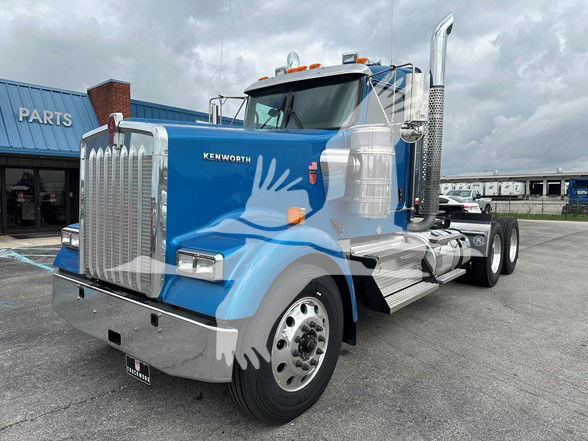
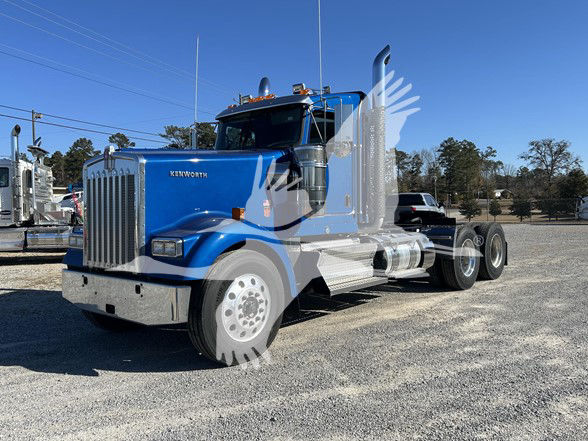
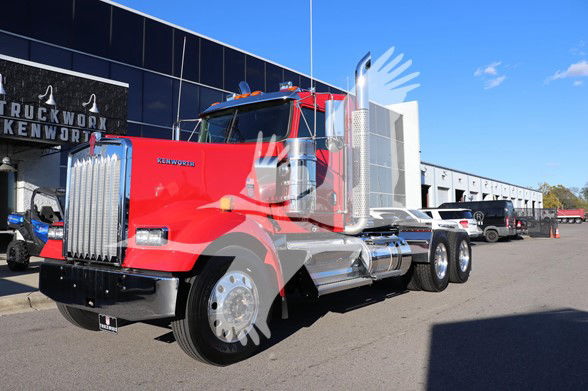
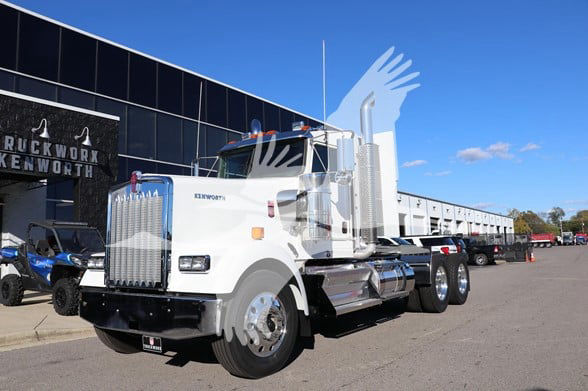
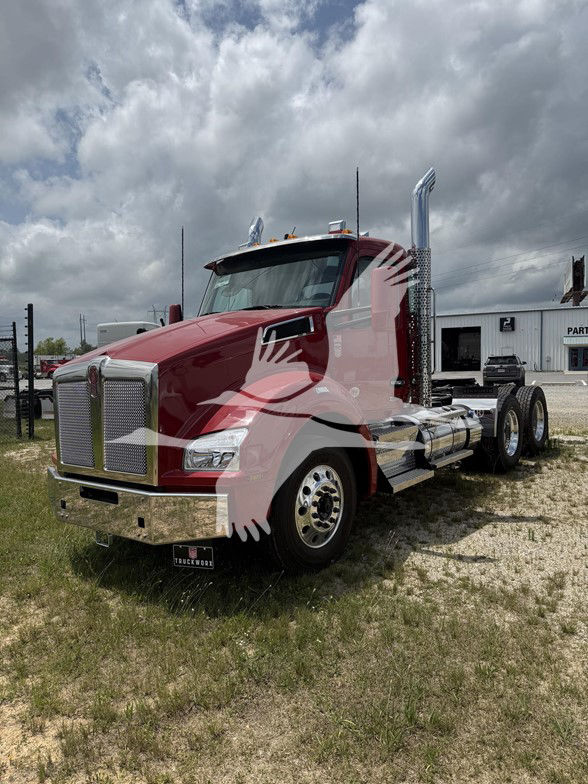
2026 Kenworth T880
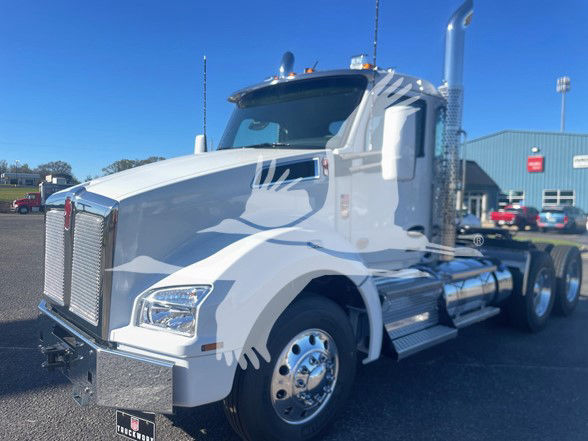
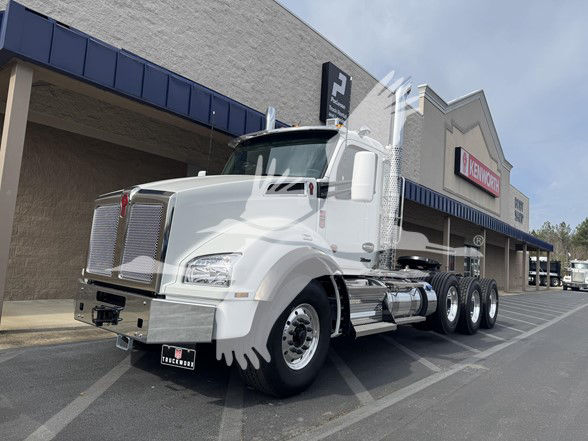
Selling a new conventional daycab truck? List your new conventional daycab truck for sale and reach thousands of commercial buyers.
New Conventional Daycab Trucks in Mississippi
A buyer should start with application, then wheelbase, axle ratings, and powertrain. Listings in this category often include highway and vocational platforms such as the Kenworth W900L and T880, with specs that can range from long-wheelbase highway tractors to heavier lowboy and severe-service setups. Common decisions include 6x4 axle configuration, 12,000 to 20,000 pound front axles, 40,000 to 46,000 pound rears, and suspension packages like AG460 for stability under load. Engines in this class frequently include the Cummins X15, often paired with manual or automated transmissions depending on driver preference, terrain, and gross combination weight. Mississippi buyers hauling timber, machinery, aggregates, or regional van freight should pay close attention to horsepower, torque, rear axle ratio, and fifth wheel placement because those specs directly affect startability, bridge compliance, and trailer compatibility.
Cab layout and chassis spec matter just as much as engine choice. New daycabs can be ordered for driver comfort with air-ride cabs, premium interior trim, and visibility upgrades, or kept straightforward for municipal, construction, and local fleet use. Frame rail strength, PTO provisions, fuel tank sizing, and wheel cut are especially important on trucks that will pull lowboys, operate with wet kits, or work in mixed on-road and off-road conditions. Buyers comparing long-hood conventionals to more modern aerodynamic conventionals should weigh hood style, set-forward or set-back front axle design, and service access against their freight profile. A long-hood truck may appeal for heavy spec, appearance, and room under the hood, while a vocational conventional often makes more sense where tighter turning and body-builder flexibility are priorities.
For Mississippi operations, corrosion exposure, heat, and duty cycle should shape the final spec. Trucks running near the Gulf Coast or in high-humidity conditions benefit from attention to paint quality, wiring protection, and chassis components that hold up under moisture and debris. Fleets running I-10, I-20, I-55, or I-59 corridors may prioritize fuel efficiency and driver ergonomics, while logging, equipment hauling, and construction fleets may put more value on axle capacity, lift axle readiness, and vocational durability. The strongest conventional daycab spec is the one matched closely to trailer type, legal payload target, route conditions, and service requirements.
Frequently Asked Questions about New Conventional Daycab Trucks in Mississippi
What is a conventional daycab truck?
A conventional daycab truck is a Class 8 tractor with a standard hooded engine layout and no sleeper compartment. It is designed for local, regional, vocational, and return-home-daily applications where a buyer wants the pulling power and chassis flexibility of a road tractor without the extra length and weight of a sleeper.
What specs matter most when buying a new conventional daycab?
The most important specs are wheelbase, front and rear axle ratings, suspension, engine horsepower and torque, transmission type, rear axle ratio, and fifth wheel location. Those choices determine how the truck handles trailer length, kingpin setting, legal axle weights, startability, and maneuverability. Secondary factors like fuel capacity, PTO capability, frame reinforcement, and cab options become critical once the primary application is defined.
Is a daycab better than a sleeper for Mississippi regional work?
For many Mississippi regional and local operations, a daycab is the better fit because it reduces tare weight, shortens overall tractor length, and improves maneuverability in yards, plants, ports, and job sites. That can translate into better payload potential and easier routing on short-haul lanes. A sleeper still makes sense if the truck will regularly run overnight, but for dedicated daytime freight or vocational hauling, a daycab is often the more efficient choice.
What engine and transmission combinations are common in conventional daycabs?
New conventional daycabs are commonly spec'd with heavy-duty diesel engines such as the Cummins X15, paired with either manual or automated manual transmissions. Manual transmissions are still chosen in some heavy haul and traditional fleet applications, while automated manuals are widely used for fuel efficiency, driver recruitment, and reduced clutch wear. The right combination depends on terrain, gross combination weight, trailer type, and driver familiarity.
Can a conventional daycab be used for heavy haul or lowboy work?
Yes, many conventional daycabs are built specifically for heavy haul, lowboy, and vocational service. The key is having the right wheelbase, axle ratings, frame strength, suspension, PTO or wet kit provisions, and powertrain calibration for the load. A truck spec'd for van or reefer work may not be suitable for lowboy service, so buyers should verify that the chassis and driveline match the intended gross weight and trailer setup.