
New 2025 Conventional Daycab Trucks For Sale
Shop new 2025 conventional daycab trucks built for regional haul, vocational work, PTO applications, and high-visibility urban operations.
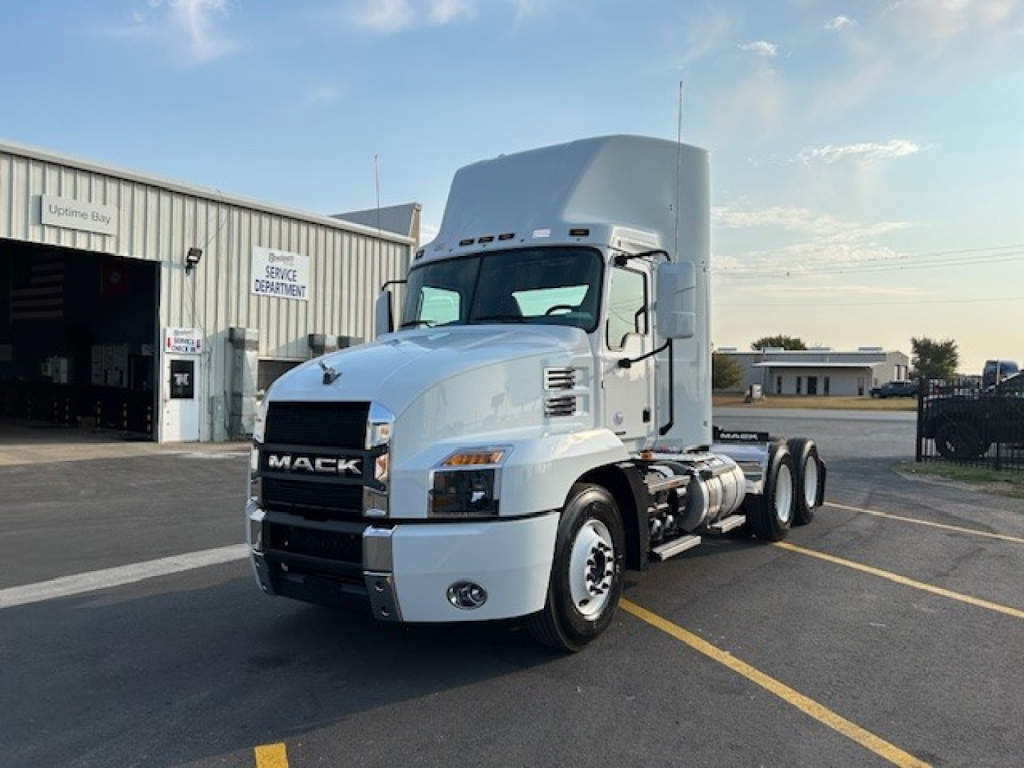
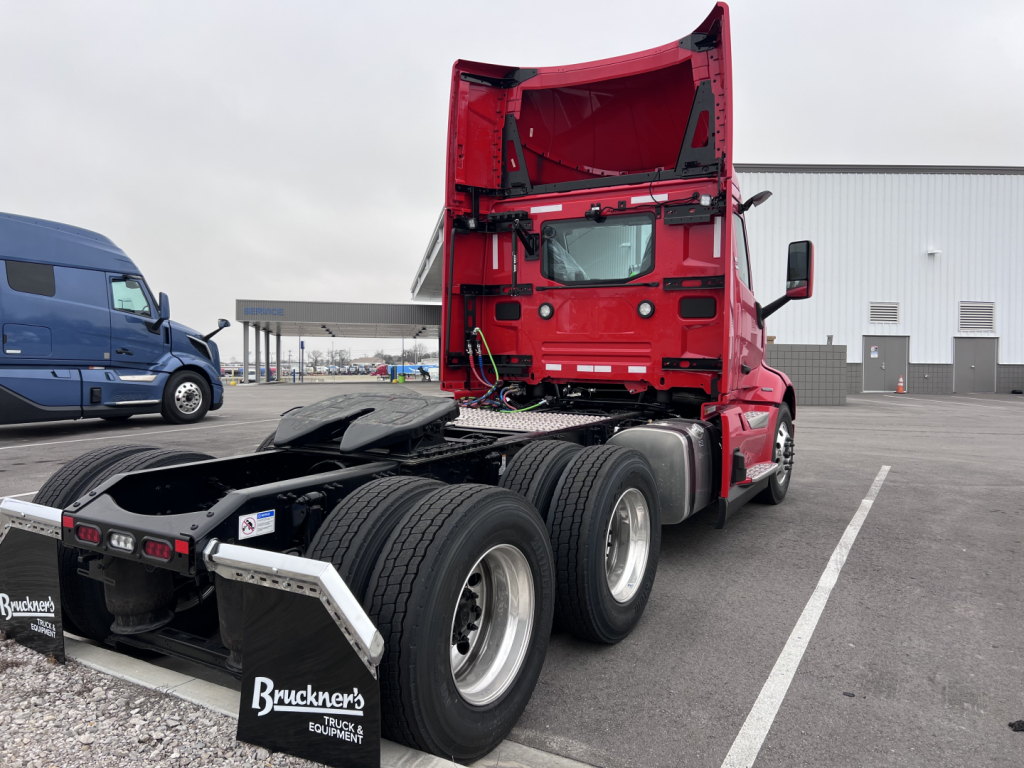
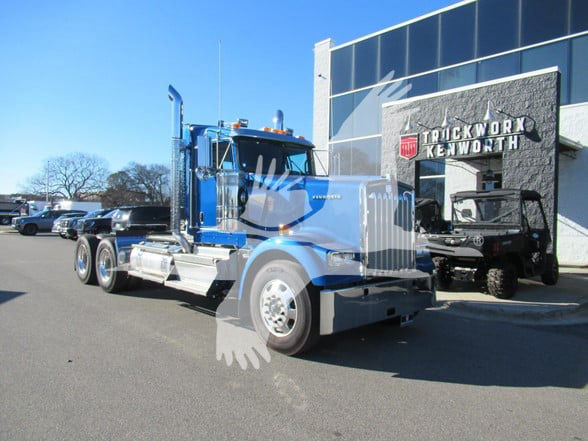
Selling a new 2025 conventional daycab truck? List your new 2025 conventional daycab truck for sale and reach thousands of commercial buyers.
New 2025 Conventional Daycab Trucks
The most important buying decisions usually start with wheelbase, axle configuration, and powertrain. Common setups include 6x4 tandem drive layouts for heavy haul and vocational work, along with set-back or set-forward front axle configurations depending on bridge law, turning needs, and body clearance. Buyers often compare engines in the 400 to 505 horsepower range, with torque matched to the application rather than the highest advertised number. Automated manual transmissions are now common in new conventional daycab trucks because they improve driver consistency and reduce clutch wear, but many vocational buyers still pay close attention to PTO compatibility, low-speed control, and transmission ratios. If the truck will pull a lowboy, pneumatic tanker, dump trailer, or mixer, it is worth confirming frame specs, suspension rating, front axle capacity, and any wet kit or dual PTO requirements early in the process.
Cab layout and chassis spec matter just as much as horsepower. A conventional daycab gives more room under the hood for service access than a cabover and usually provides better ride quality and cooling capacity for severe-duty work. Buyers should look closely at frame rail thickness, axle spread, fifth wheel placement, fuel tank sizing, air ride versus vocational suspension, and brake package options. Safety and driver support systems on 2025 models can include collision mitigation, lane departure warning, disc brakes, camera systems, and telematics integration, but the right package depends on fleet policy and duty cycle. Interior decisions are also practical: seat trim, storage, switch layout, visibility, and HVAC performance all affect driver retention on regional and local routes.
New 2025 conventional daycab trucks are also known simply as day cab semis, day cab tractors, or conventional tractors. The category covers a wide range of chassis, from highway-oriented regional spec tractors to severe-duty vocational units like the Kenworth T880 or purpose-built heavy service and mixer configurations. The best truck is the one spec'd around the job, not just the badge on the hood. A buyer comparing listings should focus on gross axle weight ratings, wheelbase, engine torque, transmission model, suspension, PTO provisions, and intended trailer or equipment pairing. Those details determine uptime, payload, and resale far more than appearance alone.
Frequently Asked Questions about New 2025 Conventional Daycab Trucks
What is a conventional daycab truck used for?
A conventional daycab truck is used for local and regional hauling where a sleeper berth is not needed. Common applications include container drayage, dump and construction work, tanker service, lowboy hauling, ready-mix support, municipal fleets, and dedicated day routes. The conventional hood design provides easier engine access and often supports heavier vocational specifications than lighter regional tractors.
What should I look for when buying a new 2025 conventional daycab?
Start with the job the truck will perform. Key specifications include wheelbase, axle configuration, engine horsepower and torque, transmission type, suspension rating, front axle capacity, and fifth wheel location. If the truck will run PTO-driven equipment, confirm transmission compatibility, PTO openings, hydraulic plumbing needs, and frame space for tanks or pumps. Buyers should also review bridge compliance, turning radius, and expected trailer type before choosing a final spec.
Are automated manual transmissions common in new daycab trucks?
Yes. Automated manual transmissions are now common in new conventional daycab trucks because they help standardize shifting, reduce clutch wear, and support fuel efficiency in many fleets. They are widely used in regional and vocational service, but buyers should still verify low-speed drivability, gear ratios, and PTO compatibility for severe-duty work. In specialized applications, those details matter more than the transmission label alone.
How is a daycab different from a sleeper tractor?
A daycab does not have a sleeper compartment behind the seats, so it is shorter and usually lighter than a sleeper tractor. That can improve maneuverability, reduce empty weight, and leave more flexibility for wheelbase-sensitive applications. Sleeper trucks are better suited for over-the-road runs that require overnight accommodations, while daycabs are typically chosen for routes that return the driver to a terminal or home base the same day.
Which specs matter most for vocational conventional daycab trucks?
For vocational work, the most important specs usually include axle ratings, frame strength, suspension design, PTO capability, cooling package, wheelbase, and braking system. Buyers running lowboys, mixers, dumps, or pneumatic equipment should also review torque output, transmission gearing, and hydraulic or blower requirements. A vocational daycab needs to be matched to the equipment it will power or pull, because under-spec'ing the chassis can hurt uptime and resale.