
New 2026 Ram Commercial Trucks For Sale
Shop new 2026 Ram trucks for work-ready capability, including 4500 and 5500 chassis cabs with diesel power and vocational upfit potential.
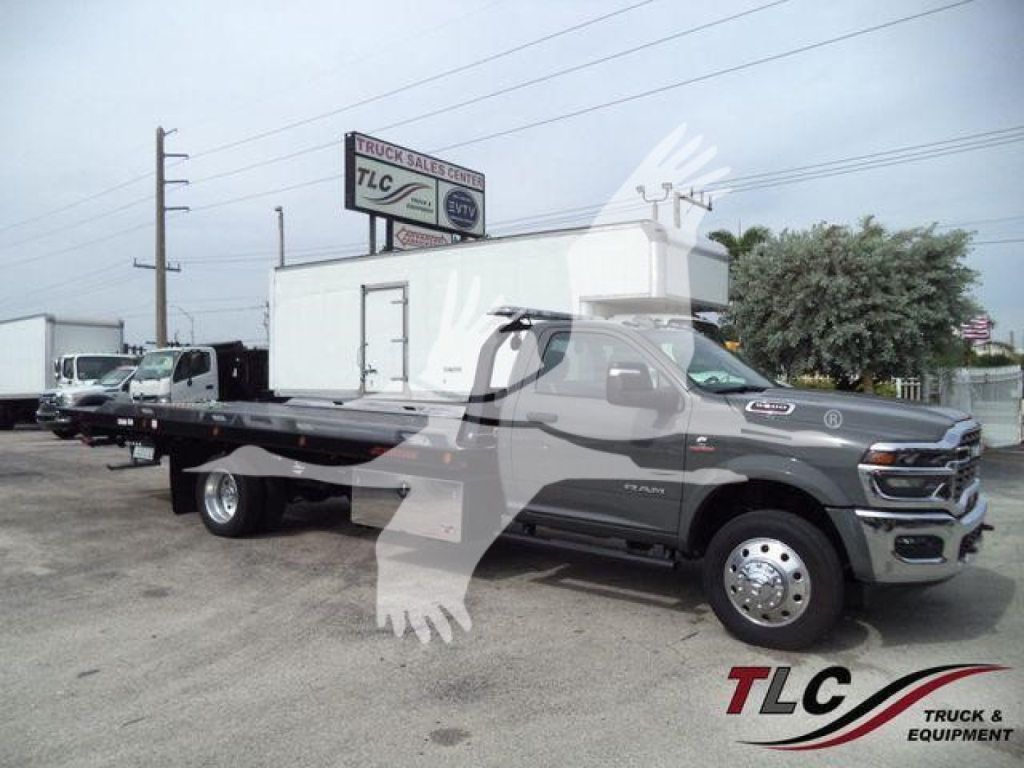
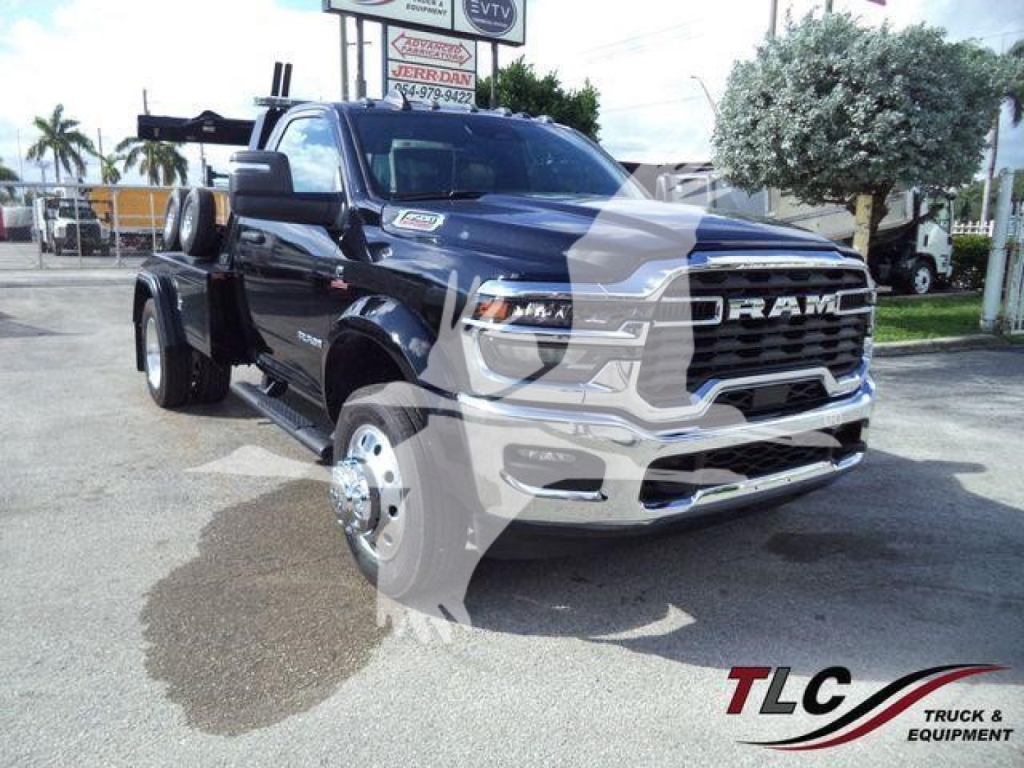
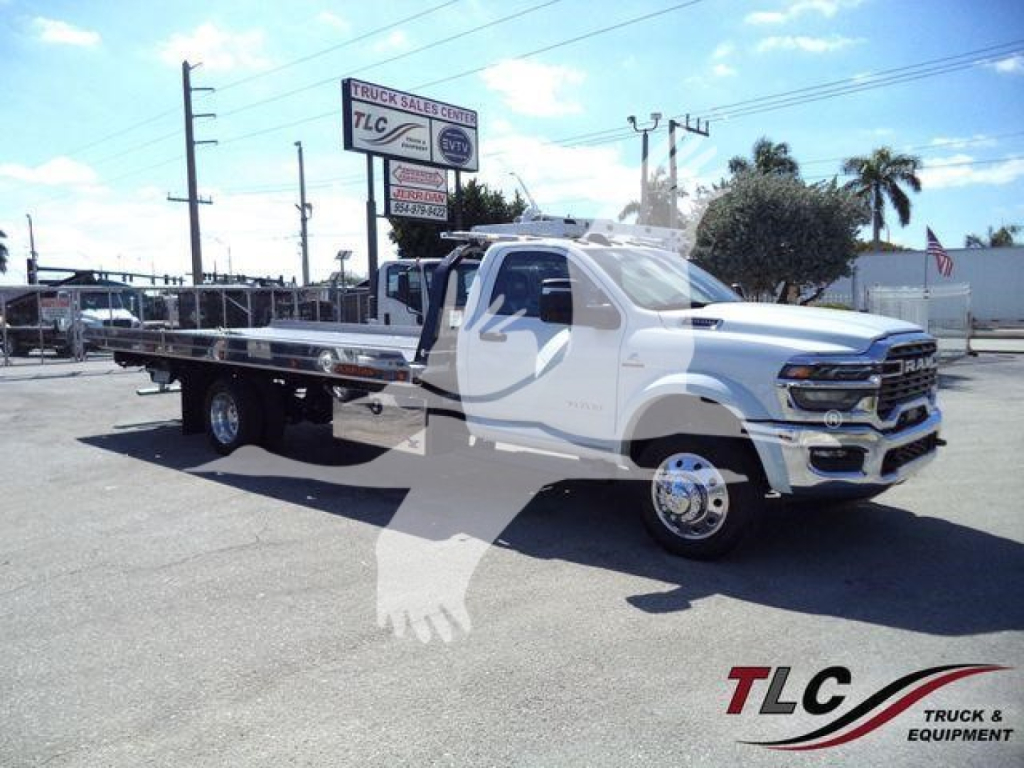
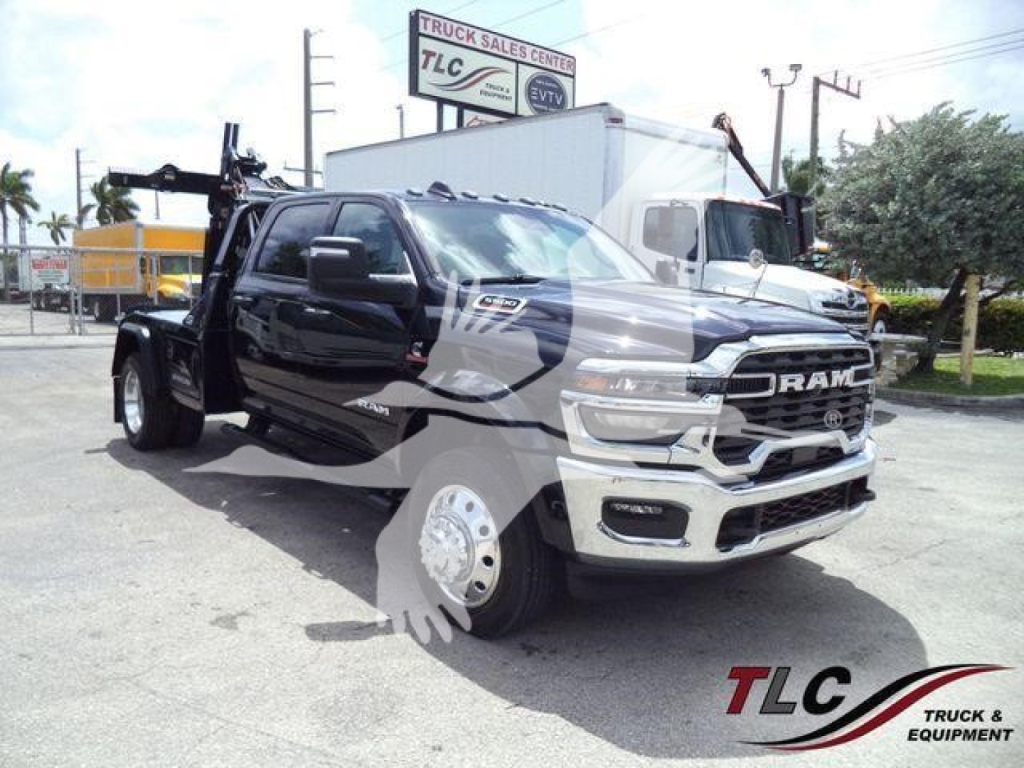
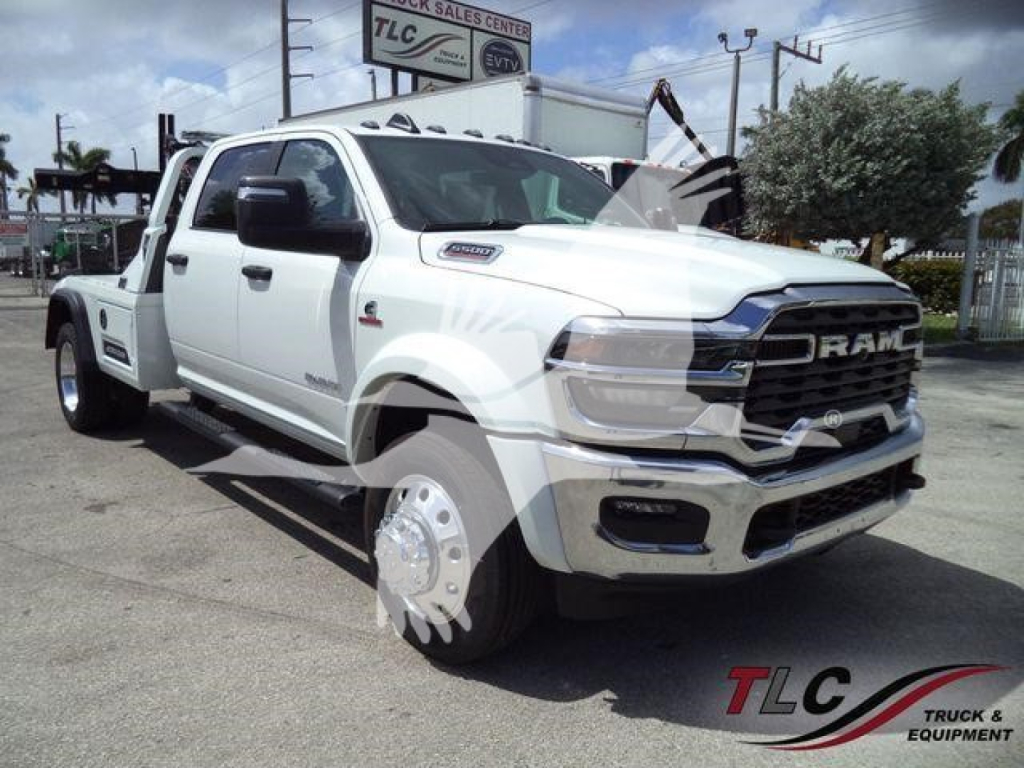
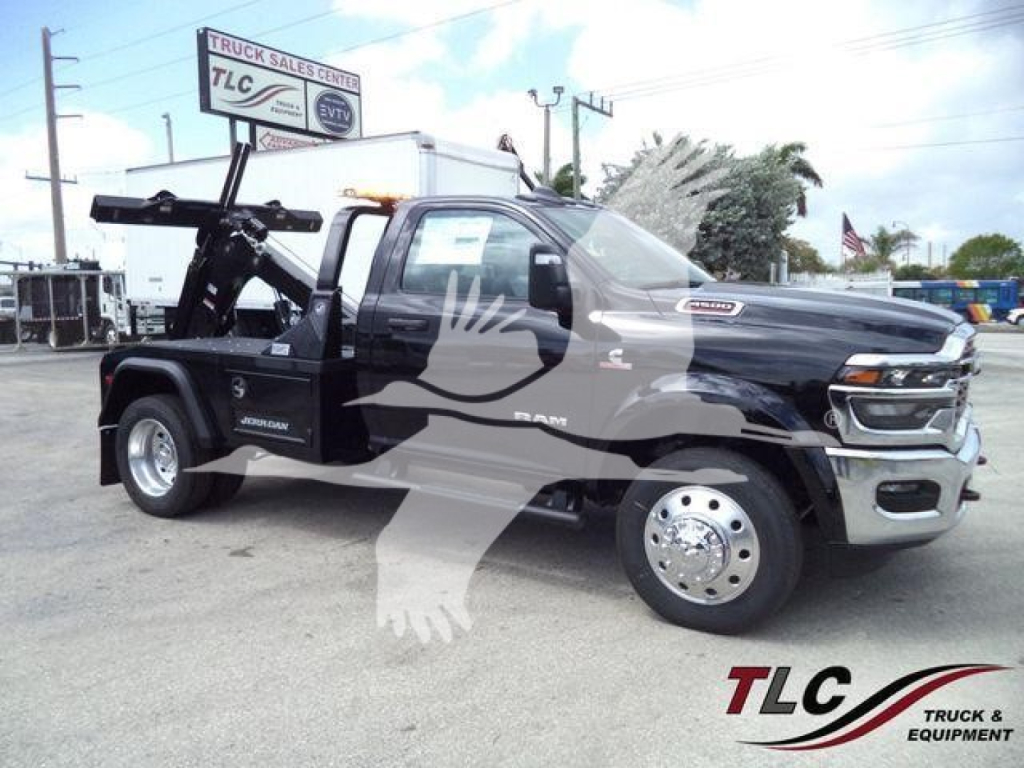
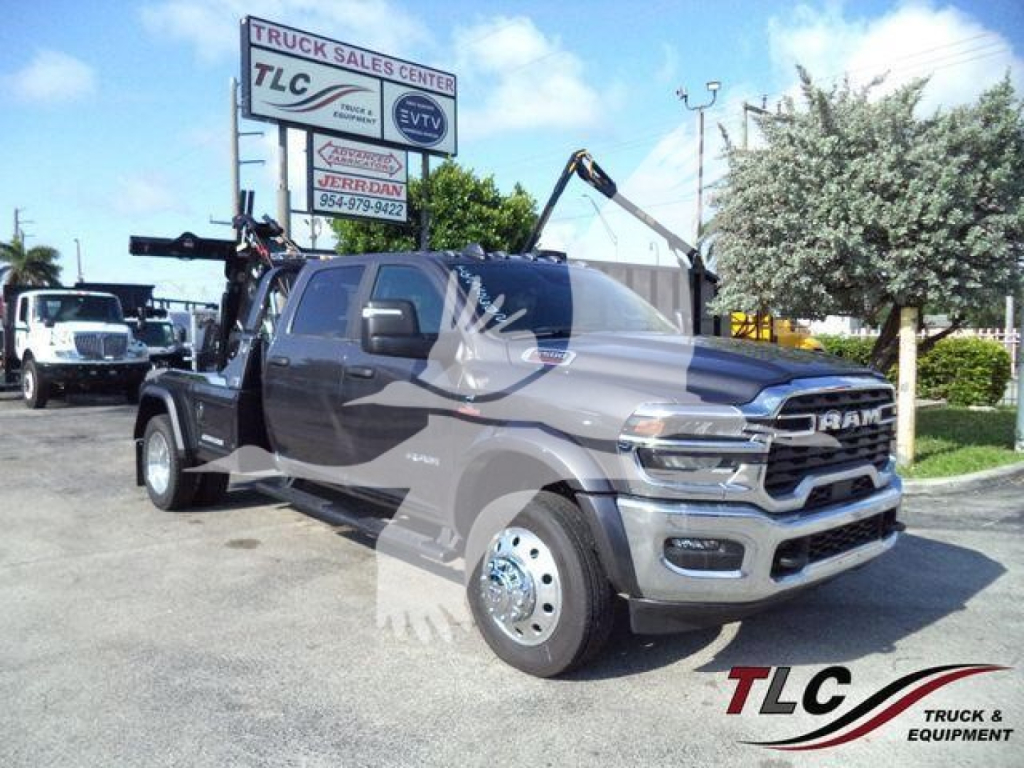
Selling a new 2026 ram commercial truck? List your new 2026 ram commercial truck for sale and reach thousands of commercial buyers.
New 2026 Ram Commercial Trucks
For many buyers, the key decision starts with 4x2 versus 4x4 and then moves quickly to cab-to-axle length, suspension rating, and rear axle gearing. Ram 4500 and 5500 chassis cabs are widely chosen for rollback bodies, self-loader wreckers, service bodies, dump bodies, and flatbeds. A Cummins turbo diesel is a frequent choice in this class because it delivers the low-end pulling power needed for towing equipment, loaded service bodies, and hydraulic accessories. An automatic transmission is typical, and buyers should confirm PTO provisions, alternator output, cooling package, and body-builder data before finalizing an upfit.
If the truck is being used as a tow truck or wrecker, pay close attention to wheel-lift rating, drag winch capacity, boom configuration, and the body material itself. Aluminum, steel, and composite bodies each change curb weight, corrosion resistance, and long-term repair cost. A lighter body can preserve payload and axle margin, while a heavier-duty build may hold up better in severe recovery work. On 5500 models especially, higher GVWR ratings and available 4x4 configurations make them a strong fit for operators handling heavier pickups, vans, and work trucks. Lighting, backup cameras, dollies, toolbox layout, and rear work lights also affect daily productivity more than many first-time buyers expect.
Cab configuration and trim still matter in this category because these trucks often spend long hours in traffic, on call, or at roadside scenes. Regular cab, crew cab, and higher-trim interiors can all make sense depending on staffing and duty cycle. The right 2026 Ram truck is usually the one whose chassis specs match the body, not the one with the longest option list. Buyers should verify GVWR, GAWR, wheelbase, fuel tank size, brake setup, and final completed weight after upfit so the truck stays compliant and usable in the exact work it is expected to handle.
Frequently Asked Questions about New 2026 Ram Commercial Trucks
What are the most common commercial uses for new 2026 Ram trucks?
New 2026 Ram trucks are commonly used for towing, service body work, utility fleets, dump applications, flatbeds, and municipal service. In the commercial market, Ram 4500 and 5500 chassis cab models are especially popular because they can accept specialized bodies such as wreckers, mechanics trucks, landscape bodies, and equipment haulers. The best application depends on the truck’s GVWR, wheelbase, axle ratings, drivetrain, and the completed weight of the upfit.
What is the difference between a Ram 4500 and Ram 5500 chassis cab?
The main difference is capacity. A Ram 5500 generally offers a higher GVWR and is better suited for heavier bodies, larger payload demands, and more aggressive towing or recovery work. A Ram 4500 can still be very capable, but it is often chosen when a buyer wants a slightly lighter truck with strong commercial performance. The right choice depends on front and rear axle ratings, the body being installed, expected payload, and whether the truck will operate on-road only or in mixed terrain.
Should I choose 4x2 or 4x4 on a new Ram work truck?
A 4x2 setup usually provides lower acquisition cost, lower weight, and fewer driveline components to maintain, which can make sense for highway-oriented fleets and urban service routes. A 4x4 truck is often the better choice for towing operators, utility work, construction access, snow-region service, and any application where traction is critical. Buyers should weigh traction needs against payload, ride height, service access, and operating cost.
Why is cab-to-axle length important on a Ram chassis cab?
Cab-to-axle length determines what body sizes and body styles will fit the chassis correctly. It affects weight distribution, rear overhang, driveline geometry, and final compliance with axle ratings. A mismatch between cab-to-axle measurement and body length can create handling problems, overload an axle, or complicate installation. Buyers planning a wrecker, service body, dump body, or flatbed should confirm cab-to-axle and wheelbase early in the spec process.
What should I check before buying a new Ram truck for a tow or wrecker build?
Focus on the completed truck, not just the base chassis. Confirm the GVWR, front and rear GAWR, wheel-lift capacity, drag winch rating, boom design, body material, and total finished curb weight. It is also smart to verify PTO compatibility, rear lighting, camera systems, toolbox layout, and any accessories such as dollies or safety equipment that affect daily operation. On a tow build, the difference between a truck that looks properly equipped and one that is properly rated is significant.