
New Ram Commercial Trucks For Sale
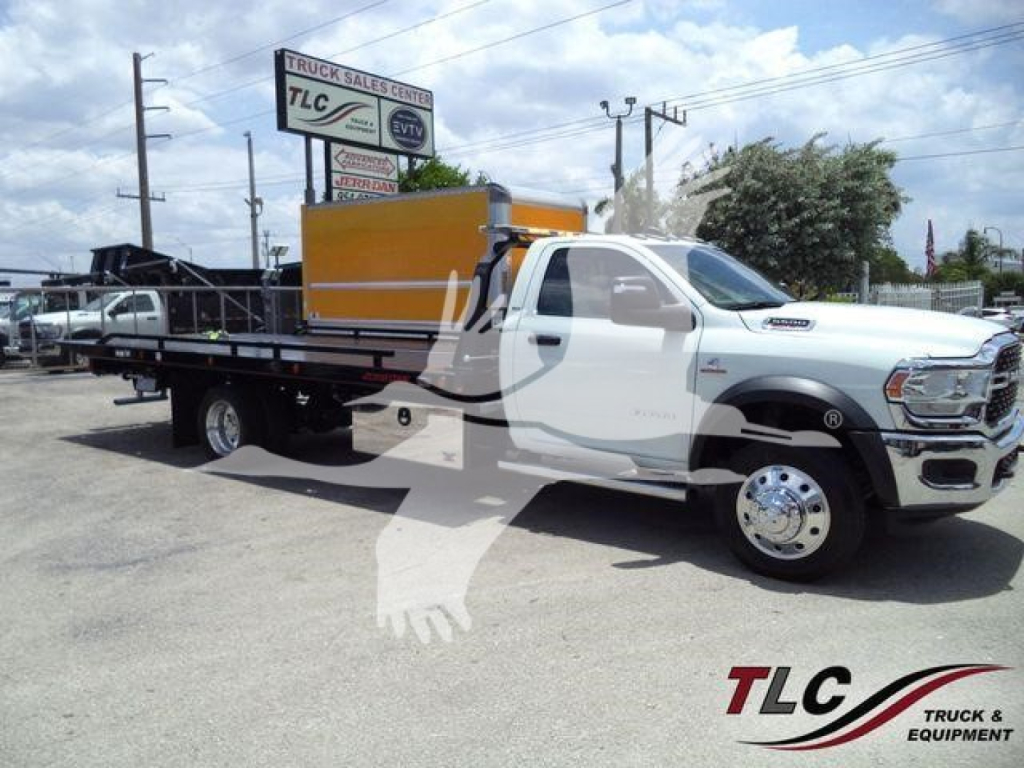
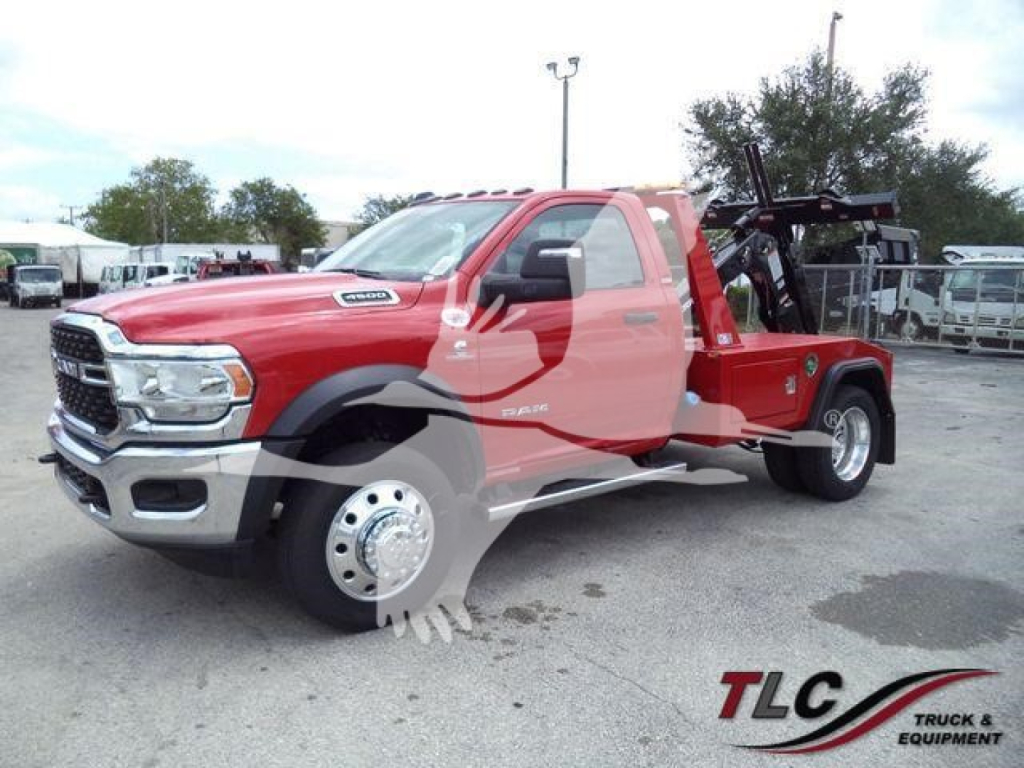
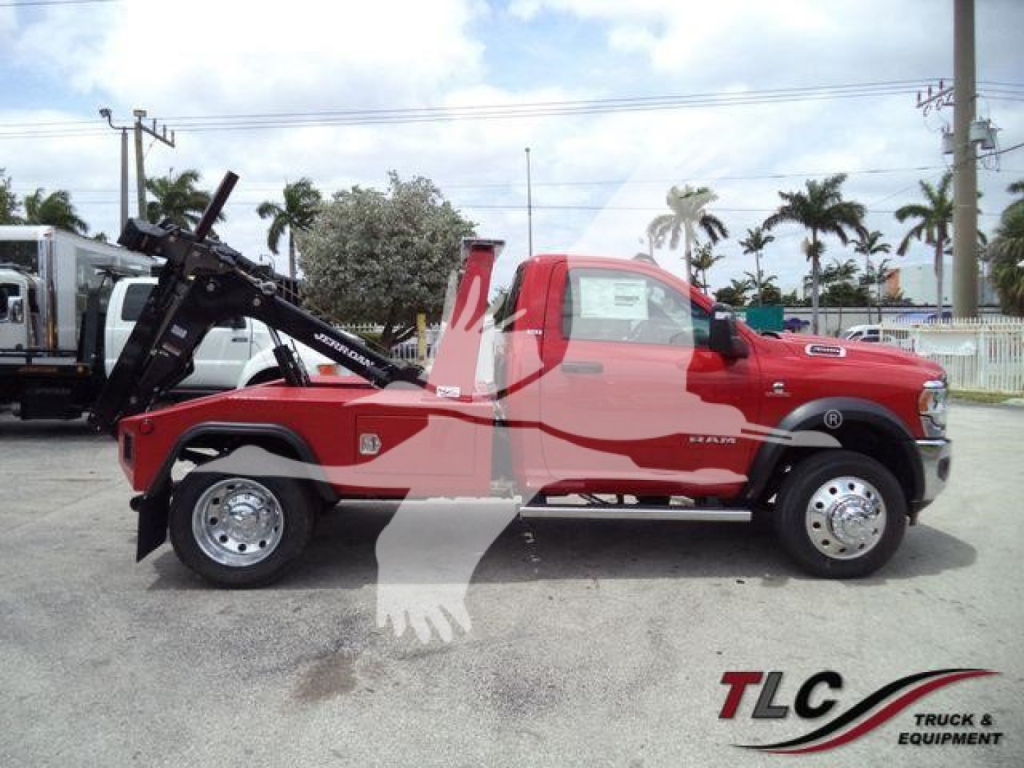
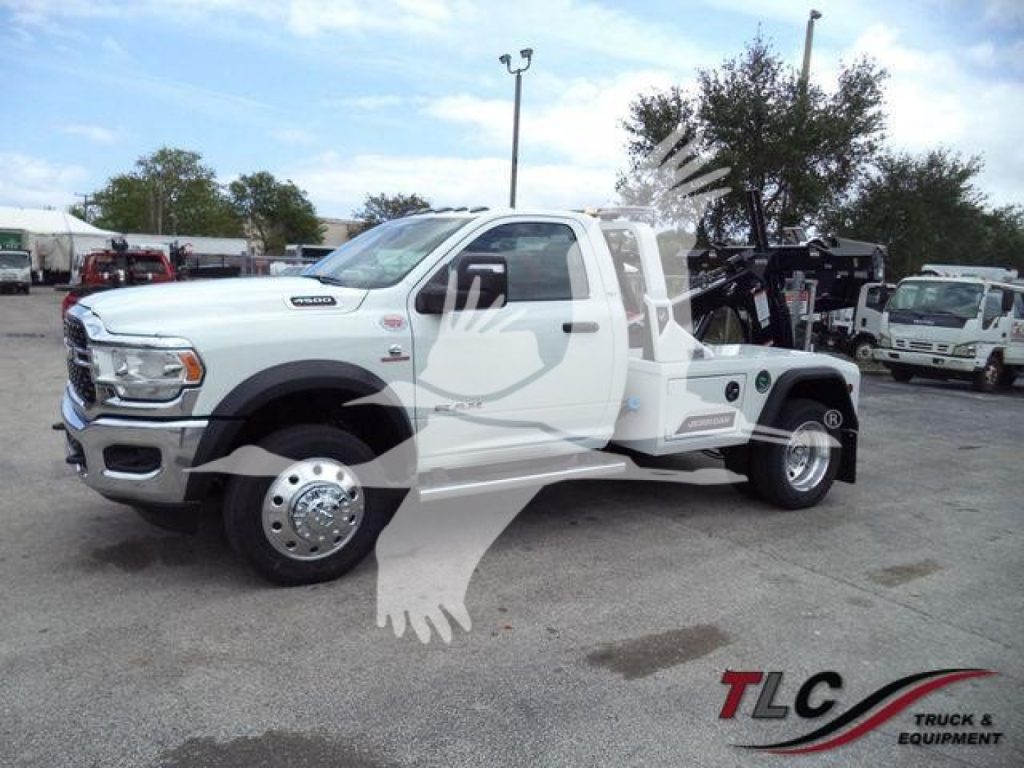
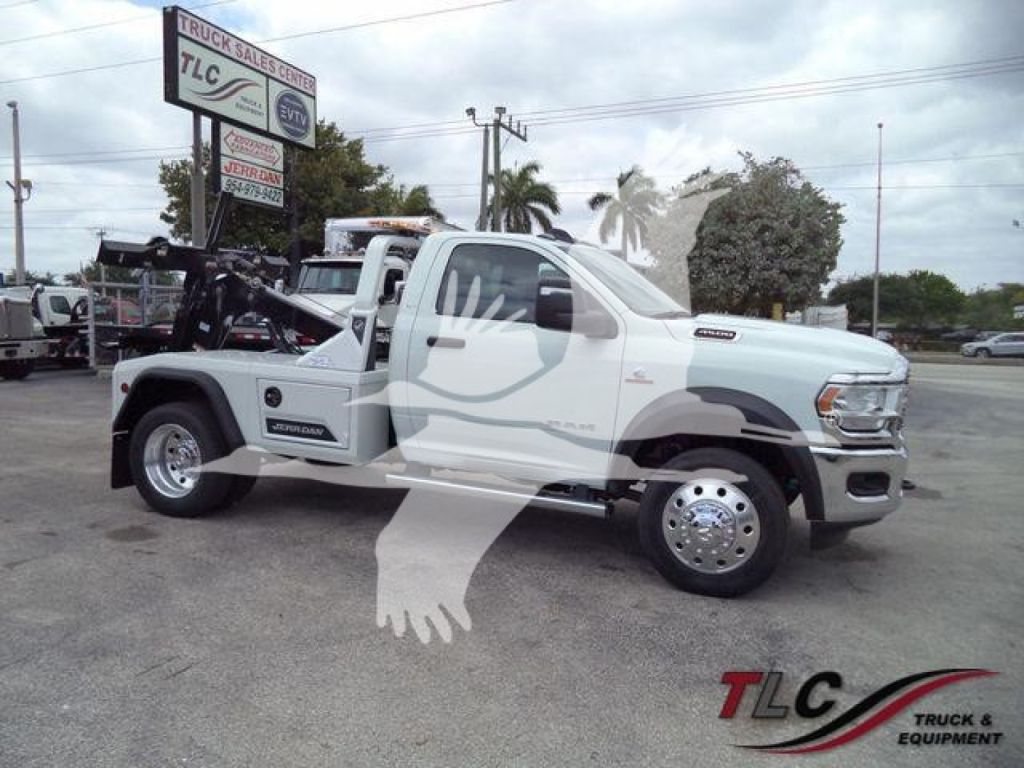
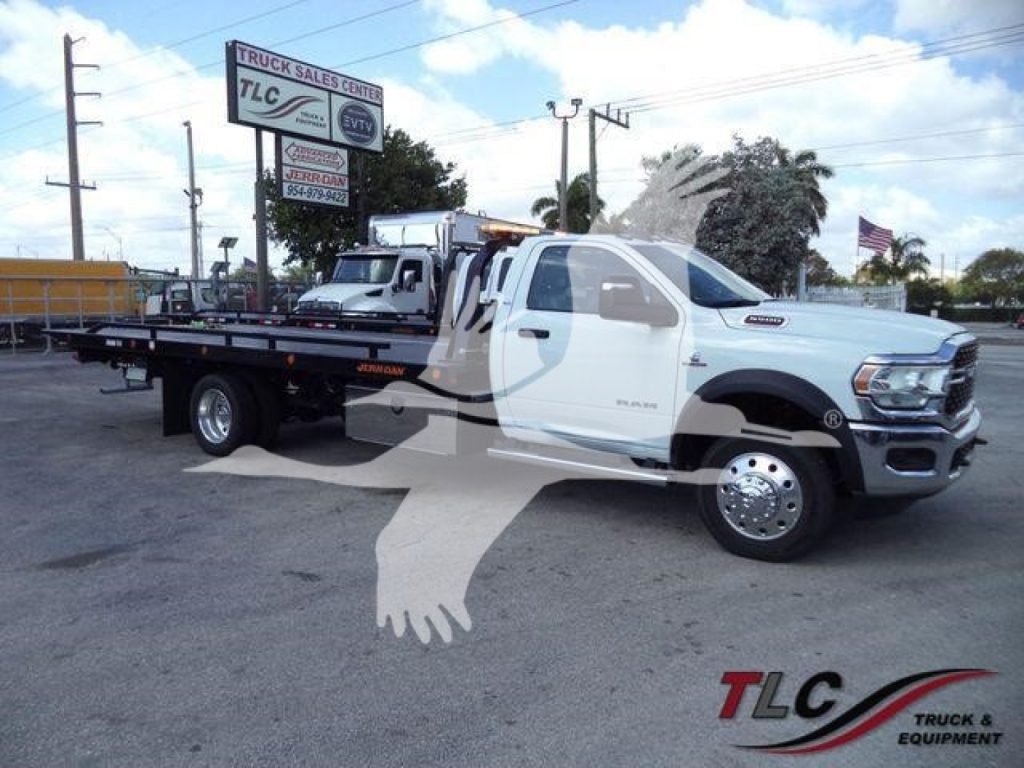
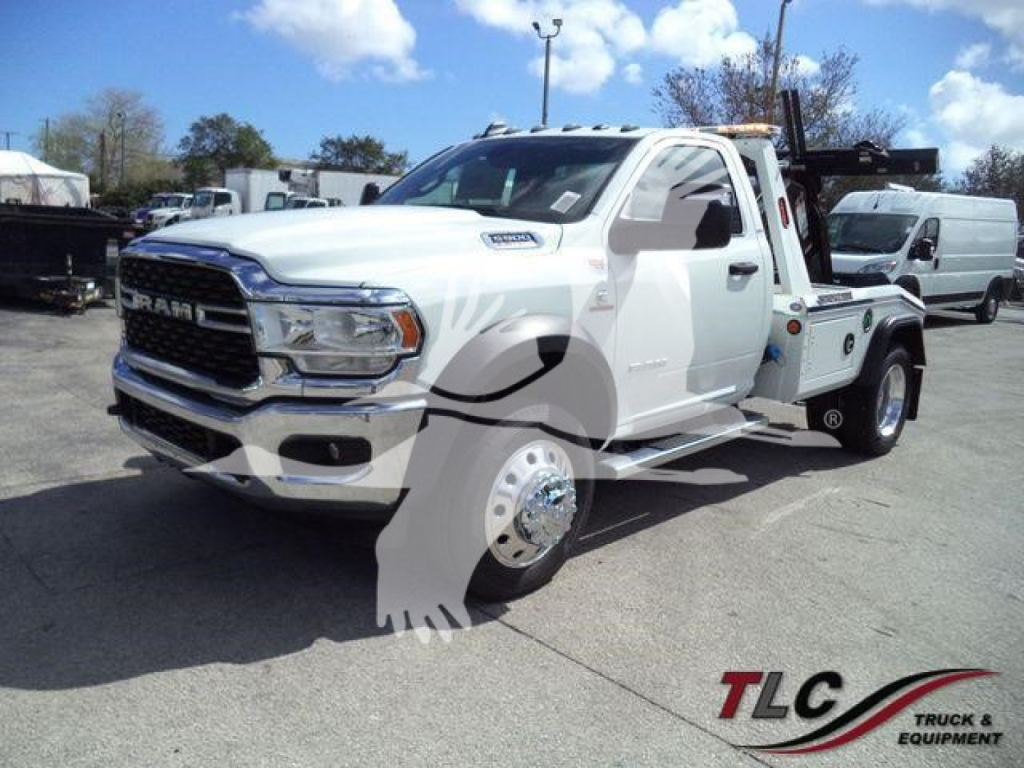
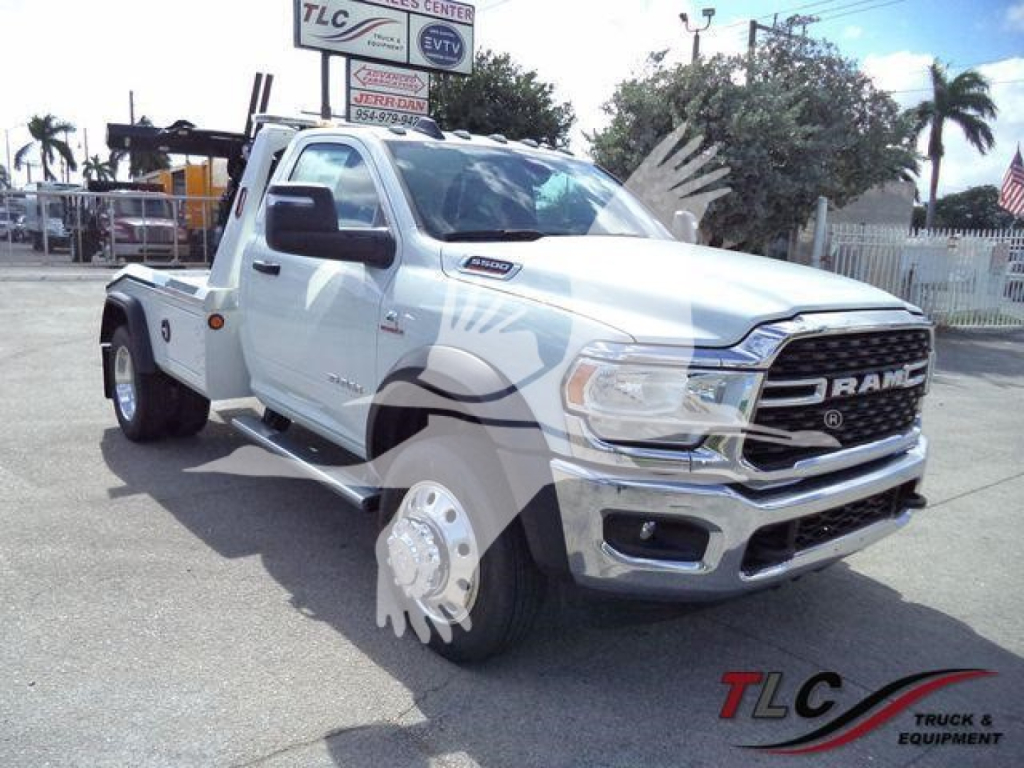
Shop new Ram trucks including Ram 4500 and 5500 chassis cabs built for towing, rollback, wrecker, dump, roll-off, and commercial upfits.
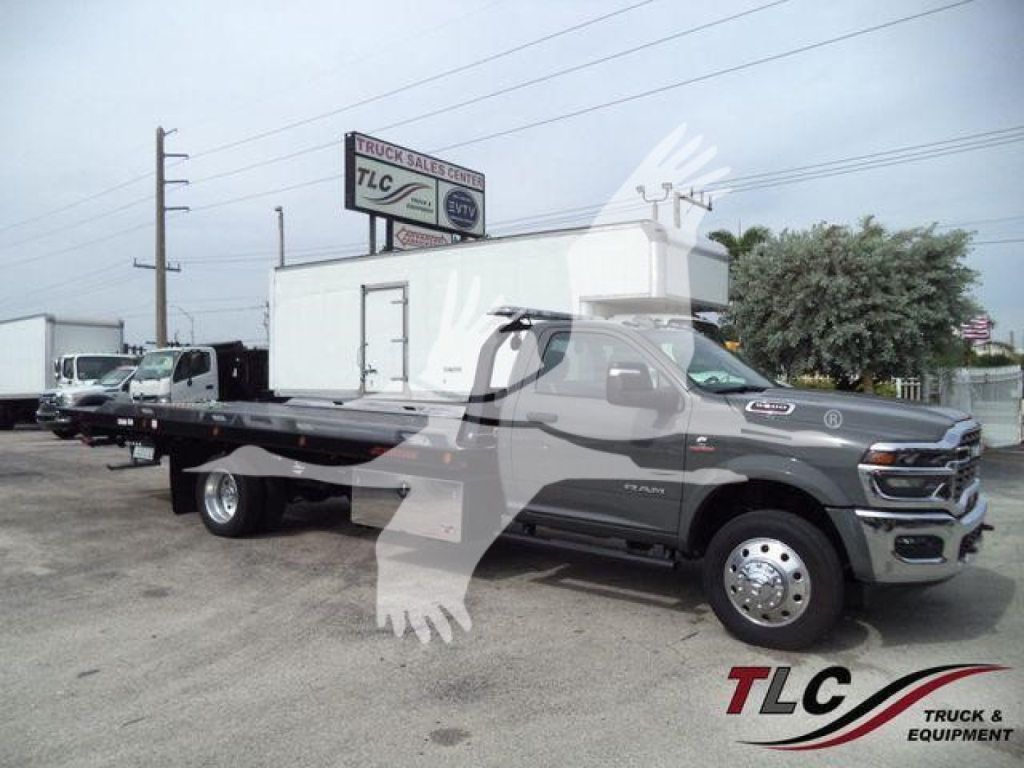
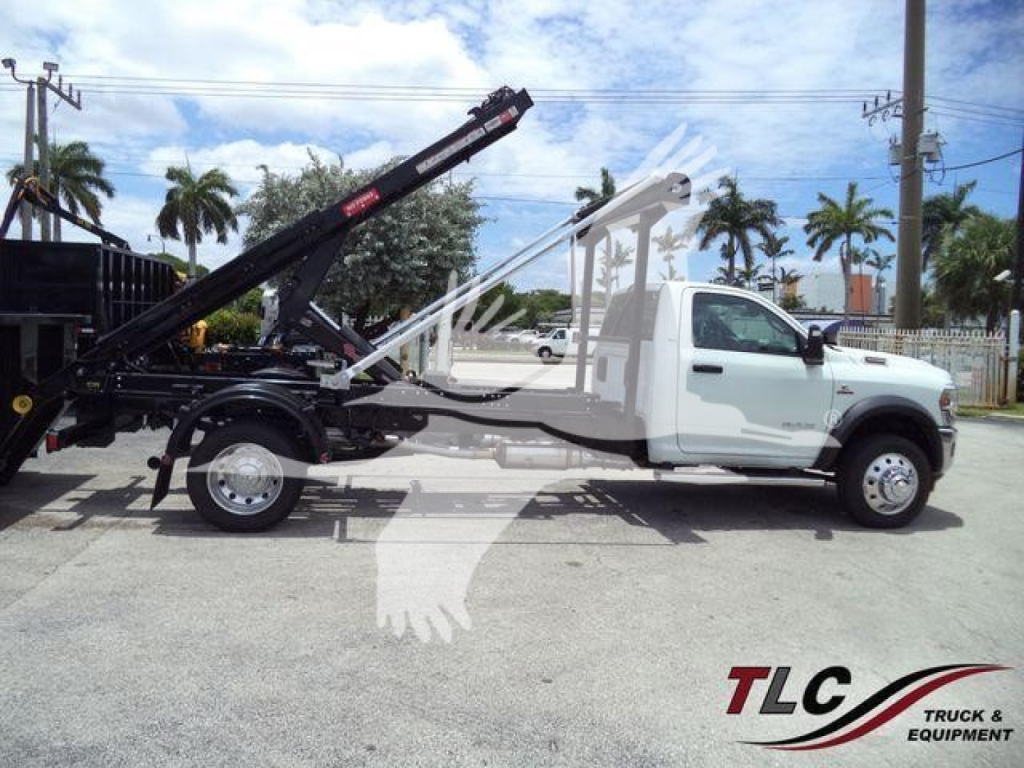
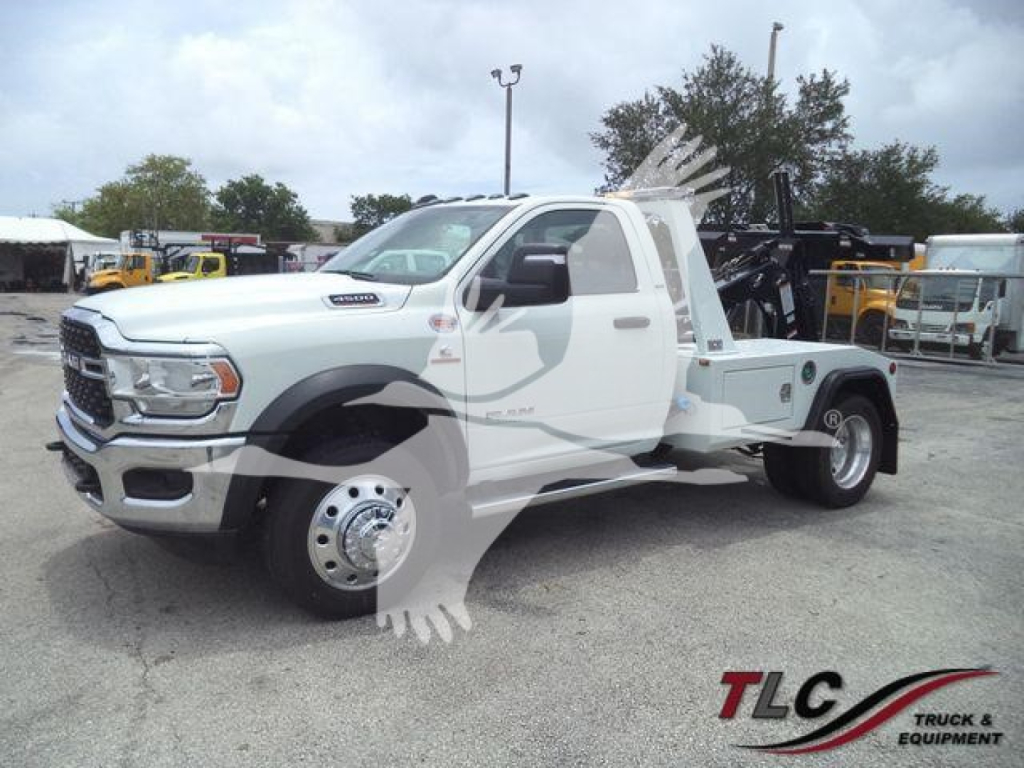
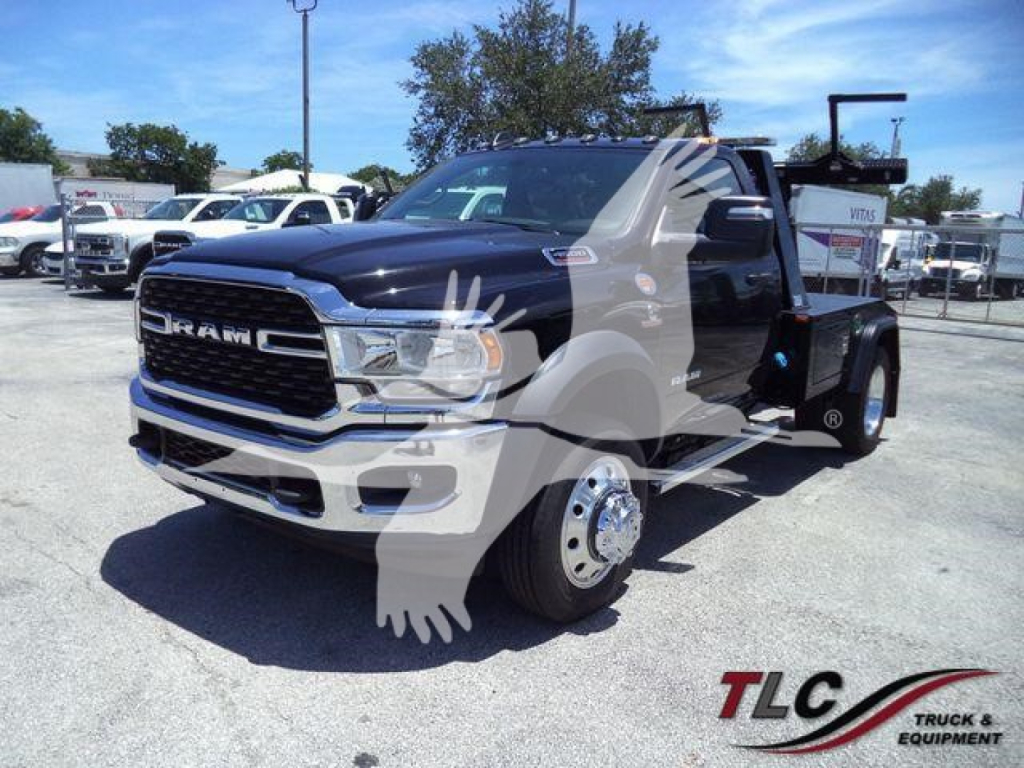
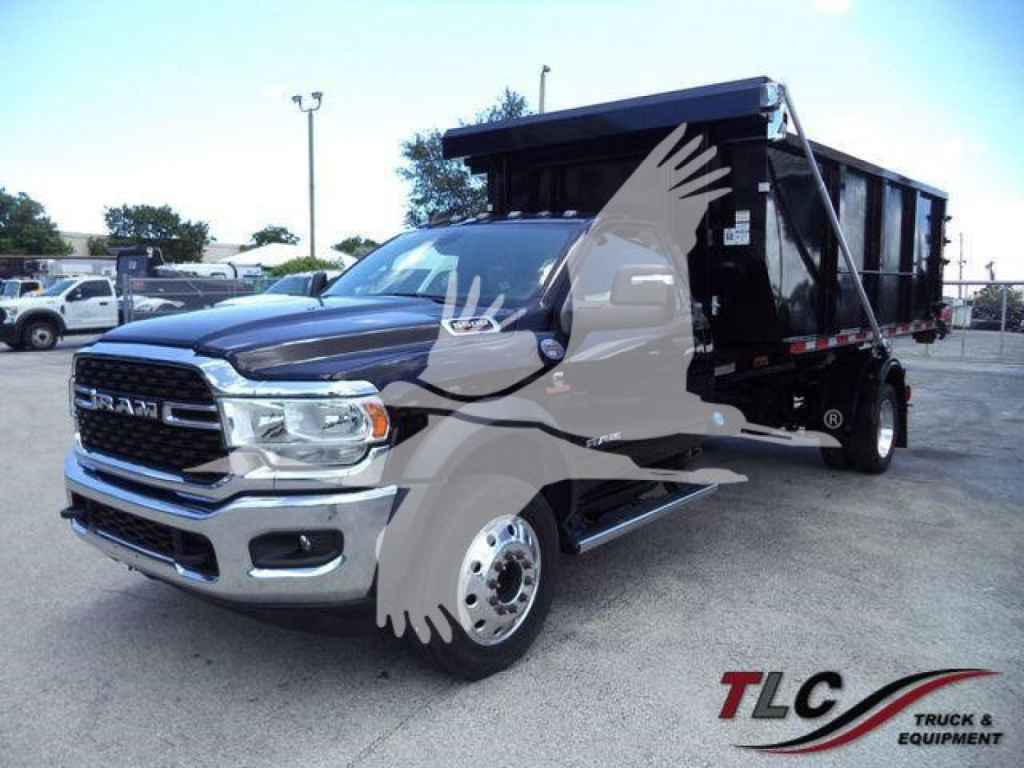
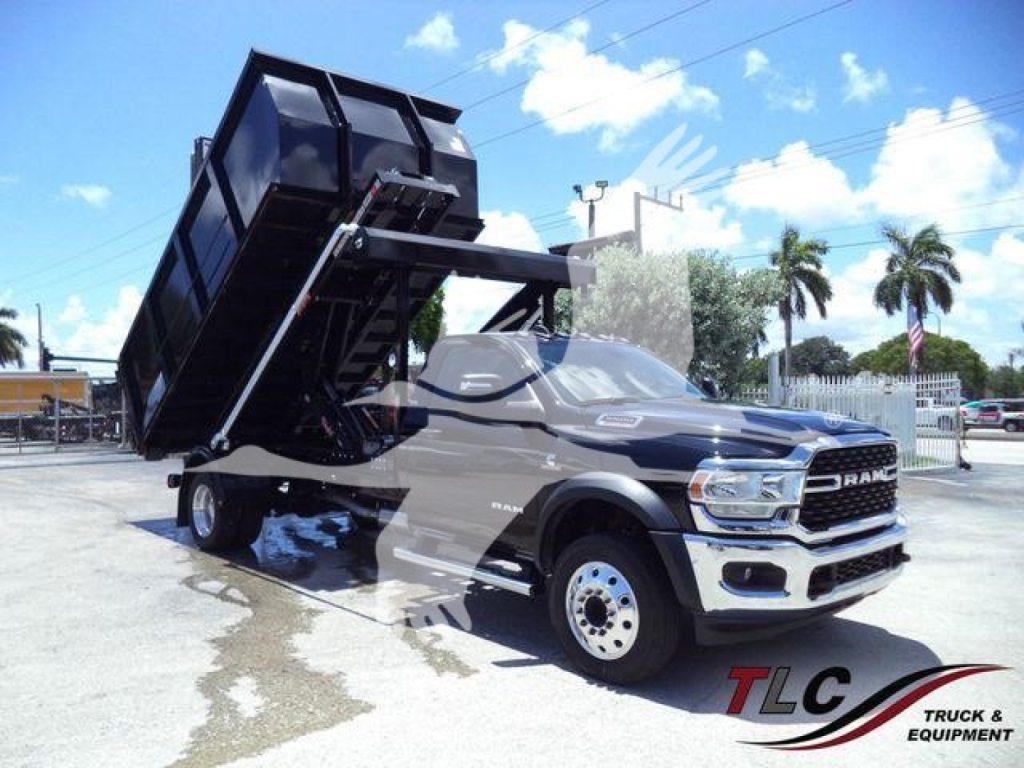
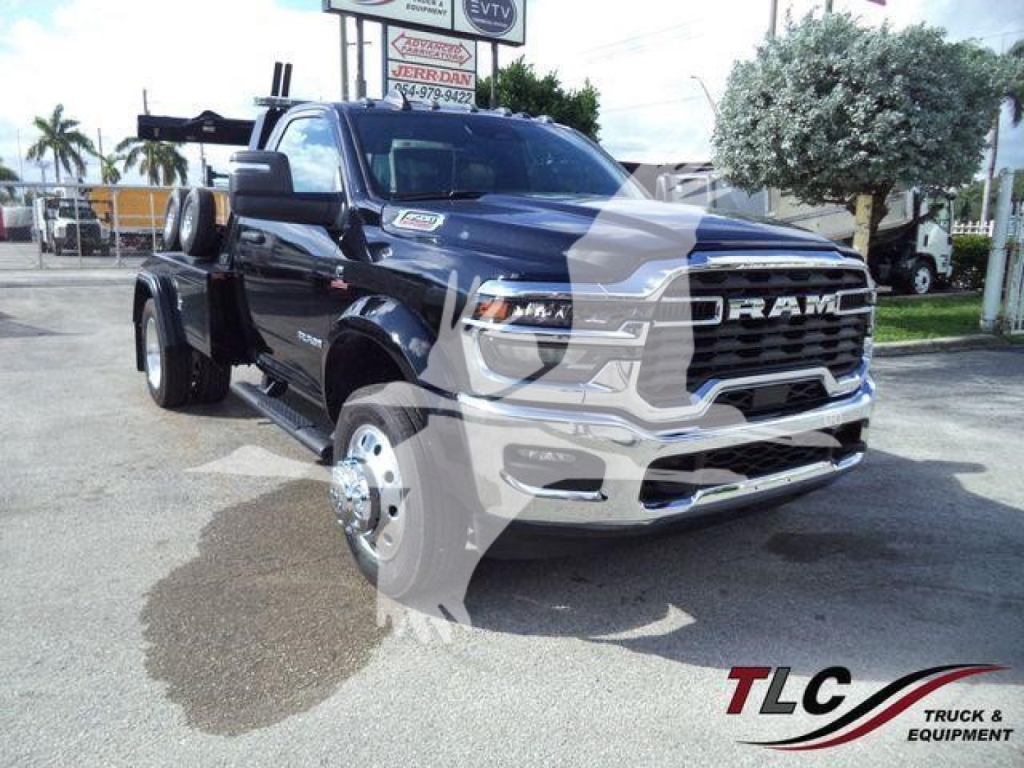
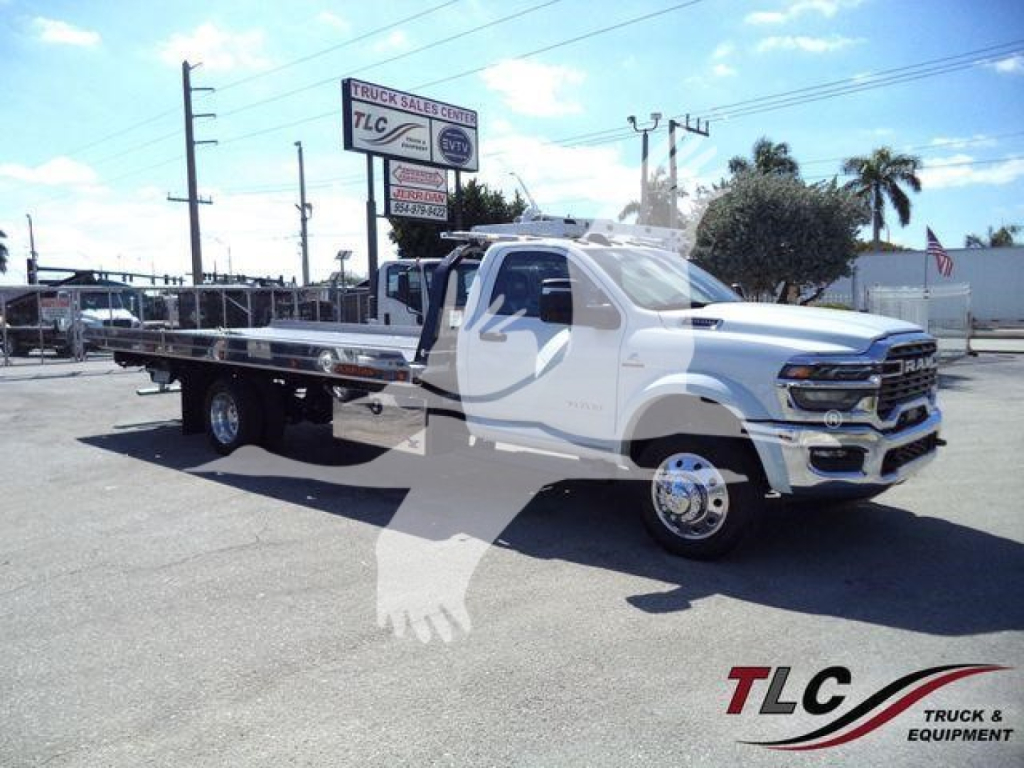
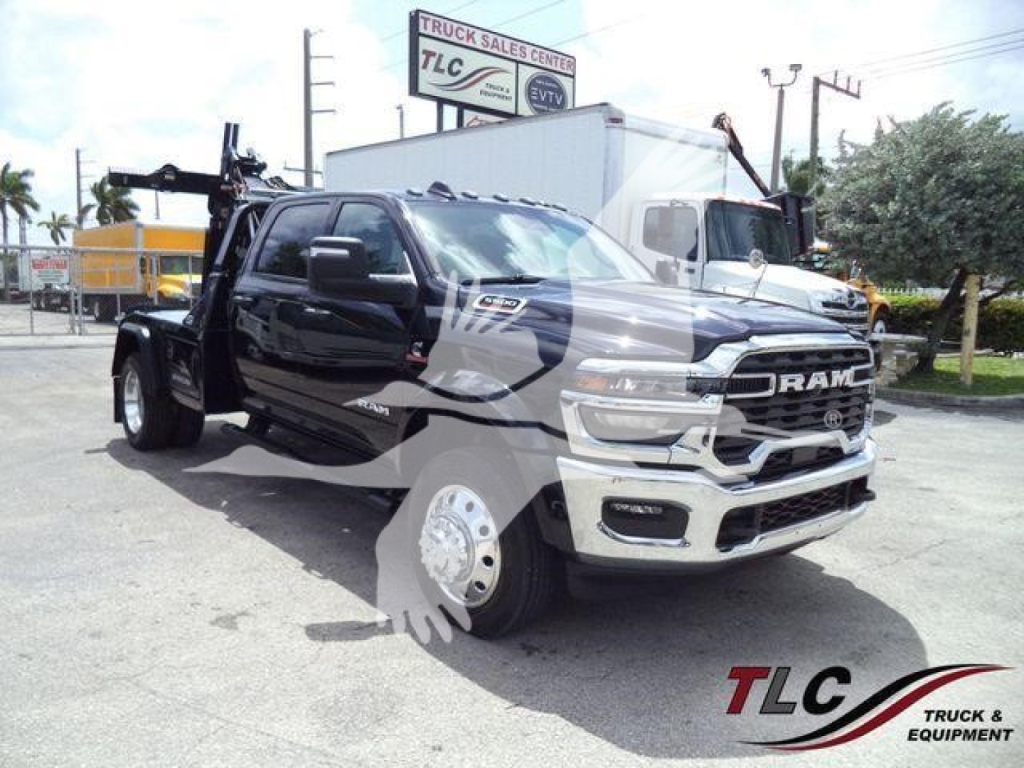
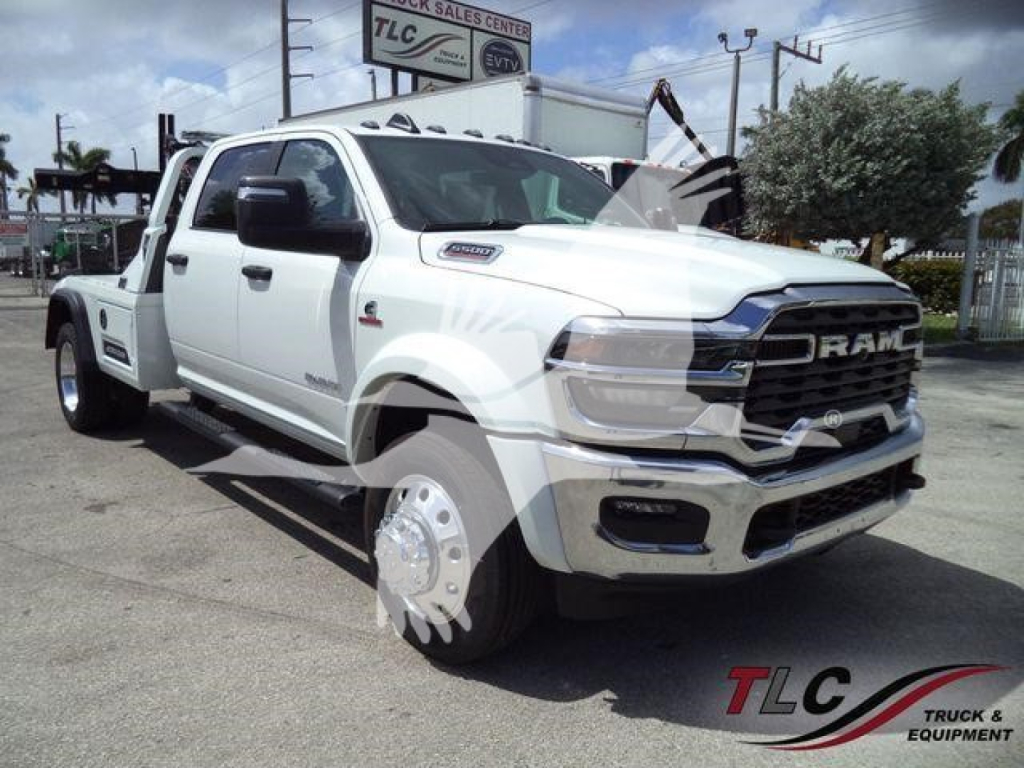
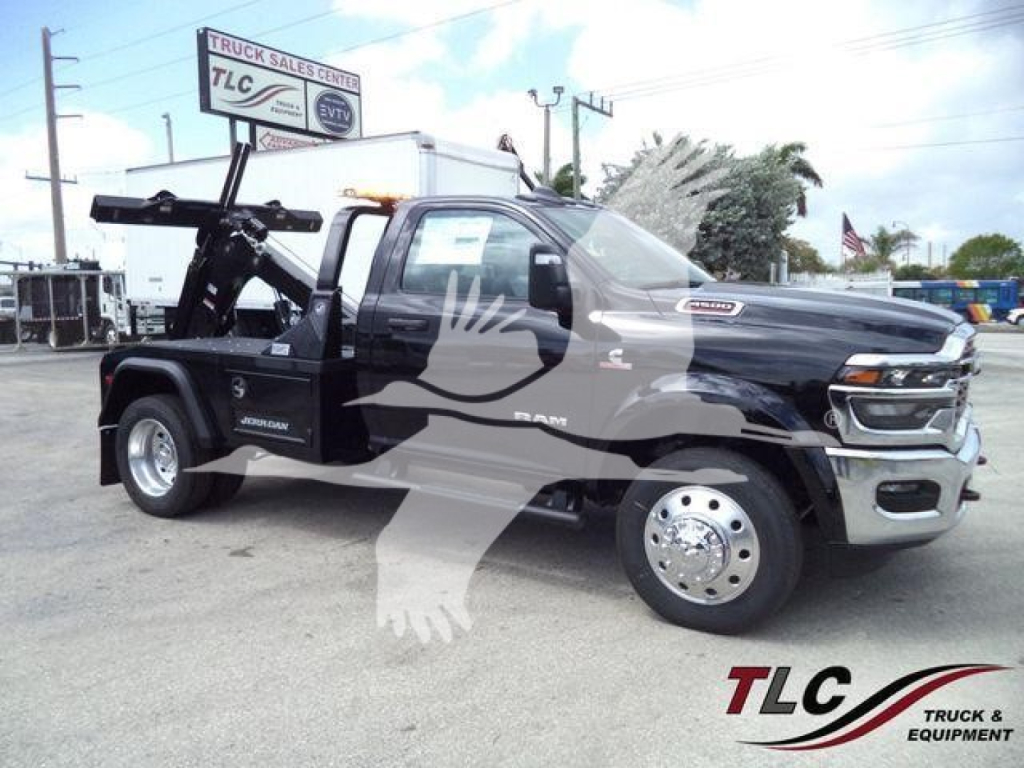
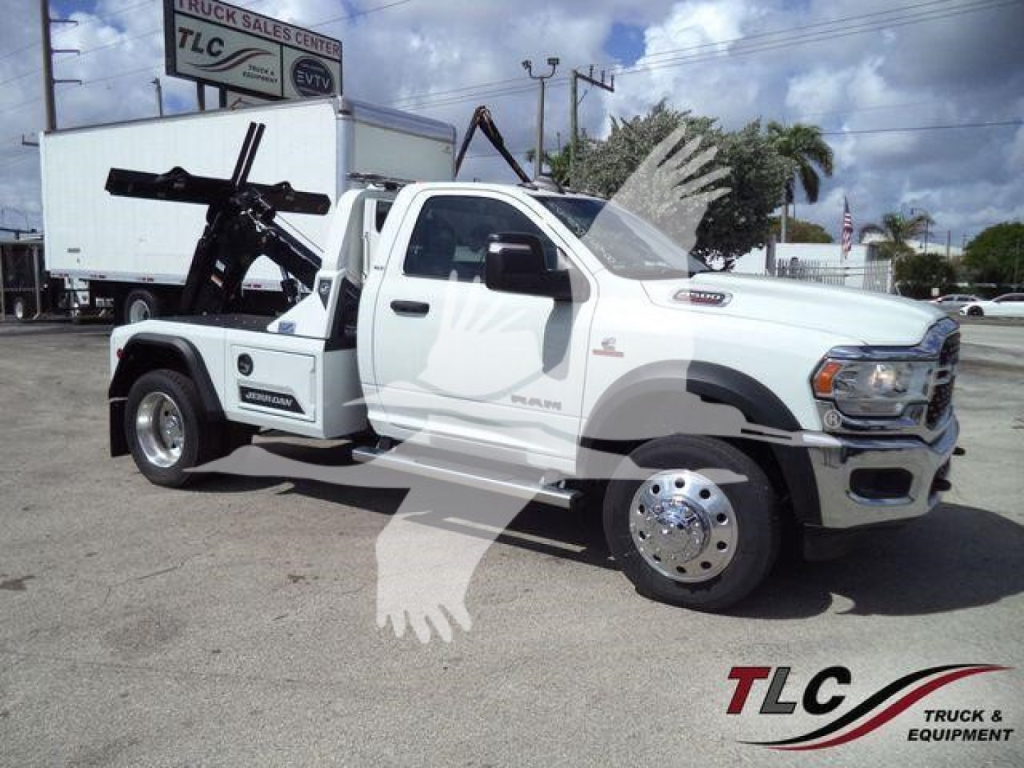
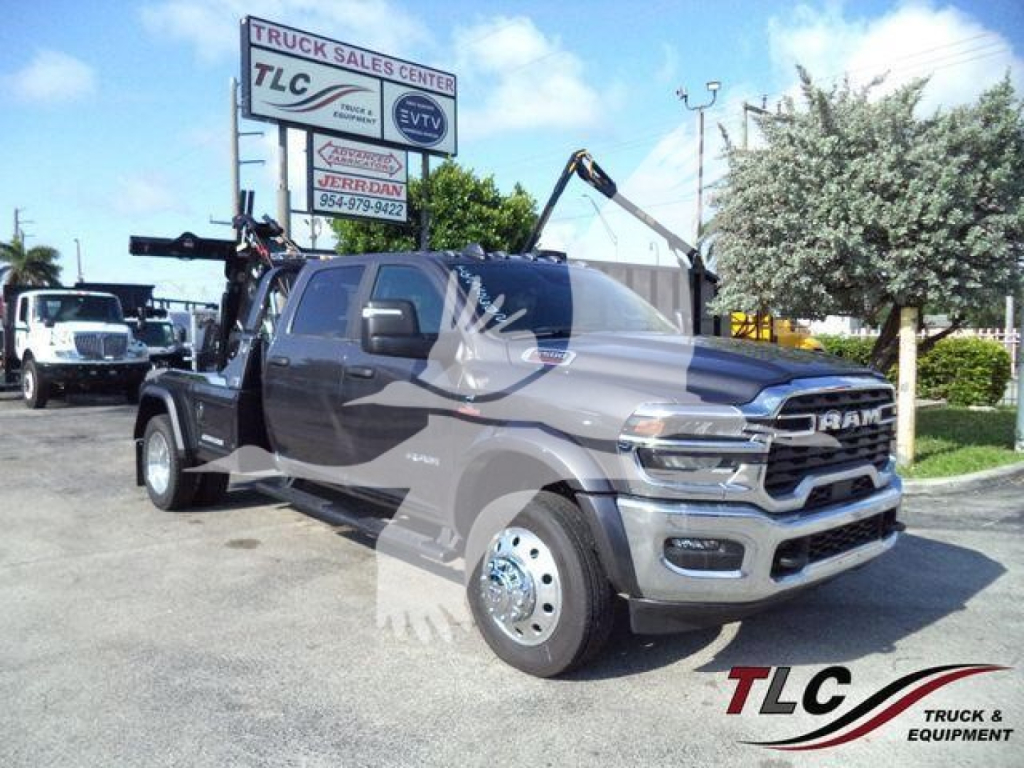
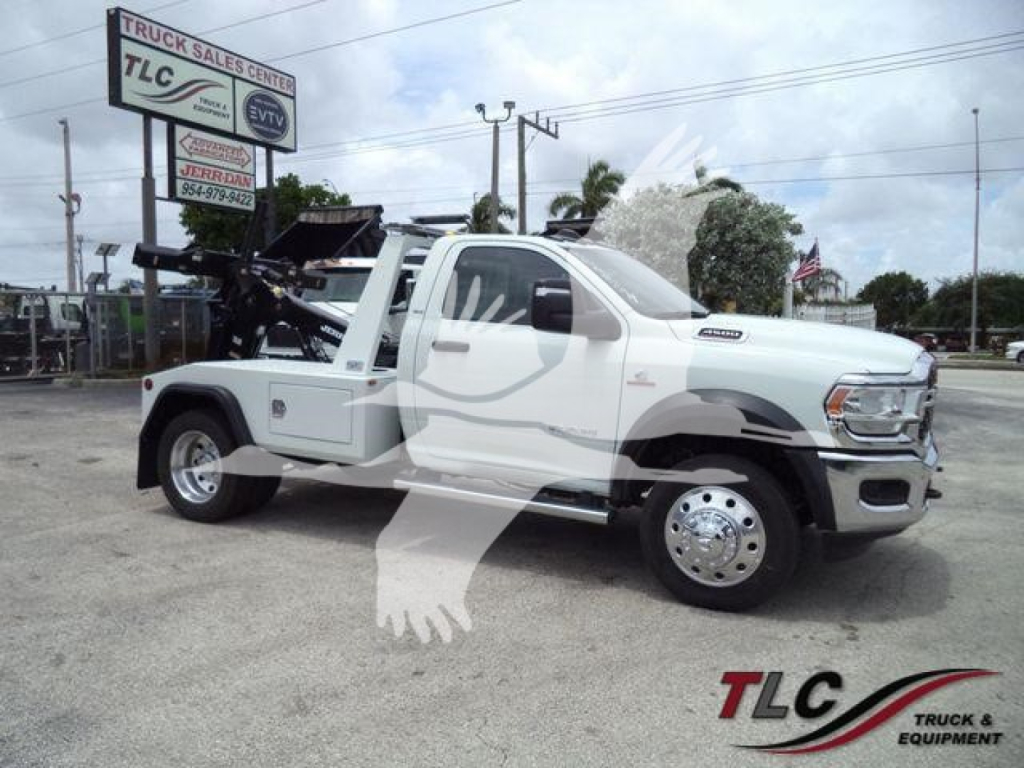
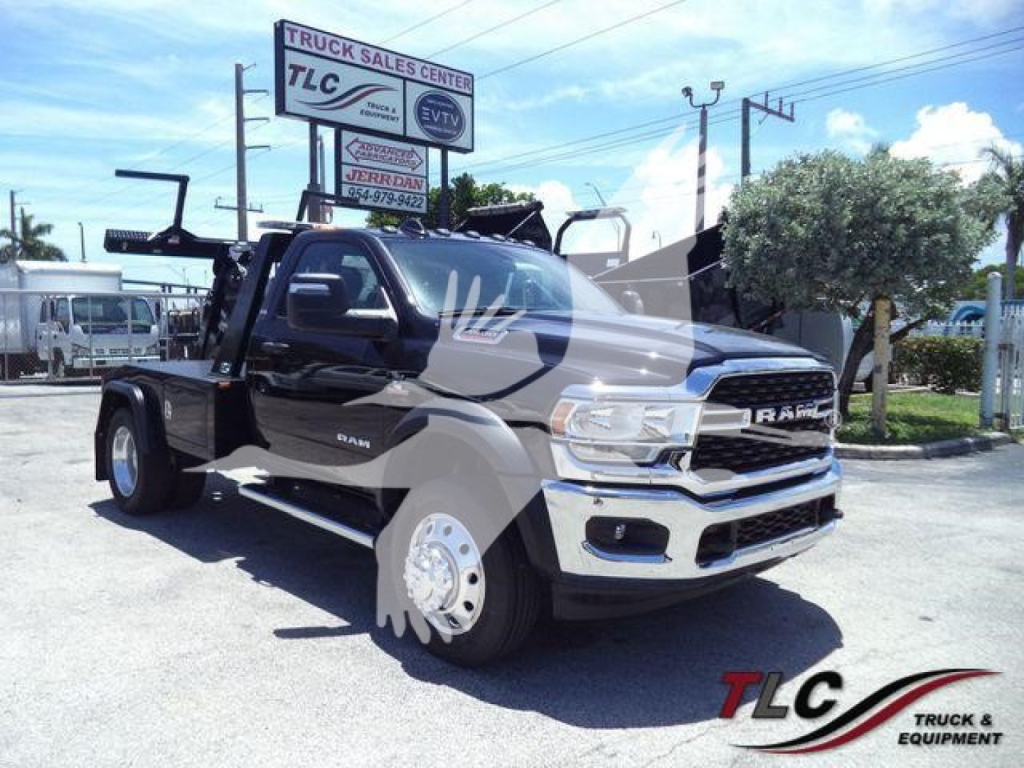
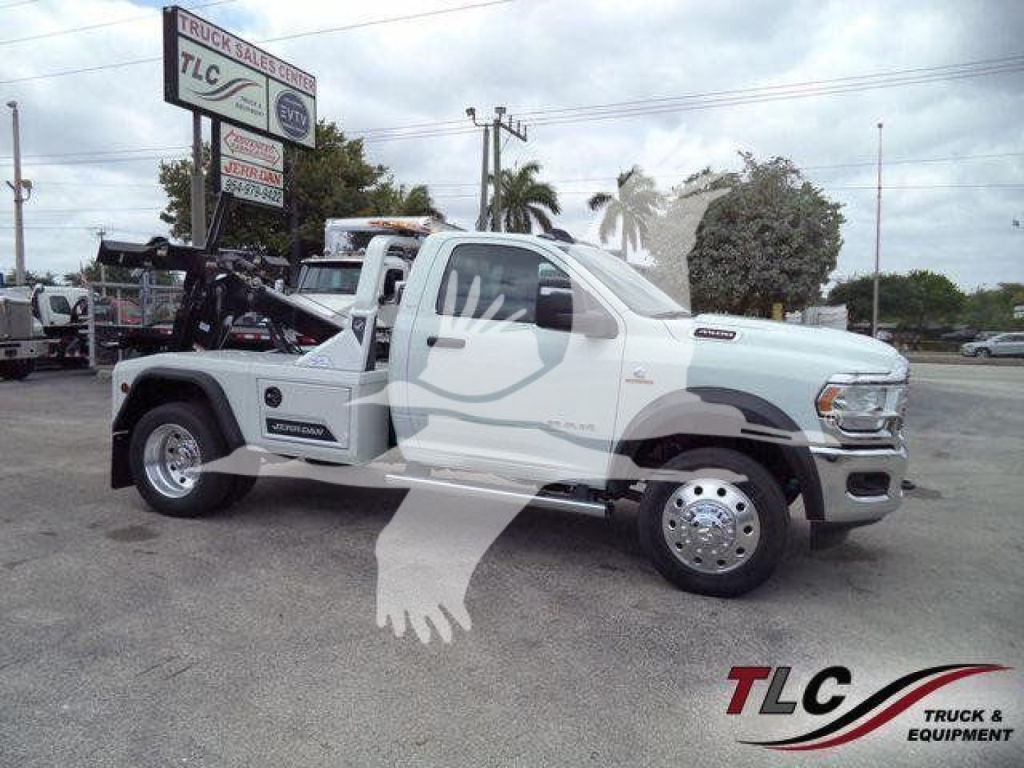
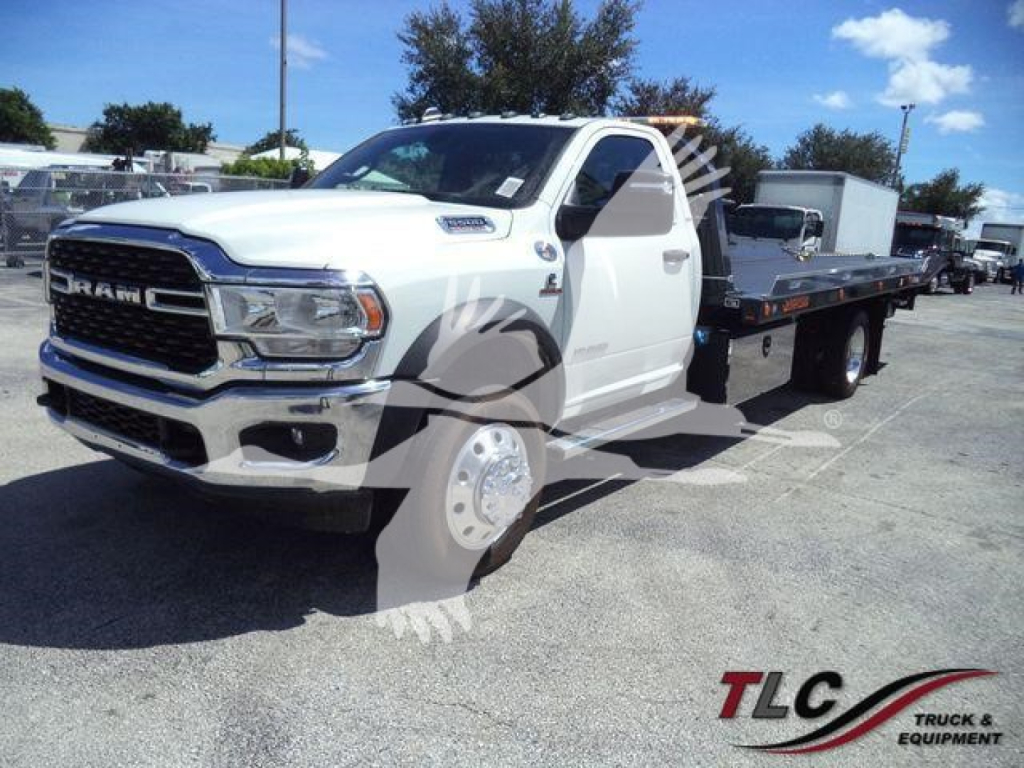
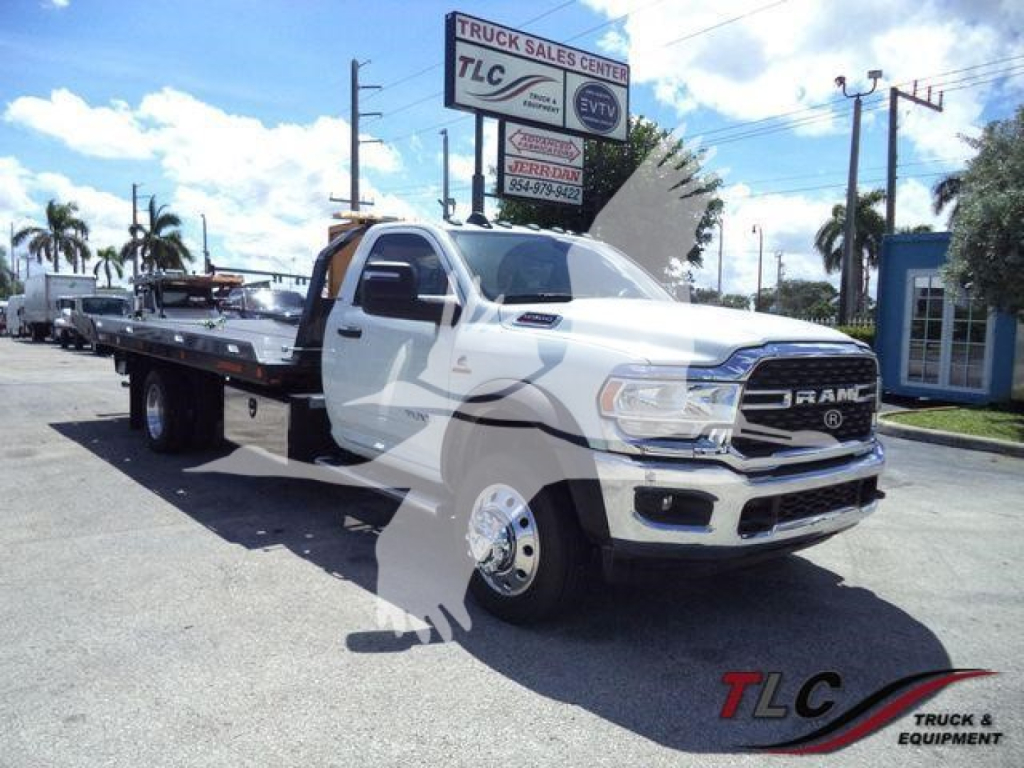
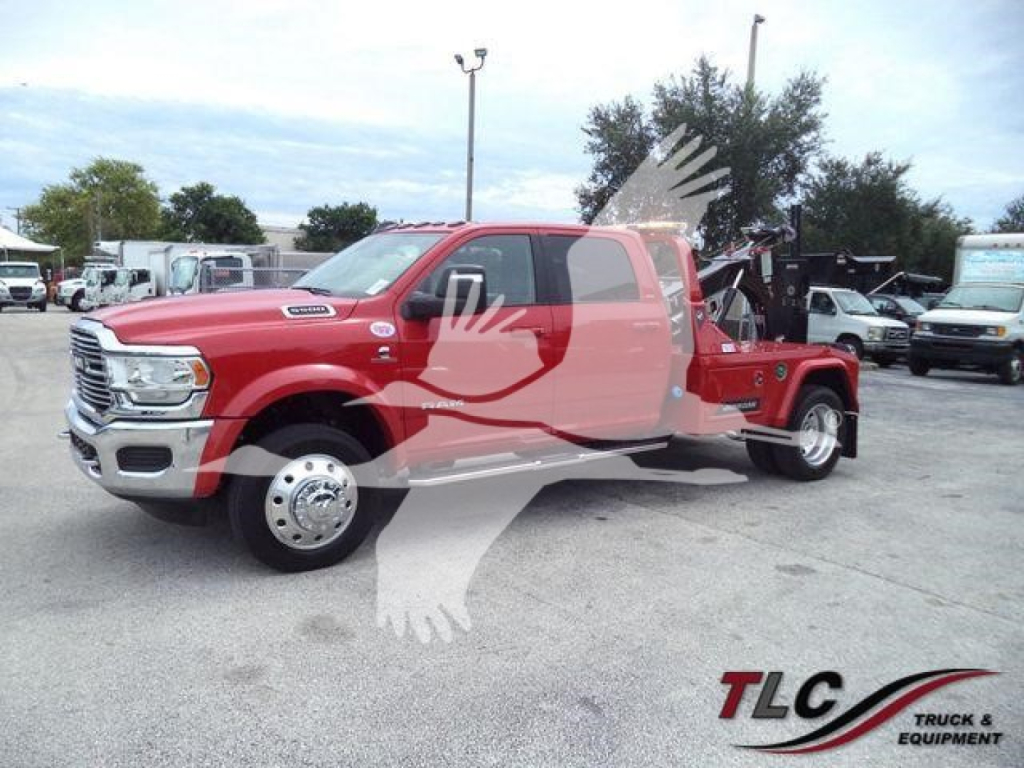
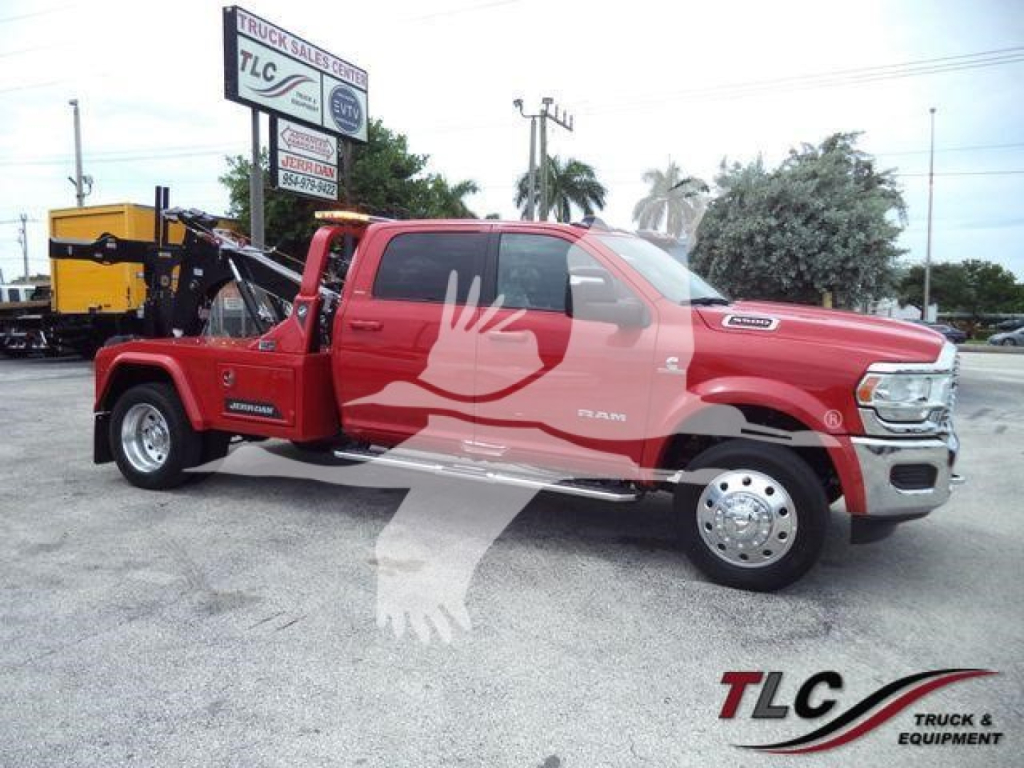
Showing 1 to 28 of 69 results
Selling a new ram commercial truck? List your new ram commercial truck for sale and reach thousands of commercial buyers.
New Ram Commercial Trucks
The first decision is usually the application, because that drives engine, wheelbase, and front axle needs. A Ram 5500 with the Cummins diesel and 4x4 is a common choice for wreckers and rollback carriers where low-speed torque, PTO compatibility, and traction matter. A gas-powered 5500 can make sense for municipal, landscape, or container work where annual miles are lower and maintenance simplicity is a priority. GVWR in this segment commonly reaches around 19,500 pounds on the 5500, and body choices often include Jerr-Dan carriers and wreckers or Switch-N-Go style interchangeable body systems. Buyers should match the chassis to the upfit rather than shop by badge alone, because the same Ram truck can be configured very differently for towing, hauling, or refuse-related work.
On new Ram trucks, pay close attention to axle rating, suspension setup, cab-to-axle measurement, and whether the truck has the factory provisions needed for the body being installed. For towing and recovery, practical details include wheel-lift rating, winch capacity, deck length and width, low-profile carrier geometry, work lighting, and toolbox space. For dump or roll-off applications, hoist type, electrical or hydraulic controls, tarp systems, hitch equipment, and rear door design matter more than trim level. Crew cabs add personnel space but reduce available body length on a given wheelbase, while regular cabs often maximize body room and turning efficiency. Aluminum wheels, spring suspension, trailer brake provisions, and backup camera systems are also common spec points in this category.
A new Ram truck appeals to fleets and owner-operators who want a familiar cab layout with true commercial chassis capability. The platform is easy to find with vocational bodies already installed, and it remains popular in towing because it balances size, power, and urban maneuverability well. Buyers comparing listings should focus on the completed truck's rated function, not just the chassis model. A Ram 4500 or 5500 may look similar across listings, but differences in drivetrain, body manufacturer, deck design, hoist system, and cab configuration will determine real-world productivity and operating cost.
Frequently Asked Questions about New Ram Commercial Trucks
What is the difference between a Ram 4500 and Ram 5500 for commercial use?
The Ram 5500 generally offers higher GVWR and greater upfit capacity than the Ram 4500, which makes it a better choice for heavier rollback bodies, larger wreckers, and more demanding roll-off or dump applications. The Ram 4500 is still a capable medium-duty chassis cab, but it is often selected where payload, body size, or equipment rating does not require the extra capacity of the 5500. The right choice depends on the finished body, axle ratings, and intended duty cycle rather than the model number alone.
Is the Cummins diesel or the 6.4L HEMI gas engine better in a new Ram chassis cab?
The Cummins diesel is usually preferred for towing, recovery, and higher-mileage commercial work because it delivers strong low-end torque and is well suited to heavier loads and frequent use. The 6.4L HEMI gas engine can be a smart option for lower-mileage vocational work, shorter routes, and operations that want a lower initial cost and simpler emissions-related maintenance profile. Buyers should compare annual miles, idle time, payload, and the type of body being installed before choosing between gas and diesel.
What should I look for on a new Ram tow truck or rollback?
Start with the body manufacturer and actual equipment ratings. Important items include deck length and width, carrier capacity, wheel-lift rating, winch capacity, boom configuration, work lights, toolbox layout, and whether the truck is 4x2 or 4x4. On a self-loader or wrecker, recovery equipment and drag winch specs matter as much as the chassis. On a rollback, low-profile deck design and loading angle can be critical if the truck will handle low-clearance vehicles.
Are new Ram trucks good for roll-off, hooklift, and dump applications?
Yes. Ram 4500 and 5500 chassis cabs are commonly used with roll-off, hooklift, and dump-style bodies because they provide a compact but capable platform for landscape, municipal, construction, and debris-handling work. Buyers should verify the hoist rating, body length, wall height, rear door style, tarp system, trailer wiring, and hitch setup. Cab-to-axle dimension is especially important on these applications because it affects body fit and weight distribution.
Does cab configuration matter on a new Ram commercial truck?
Cab configuration has a direct effect on usable frame space, body length, and how the truck fits the job. A regular cab usually gives more room for the body and often improves maneuverability on a given wheelbase, which is useful for rollback and dump applications. A crew cab adds seating for additional workers but can limit body size or change wheelbase needs. The right cab depends on whether the truck is carrying crew, tools, equipment, or all three.