
New Ram Hooklift Trucks For Sale
New Ram hooklift trucks for sale, including Ram 5500 diesel chassis with Switch-N-Go style systems for dumpster, landscape, and flatbed work.
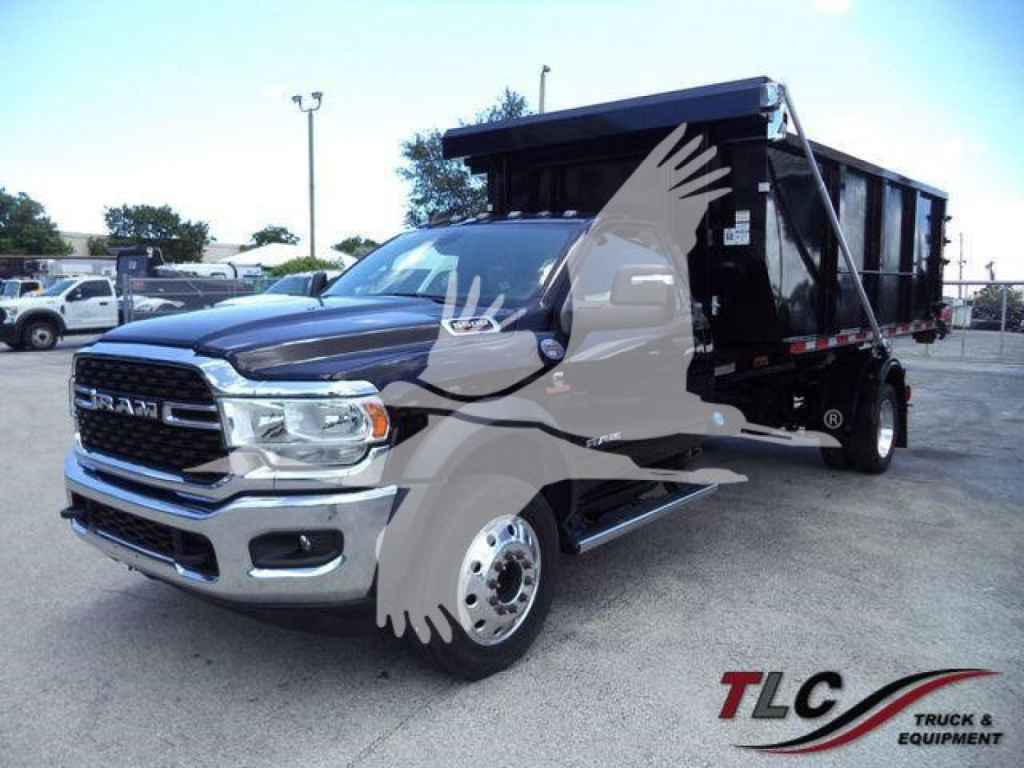
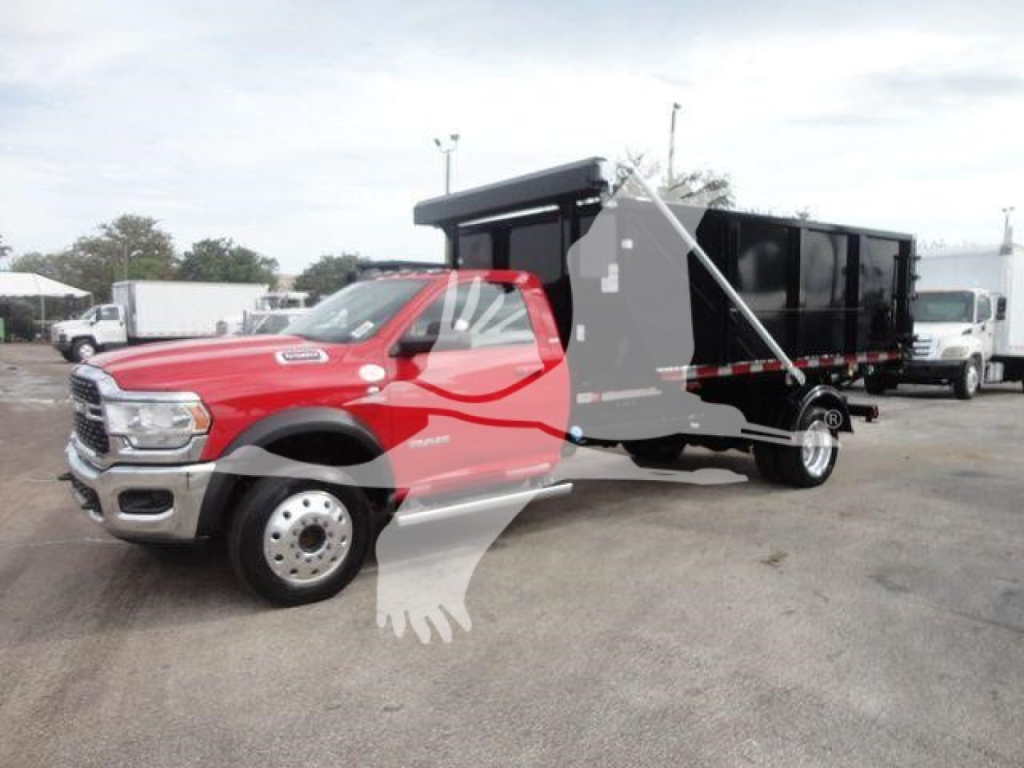
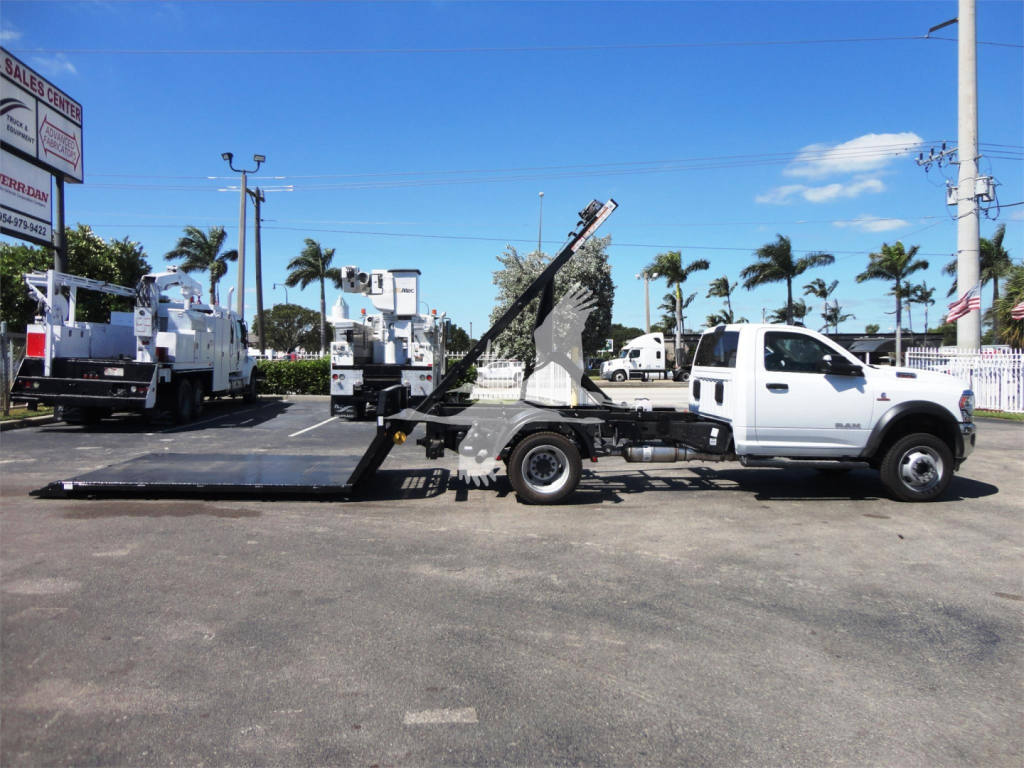
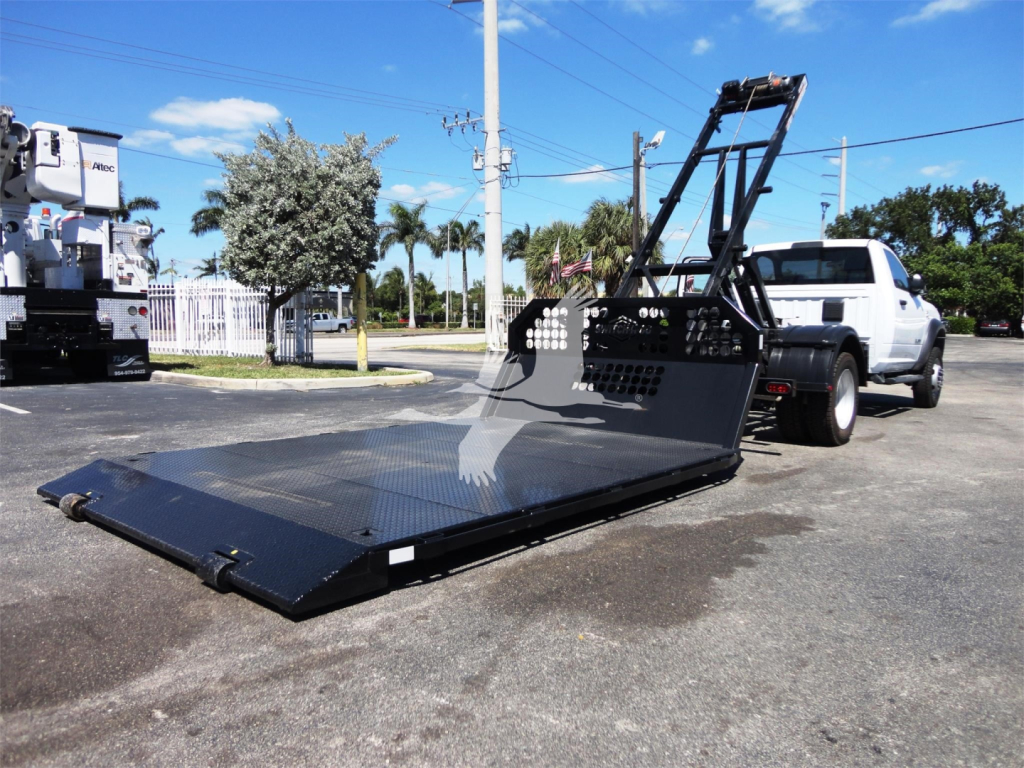
Selling a new ram hooklift truck? List your new ram hooklift truck for sale and reach thousands of commercial buyers.
New Ram Hooklift Trucks
The main buying decision is body length and hoist configuration. Common setups in this class include 11 ft and 14 ft Switch-N-Go style systems with electric-over-hydraulic hoists, winches, and cable systems for loading interchangeable dump bodies, flatbeds, landscape bodies, or debris containers. Buyers should confirm usable hook height, body rail compatibility, hoist capacity, and actual installed body weight on the Ram chassis. A shorter 11 ft setup can be easier to maneuver in dense service areas or residential routes, while a 14 ft system gives more flexibility for larger containers and higher-volume debris or landscape work.
Ram hooklift trucks in this size range are often spec'd as regular cab single-axle units with spring suspension, trailer brake controls, receiver hitches, ICC bumpers, and 7-way plugs. Drive configuration matters. A 4x2 truck typically offers a lower curb weight and may suit pavement-based container work, while a 4x4 Ram 5500 can be a better fit for construction sites, storm cleanup, utility access roads, and soft ground conditions. Wheel choice, cab trim, tarp systems, rear door style, and container side height also affect day-to-day usability more than many buyers expect.
For most fleets, the value of a new Ram hooklift truck comes down to uptime, body interchangeability, and operator simplicity. The Cummins-powered 5500 platform is widely recognized for medium-duty vocational use, and new trucks can offer the advantage of current emissions equipment, factory warranty coverage, and cleaner integration between chassis and body controls. When comparing listings, pay attention to container dimensions, hoist brand, winch rating, hitch capacity, inside and outside control access, and whether the truck is set up more for dumpster delivery, landscape hauling, or flatbed transport. Those details determine how productive the truck will be once it is working routes.
Frequently Asked Questions about New Ram Hooklift Trucks
What is a Ram hooklift truck used for?
A Ram hooklift truck is used to pick up, transport, and unload interchangeable bodies such as dumpsters, debris containers, dump inserts, flatbeds, and landscape bodies. On a Ram 5500 chassis, this type of truck is commonly used by landscape companies, waste and recycling operators, contractors, municipalities, and property maintenance fleets that need one truck to perform several different jobs.
Is the Ram 5500 a good chassis for a hooklift system?
The Ram 5500 is a popular medium-duty chassis for hooklift applications because it offers strong diesel torque from the 6.7L Cummins, a vocational-friendly GVWR, and a size that works well in urban, suburban, and light construction environments. It fits well where buyers want more capability than a pickup-based platform but do not need a larger Class 6 or Class 7 truck.
Should I choose a 4x2 or 4x4 Ram hooklift truck?
A 4x2 Ram hooklift truck is often the better choice for paved routes, container delivery, and general commercial service because it can reduce weight and complexity. A 4x4 model is more useful for off-pavement access, muddy jobsites, winter weather, utility work, and rural properties. The right choice depends on surface conditions, route density, and how often the truck will need traction beyond normal street use.
What should I check when comparing hooklift body lengths?
Body length affects maneuverability, container capacity, and the types of interchangeable bodies the truck can handle. An 11 ft setup can be easier to work in tighter areas and may suit smaller loads or flatbed tasks. A 14 ft setup usually offers more container volume and jobsite flexibility. Buyers should also verify hoist capacity, hook height, rail spacing, and whether existing containers are compatible with the truck.
What features matter most on a new hooklift truck?
The most important features are the hoist system, winch rating, control placement, hitch and trailer brake setup, tarp system, and the exact body or container dimensions. On a new truck, buyers should also look at chassis GVWR, axle ratings, suspension type, cab configuration, and how the body installer integrated hydraulics and electrical controls. Those factors have a direct impact on payload, safety, ease of use, and long-term serviceability.