
Ram Hooklift Trucks For Sale
Shop Ram hooklift trucks built on 5500 chassis with Cummins diesel power, roll-off flexibility, and upfit options for debris, landscape, and flatbed work.
Selling a ram hooklift truck? List your ram hooklift truck for sale and reach thousands of commercial buyers.
Ram Hooklift Trucks
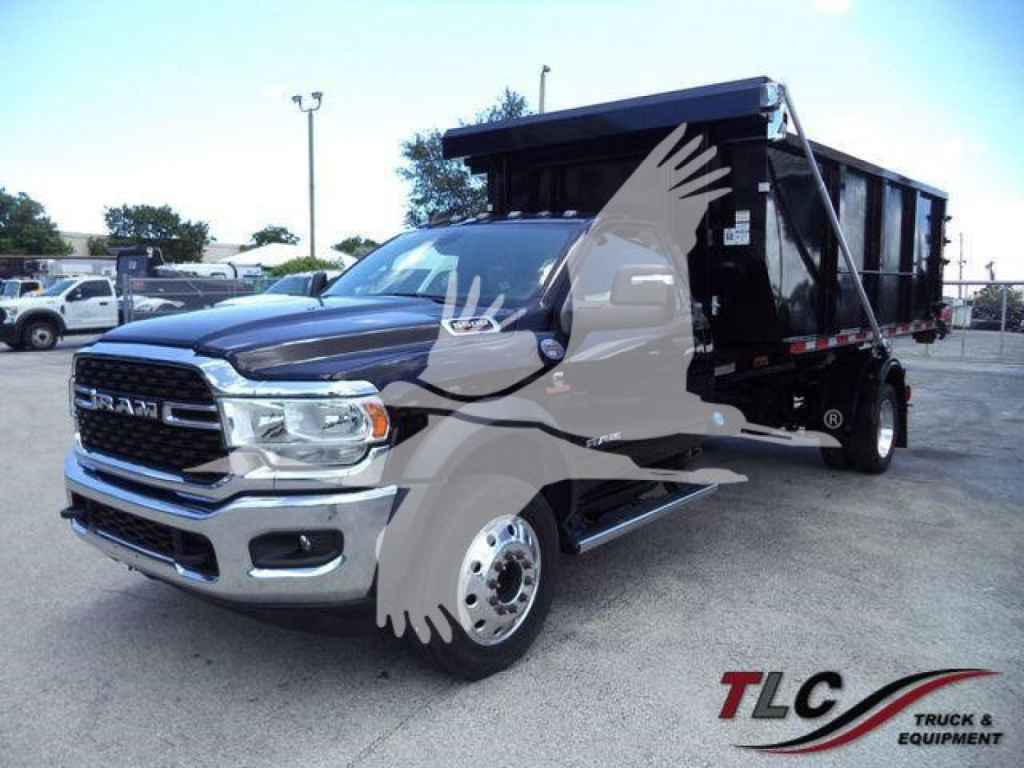
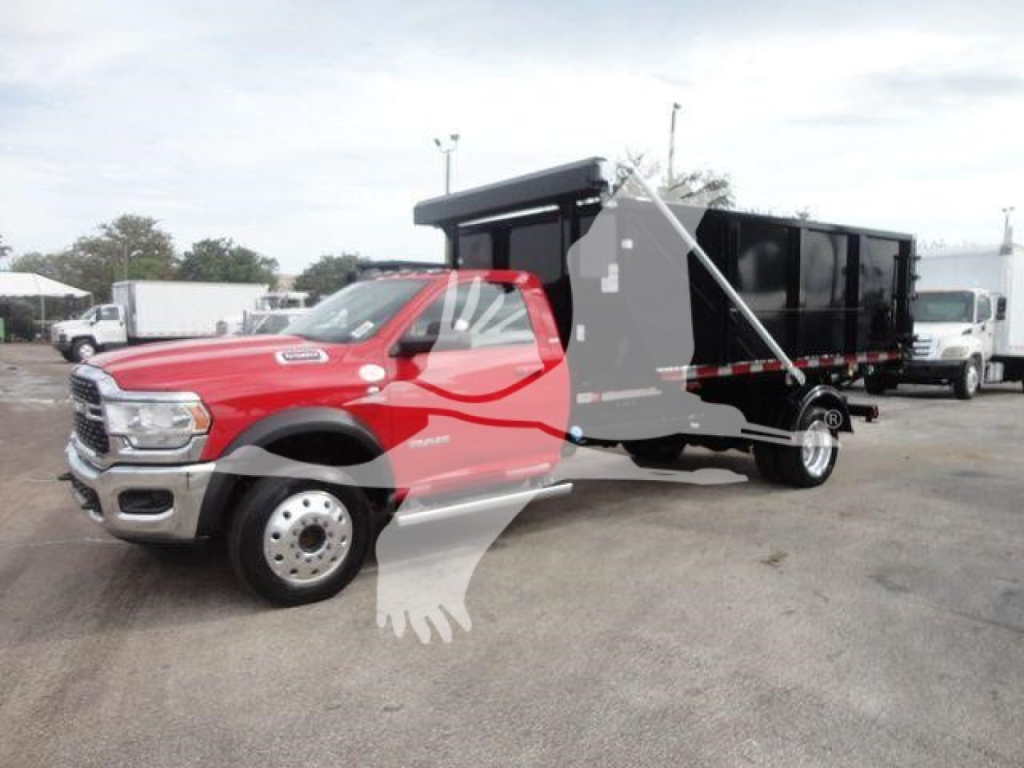
On the chassis side, Ram 5500 hooklift trucks commonly use the 6.7L Cummins diesel with an automatic transmission and either 4x2 or 4x4 drivetrains. GVWR is often around 19,500 pounds, which makes these trucks attractive for operators who need medium-duty capability in a more compact footprint than a larger Class 6 or Class 7 hooklift. Regular cab configurations are common because they leave more usable frame length for the hoist and body, but cab and trim levels can vary. Spring suspension, 19.5-inch wheels, trailer brake wiring, receiver hitches, and PTO or electric-over-hydraulic hoist systems are all common features buyers should compare closely.
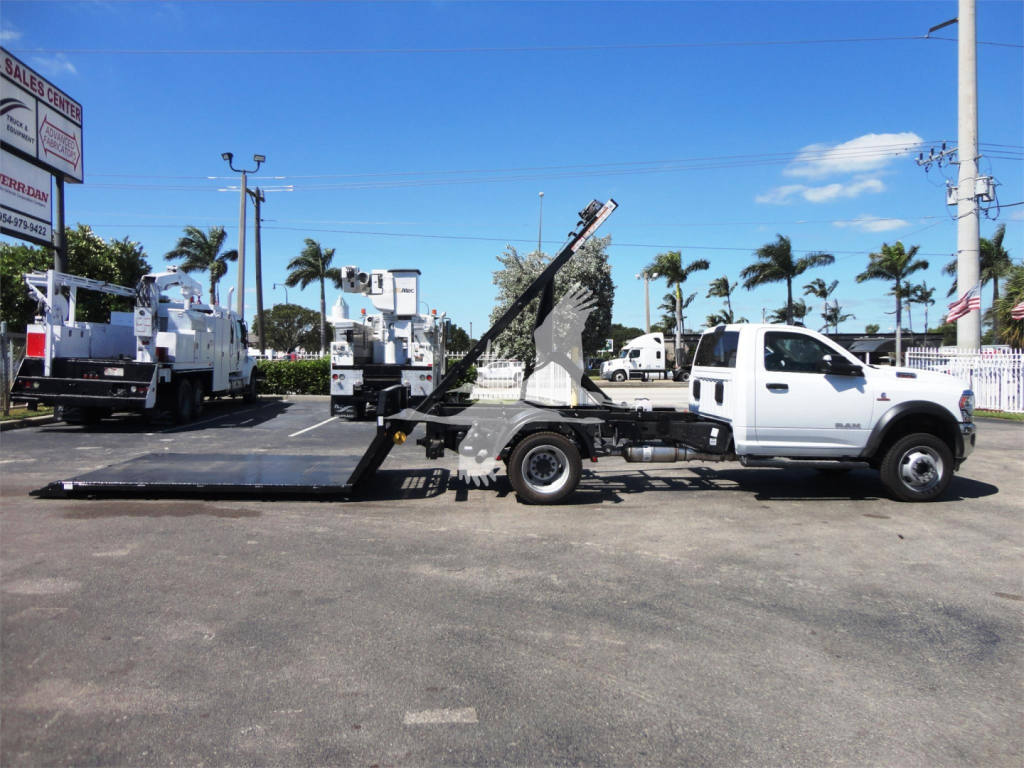
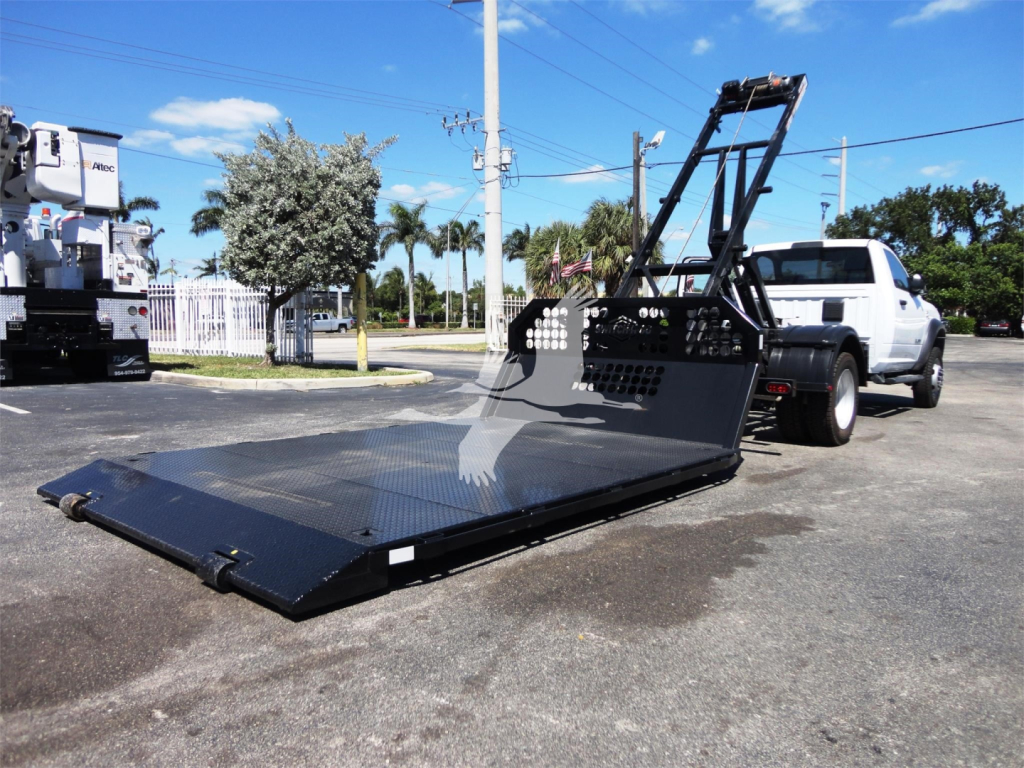
Body length and hoist compatibility matter more than many first-time buyers expect. Listings in this class often include 11-foot to 14-foot systems such as Switch-N-Go style setups, with steel containers designed for trash, landscape material, demolition debris, or flatbed hauling. Pay attention to rated hoist capacity, cable or hook geometry, inside rail width, body stop position, and rear roller design so the truck matches the containers you plan to run. If the truck will spend time on jobsites, a 4x4 Ram hooklift can be a strong choice for traction and access. If most work is on pavement with frequent stops, a 4x2 truck may offer a simpler and lighter package.
Buyers should also look at the upfit details that affect daily productivity and compliance. Electric tarp systems, ICC bumper hitches, 7-way plugs, winches, in-cab and exterior controls, and rear door style all change how well the truck fits a specific operation. For debris and mulch work, side height and door configuration are important. For equipment or palletized material, a flatbed carrier body and beavertail can add versatility. A Ram hooklift truck is best evaluated as a complete package: chassis rating, drivetrain, hoist design, body interchangeability, and jobsite conditions all need to line up with the work cycle.
Frequently Asked Questions about Ram Hooklift Trucks
What is a Ram hooklift truck typically used for?
A Ram hooklift truck is commonly used for applications that require interchangeable bodies on a single chassis. Typical uses include landscape supply delivery, dumpster-style debris removal, construction cleanup, municipal maintenance, and light roll-off container service. Many operators also use these trucks with flatbeds for material delivery, which makes them popular in fleets that want one truck to cover several revenue-producing tasks.
What chassis is most common for a Ram hooklift truck?
The Ram 5500 is one of the most common chassis choices in this category. It is popular because it offers medium-duty GVWR capacity, Cummins diesel power, and a compact overall size that works well in tighter urban and suburban jobsite conditions. Buyers often see these trucks configured as regular cabs with automatic transmissions and either 4x2 or 4x4 drivetrains depending on the terrain and duty cycle.
How do I choose between an 11-foot and 14-foot hooklift setup?
The right body length depends on what you plan to haul and how much payload you need to manage. An 11-foot setup is often a good fit for tighter routes, lighter containers, and operators who want a shorter wheelbase for maneuverability. A 14-foot setup can support larger landscape, debris, or dump bodies, but it also requires close attention to axle loading, body weight, and overall truck balance. The hoist rating and the actual container specifications should always be matched to the intended material.
Is 4x4 worth it on a Ram hooklift truck?
A 4x4 Ram hooklift truck is often worth the added cost if the truck will regularly enter soft ground, construction sites, rural properties, or winter conditions where traction matters. It can reduce the chance of getting stuck when loading or unloading containers off pavement. For mostly paved routes with frequent stop-and-go service, a 4x2 truck may be the more efficient choice because it is typically lighter and mechanically simpler.
What should I inspect on a used Ram hooklift truck?
Focus on both the chassis and the upfit. Check the frame for signs of stress around the hoist mounting points, inspect hydraulic lines and cylinders for leaks, and confirm the winch, cable, rollers, and control system operate smoothly. Verify the body lengths and rail dimensions match the containers you plan to use. On the chassis side, review service history for the Cummins engine, transmission, brakes, suspension, and electrical system, and make sure the truck's GVWR and axle ratings align with your intended loads.