
Hooklift Trucks For Sale
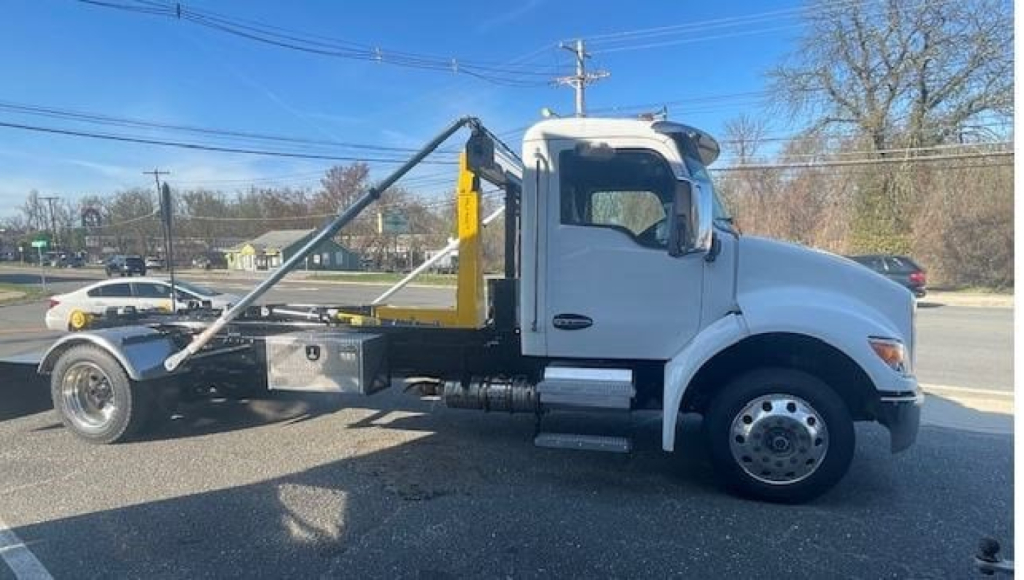
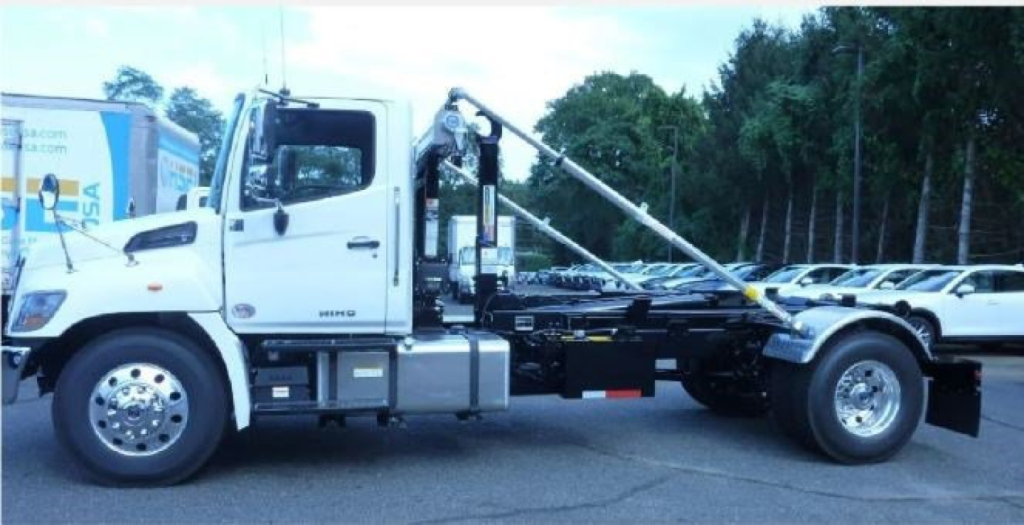
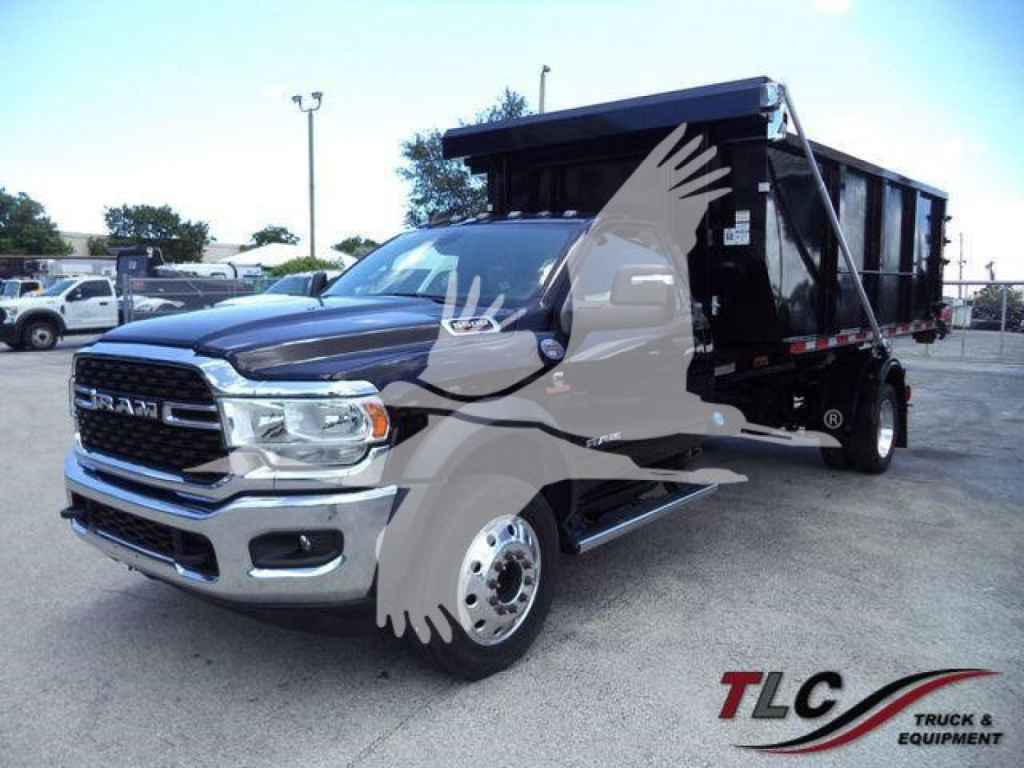
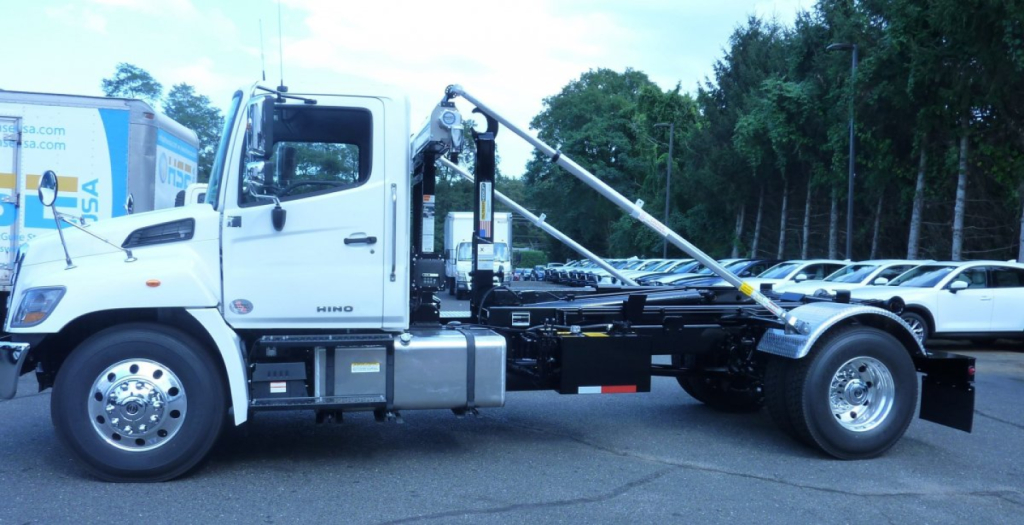
Shop hooklift trucks by capacity, hook height, and body length. Compare specs for waste, construction, and municipal swap-loader applications.
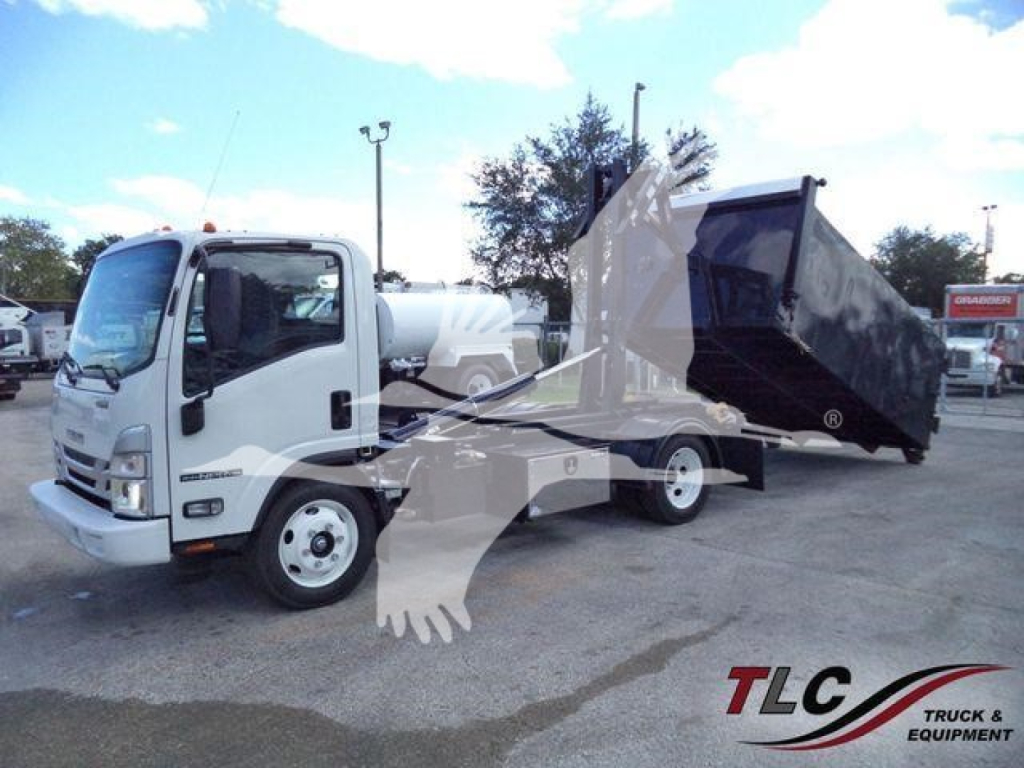
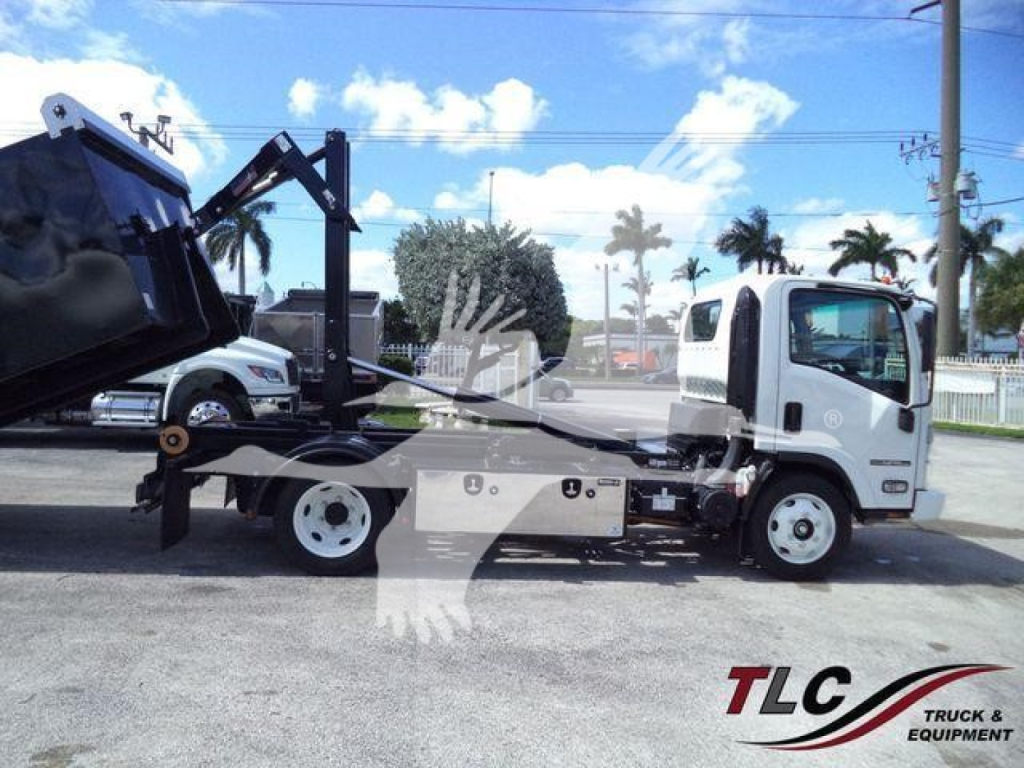
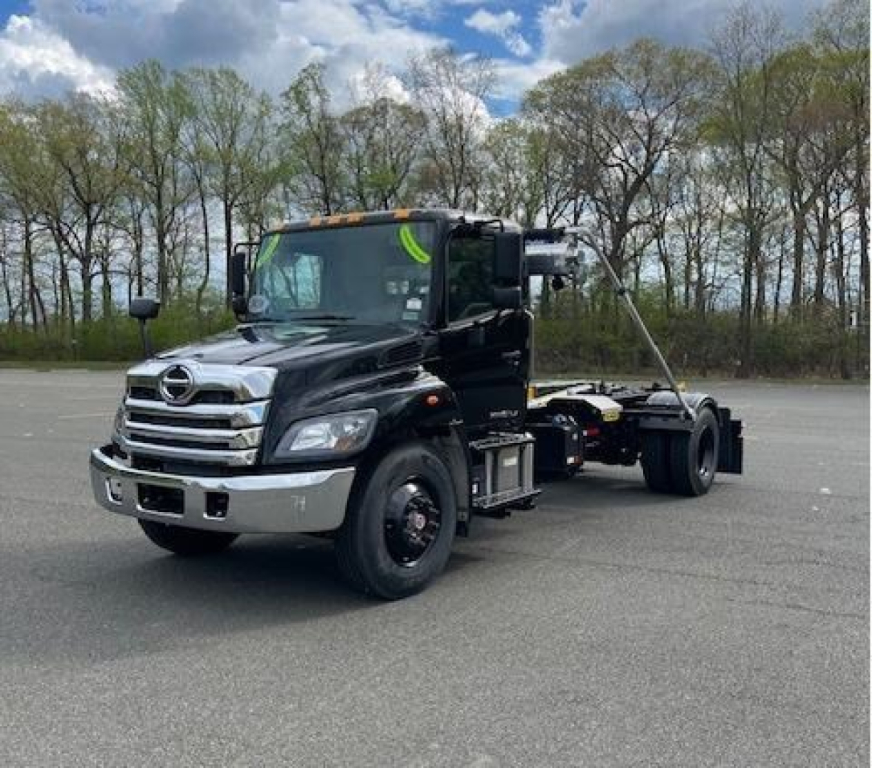
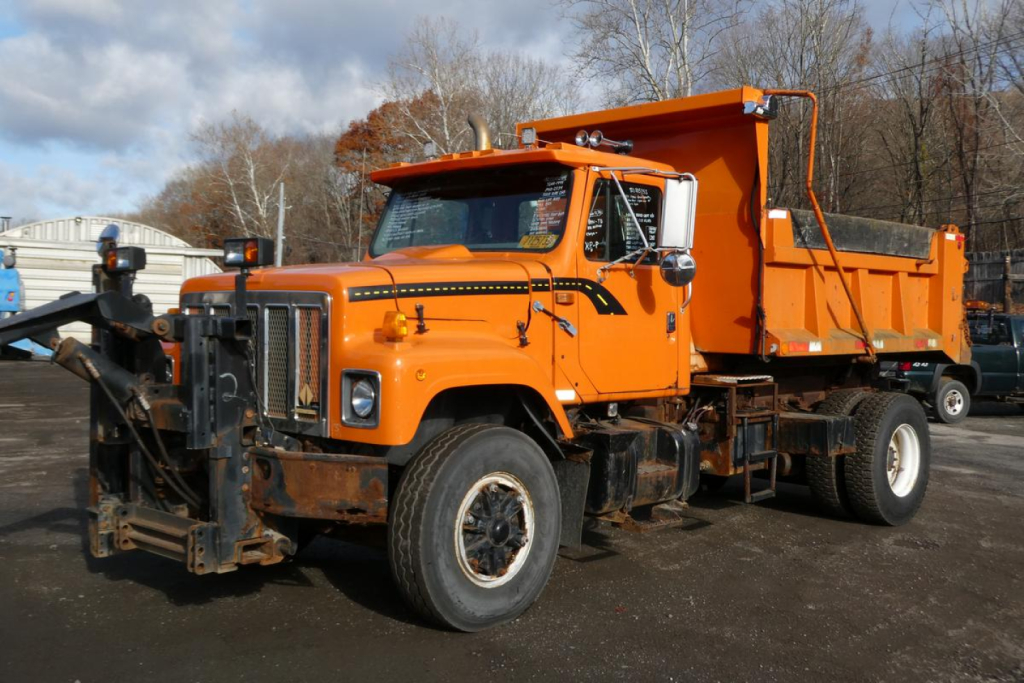
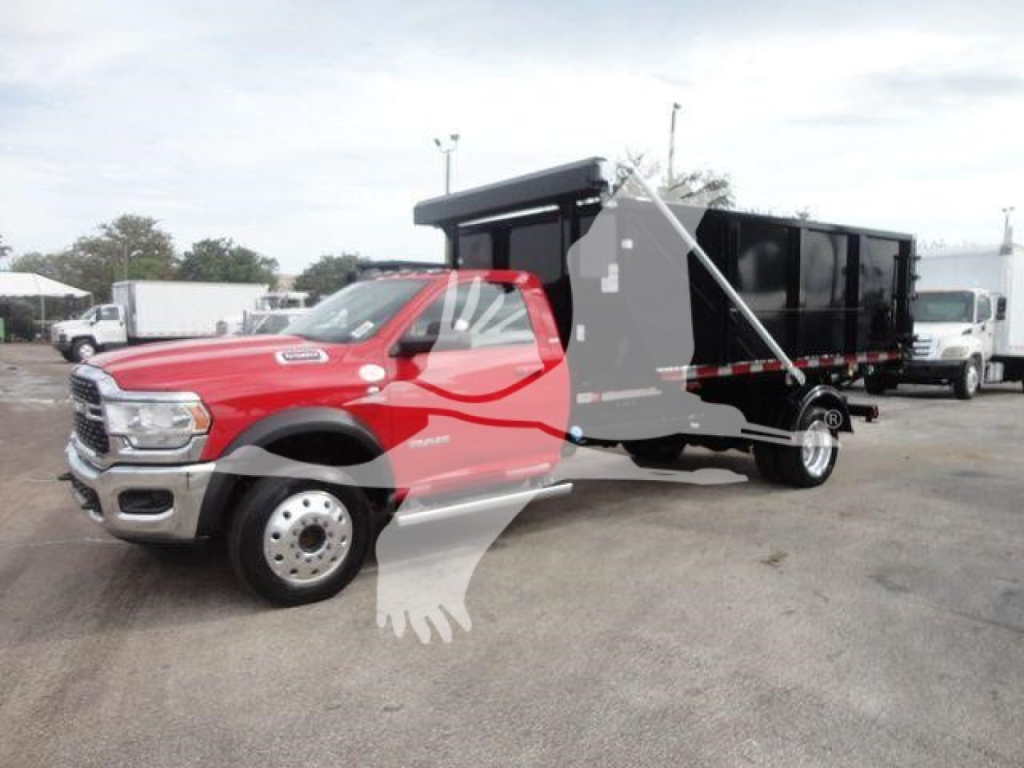
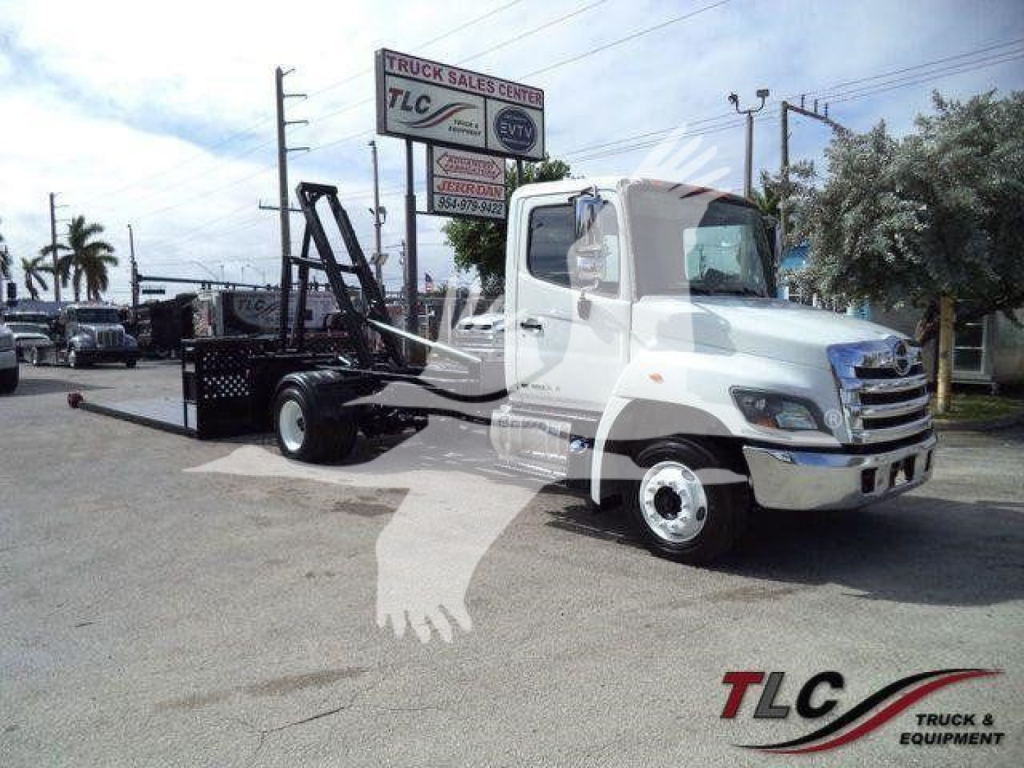
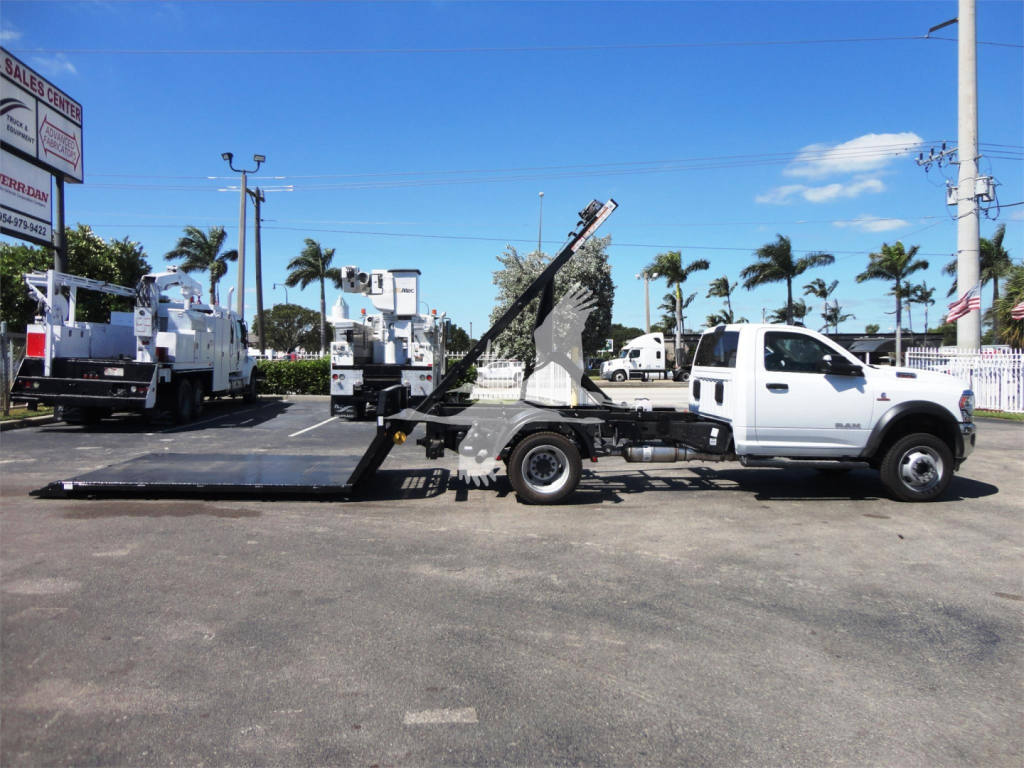

Selling a hooklift truck? List your hooklift truck for sale and reach thousands of commercial buyers.
Hooklift Trucks
Application drives chassis and hoist pairing. Construction and demo benefit from 66-75k lb hoists, double-frame or insert-frame rails, full-locking differentials, and 22.5 in rubber. Municipal snow-and-ice or parks work often spec 20-30k lb hoists on Class 7 with 19.5 in tires and shorter wheelbases for tight streets. Hydraulic performance matters as much as capacity. A transmission PTO with a 25-45 gpm load-sensing pump provides faster cycle times under repeat swaps; clutch pumps are common on lighter-duty builds. Target 2,500-3,500 psi working pressure, a properly sized oil tank with return filtration, and cooler capacity suited to your duty cycle. Brands like Swaploader, Stellar, Palfinger, Galbreath, and Multilift offer different jib geometries, rear lock styles, and slide systems that affect approach angle, dump angle, and container control on rough sites.
Spec the chassis around legal payload and maneuverability. Wheelbase must match body length and CA to keep the container against adjustable rear stops and within axle limits. Tandem configurations with a pusher or tag axle help stay legal with dense materials. Air ride smooths the ride for tank and service bodies, while spring is tougher off-road. Automatic tarping is essential for waste and C&D; look for electric or hydraulic systems from Pioneer or Donovan with aluminum arms and sealed motors. In-cab joystick controls with interlocks tied to PTO, parking brake, and transmission neutral reduce errors. Options that pay back include work lights, rear cameras, automatic tire inflation, onboard scales, and central grease banks. Corrosion protection such as hot-dip galvanized subframes, powder-coated hoists, stainless hydraulic lines, and sealed harnesses extends service life in northern fleets.
Hooklifts compete with cable roll-off hoists. Hook systems excel at faster, safer single-operator swaps, lower bed heights, and running diverse bodies beyond cans. Cable hoists tolerate mismatched containers and very rough yards but are slower and heavier. Key performance specs to compare are rated lift and dump, jib lift at full reach, approach angle for ground pickup, dump angle for clean emptying, container lock style, and cycle time with your chosen PTO and pump. In cold regions, arctic hydraulic oil, tank warmers, and shielded hose routing reduce morning cycle delays. Plan maintenance around wear pads, rear roller bushings, cylinder seals, and hose condition. Standardizing hook height and container rails across the fleet simplifies operations and keeps resale strong for both chassis and bodies.
Also known as: Hook Hoist Truck, Hook Loader Truck
Frequently Asked Questions about Hooklift Trucks
What hook height should I choose, 54 in or 62 in?
Pick the hook height that matches the majority of your containers. Class 6-7 fleets commonly run 54 in, while heavy Class 8 fleets standardize on 62 in. Mixing heights requires adapters, adds weight, and slows swaps. If you are building a new container set, choose one standard and stick to it for the lowest lifecycle cost.
How do hoist capacity and body length affect wheelbase and payload?
Capacity dictates axle count and frame, while body length sets wheelbase. Single-axle trucks usually pair with 10-14 ft bodies and 18-30k lb hoists. Tandems run 16-22 ft bodies with 40-75k lb hoists. The wheelbase must place the container against the rear stops with proper kingpin-to-axle spread so you stay within axle ratings and bridge laws, which preserves legal payload.
How does a hooklift compare to a cable roll-off hoist?
Hooklifts offer faster, cleaner single-operator loading, lower deck heights, and the ability to run multiple body types like dump, flatbed, and tanks. Cable roll-off hoists are more forgiving of container variations and very rough yards but are heavier and slower. If you need multi-season versatility, a hooklift is usually the better choice; if you only move cans from mixed suppliers, cable may fit.
What hydraulic and PTO setup is best for frequent swaps?
For high daily cycle counts, use a transmission PTO with a properly sized load-sensing or gear pump in the 25-45 gpm range, a return-line filter, and an oil cooler rated for your climate. This combination shortens cycle time and controls heat. Lighter-duty routes can run a clutch pump. Always verify the hoist’s required flow and pressure and match the pump output to avoid sluggish operation or excessive heat.
What options improve uptime and safety on a hooklift truck?
Look for in-cab joystick controls with interlocks tied to PTO and park brake, automatic tarping, rear cameras, LED work lights, onboard scales to prevent overloads, and central grease systems. For corrosion resistance, consider galvanized or powder-coated subframes and sealed harnesses. In northern climates, arctic hydraulic oil and tank heaters reduce cold-start delays and extend component life.