
2027 Hooklift Trucks For Sale
Shop 2027 hooklift trucks for sale. Compare hoist capacity, GVWR, PTO setup, body length, and chassis options for multi-container work.
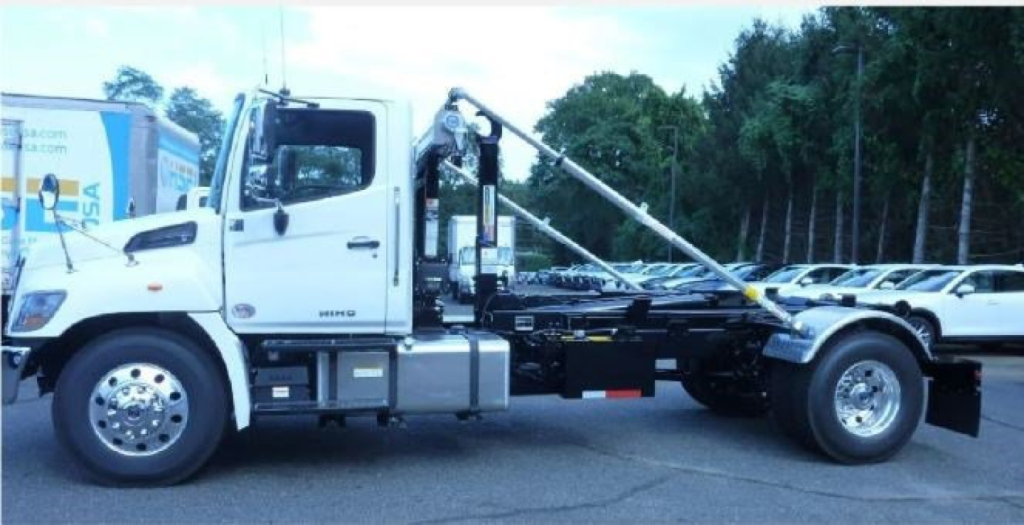
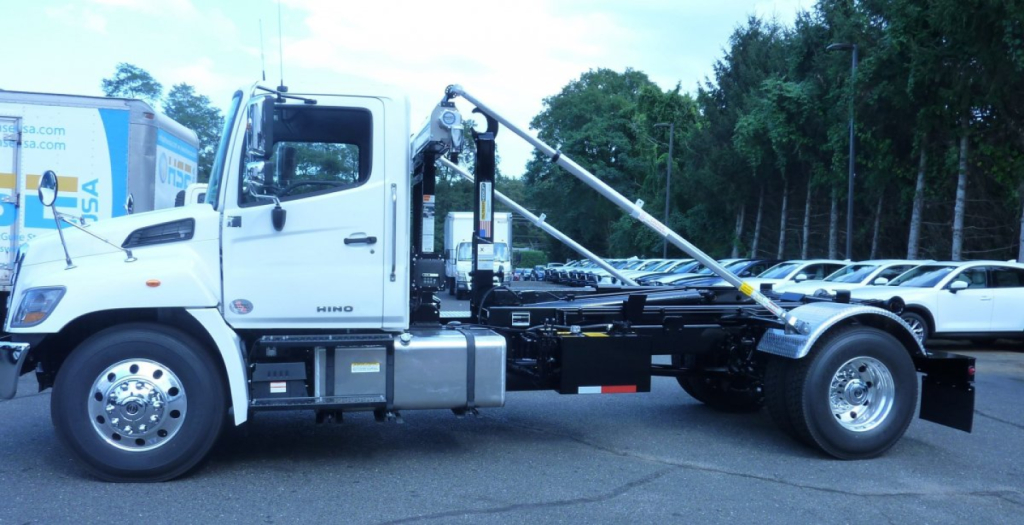
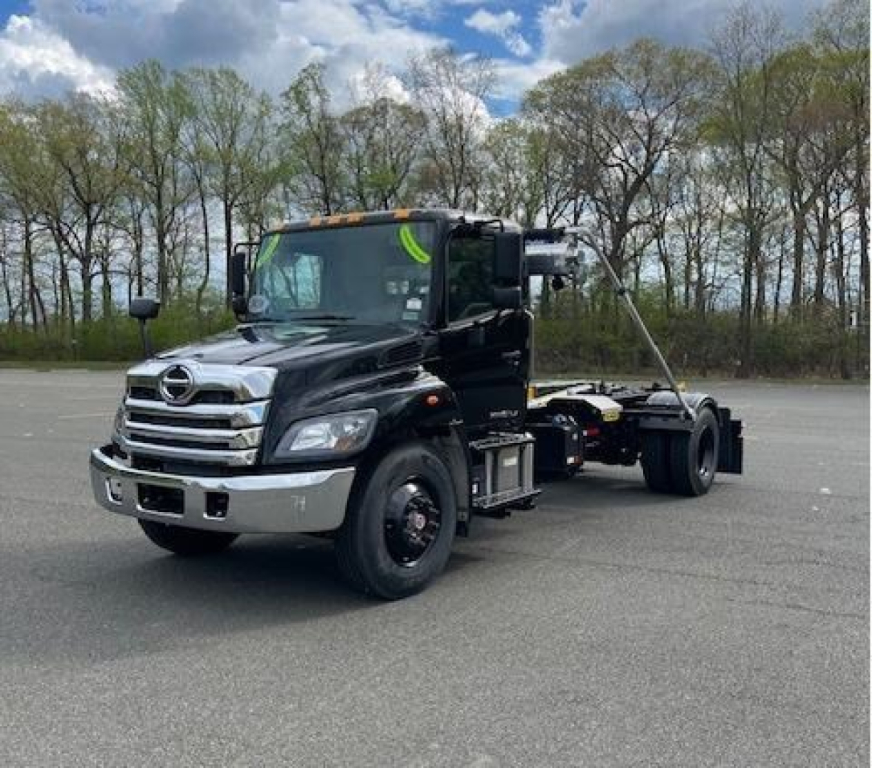
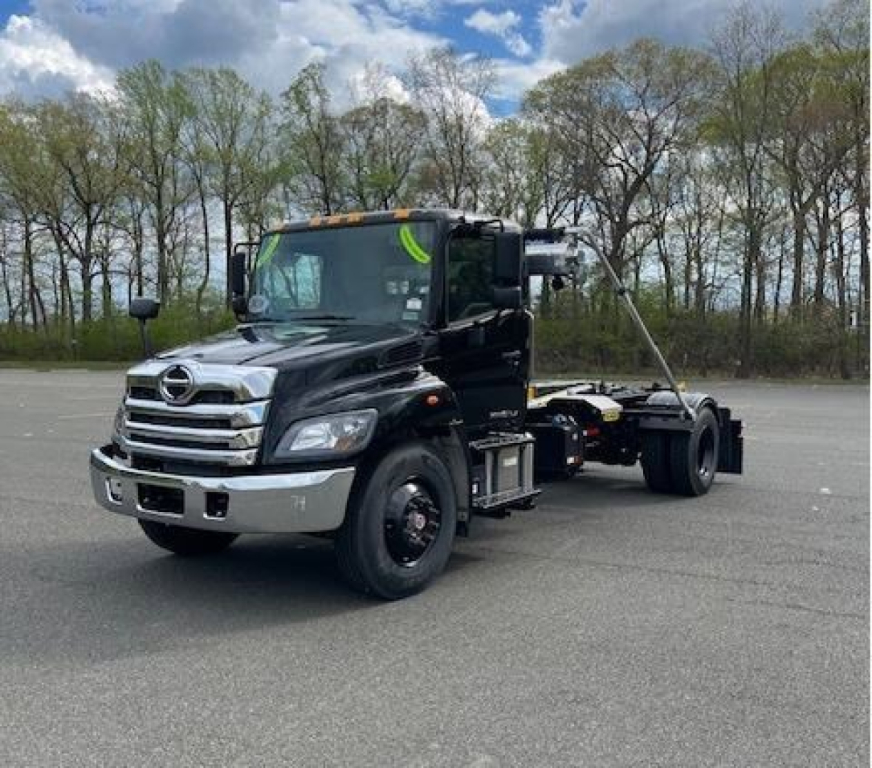

Selling a 2027 hooklift truck? List your 2027 hooklift truck for sale and reach thousands of commercial buyers.
2027 Hooklift Trucks
The first buying decision is capacity and body length. Medium-duty hooklift trucks commonly land in the 19,500 to 25,950 GVWR range on chassis such as the Ram 5500, Hino L Series, International MV, or Mack MD6 and MD7, with hoists often rated around 10,000 to 22,000 pounds. Match the hoist to the loaded container weight, not the empty can. Frame height, hook height, jib design, and usable rail length all affect body compatibility. Buyers should also confirm container lengths, rear roller geometry, hook center, and dump angle so the truck works with the cans already in service.
Hydraulic configuration matters more than many first-time buyers expect. Electric-over-hydraulic systems are common on lighter hooklift applications and can be a good fit for landscape, debris, and light municipal use. PTO-driven hydraulic systems are usually preferred for heavier cycling and more demanding commercial work because they offer stronger, more consistent performance. Look closely at hoist brand, live PTO operation, winch or cable specs where applicable, in-cab and exterior controls, and whether the truck has trailer brake wiring, receiver hitches, tarp systems, toolboxes, or backup camera provisions. On under-CDL builds, payload can disappear quickly once the hoist, body, fuel, and accessories are accounted for, so weight distribution and legal payload deserve careful attention.
Hooklift trucks are popular with waste haulers, landscape contractors, municipalities, demolition crews, tree service operators, and material suppliers because they reduce idle equipment and simplify body swaps. Buyers in snow regions often use the same chassis for plow and sander work in winter, then return it to dumpster or flatbed duty the rest of the year. A strong 2027 hooklift truck should be evaluated as a system: chassis GVWR, axle ratings, engine torque, transmission, wheelbase, hoist rating, and body interchangeability all need to line up with the job. When those specs are matched correctly, a hooklift truck can deliver excellent versatility, lower total fleet count, and strong year-round return on investment.
Frequently Asked Questions about 2027 Hooklift Trucks
What is a hooklift truck used for?
A hooklift truck is used to pick up, transport, dump, and set down interchangeable bodies or containers on one chassis. Common attachments include dumpsters, debris boxes, flatbeds, landscape bodies, equipment platforms, salt spreaders, and specialty municipal bodies. This makes a hooklift truck valuable for fleets that need one truck to cover several different jobs.
How do I choose the right hooklift capacity?
Start with the heaviest loaded container the truck will handle, then compare that weight to the hoist rating, chassis GVWR, axle ratings, and legal payload. A 22,000-pound hoist does not automatically mean the truck can legally haul 22,000 pounds of material once body weight and chassis weight are included. Buyers should also verify body length, hook height, rail width, and container compatibility before assuming an existing can fleet will fit.
Are hooklift trucks the same as roll-off trucks?
They are related, but not always identical in how the market uses the terms. Many operators use roll-off hooklift truck to describe a truck that swaps containers using a hydraulic hook and rails. Traditional cable roll-off trucks use a cable hoist system instead of a hook arm. Hooklift systems are generally favored for faster body changes, tighter overall package size, and multi-body versatility in medium-duty applications.
What chassis and powertrain specs matter most on a hooklift truck?
Key specs include GVWR, front and rear axle ratings, wheelbase, frame strength, engine torque, and transmission type. Medium-duty hooklift trucks often use diesel engines such as the Cummins B6.7 paired with an Allison automatic because that combination works well in stop-and-go vocational service. PTO capability, suspension choice, and brake configuration also matter because hooklift work involves repeated loading cycles, uneven terrain, and shifting payload demands.
Can a hooklift truck be operated under CDL rules?
Yes, some hooklift trucks are built on under-CDL chassis with GVWRs below 26,001 pounds. That can be useful for landscape, light debris, rental, and municipal applications where driver availability is a concern. The tradeoff is payload. Once the hoist, body, fuel, tools, and optional equipment are added, the remaining legal carrying capacity may be much lower than buyers expect.