
2027 Hooklift Trucks For Sale in New Jersey
Shop 2027 hooklift trucks in New Jersey. Compare 22,000-lb hoists, non-CDL GVWR setups, medium-duty chassis, and body-ready specs.
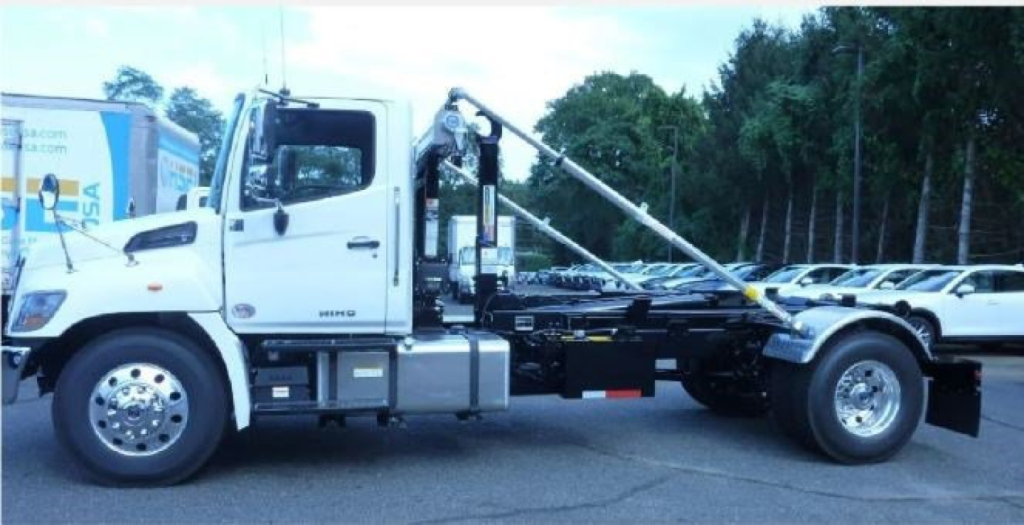
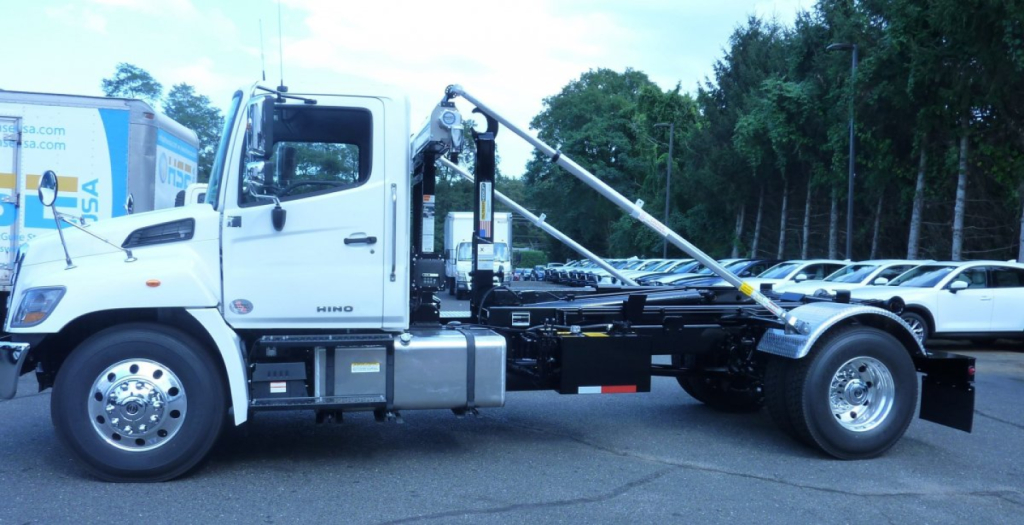
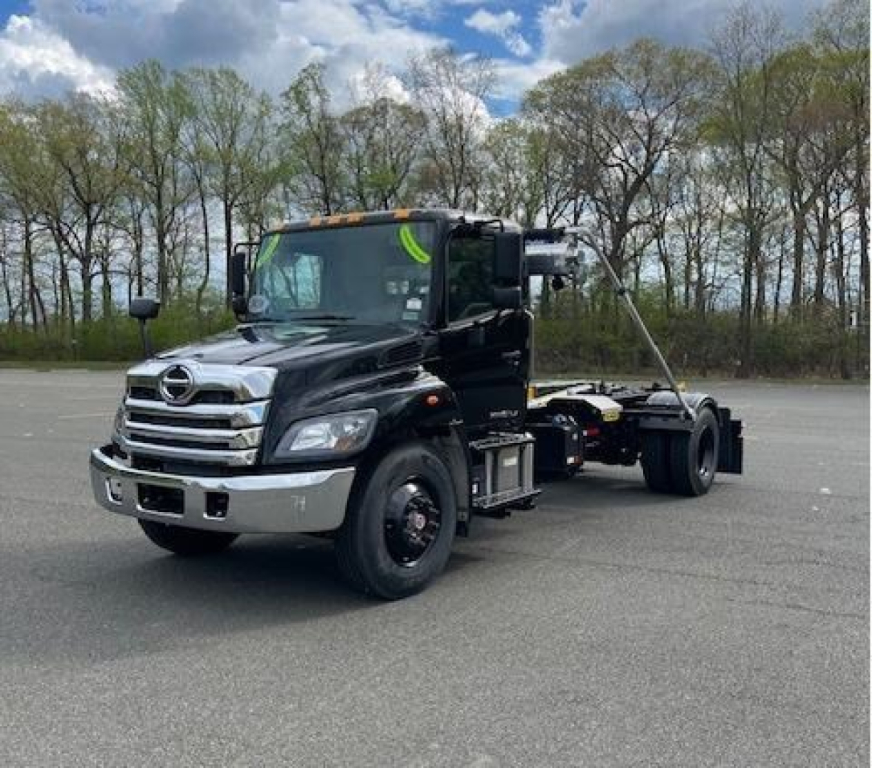
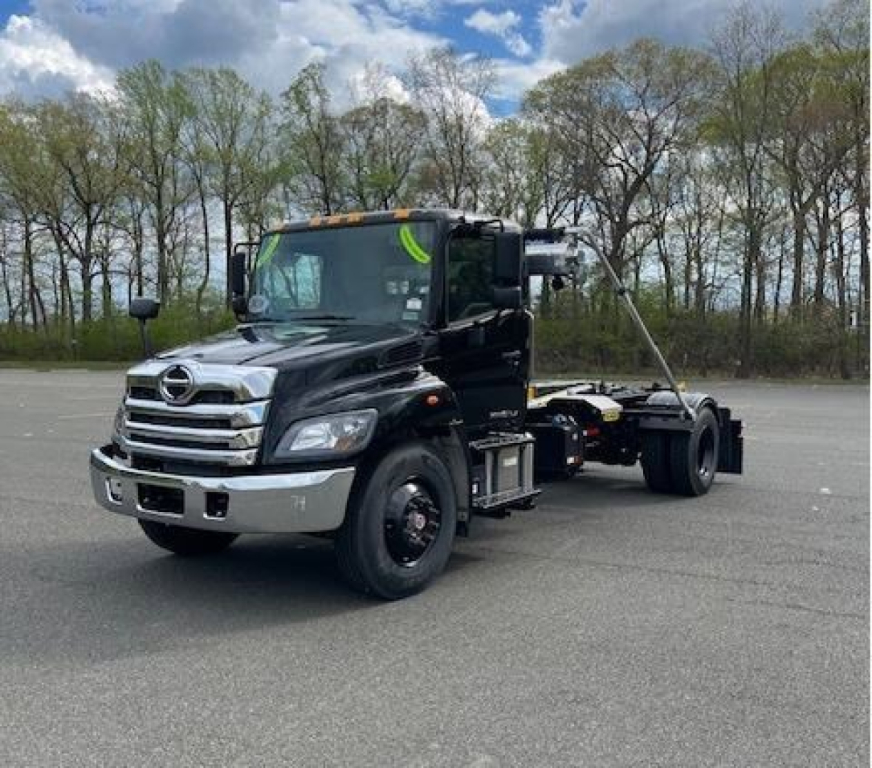
Selling a 2027 hooklift truck? List your 2027 hooklift truck for sale and reach thousands of commercial buyers.
2027 Hooklift Trucks in New Jersey
The first decision is usually chassis and payload balance. Common setups in this segment use medium-duty platforms such as a Hino L7 or Kenworth T280 with diesel engines in the 260 to 280 hp range, torque around 660 lb-ft, and an Allison 2500 RDS automatic transmission. That combination is well suited for stop-and-go vocational routes, short transfers, and repeated container cycling. Buyers should confirm usable payload after the hooklift, subframe, tarp system, toolboxes, and any optional equipment are installed. A truck can look similar on paper but vary materially in legal payload, bridge compliance, and body compatibility.
Body length range, hook height, and hoist geometry are just as important as rated capacity. A hooklift truck only performs well when the truck, hoist, and containers are matched correctly. Check container lengths the unit is designed to handle, the hook height required by your current cans, and the dump angle if the truck will unload dense material. Automatic tarps, adjustable jib settings, and body locks improve daily productivity, while features like backup cameras, PTO controls, and in-cab interlocks help reduce operator error. In Northeast service, corrosion protection deserves extra attention, especially on the hoist, rear rollers, hydraulic lines, and crossmembers exposed to road salt.
For many buyers, a hooklift truck is also known as a hook hoist truck or roll-off style interchangeable body truck, though it is more versatile than a dedicated cable roll-off in many applications. The value is in quick body swaps and better chassis utilization. When comparing 2027 models, focus on hoist brand, capacity, axle ratings, cab-to-axle dimension, frame reinforcement, and how the truck is spec'd for the containers you already own. A well-matched hooklift setup will load smoothly, carry legally, and spend more time working instead of waiting on the right body or the right driver.
Frequently Asked Questions about 2027 Hooklift Trucks in New Jersey
What can a 22,000-lb hooklift truck typically handle?
A 22,000-lb hooklift is commonly used for medium-duty containers, flatbeds, dumpsters, debris boxes, and equipment bodies sized for municipal, construction, and waste applications. Actual working capacity depends on container length, load distribution, truck GVWR, front and rear axle ratings, and the installed weight of the hoist and accessories. Buyers should verify the truck's real payload and approved body range rather than relying only on the hoist's headline rating.
Why are some hooklift trucks rated at 25,950 GVWR instead of 26,000 GVWR?
Many medium-duty hooklift trucks are derated to 25,950 GVWR to remain below the common 26,000-lb CDL threshold. That can widen the available driver pool and simplify staffing for local operations. The tradeoff is reduced legal payload compared with a higher-rated configuration, so fleets need to balance licensing convenience against the weight of the bodies and materials they plan to haul.
What specs matter most when buying a hooklift truck?
The most important specs are hoist capacity, body length range, hook height, cab-to-axle dimension, axle ratings, frame reinforcement, and usable payload. Buyers should also look closely at engine torque, transmission type, suspension, rear axle ratio, and PTO and hydraulic setup. If the truck will run in dense urban areas or on short vocational routes, maneuverability, visibility, and turning radius can be just as important as raw capacity.
Is a hooklift truck better than a cable roll-off for some jobs?
A hooklift truck is often better when the operation uses multiple interchangeable bodies, such as dumpsters, flatbeds, storage boxes, or specialty service bodies. Hooklifts generally offer faster body changes and more versatility across different job types. A cable roll-off may still fit operations centered on larger dedicated roll-off containers, but buyers needing one truck to cover several functions usually prefer the flexibility of a hooklift.
What should New Jersey buyers watch for on a new hooklift truck?
New Jersey buyers should pay attention to corrosion resistance, especially for trucks that will see winter road salt, transfer station traffic, and frequent washdowns. Hydraulic line routing, hoist finish, rear roller construction, underbody protection, and electrical sealing all affect long-term durability. It is also smart to confirm axle spacing, body length compatibility, and local route weight limits before choosing a final spec.