
2027 Hino Hooklift Trucks For Sale in New Jersey
Shop 2027 Hino hooklift trucks with medium-duty specs, 22,000-lb hoist capacity, and versatile body handling for waste and municipal work.
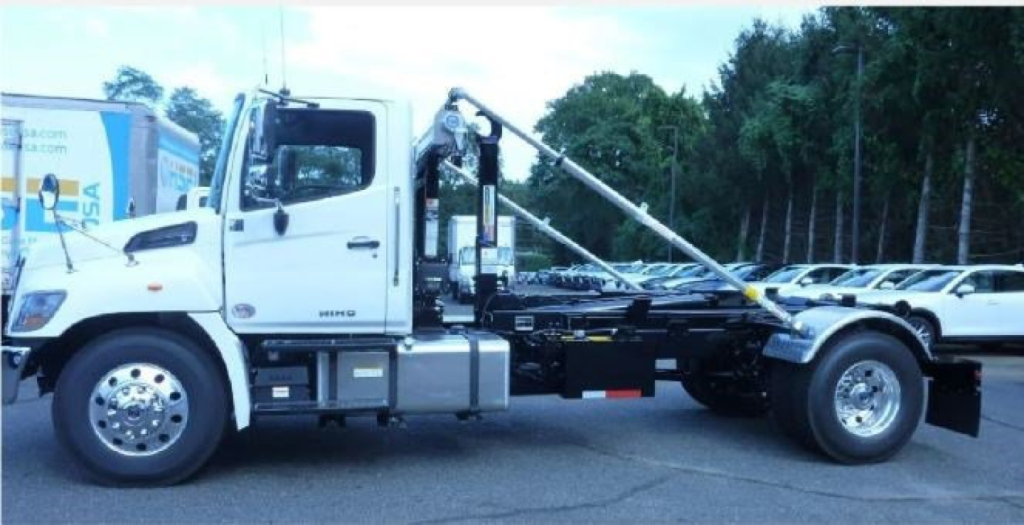
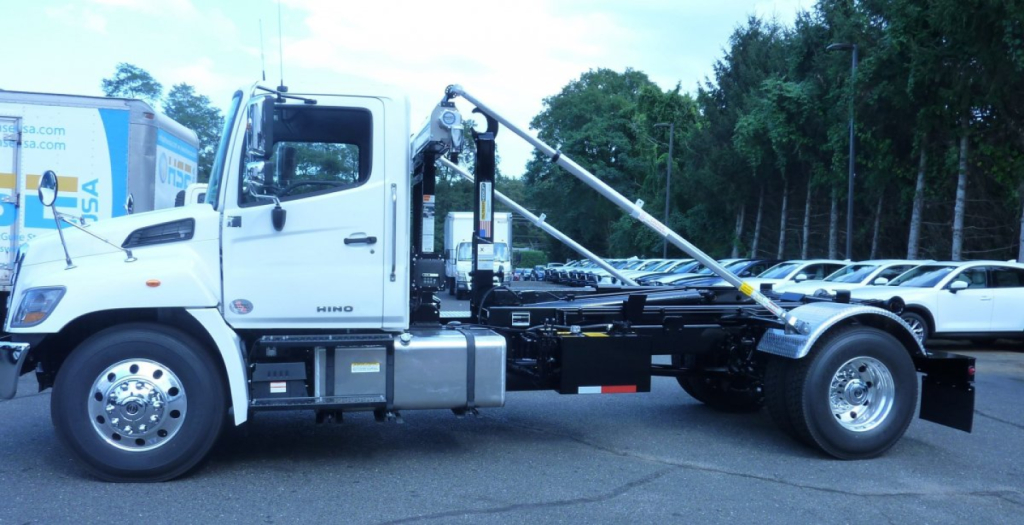
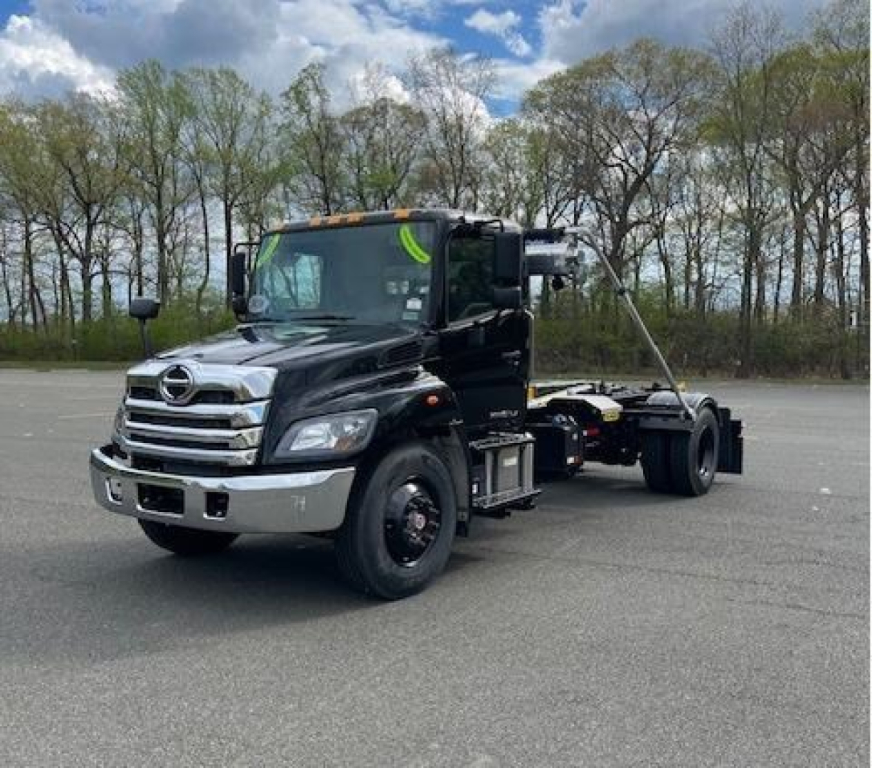
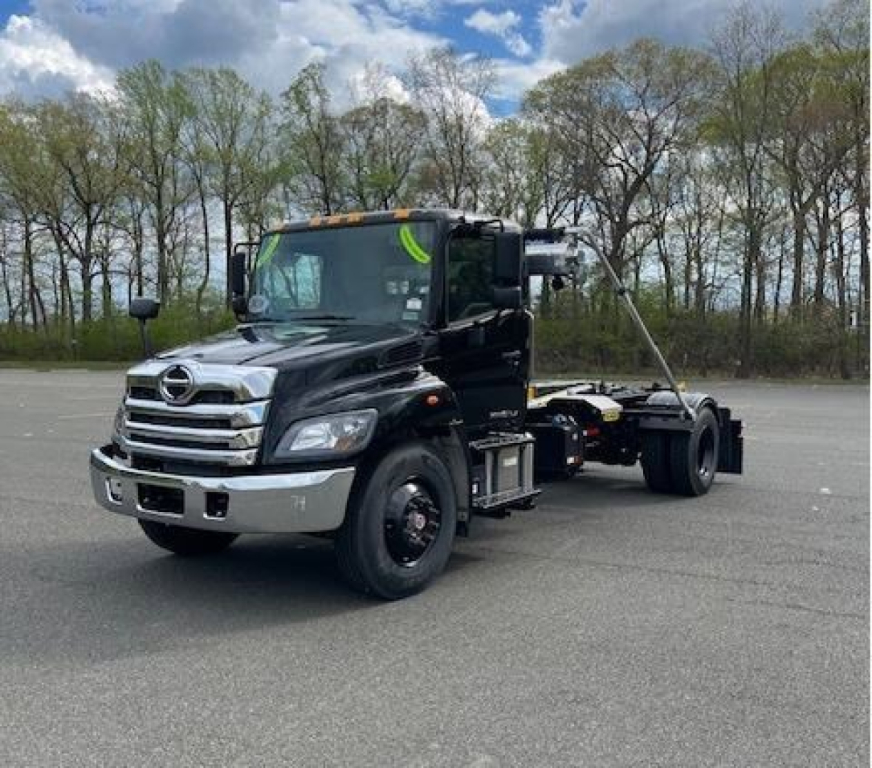
Selling a 2027 hino hooklift truck? List your 2027 hino hooklift truck for sale and reach thousands of commercial buyers.
2027 Hino Hooklift Trucks in New Jersey
The Hino L7 platform is commonly spec'd for commercial fleets that want a manageable wheelbase, good visibility, and straightforward body integration. Listings in this category show a Cummins B6.7 diesel rated around 260 hp and 660 lb-ft of torque, paired with an Allison 2500 RDS 6-speed automatic. That combination is well suited for stop-and-go vocational work, frequent PTO-related operation, and routes that mix local streets with short highway travel. A derated GVWR around 25,950 lbs can also matter to buyers trying to match licensing, registration, bridge, or operational requirements in certain jurisdictions.
Hooklift buyers should pay close attention to body length compatibility, hook height, axle ratings, and usable payload after the hoist and body are installed. Hoist capacity alone does not tell the full story. The right spec depends on container size, material density, load distribution, and how often the truck loads and unloads on uneven ground. It is also worth checking for details such as tarp systems, in-cab controls, backup cameras, pintle or receiver hitch options, PTO setup, and suspension choices if the truck will tow equipment or run in mixed on-road and yard environments. In New Jersey and similar dense regional markets, turning radius, bridge-law compliance, and ease of operation in tight transfer sites or municipal yards can be just as important as raw lifting capacity.
For fleet use, Hino hooklift trucks are often selected because they simplify utilization across several departments or job types. One truck can switch from container service to material delivery to equipment support with the right set of interchangeable bodies. That versatility can reduce idle equipment and improve asset use, but only if the chassis and hoist are matched correctly. Buyers comparing listings should focus on the complete working spec: hoist brand, subframe design, cab-to-axle measurement, actual payload potential, and intended container fleet. A well-matched 2027 Hino hooklift truck can be a highly efficient vocational platform for refuse, recycling, demolition, tree service, public works, and contractor operations.
Frequently Asked Questions about 2027 Hino Hooklift Trucks in New Jersey
What can a 2027 Hino hooklift truck typically be used for?
A 2027 Hino hooklift truck is commonly used for applications that require interchangeable bodies or containers on one chassis. Typical uses include waste and recycling container handling, scrap service, construction debris removal, landscaping material delivery, municipal public works support, and moving flatbed-style bodies or equipment platforms. The main advantage is operational flexibility, since the truck can pick up, transport, and set down different bodies instead of being limited to one permanent body configuration.
Is a 22,000-lb hooklift enough for my operation?
A 22,000-lb hooklift capacity is a solid medium-duty rating, but it must be matched to the actual loaded weight of your containers and the material being hauled. Light bulky loads such as brush or commercial waste are very different from dense loads like concrete, wet soil, or scrap metal. Buyers should evaluate container tare weight, expected material density, body length, and how the load sits on the rails. The safest approach is to size the hoist and chassis for real working weights, not empty container weight or occasional light-duty use.
What specs matter most when comparing Hino hooklift trucks for sale?
The most important specs are hoist capacity, cab-to-axle dimension, compatible body lengths, hook height, axle ratings, wheelbase, and actual GVWR. Powertrain details also matter, especially engine torque and transmission choice for repeated stop-and-go operation. Buyers should also review the hoist manufacturer, subframe construction, PTO and hydraulic setup, rear suspension, brake configuration, and any body-control or camera systems. These details affect body compatibility, payload, durability, and operator efficiency more than model year alone.
Why do some Hino hooklift trucks show a derated GVWR around 25,950 lbs?
A derated GVWR near 25,950 lbs is often used to meet operational, registration, or licensing goals. In some cases, fleets prefer to keep a truck under a certain weight threshold for regulatory or business reasons. That said, a derated chassis changes your legal carrying capacity, so it is important to understand the difference between the physical chassis capability and the certified operating rating on the door label. Buyers should confirm that the derated GVWR still supports the body, hoist, and payload demands of the job.
What should I verify for container compatibility on a hooklift truck?
Container compatibility starts with rail width, body length range, hook height, and the container's front bar design. You should also confirm clearances for loading angle, rear roller setup, and the loaded center of gravity. If the truck will handle bodies from multiple vendors or older containers already in your fleet, consistency becomes even more important. A hooklift truck can only deliver its full value when the chassis, hoist, and container fleet are all matched to the same dimensional standard.